

CryoLife's Cryopreservation Journey: Ultra-Low-Temperature Organ Preservation and Parallels with China's Haier Biomedical on the STAR Market

Artivion
Cardiovascular Medical Device Developer
On June 6, 2019, scientists at Imperial College London cultivated cardiac “patches.” This technology has currently been tested in rabbits and is poised for human trials. Cardiac patches can replace heart muscle damaged by a heart attack, and this approach holds promise for transforming the treatment of heart disease. According to statistics from the U.S. Centers for Disease Control and Prevention (CDC), heart disease ranks first among the top ten causes of death in the United States, accounting for 23.4% of all deaths. Globally, heart disease remains a leading cause of mortality. Although heart transplantation is not a routine treatment for heart disease, it is being performed at an increasing number of cancer treatment centers worldwide as thoracic organ transplantation becomes more widely adopted, benefiting a growing number of patients.
With modern medicine having made significant strides in overcoming rejection, another major challenge facing organ transplantation is the preservation of donor organs. Generally, a transplanted organ can survive ex vivo for only about three days; even with specialized treatment and refrigeration, its viability extends to a maximum of seven days.
In 2015, according to statistics from the National Health and Family Planning Commission, approximately 300,000 people in China required organ transplants annually, yet only about 10,000 patients successfully underwent transplant surgery. In the United States, roughly 85% of donated hearts are discarded because they cannot be delivered to recipients in time. To address this discrepancy, in addition to establishing an organ information-sharing system to reduce the waste of available organs due to geographic and other factors, it is also crucial to develop methods for prolonged organ preservation.
In fact, as early as the 1970s, American Steven G. Anderson keenly recognized the potential of cryopreservation and founded CryoLife, the world’s first medical device company dedicated exclusively to the cryopreservation of human heart valves. How did he address the challenge of preserving transplantable organs? One may gain some insights by examining the development trajectory of CryoLife.
A Company Founded at the Family Dining Table
In 1939, Steven G. Anderson was born in St. Paul, Minnesota, USA. At that time, no one could have imagined that 45 years later, this unremarkable infant would establish an “organ cryopreservation” empire near the Atlanta Airport in Georgia, hundreds of kilometers away.
Anderson attended the University of South Florida. After graduating with a degree in history, Anderson serendipitously crossed over into the pharmaceutical industry as a medical sales representative for Merck & Co., thereby formally entering the field of cryomedicine.
In the 1970s, while chatting with his friend Ray H. Holloway, Anderson learned about how physicians at the University of Alabama Medical School used allografts or cryopreserved human heart valves to repair congenital heart defects. He remarked, “For us, the developmental trend in technology for preserving human heart valves has become evident.”
In 1983, Anderson and his former colleague Bob McNally traveled to London to visit an allograft laboratory that was developing surgical heart reconstruction techniques. During the visit, a pediatric cardiovascular surgeon explained to Anderson the benefits of allogeneic transplantation. Unlike mechanical or porcine valves, human valves do not require patients to take blood thinners and offer greater durability. This trip to London revealed to Anderson, who had been selling mechanical hearts, the immense potential of using human hearts in transplant surgery.
Anderson discovered that although human heart valves held enormous market potential, they also faced the challenge of how to preserve transplanted organs—a problem that had not yet received widespread attention. Anderson realized his opportunity had arrived.
In the autumn of 1983, Anderson conceived the idea of founding CryoLife at his dining room table. On January 19, 1984, Anderson and Bob McNally officially established CryoLife by leasing a 2,400-square-foot laboratory near the Atlanta Airport in Georgia.
Regarding methods for preserving transplanted organs, CryoLife’s approach involves transporting the heart of a patient declared brain-dead by physicians to its headquarters, where the heart valves are excised and placed in liquid nitrogen at -196°C. After 90 minutes, the valves are either stored or shipped back to the donor hospital.
However, CryoLife’s initial development did not go smoothly.
In the 1970s, influenced by Robin Cook’s thriller novel Coma and its film adaptation of the same name, there was a wave of negative publicity surrounding cryogenic technology. Furthermore, due to ethical and moral considerations, certain forces within the medical community also hindered technological advancement.
In a 1987 article published in Business Atlanta, Anderson pointed out that the problem with cryopreservation technology is that, although “the technique is well proven,” it remains “trapped in research laboratories,” benefiting no more than 100 people per year.
Just as CryoLife was mired in public controversy and stagnation, its partner, New York-Presbyterian Hospital/Columbia University Medical Center, breathed new life into it.
In October 1984, NewYork-Presbyterian Hospital/Columbia University Medical Center successfully performed the first cryopreserved valve implantation in a young child. Thanks to this procedure, public fear and aversion toward cryogenic organ preservation technology gradually diminished, and many major hospitals extended olive branches to CryoLife. By 1987, the cost of CryoLife’s service ranged from $1,955 to $2,295.
In 1985, CryoLife, with a staff of six, generated $900,000 in revenue, essentially breaking even. To scale its operations, CryoLife relocated its laboratory to a new 60,000-square-foot facility on New Market Avenue near Dobbins Air Force Base.
“The financial sector is harder to break into than the medical field!” This was Anderson’s exclamation while seeking investors.
After failing to find investors in Atlanta, Anderson traveled to Tennessee and successfully persuaded Lucius Burch to invest in Nashville. In December 1985, CryoLife secured a $1 million investment from the Massey Burch Group, along with warrants for an additional $1.4 million in stock. With this funding, CryoLife generated $3.2 million in revenue and achieved a net profit of $230,000 in 1986.
To intensify its research and development efforts and expand outward, CryoLife began trading on the New York Stock Exchange in June 1993. That year, CryoLife’s annual revenue had reached $21.2 million. Since then, CryoLife has embarked on a path of stable annual revenue growth.
In the mid-1990s, CryoLife demonstrated strong performance, with its research and development efforts continuing to deliver significant growth dividends. For instance, in 1995, its revenue reached approximately $29.2 million, representing a 23% increase from the $23.8 million recorded in 1994. In 1997, the company relocated to a 200,000-square-foot facility near Kennesaw, Georgia. In 1998, CryoLife offered training services in cadaver dissection and heart packaging, as well as promotional support for tissue banks and their services. With virtually no comparable competitors, it captured an 80% share of the human heart valve market.
At the dawn of the new millennium, CryoLife demonstrated strong growth prospects. Over the ten-year period ending in December 2000, the company’s revenue increased from $15.3 million in 1991 to $77.1 million.
In-House R&D + Acquisitions: Mastering Key Technologies
CryoLife’s original business was limited to the cryopreservation of hearts. By 1990, CryoLife had expanded its tissue preservation technologies to include cardiac patches, saphenous veins, femoral arteries, and aortic vascular hemostasis techniques for central and peripheral vascular reconstruction. Currently, CryoLife’s product portfolio comprises two main categories: internally developed products and those acquired through acquisitions.
Proprietary Development:
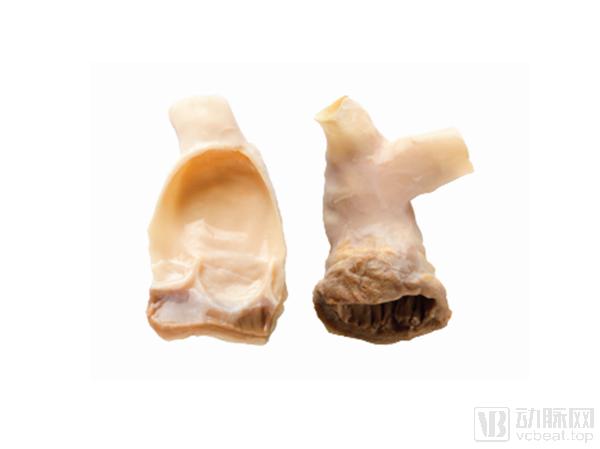
SynerGraft Decellularized Tissue Processor (Image from the official website)
In 1991, Dr. Steven Goldstein, Senior Technical Director at CryoLife, developed the patented SynerGraft decellularization tissue processor to reduce rejection of allografts in recipients. SynerGraft reduces cellular components in cadaveric allografts from aortic valve conduits through enzymatic and washing processes, while preserving the integrity of the extracellular matrix. Compared with other tissue processors, implantation of SynerGraft-processed cardiac tissues can reduce recipients’ immune responses for up to one year.
In October 2000, CryoLife announced that it had obtained product certification for the use of its SynerGraft decellularization tissue processor in the European Union. In 2008, the SynerGraft decellularization tissue processor received FDA approval for use in human pulmonary valve allografts; in 2009, SynerGraft received FDA approval for processing cardiac patch tissues.
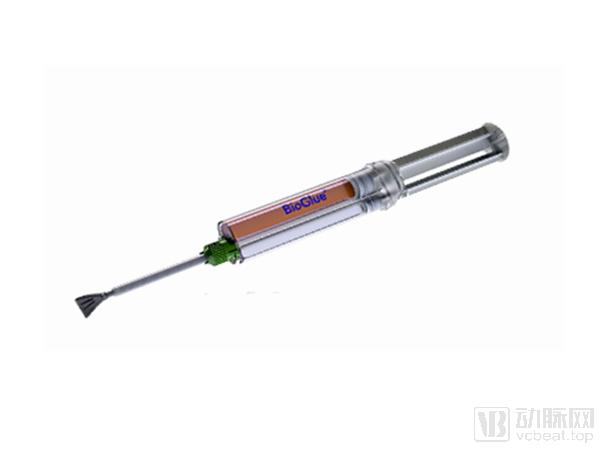
BioGlue Surgical Adhesive (Image from the official website)
BioGlue adhesive, CryoLife’s flagship product, is a standalone, easy-to-use, single-patient-use delivery syringe that requires no thawing, reconstitution, or manual mixing, serving as a hemostatic agent in cardiovascular surgical procedures. Available in 2 mL, 5 mL, and 10 mL volumes, the syringe meets surgeons’ varying hemostatic needs.
BioGlue Injection is a protein-based hydrogel polymer composed of purified bovine serum albumin (BSA) and glutaraldehyde. BioGlue adhesive has very low viscosity, requiring physicians to release the gel slowly during application to cover the wound area. BioGlue begins to polymerize within 20 to 30 seconds and achieves full strength within two minutes. When applied to tissues at the repair site, BioGlue creates a flexible mechanical seal that functions independently of the body’s coagulation mechanisms.
BioGlue adhesive is commonly used as an adjunct to standard surgical repair methods (such as sutures, staples, electrocautery, and/or patches) to bond, seal, and/or reinforce soft tissues. BioGlue adhesive is frequently applied in large vascular repairs, including ventricular assist device implantation (outflow graft anastomosis to the aorta), aortic valve replacement (full root and aortotomy), aortic aneurysm repair, aortic dissection repair, and peripheral bypass access for carotid endarterectomy.
Since 1998, the safety and efficacy of BioGlue surgical adhesive have been demonstrated in more than 1.25 million clinical cases worldwide. In 1999, BioGlue received CE Mark approval in European Union countries, where it was indicated for cardiac and vascular repair, pulmonary repair, and soft tissue repair. In 2011, BioGlue surgical adhesive received FDA approval as an adjunct to standard methods of hemostasis (such as sutures and staples) in open surgical repair of large vessels (e.g., aorta, femoral artery, and carotid artery) in adults. In the same year, BioGlue was approved in Japan, successfully entering the world’s second-largest surgical adhesive market after the United States.
Acquisition Proceeds:
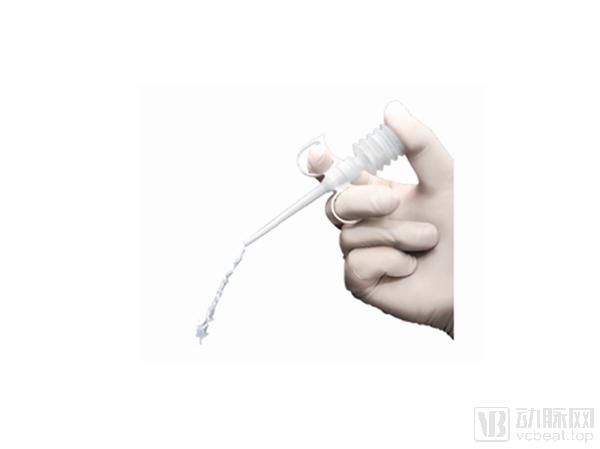
PerClot Powder Hemostatic Agent (Image from the official website)
In September 2010, CryoLife entered into a global exclusive manufacturing and distribution agreement with Starch Medical of San Jose, California, for the powdered hemostatic agent PerClot. In the third quarter of 2013, CryoLife officially commenced manufacturing operations for PerClot.
PerClot is a superhydrophilic adhesive that forms a hemostatic polymer, approved for use in various open and laparoscopic surgeries. PerClot is a hemostatic system designed for minimally invasive surgical procedures, comprising powder, a dispenser, and an applicator, enabling physicians to precisely deliver PerClot powder to the bleeding site via laparoscopy.
PerClot Powder is a biocompatible, absorbable polysaccharide derived from plant starch, free of animal or human components. Its molecular structure enables rapid absorption of water from blood, thereby concentrating platelets, red blood cells, and clotting proteins at the site of bleeding to accelerate the physiological coagulation cascade. This purified plant-based material minimizes the risk of infection and bleeding-related complications during surgery.
Upon contact with blood, PerClot powder rapidly forms a gel matrix that adheres to and creates a mechanical barrier over the bleeding tissue. PerClot powder is enzymatically degraded by α-amylase, glucoamylase, and macrophage enzymes. The absorption time of the granules depends on the amount of material applied and the site of application, with complete absorption typically occurring within several days. The hemostatic powder PerClot has obtained CE certification in Europe and is currently sold in select international markets.
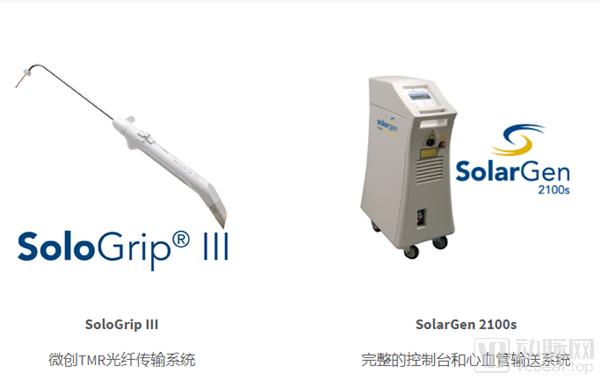
Minimally Invasive TMR Fiber Optic Transmission System SoloGrip III, Console SolarGen 2100s (Image from the official website)
In May 2011, CryoLife completed the acquisition of CardioGenesis Corporation, thereby obtaining Transmyocardial Revascularization (TMR) technology for patients with severe angina.
Transmyocardial Revascularization (TMR) is a therapeutic approach designed to alleviate or eliminate chest pain symptoms, including severe angina, chronic angina, and angina pectoris caused by coronary artery disease, by enhancing blood flow to ischemic regions of the heart. To perform TMR, physicians utilize two specific devices: the SoloGrip III Minimally Invasive TMR Fiber Optic Delivery System and the SolarGen 2100s Complete Console.
The procedure is performed under general anesthesia. The surgeon accesses the heart through small incisions between the ribs and uses the SoloGrip III to deliver precise, low-power laser energy directly to myocardial regions affected by ischemic heart disease, creating approximately 20–40 channels with a diameter of 1 millimeter each. These channels stimulate fresh blood perfusion of the cardiac wall, thereby delivering oxygen. Published studies have demonstrated that these channels can promote neovascularization or angiogenesis.
The TMR method can reduce angina-related chronic pain in patients by 67–75%, offering superior therapeutic outcomes. Patients are transitioning from Class IV angina to Class II or I, marking a shift from pain to relief. Thanks to this acquisition, expertise in TMR products and relationships with leading cardiac surgery programs have significantly bolstered CryoLife’s valve replacement and reconstructive cardiac surgery franchise. CryoLife has also surpassed CardioGenesis Corporation to become the market share leader in TMR.
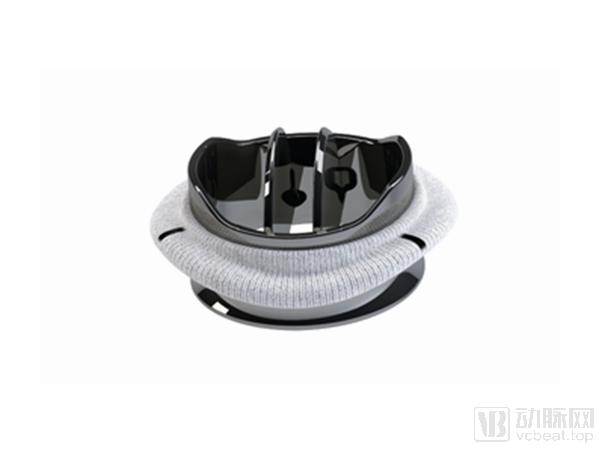
On-X Aortic Valve (Image from Official Website)
In 2016, CryoLife acquired On-X Life Technologies, a manufacturer of mechanical heart valves, for $1.03 billion, thereby gaining access to its advanced On-X aortic valve product. Notably, the On-X aortic valve is the only mechanical valve to have received both FDA approval and CE marking in the European Union, with more than 260,000 patients having received implants to date.
The On-X aortic valve is a next-generation heart valve with unique material and design features compared to previous generations of mechanical heart valves. Its target international normalized ratio (INR) range is only 1.5–2.0, offering a distinct competitive advantage. As a mechanical heart valve, the On-X aortic valve carries a lower risk of reoperation than tissue valves and a lower risk of bleeding than other mechanical aortic valves, due to the significantly reduced requirement for anticoagulation. Clinical trials have confirmed that a lower intensity of anticoagulation therapy is reasonable for patients implanted with the mechanical On-X aortic valve. Benefiting from this acquisition, CryoLife has gained an opportunity to enter the $220 million mechanical valve market.
Furthermore, in 2017, CryoLife acquired JOTEC, a leading medical device and tissue processing company specializing in cardiac and vascular surgery, for $225 million. This acquisition highly complemented CryoLife’s global cardiac and vascular surgery business, enabling CryoLife to leverage JOTEC’s existing direct sales organization and create significant cross-selling opportunities. As a result, CryoLife entered the $2 billion global stent graft market.
Next Stop, China
To further achieve business diversification, CryoLife has continuously expanded overseas. To date, CryoLife has a total of 17 subsidiaries worldwide. Major subsidiaries include CryoLife International, CryoLife Europa, and AuraZyme Pharmaceuticals.
Among them, the wholly-owned subsidiary AuraZyme Pharmaceuticals was established in 2001, primarily to facilitate the commercial development of the company’s new photoactivated drug delivery system, which is designed for the treatment of cancer, heart disease, stroke, and thrombosis. The wholly-owned subsidiary CryoLife Europa, located near Heathrow Airport outside London, United Kingdom, serves as the European and Mediterranean distribution center for CryoLife’s implantable medical devices.
In February 2014, CryoLife announced the establishment of its wholly-owned subsidiary, CryoLife Asia Pacific, in Singapore to support all of the company’s operations across Pacific Rim countries and regions, including China, Japan, Southeast Asia, Australia, Malaysia, and Indonesia. In November 2017, CryoLife announced the enrollment of the first patients in China for clinical trials of BioGlue. The trial results will serve as the basis for regulatory submissions to the China Food and Drug Administration (CFDA) to obtain approval for the commercialization of BioGlue in China.
On April 30, 2019, CryoLife announced its financial results for the first quarter of 2019. The company’s total revenue for the first quarter of 2019 amounted to $67.5 million, representing an 11% year-over-year increase compared to the first quarter of 2018. Pat Mackin, President of CryoLife, stated that in light of the strong performance in the first quarter, CryoLife would accelerate the advancement of its clinical and research and development programs and continue to gain market share, aiming to achieve high single-digit revenue growth in 2019.
Cryogenic organ preservation technology emerged abroad as early as the 1970s. Although cryomedicine in China started later, it has developed rapidly. Currently, cryomedicine in China is primarily applied to the cryopreservation of pharmaceuticals.
With economic development, China has become the third-largest pharmaceutical market globally. The improvement in healthcare coverage has raised higher requirements for the logistics of pharmaceutical products. In particular, pharmaceutical cold-chain products requiring low-temperature storage have witnessed rapid growth, driving the pharmaceutical cold-chain logistics sector into a period of accelerated expansion. Consequently, many enterprises are increasing their investments in pharmaceutical cold-chain logistics to secure a foothold in this industry.
As a representative in the field of medical cold chain equipment manufacturing, Aucma focused on medical cold chain and ultra-low temperature freezing equipment in 2011, successively launching over 100 specifications across 20 major categories, including blood storage boxes, pharmaceutical storage boxes, and low-temperature storage boxes, thereby achieving comprehensive coverage of medical cold chain equipment. On May 14, 2019, Hisense launched its third-generation energy-saving and environmentally friendly -86°C hydrocarbon inverter ultra-low temperature freezers, along with new vaccine refrigerators, completing two iterations of ultra-low temperature medical freezers within two years and repeatedly pushing the technical boundaries of ultra-low temperature refrigeration.
In addition, Haier, the leading domestic manufacturer of washing appliances, also seeks to capture a share of the low-temperature medical market through Haier Biomedical.
On April 2, 2019, Haier Biomedical, a company specializing in ultra-low temperature storage for biomedical applications, was included in the list of companies listed on the STAR Market of the Shanghai Stock Exchange. Addressing critical national needs such as blood and vaccine safety, Haier Biomedical has innovatively integrated IoT technology with biomedical ultra-low temperature storage technology, pioneering the development of global IoT-enabled smart blood safety solutions and IoT-enabled smart vaccination solutions.
To date, Haier Biomedical has provided biobanking solutions to major national strategic support projects, including the China Marrow Donor Program, the National GeneBank, and the China Human Genetic Resources Bank, as well as to key medical institutions such as Shanghai Ruijin Hospital, Beijing 301 Hospital, and Sichuan West China Hospital. Its biobanking solutions have been deployed in more than 500 biobanks, significantly supporting the advancement of biotechnological research and innovation in China.
Among them, Yinfeng Biology also completed China's first human cryopreservation trial.
On May 3, 2017, the Shandong Yinfeng Life Science Research Institute, funded and established by Yinfeng Biological Group, in collaboration with Qilu Hospital of Shandong University, successfully completed China’s first case of whole-body human cryopreservation. This marked a significant scientific endeavor in the field of cryobiomedicine in China, laying the foundation for the clinical application of tissue and organ preservation and revival technologies.
It is reported that since launching its research program on cryopreservation and resuscitation of human tissues and organs in 2013, Yinfeng Group has successfully achieved cryopreservation, resuscitation, and clinical application of various human cells. The group has made breakthrough research achievements in the cryopreservation and resuscitation of heart valves, skin, severed fingers (toes), ovarian tissue, and certain large-sized organs.
At present, domestic companies are still in the development stage, and the growth momentum of CryoLife in China has yet to materialize. Nevertheless, it is undeniable that CryoLife will not easily relinquish its hold on the lucrative Chinese market.
Source:
https://www.cryolife.com/cryolife-announces-definitive-agreement-acquire-jotec/
https://www.cryolife.com/
https://www.referenceforbusiness.com/history2/33/CryoLife-Inc.html
https://news.cnyes.com/news/id/828641/print
http://www.vkjiadian.com/view.php?id=6509
https://new.qq.com/omn/20190516/20190516A0DKZ8.html