

Pet Kingdom International Raises Over RMB 100 Million in Half a Year with B and B+ Rounds Led by Shuanghu Capital and Follow-on from Honghui Capital
VCBeat (WeChat ID: vcbeat) has learned that Pet International Animal Hospital, a dark horse in the pet healthcare industry, recently announced the completion of two rounds of financing in the first half of 2019. At the beginning of the year, the company secured Series B financing, led by Shuanghu Capital with continued participation from Honghui Capital. The Series B+ round was also finalized recently. The cumulative amount raised in these two rounds exceeded RMB 100 million.

Ms. Li Xue, Founder and CEO of Pet International Animal Hospital, stated that all financing proceeds will be primarily used to expand into new cities, making professional pet medical services accessible across China. The funds will also support the continuous recruitment of top-tier talent, innovation in medical technologies, and the development of a more professional and comprehensive pet healthcare service system, thereby enhancing the company’s core competitiveness.
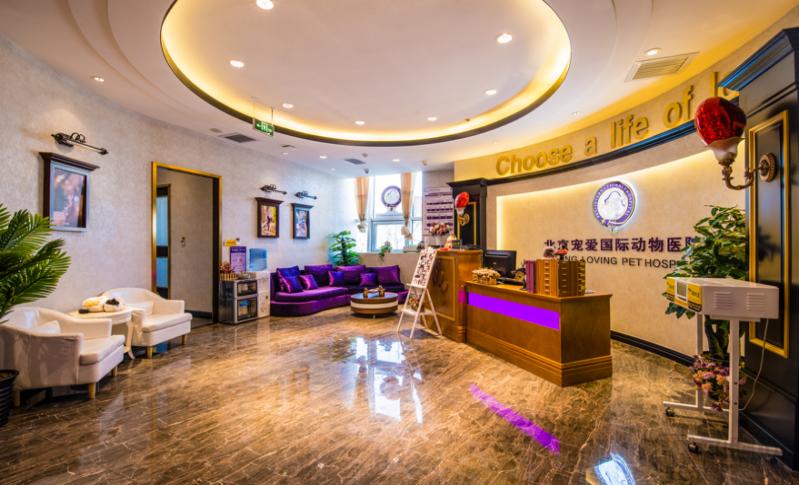
Currently, Pet International operates nearly 30 veterinary hospitals across China, with Beijing as its headquarters and a presence in Hangzhou, Shenyang, Chongqing, and other cities. Previously, Pet International completed two rounds of financing, with investors including Honghui Capital, Bopai Capital, and Pushi Capital.
VCBeat interviewed Li Xue, founder of Pet International, who detailed the company’s development journey and shared his insights into the pet healthcare industry.

Li Xue, founder of Pet International. Photo provided by the interviewee
“My eldest ‘child’ (my beloved dog) is already 10 years old,” said Li Xue. A lifelong animal lover and seasoned pet owner, she deeply understands the emotional dependence that pet owners have on their companions. Coupled with her parents’ backgrounds in the healthcare industry, her understanding and passion for the medical field have laid the foundational DNA for the founder.
“I hope to apply human healthcare standards to establish operational benchmarks for the pet medical industry, enabling pets to receive the highest quality of medical care,” said Li Xue.
Although she had limited prior knowledge of the pet healthcare industry, the similarities between animal medical care and hospital operational models gave her confidence. Through preliminary market research, she found that China’s pet healthcare standards were relatively backward and lagged significantly behind those in foreign countries. There was an urgent need for improvement across the board, including medical technology, equipment, clinical environments, and services. Li Xue herself had experienced multiple unsatisfactory veterinary visits with her own pets. The substantial gap between market demand and the current level of service supply further strengthened her resolve to start a business.
Following extensive preliminary research, the first flagship store of Pet International Veterinary Hospital was established in Baiziwan, Chaoyang District, in December 2013. Initially staffed with 15 medical professionals, the hospital was relatively new to the market yet already ranked among the larger facilities in Beijing at the time, making its initial operational pressures evident. Leveraging his prior entrepreneurial experience in the internet industry, founder Li Xue led the team to analyze customer needs and elevate operational standards. Coupled with competitive brand technology and service capabilities, this approach drove rapid growth in operational metrics and swift accumulation of brand reputation, positioning the company as a dark horse in the industry.
Starting with its flagship store in Baiziwan, Pet International has consciously refined the operational standards and systematic management processes for its pet medical institutions, accumulating systematic experience in staff training and management, equipment procurement, and store operations. Building on this foundation, the company has embarked on a path of scalable replication.
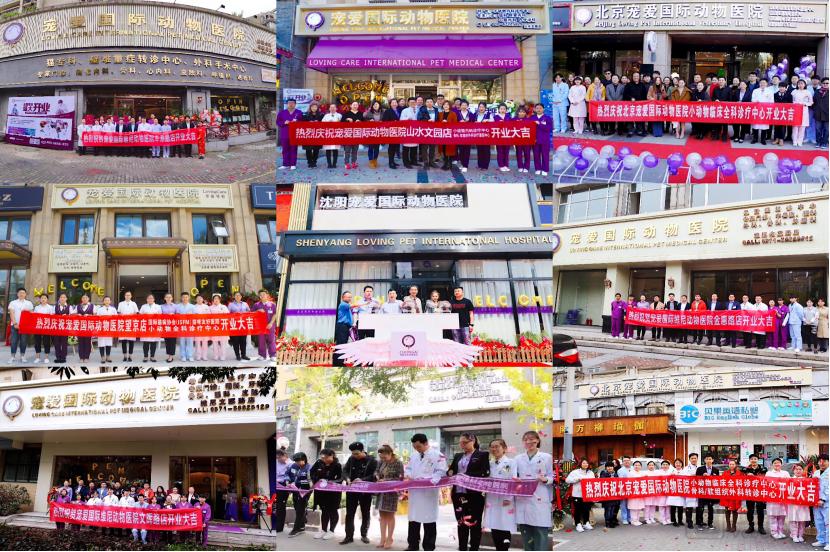
Store Opening Status of Pet International
From a timeline perspective, in 2017, Pet International began its chain expansion in Beijing and completed the establishment of seven clinics by the end of that year, while strengthening its medical team. “Expanding scale is not the company’s most important development goal, nor is it what customers care about. What matters is whether the brand can continuously meet the growing needs of customers. With the increasing complexity of clinical cases and the accelerating trend of pet aging, building sustained technical barriers is the top priority,” said Li Xue.
In May 2018, Pet International’s Shenyang Changbai branch opened, marking the first step in its expansion across China.
In June 2018, Pet International partnered with Wenwenwo, an emerging influencer pet brand in Beijing, to create a one-stop, high-end lifestyle service experience for healthy pet ownership. Building upon its existing services—including pet grooming, styling, boarding, SPA, training, photography, and transportation—the company integrated Pet International’s medical services to comprehensively safeguard pets’ daily needs and health, thereby delivering a premium, customized private service experience for pet owners.
In December 2018, Pet International entered Hangzhou, Zhejiang.
During the process of large-scale expansion, Li Xue believes that medical technology, talent, standard systems, and brand reputation are key factors.
“Competition among veterinary hospitals is fundamentally a competition for talent. However, China currently lacks a robust education and training system for veterinarians, resulting in a shortage of qualified professionals. During the development process, a brand’s ability to attract talent is particularly crucial. Industry professionals favor organizations like Pet International that offer comprehensive learning and training programs, a positive and progressive cultural environment, and well-defined career development pathways. As a young brand, we have also become the first mainland Chinese training base affiliated with National Chung Hsing University in Taiwan, and have established mutual visit and technical exchange mechanisms with top-tier medical institutions in Japan, South Korea, the United States, and other countries,” said Li Xue.
Regarding brand strategy, PetLove places significant emphasis on word-of-mouth marketing. “Regardless of the marketing tactics employed, the product always comes first. In our industry, this translates to the medical services we provide. Positive word-of-mouth is the most cost-effective channel for customer acquisition, particularly in a market characterized by a large young consumer base and widespread adoption of social media.”
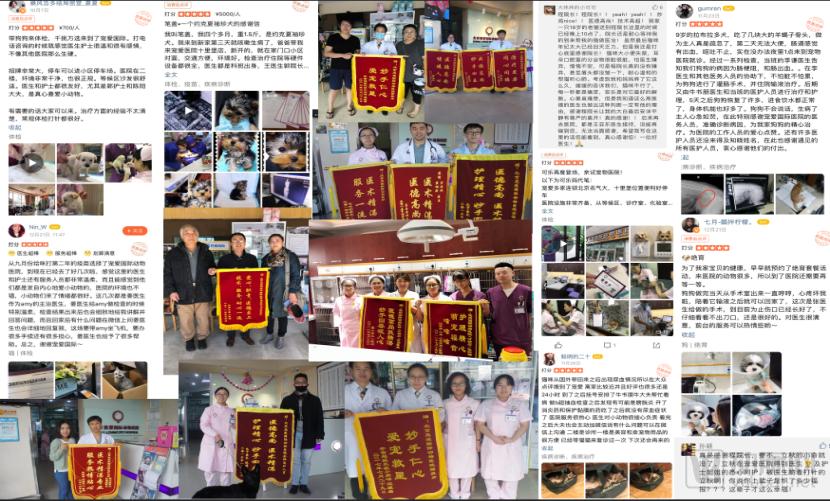
Pet International Receives High Recognition from Customers
Interestingly, many celebrities are frequent visitors to Pet International, including Li Chen, Zhang Jingchu, CCTV’s renowned host Sa Beining, Qin Lan, and Wang Sicong, known as the “Nation’s Husband.” Pet International enjoys a stellar reputation in the entertainment industry.
“Celebrities have higher expectations for pet healthcare, such as medical quality and service experience. Gaining their approval is a recognition of Pet International’s comprehensive service capabilities. We regard the endorsement and recognition from celebrities as a ‘bonus,’ which was an unintended benefit,” said Li Xue.
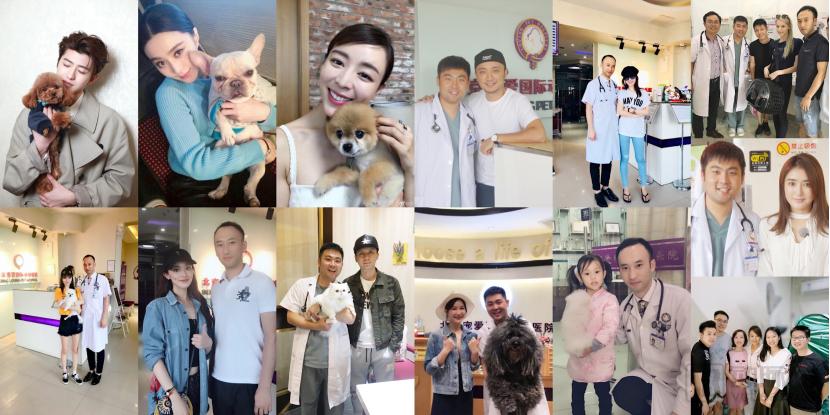
Star Clientele of Pet International
Whether it involves the education and training of medical staff, operational management, or brand promotion, the overarching principle is “standardization.” Li Xue stated that pet healthcare is a highly significant endeavor, encompassing both technical and service-oriented attributes. To consistently deliver high-quality services, standardization serves as a critical prerequisite and forms the foundation for expansion.
According to a research report by China Securities Co., Ltd., the global pet product market reached $109.8 billion in 2017, with North America accounting for approximately 44% of the market, ranking first. The total size of the global pet industry is around $200 billion, with the United States comprising about 35%. China’s total market is approximately $20 billion, representing a significant share; however, it lags in product quality and the maturity of its industrial chain. From the perspective of the pet industry chain, pet food in China experienced an initial surge. As consumption upgrades advance, there is a trend of expansion from upstream products to downstream services. Pet healthcare and grooming are poised to lead the rise of the downstream sector, with each segment expected to tap into markets worth hundreds of billions of yuan. Nevertheless, pet food will continue to be the biggest beneficiary in the current and coming years.
Downstream pet healthcare and pet services are the primary forms. The current market size for pet healthcare is approximately RMB 20 billion, with basic needs such as vaccines and deworming accounting for the largest share. The pet grooming market is also dominated by basic necessities like shampoos. This indicates that the current pet service market is still driven primarily by basic service demands, leaving substantial room for growth. For instance, the development trajectory of pet healthcare is expected to closely follow that of pet food, potentially reaching a similar scale of over RMB 100 billion in the future. Consumption upgrades are likely to propel the pet industry into the second half of its development cycle within five years, characterized by intensified competition in pet services, with pet healthcare and grooming at the forefront.
Li Xue also shared her insights into the pet industry, noting that the team’s continuous attention to evolving customer needs and ongoing refinement of operational standards are all inspired by big data.
“The number of cats and dogs kept as pets reached a 50-50 split last year, whereas previously dogs significantly outnumbered cats. This data illustrates the growth in the overall market size for cats.” In response to this trend, Pet International has strengthened its focus on feline care and upgraded its clinics. In June 2018, to better serve cat owners, Pet International gradually implemented separate waiting areas, consultation rooms, treatment zones, and hospitalization wards for dogs and cats across its facilities. It also obtained the ISFM (International Society of Feline Medicine) Cat Friendly Clinic certification, providing a more suitable medical environment and enhanced service experience for sensitive feline patients.
Li Xue also noted that pets are currently facing an aging trend, as many household pets have reached or exceeded 10 years of age, leading to an increased prevalence of diseases. “This places higher demands on the technical standards of veterinary care, as case complexity varies, with a rising incidence of major conditions such as heart disease and tumors. It is crucial to determine whether there is adequate technical reserve and appropriate treatment protocols to address these challenges.”
Therefore, despite being in its early stages of development, Pet International invested tens of millions of yuan in 2018 to establish China’s first professional veterinary diagnostic imaging and tumor radiotherapy center. As the first pet healthcare brand in Beijing to introduce heavy-duty medical equipment originally designed for human use—such as Siemens superconducting magnetic resonance imaging (MRI) systems, Spirit 64-slice spiral CT scanners, and linear accelerators (radiotherapy equipment)—it has successfully integrated radiotherapy technology into the clinical treatment of tumors in pets, demonstrating the brand’s strong commitment to advancing and innovating medical technologies.
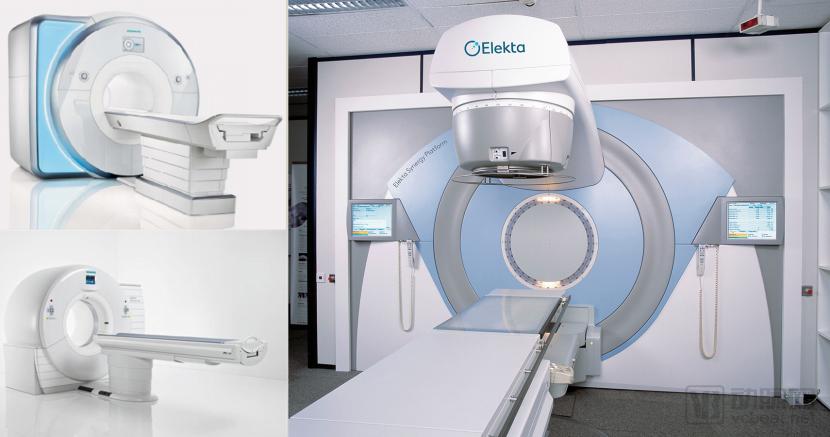
Pet International High-End Veterinary Medical Equipment
From the perspective of industry competition, although the pet healthcare sector appears saturated, it is actually populated by many non-competitive independent clinics and consumers with limited awareness. Therefore, there remains significant room for growth in pet healthcare. In the future, Pet International will prioritize building its own technological barriers, concentrating resources to enhance medical quality, and further strengthening brand influence before considering additional consolidation opportunities.
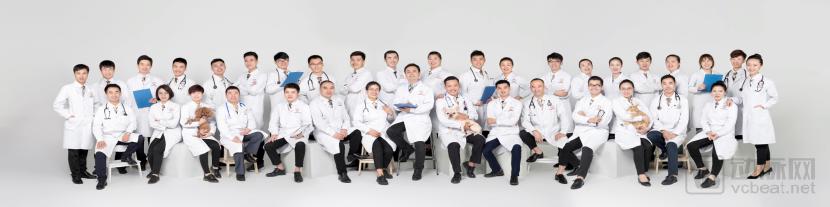
Group Photo of Some Doctors at Pet International
It is reported that Pet International Animal Hospital will unveil the largest animal comprehensive service center in China in the second half of the year—a 5,000-square-meter one-stop pet comprehensive service center. The central hospital brings together a team of 20 domestic and international veterinary experts, increases investment in the development of specialized pet medical services, and has formulated 20 specialized development plans, including neurosurgery, traditional Chinese veterinary medicine, and advanced imaging (MRI, CT).
Li Xue emphasized, “Moving forward, we will focus on cultivating specialized veterinary talent and building a robust specialist care system, while validating our new operational model through the enhancement of our central hospital. Meanwhile, Pet International will open more general practice clinics to cover first-tier and near-first-tier cities. We will also export our pet healthcare operational standards to the industry, supporting the growth of the RMB 100 billion pet market.”
Mentioning existing shareholders Hui Capital and Shuanghu Capital, Li Xue also expressed her gratitude for having encountered such professional investors during the startup phase.
Honghui Capital is an investment fund focused on the healthcare and medical industry, having successfully invested in outstanding companies such as Mindray Medical, Pharmaron, WuXi AppTec, Borui Biology, Kintor Pharmaceutical, Malo Clinic, and Yu Xue Yuan.
Shuanghu Capital is a leading family office in China, dedicated to identifying outstanding investors and entrepreneurs worldwide. Leveraging its deep expertise and industrial resources in China, it supports the growth of its portfolio companies. Its investments include notable firms such as Babytree, Yuxueyuan, Youyou Baby Women’s and Children’s Hospital, Apricot Forest, Liulishuo, Horizon Robotics, Laiye, and Youyang.
The additional investment by the two longstanding shareholders further demonstrates their confidence in the Pet International team and its future development. Shuanghu Capital stated, “Pet International’s team not only possesses solid expertise in medical care and operations but also exhibits acute sensitivity to user needs. With advanced management strategies in service experience, system standardization, talent pipeline development, and brand management, we are optimistic about Pet International’s long-term, sustainable growth potential and its ability to lead the pet healthcare market.”