

Ten Pathways to the Second Growth Curve: Insights from 16 Traditional Chinese Medicine Enterprises
The development of traditional Chinese medicine has spanned millennia, leaving behind a cohort of distinguished century-old time-honored brands. However, in modern times, these heritage enterprises have faced severe challenges amid the impact of factors such as modern medicine. According to statistics from the Ministry of Commerce,In the early days of the founding of New China, there were approximately 16,000 China Time-Honored Brands; by the 1990s, this number had dwindled to just over 1,600; and currently, only 1,130 remain, with more than 90 belonging to the traditional Chinese medicine industry.. The industry is experiencing the growing pains of a sustained downturn.
A turning point emerged in 2015. Since then, the Chinese government has vigorously supported the development of Traditional Chinese Medicine (TCM), rolling out nearly 20 national-level policies, including the Outline of the Strategic Plan for the Development of Traditional Chinese Medicine (2016–2030), thereby elevating TCM development to the level of national strategy. At this juncture, the industry ushered in a prime opportunity for second-curve growth.
VCBeat conducted interviews and research with 16 traditional Chinese medicine (TCM) enterprises, including Beijing Tongrentang, Yunnan Baiyao, Linglan TCM, and Dajing TCM, analyzing industry development trends from multiple dimensions such as corporate management, Chinese herbal medicine, and TCM practice, and completed the “2019 Special Report on Traditional Chinese Medicine: The Second Curve for Time-Honored TCM Brands》. The report analyzes the primary reasons for the decline in the industry’s first curve and summarizes ten pathways for time-honored brands to explore their second curve, aiming to inspire further reflection and practice among readers. Below are selected key excerpts from the report.
Key Points:
1. The primary reasons for the decline of the first growth curve in the traditional Chinese medicine (TCM) industry can be categorized into internal challenges and external threats. Internal challenges are reflected in issues such as TCM drug production, research and development, quality supervision, mechanisms of pharmacological efficacy, and the inheritance of TCM talent. External threats are manifested in the impact of modern medicine and patient distrust, among other factors.
2. The growth rate of outpatient and inpatient visits at TCM hospitals bottomed out and rebounded in 2015 (3.4%), gradually narrowing the gap with the growth rate at Western medicine hospitals over the past four years. In 2018, the growth rate of patient visits at TCM hospitals (4.4%) surpassed that at Western medicine hospitals (4.0%), marking the industry’s entry into a second-curve development phase;
3. Time-honored brands are exploring their second curve from two dimensions: deepening connotation and expanding extension. On one hand, they are continuously strengthening their core capabilities through state-owned enterprise reforms, production modernization, traditional Chinese medicine (TCM) traceability systems, TCM clinical decision support systems (CDSS), and “Internet+” TCM education. On the other hand, leveraging their longstanding brand advantages, these time-honored brands are constantly expanding new business growth points, with the big health strategy and consumer-oriented TCM products being current hot trends.
>>>>
Overview of Time-Honored Enterprises
Traditional Chinese medicine has evolved over millennia, leaving behind a cohort of distinguished century-old brands. In the early years of the People’s Republic of China, there were approximately 16,000 “China Time-Honored Brands.” By 1991, only more than 1,600 brands were officially recognized as time-honored by the former Ministry of Domestic Trade. Currently, only 1,130 such brands remain. According to the Time-Honored Brand Development Index Report by Alibaba Research Institute, merely 10% of these brands are in sound operational condition.
The Number of China Time-Honored Brands Is Gradually Declining

Source: Ministry of Commerce; compiled by VCBeat.
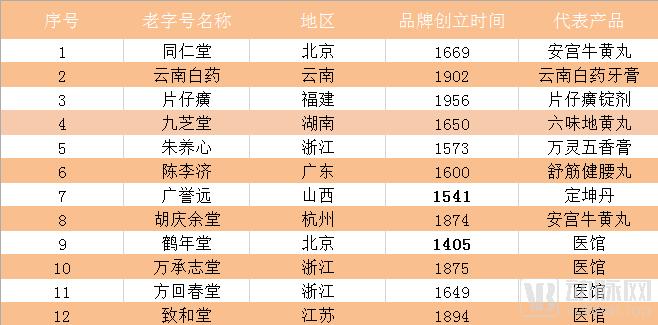
Among the 1,130 China Time-honored Brands currently certified by the Ministry of Commerce,There are approximately 90 companies in the traditional Chinese medicine industry (accounting for 8%; see Appendix for the list).. In terms of brand establishment, Guangyuyuan is the oldest extant time-honored brand in traditional Chinese medicine (TCM) pharmacology (founded in 1541), while Heniantang is the oldest extant time-honored brand in TCM practice (founded in 1405); both boast a long history of approximately 500 years.
Representative Enterprises of Time-Honored Traditional Chinese Medicine Brands (Listed in No Particular Order)
Source: Compiled by VCBeat
The Path of the Second Curve
British author Charles Handy, in his book The Second Curve: Jumping the S-Curve to Achieve Secondary Growth, described how any organism—whether an animal, a human being, or a product created by humans—undergoes a lifecycle from birth and growth to decline and eventual end. The S-curve begins with an investment phase; when inputs exceed outputs, the curve trends downward. When outputs surpass inputs, the curve rises as output increases. At a certain point, however, the curve inevitably reaches its peak and then begins to decline.The development of time-honored traditional Chinese medicine brands also applies to this process.
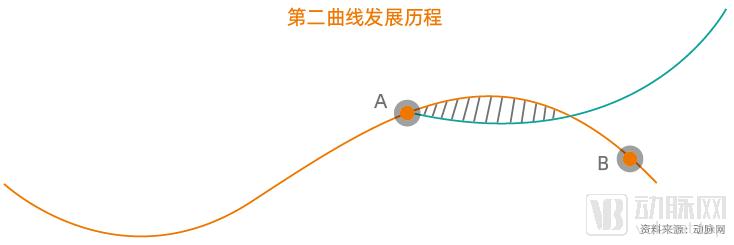
The traditional Chinese medicine (TCM) industry and time-honored brands experienced a turning point in their first growth curve during the modern era. They only began exploring a second growth curve after the first had entered a downward trend. Although they have not yet achieved a significant reversal, they have made certain achievements in recent years.This report will explore the factors behind the inflection point of the first curve and examine the specific strategies adopted by time-honored traditional Chinese medicine (TCM) brands in their pursuit of a second growth curve.
The primary drivers behind the inflection point of the first curve can be categorized into “internal challenges” and “external pressures.” “Internal challenges” are manifested in issues such as the production, research and development, quality supervision, and pharmacological mechanisms of traditional Chinese medicine (TCM), as well as the inheritance of talent in TCM practice. “External pressures” are reflected in the impact of modern medicine and patient distrust, among other factors.
2.1 Insufficient Innovation in Traditional Chinese Medicine R&D
Raw materials for traditional Chinese medicine (TCM) are often derived from natural plants and animals, featuring complex compositions and unclear mechanisms of action. The new drug development process is difficult to standardize compared with chemical drugs, leading to insufficient innovation in TCM research and development. Meanwhile, patent protection for TCM in China remains inadequate, resulting in the significant loss of proprietary TCM formulas and the capture of overseas markets by countries such as Japan and South Korea.
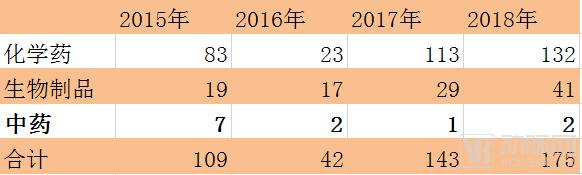
According to the annual review report of the National Medical Products Administration (NMPA, formerly the China Food and Drug Administration [CFDA]), the proportion of traditional Chinese medicine (TCM) new drug applications (NDAs) for production and marketing registration approved by the NMPA is extremely small. In 2017, only one new TCM drug was approved, compared with 113 chemical drugs. In 2018, the CFDA also approved only two new TCM drugs for marketing: Guanhuangmu Granules and Jinrong Granules.
Number of New Drug Applications (NDAs) for Market Approval Approved by the NMPA in Recent Years (Count)
Source: Annual Drug Review Report, compiled by VCBeat
As the birthplace of traditional Chinese medicine (TCM), China should logically be the industry leader. However, it has fallen behind countries such as Japan and South Korea in both output value and patent applications. Data from the Daiwa Institute of Research in Japan shows that the global TCM market is worth approximately $80 billion annually, with China accounting for only 10%. In international trade, China exports low-cost raw TCM materials to Japan and Europe, where they are processed into high-premium products. In the overseas TCM market, China holds merely 0.3% of patents, while Japan and South Korea collectively hold more than 70% of global TCM patents.
2.2. Chaotic Quality Supervision of Traditional Chinese Medicine
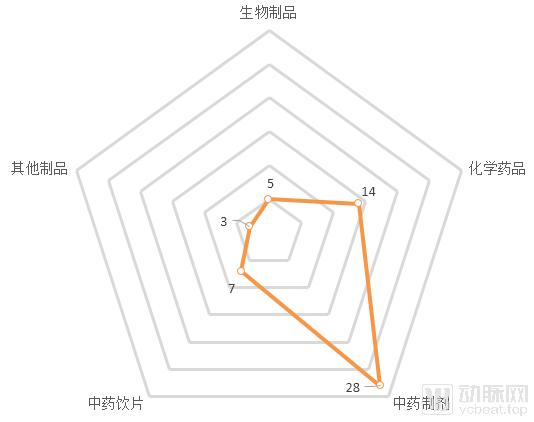
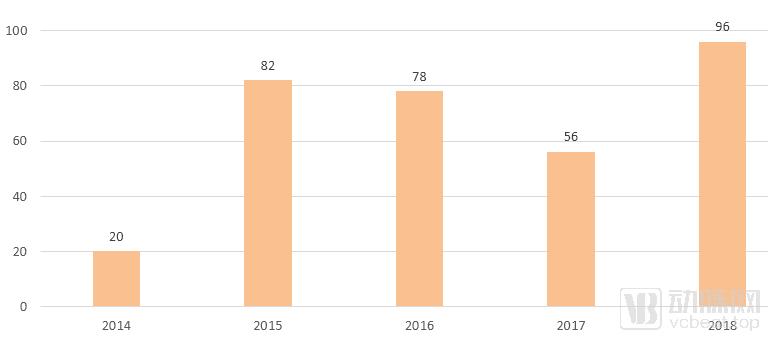
According to the "2017 Annual Drug Inspection Report" released by the National Medical Products Administration (NMPA), a total of 4,339 Good Manufacturing Practice (GMP) deficiencies in pharmaceuticals were identified throughout the year, including 116 deficiencies related to traditional Chinese medicine (TCM) decoction pieces. In 2017, the NMPA conducted unannounced inspections (flight inspections) at 57 pharmaceutical manufacturing enterprises. Among these, 38 were TCM manufacturers. Of these, 29 companies failed to meet relevant requirements; GMP certificates were revoked for 21 of them. Seven companies were found to be in compliance, while two companies no longer held the relevant production qualifications.
Distribution of Dosage Forms in the 2017 Unannounced Inspections Conducted by the China Food and Drug Administration
Source: “2017 Annual Drug Inspection Report,” compiled by VCBeat
As a category of agricultural products, Chinese herbal medicines are not only numerous but also widely distributed across various regions, with complex production processes. This makes them prone to quality issues such as excessive pesticide residues and the substitution of inferior goods for premium ones. Meanwhile, their standardization level is relatively low, making it difficult to measure and monitor quality standards. In summary, China’s Chinese herbal medicine circulation industry suffers to some extent from fragmentation, decentralization, and disorder. Challenges include difficulties in traceability, opaque information on cultivation practices, non-compliance of many herbs with established standards, and a lack of stringent regulatory oversight. There are no corresponding norms governing the sourcing, drying, packaging, storage, or transportation of these medicinal materials.
Number of GMP-Certified Enterprises in the Traditional Chinese Medicine Decoction Pieces Industry Whose Certificates Were Revoked Over the Past Five Years
Source: National Medical Products Administration; compiled by VCBeat
2.3. Single Revenue Model of TCM Clinics
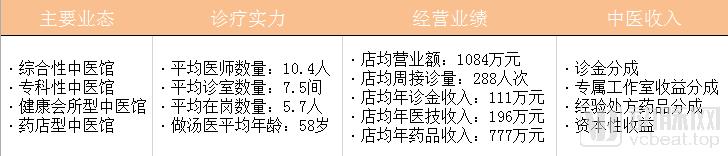
According to a census survey published in the journal Traditional Chinese Medicine Clinics, there are approximately 55,000 TCM medical institutions across China, categorized into three types: National TCM Halls, TCM Halls, and TCM Clinics, with industry revenue totaling around RMB 17 billion. National TCM Halls represent the higher end of the sector. Based on a statistical analysis of the operational performance of 578 National TCM Halls nationwide, their profit model remains predominantly driven by pharmaceutical sales. These institutions have an average of 10.4 physicians and 7.5 consultation rooms per facility, generating an average annual turnover of RMB 10.84 million per location. Revenue is primarily derived from three sources: consultation fees, medical technical services, and pharmaceutical sales.
Basic Development Overview of National Traditional Chinese Medicine Clinics
Source: China Medical Pharmaceutical Material Association; compiled by VCBeat
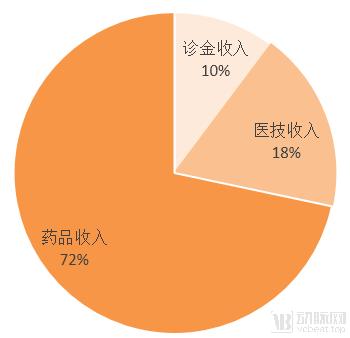
Among this, the average annual pharmaceutical sales revenue per store is 7.77 million yuan, accounting for 72%. In contrast, revenue from medical technical services—which truly reflects the expertise of TCM practitioners—accounts for only 18%. These medical technical services mainly include acupuncture, cupping therapy, and physical therapy. Consultation fees constitute merely around 10%. The profitability model of TCM clinics relies heavily on prescriptions written by doctors. However, since prescriptions can be obtained anywhere, this undermines the core competitiveness of TCM clinics and makes it difficult to establish a replicable chain of TCM clinics.
Pharmaceutical Revenue Accounts for 72% at the National Medical Hall
Source: China Medical Pharmaceutical Material Association; compiled by VCBeat
2.4. Dilemmas in the Inheritance of Traditional Chinese Medicine Talent
Excellent TCM practitioners have always been a scarce resource. The traditional “master-apprentice” model struggles to meet the annual demand of 630 million patient visits at TCM hospitals. Meanwhile, the ranking system for TCM practitioners is far less comprehensive than that for Western medicine practitioners. Currently, the national ranking system for outstanding TCM practitioners primarily consists of three tiers: National Medical Masters, National Renowned TCM Practitioners, and Provincial Renowned TCM Practitioners.
In 2009, the National Health Commission, the State Administration of Traditional Chinese Medicine, and the Ministry of Human Resources and Social Security jointly held the inaugural “National Masters of Traditional Chinese Medicine” commendation ceremony, selecting 30 senior experts engaged in clinical practice of traditional Chinese medicine (including ethnic medicine). This marked the first time since the founding of the People’s Republic of China that Chinese government agencies had conducted a nationwide selection of national-level TCM masters. Two additional batches, totaling 60 individuals, were added in 2014 and 2017.
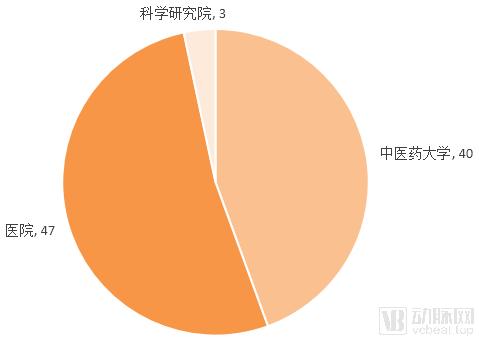
Distribution of the 90 National Medical Masters by Affiliated Institution
Source: National Administration of Traditional Chinese Medicine; compiled by VCBeat
Of the 90 National Masters of Traditional Chinese Medicine (TCM), half work in clinical settings at hospitals, while the other half hold academic positions at universities. By the end of 2018, 14 of these 90 “National Masters of TCM” had passed away, leaving only 76 still living. The shortage of high-quality TCM practitioners has adversely affected the mentorship-based model of talent inheritance.
2.5. The Impact of Modern Medicine
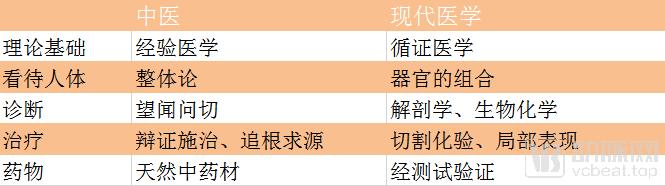
From Empirical Medicine to Evidence-Based Medicine, Traditional Chinese Medicine (TCM) emphasizes the four diagnostic methods of “inspection, auscultation and olfaction, inquiry, and palpation,” relying heavily on physicians’ clinical experience. A typical practice is for physicians to prescribe treatments based on their years of accumulated experience. However, conclusions drawn from such subjective experience may be unreliable.
In 1543, Vesalius published *De Humani Corporis Fabrica* (*On the Fabric of the Human Body*), marking the dawn of modern medicine. Modern medicine falls under the domain of evidence-based medicine (EBM). EBM dictates that clinical decisions must rely on “evidence,” which must be the product of rigorous observation and reasoning rather than anecdotal or casual observations. “Evidence” refers to a reliable basis derived from the systematic collection, appraisal, and synthesis of all relevant information by physicians before addressing a clinical question.
Differences Between Traditional Chinese Medicine and Modern Medicine
Source: Compiled by VCBeat
Although the Central Committee of the Communist Party of China proposed the policy of “placing equal emphasis on Traditional Chinese Medicine (TCM) and Western medicine” in the early days of the People’s Republic, and this principle was reiterated in the TCM Law and the report to the 19th National Congress of the Communist Party of China, the reality is that equal emphasis has not been achieved. In terms of healthcare system construction, institutional scale, financial investment, and talent development, a pattern prevails in which Western medicine dominates while TCM plays a secondary role, leading to the marginalization of TCM. Interestingly, 70%–80% of proprietary Chinese medicines used in clinical practice are prescribed by Western medicine physicians.
In recent years, the state has successively introduced numerous favorable policies, providing fertile ground for the development of Traditional Chinese Medicine (TCM). Meanwhile, traditional time-honored brands have been continuously exploring new growth curves by deepening their core competencies and expanding their business scope. Some of these enterprises have already achieved remarkable results, with sustained growth in both revenue and net profit.
3.1Deepening the Core: Addressing the Issues of Pharmaceuticals and Medical Practice
“To forge iron, one must be strong oneself.” The sound development of an enterprise is inseparable from the enhancement of its own capabilities. The traditional Chinese medicine (TCM) industry primarily revolves around two core elements: “medicines” and “personnel.” In response, some companies have continuously pioneered innovations in organizational structure, TCM distribution regulation, and talent education to strengthen their overall competitiveness.
Path 1: Mixed-Ownership Reform of State-Owned Enterprises
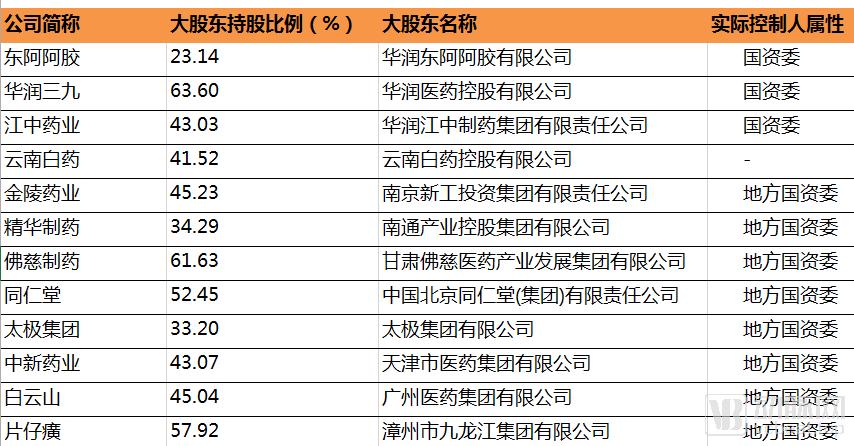
Due to historical reasons, most time-honored traditional Chinese medicine (TCM) enterprises underwent public-private partnerships in the early years of the People's Republic of China, with many eventually evolving into state-owned enterprises (SOEs). According to statistics from China Securities Co., Ltd. (CSC), SOEs account for the highest proportion of TCM companies within the pharmaceutical industry, reaching 30.91%.
Selected State-Owned Enterprises in Traditional Chinese Medicine
Source: CSC Financial, VCBeat
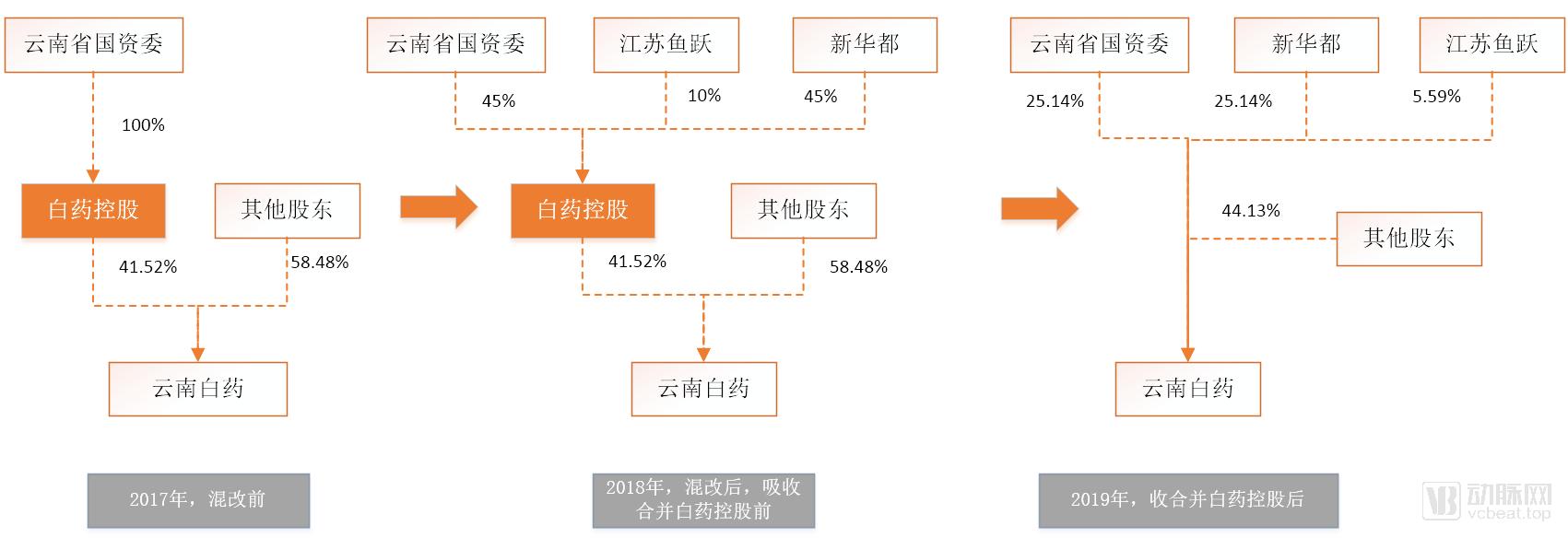
Some state-owned time-honored brands are actively undergoing reforms, with typical representatives including Yunnan Baiyao, Baiyunshan under Guangzhou Pharmaceutical Holdings, and Taiji Group. The main reform pathways include asset integration and restructuring, equity incentives, and mixed-ownership reform. These three approaches are not mutually exclusive; rather, they are often implemented in combination to jointly enhance operational efficiency and further improve corporate profitability.
Three Stages of Yunnan Baiyao's Mixed-Ownership Reform
Source: Tianyancha; compiled by VCBeat
Yunnan Baiyao, concurrent with its absorption and merger, plans to repurchase shares from the secondary market for the subsequent implementation of an employee stock ownership plan (ESOP). The repurchase price will not exceed RMB 76.34 per share, with a target total repurchase amount ranging from RMB 763.5 million to RMB 1.527 billion. According to the latest information as of May 2019, the company has cumulatively repurchased 65,300 shares, accounting for 0.0063% of its total share capital, at a total cost of approximately RMB 4.6 million, representing less than 5% of the minimum repurchase target.
Pathway 2: Modernization of Traditional Chinese Medicine Production
The production process of traditional Chinese medicine (TCM) is generally divided into three stages: raw TCM materials, TCM decoction pieces, and TCM preparations. The traditional manufacturing process relies primarily on manual processing, which is time-consuming and labor-intensive. With the advancement of modern production technologies, most time-honored brands have established their own modern production bases, introduced assembly lines, and independently developed modern production equipment. On one hand, this enables enterprises to improve efficiency and reduce labor costs; on the other hand, standardized production processes contribute to better product quality control.
Tasly
In May 2019, the 3rd World Intelligence Congress was held in Tianjin. Tasly Holding Group’s booth, themed “Chinese Medicine · Intelligent Manufacturing,” became one of the highlights of the congress. Currently, Tasly, committed to the modernization and internationalization of traditional Chinese medicine (TCM), is implementing an intelligent manufacturing upgrade for modern TCM, centered on “digitalization of quality across the entire industrial chain.”
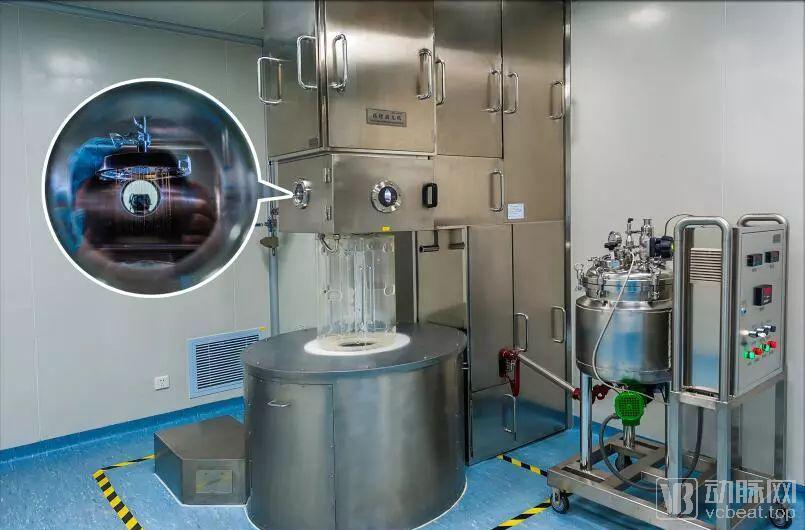
The company’s independently developed ultra-high-speed micro-dripping pill machine, which possesses independent intellectual property rights, represents a major breakthrough in the intelligent manufacturing of modern traditional Chinese medicine. It was selected for the “Great Exhibition Celebrating the 40th Anniversary of Reform and Opening-Up,” hosted by the Publicity Department of the Central Committee of the Communist Party of China, and was included in CCTV’s National Brand Plan.
This equipment represents a landmark technological advancement in the intelligent manufacturing of modern traditional Chinese medicine (TCM). By leveraging electromagnetic levitation vibration and cryogenic technologies, it dispenses material from a dropping plate at four times the acceleration due to gravity. The liquid is vertically dropped from a height equivalent to four stories within the workshop into an 18-meter-long column of cryogenic nitrogen gas at -130°C, where it instantly solidifies into micro-pellets. These pellets are then rapidly warmed, dried, and encapsulated. The ultra-high-speed micro-pellet machine has now been developed to its fifth generation, reducing the number of operators required per production line by 72%.
Tasly's Independently Developed Ultra-High-Speed Micro-Dripping Pill Machine
Source: CCTV News, compiled by VCBeat
This equipment is also integrated with the digital workshop at the front end of production, establishing a modern, intelligent, full-process industrial system for traditional Chinese medicine through intelligent inspection and control. Production efficiency is five times higher than that of traditional processes.
In addition to modern traditional Chinese medicine, Tasly has been transforming toward biopharmaceuticals, which represents one of the directions of its second growth curve. In 2018, “Shanghai Tasly Pharmaceutical Co., Ltd.,” a subsidiary of Tasly Holding Group, was renamed “Tasly Biopharmaceutical Co., Ltd.” The latter focuses on biopharmaceutical research and development, becoming a commercialization platform for biologics covering multiple therapeutic areas.
Path 3: Establishing a Traceability System for the Circulation of Traditional Chinese Medicine
As stated in Chapter 2, a total of 157 Good Manufacturing Practice (GMP) certificates for pharmaceuticals were revoked nationwide in China in 2017. Traditional Chinese medicine decoction pieces and tablets were the most heavily affected categories. One of the primary reasons for this phenomenon is the inadequate regulatory system governing the circulation of traditional Chinese medicinal materials.
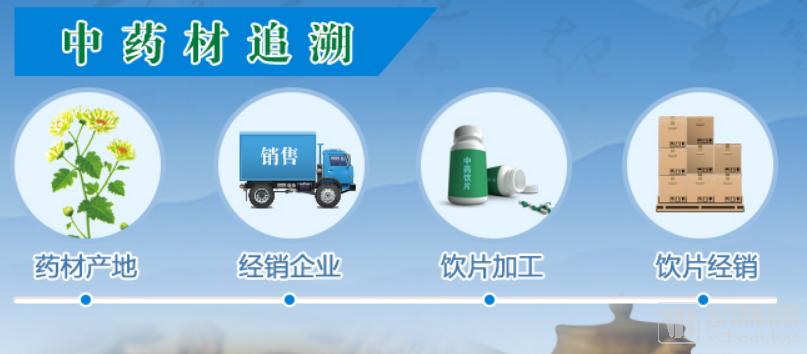
Therefore, in recent years, the Ministry of Commerce has initiated the development of a “Traceability System for the Circulation of Traditional Chinese Medicine (TCM) Materials.” TCM traceability leverages modern Internet of Things (IoT) and information technologies to process key information across critical stages—including cultivation, processing, manufacturing, distribution, and usage—of TCM materials. This establishes an integrated chain that ensures source traceability, destination verification, accountability, and end-to-end monitoring.
Scan the QR Code to Trace Full-Process Information of Traditional Chinese Medicine
Source: Shanxi Province Traditional Chinese Medicine Traceability System
Construction Process of the Traceability System for Traditional Chinese Medicinal Materials
Since 2012, the Chinese government has supported three batches of initiatives to establish traceability systems for the circulation of traditional Chinese medicine (TCM) materials in 18 provinces and municipalities. A preliminary circulation traceability system has been established, centered on national and local traceability management platforms, and supported by six sub-systems covering key stages: cultivation and breeding of TCM materials, trading of TCM materials, specialized TCM material markets, production of TCM decoction pieces, distribution of TCM decoction pieces, and clinical use of TCM decoction pieces.
Path 4: Internet + TCM Education
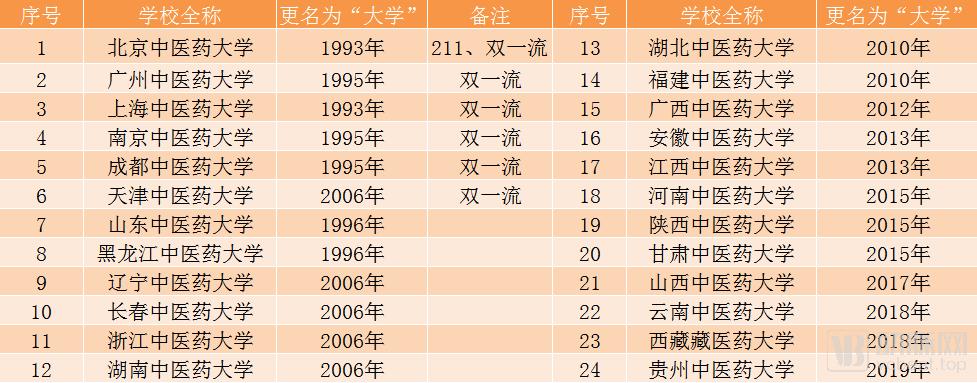
The training of traditional Chinese medicine (TCM) practitioners still primarily relies on conventional university-based, formal education. Currently, there are 24 TCM universities across China, but only one is included in the Project 211 initiative, and merely six are designated as “Double First-Class” universities. Most of these 24 TCM universities were established through renaming or merging former “Colleges of Traditional Chinese Medicine.”
24 Universities of Traditional Chinese Medicine in China
Source: Compiled by VCBeat
Medical knowledge is updating at a rapid pace. Medical graduates in the workforce still need to engage in continuous learning. In the wave of the Internet, an "Internet + Traditional Chinese Medicine (TCM) Education" model has emerged, represented by "Zhongyi Online." With paid knowledge services as its core, Zhongyi Online has built China's largest TCM education platform, TCM WeChat community platform, and TCM academic live-streaming platform through premium courses, forums, conferences, and other channels.
To date, TCM Online has aggregated 512 WeChat forum alliances for Traditional Chinese Medicine (TCM), connecting 250,000 TCM practitioners from over 30 countries worldwide. It offers 6,800 hours of free public welfare courses, more than 1,000 hours of premium offline course series, and live broadcasts of 300 academic conferences annually.
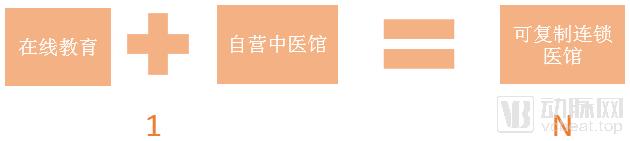
It is not merely about education; how to deliver outstanding TCM talents after training is precisely what Beijing Linglan Jingcheng Traditional Chinese Medicine Technology Co., Ltd. (hereinafter referred to as “Linglan TCM”) is striving to achieve. By combining online education with its own TCM clinics, Linglan TCM aims to create a replicable chain of TCM medical institutions.
Since 2013, Linglan Traditional Chinese Medicine (TCM) has leveraged its WeChat platform, “TCM Book Club,” to consolidate the majority of TCM professionals within the industry through academic content. Currently, it boasts over 600,000 WeChat users, with a high proportion of licensed TCM practitioners, covering approximately half of the entire industry. Starting in late 2016, the company launched online education (paid knowledge) products. Its content team consists of carefully selected experts who prioritize quality over quantity. As a result, Linglan has cultivated a dedicated professional user base willing to pay for content, leading to a high repurchase rate.
Linglan Traditional Chinese Medicine’s Efforts to Build an Education + Healthcare Model
Source: Linglan Traditional Chinese Medicine, compiled by VCBeat
Linglan TCM’s primary strategic focus is the integration of Traditional Chinese Medicine (TCM) education and healthcare services, leveraging continuing TCM education as a foundation to expand its chain of TCM medical institutions.
Path 5: AI + TCM Diagnosis and Treatment
In addition to the TCM universities and online education mentioned above, there is also a “master-apprentice” model through studios of renowned senior TCM practitioners. However, such renowned senior TCM practitioners are scarce resources: across three batches of National Medical Masters and six batches of nationally recognized senior TCM practitioners, the total number amounts to only a few thousand, which is far from sufficient to meet the needs of China’s more than 500,000 registered TCM physicians and the over 600 million annual TCM consultations.
This is also one of the main factors constraining the chain development of TCM clinics, as the growth rate of renowned and experienced TCM practitioners fails to keep pace with the expansion speed of chained TCM clinics. Currently, there are two primary solutions: first, clinics cultivate high-level TCM practitioners in-house; second, they adopt TCM Clinical Decision Support Systems (CDSS).
Junior TCM Practitioners + AI ≈ Renowned Senior TCM Masters
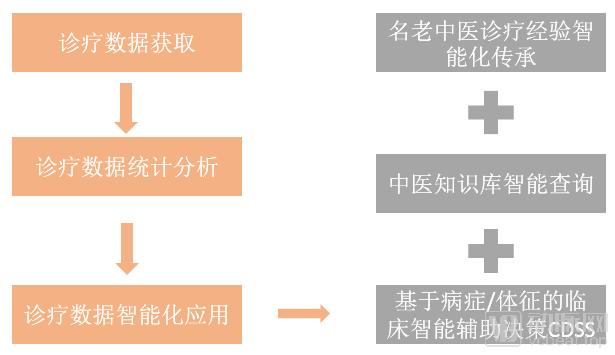
While renowned senior TCM practitioners themselves are irreplaceable, their diagnostic and treatment expertise can be replicated. “Dajing TCM” leverages artificial intelligence to document and pass on this valuable knowledge, truly unlocking the productivity of these esteemed practitioners.
Traditional Chinese Medicine Clinical Decision Support System (CDSS)
Source: Dajing TCM, compiled by VCBeat
Regarding the first model, Dajing TCM has partnered with Guangdong Provincial Hospital of Chinese Medicine and Jiangsu Provincial Hospital of Chinese Medicine—the two largest TCM hospitals in China—as well as health IT companies such as Winning Health. It integrates its Clinical Decision Support System (CDSS) into hospital Hospital Information Systems (HIS), complementing traditional information systems. For the second model, Dajing TCM is collaborating with Nanjing Pharmaceutical, which operates more than 340 retail pharmacies across China and plans to launch in-store TCM consultation services in the future.
Regardless of whether the first or second model is adopted, after young physicians conduct the initial consultation, they perform the four diagnostic methods of Traditional Chinese Medicine (TCM)—tongue inspection, facial observation, pulse diagnosis, and auscultation—as guided by the system. The collected diagnostic data are then entered into the Dajing TCM Intelligent Platform. The system simulates the clinical reasoning of renowned senior TCM practitioners to perform syndrome differentiation and treatment planning, and automatically selects the two to four most appropriate treatment protocols for reference by the young physicians based on the patient’s specific condition.
3.2 Expanding the Scope: Seeking New Business Growth
Time-honored brands are consolidating their foundational strengths while continuously expanding their scope and identifying new avenues for business growth. In recent years, successful cases have emerged in areas such as the “Big Health” strategy, the consumerization of traditional Chinese medicine (TCM) products, and specialized TCM diagnostic and treatment services like pediatric TCM clinics, injecting new vitality into the development of these time-honored enterprises.
Path 6: The Big Health Strategy
The big health industry can be divided into two major categories: product-oriented and service-oriented, both of which emphasize prevention and healthcare. It revolves around people’s daily necessities—clothing, food, housing, and transportation—as well as the entire life cycle from birth to aging, illness, and death. The industry advocates for self-health management, which entails not only a scientifically healthy lifestyle but also correct health concepts. Major time-honored brands have leveraged their respective strengths to launch their own big health strategies.
Tongrentang Launches New Retail IP “Zhimazhi Health”
Beijing Tongrentang, established in 1669, has evolved over 350 years into a modern, integrated health services group encompassing pharmaceutical manufacturing, retail pharmacy operations, and medical services, with six subsidiary groups under its umbrella. Tongrentang Health serves as one of the key pillars within its broader health sector.
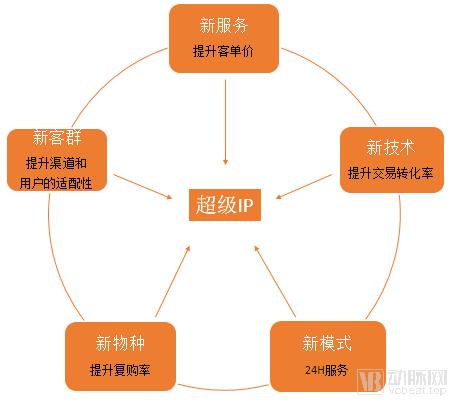
In early 2019, Tongrentang Health launched a new IP, “Zhimajiankang” (Know-How Health), to further refine its layout in the broader health industry. Leveraging the “Store No. 0” at its Daxing production base, Zhimajiankang has gradually undergone a strategic transformation from a traditional “product-oriented” model to a “service-oriented” one.
Five Innovations Proposed by Zhima Health
Source: Tongrentang Health; compiled by VCBeat
Xiangshi Yangyi’s Strategic Layout in the Big Health Sector
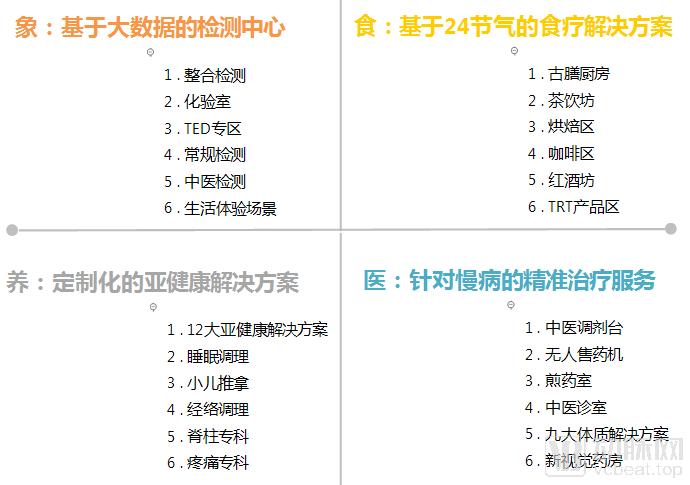
In contrast to the “passive treatment” model of Western medicine, Traditional Chinese Medicine’s core philosophy of “preventive treatment” has become a mainstream trend. Zhima Health is evolving into a comprehensive health group that addresses both passive medical care and proactive health management for the general public, through its four-dimensional framework of “Observation, Diet, Nourishment, and Medicine.”
Store No. 0 meets users' needs in four areas: food, nutrition, wellness, and healthcare.
Source: Tongrentang Health; compiled by VCBeat
Viewed from the perspective of the industrial chain, Tongrentang Health’s strategy resembles that of an integrator of advantageous resources. Upstream, it leverages the brand strength of its parent company, Tongrentang, and relies on the R&D capabilities of its nationally accredited CNAS laboratory to establish ten production bases globally and connect with 494 suppliers. Downstream, Tongrentang Health employs digital operations to conduct refined management of its 3 million members, while collaborating with internet hospitals and physician groups on the provider side to accumulate extensive diagnostic and treatment resources.
Business Model Replication
Zhima Health has achieved the initial breakthrough from 0 to 1 in its broader health initiatives. The subsequent phase of scaling from 1 to N will follow a platform-based strategy. Specifically, Zhima Health will serve as an upstream platform integrator, adopting a “City Partner” model to gradually establish a three-tier operational management system comprising “Headquarters–Regional Markets–Stores,” and rapidly expand its presence across China through direct operations, partnership franchising, and financial investments.
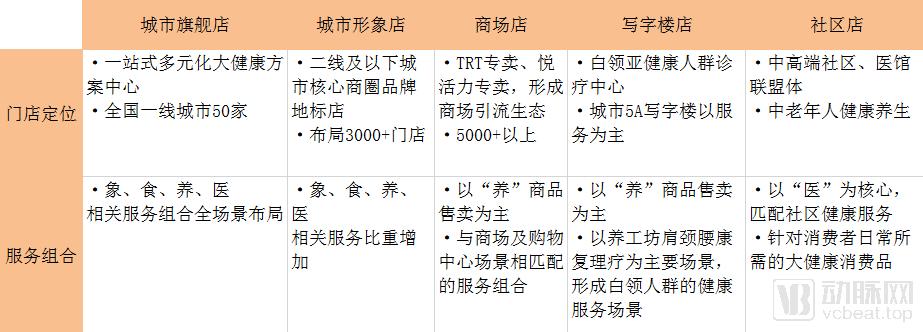
Standard Store Cooperation Menu
Source: Tongrentang Health; compiled by VCBeat
“Store No. 0” functions as a “showroom model.” In the process of replicating branch stores, it is not a simple copy; instead, different service portfolios are introduced for varied positioning and customer segments, ranging from urban flagship stores and shopping mall outlets to office building locations and community-based stores.
Path 7: Consumer-Oriented Traditional Chinese Medicine Products
Leveraging their brand strength and resource advantages, time-honored pharmaceutical companies have made high-profile entries into the health supplements, beverage, and cosmetics sectors, aiming to achieve diversified development. In this process, some have reaped substantial profits, while others have quietly exited by selling off assets.
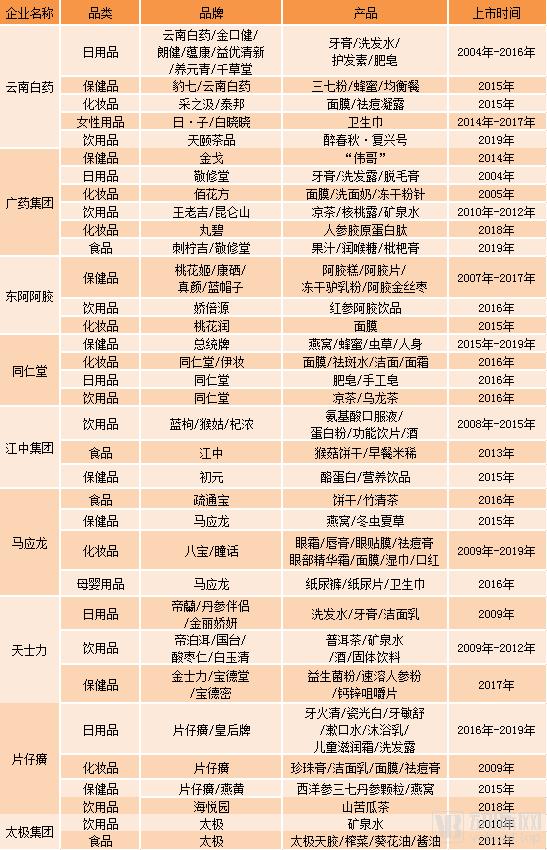
According to the “2017 Top 100 Pharmaceutical Industry Enterprises” list released by the Ministry of Industry and Information Technology, large-scale entry of time-honored traditional Chinese medicine brands into the consumer goods market can be traced back as early as 2005. The most favored sectors include oral care, beverages, daily chemical products, health supplements, and maternal, infant, and women’s products. Distribution channels cover key accounts (KA) in large supermarkets and hypermarkets, retail outlets, and e-commerce platforms, with pharmacy channels also receiving significant attention.
From a category perspective, toothpaste was the first flagship product line for time-honored brands to diversify into. Companies such as Yunnan Baiyao, Guangzhou Pharmaceutical Group, and Pien Tze Huang began laying out their strategies in the toothpaste segment at an early stage. The second key area of competition has been beverages, including mineral water, herbal tea, and functional-like drinks. In this sector, Guangzhou Pharmaceutical Group’s “Wang Lao Ji” is undoubtedly the most recognizable brand. At that time, the high-profile trademark dispute over Wang Lao Ji also brought significant attention to the herbal tea category. Since then, it has become a widespread trend for pharmaceutical companies to enter the beverage market, with many firms—including Tongrentang, Jiangzhong Group, Xiuzheng, and Taiji—having established their presence in this field.
Certainly, in the past two years, the fields that pharmaceutical companies have most favored for cross-industry expansion are daily chemicals and cosmetics. Companies such as Yunnan Baiyao, Dong-E-E-Jiao, Guangzhou Pharmaceutical Holdings, Tongrentang, and Pien Tze Huang have all developed products including personal care items, acne treatments, and facial masks.
TCM Companies Are Launching Consumer-Oriented Products
Source: Compiled by VCBeat
Although time-honored brands have launched a diverse range of cross-industry consumer products, not all such ventures have been successful. The cases mentioned above—including Jiangzhong Hougu’s penalties imposed by the food and drug administration, the lukewarm sales performance of Taiji Water, and Tailong Pharmaceutical’s divestment of its equity stake in a subsidiary focused on big health businesses—demonstrate that pharmaceutical companies’ forays into other sectors are not as “promising as they appear.”
So, what is the right way for pharmaceutical companies to expand into other industries? Let’s take Yunnan Baiyao, which has enjoyed great success in the toothpaste market, as an example.
Yunnan Baiyao toothpaste can be regarded as one of the most successful cases among consumer products. Currently, Yunnan Baiyao toothpaste holds an overall market share of approximately 18%, ranking second in the domestic market, just behind Darlie toothpaste with 21%. Herbal concept toothpastes account for about 21% of China's toothpaste market, second only to whitening concept toothpastes at 28%, indicating a high level of consumer recognition for herbal concept toothpastes.
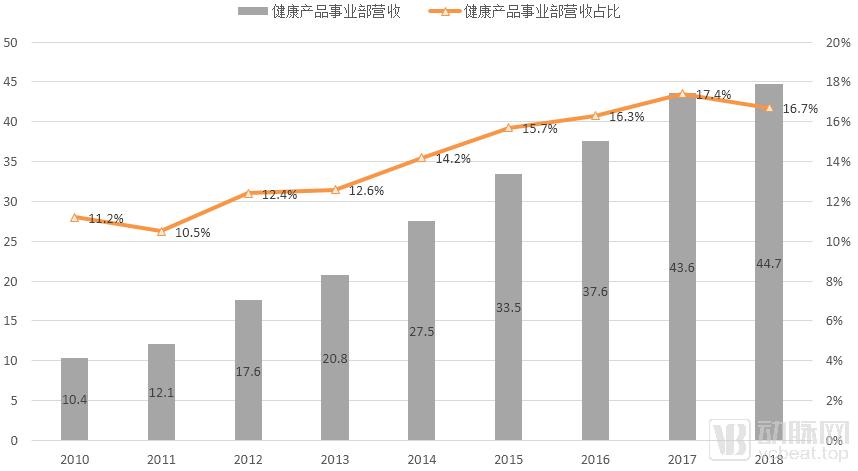
Yunnan Baiyao Toothpaste: Revenue and Proportion (in RMB 100 million)
Source: Company annual reports; compiled by VCBeat
According to Yunnan Baiyao’s annual report, Yunnan Baiyao Toothpaste has undergone 16 years of development since its launch in 2005. It generated RMB 1.04 billion in revenue in 2010 (accounting for 11% of the company’s total revenue) and reached RMB 4.47 billion in 2018 (accounting for 17% of the company’s total revenue). This proportion has steadily increased, making toothpaste one of Yunnan Baiyao’s pillar products.
New Marketing Models on Social Media
The traditional Chinese medicine (TCM) industry is widely characterized by an emphasis on marketing over research and development (R&D). In 2018, Yunnan Baiyao spent RMB 100 million on R&D, compared with RMB 3.9 billion on sales and marketing. Why does marketing account for such a large proportion in the TCM industry, and what new marketing models have emerged?
We believe that, in addition to traditional channel sales, vertical e-commerce platforms, and offline brick-and-mortar retail, new marketing models driven by social media will gradually become mainstream in the future. A review of viral content creators such as Li Ziqi, Papi Jiang, Office Xiaoye, and Xin Shixiang reveals that these influencers have leveraged social media channels—including WeChat Official Accounts, Weibo, short-video platforms, and live streaming—supported by comprehensive knowledge and marketing teams, to build powerful intellectual property (IP) brands and ultimately monetize their traffic.
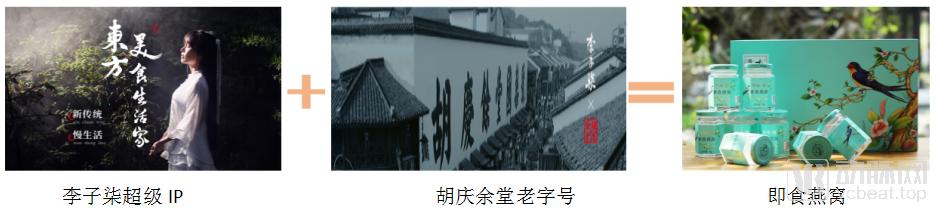
Hu Qingyu Tang and Li Ziqi Jointly Created Ready-to-Eat Bird's Nest
Source: Li Ziqi’s Tmall Store; compiled by VCBeat
Marketing efforts by time-honored traditional Chinese medicine (TCM) brands are also gradually shifting in this direction, establishing marketing channels through collaborations with mature intellectual properties (IPs), such as Hu Qing Yu Tang’s joint launch of bird’s nest products with Li Ziqi.
Comparison of Monthly Sales Volume (Units/Month) Between Hu Qing Yu Tang and Li Ziqi Bird's Nest
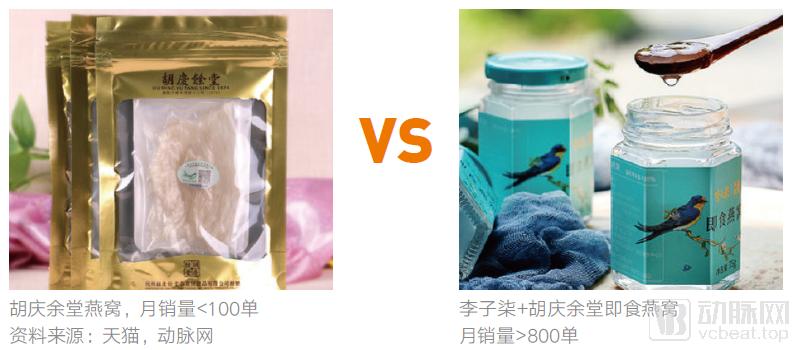
A comparison of sales data for two types of bird’s nest products on Tmall reveals that Hu Qing Yu Tang’s offerings primarily consist of traditional forms such as whole nests and nest strips, with an average price exceeding RMB 1,000 and monthly sales of fewer than 100 units. In contrast, the ready-to-eat bird’s nest jointly launched by Li Ziqi and Hu Qing Yu Tang is priced at under RMB 1,000 on average and achieves monthly sales of over 800 units. The higher sales volume of Li Ziqi’s bird’s nest can be attributed to two main factors: first, ready-to-eat bird’s nest offers greater convenience and a lower price point compared to traditional forms like whole nests and strips; second, the brand IP effect of Li Ziqi has attracted more consumers from the younger generation. Li Ziqi’s Douyin account boasts over 15 million followers, with individual videos receiving approximately 20,000 to 100,000 likes, and the pinned video achieving a peak view count of 2.1 million. The impact of such influence on the promotion of consumer products from time-honored brands is self-evident.
As a source of incremental growth in the consumer market, the post-90s generation may neither understand nor care about traditional Chinese medicine (TCM). It is worth considering how time-honored brands can lower their stature, leverage the advantages of social media IPs, and jointly explore new marketing models.
Path 8: Traditional Chinese Medicine + Tourism
Integrating Leisure with Treatment, and Treatment with Leisure. As traditional sightseeing tourism increasingly fails to meet public demand, the tourism model combining travel with health and wellness is bound to become a new trend. In recent years, the China National Tourism Administration and the State Administration of Traditional Chinese Medicine have successively issued a series of notices dedicated to exploring new concepts and models for the development of TCM health tourism.
In November 2015, the “Guiding Opinions on Promoting the Development of Traditional Chinese Medicine Health Tourism” set a goal to ensure that by 2020, tourists participating in TCM health tourism would account for 3% of the total number of tourists, with revenue from TCM health tourism reaching RMB 300 billion.
In July 2016, the “Notice on Launching the Establishment of National Demonstration Zones (Bases and Projects) for Traditional Chinese Medicine Health Tourism” was issued, with a plan to establish 10 national demonstration zones, 100 demonstration bases, and 1,000 demonstration projects across China within approximately three years.
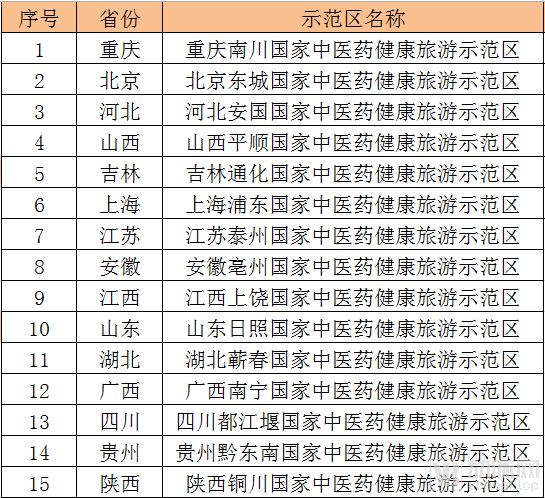
First Batch of 15 National Demonstration Zones for Traditional Chinese Medicine Health Tourism
Source: National Administration of Traditional Chinese Medicine; compiled by VCBeat
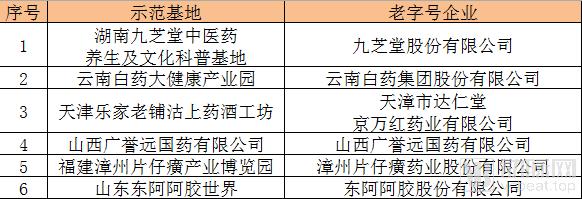
Currently, the China National Tourism Administration and the State Administration of Traditional Chinese Medicine have jointly announced the first batch of 15 National Demonstration Zones for TCM Health Tourism and 73 National Demonstration Bases for TCM Health Tourism, distributed across 31 provinces and municipalities nationwide. The demonstration zones are primarily led and developed by local governments at or below the municipal level; the demonstration bases are independent legal entities, such as hospitals, scenic spots (or attractions), resorts, bases for the cultivation and breeding of Chinese herbal medicines, TCM manufacturing enterprises, and institutions promoting TCM culture.
Tourism Demonstration Base Created by Six Time-Honored Brands
Source: National Administration of Traditional Chinese Medicine; compiled by VCBeat
Among the 88 National Demonstration Zones (Bases) for Traditional Chinese Medicine Health Tourism, the primary categories include industrial parks, tourism bases, museums, wellness towns, and cultural science popularization bases, which meet market demands for study tours, parent-child experiences, elderly care facilities, and cultural dissemination.
Dong-E-E-Jiao World
The Ejiao World Demonstration Base is located in Dong'e County, Shandong Province. Invested and constructed by Dong-E-E-Jiao Co., Ltd., the base covers an area of over 700 mu and is built in accordance with the standards for national AAAAA-level tourist attractions. It is the first Ejiao-themed tourist destination in China to integrate industrial tourism and wellness experiences. The scenic area offers a range of experiential services, including tours, dining, conferences, accommodation, and Ejiao product services.
The E’jiao World welcomes over 1.5 million visitors annually. Its representative attraction, the China E’jiao Museum, preserves displays of up to 99 traditional processing steps for Dong-E E’jiao; documents the stories of renowned physicians such as Zhang Zhongjing, Sun Simiao, and Li Shizhen, who contributed to the continuous enhancement of E’jiao’s value; showcases the evolution of E’jiao packaging from the late Qing Dynasty to the Republic of China era; and even houses records and collections detailing its historical connection with Empress Dowager Cixi, including related paintings.
Path 9: Specialized Traditional Chinese Medicine Diagnosis and Treatment Services
The strengths of Traditional Chinese Medicine (TCM) lie in preventive care and sub-health management, areas where it can effectively complement Western medicine. In particular, distinctive TCM diagnostic and therapeutic modalities—such as acupuncture, tuina (Chinese therapeutic massage), moxibustion, auricular acupuncture, and acupoint application—have been validated over centuries and demonstrate significant efficacy. Amidst a market saturated with homogeneous services, how can time-honored brands continuously innovate in these areas to develop specialized diagnostic and therapeutic offerings?
We believe that establishing a clear market positioning is crucial. Currently, most TCM clinics, regardless of size, operate as general practices. For instance, Derentang, Jihua TCM Clinic, and Sheng’ai TCM Clinic all follow a platform-based general practice model. In contrast, a specialized approach may be more appropriate. This involves developing individual disease categories into distinct specialty departments, offering featured services such as TCM gynecology, TCM pediatrics, TCM cosmetology, TCM rhinology, TCM orthopedics, and TCM sleep medicine.
A Model Pediatric TCM Clinic
Chengdu Kou Xia'er Traditional Chinese Medicine Clinic specializes in pediatrics. It currently operates two hospitals, four community clinics, and one maternal and child health hospital in Chengdu, establishing a comprehensive pediatric diagnosis and treatment platform that encompasses disease prevention, treatment, and recuperation.
One of its signature services is pediatric tuina (pediatric massage), which employs various manipulative techniques to stimulate point-like, linear, and surface acupoints, thereby promoting meridian patency and the smooth flow of qi and blood. This approach is complemented by traditional Chinese medicine for the treatment of common respiratory and digestive disorders, helping to mitigate the adverse effects associated with antibiotic overuse in young children.
In April 2019, the time-honored brand Derentang entered into a strategic cooperation agreement with Kou Xiaoer to jointly create a one-stop service integrating high-quality medical care and premium pharmaceuticals. In addition to supplying traditional Chinese medicine to Kou Xiaoer, Derentang will collaborate with Kou Xiaoer to establish clinical studios. The first batch of four studios has already opened, namely the Derentang Jinyang Road Clinic, the Vanke Charm City Clinic, the Longquanyi Maqiao Clinic, and the Zitan Clinic.
Path 10: Expanding into International Markets
In addition to the domestic market, time-honored brands are also actively expanding into international markets. As the birthplace of Traditional Chinese Medicine (TCM), China sees these enterprises’ “going global” strategy not only as a source of profitability but also as a vehicle for cultural dissemination. Overseas operations primarily involve establishing local retail outlets with products exported from China, while some companies have built their own manufacturing facilities in countries with substantial business volumes.
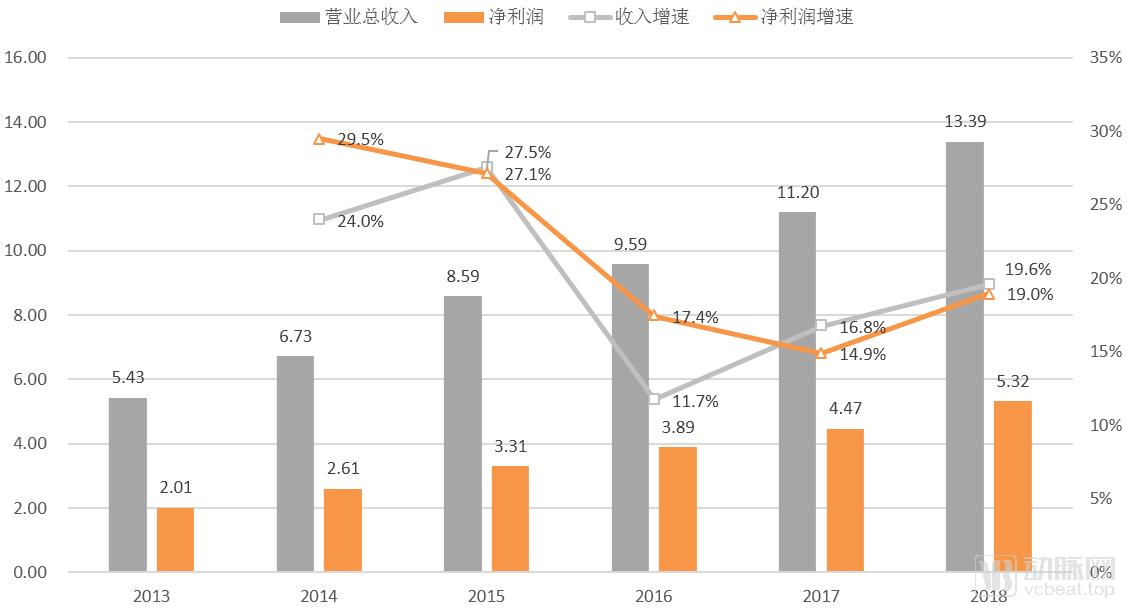
As one of the earliest time-honored brands to explore international markets, Beijing Tongrentang established Beijing Tongrentang Chinese Medicine Company Limited (abbreviated as “Tongrentang Chinese Medicine”) in Hong Kong in 2004. Tongrentang Chinese Medicine is primarily engaged in the production, retail, and wholesale of traditional Chinese medicine (TCM) products in Hong Kong, China, and overseas markets. In 2006, the company built its own production and R&D base in Hong Kong, covering an area of 12,000 square meters, equipped with more than 100 types of instruments and devices, capable of producing five dosage forms, with all production facilities GMP-certified. The company was listed on the Growth Enterprise Market (GEM) of the Hong Kong Stock Exchange in 2013 and transferred to the Main Board in 2018.
To date, Tongrentang Chinese Medicine’s business has expanded across five continents, with approximately 140 retail outlets established in 28 countries and regions outside China.
Tongrentang Chinese Medicine: Revenue and Net Profit (CNY 100 million)
Source: Tongrentang Chinese Medicine Annual Report, compiled by VCBeat
Tongrentang Chinese Medicine’s revenue and net profit growth rates both exceeded 10%. In 2018, its revenue reached RMB 1.3 billion, with a net profit of RMB 500 million, accounting for approximately one-third of the Beijing Tongrentang Group’s net profit (RMB 1.8 billion).
Globally, the company operates more than 140 retail outlets, primarily comprising three formats: pharmacies, Traditional Chinese Medicine (TCM) clinics, and TCM-themed wellness centers. The pharmacies mainly offer proprietary Chinese medicines across four major product lines: cardiovascular and cerebrovascular health, women’s health, healthcare and wellness, and urban health. The clinics are staffed with Tongrentang’s own registered physicians, integrating medical consultation with pharmaceutical dispensing to provide outpatient services. In addition to general outpatient care, the TCM-themed wellness centers primarily provide wellness services such as physical therapy, tuina (Chinese therapeutic massage), and acupuncture.
withThe above is an excerpt of key points from the report. Despite numerous challenges, time-honored brands are continuously innovating and actively exploring pathways for their “second curve.” On one hand, they are strengthening their core capabilities; on the other, they are seeking new business growth drivers. Among the ten strategies we have summarized for time-honored brands to explore their second curve, the big health strategy and consumer-oriented traditional Chinese medicine (TCM) products are currently the most prominent directions.The following areFull ReportStructure:
1. The First-Curve Turning Point of Traditional Chinese Medicine
1.1. The Past: A Brief History of the Development of Traditional Chinese Medicine
1.2. Current Status: The Present State of the Traditional Chinese Medicine Industry
1.3. The Future: Exploring the Second Curve
2. Internal Strife and External Threats: Causes of the Turning Point in Modern and Contemporary Traditional Chinese Medicine
2.1. Insufficient Innovation in Traditional Chinese Medicine Research and Development
2.2. Chaotic Quality Supervision of Traditional Chinese Medicine
2.3. Single Profit Model of TCM Clinics
2.4. The Dilemma of Inheriting Traditional Chinese Medicine Talent
2.5. The Impact of Modern Medicine
2.6. Patient Distrust Issues
3. Rebirth from the Ashes: Ten Strategies for Building the Second Curve
3.1. Favorable Policy Winds
3.2. Deepening Connotations: Enhancing Internal Strengths
1) Mixed-Ownership Reform of State-Owned Enterprises
2) Modernization of Traditional Chinese Medicine Production
3) Traceability System for the Circulation of Traditional Chinese Medicine
4) Internet Plus Traditional Chinese Medicine Education
5) AI + Traditional Chinese Medicine Diagnosis and Treatment
3.3 Expanding the Scope: Seeking New Business Growth
1) Grand Health Strategy
2) Consumer-Oriented Traditional Chinese Medicine Products
3) Traditional Chinese Medicine + Tourism
4) Featured TCM Diagnosis and Treatment Services
5) Expanding into International Markets
4. Summary and Outlook
Click here,Obtain the full version of《2019 Special Report on Traditional Chinese Medicine: The Second Curve for Time-Honored TCM Brands》。