

On the Eve of a Healthcare Ecosystem Transformation: How 'Internet + Healthcare' Closes the Loop from Innovation to Commercialization
Driven by China’s vast population base, the inevitable trend of societal aging, and the continued upgrading of residents’ demand for medical healthcare services, the development potential of the medical and health industry is becoming increasingly prominent. On June 28, the “FUS Lieyun Network 2019 Annual Medical Health Industry Summit” was grandly held at the Renaissance Beijing Wangfujing Hotel. Lieyun Network invited numerous industry experts, entrepreneurs, and investors to jointly discuss investment trends and opportunities in China’s medical and health sector.
Globally, the entire healthcare ecosystem is on the eve of profound transformation, with high-tech-driven innovations and novel models spearheading changes across the entire industry chain.
The Industry Enters a Golden Decade, Driven by the Dual Engines of Industry and Capital
At the summit, Jin Jilei, Founder and CEO of Lieyunwang, delivered remarks on behalf of the organizer. He stated that,The era of wild, capital-fueled hypergrowth in the healthcare industry is over; the curtain on “innovation” has risen.For the industry to undergo transformation, it is imperative to effectively connect all segments through extensive resource integration. By more efficiently consolidating capital, medical resources, new technologies, and distribution channels, the sector can achieve a new paradigm in which “Internet + Healthcare” yields synergistic effects greater than the sum of its parts (1+1>2).
Encouragingly, Jin Jilei mentioned in his address,5G Is Poised to Disrupt the Current Healthcare Ecosystem, its early arrival, coupled with the in-depth advancement of the new healthcare reform system, has led stakeholders from all sectors to place high expectations on the medical and big health industry.
 Jin Jilei, Founder and CEO of Lieyunwang
Zhang Yuhui, Director of the Research Division at the Health Development Research Center of the National Health Commission, stated in his speech that while enthusiasm for investment in China’s healthcare industry is currently high and sources of capital are becoming increasingly diversified, the sector also faces practical challenges, including relatively weak policy measures, insufficient innovation capability and core competitiveness, low value-added service products, and suboptimal economic returns.
In this regard, Zhang Yuhui suggests that the sustainable development of healthcare can be promoted from four aspects,Including strengthening top-level design and coordinated advancement, accelerating the establishment of a health industry accounting and monitoring evaluation system, deepening reforms to streamline administration, delegate power, improve regulation, and upgrade services (Fang Guan Fu), implementing innovation-driven development to enhance new momentum for industrial growth, and prioritizing talent cultivation.。
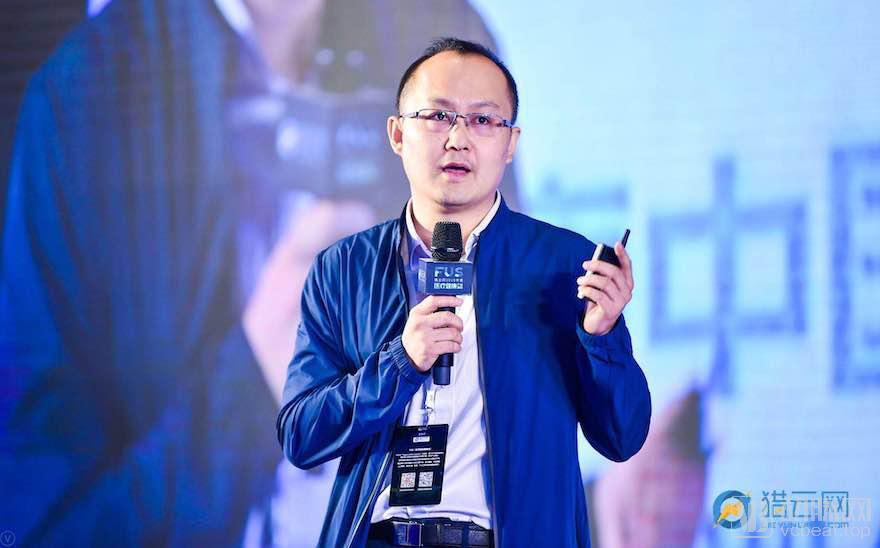 Zhang Yuhui, Director of the Research Division, Health Development Research Center, National Health Commission
As the healthcare and wellness sector gains clarity in terms of technology, capital, and policy, its investment value has attracted significant attention. For investment institutions with strong capital advantages, the present moment represents a major opportunity to strategically position themselves in healthcare investments.
Chen Hongwu, Executive Partner of CAS Jiahe Fund, shared the logic and strategic layout of healthcare investments from an investment perspective. According to CAS Jiahe, a major reason for the historical difficulty in accessing medical care in China has been the shortage of high-quality medical professionals, resulting in a significant gap between the rate of physician training and public demand for high-quality healthcare services.
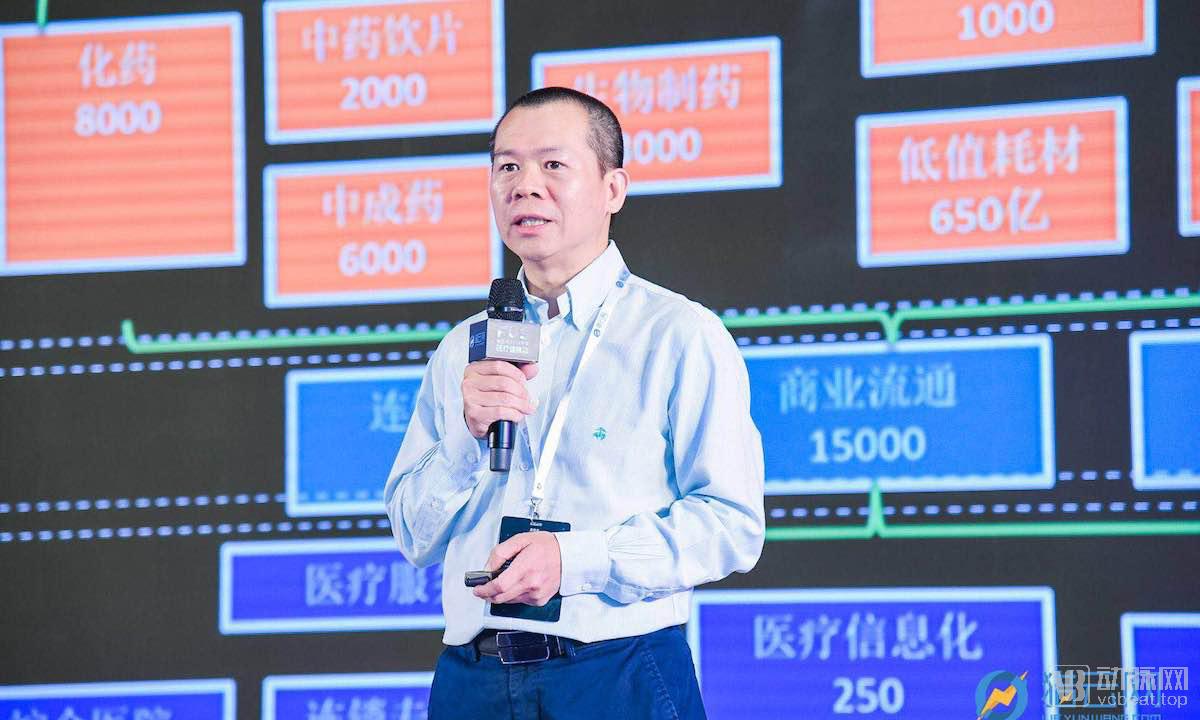 Chen Hongwu, Executive Partner of Guoke Jiahe Fund
For individual users, the necessity of “precision medicine” is becoming increasingly prominent in order to obtain more targeted medical services, as mentioned by Chen Hongwu,"In the recent past, investment hotspots in the life and health sector have been primarily concentrated in areas related to precision medicine."。
Guoke Jiahe believes that,Industries related to genetics or future targeted therapies will have enormous growth potential.。
Zhou Mi, Managing Partner at Puhua Capital, also shared insights from the perspective of capital investment in the industry. In his view,Investment Requires Identifying Genuine Clinical Needs, which means that investment should not be driven solely by technological considerations, but rather by unmet urgent and significant clinical needs.
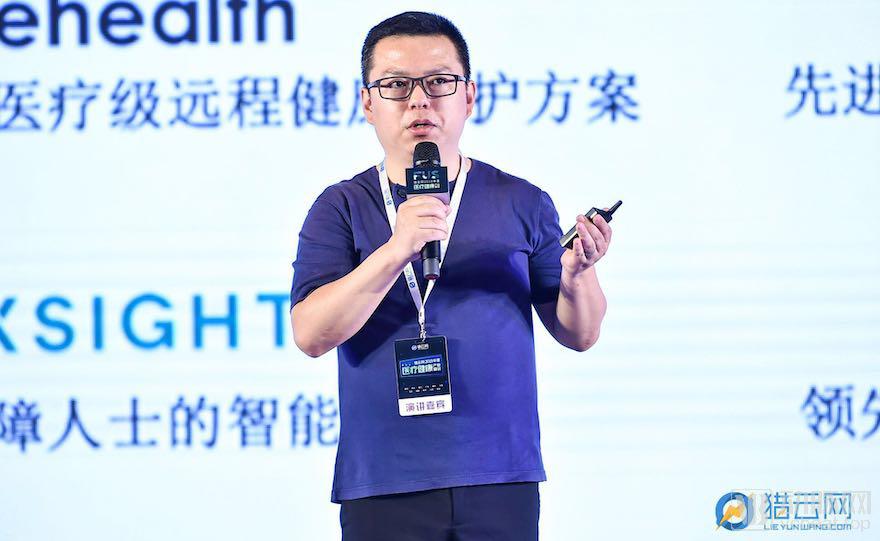 Zhou Mi, Managing Partner of Puhua Capital
Zhou Mi also noted that innovation in current domestic startup projects is predominantly technological, lacking genuine integration with clinical practice and the policy environment. This disconnect is a major reason why many such projects have faced cooling interest in the capital market. He stated that the continuous evolution of the healthcare industry will drive it toward “precision, intelligence, and digitalization.”
Healthcare Reform Enters Deep Waters as “Internet + Healthcare” Gains Momentum
Nowadays, healthcare reform policies are being issued intensively as reforms advance into the "deep-water zone." Driven by both model and technological innovation will become the main characteristics of projects in China's future medical and health sectors. Meanwhile, the "Internet + Healthcare" model will fundamentally transform how Chinese patients seek medical care and reshape the industry landscape.
Zhang Chao, founder and CEO of Zuoshou Yisheng (Left Hand Doctor), stated in his speech that general practitioners are currently scarce in China, and ordinary users are often misled by non-authoritative information during their daily medical consultations. To address this, Zuoshou Yisheng has developed a general practitioner AI bot that supports natural language dialogue, providing patients with services including self-diagnosis, medication inquiries, usage guidance, and health knowledge Q&A.
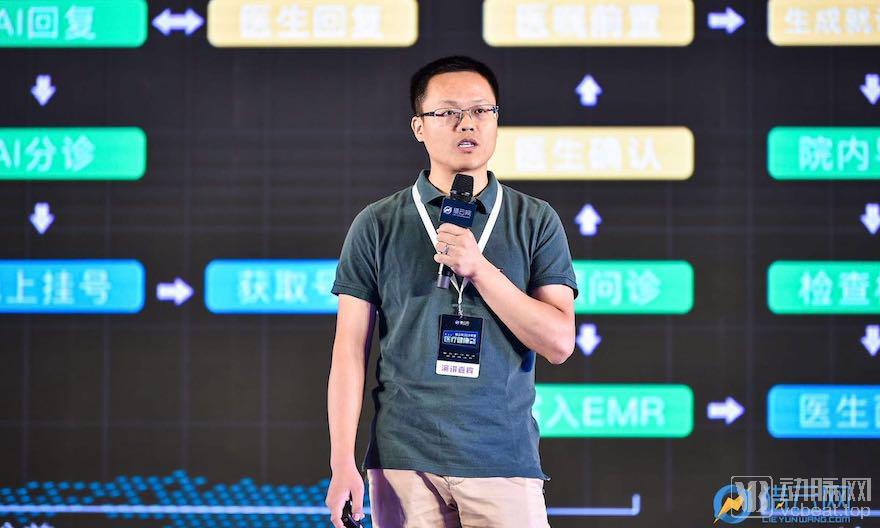 Zhang Chao, Founder and CEO of Left Hand Doctor
Through preliminary consultations, robotic doctors can collect patients’ basic medical information for physicians, thereby reducing the burden of medical record documentation, optimizing the allocation of healthcare resources, improving physician efficiency, and streamlining the patient care process. According to Zhang Chao,Big Data in Healthcare Will Move Further Toward Openness and Sharing, and Be Fully Integrated with AI。
Tian Liwen, head of the Big Data Laboratory at Daxiang Insurance, interpreted how the recent surge in health insurance has created new business scenarios and opportunities for the pharmaceutical sector from the perspective of health services within insurtech.
Tian Liwen pointed out,Users’ demand for genuine insurance is growing increasingly robust, and these users are gradually gravitating toward insurance platforms capable of delivering professional services.。
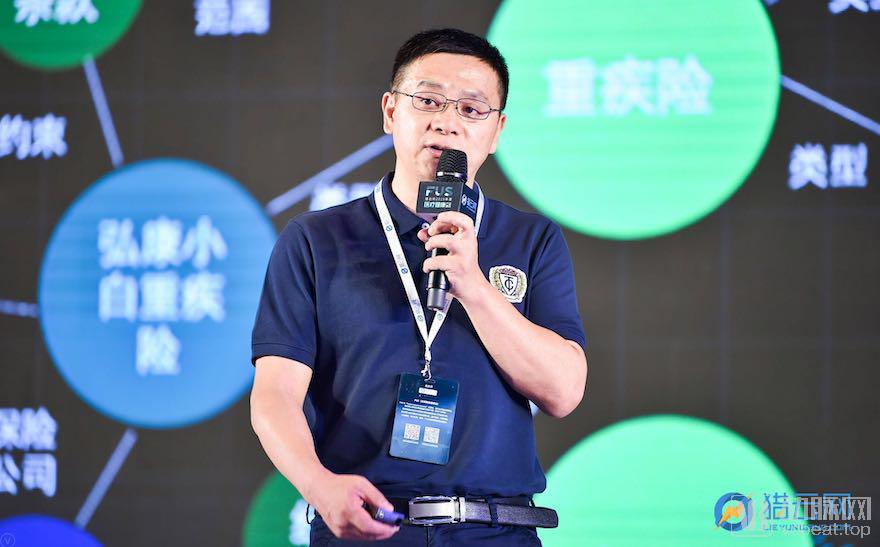 Tian Liwen, Head of the Big Data Laboratory at Daxiang Insurance
In response, Daxiang Insurance has adopted a dual-pronged approach: on the product front, it leverages big data-driven actuarial design; on the service front, it enhances its standardized professional insurance capabilities to meet growing user demands.
During this process, Tian Liwen stated,AI empowerment has significantly enhanced the user experience in insurance, driving the development of insurance marketing and underwriting services toward greater uniformity, intelligence, personalization, and efficiency.。
In the past two years, the overseas medical treatment market has been flourishing. Lin Lei, Chief Operating Officer of Hope Noah Medical Group, noted that due to differences in healthcare investment, there is a significant disparity between the domestic and international medical environments, based on her years of practice and observation in overseas healthcare.
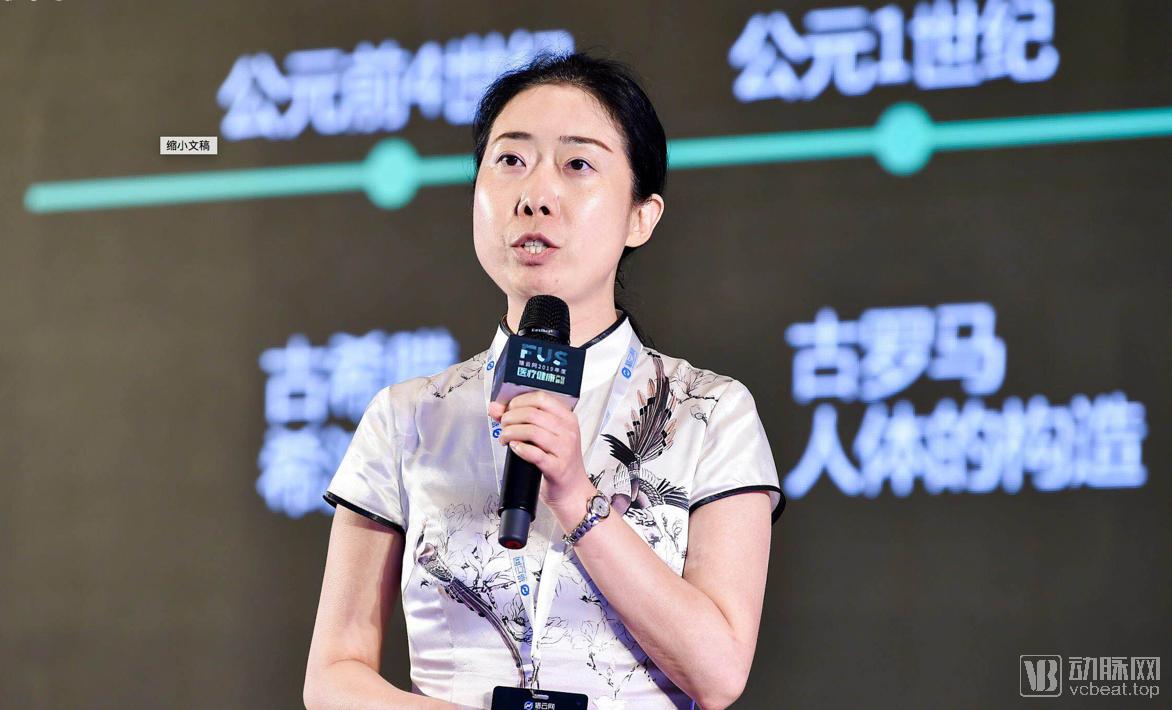 Lin Lei, Chief Operating Officer of Hope Ark Medical Group
Lin Lei cited examples regarding medical resources: China, with 25% of the world’s population, accounts for only 2% of global medical resources; Japan, with 1.69% of the world’s population, holds 7.2% of global medical resources; and the United States, with 5% of the world’s population, possesses 13.6% of global medical resources.
Lin Lei, a former oncologist, gained profound insights through her long-term interactions with cancer patients. She recognizes that early prevention plays a critical role in suppressing tumor development, and many cancers are closely linked to lifestyle factors. For instance, the survival rates for esophageal and gastric cancers in Japan are significantly higher than those in China, largely due to the Japanese population’s emphasis on early screening of the digestive tract. Therefore, she advocates for the general public to undergo timely early detection.
Beyond the continuous iterative innovation within the industry, other stakeholders in the ecosystem, including government entities, are also actively driving this transformation in the healthcare sector.
In early June, ten government departments, including the National Health Commission, issued the "Notice on Opinions to Promote the Sustainable, Healthy, and Standardized Development of Private Medical Institutions," vigorously advocating for private healthcare. Against this backdrop of strong support for private medical practice, how can a closed-loop healthcare service system be established? What challenges will healthcare startups encounter in the process?
During the roundtable discussion, Su Shu, Founder and CEO of Mingyi Zhudao; Kang Shigong, Co-founder and Vice President of Quanyu Medical Group; Gao Yunlong, Partner and CMO of Yizhan Medical Group; Liu Weiqi, Founder and CEO of Tongxin Medical Alliance; and Wang Xiao, Vice President of Shukun Technology, shared their respective viewpoints.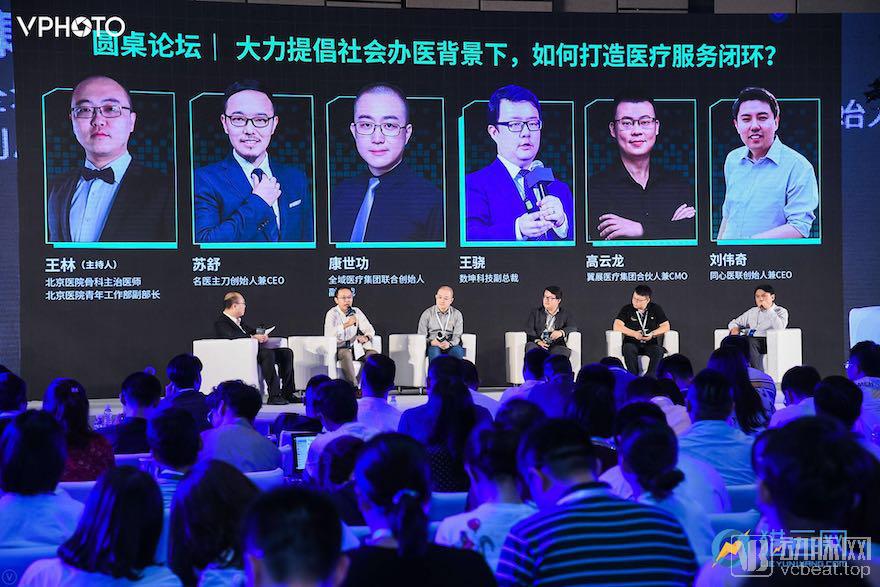
Su Shu, founder and CEO of Mingyi Zhudao, believes that the advocacy in the “Notice” for extensive collaboration, coordination, and reasonable division of labor and resource allocation among various medical institutions holds significant importance for startups.By combining the top-tier expert resources of public hospitals with the market-oriented model of private healthcare, both parties leverage their complementary strengths, ultimately benefiting patients.。
In the view of Kang Shigong, Co-founder and Vice President of Quanyu Medical Group,The Most “Painful” Closed Loop in Healthcare Services at This Stage Is the Primary Care Closed Loop. Experts are a vital resource for medical institutions, but the industry must contend with the substantial costs and time required to cultivate them. Meanwhile, given the enormous patient population at the primary care level in China and the scarcity of experts, the industry has a greater need for medical resource allocation that can empower the sector and enhance efficiency.
According to Gao Yunlong, Partner and Chief Marketing Officer (CMO) of Yizhan Medical Group,An industry can only achieve explosive productivity growth through advancements in tools; otherwise, it merely achieves incremental, multi-fold optimization.Only through geometric multiplication at the tool level can product capabilities experience explosive growth, thereby achieving an overall breakthrough in service capabilities via closed-loop systems for products and platforms.
Liu Weiqi, Founder and CEO of Tongxin Medical Alliance, analyzed and stated thatWhether for healthcare institutions or enterprises, establishing a closed-loop system must be commercially viable to generate sufficient revenue for self-sustainability.From a macro perspective, there are two main approaches: one is to provide services to public hospitals, and the other is to serve as an alternative to public hospitals.
Wang Xiao, Vice President of Shukun Technology, pointed out that,Private healthcare provision serves as a beneficial complement to the entire public healthcare system, rather than a replacement.. Internet+ technologies can not only serve as an effective aid to physicians but also help alleviate repetitive tasks in their daily work, thereby optimizing the allocation of medical resources.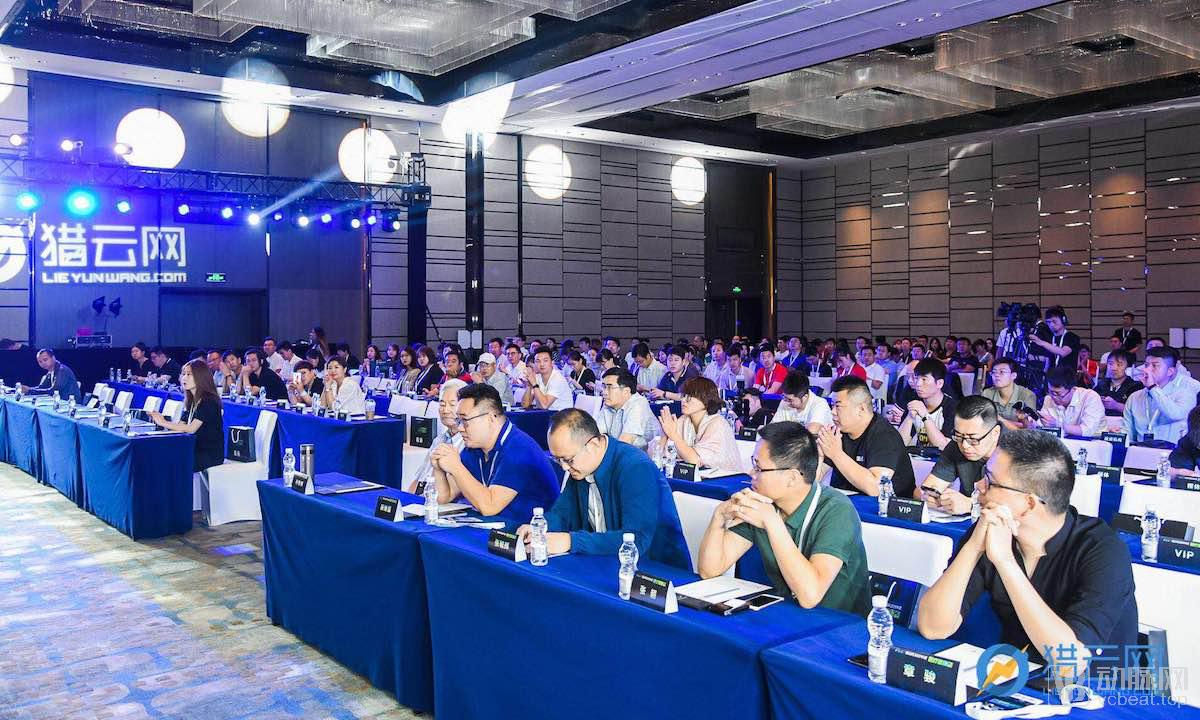
In 2019, with the original intention of discovering industrial unicorns, Lieyun.com fully launched the “FUS (Future Unicorn Summit)” brand. It organized vertical industry summits focusing on sectors such as consumption upgrading, healthcare, fintech, enterprise services, automotive, and education, thereby building a resource platform for communication and exchange for emerging future unicorns and industry practitioners. This initiative aimed to achieve symbiosis and win-win outcomes through the integration of enterprises and industries.