

Zhongshan Oncology Physician Group, Comprising Over 40 Core Tumor Specialty Teams, Files IPO Prospectus Following Its Landmark Establishment in Guangzhou as the First Greater Bay Area Oncology Consortium
China bears a disproportionate burden of liver cancer, accounting for approximately half of the global cases. According to incomplete statistics, from 2015 to 2030, around 10 million Chinese patients with liver cirrhosis and liver cancer will experience treatment failure domestically. Meanwhile, there are over 1.2 million new cases of colorectal cancer worldwide each year, with more than 350,000 in China. Hepatic metastasis from colorectal cancer is extremely common, and a significant proportion of these patients also fail to respond to conventional treatments available in China.
On February 18, 2019, the Central Committee of the Communist Party of China and the State Council issued the Outline Development Plan for the Guangdong-Hong Kong-Macao Greater Bay Area. The Outline proposes promoting close cooperation in high-quality medical and health resources. Consequently, new technologies successfully used in Hong Kong and Macao for treating advanced liver cancer and liver metastases from colorectal cancer have gained an opportunity for popularization in China through the Guangdong-Hong Kong-Macao Greater Bay Area Oncologists Group. This development has brought hope to cancer patients in the Greater Bay Area and across China, offering them a chance at a second life.
On June 29, the Greater Bay Area Oncologists Forum was grandly held in Guangzhou. The event brought together leaders and experts from the Guangdong-Hong Kong-Macao Greater Bay Area, including Liao Xinbo, former Deputy Director of the Health and Family Planning Commission of Guangdong Province and Inspector; Mong-Hong Lee, internationally renowned oncology expert; Liao Zhen'er, former Party Secretary and Executive Vice President of Sun Yat-sen University Cancer Center; Professor Jiang Wenqi from Sun Yat-sen University Cancer Center; Lin Lizhu, academic leader of the National Key Specialty in Traditional Chinese Medicine Oncology; Dr. Cheung Foon Yiu, Consultant Physician at the Hong Kong Integrated Oncology Centre; Dr. Wong Ka Ming, Director of the Department of Oncology at OncoCare Cancer Centre in Hong Kong; Zheng Liheng, President of the Macao Medical Technology Research Association; and Lin Junzhong, Secretary-General of the Chinese Colorectal Cancer MDT Alliance, among dozens of other experts.
At the forum, the grand launch of China’s first “Greater Bay Area Oncology Specialist Physician Group—Zhongshan Oncology Physician Group” was announced, marking its official establishment in Guangzhou. The physician group began preparations in 2015 and was formally registered on July 11, 2018. Composed of a top-tier team of experts in oncology research and treatment in China, the group boasts more than 40 specialized core teams covering all oncological subspecialties, over 200 influential oncologists across various specialties, and more than 2,000 collaborating physicians distributed among major hospitals throughout the Greater Bay Area.
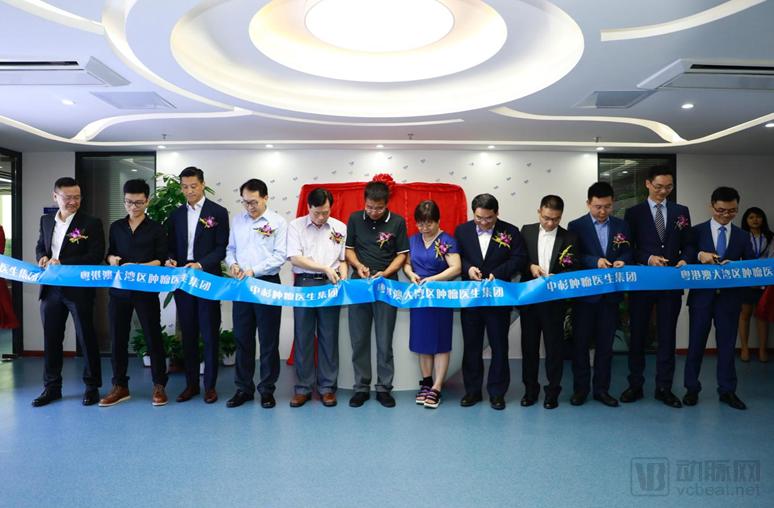
Grand Opening and Ribbon-Cutting Ceremony of the Greater Bay Area Oncologists Group
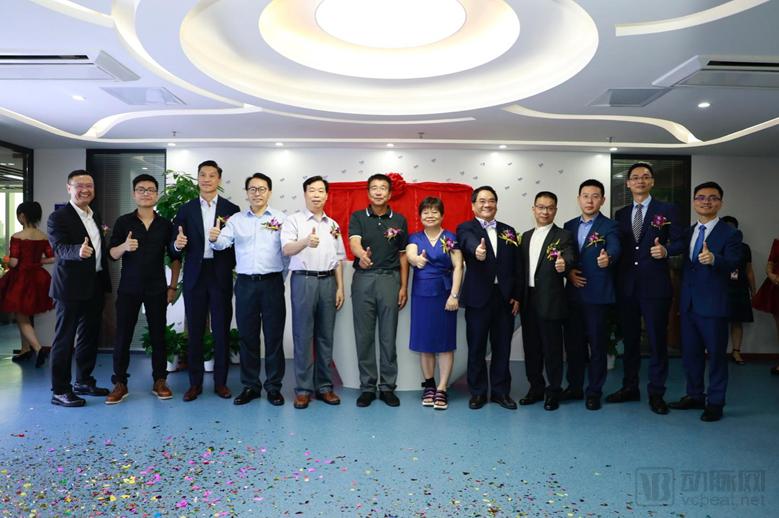
(From left to right: Xie Bin, Huang Qingpeng, Huang Jiaming, Jiang Wenqi, Liao Zhen'er, Liao Xinbo, Lin Lizhu, Mong-Hong Lee, Zheng Liheng, Tang Weikun, Lin Junzhong, Zeng Dongqi)
Figure: Inauguration and Unveiling Ceremony of Saiqier Medical
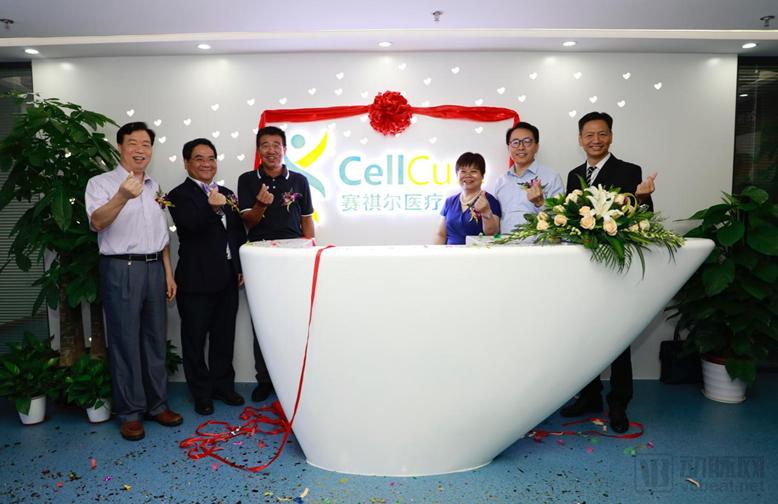
(Left: Liao Zhen'er, Mong-Hong Lee, Liao Xinbo; Right: Lin Lizhu, Jiang Wenqi, Liu Yeqing)
At the forum, representatives of Hong Kong and Macao physicians from the Greater Bay Area Oncologists Group unveiled a major new therapeutic approach for advanced hepatocellular carcinoma and colorectal cancer with liver metastases: Selective Internal Radiation Therapy (SIRT) using Yttrium-90 microspheres.
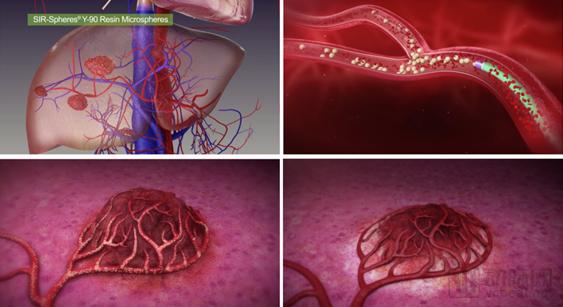
Schematic Diagram of the Mechanism of SIRT (Yttrium-90 Microspheres) Therapy
According to Mong-Hong Lee, Executive Director of the Gastrointestinal Institute at Sun Yat-sen University and a renowned international oncology expert, China ranks first globally in the annual number of new colorectal cancer cases. The country also faces therapeutic challenges such as recurrence, metastasis, and chemotherapy insensitivity, which are the primary reasons for poor prognosis. The five-year survival rate for colon cancer patients is only approximately 65%, highlighting an urgent need to identify new biomarkers to aid in the diagnosis and treatment of patients.
SIRT stands for Selective Internal Radiation Therapy, a specialized form of radiotherapy. Dr. Wong Ka Ming, Head of Oncology and Consultant Physician at the Hong Kong OncoCare Cancer Centre, delivered a keynote speech titled “SIRT for Colorectal Liver Metastases,” emphasizing that SIRT delivers high-dose radioactive particles via the vasculature to specific target sites, selectively destroying tumor cells while causing minimal damage to normal tissues and organs. Yttrium-90 microspheres are the commonly used therapeutic carrier. Indications for SIRT (Yttrium-90 microspheres) include:
1. Primary liver cancer: (1) First-line treatment for unresectable primary liver cancer, particularly in patients with portal vein tumor thrombus; (2) Multinodular hepatocellular carcinoma that has failed transarterial chemoembolization (TACE) or is refractory to systemic therapy; (3) Cases with high tumor burden requiring downstaging to enable surgical resection.
2. Colorectal cancer with liver metastases, including: ① patients refractory to multiple lines of therapy and deemed unresectable; ② patients with potentially resectable disease after failure of first-line therapy; ③ patients undergoing conversion therapy for right-sided colon cancer;
3. Other indications include: ① first-line treatment for unresectable cholangiocarcinoma; ② treatment of liver metastases from neuroendocrine tumors in combination with octreotide; ③ selective internal radiation therapy (SIRT) with Yttrium-90 may be considered as first-line treatment for elderly patients, frail patients, or those intolerant to chemotherapy; ④ liver metastases from solid tumors that have progressed and are refractory to multiple chemotherapeutic agents.
Selective Internal Radiation Therapy (SIRT) with yttrium-90 microspheres was approved by the U.S. Food and Drug Administration (FDA) in 2002 and by the European Union (EU) in 2003. It has been registered and marketed as a medical device for the treatment of malignant liver tumors in 47 countries across the United States, the European Union, Australia, Canada, Argentina, Brazil, Turkey, and Asia. Dr. Cheung Foon Yiu, Consultant at the Hong Kong Integrated Oncology Center, delivered a keynote speech titled “SIRT for Primary Liver Cancer” at the forum, stating that SIRT is currently recommended by multiple clinical practice guidelines from medical associations in the EU, the United States, Singapore, and China (including mainland China, Hong Kong, and Taiwan). The therapy is covered by national health insurance reimbursement systems in some countries. To date, it has been used clinically in nearly 1,100 hospitals across more than 40 countries worldwide, with over 86,000 doses administered. In Taiwan and Hong Kong, SIRT (yttrium-90 microspheres) is currently employed by multiple hospitals; since 2010, more than 900 doses have been administered in these regions, bringing the total number of doses used across Asia to over 3,400.
Zeng Dongqi, General Manager of Saiqier Medical, stated that although SIRT (Yttrium-90 microspheres) therapy has received favorable efficacy evaluations overseas, the product has not yet been approved for marketing in mainland China. Therefore, patients in mainland China seeking SIRT (Yttrium-90 microspheres) treatment must travel to regions such as Hong Kong, Macau, or Taiwan. Patients from mainland China who hold commercial health insurance policies in Hong Kong can have the treatment costs reimbursed.
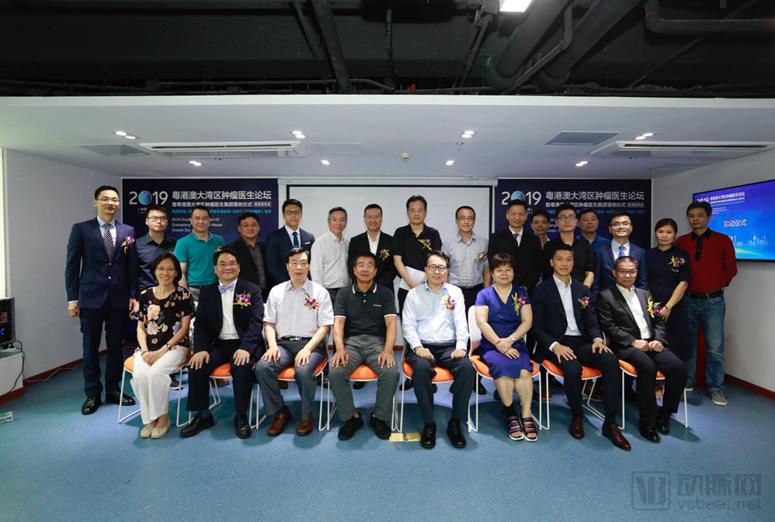
Figure: Representatives and leaders of doctors from Guangdong, Hong Kong, and Macao
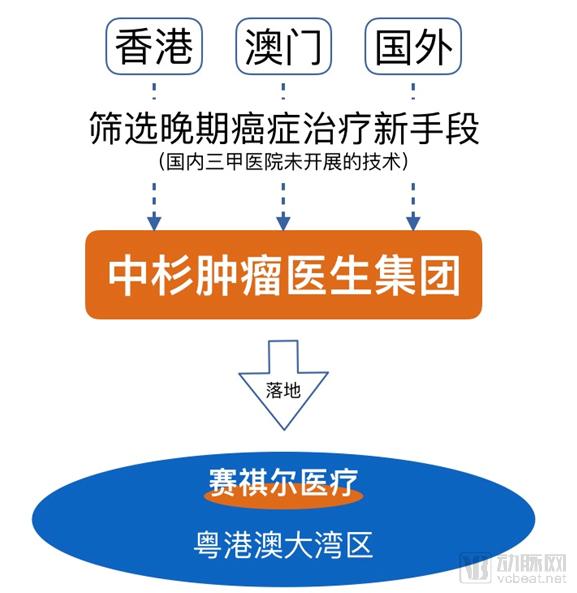
SIRT (Yttrium-90 Microspheres) therapy is the first medical project implemented by the Greater Bay Area Doctors Group. It is also the first physical entity project invested in and established by the Greater Bay Area Doctors Group (Zhongshan Oncology Doctors Group) in the region—Saiqier Medical. Zeng Dongqi, General Manager of Saiqier Medical, stated that the group’s authoritative team of oncology experts has evaluated and screened advanced technologies and products from Hong Kong, Macao, and abroad, particularly new techniques not yet available in China’s top-tier (Grade III Class A) hospitals. This initiative aims to provide safe, convenient, and accessible high-quality medical services to cancer patients in the Greater Bay Area and across China, offering them renewed hope for life.
Professor Wong Ka-ming, Head of the Oncology Department and Consultant Physician at the Hong Kong OncoHealth Cancer Centre, stated that some patients are already benefiting from the policies of the Guangdong-Hong Kong-Macao Greater Bay Area. Taking Mr. Yang, a 54-year-old patient from Xingning, Meizhou, Guangdong Province, whom Professor Wong personally treated, as an example: In July last year, a full-body examination revealed advanced-stage colorectal cancer with liver metastases. He initially received appropriate treatment at the Sun Yat-sen University Cancer Center, where his condition was temporarily controlled through chemotherapy. However, the efficacy of chemotherapy was short-lived; drug resistance soon developed, and the liver tumors continued to progress. During a national academic forum, Mr. Yang’s attending physician in mainland China learned about a novel therapeutic approach available in Hong Kong and overseas—Selective Internal Radiation Therapy (SIRT) using Yttrium-90 microspheres—which was considered the only remaining option capable of saving Mr. Yang’s life. Professor Wong emphasized that SIRT (Yttrium-90 microsphere) therapy has an excellent safety profile; in many countries, it is even performed on an outpatient basis without requiring hospitalization.
Following a professional assessment by the authoritative expert team of the Greater Bay Area Physician Group, it was preliminarily determined that patient Mr. Yang was eligible for Selective Internal Radiation Therapy (SIRT) using Yttrium-90 microspheres. In March this year, Mr. Yang underwent his first interventional procedure to evaluate his suitability for SIRT with Yttrium-90 microspheres. Once deemed an appropriate candidate, the physicians calculated the required dosage of Yttrium-90 microspheres, and the formal SIRT treatment was administered a few days later. The procedure is minimally invasive and convenient: a catheter is inserted through the femoral artery in the groin to deliver the Yttrium-90 microspheres precisely to the tumor site for targeted radiation therapy, thereby shrinking the tumor. The entire process takes only one hour. Given that the radiation range of Yttrium-90 microspheres is limited to 0.25 cm and their half-life is 64 hours, Mr. Yang was discharged the day after completing the SIRT treatment.
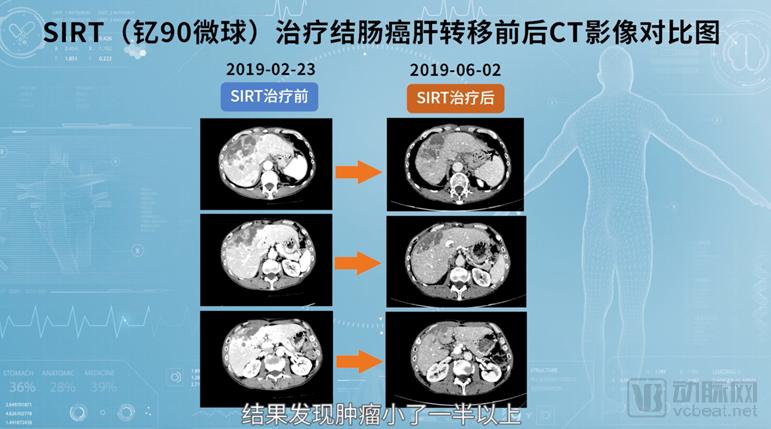
Mr. Yang, the patient, reported no significant physical discomfort following Yttrium-90 (Y-90) therapy. A follow-up blood test and liver function assessment one week later showed completely normal results, after which he underwent four cycles of chemotherapy. Post-procedure, although there was a transient elevation in the tumor marker CEA immediately afterward, CEA levels have since continued to decline steadily. These outcomes have greatly encouraged him, reinforcing his confidence in the efficacy of Y-90 therapy. He has also been adhering to his physician’s recommendations for regular follow-up visits. Three months later, a whole-body CT scan yielded highly encouraging results: the tumor had shrunk by more than 50%. Given his current physical condition, he may even be eligible for surgical resection.
The Central Committee of the Communist Party of China and the State Council issued the Outline Development Plan for the Guangdong-Hong Kong-Macao Greater Bay Area, which emphasizes close cooperation in healthcare. At a forum, Liao Xinbo, former Deputy Director and Inspector-General of the Guangdong Provincial Health and Family Planning Commission, stated that the establishment of physician groups in the Guangdong-Hong Kong-Macao Greater Bay Area is of epoch-making significance. This initiative will promote close collaboration among high-quality healthcare resources across Guangdong, Hong Kong, and Macao, and support healthcare service providers from Hong Kong and Macao to set up medical institutions in the nine Pearl River Delta cities through sole proprietorship, joint ventures, or other cooperative models, in accordance with regulations, thereby fostering regional medical consortia and regional medical centers.
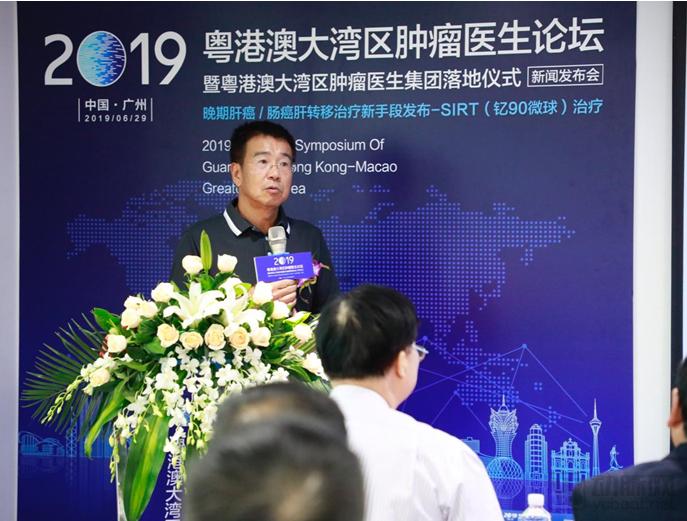
(Figure: Liao Xinbo delivers a speech)
At the roundtable forum, physician representatives from mainland China, Hong Kong, and Macao engaged in interactive discussions on “In-Depth Collaboration and Development Trends Among Oncologists in the Guangdong-Hong Kong-Macao Greater Bay Area.”
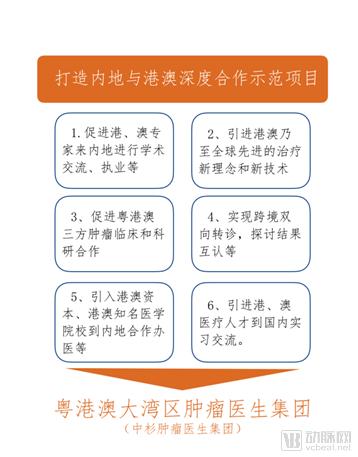
The establishment of the Greater Bay Area Oncologists Group aims to create a demonstration project for in-depth cooperation between mainland China and the Hong Kong and Macao Special Administrative Regions, specifically including:
1. Facilitate experts from Hong Kong and Macao to come to the Chinese mainland for academic exchanges, medical practice, and other activities;
2. Introduce advanced new treatment concepts and technologies from Hong Kong, Macao, and even globally to cancer patients in China [such as SIRT (Yttrium-90 microsphere) therapy];
3. Promote clinical and research collaboration in oncology among Guangdong, Hong Kong, and Macao;
4. Implement cross-border two-way patient referrals and explore mutual recognition of test results, etc.;
5. Introducing capital from Hong Kong and Macao, as well as renowned medical schools from these regions, to collaborate with mainland China in establishing healthcare institutions;
6. Recruit medical professionals from Hong Kong and Macao for internships and exchanges in mainland China.
The development of the Guangdong-Hong Kong-Macao Greater Bay Area is a key national strategic initiative. As the first oncologist group in the Greater Bay Area, Zhongshan Oncologist Group has established a platform for exchanging cancer treatment technologies within the region, aligning domestic medical practices with those in Hong Kong, Macao, and abroad. Meanwhile, it actively leverages its expertise in healthcare operations and management to plan and build a new highland for medical services in the Greater Bay Area, benefiting nearly 70 million residents.