Union Medical Healthcare: Achieving Over 5x Revenue Growth in Five Years Through a Multi-Disciplinary Business Model Transformation from Aesthetic Medicine
Chinese consumers share a common definition of external “beauty”: fine and smooth skin, well-defined contours, large eyes with double eyelids, augmented breasts, slim waists, and long legs. With the advent of the “era of appearance,” the value placed on “beauty” drives consumers to undergo medical aesthetic procedures to adjust their appearance, enabling them to embrace life’s changes with greater confidence. Driven by consumption upgrades and the pursuit of “beauty,” China’s medical aesthetics market has maintained rapid growth for many years.
The “SoYoung 2018 White Paper on the Medical Aesthetics Industry” points out that China’s medical aesthetics market size may reach RMB 224.5 billion in 2018, with a year-on-year growth rate of 27.57%. Meanwhile, among Chinese women aged 18 to 40, who are the primary consumers of medical aesthetics, the penetration rate of medical aesthetics users is 7.4%. Compared with South Korea’s penetration rate of 42%, China’s medical aesthetics market still has six times the room for development.
High profit margins and low entry barriers are the distinctive labels that many investors associate with the medical aesthetics industry. Driven by these financial incentives, there are currently nearly 10,000 licensed medical aesthetics institutions and over 100,000 unlicensed providers offering services in the Chinese market.
Amid the booming aesthetic medicine market, small clinics can secure their survival by focusing on internal excellence; however, medium-sized and large chain institutions must contend with numerous industry pain points in actual operations: profits continuously eroded by soaring marketing costs and low marketing efficiency, difficulties in building consumer trust, uncontrollable medical quality, and malicious competition.
How to survive and stand out in a highly competitive environment is a common theme for all large-scale medical aesthetic institutions.
EC Healthcare, fully known as Hong Kong EC Healthcare Group Limited, was established in 2005 and is one of the largest integrated healthcare groups in Hong Kong. Initially starting with medical aesthetics, it later transformed into a healthcare group targeting high-end clients. Currently, EC Healthcare mainly covers five services, including plastic surgery and minimally invasive procedures, energy-based device treatments, traditional beauty services, sales of its own skincare product line, and health management services.
During the transformation and upgrading of Yisi Medical, precise identification of market pain points, coupled with its unique operational management system, has enabled deep vertical business development and horizontal business expansion.
VCBeat · VBInsight has conducted an in-depth study of EC Healthcare’s development strategy, aiming to comprehensively, objectively, and authentically showcase the corporate competitiveness of EC Healthcare Group, thereby providing reference and insights for numerous market participants.
Two Stages: The Development Journey of EC Healthcare
Hong Kong EcoHealthCare Group centers its business on preventive and precision medicine. By integrating diverse services, developing medical artificial intelligence, and building a premium brand with high-quality service capabilities, the Group is committed to providing customers with the most professional, safe, and effective medical services.
The Group currently operates 54 directly-managed clinics and service centers across China, providing one-stop medical and health services. Its comprehensive service portfolio primarily includes plastic surgery and minimally invasive procedures, energy-based device treatments, traditional beauty services, sales of proprietary skincare products, and health management. Key well-known service brands under its umbrella include DR REBORN, a one-stop medical aesthetics solution provider that has ranked first in Hong Kong for consecutive years; SPINE Central, a general practice center specializing in chiropractic and joint pain; re:HEALTH, a health screening center; and UMH DENTAL CARE, a comprehensive dental service center. According to VCBeat Research Institute, the development of Medical Beauty International Holdings has undergone two major phases since the establishment of its first medical aesthetics center, DR Reborn, in 2005.
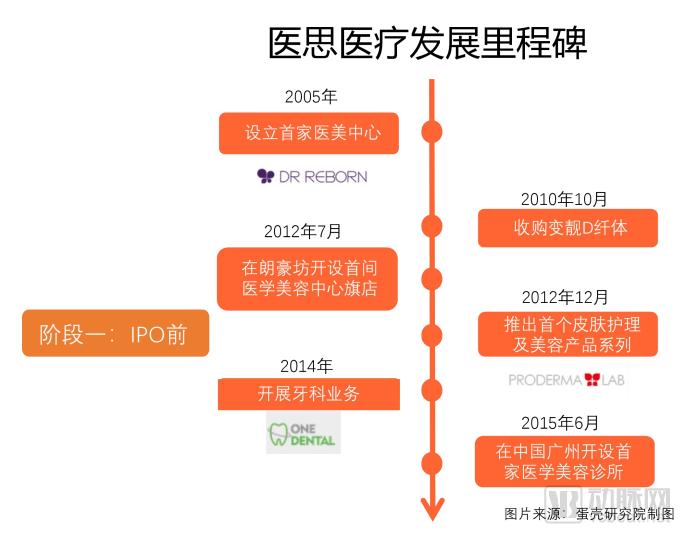
Prior to its initial public offering (IPO), Dr. Nice Medical’s core strategy centered on “medical aesthetics.” Whether through the launch of medical aesthetic-related products in 2012 or the expansion into dental services (such as orthodontics and teeth whitening) in 2014, these moves can be regarded as a deep exploration of services associated with medical aesthetics.
Medical Thinking Healthcare Group established its first medical aesthetics clinic in Guangzhou in 2015, marking a further geographic expansion of the group’s business coverage, in addition to the vertical deepening of its medical aesthetics-related operations. Although the group’s primary revenue source during the initial phase was the Hong Kong market, expanding its core business from Hong Kong to the Chinese mainland has become a key strategic objective for the company.
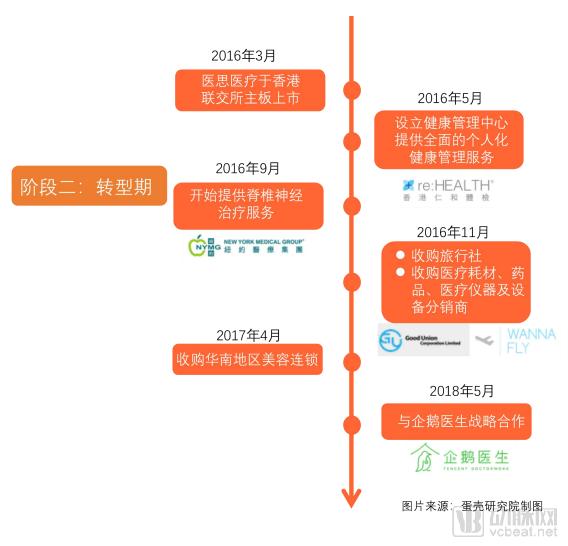
The second phase of EC Healthcare began with its IPO in March 2016. After raising substantial capital, the group gained a deep understanding of the current pain points and limitations within the medical aesthetics industry. Recognizing that vertical integration within the medical aesthetics supply chain alone was insufficient to drive sustained growth, EC Healthcare leveraged its financial strength to pursue horizontal expansion across different sectors. In May 2016, it launched the new brand re:HEALTH to enter the health management sector. In September 2016, it began offering chiropractic services, using neurology as its entry point. In May 2018, it formed strategic partnerships with corporate physicians, aiming to penetrate the primary care general practice market through collaboration.
Beyond its strategic pivot from “medical aesthetics” to “healthcare,” EC Healthcare Group has reduced corporate costs by acquiring upstream distributors of medical devices, consumables, and pharmaceuticals. Meanwhile, the group has expanded into the cross-border medical tourism market by acquiring travel agencies. In addition, in April 2017, EC Healthcare accelerated its entry into the mainland China market by acquiring a chain of beauty clinics in South China.
Financial Review: Core Data of EC Healthcare
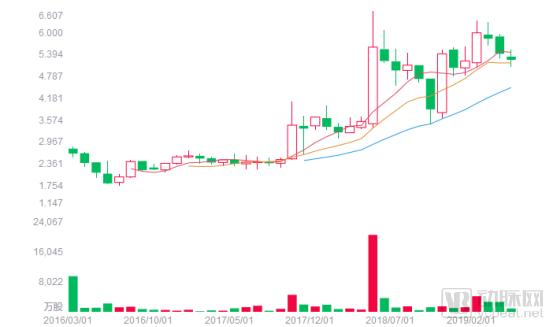
In March 2016, Hong Kong’s EC Healthcare Group successfully listed on the Hong Kong Stock Exchange, with the stock code 02138.HK. As of the closing price on May 21, 2019, the share price was HK$5.25, with a total market capitalization of HK$5.171 billion, a price-to-earnings (P/E) ratio of 18.00, and net asset value per share of HK$0.8347. Since its listing, EC Healthcare has maintained a volatile upward trend, outperforming the broader market in terms of growth magnitude. The company’s share price rose from HK$2.789 at the time of its initial public offering to HK$5.25 on May 21, representing an increase of 88.2% and a compound annual growth rate (CAGR) of 23.5%. During the same period, the Hang Seng Index climbed from 19,259 points to 27,657 points, marking a 43.6% increase and a CAGR of 12.8% for the broader market.
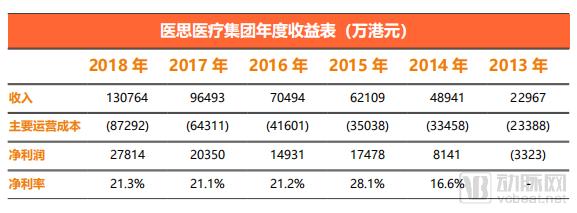
VCBeat·VBInsight compiled the prospectus and annual reports from 2016 to 2018 of Medical Aesthetic International Holding Limited. The data shows that within just a few years, both revenue and profits of Medical Aesthetic International experienced significant growth. The company’s long-term maintenance of rapid and stable growth in revenue and profits is the primary reason why the market has remained bullish on Medical Aesthetic International, resulting in its stock price outperforming broader market indices.
>>>>
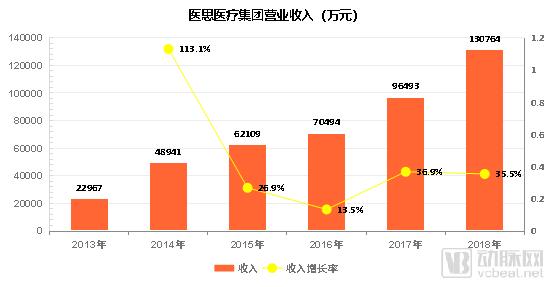
1. Over a 5-year period, operating revenue increased by 5.69 times
Revenue data shows that EC Healthcare’s revenue grew from HK$230 million in 2013 to HK$1.31 billion in 2018, a 5.69-fold increase, with a compound annual growth rate (CAGR) of 41.6%. In terms of revenue growth rate, apart from an incidental surge in 2014, EC Healthcare’s revenue has maintained relatively stable growth. Notably, after its listing, the company, bolstered by sufficient funding, invested the proceeds into new initiatives such as health management and chiropractic and neurological diagnosis and treatment, thereby introducing new revenue streams for the group. As a result, one year of investment post-IPO led to accelerated revenue growth driven by these new channels. In fiscal year 2017, the revenue growth rate rose from 13.5% to 36.9%, and remained at a robust 35.5% in fiscal year 2018.
>>>>
2. High operational efficiency; composite cost growth is lower than revenue growth
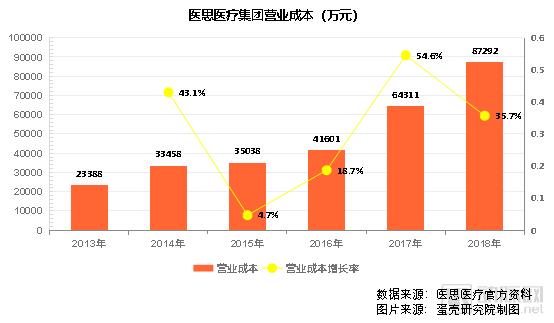
An increase in operating revenue inevitably drives up operating costs. Data shows that from 2013 to 2018, the operating costs of Dr. Nice Medical Group rose from HK$234 million to HK$873 million, an increase of HK$639 million, with a compound annual growth rate (CAGR) of approximately 30.1%. Upon closer analysis, we find:
1. The compound annual growth rate (CAGR) of operating costs is significantly lower than the growth rate of operating revenue;
2. In 2016–2017, following its public listing, the introduction of new projects across different sub-sectors led to a higher growth rate in operating costs than in operating revenue, as these new initiatives were still in the exploratory phase;
3. This adverse condition was corrected in 2018. The approximately 35.7% increase in operating costs in 2018 was commensurate with the 35.5% growth in operating revenue;
Overall, the compound annual growth rate (CAGR) of operating costs was lower than the CAGR of revenue, indicating that Medical Thinking Group demonstrates strong corporate management capabilities and operational efficiency.
>>>>
3. Turn Losses into Profits and Maintain a Stable Net Profit Margin
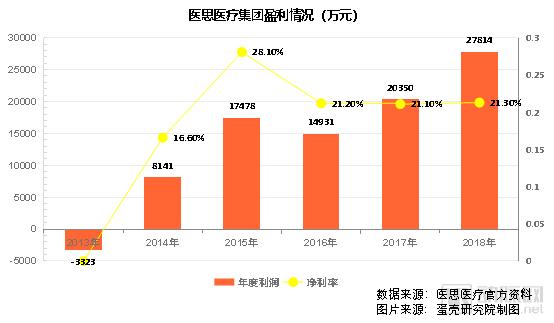
In the 2013–2014 fiscal year, EC Healthcare Group turned a profit, reporting earnings of HK$81.41 million. In the subsequent years, its profits grew from HK$81.41 million to HK$278 million, representing a 3.41-fold increase and a compound annual growth rate (CAGR) of 27.9%. Meanwhile, data from recent years shows that EC Healthcare has consistently maintained a net profit margin above 20%, demonstrating relative stability with minimal fluctuation.
Medical Services
Within the business framework of Medical Thought Healthcare, medical services primarily include aesthetic medicine services, dental services, and other services (including general diagnostic services, traditional Chinese medicine services, and ophthalmology services).
1. Medical Aesthetic Services
Medical aesthetic services primarily include: (1) plastic surgery procedures; (2) minimally invasive cosmetic treatments; and (3) energy-based device treatments administered by physicians. In accordance with the Group’s internal control measures, only licensed physicians, dentists, traditional Chinese medicine practitioners, or dental hygienists are permitted to provide such medical services.
a. Plastic surgery procedures include ophthalmic-related surgeries, rhinologic-related surgeries, breast augmentation, and liposuction.
b. Minimally invasive aesthetic procedures constitute the largest business segment within the medical services sector. These procedures are all non-surgical, primarily consisting of injectable treatments, typically lasting from 15 minutes to 2 hours, causing minimal damage to body tissues and leaving no surgical wounds.
c. Physician-operated energy-based device treatments constitute the second-largest business segment within the medical services division. These treatments are performed by physicians using equipment and technologies from Europe, South Korea, and the United States. The most representative physician-operated energy-based device treatments include cryolipolysis, laser therapy, radiofrequency, high-intensity focused ultrasound (HIFU), and intense pulsed light (IPL).
2. Dental Services
Dental services are primarily provided by the brands ONE DENTAL and ONE DENTAL PLUS under the EC Healthcare Group. These dental services encompass a comprehensive range of offerings, including cosmetic dentistry and dental health benefits.
3. Other Services
Other services refer to medical aesthetics-related or supplementary services, including general diagnostic services, traditional Chinese medicine (TCM) services, and ophthalmology services. As their revenue accounts for only 0.8% of the total medical service revenue, they are not included in the discussion of this report.
Para-Medical Services
Quasi-medical services are, more precisely, a definition of the mode of service delivery. Energy-based device treatments performed by trained therapists (non-physicians) are classified as quasi-medical services. The price of energy-based device treatments performed by therapists (non-physicians) is lower than that of those performed by physicians. The following five key factors serve as the primary criteria for determining whether a procedure is performed by a therapist (non-physician):
a. Legal requirements mandate that the procedure must be performed by a physician;
b. Recommendations for relevant equipment and suppliers;
c. Operating outside the jurisdiction;
d. The energy level of the relevant treatment course is below a certain threshold;
e. Based on the physician’s clinical experience and recommendations;
Energy-based device treatments administered by therapists (non-physicians) can also provide services such as cryolipolysis, laser, radiofrequency, high-intensity focused ultrasound, and intense pulsed light.
Traditional Beauty Services
Medical Aesthetics Group is able to provide customers with approximately 200 types of non-medical and non-invasive traditional beauty services, including body shaping and aesthetic treatments designed to enhance facial appearance, improve skin quality, and promote overall well-being.
Definition of Traditional Beauty Services by Medical Aesthetics Group: An Important Link in Providing a More Comprehensive Service Experience for Medical Aesthetic Services. From the Perspective of Group-Level Business Strategy, Traditional Beauty Services:
a. Diversified services. Capable of providing customers with more comprehensive and value-added services, fully catering to the diverse needs of a broad customer base;
b. Project complementarity. Traditional beauty services can generate additional revenue from clients who receive medical and quasi-medical services; meanwhile, EC Healthcare Group can build trust with customers through traditional beauty services, thereby channeling them toward medical and quasi-medical services.
Sales of Skincare and Beauty Products
To further complement its medical aesthetic services, Medical Think Group offers over 40 types of skincare and beauty products, including body lotions, moisturizers, and serums, with its proprietary brands Botemana and SUISSEBEAUTE as the primary offerings. The sale of non-medical skincare and beauty products aligns with Medical Think Group’s business positioning, and the use of its proprietary brand products can, to a certain extent, enhance the efficacy of its services.
Health Management
In 2016, Medical Thinking Healthcare Group entered the health management sector by launching a new brand, re:HEALTH, and introducing a one-stop comprehensive health management system. Adopting a customer-centric approach, the company strives to thoroughly understand client needs and, through its refined five-star service, has established six core business areas: preventive medicine, medical check-up services, vaccination, nutritional counseling, chiropractic diagnosis, and health management.
Currently, the health management team under its health management business system has exceeded 20 members, including radiologists, general practitioners, chiropractors, and dentists. In addition to physicians, all staff members have received an average of more than 85 hours of professional training.
By acquiring imported medical testing equipment and leveraging a professional medical team, the Center can complete over 100 tests within four hours. Through comprehensive testing, monitoring, analysis, and evaluation by specialist physicians, it eliminates preventable risks and creates unique, personalized disease prevention plans for each individual.
Based on multi-faceted research into Medical Beauty International Holdings Ltd., VCBeat·VBInsight believes that during the first phase of the company’s development, all business activities revolved around “medical aesthetics,” offering consumers four major categories of services: medical services, quasi-medical services, traditional beauty services, and the sale of skincare and beauty products.
In the second phase of development (post-IPO), EC Healthcare transitioned from a “single-wheel” to a “dual-wheel” growth model, establishing a multi-dimensional business structure centered on “medical aesthetics + multi-specialty services.” Its core businesses were further upgraded, and health management services were added as a new offering.
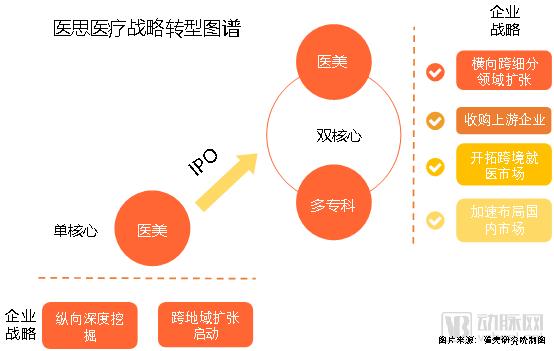
As of 2018, EC Healthcare Group primarily offered five core business lines to consumers: medical services, quasi-medical services, health management, traditional beauty services, and the sale of skincare and beauty products. To strengthen its corporate business framework, EC Healthcare Group adopted a strategy of deeply exploring market demand and diversifying its medical service offerings to drive revenue growth.
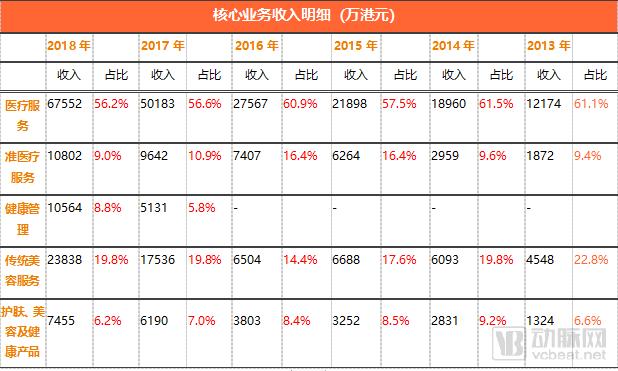
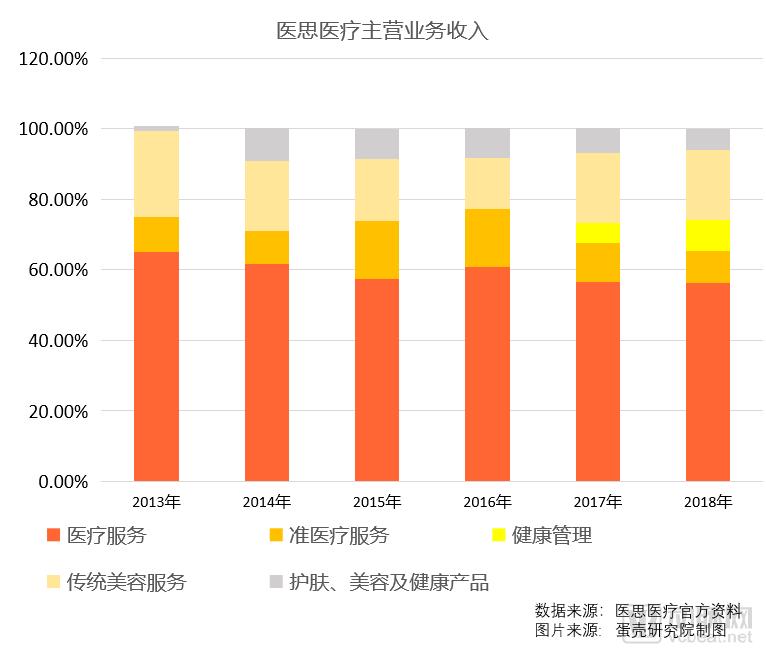
Relevant data show that since 2013, each of its business segments has exhibited a trend of rapid growth. In terms of business scale, medical services are the flagship offering of Medical Thought Healthcare, with their revenue consistently accounting for more than 50% of all core businesses. The scale of traditional beauty services ranks second only to medical services, representing 19.8% in 2018. The remaining three business lines—health management, quasi-medical services, and sales of skincare and beauty products—together account for approximately 30% of all core businesses.
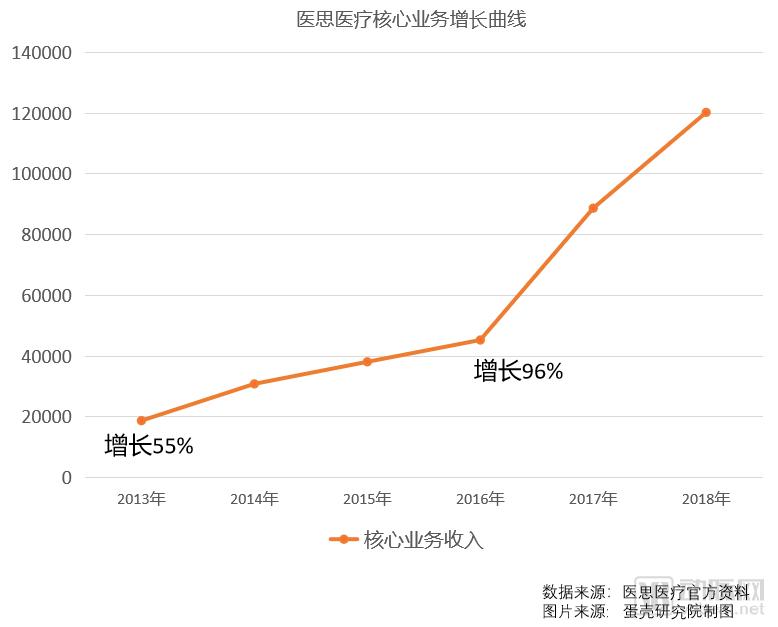
From 2013 to 2018, EC Healthcare’s revenue growth rates were 55%, 24%, 19%, 96%, and 36%, respectively. We observed that the company’s core business experienced relatively rapid growth in fiscal years 2013–2014 and 2016–2017, with particularly explosive growth in fiscal year 2016–2017—a rare achievement for a company of its scale.
I. Aligning with Market Demand, Optimizing Structure, and Achieving Growth in Both Volume and Price
A further breakdown of EC Healthcare’s revenue structure reveals that one of the key drivers behind its years of stable revenue growth, as well as its explosive growth in fiscal years 2013–2014 and 2016–2017, was its cross-segment business operations.
Cross-Segment Business Operations: From 2013 to 2018, Medical Think Healthcare added two core businesses: “Health Management” and “Sales of Skincare and Beauty Products” (launched in 2013). In selecting these new business lines, the company adopted a complementary strategy; not only were they not competitors to its existing services, but they also provided additional customer acquisition channels for its established businesses. From a revenue perspective alone, the introduction of “Health Management” and “Sales of Skincare and Beauty Products” brought new growth momentum to the Medical Think Healthcare Group.
Through its locally renowned health management brand, re:HEALTH, Medical Thinking Healthcare Group established a new “Health Management” business segment, providing comprehensive empowerment to acquired entities in areas such as operations and management, thereby significantly enhancing their operational efficiency and profit margins. The newly added “Health Management” business was rapidly validated by the market. In the acquisition year, namely the 2016–2017 fiscal year, revenue from health management reached HK$51.31 million. In the second year post-acquisition, health management revenue rose to HK$105.64 million, representing a year-on-year increase of 105%, while total business revenue for the same year grew by 96%.
The “skincare and beauty product sales” business, which was launched earlier, is primarily conducted through the establishment of its own brands, Botemana and SUISSEBEAUTE. Data shows that in the first year after introducing this business, it generated HK$13.24 million in revenue, accounting for 6.6% of the total business revenue. EC Healthcare Group has continuously developed and marketed its skincare and beauty products, with sales revenue from these products increasing by 2.14 times in the second year after the official launch, reaching RMB28.31 million. In the same year, the total business revenue grew by 55%. As of March 2018, the sales revenue from its skincare and beauty products reached RMB74.55 million.
II. In-Depth Exploration to Position as a One-Stop Comprehensive Platform
After accumulating a certain customer base and brand trust through its medical aesthetics business, Medical Thought Healthcare Group has positioned itself to serve high-end clients and transformed into a one-stop comprehensive healthcare platform. This one-stop comprehensive healthcare platform offers more diversified medical services, attracting more customers with related needs, leading to rapid revenue growth. We believe that this growth will continue in the future as its transformation progresses.
**Deeply Tapping into Market Demand: Building a Professional One-Stop Comprehensive Healthcare Platform.** Since 2016, Medical Thought Healthcare has leveraged funds raised through its IPO to rapidly expand strategically via acquisitions and mergers, thereby diversifying its range of medical services. Although medical aesthetics remains the core revenue stream, the business model has successfully transitioned from a sole focus on medical aesthetics to a multi-specialty approach, with initial results already evident.
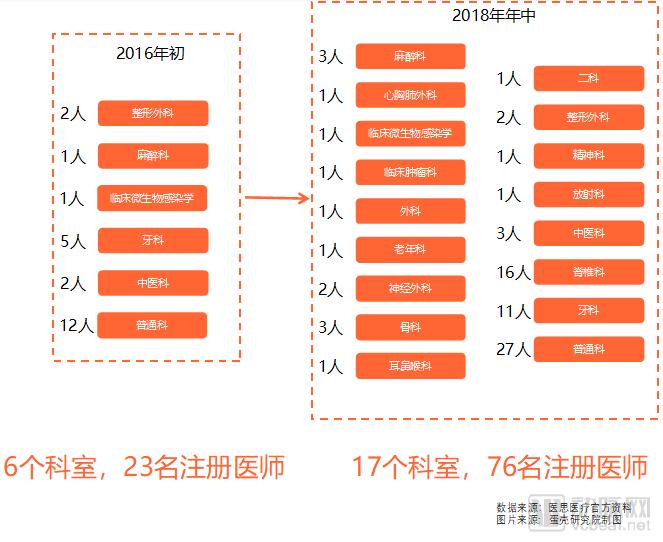
Data shows that by the early stage of its IPO, i.e., early 2016, Medical Aesthetics International Group had a total of 23 registered full-time physicians covering six departments: plastic surgery, anesthesiology, general practice (family medicine), dentistry, traditional Chinese medicine, and clinical microbiology and infection. All of these departments primarily provided services related to medical aesthetics. With the continuous deepening of its multi-dimensional layout, the number of registered physicians and covered departments at Medical Aesthetics International Group increased significantly.
According to the latest data from 2018, Medical Aesthetics International Group had a total of 76 registered physicians, with an addition of 53 full-time physicians. In addition to the original six departments, the group added up to 17 departments, including clinical oncology, pediatrics, orthopedics, spinal surgery, and psychiatry, representing an increase of 11 new departments. Medical Aesthetics International Group continues to seek high-quality acquisition targets in other medical fields, such as cardiovascular imaging, gastroscopy, dermatology, and ophthalmology. In the future, the group will continue to expand into more healthcare service sectors and drive overall revenue growth through mergers and acquisitions.
Meanwhile, building on brand trust, we expand our service offerings to target high-end clientele, providing them with a more comprehensive service ecosystem. By leveraging a diverse product portfolio, we deliver enhanced services to existing customers, thereby preventing churn and converting them into long-term, loyal consumers.
Simultaneous Growth in Customer Base and Spending: Key customers are the primary driver of Medical Thinking Group’s revenue, with their number and average spending exerting a direct impact on operating income. Key customers are defined as those who have contributed more than RMB 5,000 in service fees and have visited at least four times. Data shows that from 2013 to March 31, 2015, key customers accounted for approximately 66%, 76%, and 79% of the revenue generated from services provided, respectively, indicating a year-on-year upward trend in their proportion.
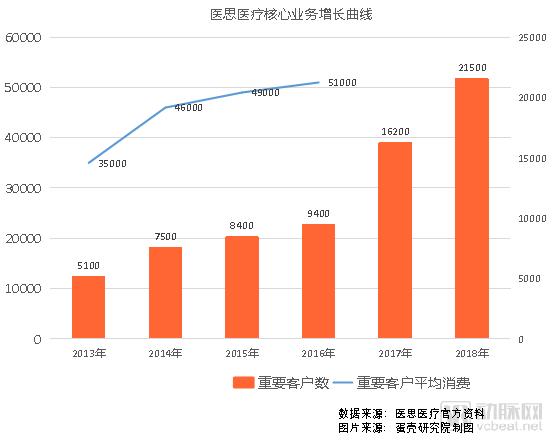
Data shows that the one-stop integrated healthcare platform has driven simultaneous improvements in both the “volume” and “quality” of its customer base, with the number of key customers and their average spending increasing year by year. The number of key customers grew from 5,100 in 2013 to 21,500 in 2018. Notably, during the 2016–2017 fiscal year, the diverse services offered by the one-stop integrated healthcare platform converted a large number of high-quality clients, leading to an explosive growth in the number of key customers, which increased by 72.3% year on year.
III. Medical Tourism: A New Growth Engine
The government is promoting the development of the Greater Bay Area, with the aim of transforming Hong Kong, Macao, and nine mainland cities into a comprehensive economic powerhouse. Coupled with the completion of the Guangzhou-Shenzhen-Hong Kong Express Rail Link and the Hong Kong-Zhuhai-Macao Bridge, this initiative will drive sustained high-speed growth in Hong Kong’s tourism and service sectors. Hong Kong’s healthcare services boast a unique system and distinct advantages, while demand for high-quality medical care among mainland consumers continues to rise. Leveraging the “Greater Bay Area” concept, Medical Thought Healthcare Group has strategically made significant inroads into medical tourism since 2016.
Prior to March 2015, 96.2% of Medical Thinkers Group’s operating revenue was derived from Hong Kong, while 3.8% came from Macau, with no revenue generated from mainland China, indicating that the mainland market had not been effectively developed. Following its initial public offering (IPO), Medical Thinkers Group committed to developing new models for medical tourism. By leveraging established traffic platforms in mainland China, the Group aimed to drive growth in medical tourism and specialist referral services, strategically expand its medical tourism business, and enhance service capabilities within the medical tourism industry.
Following the official launch of medical tourism services, mainland Chinese consumers alone contributed HK$55.9 million in revenue in the inaugural year, accounting for 9% of total operating revenue, and maintained a high growth rate for several consecutive years. As of March 2018, 36% of EC Healthcare’s revenue was derived from mainland Chinese consumers, amounting to approximately HK$470 million.
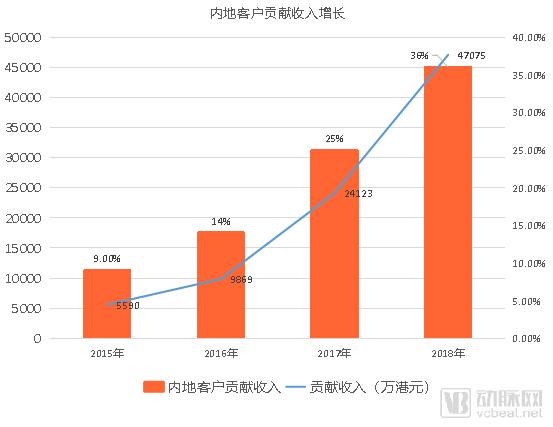
Meanwhile, an announcement from EC Healthcare Group revealed that, in order to enhance its medical tourism service capabilities, the company acquired a travel agency in November 2016. By operating the agency in-house, it facilitates necessary travel arrangements and effectively integrates with mainland China-based platforms to transfer mainland clients with corresponding medical needs to Hong Kong, thereby providing higher-quality medical services.
In the full report, “Truly ‘Beautiful’—An In-Depth Analysis of Yisi Medical,” we will continue to provide our interpretation for readers.EC Healthcare’s Four Core Advantages.
For more content, please see:
“Truly ‘Beautiful’—An In-Depth Analysis of EC Healthcare”
To read the remaining chapters, please scan the QR code to become a VCBeat member and download the full report, or scan the QR code in the VCBeat Reports section to download the report.