

Linkong Yijia Showcases 'Unmanned Service Solution' at CHIMA 2019, Enabling Hospitals to 'Close Counters, Eliminate Queues'
The 23rd CHIMA 2019 was held in Xiamen from July 4 to 7, 2019. At this conference, Shanghai Liankong Network Technology Co., Ltd. made its debut exhibition with its brand “Liankong Yijia” unattended solutions.
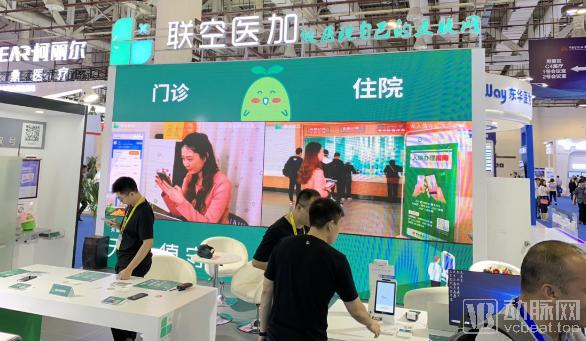
Since its establishment in 2015, Liankong Network has been committed to leveraging internet thinking and technology to help hospitals establish more efficient patient service models, thereby providing patients with a more convenient and accessible healthcare experience.
The unattended solution showcased at this exhibition is the culmination of two years of practical experience by Liankong Network. Its technological core lies in the application of mobile-based process reengineering and device-side unattended operations, which lower the barrier to entry and simplify usage procedures. Meanwhile, through its supporting operational and service systems, it helps increase patient adoption rates, thoroughly reduces the need for manual service intervention, and thereby decreases the workload of hospital settlement staff.
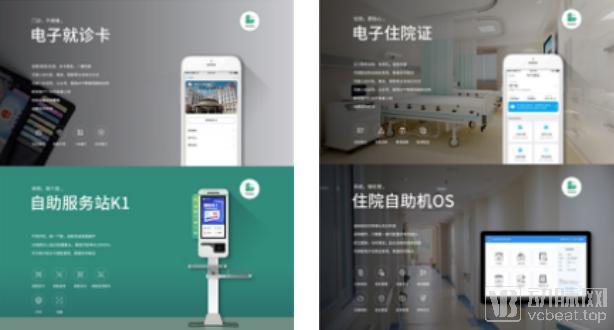
Unmanned Smart Healthcare
The solution comprises four core products: the Electronic Visit Card, the K1 Self-Service Station, the Electronic Hospitalization Certificate, and the OS Inpatient Self-Service Kiosk, which are designed for outpatient and inpatient areas, respectively. The exhibition site featured a comprehensive display of the unattended service solution with realistic scenarios, attracting numerous attendees to experience it firsthand.
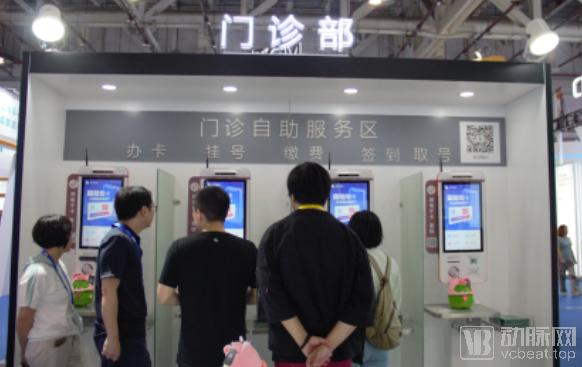
Since its launch, Liankong Medical’s unattended service solution has garnered significant attention and response from the healthcare industry, leading to collaborative implementations with multiple hospitals. According to operational data from these deployments, within just two months, one partner hospital saw its adoption rate of Alipay’s unattended services rise from 18% to 30%. The hospital achieved full support for identity verification via electronic medical cards, effectively driving offline patient traffic to online platforms through its self-service devices.
The improvements brought about by the optimization of the medical consultation process are even more evident: the appointment rate for general outpatient services increased from 17% to 45%, and that for specialist outpatient services rose from 70% to 91%. Patients who made appointments through various channels accounted for 65% of the total patient population, while “non-counter registrations” comprised 36% of all registrations, with higher adoption rates among middle-aged and young adults. The waiting times for both general and specialist outpatient consultations were reduced by approximately 30 minutes.
In the section on unattended inpatient services, the time patients spend on unattended admission procedures, discharge settlements, and report inquiries has been reduced by two-thirds compared to the previous offline processes. Since last September, the cumulative number of self-service admissions and discharges processed at the hospital has grown from dozens to over 10,000. The utilization rate of unattended services in certain departments approaches 80%, and the number of patients handling inpatient-related affairs through this unattended model continues to rise.
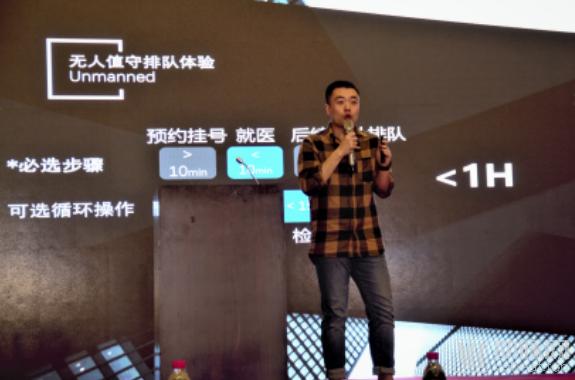
Li Bo, Chief Product Director of Liankong Network, stated, “To achieve unattended operations, we must not stop at the internet healthcare software system itself; instead, we need to build comprehensive capabilities integrating software, devices, and operations, thereby truly liberating staff at hospital billing and settlement counters.”
In the future, Liankong Network will continue to promote the informatization development of hospitals through its Liankong Yijia products, enabling medical institutions to rapidly build exclusive new patient service models and operational systems. This will help medical institutions more easily embrace the internet and operate their resources with greater efficiency.