CHIMA 2019: An Information Technology Extravaganza Centered on 'Smart Hospitals'
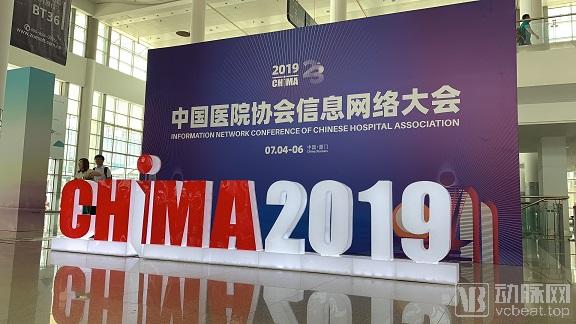
Attending CHIMA each time is a blissful ordeal. The dazzling array of corporate booths and diverse themed sub-forums unknowingly lead you to complete a “slimming plan” of walking 10 li a day.
On July 5, the 2019 China Hospital Information Network Association Conference (CHIMA 2019) was held as scheduled in Xiamen. Upon entering the exhibition hall through Gate C4, promotional slogans related to smart healthcare, smart services, and smart hospitals immediately came into view.
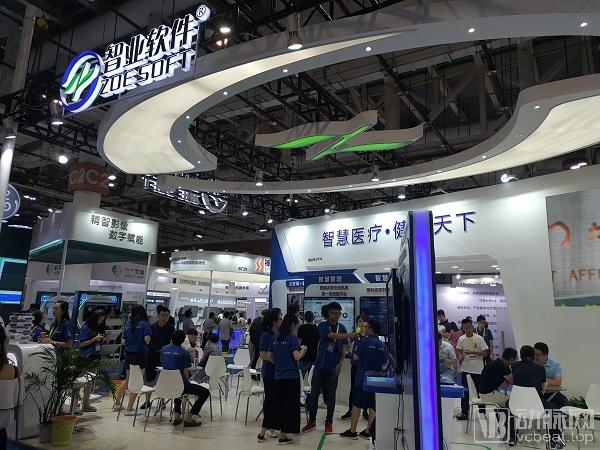
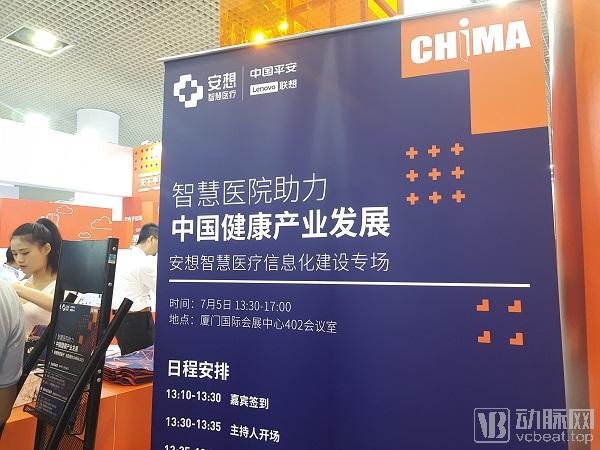
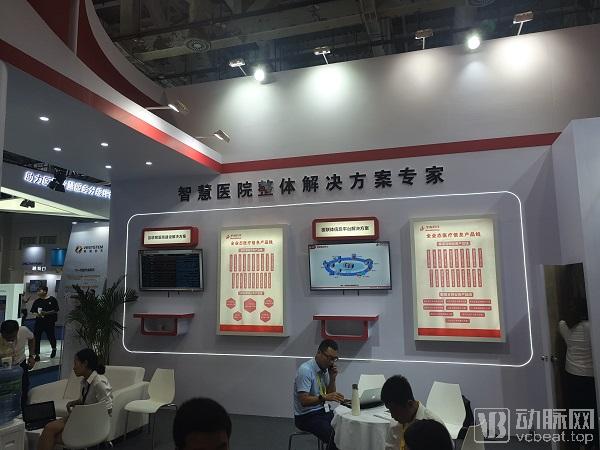
Some companies'Slogan
VCBeat (WeChat ID: vcbeat) reporters observed that, with smart hospitals at the core, participating companies leveraged their respective strengths to launch relevant products under the three strategic pillars of “Smart Healthcare,” “Smart Services,” and “Smart Management,” including solutions for medical record quality control, smart wards, and smart services.
A representative from Jiahe Meikang told us, “Under the broader trend of smart hospital development, the company’s intelligent medical record connotation quality control system and CDSS products have been categorized under Smart Healthcare, while its Yirui Internet Hospital solution and cloud-based medical records fall under Smart Services. The company is also actively preparing to apply for Smart Service assessments at Levels 0–5.”
Yilijie, which started out with electronic medical records, has also shifted its business focus to hospital information integration platforms, driven by the demand for interoperability maturity assessments in smart hospitals.
It is foreseeable that in the coming years, the development of healthcare informatization centered on smart hospitals will continue to profoundly influence the business strategies of a large number of healthcare IT companies.
Are Medical IoT Companies Gradually Taking Center Stage?
At the CHIMA 2019 exhibition, it was evident that a cohort of medical IoT companies—including Lianxin, Anke, Honeywell, and Lianzhong Wisdom—were gradually taking center stage in the development of smart hospitals among the 150 exhibiting enterprises.
In April 2019, during an official interpretation meeting held by the National Health Commission, a preview of the rating criteria for “Smart Management” was presented, with experts indicating that the standards were expected to be released in 2019. The term “Smart Management” typically refers to the management of hospital supplies such as pharmaceuticals, consumables, laboratory reagents, medical waste, and patient linens, and even extends to facility management utilities including water, electricity, and gas.
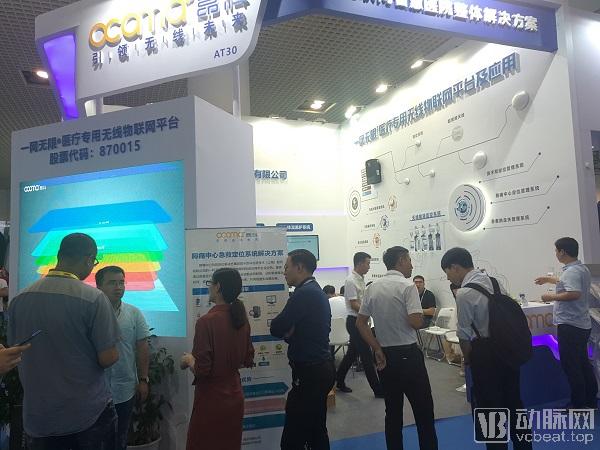
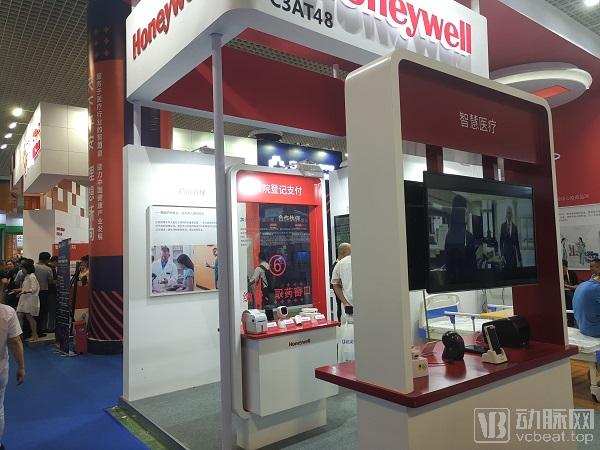
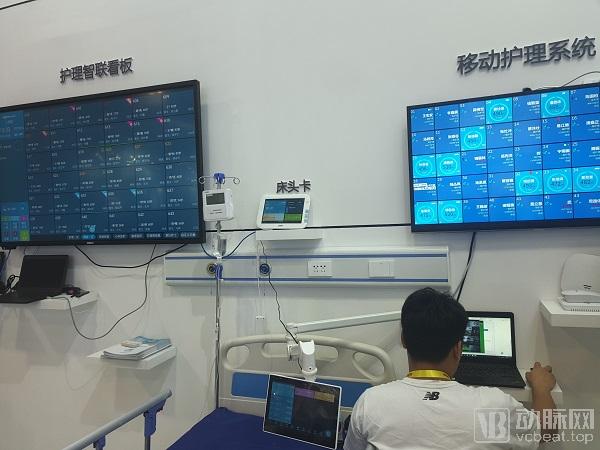
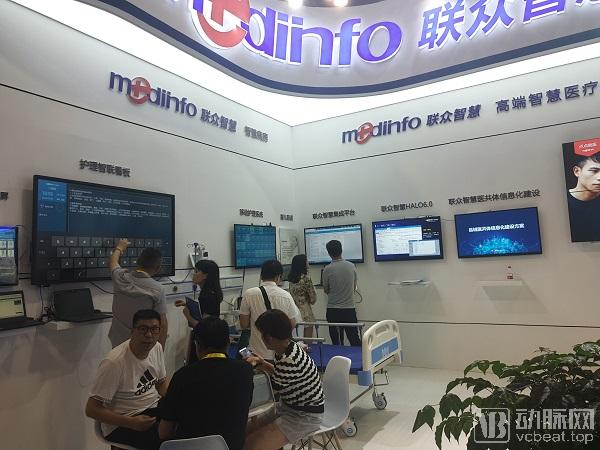
Some Companies Involved in the Medical Internet of Things Business
A sales representative from Lianzhong Wisdom told VCBeat, “In the broader context of smart hospital development, Lianzhong Wisdom, as a representative medical software enterprise, has also begun to prioritize the promotion of medical IoT products related to smart wards and smart nursing this year.” This indicates that medical IoT companies are poised to become among the primary beneficiaries of smart hospital construction.
Smart Clinical Care Remains a Hot Topic
In 2019, clinical informatics remained a fiercely competitive arena. Taking the industry giant Neusoft as an example, the company has been developing scenario-based disease solutions leveraging its existing portfolio of specialty-specific products, and has currently established 12 product lines.
These 12 clinical healthcare service lines are further divided into two major domains: one is the diagnostic domain, including laboratory medicine, radiology, ultrasound, pathology, endoscopy, nuclear medicine, and electrophysiology; the other is the therapeutic domain, encompassing anesthesiology and perioperative medicine, critical care medicine, dialysis, and interventional procedures.
Particularly in the fields of anesthesiology and critical care, industry insiders report that competition has been extremely fierce this year. Dasheng Jiuxin, prominently visible upon entering the exhibition hall, is heavily promoting its smart operating room and critical care-related products.
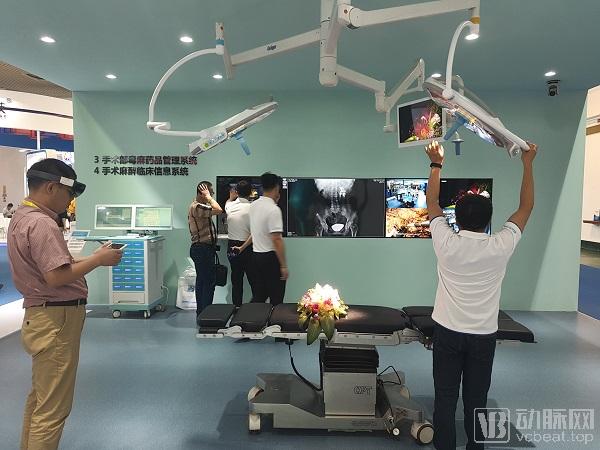
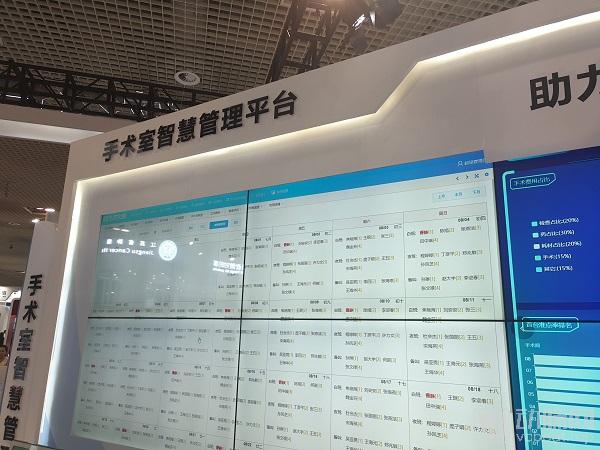
Dasen Jiuxin's Smart Operating Room Products
Other companies, such as Madi Technology and Hengxin Tianlang, were also representative enterprises showcasing critical care systems and digital operating rooms at this exhibition.
In the "2017-2018 Survey Report on the Informatization Status of Chinese Hospitals" released by the Professional Committee on Information Management of the Chinese Hospital Association in 2018, an investigation was conducted into the current application of clinical systems across hospitals of various tiers. According to the data, the adoption rates of systems such as pathology and anesthesia information management in tertiary hospitals in China did not exceed 40%. In hospitals below the tertiary level, the adoption rates were even lower, falling below 20%.In the coming years, the smart clinical market will enter a period of rapid growth.
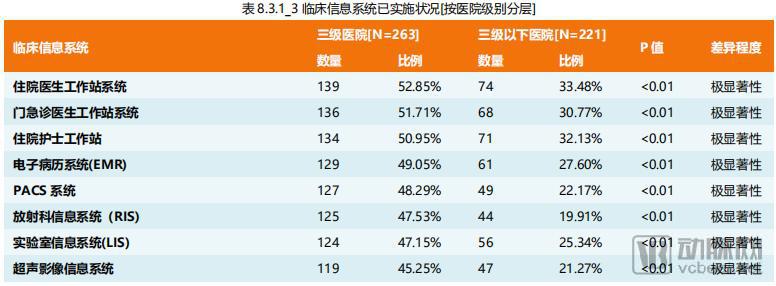
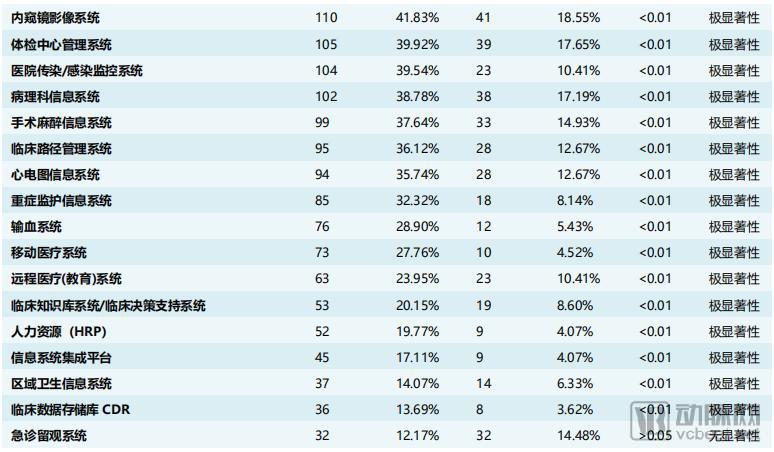
Data source: "Survey Report on the Status of Hospital Informatization in China (2017–2018)"
No Major AI Company Is Absent
During the keynote academic session of the conference, Professor Zhang Bo, an academician of the Chinese Academy of Sciences and Dean of the Institute for Artificial Intelligence at Tsinghua University, provided a detailed overview of the current status and key issues surrounding the application of artificial intelligence technologies in the healthcare industry.
Academician Zhang Bo pointed out that the application of artificial intelligence in healthcare is mainly concentrated in areas such as smart hospitals, assisted medical care, and virtual nursing. A key focus of these applications is to establish a mutually trusted and secure human-machine collaborative healthcare system, providing AI technologies that are safe, trustworthy, reliable, and efficient.
He emphasized that AI technology will transform the entire landscape of medicine, with a critical key to its application being the resolution of mutual trust issues by establishing trustworthy and interpretable medical systems. Meanwhile, he called for greater attention and active involvement from healthcare professionals in the application of artificial intelligence within the healthcare industry, stressing that this is crucial.

Professor Zhang Bo, Academician of the Chinese Academy of Sciences and Dean of the Institute for Artificial Intelligence at Tsinghua University
As the saying goes, “AI knows no bounds.” Compared to last year, VCBeat has observed a growing number of companies prominently featuring terms such as “AI” and “intelligent” on their exhibition booths. These enterprises include not only AI-native startups like Infervision and Huiyi Huiying, but also innovative firms that have evolved from health IT to AI technologies, such as Huimei Medical, Dashu Yida, and Senyi Intelligence. Moreover, many large-scale health IT companies have incorporated AI into their strategic roadmaps.
Overall, these technologies encompass two directions: supporting the development of smart hospitals and supporting the construction of hospital data centers.
Taking Infervision and Huiyi Huiying as examples, these two leading AI enterprises specializing in medical imaging are shifting their focus toward the processing of big data in medical imaging. While providing hospitals with services such as AI-based data quality control, cloud-based imaging platforms, and computer-aided diagnosis, they are also building research platforms to offer scientific research support to physicians, thereby enriching the connotation of smart hospitals.
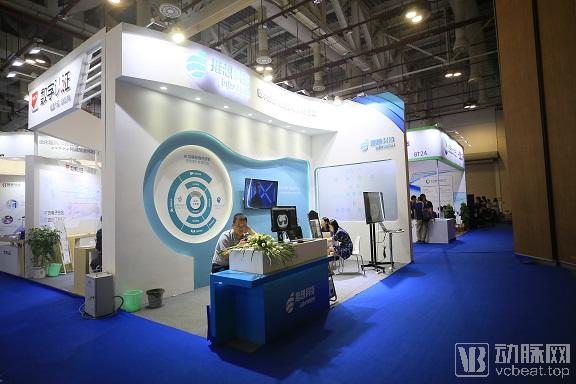
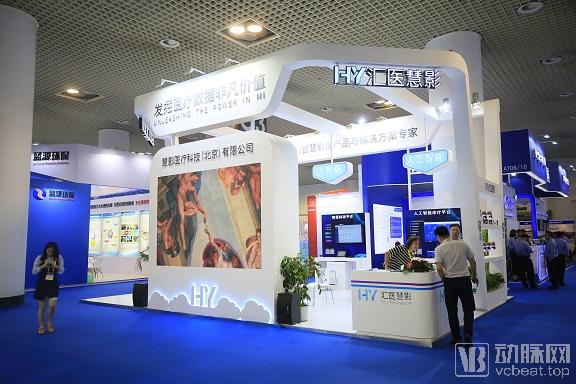
Infervision and Huiyi Huiying Booth
Due to the inherent divide between medicine and computer science, physicians struggle to engage in computational work, while programmers find it difficult to tackle medical challenges. However, the research market remains ripe with opportunity; precisely because both fields present significant hurdles, any party willing to break through these barriers is poised to reap substantial rewards. This is the core logic driving AI enterprises.
Why Is Everyone Building Research Platforms?
First, high-impact SCI papers require massive datasets;
Second, the accumulation of a vast body of knowledge and literature necessitates the use of advanced data processing tools to access and retrieve information from knowledge bases.
These are the genuine needs of physicians. By tailoring solutions to address these specific challenges, companies are more likely to achieve returns on investment; meanwhile, the professional networks and data accumulated in the process serve as significant drivers for corporate growth.
Another trend is the upgrade of voice interaction technology within hospital departments, a technology primarily designed for physicians. On-site observations revealed a steady stream of visitors at booths showcasing AI-powered voice solutions.
However, AI speech technology is influenced by various factors such as specialized terminology, medical departments, and accents. To address the issues arising from these factors, Unisound has developed a dual-database solution that combines a “general-purpose database” with a “personalized database,” ensuring high-quality speech recognition while maintaining the universality of AI technology at a low cost.
In contrast, AiYiSheng directly develops tailored voice interaction systems for different departments, such as the intelligent perioperative interaction system, the intelligent nurse station interaction system, and the intelligent physician workstation interaction system, thereby addressing specific clinical scenarios.
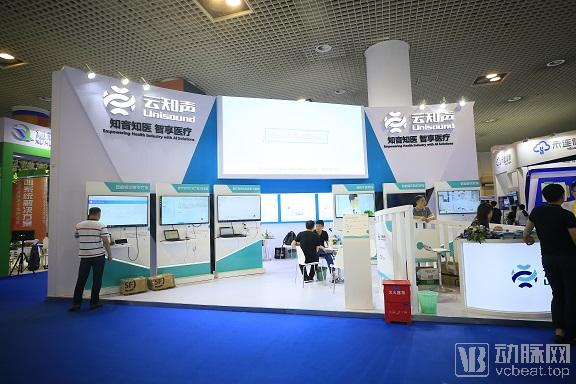
Unisound Booth
Furthermore, AI has made its presence felt in many specialized clinical scenarios, such as pre-prescription/pre-order verification, real-time audit, and tumor surgery navigation. Of course, under the trend of smart healthcare, many more medical scenarios will undergo intelligent transformation.
Revisiting the construction of next-generation hospital data centers, Natural Language Processing (NLP) has become a core driving force supporting their development.
Recalling last year’s CHIMA, the concept of AI-based CDSS systems was mentioned only by a few companies, such as Senyi Intelligence and Huimei Medical; today, however, nearly all exhibiting companies have adopted AI-enabled CDSS. Of course, significant differences remain in the underlying databases across different enterprises.
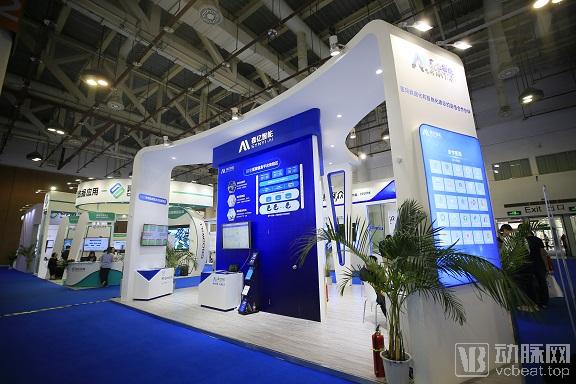
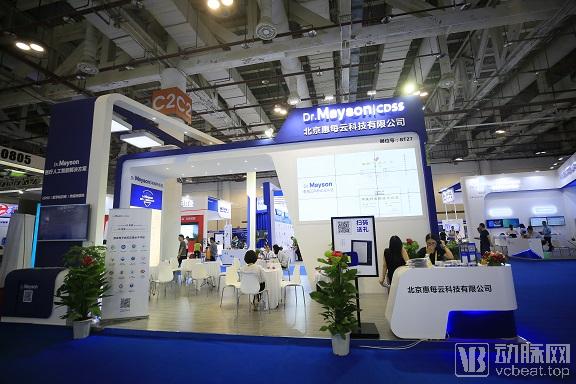
Senyi Intelligence and Huimei Booth
This trend is closely related to the “Notice on Further Promoting the Construction of Information Systems in Medical Institutions with Electronic Medical Records at the Core,” issued by the Bureau of Medical Administration and Hospital Management under the National Health Commission. The issuance of this notice signifies that a hospital’s level of Clinical Decision Support System (CDSS) will be linked to its accreditation ratings (such as HIMSS and the Electronic Medical Record Grading Evaluation) and performance assessments.
Building on NLP, another application scenario lies in information quality control, with medical record quality control being a widely adopted use case; the development of this niche field is driven by substantial demand for talent.
On one hand, medical record quality control places extremely high demands on the capabilities of quality control personnel. Qualified staff must possess a clinical background; for instance, the job posting for quality control positions at West China Hospital requires applicants to hold “a master’s degree or higher” and have “a background in clinical medicine or related fields.” Such recruitment criteria are by no means low—in fact, they are significantly more stringent than those for many clinical departments in central urban hospitals across China. Against the backdrop of a severe shortage of medical resources in China, where even outstanding clinical medical graduates fail to meet clinical service demands, it is difficult for both hospital administration and physicians themselves to accept the idea of diverting these professionals away from clinical practice into full-time quality control roles.
On the other hand, a single medical record can range from dozens to hundreds of pages. Manual quality control is highly time-consuming, and even experienced physicians struggle to identify errors within such voluminous data in a short period. Many errors can only be detected by cross-referencing various sections of the medical record, which places exceptionally high demands on the comprehensive competencies of quality control personnel.
Therefore, the integration of artificial intelligence has undoubtedly resolved a significant challenge for hospitals. However, in terms of quality, existing AI-powered medical record quality control products are primarily limited to correcting errors such as gender discrepancies, grammatical mistakes, and inconsistencies in patient history. To achieve fully autonomous medical record quality control, artificial intelligence still has a long way to go.
Compared with last year’s CHIMA, the visibility of AI has increased significantly. However, these changes have not yet delivered large-scale efficiency gains for hospitals. This indicates that the maturity of AI products still needs improvement and their application scenarios need to be expanded.
“Star Quality"Slightly lackluster"
Perhaps due to insufficient appeal to foreign companies, only a handful of international enterprises made an appearance at CHIMA 2019. In the main venue, we spotted only a few companies, including Nexans from France, Dell, and GE Healthcare. Among them, Nexans showcased its hospital structured cabling systems, while Dell presented products such as modern data center solutions. Both companies focused more on infrastructure construction, with their products not extending to the application layer.
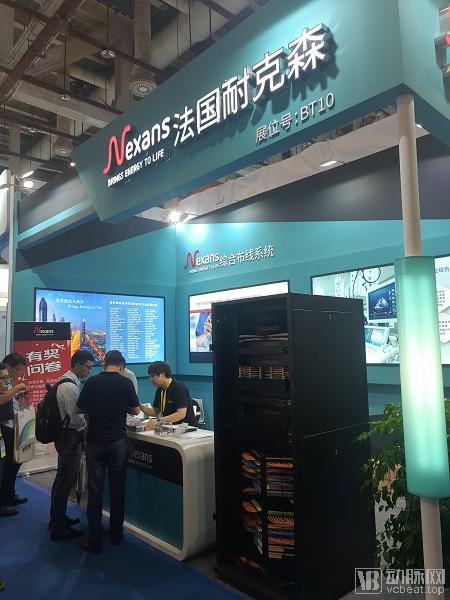
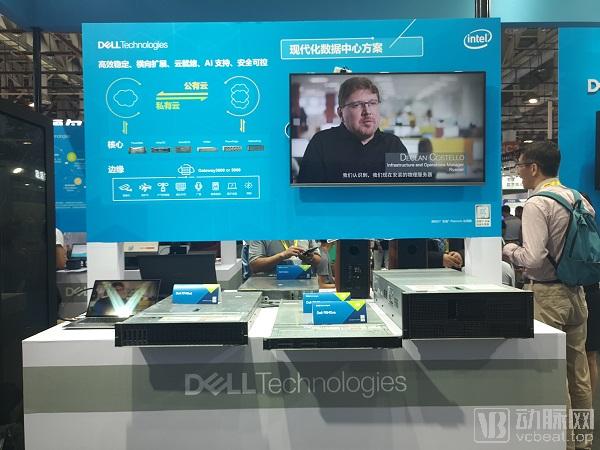
Nexans and Dell’s Booths in France
GE Healthcare’s intelligent equipment management system, showcased at the exhibition, is hardly a novelty. As early as 2018, VCBeat reported on it. Under the theme of smart hospitals, this product is naturally categorized within the realm of smart management.
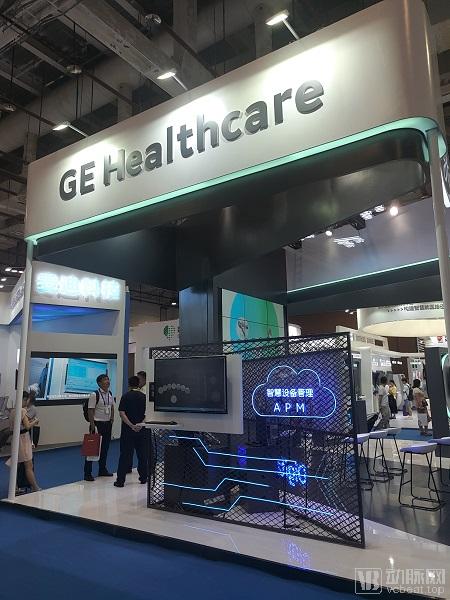
GE Healthcare's Booth
In addition to lacking a “foreign flair,” the event also appeared somewhat short on “star power.” Leading enterprises in the first tier of healthcare IT, such as Neusoft, Winning Health, Chuangye Huiyuan, and Ewell, were notably absent. VCBeat speculates that this was likely due to the close proximity in timing between CHIMA and the healthcare informatics conference held in Xi’an in June.
An overview of the trends at this conference reveals that smart hospital construction primarily focuses on intelligent information data, enabling inanimate objects to transmit information. Secondly, the scope of intelligent assistance is expanding. In earlier years, intelligent assistance and Clinical Decision Support Systems (CDSS) were mainly targeted at medical technology departments. Currently, they are gradually extending to specialized clinical disciplines and specific diseases. In the future, there will also be opportunities to expand into backend management areas such as personnel, finance, and materials.
Data is becoming increasingly important, as all forms of evolution are data-driven. Clinical Decision Support Systems (CDSS) require data, AI-based medical imaging relies on data, and the Internet of Things (IoT) both generates and utilizes data. Without data, there is no intelligence.
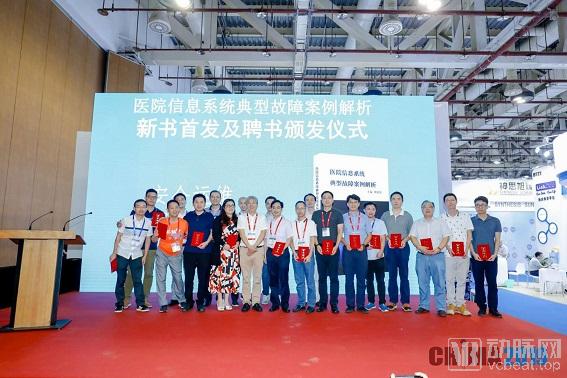
Last but not least, at the exhibition, VCBeat received a copy of the book *Analysis of Typical Failure Cases in Hospital Information Systems*, edited by Fu Haoyang, Director of the Information Department at Guangdong Provincial Hospital of Traditional Chinese Medicine. With no end in sight to the journey of medical informatization, we decided to delve deeply into this book after touring the exhibition.