

CD20 Therapeutics: From Oncology to Autoimmunity – A New Horizon for Gazyva and Beyond

Roche
Oncology Drug Research, Development, and Manufacturing
In November 2025, Roche announced that its CD20-targeted monoclonal antibody Gazyva met the primary endpoint in a Phase 3 clinical trial for the treatment of adult systemic lupus erythematosus (SLE). The drug significantly reduced SLE disease activity. A higher proportion of patients receiving Gazyva in combination with standard therapy showed at least a 4-point improvement in the SLE Responder Index 4 (SRI-4) at 52 weeks compared to those receiving standard therapy alone, representing a significant increase.
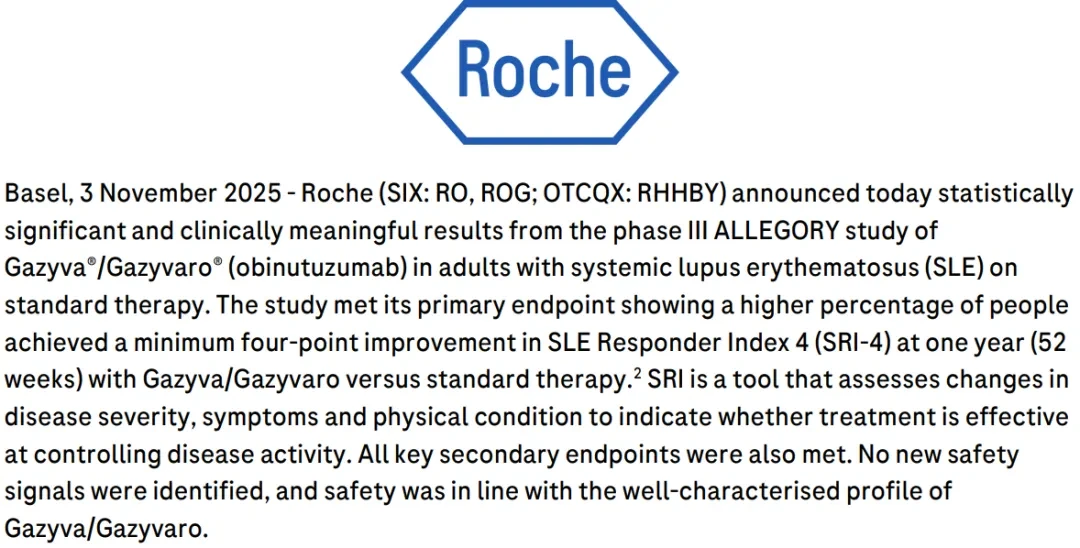
Source: Roche Official Website[1]
Gazyva, also known as Obinutuzumab (brand name Gazyva or Gazyvaro), was first approved for marketing in 2013 for the treatment of chronic lymphocytic leukemia. Since then, its indications have continued to expand, and it currently has five approved indications in regions such as the United States and the European Union, including chronic lymphocytic leukemia, follicular lymphoma, small lymphocytic lymphoma, relapsed or refractory follicular lymphoma, and active lupus nephritis. The positive clinical results of Gazyva in autoimmune diseases demonstrate that the CD20 target is extending from traditional lymphoma fields into the treatment of autoimmune diseases and is being validated.
CD20 is an important marker on the surface of B cells, also known as MS4A1 (Membrane-spanning 4-domains, subfamily A, member 1). It is a four-transmembrane protein that participates in regulating B-cell responses to external signals and is crucial for the activation of B cells from a resting state into the proliferation cycle. CD20 can regulate Ca2+The flow affects B cell signaling, thereby controlling their function.
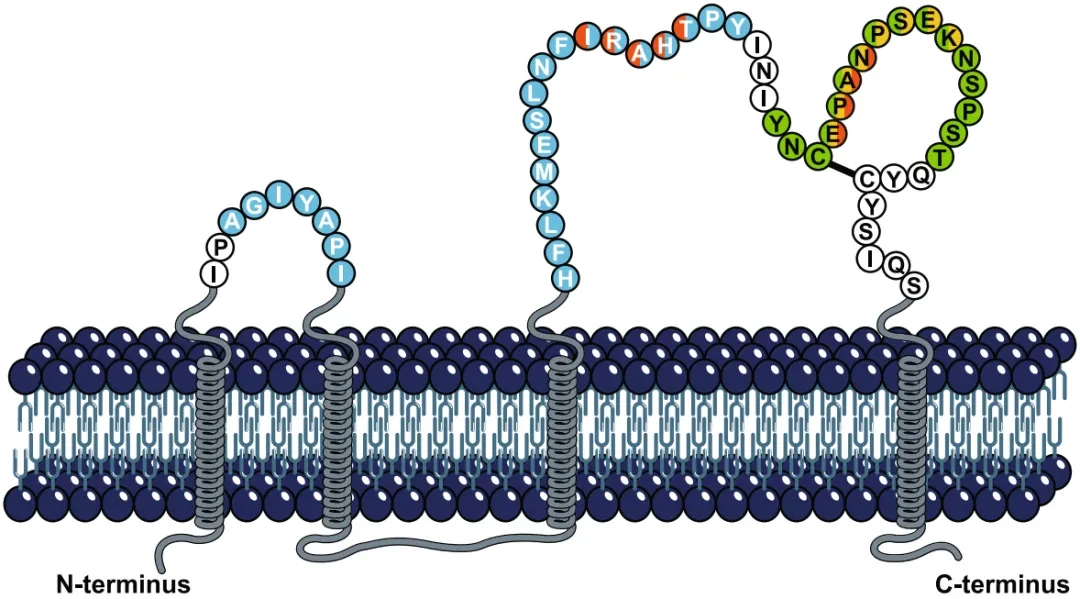
Structure of CD20[2]
CD20 is initially expressed during the transition from pre-B cells to precursor B cells (Pre-B cell), continuously expressed in mature B cells and memory B cells, and downregulated or absent at the plasmablast and mature plasma cell stages. This indicates that targeting CD20 can selectively deplete mature and memory B cells to interrupt the production of pathogenic antibodies and pro-inflammatory functions, while preserving immune reconstitution capacity and existing humoral immunity, thereby balancing efficacy with a lower risk of long-term immunosuppression in anti-tumor and anti-autoimmune treatments.
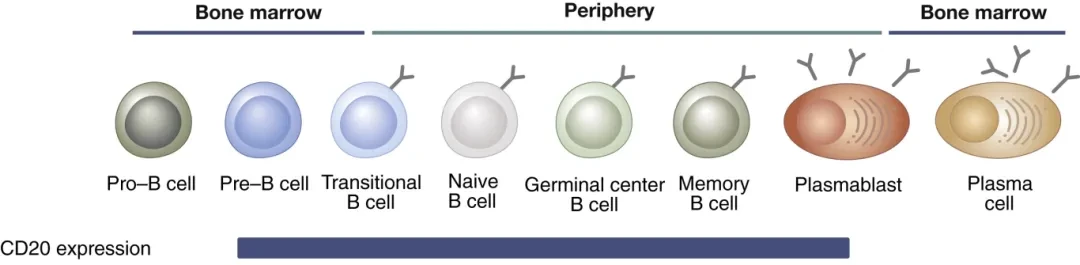
Expression Profile of CD20 in B Cell Development[3]
For tumors, especially B-cell lymphomas (such as non-Hodgkin lymphoma), the essence is the uncontrolled proliferation of malignant B cells that are CD20-positive. During the malignant transformation of B cells, CD20-related signaling regulation is considered to participate in maintaining the abnormal survival of tumor cells. Its modulation of calcium flux and downstream survival signals after BCR activation allows neoplastic B cells to maintain continuous activation and proliferative capacity even in the absence of normal antigenic stimulation. Additionally, the stable membrane localization of CD20 facilitates the formation of specific signaling complexes, enabling malignant B cells to acquire stronger anti-apoptotic capabilities and higher metabolic adaptability.
In autoimmune diseases such as rheumatoid arthritis (RA), systemic lupus erythematosus (SLE), and multiple sclerosis (MS), pathogenic B cells not only produce autoantibodies but also serve as important antigen-presenting cells, activating pathogenic T cells and secreting pro-inflammatory cytokines.
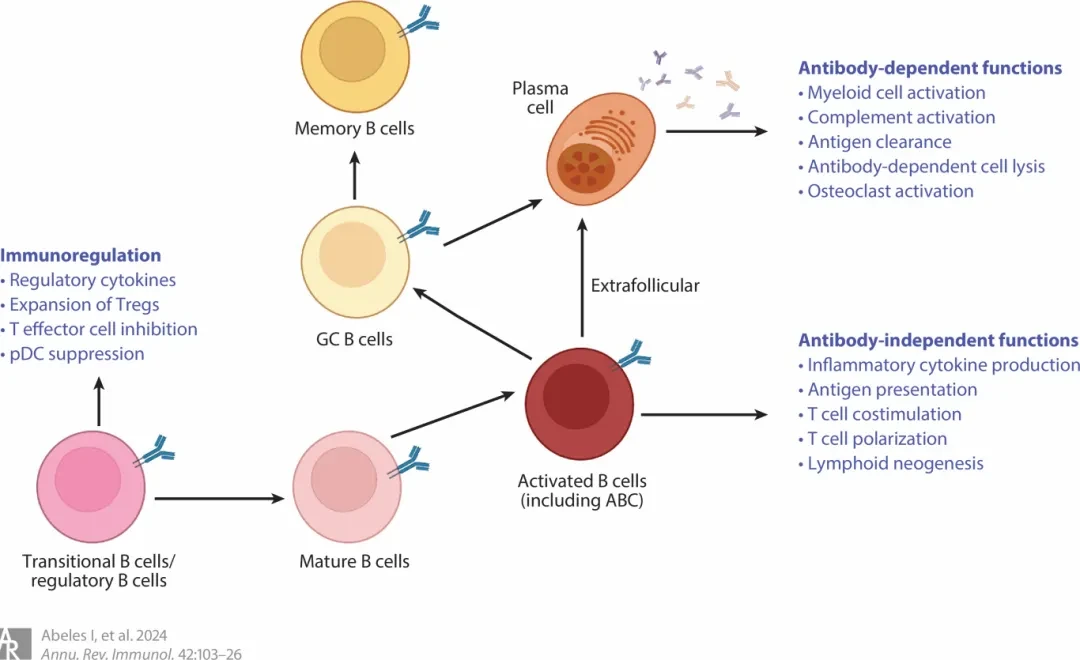
The Function of B Cells in Autoimmune Diseases[4]
During the onset and progression of these autoimmune diseases, the enhancement of CD20-related signaling is believed to promote the sustained activation and expansion of pathogenic B cells, making them more prone to producing excessive or high-affinity autoantibodies, and amplifying immune-driven processes such as antigen presentation and cytokine secretion. By enhancing calcium flux and downstream survival signals following BCR activation, CD20 enables these abnormally activated B cells to breach peripheral tolerance mechanisms, maintaining repeated activation even at low antigen thresholds, forming a self-reactive cycle that is difficult to terminate, driving the continuous production of autoantibodies, and ultimately triggering and sustaining chronic autoimmune responses and related tissue damage.
In addition, some T cells also express CD20 and have pro-inflammatory effects, producing cytokines such as IFNγ and TNFα. They play a role in autoimmune diseases such as multiple sclerosis and rheumatoid arthritis.
In the field of oncology, particularly in B-cell tumors, drugs targeting CD20 were initially monoclonal antibodies, with several having been successively approved for marketing.
The first CD20 monoclonal antibody to be marketed was Rituximab (trade name MabThera or Rituxan), developed by Roche (Genentech). It received FDA approval in the United States for the first time in 1997 for the treatment of relapsed or refractory CD20-positive B-cell non-Hodgkin lymphoma. Rituximab is a typical Type I antibody, which, with its specificity for targeting CD20 and synergistic effects when combined with chemotherapy (CHOP: cyclophosphamide, doxorubicin, vincristine, prednisone), ushered in the era of targeted immunotherapy for non-Hodgkin lymphoma. However, its limitations include insufficient cytotoxic potency, immunogenicity, and convenience of administration, driving subsequent structural optimization of antibodies to achieve better efficacy and safety, such as Ofatumumab (trade name Arzerra) and Obinutuzumab. Among these, Obinutuzumab is a Type II humanized antibody whose Fc region is designed to lack fucose residues, enhancing its binding affinity to the FcγRIIIA receptor on immune effector cells, thereby increasing its activity.
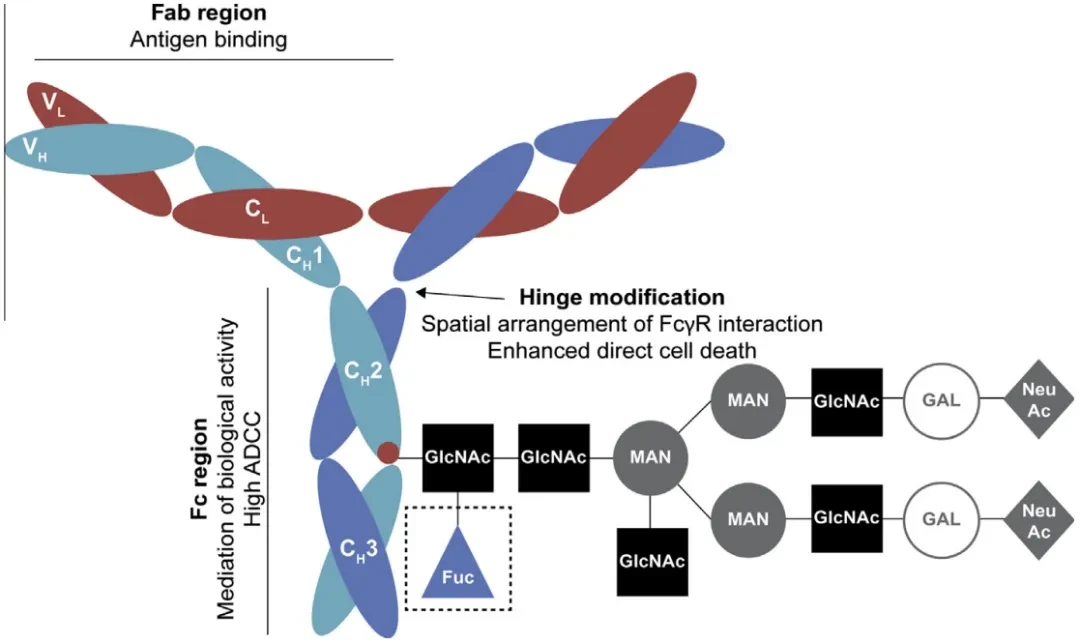
The Structure of Obinutuzumab and Its Glycoengineered Fc[5]
CD20 Bispecific Antibodies Follow Suit. Mosunetuzumab (generic name, trade name Lunsumio or Haohualuo), the world's first drug developed by Roche that simultaneously targets CD20 and CD3, was approved in the EU in June 2022 for adult patients with relapsed or refractory follicular lymphoma who have received at least two prior systemic therapies, and subsequently gained approval in the United States, South Korea, and China. Following this, Epcoritamab (generic name, trade name Epkinly or Tepkinly), jointly developed by Genmab and Abbvie, and Glofitamab (generic name, trade name Columvi or Gaoluohua) from Roche were launched. In the clinical stage are GB261 from Genor Biopharma, and CM355 (ICP-B02) from Keymab and InnoCare Pharma. Each bispecific antibody has its own characteristics: Epcoritamab uses subcutaneous administration, greatly improving compliance; Glofitamab adopts a "2+1" structural design, significantly enhancing tumor cell selectivity and T-cell directed killing efficiency; GB261 features lower CD3 affinity and retains Fc function, reducing the risk of non-specific T-cell activation while balancing safety and efficacy.
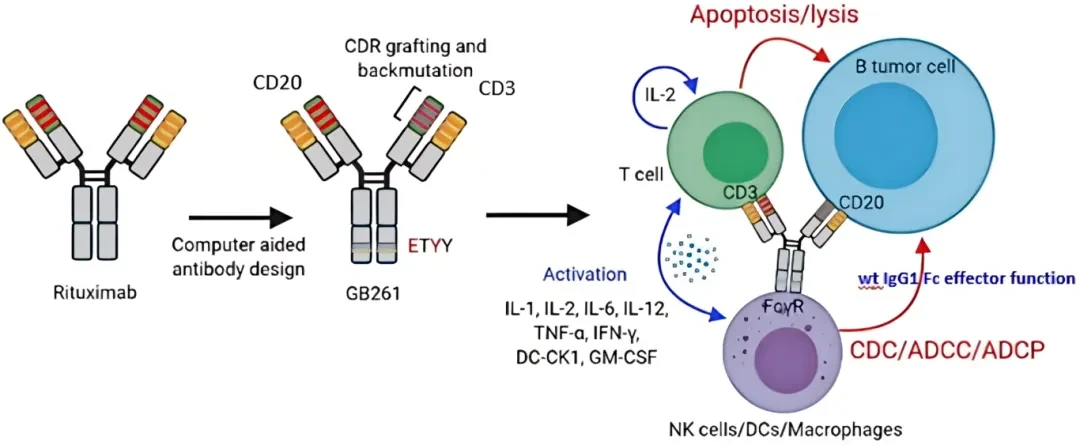
Mechanism of Action of GB261, a TCE Bispecific Antibody Targeting CD20 and CD3[6]
In terms of ADCs, fewer drugs have been disclosed due to the low internalization efficiency of CD20 itself. These include Molecular Templates' MT-3724 (discontinued) and TRS005 (Phase 2) developed by Terris Pharmaceuticals. However, CD20 has shown potential in other therapeutic modalities such as tri-specific antibodies and CAR-T, attracting numerous companies to invest in its development. Tri-specific antibodies include CMG1A46 (CD20×CD19×CD3, Phase 1) from Enmu Biotech (which GSK acquired for $850 million in October 2024), JNJ-80948543 (CD20×CD79b×CD3, Phase 1) from J&J, AZD5492 (CD20×CD8×CD3, Phase 1/2) from AstraZeneca, and QLS2313 (CD20/CD3/CD79b, Phase 1) from Qilu Pharmaceutical. In the CAR-T space, there is U16 Injection (Phase 1/2) from Yoka Biotech and KJ-C2219 (a universal CAR-T, which has completed the first IIT dosing) from CARsgen Therapeutics.
It can be seen that CD20-targeted drugs for tumors have evolved from the established monoclonal antibody treatments represented by Rituximab to a landscape where novel immunotherapies such as bispecific antibodies, trispecific antibodies, and CAR-T are being developed in parallel. Future innovations and competition may focus on further optimizing aspects like routes of administration, depth of efficacy, safety, and accessibility.
In the field of monoclonal antibodies, many CD20 antibodies originally used for cancer have been extended to the treatment of autoimmune diseases. Some of these products have already been approved and marketed. In addition to Obinutuzumab, which was mentioned earlier for SLE, there are also Rituximab (used for rheumatoid arthritis, granulomatosis with polyangiitis, etc.), Ocrelizumab (trade name: Ocrevus or Rocephin, used for relapsing or primary progressive multiple sclerosis), and Ofatumumab (used for relapsing multiple sclerosis). This demonstrates that CD20 antibodies have broad applicability in regulating abnormal B cells, making them effective not only in cancer treatment but also in the intervention of autoimmune diseases.
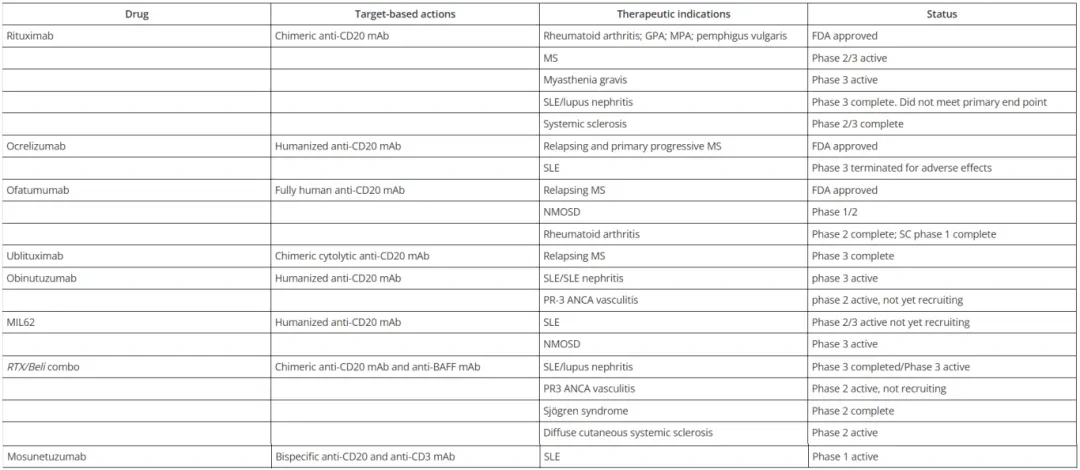
B Cell Depletion Strategies for Autoimmune Diseases: Related Drugs[4]
However, in terms of bispecific antibodies (bsAbs), the approach differs from cancer treatment. In autoimmune diseases, CD20 bsAbs do not aim for potent T-cell-mediated killing. Instead, they achieve mild and controllable regulation of abnormal B cells by synergizing with inhibitory immune receptors or B-cell survival pathways. Therefore, the strong activating signal CD3 is usually not introduced, and targets like CD19 or BAFF are preferred to reduce safety risks and meet the long-term treatment needs of chronic diseases. For instance, HB2198, developed by Hinge Bio, combines the Fab fragments from Rituximab and huFMC63 in a single molecule, enabling bivalent binding to both CD20 and CD19. Compared to single antibodies, it can deplete B cells more thoroughly, including memory B cells.[7]Clinical trials for diseases such as SLE are currently underway.
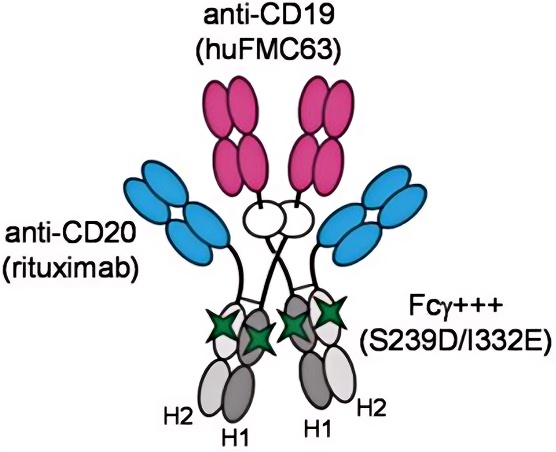
Structure of HB2198, a bispecific antibody targeting CD20 and CD19[7]
The field of bispecific antibodies has also seen some noteworthy novel drugs, such as MCE, which has gradually come into focus in recent years. MCE stands for Myeloid Engager Therapeutics, or myeloid cell engagers. Compared to T-cell engagers (TCE), the biggest advantage of MCE is that it does not directly activate T cells but instead gently modulates the immune response or recruits other effector cells (such as macrophages, dendritic cells, etc.). While achieving efficient targeted depletion of B cells, it reduces the risk of systemic cytokine release, thus offering lower toxicity and greater controllability.
Representative drugs include DR-0201 from Dren Bio, a bispecific antibody that can simultaneously bind to CD20 and Dectin-1. The CD20 antibody is based on Rituximab, while the Dectin-1 end adopts an scFv configuration, using Knob-in-Hole technology to prevent heavy chain mispairing. DR-0201 is currently in Phase 1 clinical trials for indications including lupus erythematosus, Sjögren's syndrome, inflammatory myopathy, and systemic sclerosis. In March 2025, Sanofi acquired DR-0201 for a $600 million upfront payment plus $1.3 billion in milestone payments. In December 2025, Sanofi further expanded its collaboration with Dren Bio, providing Dren Bio with an additional $100 million upfront payment and the potential to receive up to $1.7 billion in development, regulatory, and commercial milestone payments.
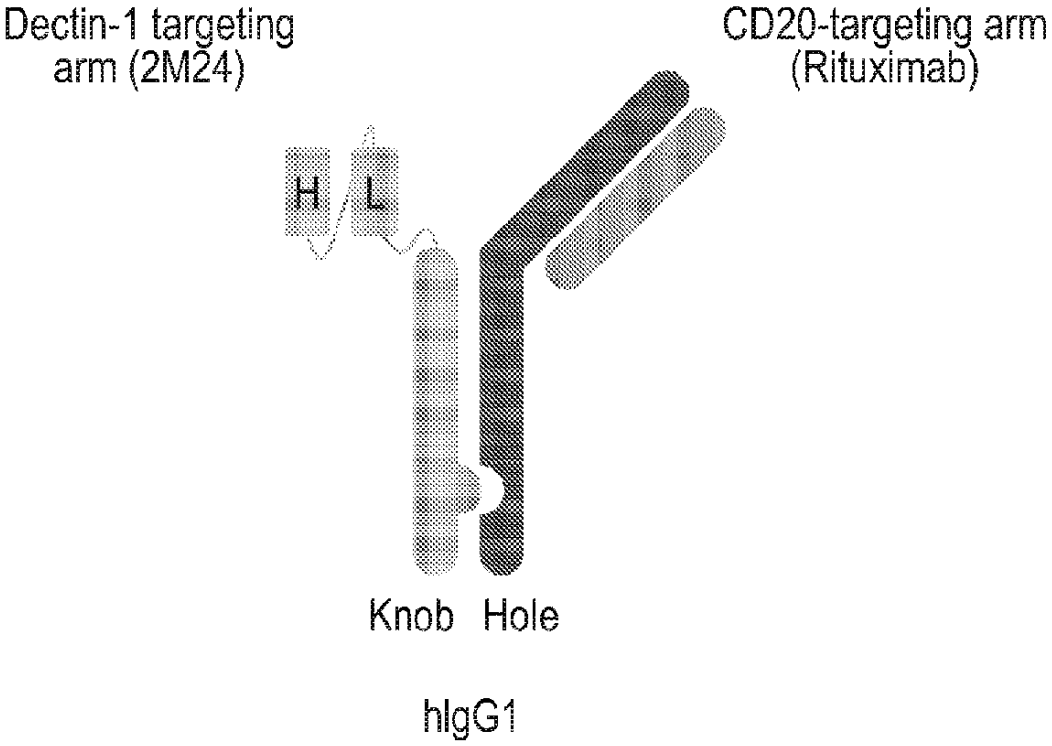
Structure of DR-0201 (MCE), a bispecific antibody targeting CD20 and Dectin-1[8]
Other therapies such as cellular drugs are also being actively explored, including Mustang Bio's CAR-T drug MB-106 (which has been adjusted from its original indication for hematologic malignancies to autoimmune diseases) and Adicet Bio's allogeneic CAR-γδT cell therapy ADI-001.[9](Phase 1).
The Remarkable Transition from Oncology to Autoimmunity Highlights the Great Potential of CD20, Suggesting New Value in Classic Targets After In-Depth Exploration. Autoimmune diseases are often chronic and highly prevalent, with a patient population far exceeding that of specific B-cell lymphomas. The success of CD20 drugs in autoimmune diseases demonstrates that B cells are not merely antibody factories but also disease drivers. This has advanced the medical community's understanding of autoimmune disease pathogenesis, expanding the focus from traditional T-cell centric views to the interaction between T cells and B cells, thereby continuously driving the development of new therapies.
To support CD20 drug development, Kactus Biosystems supplies high-quality recombinant CD20 protein products, including full-length CD20 in VLP and Nanodisc forms, and exclusively offers biotinylated CD20 VLP, which can be applied in various scenarios of related drug development. Feel free to inquire about usage.
Product Data Example:
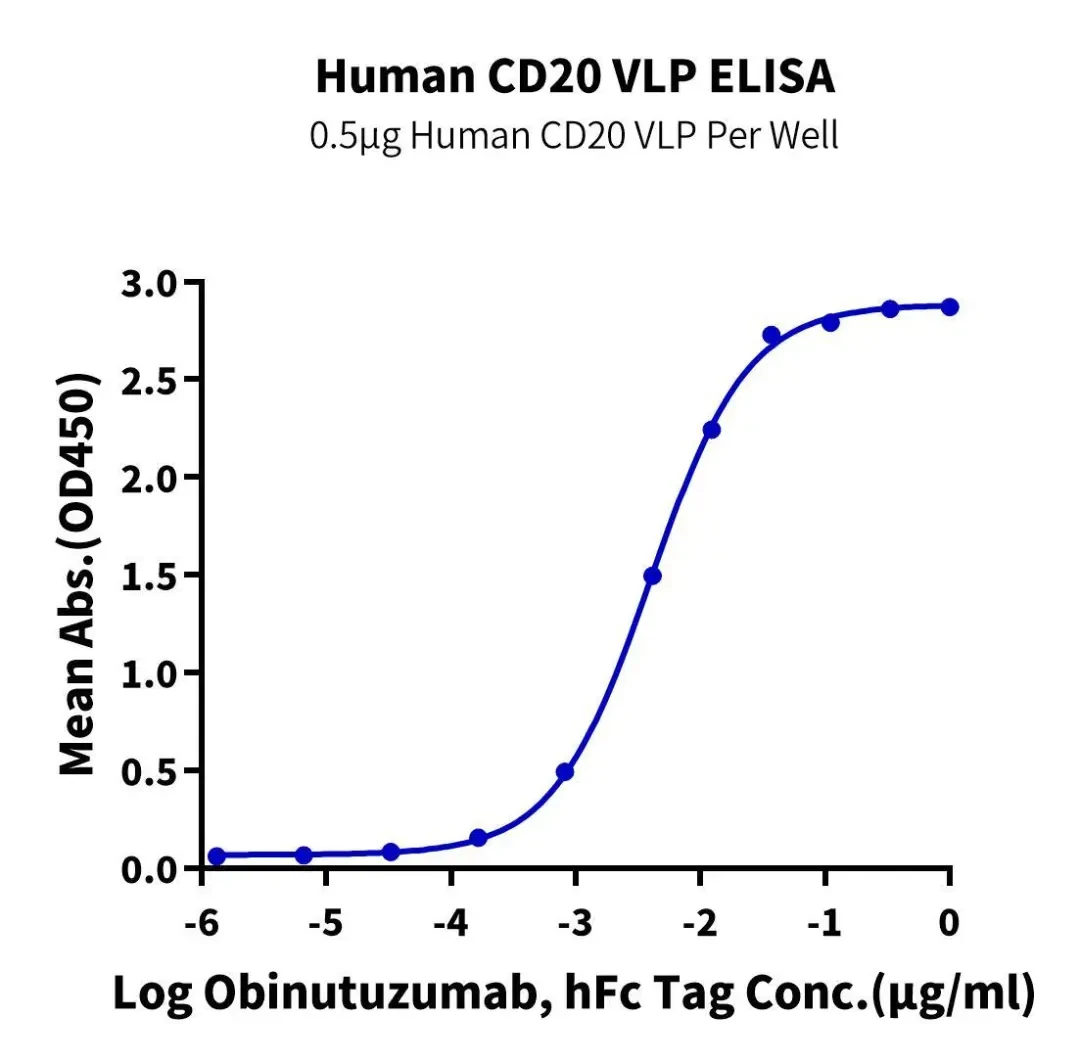
Immobilized Human Human CD20 VLP at 5 μg/ml (100 μl/well) on the plate. Dose response curve for Obinutuzumab, hFc Tag with the EC50 of 4.0 ng/ml determined by ELISA (QC test).
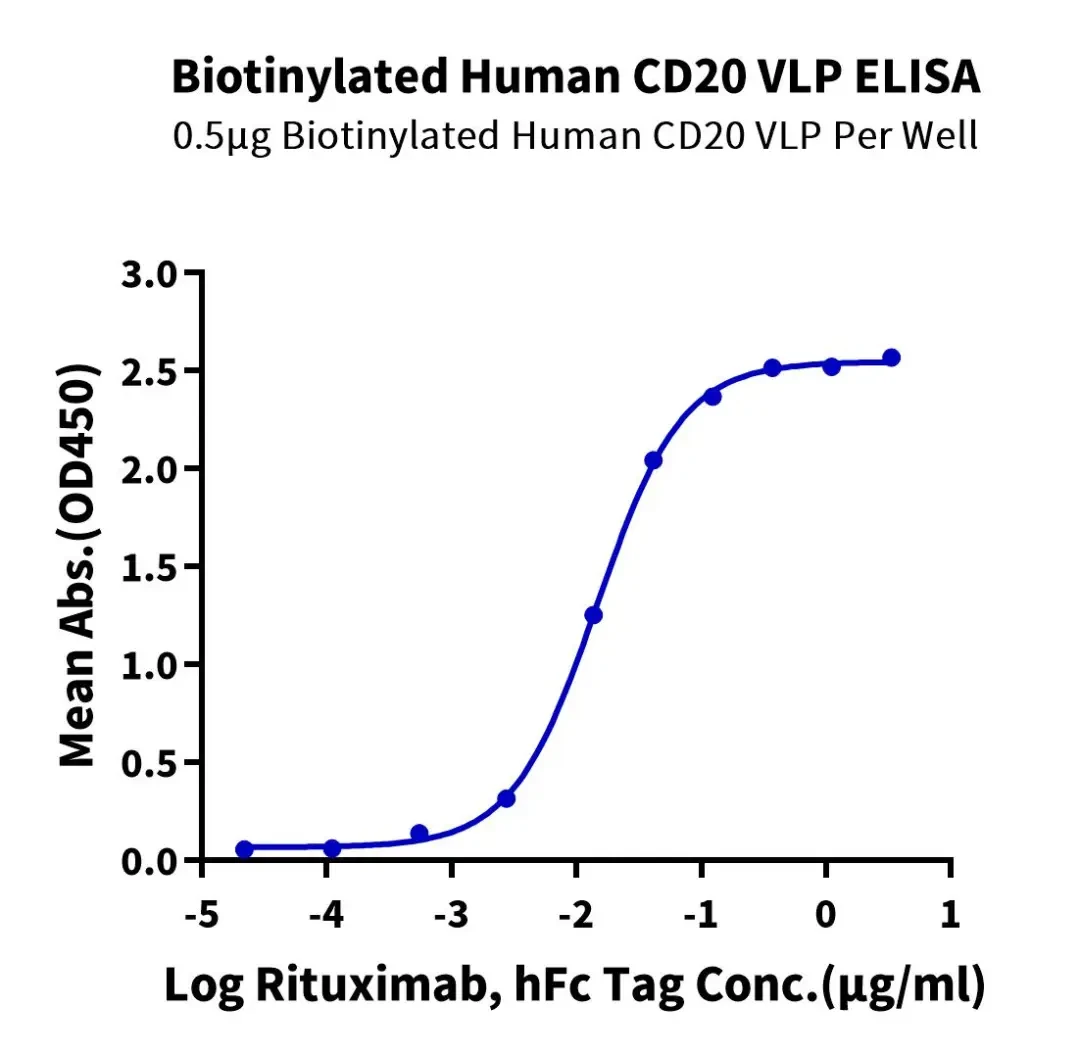
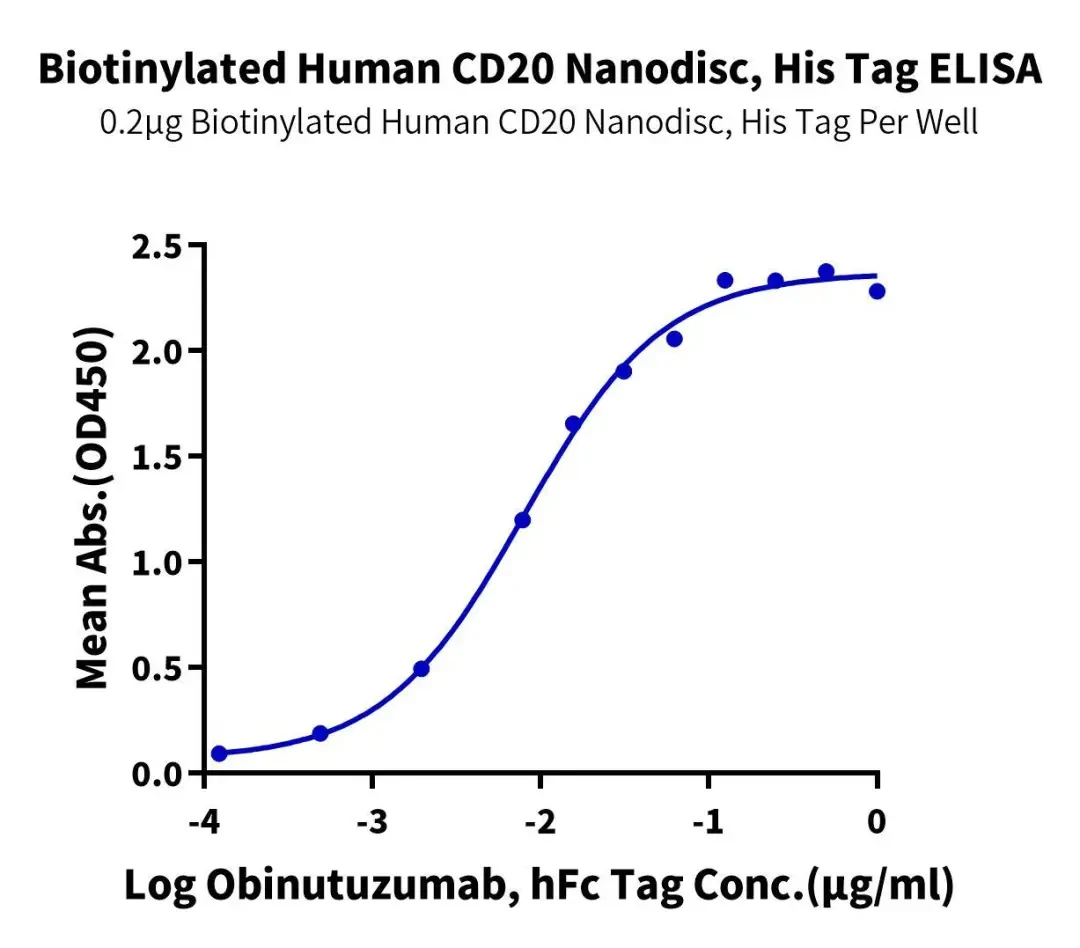
Immobilized Biotinylated Human CD20 Nanodisc, His Tag at 2 μg/ml (100 μl/well) on the streptavidin precoated plate (5 μg/ml). Dose response curve for Obinutuzumab, hFc Tag with the EC50 of 7.9 ng/ml determined by ELISA (QC test).
Product List:
Click on the item number to view product details. For more products, please visit our official website:https://www.kactusbio.cn/
References(Swipe up and down to view):
[1] https://www.roche.com/media/releases/med-cor-2025-11-03
[2] The Evolution of Anti-CD20 Treatment for Multiple Sclerosis: Optimization of Antibody Characteristics and Function. doi: 10.1007/s40263-025-01187-3.
[3] Anti-CD20–mediated B-cell depletion in autoimmune diseases: successes, failures and future perspectives. doi: 10.1016/j.kint.2019.12.025.
[4] B Cell–Directed Therapy in Autoimmunity. doi: 10.1146/annurev-immunol-083122-044829.
[5] Obinutuzumab in hematologic malignancies: lessons learned to date. doi: 10.1016/j.ctrv.2015.07.003.
[6] https://genorbio.com/media/1382/poster-number-1719.pdf
[7] Anti-CD19/CD20 bispecific antibody with dual Fc domains mediates enhanced effector functions and durable depletion of memory B cells in vivo. doi: 10.1038/s41598-025-16461-z.
[8] WO2023196785A1
[9] Allogeneic CD20-targeted γδ T cells exhibit innate and adaptive antitumor activities in preclinical B-cell lymphoma models. doi: 10.1002/cti2.1373. eCollection 2022.

400-614-0008
www.kactusbio.cn
support@kactusbio.com