

Ruijie Medical Cloud Desktop Debuts at CHIMA 2019: Signaling the End of Traditional PCs
From July 4 to 7, VCBeat (WeChat Official Account: vcbeat) learned that the Chinese Hospital Information Network Conference (CHIMA 2019), hosted by the Information Professional Committee of the Chinese Hospital Association and organized by China Hospital Magazine, was held in Xiamen. As a key partner of CHIMA 2019, Ruijie Networks was invited to attend and hosted the “2019 Smart Hospital Innovative Applications Summit” on July 5.
Themed “New Healthcare, New Intelligence,” the forum brought together nearly 400 experts in healthcare informatics and senior hospital IT leaders from across China to discuss and exchange insights on building smart hospitals in the new era of healthcare. The conference was co-chaired by Li Zhenye, Director of the Information Center at Xiang’an Hospital Affiliated to Xiamen University, and Zuo Xiuran, Director of the Information Center at Wuhan Central Hospital. Multiple healthcare informatics experts shared their practical experiences in smart hospital development from various perspectives.
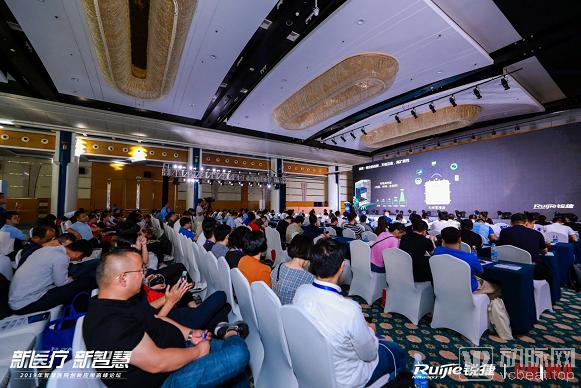
Figure 1: Scene of the 2019 Smart Hospital Innovation Application Summit Forum
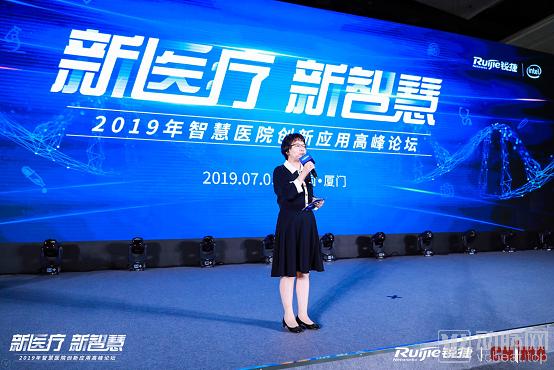
Figure 2: Li Zhenye, Director of the Information Center at Xiang’an Hospital Affiliated to Xiamen University
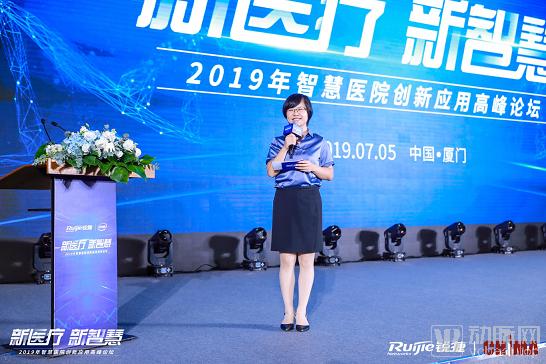
Figure 3: Zuo Xiuran, Director of the Information Center at Wuhan Central Hospital
Smart Hospitals: Interconnectivity to Break Down Information Silos
China’s healthcare services are transitioning from “informatization” to “intelligentization.” The integration of cloud computing, big data, the Internet of Things, mobile internet, and artificial intelligence with healthcare has ushered in a new era of vigorous development in medical informatization. The construction of informatized and smart hospitals has become a key driver for the high-quality development of healthcare services.
Cheng Jidong, Vice President of Xiang’an Hospital Affiliated to Xiamen University, delivered a keynote report titled “Construction and Practice of Smart Hospitals.” He provided a comprehensive overview of the hospital’s journey in building its “smart” infrastructure from the ground up. He pointed out, “The construction of smart hospitals must first be guided by established standards. By adhering to the evaluation index system for smart hospitals, it is possible to conduct a comprehensive, objective, and quantitative assessment of hospital informatization from three dimensions: capabilities, applications, and outcomes. This approach effectively guides the overall development of hospital informatization and enhances the effectiveness of its applications.”
To build an application that meets current business needs and a network that seamlessly supports future operations, Xiang’an Hospital has established the following construction goals: unified platform-based architecture, standardized and closed-loop business processes, intelligent and intensive resource management, and personalized, streamlined user experience. By leveraging smart building technologies, active-active data centers, zero-roaming wireless networks, and intelligent, simplified IT operations and maintenance, the hospital aims to establish a clinical information system-centric integration platform. This approach eliminates information silos, achieves comprehensive interoperability of all data, and provides robust support for hospital operations.
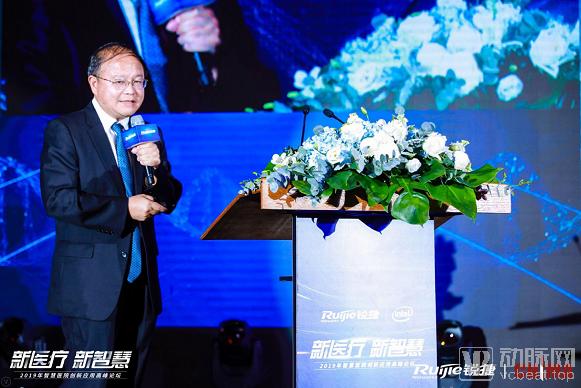
Figure 4: Cheng Jidong, Deputy President of Xiang'an Hospital Affiliated to Xiamen University, Delivers a Speech
The New Era of Healthcare: Building Antifragile Smart Hospitals
Regarding the certainties and uncertainties surrounding smart hospital practice standards, Xu Wei, General Manager of Ruijie’s Healthcare Industry Division, addressed this in his keynote speech titled “Building Antifragile Smart Hospitals.” He cited William Osler, the father of modern medicine, who regarded medicine as an uncertain science and an art full of possibilities. According to Xu, the goal of smart hospital development is to render “uncertain information” as certain as possible.
Smart hospitals must cater to three key groups—medical staff, patients, and administrators—and be implemented through smart medical care, smart services, and smart management. As these three pillars increasingly rely on networks and data, cybersecurity threats and hardware/software failures can paralyze an entire hospital. To address this, Ruijie’s NBAI Smart Hospital Network Solution provides unified, one-stop management across connectivity, desktop environments, and security, offering safer, more reliable, and more convenient support for the three core domains of smart hospitals.
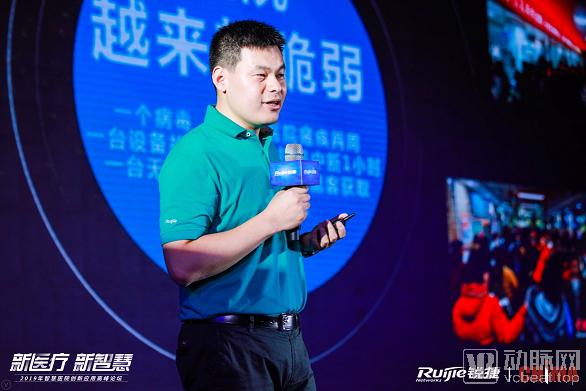
Figure 5: Xu Wei, General Manager of Ruijie’s Healthcare Industry Division, Delivers a Speech
Setting Sail! A New Era of Smart Healthcare
Wang Caiyou, Chairman of the Information Management Professional Committee of the Chinese Hospital Association and President of China Hospital Magazine, delivered a keynote speech titled “Development Trends in Smart Hospital Construction.” He provided an in-depth analysis of the development trends of smart hospitals in the new era of healthcare from four perspectives: trends, opportunities, challenges, and pathways. He pointed out that online services have become the norm, applications have evolved into services, and data has emerged as a key resource—these have become the prevailing trends in smart healthcare. Intelligence is inevitable; it enhances the value, quality, and safety of medical equipment while optimizing cost-effectiveness. However, intelligent management faces new challenges. We must embrace new concepts, technologies, and management approaches to fulfill the innovative responsibilities entrusted to us by this era.
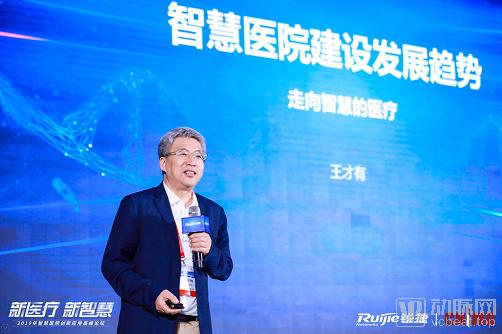
Figure 6: Wang Caiyou, Chairman of the Information Management Professional Committee of the Chinese Hospital Association and President of Chinese Hospital Magazine, delivers a speech
The rapid development of next-generation information technologies, such as the Internet of Things (IoT), mobile internet, cloud computing, big data, artificial intelligence (AI), and 5G, has provided robust technical support for smart healthcare. In particular, in recent years, AI applications—including medical robots, intelligent drug discovery, intelligent medical imaging recognition, intelligent diagnosis and treatment, and personal health management assistants—have proliferated and undergone continuous iterative advancements.
Terminal Revolution: Medical Cloud Desktops Replace Traditional PCs
Gong Tianning, Deputy Director of the Software Department at the First Affiliated Hospital of USTC, provided a comprehensive overview of the practical experience in applying cloud desktop technology in smart hospitals, based on his hospital’s specific use cases. He pointed out that current cloud desktop technologies are primarily divided into two directions: VDI and IDV. VDI is mainly used for light-load application environments such as training rooms for doctors and nurses, as well as LIS (Laboratory Information System) and logistics departments. In contrast, IDV better demonstrates its advantages of strong performance and good compatibility in heavy-load application scenarios such as outpatient clinics, inpatient wards, and billing workstations. The combination of both can provide important support for the smooth operation of various business systems in hospitals.
In his speech, Director Gong shared that The First Affiliated Hospital of USTC has deployed over a thousand cloud desktops. Ruijie’s cloud desktop solution enables Windows XP and Windows 7 to run on the latest CPU architectures, providing reliable support for mainstream hospital application systems currently available on the market. Meanwhile, features such as seamless network access control, visualized IP address management, and one-click system restore allow IT operations staff to maximize operational simplicity and ensure security.
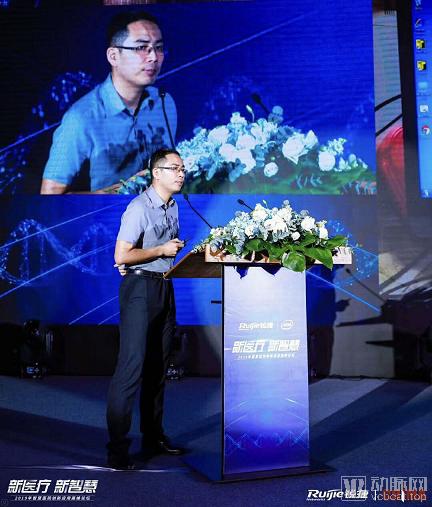
Figure 7 – Gong Tianning, Deputy Director of the Software Department at the First Affiliated Hospital of USTC, Delivers a Speech
Medical Cloud Desktop: Bridging the Chasm, Leading the Post-PC Era
Through a series of implemented, scenario-based applications, Ruijie has provided robust application support for the upgrading of hospital informatization and the deployment of smart healthcare solutions, while continuing to innovate in the “endpoint” scenario. At this summit, Li Dan, Healthcare Industry Consultant at Ruijie, unveiled Ruijie’s latest Healthcare Cloud Desktop Solution and provided a comprehensive introduction to the new cloud desktop products. Built on the IDV (Intelligent Desktop Virtualization) architecture, Ruijie’s Healthcare Cloud Desktop is designed to replace traditional PCs in medical operations where “time is life,” leveraging local virtualization technology to address the risk of centralized failures inherent in VDI (Virtual Desktop Infrastructure) solutions. Furthermore, the Healthcare Cloud Desktop resolves the management drawbacks of VDI in hospital settings by enhancing performance assurance, stability, industrial design, compatibility, network dependency, and fault recovery, thereby eliminating the fragility associated with endpoint usage.
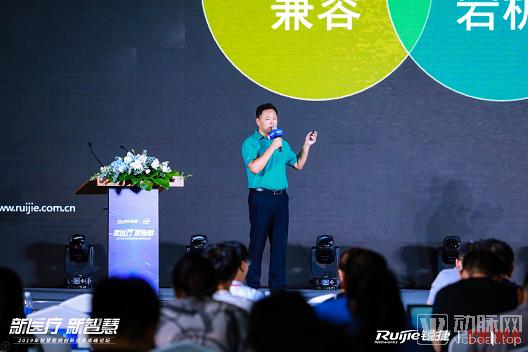
Figure 8: Li Dan, Medical Industry Consultant at Ruijie Networks, Delivers a Speech
Intelligent Management: Breaking Through the Dilemma of Hospital Information Management
During the case-sharing session of the forum, Zhao Min, Director of the Information Center at the First Affiliated Hospital of Xiamen University, delivered a keynote address titled “Application and Practice of Information Service Management in the Construction of Smart Hospitals.” She focused on the current bottlenecks faced by the hospital’s IT operations and maintenance (O&M) service department, including issues related to staffing quotas, delineation of rights and responsibilities, and performance metrics. Additionally, she shared how the First Affiliated Hospital of Xiamen University has achieved integrated management of personnel, finances, and assets within its Information Department through a unified management platform, thereby better supporting the hospital’s informatization initiatives.
Currently, through the RIIL-Relax Lewei Service Management System, the Information Center of the First Affiliated Hospital of Xiamen University has achieved process-oriented management of IT fault reporting and repair. This enables full-track traceability of fault resolution, integrates high-efficiency IT operations and maintenance throughout the entire medical informatics service system, and significantly reduces labor costs. The system also features project management capabilities, supporting functions such as preliminary requirements gathering, project initiation, and progress tracking. Its built-in analytical reporting function allows business departments and hospital leadership to review work reports via WeChat, thereby demonstrating the value of the Information Center’s work in a multidimensional, visualized, and standardized manner.
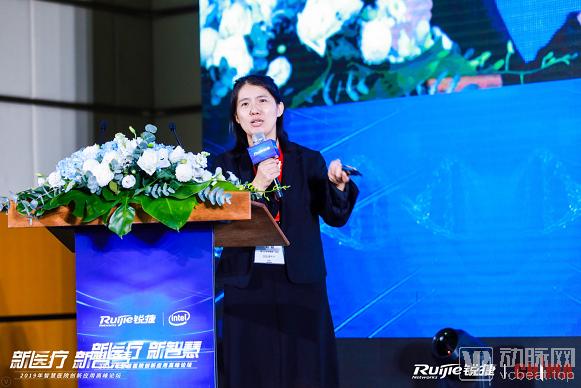
Figure 9: Zhao Min, Director of the Information Center at the First Affiliated Hospital of Xiamen University, Delivers a Speech
Internet of Everything: Leveraging IoT Technology for Refined Hospital Governance
The Chief Information Officer of Xiamen Fifth Hospital delivered a keynote address titled “IoT Technology Empowering Refined Hospital Governance,” introducing the hospital’s journey toward refined governance and the application of IoT technology in medical equipment management. The shared case study on building an IoT-based asset management and decision analytics platform received unanimous recognition from peers and experts. According to Xie Jun, the hospital’s adoption of a LoRa-based asset management system resolved the issues of limited RFID coverage and high construction costs, enabling location tracking, inventory checks, energy consumption monitoring, efficiency analysis, and usage trajectory tracking for critical assets. Advanced IoT technologies have thus facilitated refined hospital management. Meanwhile, the hospital’s IoT security has transitioned from passive to proactive defense, allowing for the active identification and localization of security risks. This approach not only meets the technical requirements of China’s Classified Protection of Cybersecurity 2.0 (MLPS 2.0) but also creates a “maze” for cyber attackers, gaining valuable response time for threat detection and mitigation, thereby safeguarding data assets.
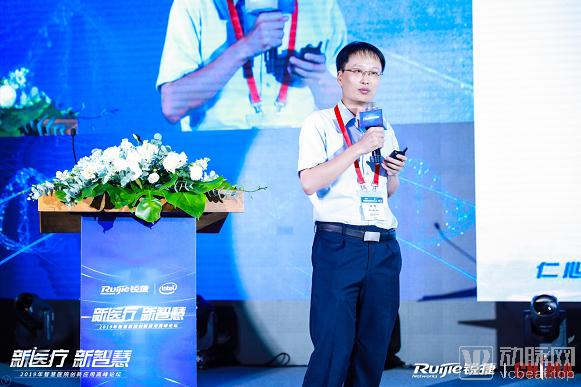
Figure 10: Xie Jun, Information Director of Xiamen No. 5 Hospital, Delivers a Speech
Meanwhile, at the summit’s exhibition area, Ruijie Networks’ solutions—including cloud desktops, integrated IT service management platforms, and MLPS 2.0-compliant security offerings—drew numerous attendees to visit and experience them firsthand.
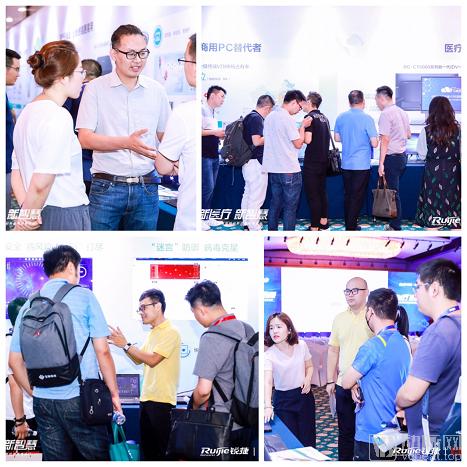
Figure 11. RUIJIE NETWORKS’ scenario-based exhibition area, where attendees stopped to engage in discussions
Precision in Medicine, Pursuit of Excellence: Building New Intelligence for the New Era
Ruijie has been deeply engaged in the healthcare industry for over a decade. Its smart hospital networking solutions have served more than 3,500 hospitals nationwide, benefiting hundreds of millions of patients. Its regional health informatics solutions have been extensively deployed across health information platforms in more than 30 provinces and municipalities. Ruijie ranks No. 1 in market share for China Mobile’s wireless healthcare solutions (source: CCW), with over 100,000 access points deployed in more than 1,000 medical institutions. Its healthcare IT operations and maintenance management solutions have served over 500 hospitals.
Currently, developments ranging from hospital informatization, electronic medical records, and remote consultations to cloud hospitals and “Internet+ Healthcare,” as well as the recent implementation of 5G technology in healthcare settings, all point to a clear trend: the construction of smart hospitals has become an inevitable direction. RUIJIE NETWORKS CO.,Ltd. will seize this historic opportunity by adhering to its innovative philosophy of “rooting in the industry and diving deep into scenarios.” The company aims to develop more high-quality smart healthcare solutions and collaborate with hospitals at all levels to jointly create the “new intelligence” of the new medical era.