

Berry Genomics' NextSeq CN500 Sequencer Approved as a Universal Clinical NGS Platform, Ushering in a New Era of Large-Scale Clinical Application

Berry Genomics
High-throughput Gene Sequencing Technology Developer
On July 7, 2019, Berry Genomics held its product launch event, themed “Perfection in Technology, Limitless Future,” in Beijing, announcing that the intended use of its NextSeq CN500 gene sequencer had been updated. It has thus become a general-purpose next-generation sequencing (NGS) platform deployable in medical institutions, enabling immediate large-scale clinical genetic testing.
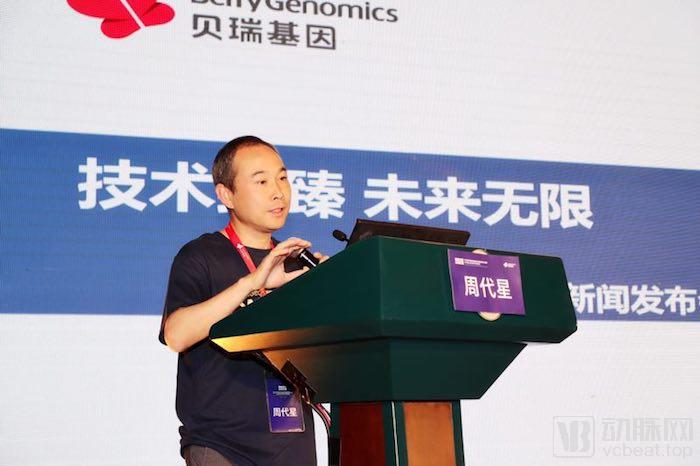
It is understood that the revised intended use of the NextSeq CN500 Gene Sequencing System is “for sequencing human deoxyribonucleic acid (DNA) to detect genetic sequences, where variations in these sequences may indicate the presence of disease or susceptibility.”This instrument is intended for clinical use in conjunction with in vitro diagnostic reagents approved by the national drug regulatory authority and the accompanying random software, and it is not intended for whole-genome sequencing or de novo sequencing of humans.”。
This expansion of the approved scope has been hailed as a milestone event by China’s gene sequencing industry. “This approval represents a significant boost to the clinical application of genetic testing technology and signifies that the NextSeq CN500 has moved beyond non-invasive prenatal testing (NIPT) into the realm of diagnosing a broader range of diseases,” said Dr. Gao Yang, Chairman of Berry Genomics.
Achieve Control Over the Industrial Chain
With strong support from relevant government departments, gene testing technology is becoming increasingly sophisticated. This has not only accelerated the industry’s understanding of disease-related biological information but also clarified the clinical applications of gene testing. In clinical practice, there is an urgent demand across multiple disease areas—including oncology, genetic disorders, and reproductive health—for gene testing to support auxiliary diagnosis, comprehensive disease monitoring, early screening, personalized medication, and biopharmaceutical R&D. The realization of all these applications relies on sequencing instruments. Beyond obtaining regulatory approval for clinical use, it is even more critical that these instruments gain acceptance and recognition within the clinical community. The recent approval of the NextSeq CN500 as a general-purpose clinical sequencer will serve to promote future business growth for Berry Genomics.
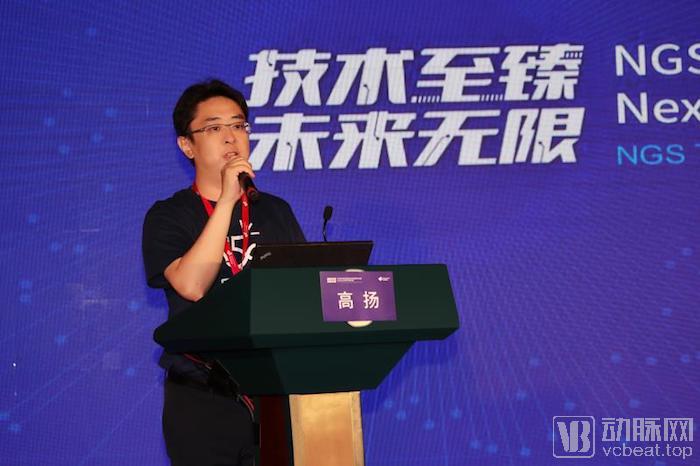
“Compared with research applications, clinical use imposes higher requirements on gene sequencers,” explained Gao Yang. “Given the characteristics of clinical settings, gene sequencers can be widely adopted by healthcare institutions only if they offer advantages such as ease of operation, high throughput, high data quality, and low testing costs. This explains why, despite the abundance of gene sequencers on the market, very few have gained acceptance among frontline medical institutions.”
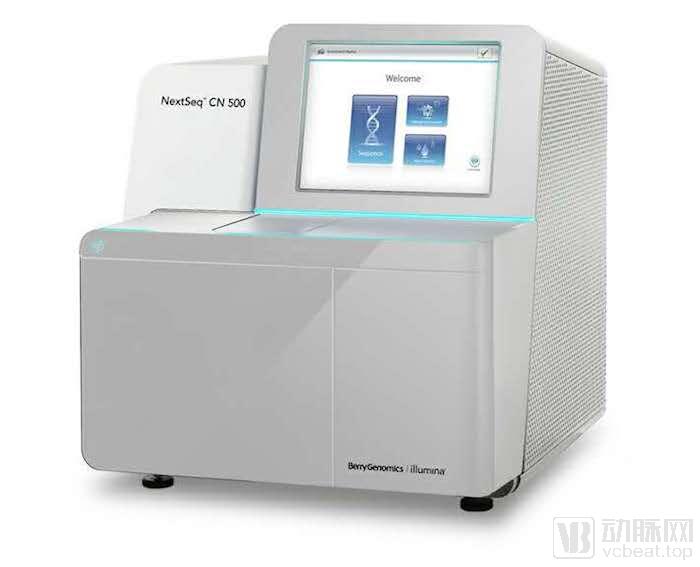
The significantly expanded approved scope of the NextSeq CN500 not only signifies that clinical genetic testing has moved beyond NIPT into a broader range of disease areas. More importantly, it is anticipated that this platform will deliver substantial social and economic value to society and families across clinical, research, and multidisciplinary fields in the future. This represents the target market for Berry Genomics.
Genetic Testing Kits Are a Bigger Business
Following the gene sequencers, genetic testing kits represent an even larger market. “Accurate clinical genetic testing requires the combined use of gene sequencers and genetic testing kits.” This consensus was shared by experts at the conference. The NextSeq CN500 provides a qualified, high-quality universal NGS platform for Berry Genomics to develop clinical test kits applicable to multiple disease areas (including oncology), establishing a solid instrumental foundation for the clinical advancement of genetic testing. It also creates an opportunity for Berry Genomics to further expand its genetic testing kit market, using sequencers as the entry point.
“On the general-purpose NextSeq CN500 platform, Berry Genomics will strictly adhere to relevant laws and regulations, fully consider social needs, integrate top-tier R&D resources both domestically and internationally, and develop more commercially valuable precision medicine solutions through independent R&D and strategic partnerships, thereby further meeting the clinical needs of patients and healthcare institutions.” Gao Yang introduced the development plans centered around the NextSeq CN500 in his speech.
Currently, the majority of global NGS-based medical genetic testing data originates from the NextSeq platform. The NextSeq CN500 was specifically developed for hospitals and features ease of operation, high throughput, superior data quality, and low testing costs. Since its market launch, it has been adopted by more than 100 accredited medical institutions and gained market recognition, making it one of the few well-performing NGS sequencers available on the market.
Oncology Business to Become a New Growth Driver
Following the expansion of the NextSeq CN500’s intended use, its clinical applications in oncology have drawn the most attention. “To some extent, many leading medical institutions’ anticipation for the approval of this expanded indication is no less than that of Berry Genomics itself,” said Dr. Gao Yang.
Capitalizing on the market’s heightened focus on oncology testing products, the NextSeq CN500 can undoubtedly accelerate the clinical adoption of tumor genetic testing with immediate effect, while also expediting the research and development of oncology drugs and precision diagnostic methods. For the highly anticipated field of early cancer diagnosis, the NextSeq CN500 is poised to play an even more significant role.
Achieving precision oncology treatment and early screening and diagnosis through genomics research has become an internationally recognized effective approach and a national health strategy in China. Early cancer diagnosis not only significantly improves treatment efficacy but also substantially reduces the medical burden on individual patients and society as a whole. Berry Genomics and its subsidiary, Huirui Gene, have been actively positioning themselves in the market for early cancer screening and diagnosis. Currently, they are leading the National Science and Technology Major Project on early cancer diagnosis and conducting a prospective study on liver cancer with a cohort of 10,000 participants in collaboration with the National Liver Cancer Science Center and Guangzhou Nanfang Hospital. As part of the National Science and Technology Major Project, a key task for Huirui Gene is to work with domestic experts to translate these research findings into clinical applications. In the near future, driven by the NextSeq CN500 platform, a large number of research achievements will be promoted in clinical practice, allowing the benefits of these innovations to reach the public more rapidly.
The total size of the NGS application market is projected to reach $20 billion. Of this, the oncology sector accounts for 60%, amounting to $12 billion, while the life sciences sector accounts for $5 billion, and genetic disease testing accounts for $2 billion, making oncology the primary domain. The latest national cancer statistics released by the National Cancer Center in January 2019 showed that in 2015, there were approximately 3.929 million new cases of malignant tumors and approximately 2.338 million deaths, with an average of more than 10,000 people diagnosed with cancer each day. The vast market potential for tumor genetic testing is the next growth target identified by Berry Genomics.
Gao Yang introduced that a full-industry-chain layout is Berry Genomics’ development strategy. Based on the recent approval for the expanded scope of the NextSeq CN500, Berry Genomics will proactively position itself in the tumor large-panel market, expand its clinical testing services for mid-to-late stage cancers, and accelerate the R&D of early diagnosis and screening for tumors. In the future, Berry Genomics will engage in more collaborations based on the development of large-panel products.
In the interview, Gao Yang revealed that following the expansion of the clinical scope for sequencers, Berry Genomics’ existing testing services will gradually be commercialized as products.
Behind the Approval of General-Purpose Sequencers
Of course, it is not only Berry Genomics that stands to benefit from the NextSeq CN500. The deployment of clinical-grade genetic testing must be built upon NMPA-approved clinical-grade instruments and reagents. For the industry, the approval of general-purpose sequencers also provides a platform for the development of corporate diagnostic kits.
“The NextSeq CN500 is a platform upon which companies developing diagnostic kits can create a wide variety of testing products,” stated Zhou Jun, CEO of Herui Genetics. The introduction of general-purpose clinical sequencers reflects the regulatory authorities’ determination to promote the clinical implementation of next-generation sequencing (NGS) and suggests that more clinical diagnostic products are likely to emerge in the future. The NextSeq CN500 can immediately accelerate the adoption of NGS in clinical practice.
Furthermore, the approval of general-purpose sequencers subtly signals that regulatory authorities may intensify their efforts to promote the clinical application and implementation of next-generation sequencing (NGS) technology. For both regulatory bodies and clinical institutions, genetic testing remains a relatively new technology. Whether for non-invasive prenatal testing (NIPT) or tumor medication guidance, regulatory approval requires the establishment of review procedures and standards from scratch. Throughout this process, continuous communication and exploration between enterprises and regulatory authorities are essential.
Behind the approval lies Berry Genomics’ extensive accumulation of real-world study data and achievements. In addition to research in NIPT and oncology, this includes explorations in broader fields such as genetic disorders and chronic diseases. These substantial and compelling datasets serve as a comprehensive assessment and exploration of NGS across various clinical testing applications, thereby driving the establishment of future industry standards.
The expanded scope of application for the NextSeq CN500 indicates that regulatory authorities are well-prepared for the approval of NGS products, signaling emerging market opportunities for clinical-grade genetic testing. In the near future, a broader array of clinical NGS products is expected to become commercially available.