

Latest Advances in Smart Healthcare Technologies Unveiled at Qingchengshan IC Ecosystem Summit

OCT Medical Imaging
A Medical Device Company
On July 5, the Qingcheng Mountain China IC Ecosystem Summit, themed “Building a Smart Healthcare Electronics Industry Chain,” was held in Chengdu.
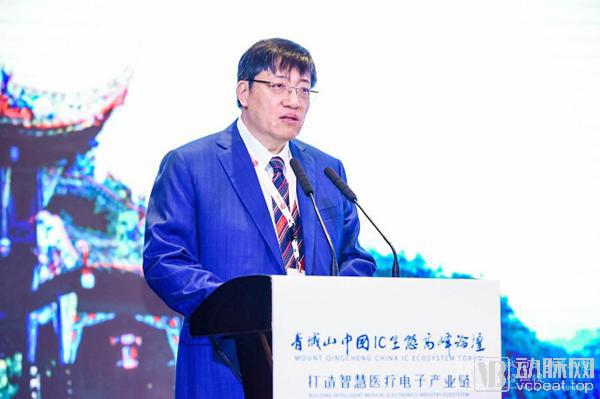
Wayne Dai, Founder, Chairman, and President of VeriSilicon Microelectronics (Shanghai) Co., Ltd.
The morning session, themed “Latest Technological Advances in Smart Healthcare,” was moderated by Mr. Dai Weimin, Founder, Chairman, and President of VeriSilicon Microelectronics (Shanghai) Co., Ltd., one of the organizers. Professor Chen Zhongping, Founder and Chairman of OCT Medical Imaging; Mr. Xiang Zhou, Deputy Director of the Department of Surgery at West China Hospital of Sichuan University; Mr. Xie Bo, Founder and CEO of Beijing Taiyi Technology; Mr. Ding Huiwen, General Manager and CEO of Shanghai Industrial Technology Research Institute; and Mr. Liu Mingyu, Founding Partner of Bangqin Capital, participated in the forum and delivered speeches on the theme.
VCBeat has compiled the insightful presentations delivered by conference attendees. The content has been abridged; the edited transcript of the speeches is provided below.
Chen Zhongping, Founder and Chairman of OCT Medical Imaging
Topic: Prospects for the Application of Optical Coherence Imaging in Ophthalmology and Cardiovascular Diseases
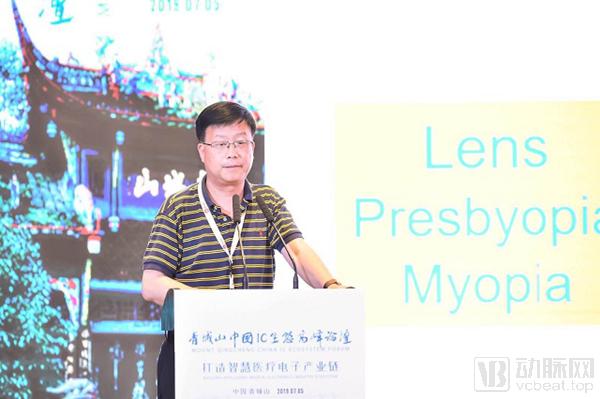
Chen Zhongping, Founder and Chairman of OCT Medical Imaging
The medical field is undergoing a profound transformation. With the advancement of gene technology and other diagnostic techniques, physicians’ clinical practices are shifting from the traditional “symptom-based treatment” approach to “personalized medicine.” In the future, a single type of cancer may exhibit dozens of variants, and individuals’ immune responses to medications will vary significantly; many targeted therapies may be effective for only 10% of patients. Therefore, without the support of big data, the benefit of conventional drugs to patients will become very limited.
The Next Direction in Precision Medicine: Leveraging Smart Processors and Big Data to Accurately Predict Patients’ Disease Susceptibility and Identify Corresponding Preventive Measures. Medical Imaging Plays a Pivotal Role.
Optical Coherence Tomography (OCT) is a relatively new field that first emerged in the 1990s. It has since become a standard diagnostic method in ophthalmology, primarily applied in the management of conditions such as macular degeneration, glaucoma, and diabetic retinopathy.
In the field of ophthalmology, Doppler OCT and OCT angiography technologies developed by OCT Medical Imaging entered clinical application two years ago. The earliest pathological changes in ocular diseases occur in the fundus vasculature; by the time patients experience visual impairment, these vascular lesions may have already become irreversible. This technology enables early diagnosis and intervention by monitoring changes in fundus vessels before patients exhibit clinical symptoms, thereby achieving the prevention of ocular diseases.
According to statistics, in 2013, there were approximately 7 million stroke patients and 2.5 million myocardial infarction patients in China. The primary pathogenic factors are plaque obstruction or plaque rupture. When plaques form in the heart, they are prone to causing myocardial infarction; when they form in the brain, they are prone to causing stroke.
Most individuals develop arterial plaques after the age of 60. These plaques are categorized into two types: stable and unstable. While stable plaques pose a relatively minor threat to health, the majority of cardiovascular diseases are caused by unstable plaques. Differentiating between stable and unstable plaques remains one of the significant challenges in the current medical field.
I have a friend who has six stents implanted in his body. In fact, he may not have needed so many stents, as many of the plaques were stable and posed no risk to his health. Therefore, we hope to find a method that can distinguish between stable and unstable plaques.
Based on this concept, OCT Medical Imaging has developed an intravascular endoscopic imaging system for cerebrovascular and cardiovascular applications. Its distinguishing feature is the integration of a cardiovascular ultrasound probe with an OCT probe, enabling simultaneous acquisition of both ultrasound and OCT images. While ultrasound offers greater penetration depth, it lacks sufficient precision. OCT effectively compensates for this limitation by providing precise measurements of plaque thickness. The cerebrovascular and cardiovascular endoscopic probe measures less than 1 millimeter in diameter and is currently undergoing clinical trials.
Other emerging applications of OCT include cancer detection, Alzheimer’s disease screening, and respiratory syndrome assessment. The currently known applications represent only the tip of the iceberg; given its potential for miniaturization, there remains substantial scope for future exploration.
Xiang Zhou, Deputy Director of the Department of Surgery, West China Hospital, Sichuan University
Topic: Research on Computer-Assisted Navigated Minimally Invasive Treatment and Intelligent Treatment of Pelvic Fractures

Xiang Zhou, Deputy Director of the Department of Surgery, West China Hospital, Sichuan University
I noticed that most speakers have their own products; I have no product, only questions. Yet these questions can shape our primary research directions and address our clinical challenges.
The first question concerns the management of bone defects. For a construction worker who has sustained a comminuted fracture, should amputation or limb salvage be performed upon hospital admission? Furthermore, can the patient move after the fracture? Under what circumstances is movement particularly hazardous, and when is it relatively safe?
To address these challenges, we have conducted research on implantable electronic components and applied for copyright protection for our bone conduction wave technology. This technology can transmit data on patients’ bone movements to monitor fracture sites, thereby preventing secondary injuries and the need for additional surgeries during treatment. However, we have encountered certain technical hurdles: the implanted chip requires electrical insulation while simultaneously needing to emit signals that can be received externally. How to achieve this balance represents the current bottleneck in our research and is an area where we seek expert advice.
The second issue pertains to the intelligent treatment of pelvic fractures. The pelvic structure is highly complex, and pelvic fractures are often caused by high-energy trauma; therefore, these patients are frequently in life-threatening conditions. Our primary goal in treatment is to save the patient’s life, and the secondary goal is to restore the patient to their pre-injury functional level. This requires minimally invasive reduction and precise fixation—avoiding all critical anatomical structures while stabilizing the fracture to facilitate proper healing and subsequent functional recovery.
This is also a key focus of our current research. Precise reduction first requires digitization. How do we achieve digitization? By establishing a coordinate system, similar to the Global Positioning System (GPS). Each individual’s pelvis varies in size, width, and bone thickness. The first step is to create an average pelvic model and define the origin of the coordinate system. Within this framework, each point can be assigned specific data through the construction of a three-dimensional coordinate system, providing a precise basis for guiding reduction procedures. Much like how higher pixel resolution yields greater precision in digital imaging, a larger number of data points results in significantly increased computational demands—so much so that we sometimes consider leveraging the computing resources of specialized institutes such as the Institute of Computing Technology. This constitutes the second challenge we face.
The third question pertains to surgical practice. Once the origin of the patient’s pelvis is identified and a three-dimensional coordinate system is established, a treatment approach known as the orientation method can be employed. After locating the pelvic origin and establishing the patient’s 3D coordinate system, all anatomical landmarks on one side of the pelvis are replicated to create a symmetrical mirror image, which serves as a template for reduction. Given that the human pelvis is largely bilaterally symmetric, any resulting error can be entirely neglected.
Currently, the method commonly used in clinical practice still involves making a large incision for direct visualization. However, this approach typically allows visualization of only one side of the patient’s anatomy while obscuring the contralateral side, thereby rendering the procedure highly complex and associated with significant risks. In contrast, using a directional approach with a template enables reduction when the fixation point data in the coordinate system align or are in close proximity.
Currently, even after performing reduction and fixation, manual operation is still required, involving six physicians who combine their traction forces into a single unified force under the direction of one commander. This approach is, in fact, quite crude. Our goal is to integrate this software into a machine and have robotic arms perform the procedure. Robotic surgery is a foreseeable future that has not yet been fully realized.
Therefore, I am here to seek assistance. Both hardware and software development are required. Although I have conceived the software concept, I am not an expert in detailed design. Thus, I hope to collaborate with everyone to truly implement our smart medicine initiatives.
Xie Bo, Founder and CEO of Beijing Taiyi Technology
Topic: Smart Pulse Diagnosis Device and the Standardization and Intelligentization of Traditional Chinese Medicine
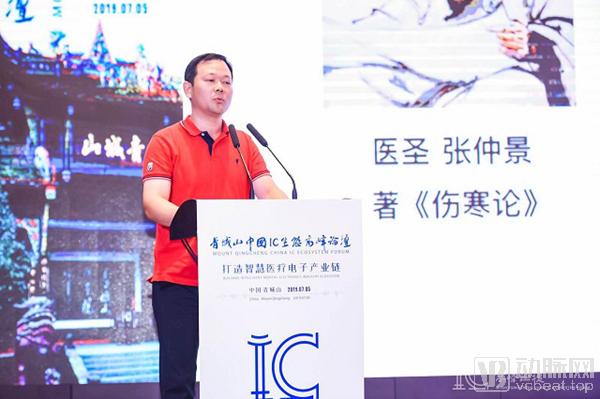
Xie Bo, Founder and CEO of Beijing Taiyi Technology
How can traditional Chinese medicine transcend its primordial state to enter the era of artificial intelligence and the realm of modern medicine? I believe the following questions need to be addressed.
First, how can we identify reliable sources of big data for Traditional Chinese Medicine (TCM)? Many teams have spent three to four years organizing TCM data only to achieve nothing. The primary reason is that the data used are invalid “garbage data”; applying artificial intelligence algorithms to such data is akin to drawing water from a sourceless spring or growing a tree without roots. How can objective standards be established? How can an evaluation system for TCM be constructed? We believe that, at present, the only effective data entry point for TCM is pulse diagnosis.
Compared with other diagnostic methods, pulse diagnosis demonstrates the highest correlation with etiology, pathogenesis, and clinical manifestations, reaching 80%. It reflects the patient’s real-time objective status without any latency. In contrast, tongue diagnosis shows a correlation of only approximately 15% with clinical manifestations. Inquiry-based diagnosis has a correlation of 50%, but it is often influenced by the patient’s subjective perceptions and emotions.
Second, how can we develop a pulse diagnosis device that satisfies the market? There is a major “pitfall” in the R&D of pulse diagnosis devices: the pulse waveform. Although this is the easiest waveform to measure clinically, it does not represent the Traditional Chinese Medicine (TCM) pulse.
Taiyi’s intelligent pulse diagnostic device utilizes real-time 3D imaging measurements to assess various pulse characteristics, including the presence or absence of Qi and blood, pulse strength, deficiency or sufficiency, fullness, depth (deep or floating), and thermal properties (cold or heat). Through its visual interface, the device is adaptable to multiple clinical scenarios and can even be utilized by practitioners of Western medicine. Another key feature is its ability to facilitate preventive treatment—addressing health issues before they manifest—thereby achieving a multiplier effect where early intervention significantly reduces the need for subsequent treatments.
Third, how to acquire big data? That is, by organizing and analyzing data on the same diseases and populations, we can summarize the causes and solutions for major and typical diseases.
Fourth, how can continuous monitoring be conducted? We believe it is necessary to establish an individual pulse pattern variation chart, i.e., a personal Traditional Chinese Medicine (TCM) health record. Unlike Western medicine, which pursues perfection and extremity by aiming to incorporate genomics, proteomics, and other data into patient health records—a process that incurs substantial human and material costs—TCM requires only the observation of pulse patterns.
5. How to Achieve Remote Diagnosis and Treatment in Traditional Chinese Medicine? Compared with Western medicine, remote diagnosis and treatment in Traditional Chinese Medicine (TCM) are much easier to implement. This is because the core components of TCM diagnostics are “inspection, auscultation and olfaction, inquiry, and palpation.” The first three can be conducted using just a smartphone and supported by software-based analysis. As for “palpation,” which involves qualitative assessment, target identification, disease determination, etiological analysis, and quantitative evaluation, we have specifically developed a dedicated tool for this purpose.
In our envisioned future of home-based health management, patients need only perform a self-measurement when feeling unwell, upload the results to the cloud, and have them pushed to their physician. After diagnosing the patient’s condition, the doctor sends the prescription directly to a smart urban pharmacy, which decocts the herbal medicine and delivers it to the patient’s home. The entire consultation process can be completed in just 15 minutes.
Ding Huiwen, General Manager and CEO of Shanghai Industrial Technology Research Institute
Theme: The Convergence of Life Sciences and Information Technology
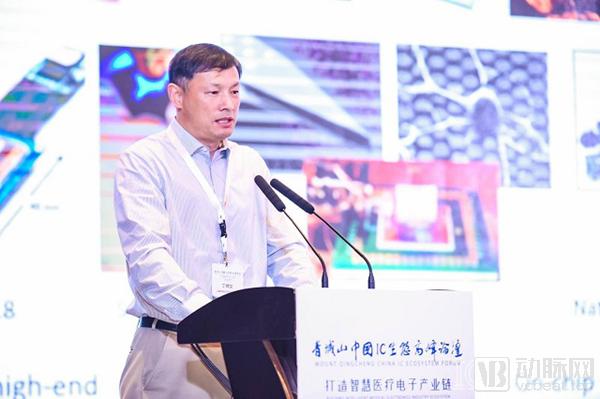
Ding Huiwen, General Manager and CEO of Shanghai Institute of Microtechnology and Industry
Regarding the smart healthcare industry, we primarily categorize it into two major segments: chip-level applications and Internet of Things (IoT)-level technological applications. These two broad directions ultimately converge in the cloud to form a smart healthcare industrial chain through information analysis, feedback, and product services.
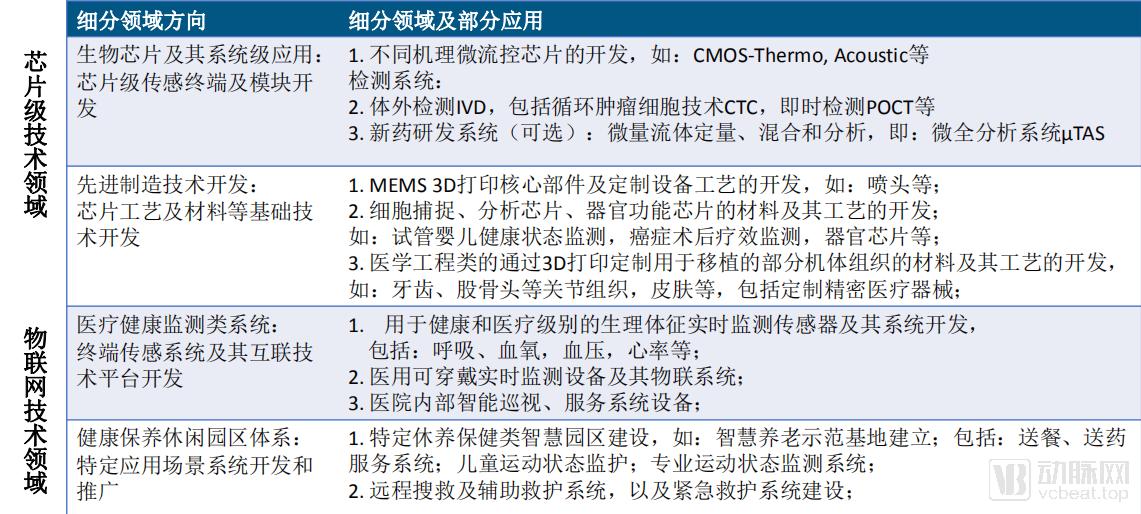
Subsectors of the Smart Healthcare Industry
Additionally, the Shanghai Industrial Technology Research Institute for Microelectronics packages the entire microfluidic chip into a module to enable digitization and intelligence, thereby achieving modularization and miniaturization. Sensor terminals based on microfluidic chip technology have diverse applications.
Development of Chip-Level Medical Sensors: Primarily used for in vitro diagnostics (IVD) and monitoring of critical conditions such as cancer, enhancing the efficiency and capabilities of existing medical detection and analysis technologies. Additionally, chip-level microfluidic systems can be applied to new drug development, improving R&D efficiency.
Development of Advanced Manufacturing Process Technologies: Integrating medical 3D printing technology with MEMS technology enables the precise printing of living cells for various applications.
Development of Intelligent POCT Testing and Monitoring Tools: Convenient and efficient testing tools form the foundation of smart healthcare. In daily disease detection and condition monitoring, smart healthcare complements the unique characteristics of POCT products in terms of testing speed, ease of use, and overall cost savings.
In addition, intelligent microfluidic chips can be applied to point-of-care testing (POCT) medical diagnostics, particularly for PCR amplification and data analysis. Furthermore, liquid biopsy technology, hydraulic systems, health monitoring, organ-on-a-chip platforms, and drug efficacy evaluation can also leverage microfluidic chip technology. Even more, smart teeth can be manufactured by integrating pressure sensors with 3D printing technology.
Liu Mingyu, Founding Partner of Bangqin Capital
Topic: Several Key Issues in the Upgrading and Transition of the Healthcare Industry
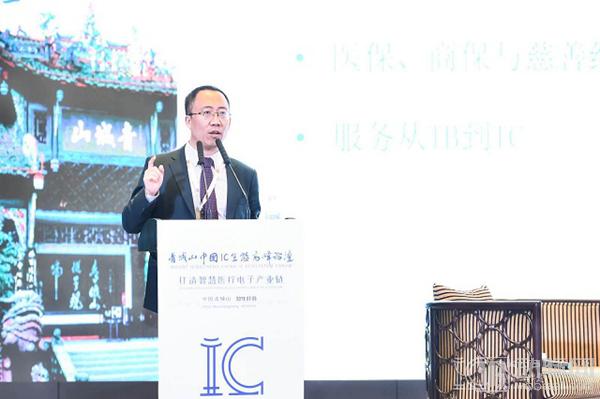
Liu Mingyu, Founding Partner of Bangqin Capital
Major industrial upgrades proceed at a slow pace overall. Unlike the electronics industry, which follows Moore’s Law, healthcare transformation involves multiple stakeholders, including patients, physicians, hospitals, enterprises, and the government. Several major issues exist within this landscape:
The first issue is information asymmetry. Currently, when patients visit hospitals and doctors prescribe medications, patients often question the doctors by asking, “Are you sure? Let me check online to see which medication is better or which symptoms align more closely with mine.” This behavior frustrates physicians and can lead to a crisis of trust. Doctors also resort to using their smartphones to look up information, saying, “I haven’t encountered this before; let me check.” In the past, they would consult textbooks and confirm there was no issue; now, they turn to their phones.
Second, the state’s regulatory approach toward enterprises prioritizes oversight of large players while adopting a more lenient stance toward smaller ones. Currently, larger companies focus on brand building, market expansion, and clinical applications, whereas smaller firms concentrate on technological innovation. Overall, however, policy in this industry tends to lag behind industrial development. Yet when regulations are finally implemented, they can prove devastating for certain sectors.
Another point I would like to address is the trends and opportunities in the industry:
First, chronic disease management will become mainstream. As life expectancy increases, the field of chronic disease management will hold substantial commercial value from a business perspective.
Second, new technologies, new materials, and new application areas. Our field is relatively slow to adopt new technologies, new materials, and new applications. On one hand, physicians maintain a cautious attitude toward them; on the other hand, they are highly receptive to using these new tools.
Third is the integration of public medical insurance and commercial health insurance. Commercial health insurance will gradually develop in the future, but this will be a lengthy process.
Finally, the healthcare industry remains in a phase of continuous consumption upgrading and is relatively less affected by economic cycles. Barring significant policy tailwinds, the likelihood of a surge in pharmaceutical and medical device stocks on the ChiNext board is relatively low.