

2019 Medtronic China Fund & BV Baidu Ventures Medical Robotics Innovation Competition Concludes with Top Three Teams Leading the Golden Decade of Surgical Robotics
On July 13, 2019, the 2019 Medical Robot Innovation Competition concluded at the Lingang Pujiang Science and Technology City in Shanghai. Nine outstanding medical robot innovation projects from across China were shortlisted for the finals, engaging in fierce competition. Ultimately, the teams from Beijing Institute of Technology’s iMedbot, Tsinghua SIR, and Timi Technology secured first, second, and third place, respectively, by demonstrating superior performance across five key dimensions: technological innovation, market potential, team strength, product maturity, and on-site presentation. Jingfeng Medical, Zhongzhi Daxin, Beimax, Huxi Yunbaisheng, Zhentai Intelligence, and Ligan Technology received Excellence Awards.
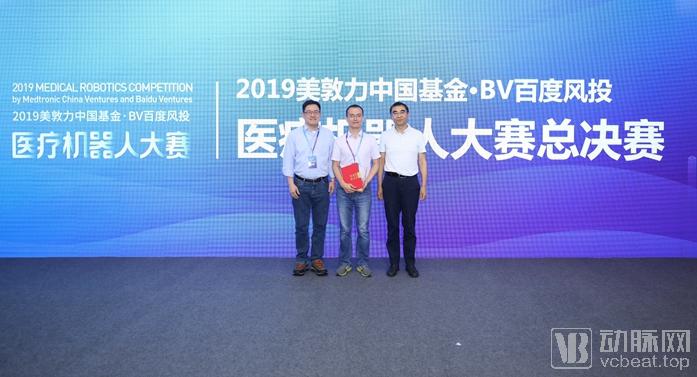
Left: Gu Yushao, Senior Vice President of Medtronic Worldwide and President of Greater China; Center: Award-winning company Irimed; Right: Zhu Feng, Director of Baidu Ventures
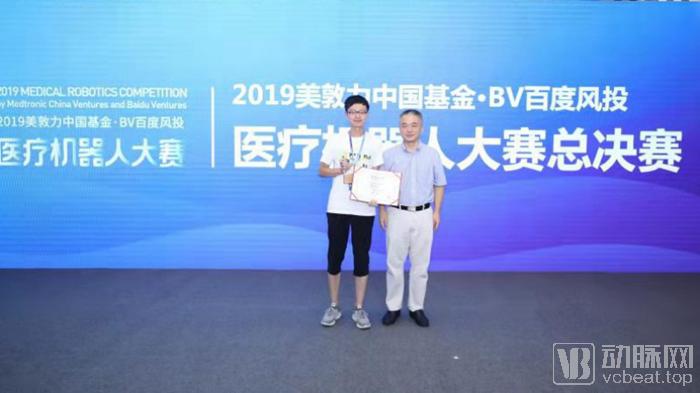
Left: Award-winning enterprise Tsinghua SIR; Right: Liu Houjia, Deputy Director of the Biomedical Division of the Shanghai Municipal Science and Technology Commission
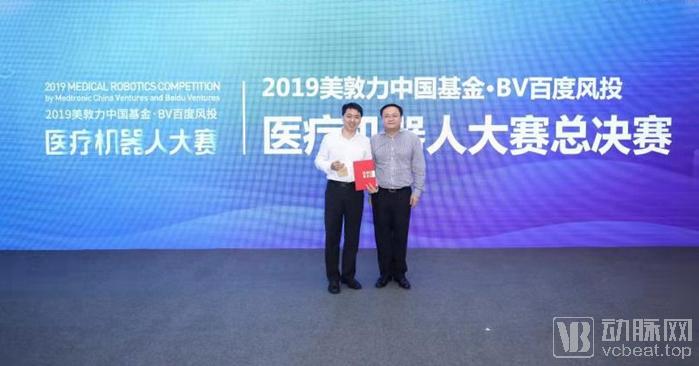 Left: Award-winning company Timi Technology; Right: Zhang Yong, Executive Vice President of Lingang Holdings and General Manager of Lingang Pujiang International Science and Technology City
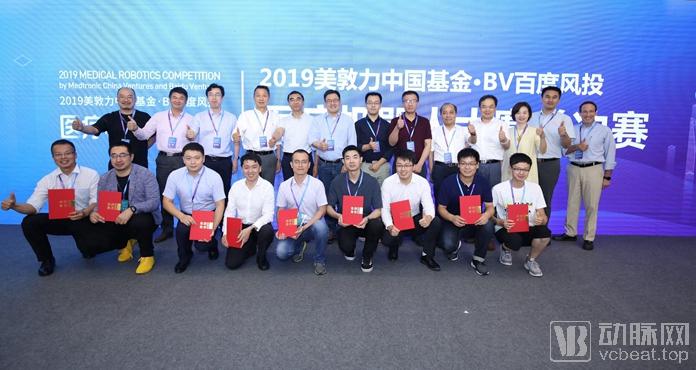 Group Photo of Award-Winning Teams and the Jury
Guided by the Shanghai Minhang District Science and Technology Commission, and hosted by the Medtronic China Fund and BV Baidu Ventures, this competition receives strategic support from the Shanghai Lingang Pujiang International Science and Technology City, the Medical Robotics Institute of Shanghai Jiao Tong University, the Medical-Engineering Integration Alliance, the Suzhou Collaborative Innovation Institute for Medical Robots, and the High-Precision Innovation Center for Biomedical Engineering at Beihang University. Organized by VCBeat, the event brings together leading experts from the fields of policy, scientific research, market, and clinical practice, aiming to identify outstanding entrepreneurial teams and innovative projects in the medical robotics sector that demonstrate technical prowess, market potential, and clinical value.
Mr. Gu Yushao, Senior Vice President of Medtronic globally and President of Greater China, stated, “China is poised to become the world’s largest healthcare market within the next decade. Medical robots will significantly enhance the efficiency and effectiveness of healthcare services, holding substantial significance for the development of China’s healthcare industry. Co-hosting the inaugural Medical Robot Competition with Baidu Ventures represents a key initiative by Medtronic to advance open innovation. Through this competition, we aim to identify and support outstanding entrepreneurial teams and projects in China’s medical robotics sector, thereby accelerating the clinical translation and adoption of medical robots to better meet the healthcare needs of local patients.”
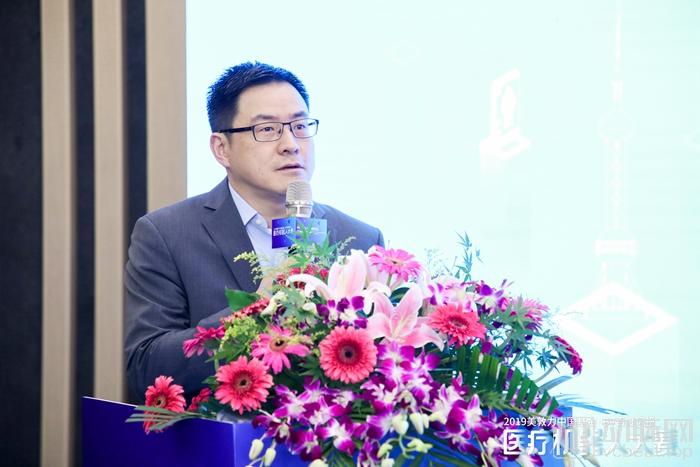 Mr. Gu Yushao, Senior Vice President of Medtronic Worldwide and President of Greater China, Delivered an On-Site Address
Zhu Feng, Director at BV Baidu Ventures, stated, “BV has made significant investments in the field of medical AI. As a key intersection between AI and diagnostic and treatment systems, medical robotics is one of our primary areas of focus. We believe it will make substantial contributions to improving the quality of healthcare in China. Through this competition, we are honored to collaborate with Medtronic and the many distinguished guests present to drive innovation in cutting-edge medical technologies in China. We aim to continuously identify and support outstanding local teams, positioning China at the forefront of this field globally.”
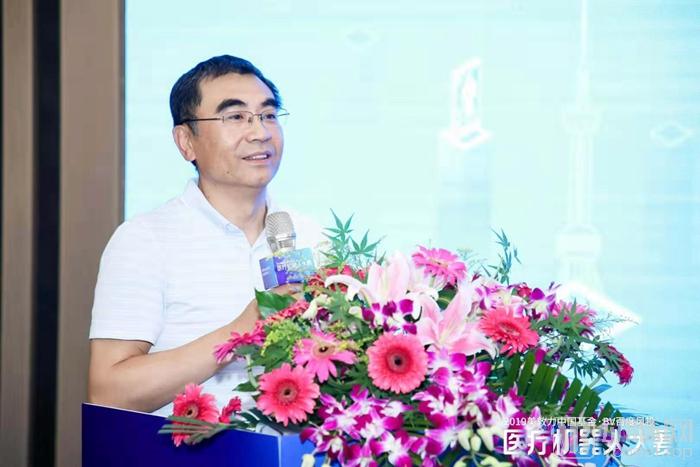 On-Site Address by Zhu Feng, Director of BV Baidu Venture Capital
After three months of nationwide preliminary selections, this competition spanned 20 cities and 29 renowned universities, attracting inquiries from nearly 130 projects. These projects encompassed technologies such as AI, sensors, robotics, and 3D imaging; covered three major application scenarios—surgery, rehabilitation, and assistance; and addressed the diagnosis, treatment, and rehabilitation of various high-incidence critical conditions, including cardiovascular diseases, stroke, and lung cancer. At the finals, contestants demonstrated technologies including single-port surgical robots suturing eggshell membranes, intraluminal imaging micro-robots, intelligent assistance systems for hospitals and physicians, MR-enhanced reality surgery, brain-computer interface techniques for activating motor neurons, and surgical navigation and positioning. These demonstrations highlighted the breadth, depth, and sophistication of current innovations in China’s medical robotics sector.
Chen Weidong, Executive Vice Dean of the Shanghai Jiao Tong University Medical Robotics Institute and one of the judges of this competition, stated: “Shanghai Jiao Tong University has conducted long-term, in-depth research, development, and clinical applications in the field of medical robotics. To integrate existing resources and accelerate the translation of scientific achievements into practical applications, the Shanghai Jiao Tong University Medical Robotics Institute was officially established at the end of 2017. Currently, we have made progress in the development of surgical robots for abdominal, orthopedic, pulmonary, and cardiac procedures. Surgical robotics is a multidisciplinary field that can overcome blind spots in physicians’ diagnosis and treatment, optimize therapeutic strategies, and enhance surgical precision. Today’s competition brings together innovative forces from industry, academia, and clinical practice, leveraging the advantages of cross-disciplinary collaboration among medicine, research, and enterprise, thereby providing a robust platform for cooperative efforts to translate medical-engineering integrated innovations into real-world applications.”
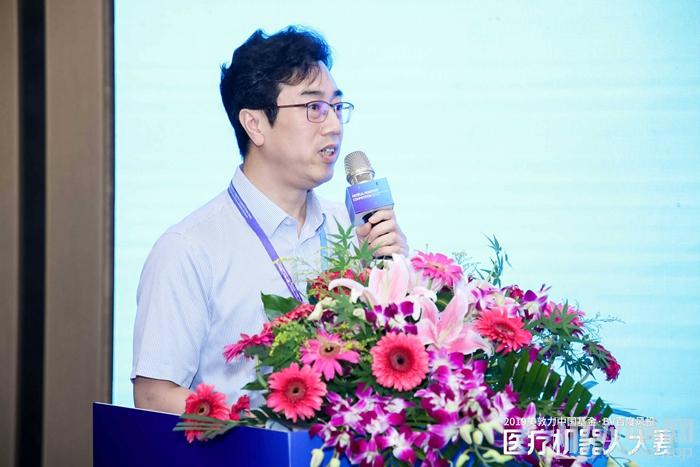
Chen Weidong, Executive Vice Dean of the Medical Robot Research Institute at Shanghai Jiao Tong University, Delivered a Speech Onsite
Professor Wang Tianmiao, Honorary Director of the Robotics Institute at Beihang University, served as one of the judges for this competition. As an academic leader in the field of robotics, Professor Wang highly praised the achievements and significance of the event: “The significance of this Medical Robotics Competition lies not only in identifying numerous outstanding projects with technological innovation and market potential—including breakthroughs in clinically integrated medical-engineering cross-disciplinary applications, rigid-flexible coupled micro-nano actuators, and AI-enhanced augmented reality surgical navigation systems—but more importantly, it represents an attempt to establish a model for medical technology innovation characterized by government support, market leadership, technology-driven development, and clinical validation. Robotics and artificial intelligence are among the pioneering and leading industries shaping the future of society, particularly holding broad application prospects in future surgery, rehabilitation, assistance, and related services. However, to enable more Chinese robots to transition from the laboratory to commercial use, it is crucial to build a beneficial technological and industrial ecosystem. We must be guided by healthcare needs and clinical pain points, identify talent according to market principles, plan strategic and tactical directions based on real-world demands, and effectively align technology with industry.”
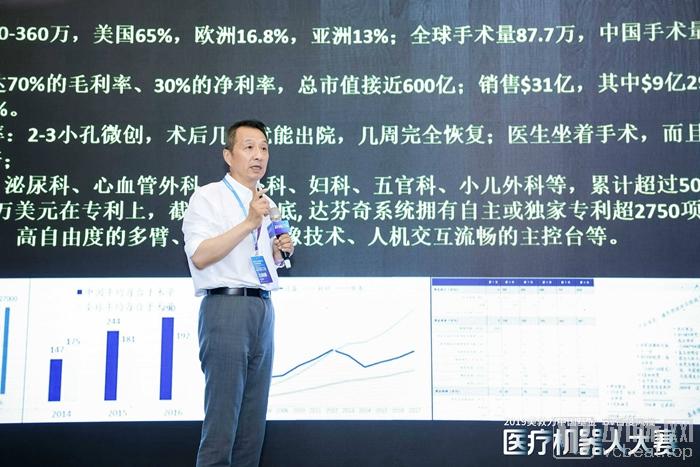
Professor Wang Tianmiao, Honorary Director of the Robotics Institute at Beihang University, Delivers an On-Site Speech
Over the next decade, with the continuous enhancement of foundational hardware and software capabilities, China’s intelligent robots will comprehensively penetrate vertical sectors. The deepening of healthcare reform and the advancement of urbanization in China will undoubtedly create greater demand and opportunities for the medical industry. Meanwhile, as policies, capital, and innovation capabilities mature, China’s medical technology innovation is poised to enter a “golden decade.” The new industrial landscape will inevitably be shaped and driven by visionaries. We believe that the outstanding innovative teams emerging from this competition will become the backbone of the next decade’s wave of innovation, creating value for China’s “intelligent” manufacturing.