

Angelalign Founder Li Huamin on Playing an Infinite Game: How Should the Clear Aligner Industry Evolve?
Leveraging digital and artificial intelligence technologies, clear aligner orthodontics has significantly streamlined dentists' chairside procedures. This innovation has expanded the scope of practice from specialized orthodontic departments to general dental practices and even telemedicine, while substantially improving patient comfort. In recent years, the compound annual growth rate (CAGR) for this sector has exceeded 50%.
Fueled by capital investment, numerous enterprises have entered this field, and the momentum to transform traditional orthodontic models through digital means is unstoppable.
However, to date, the vast majority of the market share remains dominated by Invisalign and Angelalign. This is because clear aligner therapy is an interdisciplinary field integrating five major technological domains: orthodontics, computer science, materials science, modern intelligent manufacturing, and biomechanics. It requires seamless integration of technology with clinical practice, which demands continuous technological investment and strong platform-building capabilities.
Founded over a decade ago, Angelalign entered China’s orthodontic market when it was largely untapped. Starting from scratch, the company has consistently prioritized R&D. It has evolved from an initially extensive approach to making refined investments in digital technologies, foundational clinical disciplines, and population expansion. This strategic shift enabled Angelalign to achieve year-over-year revenue doubling from 2016 to 2018 and rapidly expand its market share.
Amidst intense market consolidation, how has Angelalign, a leading star in the field of clear aligner therapy, seized the opportunities presented by the digital dentistry boom in the Chinese market? What are its differentiated technological advantages, and how does it envision the future of digital dentistry? In response to these questions, VCBeat (WeChat ID: vcbeat) conducted an exclusive interview with Dr. Li Huamin, Founder and CEO of Angelalign Group.
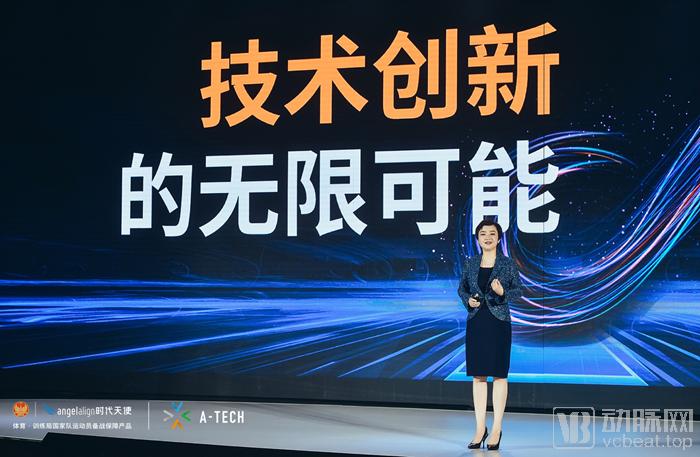
Li Huamin, Founder and Chief Executive Officer of Angelalign Technology Inc.
Digital Dentistry
The Chinese oral care industry has developed more slowly than that of Europe and the United States. In Li Huamin’s view, the main reasons are as follows:
First, oral health awareness among the Chinese population needs improvement, particularly regarding preventive dental care concepts.
Second, the development of China’s dental industry is unbalanced, with uneven levels of professional expertise among dentists; in particular, there is a shortage of orthodontists in the field of orthodontics.
Third, the primary challenge facing the development of the oral health industry is the lack of standardized regulations. In addition to reviewing the biocompatibility of materials used in aligners, there is a need for scientifically rigorous medical guidelines, biomechanical principles, and manufacturing processes to support their use. These aspects have not yet been strictly regulated, posing potential risks to clinical safety.
Fourth, the Chinese market has tremendous potential for development and significant room for growth.
In the dental industry, there is an inherent logical inconsistency among the cost, accessibility, and quality of medical services. These three factors form a rigid “medical impossible trinity.” The only solution lies in introducing new technological and model-based increments. Digital technologies are poised to fundamentally transform corporate business models, user experiences, and operational processes, delivering products, services, and models to users through new tools and reshaping the traditional ways in which users interact with goods and services.
In 2008, statistical data showed that the market size of China’s oral care industry had just reached RMB 20 billion. By 2017, it had approached nearly RMB 100 billion. This growth was significantly driven by the digital dentistry sector. Digital dental technologies are widely applicable in orthodontics, prosthodontics, implantology, and other areas. From a technological application perspective, digital dentistry facilitates more precise data acquisition and analysis, thereby enhancing the accuracy of dental treatments, improving the productivity of dental healthcare professionals, reducing costs, and ultimately benefiting a broader consumer base.
The orthodontics industry stands at the forefront of digital application within the field of dentistry, with the sector actively transitioning toward and driving a fully digital workflow. Discussing the digitalization of the healthcare industry, Li Huamin stated, “Economic growth has led people to pursue a higher quality of life, which is why niche sectors such as medical devices, health products, and aesthetics have experienced rapid development. The clear aligner orthodontics industry will also continue to grow rapidly. In the past, people only visited hospitals when they had dental problems; today, procedures such as tooth extraction and fillings account for only about 15% of overall oral healthcare services, while treatments like dental implants, prosthodontics, and orthodontics are more prevalent. This signifies that the preventive-focused general health industry is ushering in new development opportunities.”
Furthermore, with the rapid development of various emerging technologies, such as materials science, artificial intelligence (AI), and 3D printing, their cross-disciplinary applications across various sub-sectors of the broader health industry will accelerate. This will drive the digitalization, intelligentization, and development of personalized medical services throughout the entire health sector.
In the clear aligner industry specifically, there will be greater cross-disciplinary integration of computer technology, artificial intelligence, and other fields. As one of the core technologies behind clear aligner treatment, computer technology has been leveraged by Angelalign through independent innovation and R&D to implement a series of advanced computational applications in its clear aligner products. These primarily include digital 3D dental model processing, orthodontic biomechanical simulation, and artificial intelligence technologies. Li Huamin pointed out:
First, clear aligner therapy relies on digital oral models for treatment planning and product manufacturing. The entire workflow involves a series of complex digital model processing steps, wherein advanced computer graphics algorithms are employed at each stage to ensure the consistency and accuracy of the models with the patient’s actual oral anatomy. Since every individual has a unique dental structure, all digital models are distinct, necessitating that computer graphics algorithms exhibit high versatility in handling non-standardized products. Currently, the physical production of aligners from digitally modeled dentitions with varied structures can only be achieved through 3D printing technology. Today, Angelalign has established the largest dental 3D printing base in Asia.
Secondly, the fundamental principle of orthodontics is biomechanics, and the mechanism of action in clear aligner therapy is a comprehensive embodiment of orthodontic medical principles, polymer material mechanics, and staged tooth movement design. In the early stages, due to significant differences in the mechanical mechanisms between clear aligners and traditional orthodontics, designers had to rely on experience to design and estimate the magnitude of tooth movement and force application at each step. Angelalign independently developed a computerized mechanical testing and analysis platform for clear aligner orthodontics. This platform can accurately calculate and simulate the force effects exerted by clear aligners on each tooth and predict treatment outcomes. It continuously refines these simulations through a vast database of clinical cases, thereby optimizing treatment plans and improving therapeutic efficacy. Furthermore, this computational platform can guide material design, optimize manufacturing processes, and enhance quality control.
Finally, Angelalign has invested substantial R&D resources in artificial intelligence (AI) technology in recent years. By leveraging big data from digital dentistry, AI has been applied to various stages, including orthodontic tooth arrangement design, digital model processing, and clinician interaction, thereby enhancing process efficiency as well as the effectiveness and accuracy of information exchange.
Leveraging its continuously accumulating big data, Angelalign aims to build an intelligent platform that empowers the entire dental industry chain. By driving innovation across five foundational disciplines, it will inject intelligent application technologies into the healthcare sector, truly realizing a smart and intelligent ecosystem.
Differentiated Advantages
Clear aligner orthodontics is a highly competitive market. In the United States alone, more than 30 companies are currently preparing to enter the clear aligner sector, including industry giants such as Align Technology, Henry Schein, 3M, Straumann, and Dentsply Sirona, as well as startups like Ortho Clear, SmileDirectClub, and Candid. In the Chinese market, leading players such as Angelalign have emerged, while numerous startups continue to flood into this space.
Faced with so many competitors, in what aspects do Angelalign’s differentiation and competitive advantages manifest? Li Huamin offers her insights:
First, for the clear aligner industry, the primary challenge to address is how traditional orthodontic principles can be applied to new medical-grade polymer materials. Angelalign has recruited China’s earliest PhD in orthodontics and has currently established a series of clinical guidelines for addressing various dental issues, thereby forming the Angelalign Medical System.
Angelalign initially collaborated with Professor Yan Yongnian, Director of the Rapid Prototyping Center at Tsinghua University and widely recognized as the pioneer of 3D printing in China, to develop 3D printing equipment specifically designed for dental orthodontics. Pioneering commercialization from the ground up, Angelalign worked alongside its partners to create a comprehensive, high-precision 3D printing system tailored for dental model fabrication.
Computers are the primary platform for realizing intelligent healthcare. By integrating big data accumulation, medical rules, and AI intelligence, Angelalign can now complete a comprehensive and complex dental treatment design for patients in just half an hour. This efficiency gain is the result of computers’ continuous deep learning based on big data, significantly enhancing human productivity.
Meanwhile, Angelalign is seeking global collaborations for clear aligner materials. Its current materials were co-developed with the UCLA School of Dentistry, enabling precise translation of medical principles into intraoral application.
Notably, this June at the 2019 A-Tech Conference, Angelalign launched the new angelButton traction system, which boasts five key product advantages: an integrated structural design, freedom for doctors to design on the iOrtho platform, AI-powered precise positioning, an ergonomic rounded-blunt design, and high-strength transparent material. This signifies that Angelalign has once again expanded the technological boundaries of digital clear aligner orthodontics. The new angelButton traction system is scheduled for clinical implementation in November.
Beyond technology, Angelalign has consistently advocated the concept of “prevention,” which serves as one of its key differentiators. Viewed from the broader perspective of macro-level health and wellness development within the oral care sector, prevention remains an enduring theme. For instance, Angelalign pioneered the pit and fissure sealing program for caries prevention in China, focusing on preventing dental caries in children. At that time, the prevalence of dental caries among Chinese children stood at 60%. Thanks to over two decades of persistent efforts and advocacy by companies like Angelalign, pit and fissure sealing has now become a national, free, and inclusive public health program for children, significantly reducing the rate of dental caries.
VCBeat has learned that ages 6 to 12 constitute a critical period for craniofacial development in children. During this stage, facial morphology is often shaped by the interplay among teeth, bones, and muscles; therefore, a comprehensive approach is essential to achieve optimal orthodontic outcomes. In light of these characteristics of pediatric oral health, Angelalign, through the joint efforts of its technical and medical teams, has established strategic partnerships with the Forsyth Institute in the United States and Beijing Stomatological Hospital, Capital Medical University. The three parties are collaborating extensively in the field of adolescent orthodontics, covering clinical trials, product development, and training, and have jointly launched the Angelalign KiD solution for pediatric craniofacial management.
Angelalign KiD features five key functionalities: it utilizes materials specifically designed for children, incorporates attachments tailored for pediatric patients, enables more precise arch expansion during the developmental stage, effectively promotes jaw growth, and achieves optimal myofunctional training. “We aim to leverage Angelalign’s clear aligners to provide early intervention during the mixed dentition phase and comprehensive treatment during the permanent dentition phase, creating a complete solution. This approach will reduce the complexity of orthodontic treatment in the permanent dentition stage, minimize patient discomfort, and enhance clinical productivity for practitioners, thereby promoting oral health and orthodontic care starting from childhood across the population.”
If we look at the development trajectory of Align Technology, another industry leader with its Invisalign brand, adolescents also represent the primary driver of future customer growth. How has Angelalign maintained stable growth in its adolescent customer base, and what key initiatives has it implemented? Li Huamin believes there are two critical factors:
First, strengthen orthodontists' attention to and guidance for pediatric orthodontics. Currently, orthodontists pay relatively little attention to orthodontic treatment for children in the mixed dentition stage; therefore, it is necessary to enhance orthodontists' understanding and awareness of the importance of early intervention during this period.
Second, we will collaborate with experts in pediatric dentistry to provide more systematic training for pediatric dentists, jointly promoting the development of early orthodontic treatment.
Currently, there are numerous orthodontic products on the market for children in the mixed dentition stage. However, these products only address partial dental issues, causing inconvenience and cumbersome procedures for clinicians. To address this challenge, Angelalign has introduced angelalign KiD, a comprehensive facial management solution designed specifically for children in the mixed dentition stage. This solution takes a holistic, multi-dimensional approach by considering teeth, skeletal structures, and muscles, thereby enabling clinicians to perform more convenient operations and monitor treatment outcomes effectively, ultimately ensuring favorable orthodontic results for children in the mixed dentition stage.
Additionally, some pediatric dental issues may persist into the early permanent dentition stage. During this phase, Angelalign Champion Edition and Standard Edition can be employed to address these concerns. As products and solutions developed within the same system as Angelalign KiD, they ensure a seamless and coherent treatment process, forming a comprehensive solution that reduces the complexity of orthodontic treatment during the permanent dentition stage and achieves superior correction outcomes.
As for whether more disruptive technological products will emerge in the field of clear aligner orthodontics in the future, Li Huamin stated, “With continuous technological advancements, there will undoubtedly be an increasing number of products and technologies that significantly impact and disrupt the clear aligner industry. Angel Aligner’s attachment system is one such disruptive technology; it has made previously unfeasible traction methods a reality, enabling clinicians to implement a wider range of tooth traction and correction techniques. This innovation has redefined orthodontists’ understanding and perception of traction. I believe such innovations will become increasingly common in the future.”
Core Technologies and Product Portfolio
In a nutshell, Angelalign not only provides clear aligner products to doctors but also offers comprehensive digital orthodontic solutions to its partners.
In the field of oral health, we have successfully achieved both personalized customization for diverse dental conditions and large-scale development. All technological innovations are built upon Angelalign’s proprietary digital orthodontic intelligence system—angelMind.
In Li Huamin’s view, this intelligent system resembles a pyramid composed of four layers: the foundation is philosophy, the second layer is technology, the third layer is application, and the topmost layer represents the shared goal that Angelalign and orthodontists strive to achieve together—creating a healthy, balanced, and aesthetically pleasing craniofacial structure.
Throughout its development, Angelalign has achieved multiple research breakthroughs across five key technological domains: orthodontics, computer science, materials science, modern intelligent manufacturing technology, and biomechanics. These achievements represent innovative thinking and exploration driving industry advancement. The specific framework is as follows:
At the technical level:
Angelalign has launched masterControl, a globally leading clear aligner material that achieves an optimal balance between rigidity and elasticity, enabling precise control of complex tooth movements. It stands as one of the best clear aligner materials for managing complex extraction cases in Asian patients.
Angelalign has developed masterForce, a biomechanical simulation platform that grounds all medical innovations and designs in fundamental mechanics, ensuring every tooth movement is evidence-based. By precisely calculating the force distribution on teeth under various treatment plans, it provides scientific support through detailed analysis of precise dental forces, moving orthodontics beyond reliance solely on clinical experience or big data.
The Angelalign Champion product, built on the masterMulti multi-mode treatment system, has for the first time broken away from the conventional model of uniform aligner thickness in clear aligner products. It innovatively enables alternating thin and thick aligner therapy, all based on precise biomechanical calculations of orthodontic treatment plans, combined with advancements in artificial intelligence and modern manufacturing technologies.
At the application level of medical protocols:
Angelalign’s A6 solution for mandibular advancement, the A7 solution involving premolar extraction, and the A8 protocol for distalizing molars have all helped clarify the medical principles of clear aligner therapy under the guidance of biomechanics.
AngelAlign’s newly launched angelButton traction system enables clinicians to eliminate cumbersome chairside procedures, providing a safe and effective force application structure for teeth along with superior biomechanical expression. Meanwhile, it enhances patient comfort during wear and significantly improves treatment efficiency.
It is worth highlighting that Angelalign’s offline Medical Design Centers are located in major cities such as Wuxi, Shanghai, and Guangzhou. To help more dentists better master clear aligner therapy techniques, Angelalign provides high-quality, efficient technical services, including medical design support. Medical services constitute the most critical component of these technical offerings.
Li Huamin revealed that Angelalign possesses the largest orthodontic medical design team in China. All members of the design team have a professional background in stomatology, with core design physicians graduating from top-tier specialized dental institutions and holding master’s or doctoral degrees. While ensuring the quality of medical designs, they also see patients in clinical practice. Therefore, they have a deeper understanding of dentists’ needs and are better positioned to provide high-quality medical design services to dentists nationwide.
Purpose of Establishing the Medical Design Center by Angelalign: To enhance the efficiency and precision of medical treatment planning, and to provide partner dentists with more convenient, professional, and systematic technical services. Through the establishment of the Medical Design Center, Angelalign aims to engage closely with dentists, gain insights into localized and personalized case characteristics, deliver more precise services, and improve overall collaborative efficiency.
Finally, Angelalign aims to leverage its regional medical design centers to create a communication platform that provides doctors with more convenient medical services and fosters the exchange of orthodontic ideas and technical advancements. Through this platform, doctors can integrate diverse orthodontic concepts, engage in mutual discussion, and achieve shared progress.
All these breakthroughs in products, technologies, and applications stem from Angelalign’s original aspiration at its inception and its pursuit of precise tooth control. Only by continuously exploring how to create greater value for partners and better empower them to serve their clients can we achieve top-tier technologies and innovative outcomes in digital orthodontics across various research fields and interdisciplinary domains.
Development History
Reviewing Angelalign’s development journey, Li Huamin also shared her entrepreneurial experience. “My original intention in starting this venture was to enable everyone to have a radiant smile. When I first decided to enter China’s digital orthodontics industry, my goal was to leverage Angelalign’s capabilities to allow more people to benefit from domestically developed high-tech products and digital dental treatment solutions, thereby avoiding the discomfort associated with traditional orthodontic treatments. Additionally, I hope that through technological innovation, Angelalign can help our partners enhance productivity, free up their time, improve work efficiency, and enable more dentists to embrace the new achievements and technologies brought by digitalization in the field of dentistry.”
During its development, Angelalign also faced its darkest hours. For instance, in the initial years, when clear aligner orthodontics was still a blank slate in China, the market lacked trust in the technology, and the product failed to gain widespread recognition among doctors and hospitals. The technology and products were still in the experimental phase, making industrialization and scaling up highly challenging. Additionally, the company experienced team turnover. Nevertheless, the core technical team remained firmly convinced that the clear aligner orthodontics industry was a cause worth dedicating their lives to pursuing.
A turning point emerged in 2010, when OrbiMed Asia led a $6.6 million investment in Angelalign. According to Li Huamin, the proceeds were primarily allocated to investments in software and production R&D departments, with the aim of continuously enhancing product quality. Subsequently, the company gradually standardized its operations, while channel expansion and brand reputation steadily improved. In 2012, Angelalign secured a $17 million joint investment from Warburg Pincus and OrbiMed.
In this interview, Li Huamin did not focus on the company’s past hardships; instead, she highlighted Angelalign’s current technological advantages. She stated, “Despite the arduous trial-and-error process across various foundational disciplines, I have always believed that with strong capabilities in technological innovation, as well as excellent products and technical service offerings, we will inevitably gain market recognition.”
Angelalign currently possesses orthodontic data from over 300,000 Asian individuals, making it the world’s largest orthodontic database for the Asian population. The company has established collaborations with tens of thousands of clinics and hospitals and has provided training to more than 550,000 participants. In Li Huamin’s view, Angelalign’s mission is not merely to transition orthodontics from traditional metal wires to clear aligners. Instead, by leveraging technologies such as big data and artificial intelligence (AI), the company aims to transform orthodontics from a traditional manual practice into a highly empowered, intelligent healthcare platform, fostering mutual success between the platform and clinicians.
When discussing the future of digital dentistry, one cannot overlook big data in digital dentistry, which serves as the foundation for driving the application of artificial intelligence technologies in clear aligner therapy.
In May 2018, Angelalign signed a strategic cooperation agreement with 3Shape, enabling rapid and seamless integration of patients’ intraoral data with the Angelalign Digital Orthodontics Platform. Angelalign digitizes physical dental models using industrial CT scanning or directly collects intraoral scan data through intraoral scanners such as those from 3Shape, uploading the data to its cloud service platform. By combining digital oral healthcare big data with AI intelligence, traditional clear aligner products are undergoing transformations in design and manufacturing processes, customer service experience, and cost efficiency, primarily manifested in the following aspects:
First, leveraging advanced tooth arrangement design software integrated with computer AI algorithms, designers can more rapidly and accurately provide customized, predictable, and highly achievable orthodontic treatment plans tailored to patient needs. Angelalign maintains a close collaborative partnership with clinicians throughout this process. From oral data acquisition to the generation of precise orthodontic treatment plans, and ultimately to the manufacturing of aligner products, the comprehensive application of artificial intelligence technology delivers a seamless and satisfying user experience for doctors.
Secondly, the efficiency improvements across the entire workflow and the scalability effects brought by artificial intelligence will ultimately translate into reduced product costs, with end users as the beneficiaries. This will help clear aligner products attract a larger customer base, particularly facilitating their promotion in third- and fourth-tier markets.
Furthermore, artificial intelligence technology can assist dentists in more conveniently and accurately performing high-skill tasks such as pre-treatment diagnosis, treatment goal design, and monitoring of the orthodontic process. In the future, digital orthodontics will see expanded applications of AI and big data within the oral healthcare industry, along with more convenient and intelligent data acquisition.
In terms of investment, Angelalign’s A+ Innovation Program has now entered its fifth year. “At the 2018 A-Tech Conference, we announced an annual investment of RMB 100 million over the following three years, dedicated to advancing innovation and R&D in the field of orthodontics. Through this platform, Angelalign aims to build an ecosystem in collaboration with our partners. Currently, a growing number of partners are eager to collaborate with us, as Angelalign offers an open cooperation platform. Built upon five core technologies, this integrated closed-loop platform encompasses technology, products, and services, enabling many outstanding partners to bring their ideas to fruition and achieve shared value.”
Looking back, the pivotal year of 2018 was when Angelalign made its most rapid strides in digitalization, while continuously strengthening its foundation in clinical practice. Significant research achievements were made in technological innovation for clear aligner therapy in China. For instance, leveraging the masterForce biomechanical analysis platform, we analyzed various mechanical factors involved in tooth displacement across different orthodontic treatment plans. This enabled the design of appropriate forces and moments for individual teeth, leading to the development of numerous clinical guidelines and protocols for managing complex tooth movements, such as the A7 2.0 medical rules.
On the other hand, in 2018, Angelalign launched angelMind, a digital orthodontic intelligence system that comprehensively illustrates its operational workflow from core R&D to practical application. In 2019, Angelalign will devote greater effort and resources to foundational research, exploring the cross-disciplinary application of various basic sciences. The AngelAlign Traction System is a representative example of new technologies and tools born from the integration of multiple disciplines, including orthodontics, computer science, materials science, modern intelligent manufacturing, and biomechanics.
In the future, Angelalign will continue to dedicate efforts to these foundational areas, driving the practical application of more innovative research outcomes.
Summarizing her entrepreneurial journey of over a decade, Li Huamin candidly stated, “Every moment in entrepreneurship is the best moment, as each stage presents unique challenges and difficulties. Once overcome, a new landscape unfolds ahead. This continuous process of conquering obstacles and surpassing myself has strengthened my resolve to take root in this industry, and reinforced my conviction that Angelalign can leverage the power of technological innovation to drive the rapid development of China’s orthodontic industry.”
Outside of work, Li Huamin’s hobby is reading. He is currently reading Finite and Infinite Games by James P. Carse. The book posits that there are two types of games in the world: finite games and infinite games. The orthodontics industry in which Li Huamin works is, in essence, an infinite game being played jointly by Angelalign and all its partners. Its purpose is to perpetuate the game, ensuring that it continues indefinitely and forever.
“To sustain continuous progress, we must relentlessly pursue innovation and the boundless possibilities of breakthroughs through openness. Therefore, achieving this requires the joint participation of all stakeholders—including the government, the industry, physicians, healthcare institutions, and medical technology companies—to strengthen and expand this endeavor,” Li Huamin stated candidly, noting that Angelalign embraces the transformation of the orthodontic industry with an open mindset.