

SinoPharm Specialty Pharmacy Files IPO Prospectus Highlighting Pharmacist-Led Follow-Up Model to Ensure Standardized Oncology Treatment

Medbanks
Medical Health Management Platform
In recent years, China’s policies encouraging innovative drugs have been progressively implemented, significantly accelerating the drug review and approval process and leading to a concentrated launch of numerous innovative therapies. In 2018, the U.S. Food and Drug Administration (FDA) approved 56 new drugs, setting a historical record; meanwhile, China’s National Medical Products Administration (NMPA) approved 51 new drugs, achieving equally remarkable results. Among the drugs approved by the NMPA, anticancer agents predominated. In terms of approved indications, these primarily included lung cancer, liver cancer, melanoma, lymphoma, leukemia, cervical cancer, ovarian cancer, breast cancer, rectal cancer, prostate cancer, and multiple myeloma.
The rapid market launch of new oncology drugs in China has brought new hope and more options to patients who had previously exhausted all treatment avenues. However, reporters have learned thatMany physicians are puzzled by the market response to newly launched oncology drugs: despite their evident efficacy, the rate of standardized treatment among patients remains below expectations, thereby failing to demonstrate the therapeutic advantages of these regimens.
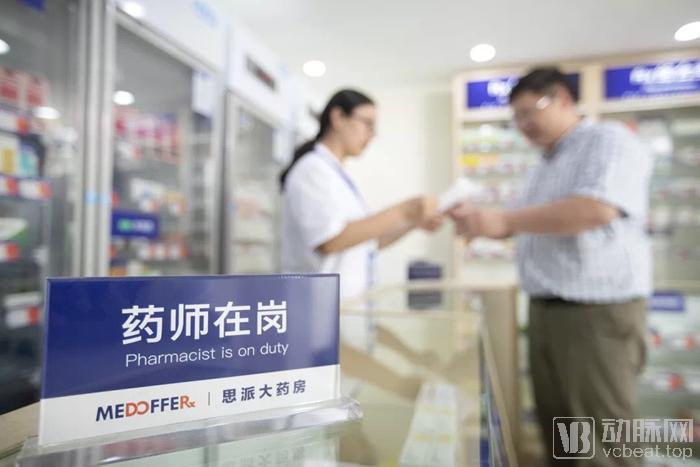
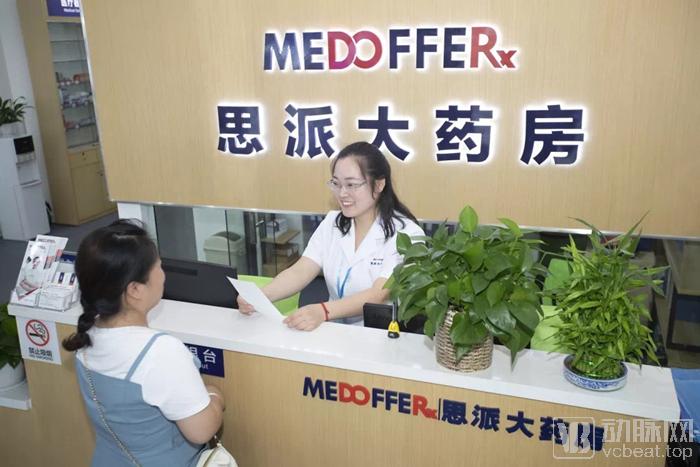
Pharmacists at Sifang Pharmacy at Work
It is understood that while economic factors play a role, the more significant issue is patients’ insufficient awareness of adverse reactions to new oncology drugs, leading them to arbitrarily alter or discontinue their treatment regimens. “Oncologists are overworked, and patients lose contact with their attending physicians after discharge, making it difficult to address drug-related adverse reactions in a timely manner during treatment,” said an associate chief physician in the Department of Oncology at a Grade A tertiary hospital in Guangzhou.
How to Improve the Rate of Standardized Treatment for Cancer Patients and Maximize Their Benefits: An Urgent Issue Requiring Joint Efforts by Physicians and Patients
Over 90% of New Oncology Drugs Are Administered in Accordance with Standardized Treatment Protocols
“Hello, Aunt Zhang. I’m Pharmacist Wang, your dedicated pharmacist at Sifarm Pharmacy. I’m calling today to check in on your recent health status and see how I may assist you...”
Ms. Zhang, 52, was diagnosed with advanced breast cancer one year ago. Based on the treatment plan, her physician prescribed a newly launched targeted therapy for breast cancer. Ms. Zhang purchased this medication at the Guangzhou branch of Sifang Pharmacy, which operates under the Medbanks Group.
During the follow-up visit, Pharmacist Xiao Wang conducted a thorough assessment of Aunt Zhang’s recent physical condition and her response to the medication, and reiterated the key precautions for its use.
Upon learning that Aunt Zhang had developed a rash after taking her medication, Xiao Wang first provided emotional reassurance. He then graded the adverse reaction based on her description and offered professional management recommendations in accordance with the standard operating procedures for adverse event management established by Medbanks Pharmacy for this targeted therapy. Thanks to Xiao Wang’s professional guidance, Aunt Zhang’s concerns about the treatment were gradually alleviated.
This was Xiao Wang’s third follow-up call of the day. After hanging up, she needed to archive the medication case in Medbanks’ proprietary “Pai Follow-up” system and generate a medication data report.
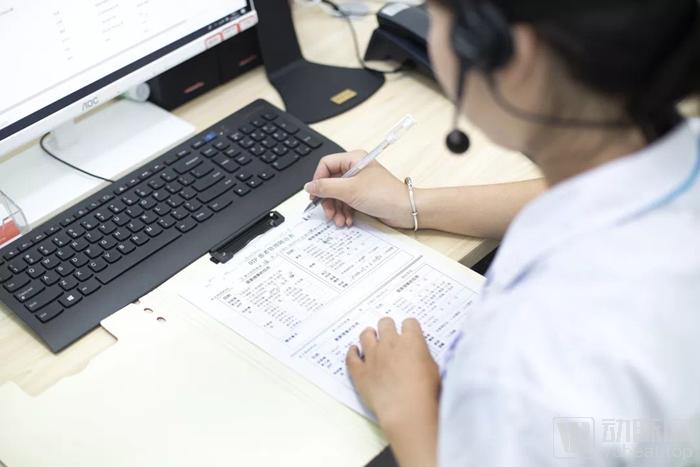
Medbanks Pharmacy Pharmacist Follow-up in Progress
It is understood that patient acceptance rates for pharmacist follow-ups in the specialty pharmacy industry are relatively low. However, SiPharm’s professional pharmacist follow-up system has achieved a patient acceptance rate exceeding 95%. “Many patients proactively reach out to their dedicated pharmacists at SiPharm.”
Sipai Pharmacy’s professional pharmacist follow-up services have yielded positive feedback on patients’ adherence to standardized treatment regimens prescribed by physicians, earning high recognition from oncologists.
Taking the Guangzhou branch of Medbanks Pharmacy as an example, since the introduction of the aforementioned targeted therapies for breast cancer in January 2019, a total of 61 patients have been served, with 55 currently under management. The rate of standardized treatment approaches nearly 100%, demonstrating a significant advantage in regimen adherence compared to patients who purchased medications through other channels during the same period.
A deputy chief physician in the oncology department of a Grade 3A hospital in Guangzhou believes that, without timely management of adverse drug reactions by professional pharmacists, the rate of standardized six-month treatment with new oncology drugs would not even reach 50%.
Specialty Pharmacies Are Even More of a Service Model
Since the State Council issued directives in 2017 to promote the separation of prescribing and dispensing, patients have been free to choose whether to purchase medications at hospitals or retail pharmacies, and hospitals are prohibited from restricting patients from filling prescriptions at retail pharmacies. This outflow of prescriptions has accelerated the development of DTP (Direct-to-Patient) pharmacies.
According to forecasts by the renowned domestic consulting firm, New Thinking Industry Research Center, DTP pharmacies are at an inflection point of explosive industry growth, with the market size expected to reach the hundreds of billions in the short to medium term and potentially expand to the trillions in the long run.
Just as not all milk is Telunsu, not all DTP pharmacies can be called professional pharmacies!
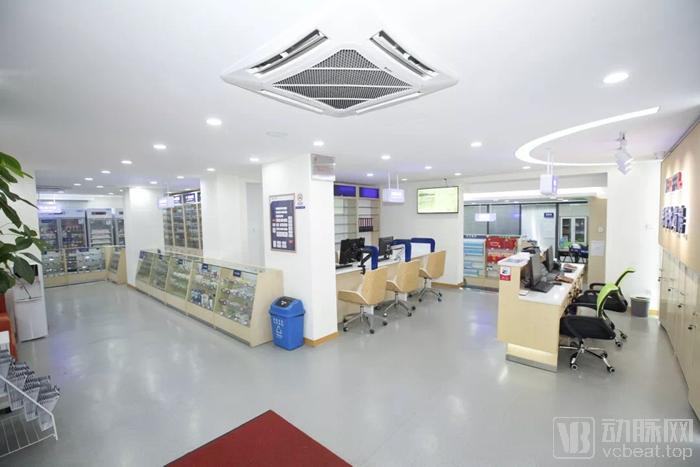
Medbanks Pharmacy Hangzhou Store
Mou Jian, General Manager of Sibei Pharmacy, believes that specialty pharmacies are not a classification of business format but rather a service model. They aim to build comprehensive disease management centered around the prescription drug sales scenario. “Sibei is committed to becoming China’s most professional and widely covered oncology specialty pharmacy.”
Due to the unique characteristics of oncology drugs, sellers are required to provide professional and standardized services, including pharmaceutical counseling, pharmacist follow-up, and cold chain management.As a critical offline service platform, specialty pharmacies enhance treatment outcomes by ensuring regimen adherence through professional pharmaceutical counseling, standardized follow-up, and the prevention of adverse drug reactions, thereby reducing medication non-adherence and premature discontinuation.
Currently, the pharmaceuticals offered by Medbanks Pharmacy cover over 85% of the oncology specialty drugs marketed in China, with the vast majority of these specialty drug products available for sale immediately upon launch.
Why Do Cancer Patients Need Follow-up Services?
According to data from the National Medical Products Administration, as of the end of June 2018, there were more than 380,000 licensed pharmacists registered at community pharmacies across China. With 440,000 pharmacies nationwide, this averages out to less than one licensed pharmacist per pharmacy.
As of the end of June 2019,Medbanks Pharmacy’s 70 stores nationwide cover 56 cities across 29 provinces, with an average of more than three pharmacists per store.Significantly higher than the industry average pharmacist staffing ratio.
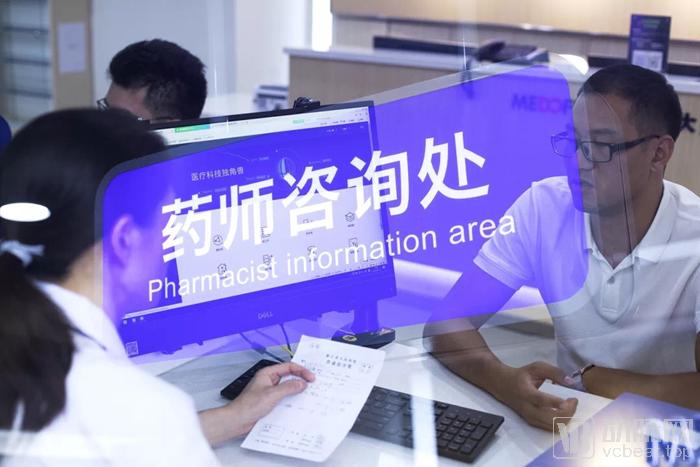
Mou Jian stated that the biological characteristics of malignant tumors determine that “follow-up and whole-course disease management are critical components in ensuring standardized treatment for patients.” Every cancer patient should undergo regular follow-up visits and re-examinations after receiving diagnosis and treatment at a hospital, enabling physicians and pharmacists to promptly assess the patient’s condition and health status, monitor for complications and adverse reactions, and provide targeted guidance and interventions.
Impacted by multiple factors, including the heavy workload of oncologists in clinical practice, teaching, and research, as well as the outflow of prescriptions, there are often gaps in post-discharge follow-up and patient management for cancer patients after the completion of their periodic in-hospital diagnosis and treatment.
There is an urgent market need for professional oncology patient service organizations to promptly develop and implement scientific follow-up and comprehensive management plans, working alongside physicians to safeguard treatment efficacy and patients’ quality of life.
What Is Professional Pharmacist Follow-up?
For Medbanks’ follow-up pharmacists, handling nearly 20 patient follow-up cases per day is no light workload. However, thanks to relatively standardized follow-up procedures, each patient’s follow-up process remains well-organized and systematic.
It is understood that the professional patient follow-up services provided by Medbanks Pharmacy encompass three key elements: the design of follow-up content, the formulation of follow-up procedures, and the efficient execution by the pharmacist team.
Content DesignSipai Pharmacy is the only pharmacy in China to have established an independent medical affairs department, comprising 20 members who are medical and statistical experts from the medical affairs departments of large multinational pharmaceutical companies and specialized oncology hospitals. Since building its oncology data platform in 2015, Sipai Group has accumulated extensive experience in database management and project follow-up. Through tripartite communication with the medical and marketing departments of pharmaceutical companies as well as oncology clinicians, the group develops patient profiles based on factors such as disease type, stage, and treatment regimen, thereby formulating personalized follow-up protocols.
Process DevelopmentStarting from the patient’s initial consultation and medication purchase, Sifang Pharmacy provides rigorous prescription review, medication instructions, and guidance on adverse reactions, while simultaneously establishing a personal medication history file for each patient. The “Pai Suifang” (Follow-up) system generates configurations for follow-up content, frequency, and tasks based on protocols established by the Medical Department. During the follow-up process, pharmacists build trust with patients through their professionalism, provide guidance on managing adverse drug reactions, and remind patients to schedule regular follow-up visits. Information provided by patients during follow-ups, such as efficacy assessments, adverse reaction management, and concomitant medications, is promptly archived by pharmacists to ensure more complete patient records. This supports physicians in understanding patients’ out-of-hospital conditions and facilitates real-world studies.
Efficient ExecutionAll follow-up services provided by Medbanks Pharmacy are delivered by licensed pharmacists. In a landscape where the average ratio of licensed pharmacists in pharmacies across China is less than 80%, Medbanks ensures that each pharmacy is staffed with more than three licensed pharmacists. Professionally, these pharmacists receive regular, systematic training supported by pharmaceutical experts from the Medical Department and partner associations. The currently implemented PCD (Patient Care Director) certification has further elevated the quality of patient care to new heights.
In addition to professional follow-up care, Medbanks Pharmacy provides patients with comprehensive support services, including consultation on applications for charitable assistance programs, online and offline patient education, nutritional guidance, and provision of information on new drug clinical trials for patients in need.
It is understood that since the establishment of Medbanks Pharmacy, a total of have been helped through professional follow-up and whole-process care services.7503patients. Among those who experienced adverse reactions after medication, the proportion receiving pharmaceutical care guidance from Medbanks pharmacists was as high as98.5%, remission rate71%. Medbanks' pharmacist services assist clinicians in managing adverse drug reactions within the scope of pharmaceutical care, thereby improving diagnostic and treatment efficiency. Meanwhile, the rate of continued medication use among patients who experienced adverse reactions reached78%, average extension2.3a medication cycle.
The extension of medication cycles has enabled patients to receive better treatment and allowed physicians to observe the objective efficacy of targeted therapies. When Sifang Pharmacy regularly shares follow-up data with the patients’ attending physicians, the doctors express high satisfaction with the pharmacists’ follow-up efforts and patient management outcomes. This provides strong support for physicians in monitoring patients’ conditions outside the hospital setting and in acquiring real-world study data.
Mou Jian stated,Pharmaceutical companies provide patients with high-quality products and treatment regimens, while Medbanks Pharmacy enhances patient adherence through follow-up and comprehensive care management.. The combination of the advantages of both is an important guarantee for patients to achieve better treatment outcomes and quality of life.