Home Abbott and AtaCor Medical Join Forces to Revolutionize Cardiac Defibrillation with Next-Gen Extravascular ICD System

Abbott and AtaCor Medical Join Forces to Revolutionize Cardiac Defibrillation with Next-Gen Extravascular ICD System

Jan 14, 2026 08:00 CST Updated 08:00

Abbott

Provider of Health Diagnostic Products and Health Diagnostic Management Solutions

AtaCor Medical

Cardiac Pacemaker Developer


01.Giants Join Hands, Aiming Where?

Image
Image

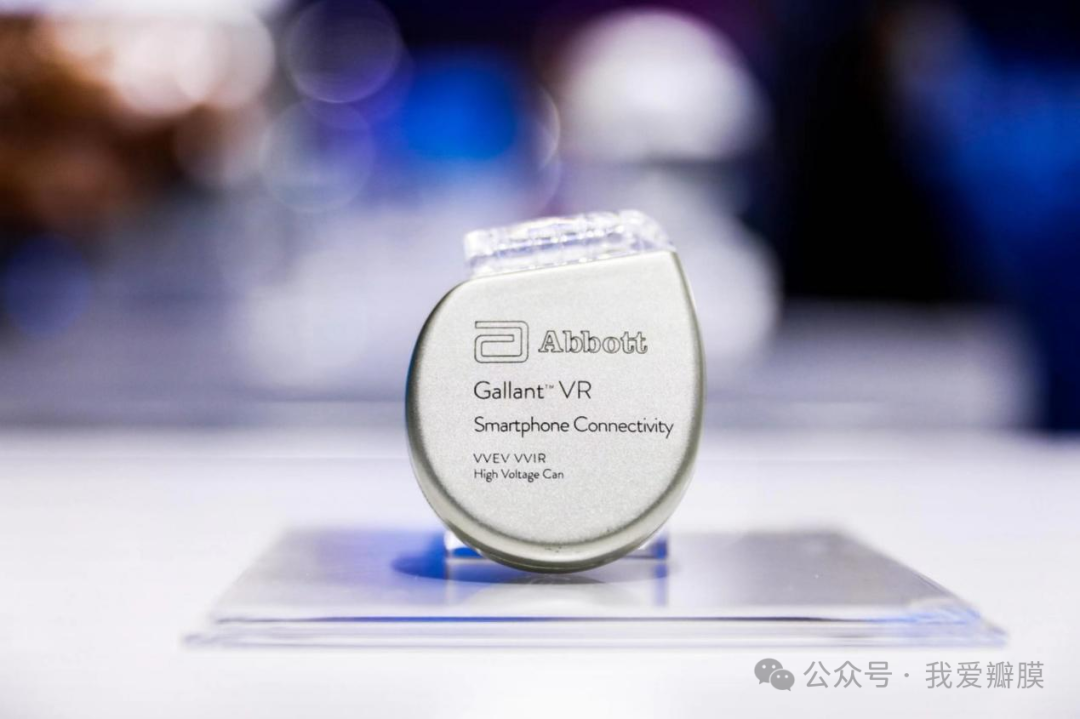
On January 12, 2026, global healthcare leader Abbott partnered with AtaCor Medical, a rising innovator in cardiac rhythm management, to advance the revolution of defibrillation therapy for life-threatening arrhythmias. The collaboration aims directly at the next generation extravascular implantable cardioverter defibrillator (EV-ICD) system, bringing new hope to patients with arrhythmias.

Abbott Partners with AtaCor Medical to Advance Investigational ...

Abbott has a deep presence in multiple medical fields such as diagnostics and cardiovascular, with significant global influence; AtaCor, though smaller in scale, focuses on cardiac rhythm management (CRM) and holds a unique advantage in extravascular defibrillation technology. In the fall of 2025, it raised $75 million to advance its pivotal U.S. study on defibrillation technology. This powerful collaboration, with precise complementarity, is expected to disrupt the current industry landscape.


02.Background Knowledge: Cardiac Defibrillation and ICD

Image
Image

To understand the value of this collaboration, we first need to clarify two core concepts: cardiac defibrillation and ICD, which are key to comprehending this technological innovation.
The Importance of Cardiac Defibrillation
The heart is the "engine of life" in the human body, and sudden cardiac arrest is extremely perilous — the heart instantly stops effective pumping, leading to ischemia and hypoxia in the brain and other organs within seconds. If not treated within 4-6 minutes, it may result in biological death. In China, more than 540,000 people die from sudden cardiac arrest each year, with less than 1% survival rate for out-of-hospital rescues. Defibrillation is the key to saving lives: by delivering an electric current to restore normal heart rhythm, every minute of delay reduces the patient's survival rate by 7-10%, making it a true "life-reset button."
雅培携百余款前沿科技闪耀亮相第四届进博会 互联智慧医疗助力行业升级-新华网
The Implantable Cardioverter Defibrillator (ICD) is a "personal guardian" that protects the heart 24/7. Once implanted, it continuously monitors cardiac electrical activity and can deliver an electric shock for defibrillation within seconds if it detects life-threatening arrhythmias such as ventricular tachycardia or ventricular fibrillation. However, traditional ICDs have significant limitations, restricting their clinical application.
The Dilemma of Traditional ICDs
Traditional ICDs require leads to connect the heart with the device. These leads, which remain in the heart and blood vessels for a long time, are prone to wear, breakage, and other malfunctions, not only affecting the device's functionality but also potentially causing inappropriate shocks. Additionally, as the leads communicate with the outside environment, they can allow bacteria to enter, leading to infections. In severe cases, the entire system may need to be removed, making treatment highly challenging. This is especially problematic for pediatric and adolescent patients who are still growing, as the leads may require multiple surgical adjustments, increasing both physical suffering and financial burden.
Comparison Dimensions
Traditional ICD
New EV-ICD (Abbott & AtaCor collaboration model)
Lead Placement Position
Heart, Blood Vessels
Heart, Vascular External (Parasternal)
Core Risk
Lead fracture, abrasion, infection, vascular injury
Significantly reduce the aforementioned risks and avoid long-term lead management challenges.
Surgical Method
Highly invasive and complex to operate
Minimally invasive, easier to operate, less trauma, faster recovery
User-Friendly for Applicable Population
Children and adolescents require multiple adjustments, with low friendliness.
No need to adapt to growth changes, suitable for a wider population
Treatment Cost
Complications are numerous, and subsequent treatment costs are high.
Fewer complications, reducing long-term medical costs


03.AtaCor: A Pioneer of New Technologies

Image
Image

AtaCor Medical is the new force breaking through the traditional ICD dilemma, deeply cultivating extravascular defibrillation technology and bringing a new direction to the cardiac rhythm management field with innovative breakthroughs.
ATACOR MEDICAL CLOSES $28M SERIES C FINANCING TO DELIVER NEXT ...
AtaCor's Technological Breakthrough
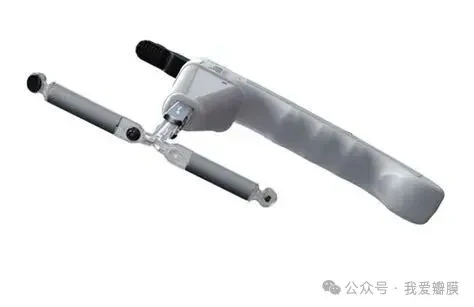
AtaCor's core breakthrough is the development of the EV cardiac pacing and defibrillation lead system, with the key design concept being "externally placed leads" — positioning the leads outside the heart and venous structures. Through precise sensing and conduction mechanisms, it achieves full functionality for ECG monitoring, pacing therapy, and defibrillation intervention, fundamentally avoiding the risks associated with traditional internally placed leads.
The advantages of the system are clear: surgeries are simpler and faster, reducing operation time and lowering procedural risks; in long-term use, it avoids friction contact between leads and the heart or blood vessel walls, significantly decreasing complications such as fractures and infections; patients experience minimal trauma and quick recovery, making it especially suitable for the growth needs of special populations like children and adolescents.
The Unique Advantages of Atala Leads

Abbott, AtaCor collab on extravascular ICDs

The Atala lead is the core technological achievement of AtaCor and the key focus of this collaboration, with its advantages concentrated in the two core dimensions of "compatibility" and "safety."
First, Super Strong Compatibility, can seamlessly connect with all commercially available transvenous ICDs, allowing treatment upgrades without the need to replace existing devices, significantly expanding the range of applications;
Secondly, reliable treatment performance, which can accurately achieve three core functions: electrocardiogram sensing, pacing stimulation, and defibrillation, safeguarding heart health;
The key point is the entire process of "external work.", completely avoiding the heart and vascular system, eliminating the risks of vascular damage and infection from the root.


04.Abbott and AtaCor Medical's Cooperation Blueprint

Image
Image

Specific Content of Cooperation
The core logic of this collaboration is "complementary advantages": Abbott will combine AtaCor's investigational Atala parasternal EV-ICD lead with its own investigational ICD system to jointly develop the next-generation EV-ICD system. Simply put, it pairs AtaCor’s “safe lead” with Abbott’s “precise device” to create a new generation product that combines safety and reliability.
Expected Outcomes of the Collaboration
The EV-ICD system, developed through collaboration, adopts a minimally invasive approach, integrating the therapeutic advantages of traditional ICDs with innovative design. Its core objective is to address the pain points of traditional ICDs: avoiding complications such as vascular injury, lead fractures/failures, and infections, while reducing the complex repair needs caused by venous lead implantation and trans-cardiac structure leads, thereby enhancing treatment safety and convenience.


05.Clinical Trials and Future Prospects

Image
Image

ALARION EV Research Plan
Clinical trials are the key to the commercialization of new products. AtaCor plans to launch the FDA pivotal IDE study (ALARION EV) in 2026, with the core objective of comprehensively evaluating the safety and effectiveness of the collaboratively developed EV-ICD system, paving the way for product approval and market entry.
The study will recruit participants through a rigorous design and conduct long-term follow-up monitoring: In terms of safety, it will focus on identifying vascular injuries, infections during the implantation process, lead failures, and inappropriate shocks during long-term use; in terms of effectiveness, it will verify whether the system can accurately detect arrhythmias and provide timely and effective defibrillation. The research data will provide core evidence for product optimization and clinical application.
Impact on the Industry
If the cooperation is successful, it will bring multiple impacts to the industry and reshape the market landscape of cardiac defibrillation therapy.
For patients, the minimally invasive and low-complication EV-ICD system will significantly enhance treatment comfort and safety, shorten recovery time, and reduce long-term medical costs, especially providing a more patient-friendly treatment option for special populations such as children and adolescents; for the industry, it will directly challenge the market position of Medtronic and its Aurora EV-ICD system, prompting increased investment in R&D and driving the advancement of cardiac rhythm management technology towards safer and less invasive solutions.

AtaCor Medical Raises $25M, Seeks ’21 Approvals - Orange County ...


06.Conclusion: Technology Illuminates the Path of Life

Image
Image

Abbott's collaboration with AtaCor Medical exemplifies the "giant + rising star" innovation model in medical technology, not only bringing technological advancements to cardiac defibrillation therapy but also embodying a commitment to patient health. As Randel Woodgrift, Senior Vice President of Abbott's CRM business, stated, from leadless pacemakers to conduction system pacing technology, and now to the next-generation EV-ICD, Abbott is redefining the possibilities of cardiac rhythm management, improving global patient care through innovation.
The advancement of medical technology ultimately aims to safeguard life. The development and clinical trials of the EV-ICD system are just a microcosm of innovation in the field of heart health. In the future, with more technological breakthroughs, we have reason to believe that patients with arrhythmia will have access to higher-quality treatment options. Follow us to keep track of the latest developments in medical technology and witness every innovative force that changes lives.