

From Academia to Industry: How Taikang Bybo Drives Innovation in Dental Implantology
On July 20, the Taikang Bybo Stomatology Sub-forum of the “11th National Academic Conference on Oral Implantology and National Exhibition of Oral Implantology” was held in Chongqing. The National Academic Conference on Oral Implantology is the most authoritative academic event in China’s oral implantology field and has been successfully held for 11 consecutive sessions.
Notably, the Taikang Bybo Dental Sub-forum of the 11th National Academic Conference on Oral Implantology was held for the first time. The event featured prominent industry experts who shared their experiences with complex implant surgeries, as well as leading figures from the industry who analyzed development trends in oral implantology. By integrating industry insights with academic discourse, the forum aimed to jointly promote the advancement of China’s oral implantology sector.
In academic discussions, the Taikang Bybo Forum invited top industry experts to explore technically challenging procedures such as tilted implant placement, zygomatic and pterygoid implant placement, maxillary sinus augmentation, and bone augmentation techniques. The forum showcased the most advanced achievements in dental implantology, jointly promoting the development of China’s dental implant field.
From an industry perspective, the forum analyzed how digital implantology is reshaping the dental sector. Additionally, the Taikang Bybo Forum introduced a new business model of “Payment + Service,” which decouples the dentist’s dual role as both service provider and fee collector by introducing insurance companies as the payers. This model covers the customer’s entire lifecycle across various dimensions—from prevention to treatment and then to warranty—thereby guiding the healthy development of the dental industry.
In the dental industry, one of the key focal points is digital implantology. Digital implantology has transformed the procedure from blind placement by clinicians to 3D-visualized implantation, enabling precise control over the angle, depth, and orientation of implant placement while standardizing operational protocols. This approach reduces surgical risks, eliminates the need for flap reflection, and allows avoidance of critical nerves and blood vessels.
The digitalization trend is not merely about the proliferation of digital devices in clinics. At the Taikang Bybo Dental Sub-forum, Professor Su Yucheng, Director of the Center for Dental Implants at Peking Union Medical College Hospital (Chinese Academy of Medical Sciences) and Chairman of the Implantology Committee of the Chinese Stomatological Association, pointed out that digitalization signifies a paradigm shift from restoration-oriented approaches to implant concepts centered on functional and aesthetic outcomes. He likened the current stage of the dental industry to the dawn preceding the storm of digitalization.
Professor Su Yucheng pointed out that digital implantology, as a novel concept, has actually undergone a long developmental journey. It began with the digitization of prosthetic workflows and surgical procedures. Digital technology initially served the design and fabrication of abutments (frameworks), then evolved to computer-aided manufacturing, and further advanced to incorporate dentist-led design. In the future, full-process digitization will be achieved in dental implantology, with digital technologies covering the entire workflow from laboratory processes, diagnosis, and design to surgery and prosthetic restoration.
Compared with the digitization of individual steps, full-process digitization enables communication across different specialties and treatment procedures; enhances the precision of implant therapy and reduces human error; improves the predictability of implant therapy and lowers the risk of complications; and ensures the continuity and reproducibility of various treatment procedures throughout the implant therapy process.
Professor Su Yucheng provided an example on-site: “If our patient travels to the United States, any maintenance required for the dental restorations I performed can be facilitated by the digital data in their medical records to fabricate new prostheses.”
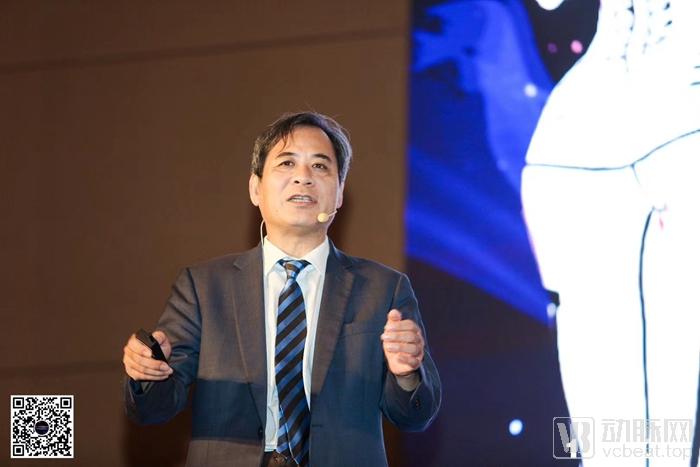
Professor Su Yucheng, Director of the Center for Dental Implants at Peking Union Medical College Hospital, Chinese Academy of Medical Sciences, and Chairman of the Implantology Committee of the Chinese Stomatological Association
Digital dentistry in implantology not only adds value to the dental implant industry but also serves as the cornerstone for performing complex dental implant procedures.
Following tooth loss, varying degrees of alveolar ridge atrophy typically occur, and many patients requiring dental implants fail to meet the conventional bone volume requirements for implant placement. In particular, patients with severe bone deficiency often present significant challenges in clinical treatment.
At the Taikang Bybo sub-forum, Professor Lin Ye from Peking University School of Stomatology, who served as the second and third chairman of the Implantology Committee of the Chinese Stomatological Association, stated: “When I was a student, my teacher said that when surgeons encounter patients with low-grade fever accompanied by lower abdominal pain, 80% of cases are appendicitis. However, an excellent surgeon should be able to determine the underlying cause in the remaining 20%.”
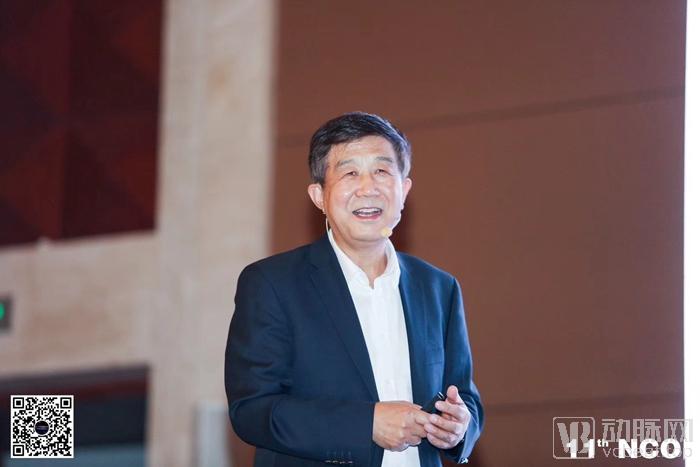
Professor Lin Ye, Peking University School of Stomatology, Chairperson of the 2nd and 3rd Committees of the Chinese Society of Implant Dentistry, Chinese Stomatological Association
Based on credible clinical evidence from evidence-based medicine, dental implantologists must continuously explore and innovate in clinical practice by drawing on their own experience and insights, thereby providing patients with optimal treatment plans that align with their preferences and values.
In the past, cutting-edge technologies for dental implants in China were often introduced from abroad, resulting in a time lag between their application domestically and internationally. Chinese experts had to travel overseas to learn from advanced practices. However, with the ongoing exploration by domestic specialists in the oral health industry, certain technologies in China have now reached parity with, or even surpassed, international standards.
At the Taikang Bybo sub-venue, several leading industry experts shared cutting-edge technical insights at the forum, drawing on evidence-based medicine and their own professional experience.
Regarding maxillary sinus lift techniques, after the loss of posterior maxillary teeth, the floor of the maxillary sinus descends to the level previously occupied by the tooth roots. In this scenario, dental implant placement carries a risk of perforating the sinus wall. To facilitate implant insertion, synthetic bone substitutes are often grafted to elevate the sinus floor to its original position, thereby ensuring that the implant remains within the maxillary bone. This surgical procedure is known as a maxillary sinus lift, which is a form of bone augmentation technique.
In some patients, severe alveolar ridge atrophy or anatomical factors such as a large maxillary sinus and an excessively low position of the sinus floor may result in insufficient supporting bone volume. This increases the risk of maxillary sinus perforation during the placement of longer dental implants, which can lead to infection and implant failure. Maxillary sinus augmentation can increase bone height and help prevent infection; however, postoperative infection occurs in approximately 8% of patients.
In terms of practical experience, Professor Lin Ye recommended selecting implant length based on the latest vascular anatomy maps. During the session, Professor Lin Ye also presented his own surgical videos, providing a detailed explanation of the operational nuances in maxillary sinus bone grafting.
Regarding maxillary sinus floor elevation, Professor Zhou Lei, who served as Vice Chair of the 4th and 5th Committees of the Oral Implantology Specialty Committee of the Chinese Stomatological Association and currently serves as Chair of the Academic Committee on Dental Implantology at Taikang Bybo Dental, cited recent data and research, stating: “A 2018 publication reported a five-year survival rate of 93% for maxillary sinus floor elevation, indicating that it is a relatively mature treatment modality. In the future, maxillary sinus floor elevation will evolve toward greater minimally invasiveness, simplicity, and patient comfort, thereby enhancing the patient experience.”
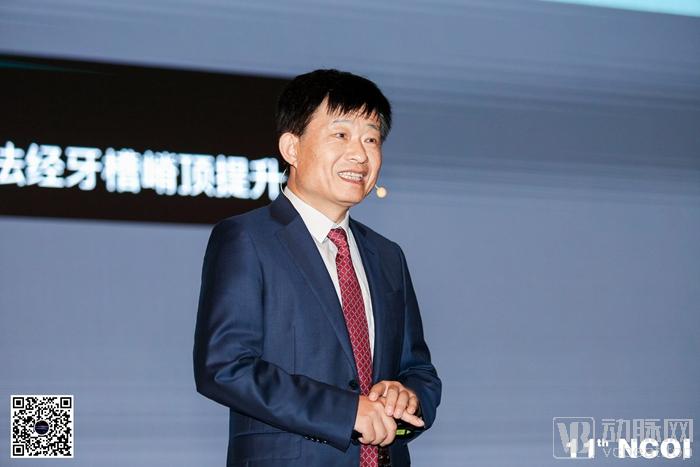
Professor Zhou Lei, Vice Chair of the 4th and 5th Standing Committees of the Chinese Stomatological Association’s Committee on Dental Implants, and Chair of the Academic Committee on Dental Implantology at Taikang Bybo Oral Care
Addressing insufficient bone volume in the posterior maxilla has long been a challenge in dental implant therapy. In addition to established bone augmentation techniques, clinical approaches such as tilted implants and pterygoid implants are currently prominent hotspots in practice.
Regarding pterygoid implant placement, Zhang Jian, Vice President of Tianjin Stomatological Hospital (Nankai University Stomatological Hospital) and Standing Committee Member of the Implantology Professional Committee of the Chinese Stomatological Association, stated, “The pterygoid implant technique does not require bone grafting and preserves the integrity of the maxillary sinus. The anatomical structure of the maxillary sinus is no longer a technical challenge, which can reduce complications and shorten surgical time.”
At the forum, Zhang Jian offered a vivid analogy: “In the past, building a bridge required piers; however, for bridges spanning high mountains and deep gorges where piers cannot be constructed, engineers devised a method to transfer loads to the mountain mass itself, enabling the construction of crossings over mountains and rivers. Pterygoid implantation is similar in principle, allowing patients with severe alveolar bone atrophy to achieve immediate loading of the maxilla by leveraging load-bearing support from the pterygoid plates.”
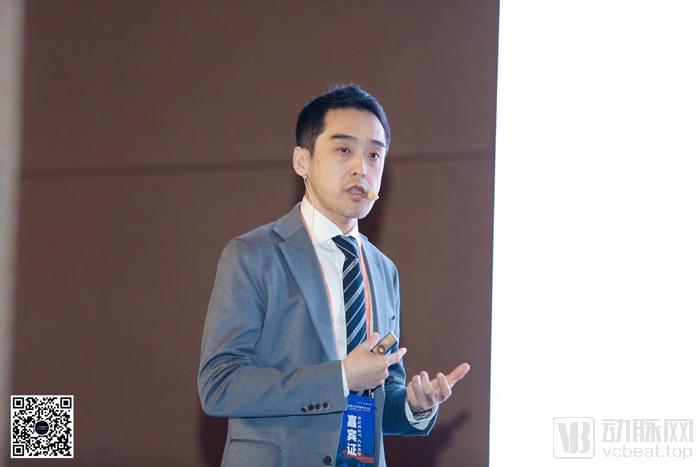
Zhang Jian, Vice President of Tianjin Stomatological Hospital (Nankai University Stomatological Hospital) and Standing Committee Member of the Implantology Professional Committee of the Chinese Stomatological Association
Taikang Bybo Dental Group actively introduces and promotes advanced global dental technologies, closely follows the latest developments in domestic and international dental care, and conducts exploration and innovation on this basis. Drawing on clinical insights and experience gained from treating tens of thousands of implant patients annually, the Group shared its expertise with renowned Chinese experts at this forum on the application of zygomatic and pterygoid implants in patients with severe maxillary bone deficiency who present high surgical complexity.
Regarding practical clinical experience, Xiong Jingyu, Standing Committee Member of the Oral and Maxillofacial Imaging Professional Committee of the Beijing Stomatological Association and Chairman of the Academic Committee on Oral and Maxillofacial Surgery at Taikang Bybo Dental, pointed out: “The difficulty of pterygoid implantation lies in its high technical sensitivity, involving semi-blind procedures over a depth of 15–20 mm. Due to the anatomical location, it is challenging to assess marginal bone loss around the implant using radiographic evaluation. Therefore, transpterygoid plate (TPP) implants should be at least 13 mm in length to achieve sufficient retention within the cortical bone region of the pterygoid process; longer implants demonstrate higher survival rates. The transpterygoid implant technique is highly technique-sensitive and still requires extensive prospective studies.”
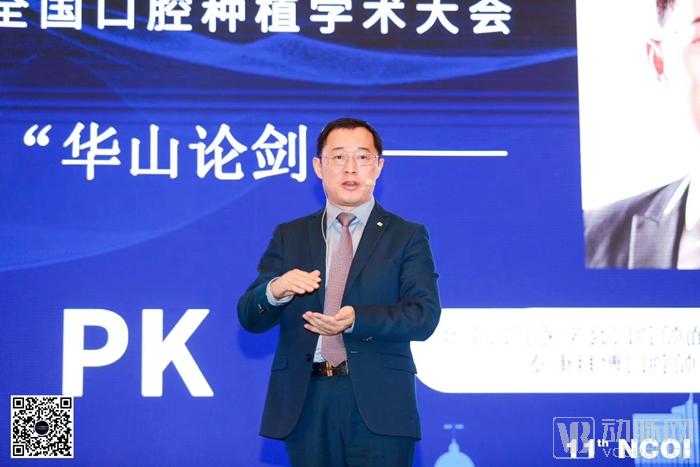
Xiong Jingyu, Standing Committee Member of the Oral and Maxillofacial Imaging Professional Committee of the Beijing Stomatological Association, and Chairman of the Academic Committee of Oral and Maxillofacial Surgery at Taikang Bybo Dental
Regarding tilted implantation, Professor Wang Zuolin, Dean of the School of Stomatology at Tongji University, Dean of the Stomatological Hospital Affiliated to Tongji University, and Chairman of the 5th Committee on Oral Implantology of the Chinese Stomatological Association, stated, “Tilted implantation can address the issue of insufficient bone volume in the posterior maxillary region, minimize patients’ surgical trauma and treatment duration, and achieve favorable long-term outcomes.”
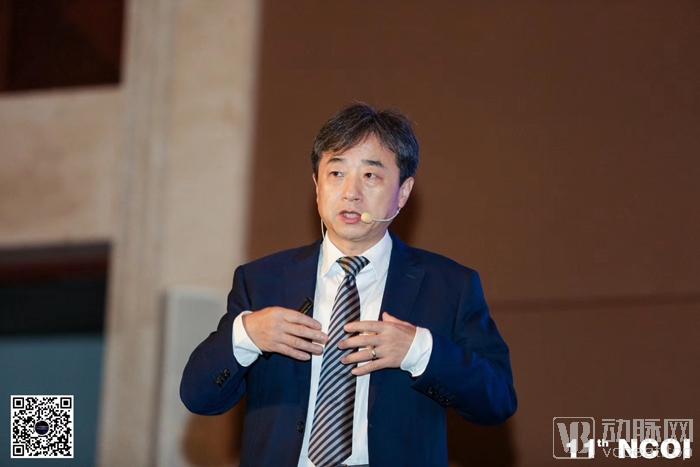
Professor Wang Zuolin, Dean of the School of Stomatology at Tongji University, Director of the Stomatological Hospital Affiliated to Tongji University, and Chairman of the 5th Committee on Oral Implantology of the Chinese Stomatological Association
On the Technical Sharing of Zygomatic Implantation Techniques,Li Qiang, Deputy Chairman of the Professional Academic Committee on Implantology at Taikang Bybo Dental and Director of the Taikang Bybo IDDC Implant Consortium, shared the surgical protocol for zygomatic implantation, covering the entire workflow from preoperative simulation, anesthesia, and surgical planning to incision and implant placement. Notably, the Bybo team successfully performed the procedure under local anesthesia, avoiding the need for general anesthesia.
Zygomatic implantation technology is hailed as the "Mount Everest" of dental implant techniques. It is suitable for edentulous patients who have undergone maxillectomy or suffer from severe maxillary atrophy, where conventional internal or external sinus lift procedures cannot achieve the conditions necessary for implant placement. Colloquially, it is known as the "soilless cultivation technique."
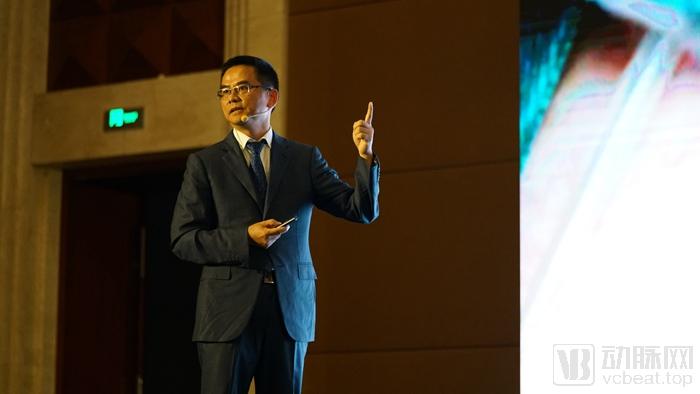
Li Qiang, Deputy Chairman of the Professional Academic Committee on Implant Dentistry at Taikang Bybo Dental and Director of the Taikang Bybo IDDC Implant Consortium
The forum also featured a “Huashan Showdown” in which surgeons debated the choice between zygomatic/pterygoid implant placement and maxillary sinus floor augmentation, rationally discussing the clinical indications for each technique.
In his concluding remarks, President Liu Hongchen stated, “There is no hierarchy among technologies; the most critical factor is whether they are suitable for the patient. It is also the dentist’s responsibility to select the most appropriate approach based on implant stability and the patient’s individual conditions.”
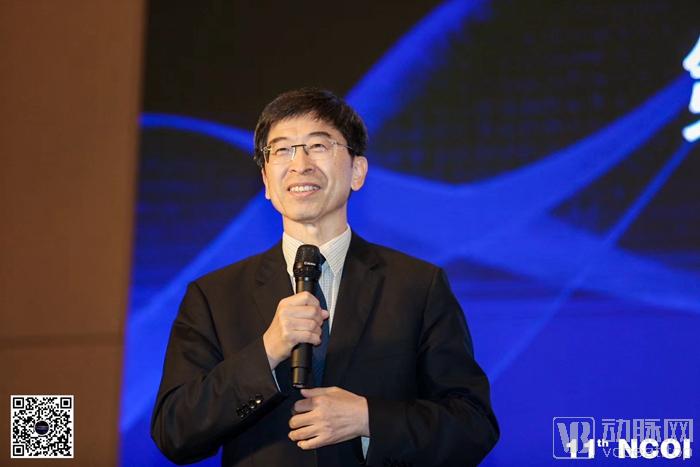
Professor Liu Hongchen, Director of the Institute of Stomatology of the Chinese PLA, Director of the Center for Stomatology at the Chinese PLA General Hospital, and Vice President of the Chinese Stomatological Association
As mentioned above, public awareness of oral hygiene in China remains low, which is partly attributable to the lack of insurance coverage. In Japan and the United States, dental prophylaxis (teeth cleaning) has been included in national health insurance programs, achieving broad coverage and encouraging regular professional cleanings among the population. By contrast, the dental insurance sector in China has historically been a blank slate.
In June 2018, Taikang Insurance Group made a strategic investment in Bybo Dental, comprehensively empowering the company through talent development, discipline construction, insurance product innovation, and resource integration, with the aim of building a closed-loop dental ecosystem centered on “payment + services.” Going forward, dental insurance products will be designed to cover customers’ entire life cycles—from childhood to adulthood—and span all stages from prevention and treatment to warranty coverage.
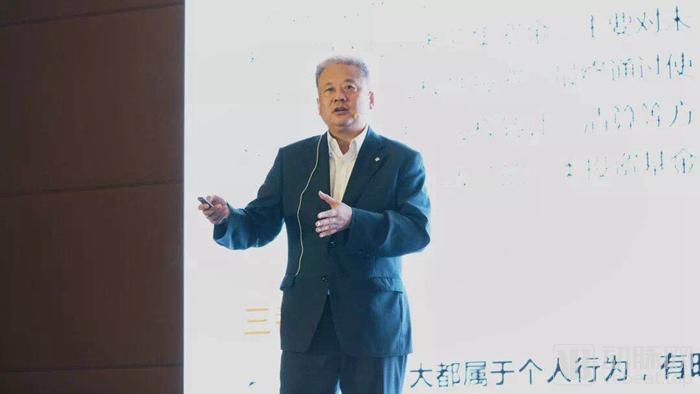
Zhu Zhenghong, Vice President of Taikang Health Industry Investment Holding Co., Ltd. and CEO of Taikang Bybo Dental
Addressing the substantial current demand for dental implants, Taikang is providing robust support and protection through its insurance offerings. It is about to launch a quality warranty extension insurance service underwritten by Taikang Online Insurance. This service will provide every implant patient with regular follow-up cleaning and maintenance. In the event of complications such as porcelain fracture of the implant crown or implant failure after restorative treatment, patients will be eligible for insurance compensation, thereby alleviating their financial burden. This initiative truly embodies Taikang Bybo’s commitment to “dental implants backed by insurance,” offering customers more secure and reliable after-sales services for dental implants. Currently, this warranty product has entered the final stage of pilot testing, and the entire product system will initially be piloted in Beijing and Shanghai.