

Sirnaomics Pioneers RNAi Therapeutics with Advanced Delivery Technology: A BioBAY Success Story
Sirnaomics
Nucleic Acid Interference New Drug Developer
In 1992, Lu Yang, then a postdoctoral fellow at Georgetown University, attended a lecture that would change the course of his life. The large auditorium was packed to capacity, with every seat taken. On stage, Professor Anderson, hailed as the “Father of Gene Therapy,” discussed the latest breakthroughs in gene therapy and vividly outlined a new vision for the future of medicine: the radical cure of intractable diseases through genetic intervention.
“At the time, I was seeking new fields to direct my scientific research and career development, and gene therapy held great appeal for me. Professor Anderson’s lecture was deeply inspiring, prompting me to quickly decide to devote myself to this emerging field.” Shortly thereafter, Dr. Lu Yang joined Genetic Therapy, the world’s first gene therapy company (later acquired by Novartis), thereby embarking on a career in gene therapy and nucleic acid drug development. Over his 26 years of experience in the biopharmaceutical industry, encompassing both corporate roles and entrepreneurship, Dr. Lu focused on gene therapy during the first eight years, and firmly positioned himself in the field of RNAi novel drug development for the subsequent 18 years.
Today, Dr. Lu Yang has evolved from a pioneer in the development of novel RNA interference (RNAi) therapeutics into a renowned expert and entrepreneur in this field. His role has also transformed from that of a researcher to the founder and leader of Sirnaomics.
Drawing on Dr. Lu Yang’s 26 years of experience and expertise in gene therapy and nucleic acid drug development, coupled with the strong support of an international management team, Sirnaomics integrates the world’s most advanced nanoparticle delivery technologies to drive continuous innovation and breakthroughs in RNA interference therapeutics, thereby expanding its capabilities and delivering novel treatment options for patients.
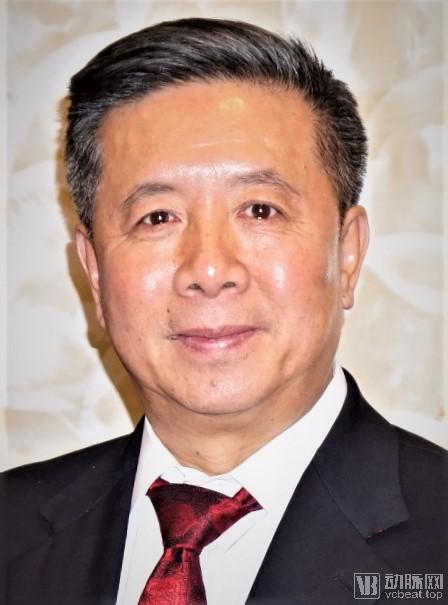
Dr. Lu Yang, Founder of Sinotech
The concept of RNA interference (RNAi) emerged in 1998 and rapidly became a focal point of development in the biopharmaceutical sector. At that time, Dr. Lu Yang was in the United States, where he was among the earliest researchers and entrepreneurs to enter this field.
At that time, he was engaged in R&D work on gene function identification as a co-founder of Intradigm Corp. During his tenure at Intradigm, Dr. Lu Yang recognized that mere overexpression of genes was insufficient for a comprehensive understanding of the biological function of each gene; it was also necessary to suppress gene expression to conduct more in-depth research. The timely emergence of RNA interference (RNAi) perfectly met this need and held promise as a novel class of therapeutic inhibitors for the treatment of various diseases. As R&D efforts and new drug development continued to deepen, Dr. Lu Yang and his team have remained deeply committed to this field, persevering and pioneering advances to this day.
RNA interference (RNAi) refers to a phenomenon in which homologous mRNA is efficiently and specifically degraded, induced by double-stranded RNA, and highly conserved throughout evolution. By introducing small interfering RNA (siRNA) fragments with specific sequences into cells, RNAi induces the degradation of complementary mRNA, thereby achieving the goal of inhibiting gene expression. The discovery of this biological mechanism was awarded the Nobel Prize in Physiology or Medicine in 2006 and has attracted widespread attention from the entire pharmaceutical industry.
In the central dogma of DNA-RNA-protein, RNA appears to occupy an intermediate position: it neither determines the organism’s organizational structure from the foundational level nor directly influences phenotypic traits at the functional level. However, for therapeutic purposes, RNA represents an excellent target. It avoids the safety concerns associated with DNA-modifying gene therapies and, unlike protein-targeted drugs, addresses the root cause rather than merely alleviating symptoms.
Currently, both small-molecule drugs and antibody therapeutics exert their effects by modulating protein function. In contrast, RNA interference (RNAi) therapeutics act at an earlier stage in the biological pathway, directly targeting mRNA to inhibit protein synthesis. Consequently, RNAi drugs offer higher regulatory efficiency and greater target specificity. Particularly in the treatment of liver-related diseases, RNAi therapeutics hold significant potential to replace existing medications and emerge as a novel therapeutic option.
“The development of RNAi therapeutics from early discovery to approved drugs has actually progressed quite rapidly. While it took antibody drugs 25 years to complete the drug development process, RNAi achieved this in just 20 years,” said Lu Yang. In August 2018, the FDA approved the first RNAi drug, Patisiran (Onpattro), for the treatment of hereditary transthyretin-mediated amyloidosis. This news energized the entire RNAi field and sparked an investment boom in RNAi novel drug development both domestically and internationally.
Sirnaomics’ RNAi therapeutics utilize a peptide-based nano-formulation delivery system protected by exclusive global patents. This technology employs histidine-lysine peptide copolymers to encapsulate siRNA into nanoparticles of varying sizes, with an average diameter of 50–150 nm. These nanoparticles are degraded and rapidly metabolized after delivering the RNA to the target tissues.
Taking the liver as an example, nanoparticles can precisely deliver drugs to various types of hepatic cells, including hepatocytes, Kupffer cells, liver sinusoidal endothelial cells, and hepatic stellate cells. These cell types play crucial roles in liver fibrogenesis and tumorigenesis. Furthermore, nanoparticles can deliver siRNA into the tumor microenvironment to enhance the efficacy of anti-tumor immunotherapies.
Sirnaomics’ drug pipeline is primarily focused on oncology and fibrosis. STP705, a therapeutic agent targeting TGF-β1 and COX-2, is currently Sirnaomics’ core product. The difficulty in treating liver cancer and cholangiocarcinoma stems from the formation of a fibrotic tissue layer around the tumor, which hinders drug efficacy. STP705 can inhibit the fibrotic process by suppressing TGF-β1, thereby enhancing the effectiveness of anti-tumor drugs. Current studies have demonstrated that the combination of STP705 with PD-L1 antibody therapies exhibits significant synergistic effects.
“In the past, tumor drug research focused on a key metric: how many tumor cells the drug could penetrate. However, our current work differs from previous tumor drug development efforts. We aim to target every tumor microenvironment, reducing fibrosis and enhancing T-cell infiltration within these microenvironments, thereby improving the efficacy of immune checkpoint inhibitors,” said Lu Yang.
Currently, the most advanced indication for STP705 is hypertrophic scars; it has entered Phase II clinical trials in the United States and has received Investigational New Drug (IND) approval in China. STP705C, targeting non-melanoma skin cancer, and STP705L, targeting cholangiocarcinoma and hepatocellular carcinoma, have also received IND approval from the U.S. FDA. The product developed by Sirnaomics in collaboration with Guangzhou Xiangxue Pharmaceutical is the first RNA interference drug to enter clinical trials in China. Products targeting indications such as hepatocellular carcinoma, liver fibrosis, and pancreatic cancer have also received Orphan Drug Designation from the U.S. FDA.
Sirnaomics has completed three rounds of financing to date, with a total value exceeding US$60 million. The Series A financing in March 2008 was invested by Yuanhe Holdings based in Suzhou; the US$10 million Series B financing completed in May 2016 was led by Xuan Shi Capital from Hong Kong; the US$25 million Series C1 financing completed in June 2018 was led by Yuexiu Industrial Fund based in Guangzhou, and the US$22 million Series C2 financing completed in April 2019 was led by China Resources Zhengda Life Science Fund from Hong Kong.
Sirnaomics has established its U.S. R&D center in Gaithersburg, within the Washington D.C. metropolitan area, and its China R&D center at Suzhou BioBAY. Additionally, through its collaboration with Guangzhou Xiangxue Pharmaceutical, it operates a pilot-scale production base on Guangzhou’s Bio Island. The overall team comprises more than 60 employees, roughly evenly split between domestic and international staff. Upstream drug discovery activities are primarily conducted in the United States, while the two R&D bases in China are mainly responsible for pharmacodynamic animal studies, clinical trials, and the manufacturing of drugs required for domestic clinical research.
“When we first returned to China in 2008, we quickly received strong support from the BioBAY management team. They not only provided us with initial funding and invited our team to settle in Suzhou, but also helped us apply for the Park Science and Technology Leading Talent Program, which was the most generously supported initiative of its kind in China at the time. I believe that the key to both Sirnaomics’ and BioBAY’s success today lies in the excellent ecosystem cultivated by the BioBAY management team. By attracting numerous overseas-returnee teams like ours, they have effectively driven the vigorous growth of startups founded by returnees,” said Lu Yang, speaking highly of BioBAY.
Currently, Sirnaomics is advancing clinical trials for its products primarily in the United States, with parallel efforts in China as a secondary focus. “The U.S. FDA has extensive experience in this area, supported by well-established policies and regulations, and there have already been multiple approved cases. Therefore, we are prioritizing clinical research in the United States first, with plans to later introduce the product into the domestic market via the orphan drug pathway. This approach not only reduces the costs associated with clinical R&D for new drug development but also enables earlier market entry in China,” said Lu Yang.
After 12 years of development, Sirnaomics has emerged as a domestic leader in the research and development of RNAi therapeutics, and has become a highly watched new force in the global field of novel nucleic acid drug innovation, catching up rapidly by leveraging its R&D accumulation and delivery technologies. Today, the position of RNAi within the pharmaceutical landscape is clearly defined, and the name Sirnaomics is already firmly etched onto that map, holding a prominent position.