

Zhongsheng Polypeptide Announces Completion of RMB 100 Million Series A Financing Led by Boyi Fund
PepLib
Peptide Drug Developer
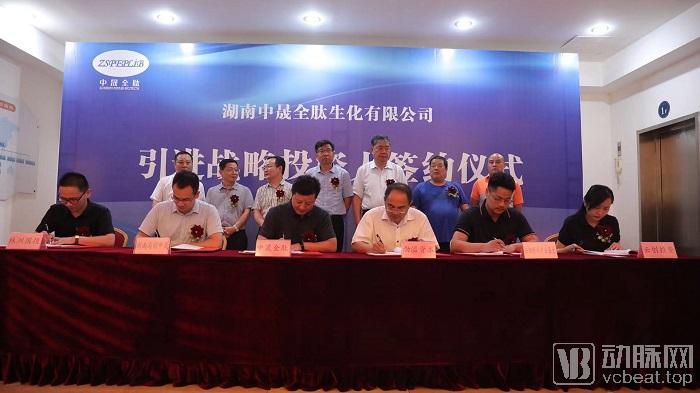
On July 26, 2019, VCBeat learned that Hunan Zonsen PepLib Biochemical Co., Ltd. announced the completion of its Series A financing round, raising RMB 100 million. The round was led by Boyi Fund, under Tasly Capital, with participation from Hunan Xingxiang Capital and other investors. The funds raised will be primarily used for the construction of the company’s hexapeptide library, optimization of its peptide-based new drug screening platform, and the development of independently researched and developed novel drugs.
Compared with macromolecular drugs, peptide drugs share characteristics with small-molecule drugs, such as high purity, low toxicity, and favorable biological activity. Currently, peptide-based therapeutics have become a focal point in new drug development. PepLib has constructed a comprehensive peptide library with independent intellectual property rights by leveraging peptide information compression technology, establishing itself as a platform enterprise for peptide lead drug discovery. Notably, this peptide information compression technology has significantly reduced the costs associated with library construction and new drug screening, improving library-building efficiency by 6,000-fold.
Currently, only three companies worldwide utilize peptide libraries for new drug discovery, including PeptiDream (Japan) and Bicycle Therapeutics. PeptiDream (Japan) is a biotechnology company engaged in the research and development of novel peptide-based drugs. It currently has projects in Phase I clinical trials, with an annual operating revenue of RMB 408 million and a latest market capitalization of RMB 44.5 billion. Bicycle Therapeutics’ core technology platform is based on drug screening and optimization using “bicyclic” peptide libraries. The company’s recent IPO filing disclosed 10 projects in development: five are independently developed, focusing on cancer treatment, while the other five are co-developed with partner companies. Based on currently disclosed data, PepLib possesses the world’s largest and most diverse library of peptide compounds. The company has established the world’s first complete libraries of tripeptides, tetrapeptides, and pentapeptides, and continues to expand them rapidly.
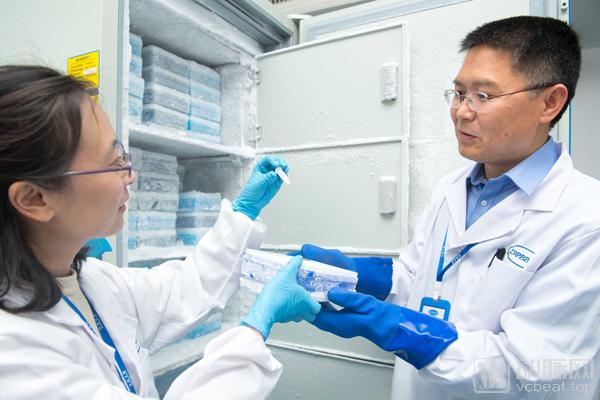
PepLib was founded in 2017 by Dr. Wang Zhuyin, an expert in protein research and synthetic biology; Dr. Li Xiangqun, a distinguished expert under Hunan Province’s “Hundred Talents Program”; and Mr. Chen Lei, who specializes in high-tech investments. The company focuses on the R&D, production, and sales of ultra-large-capacity peptide libraries, as well as providing technical services for peptide-based novel drug screening and development, striving to become a new global engine for peptide drug R&D. Its pioneering Peptide Information Compression Technology (PICT) has been patented in China, the United States, Europe, Canada, Australia, Japan, and other countries/regions, with patent approval already granted in Europe.
To date, the company has completed 100% of its pentapeptide library construction, achieved contract revenue from its peptide library in the tens of millions of yuan, and secured over ten million yuan in sales collections. In collaboration with third-party partners, the company has validated the value of its peptide library. Data indicate that the hit rate for high-activity compounds targeting PD-1/PD-L1 from peptide samples is approximately 1%, significantly exceeding the active molecule hit rates typically observed in conventional small-molecule compound library screenings.
Dr. Wang Zhuyin, Co-founder and Chief Scientific Officer (CSO) of PepLib, stated, “We are honored that our company has attracted significant attention from investors. We extend our gratitude to prominent investment institutions such as Boyi Fund for their recognition of PepLib and the industrialization trends in peptide-based novel drug development. Boyi Fund has made extensive investments and strategic arrangements across the upstream and downstream sectors of innovative drug R&D. This round of financing will further enable PepLib to expand its peptide library scale, enhance its technological capabilities, and advance the clinical development of its independently developed novel drugs.”
Zhu Yanfei, General Manager of Boyi Capital, stated, “PepLib may currently be the only enterprise globally that leverages peptide information compression technology to build a comprehensive peptide library with independent intellectual property rights for peptide drug discovery, holding a global leading advantage in the fields of peptide library construction and new drug screening R&D. The platform’s lead compound, B147, has achieved phased validation results and already possesses the potential to conduct commercial new drug screening services. As a company with multiple revenue models, it offers significant potential for future collaboration. This aligns with Boyi Fund’s investment strategy focused on the upstream and downstream industrial chain of new drug R&D, and enables technological complementarity and business synergy with the ‘mega new drug seed library (small molecule)’ enterprises already invested in by Boyi Fund.”
It was revealed that the company’s self-built high-throughput new drug screening and bioactivity testing platform, the largest of its kind in South China, is expected to be completed and put into operation in September 2019. The company has initiated efforts to expand into international markets and plans to establish a subsidiary in the United States in 2019.
Next, PepLib will leverage its proprietary peptide library to conduct new drug screening against targets in multiple therapeutic areas, including oncology, chronic inflammation, diabetes, and cardiovascular and cerebrovascular diseases, thereby accelerating the development of its R&D pipeline. Over the next five years, the company’s strategic goal is to become a globally leading provider of peptide lead compounds and new drug screening technology services.