

Over 80 Pharmaceutical Companies and More Than 100 Clinical Trials in the Billion-Dollar Alzheimer’s Disease Market: Resilience of Roche and Eli Lilly, Rising Potential of Domestic Players
In May 2019, VCBeat compiled and analyzed all active, industry-sponsored drug clinical trials listed on ClinicalTrials.gov (i.e., ongoing clinical trials conducted by global pharmaceutical companies). In-depth analyses and interpretations of various therapeutic areas will be released on an ongoing basis. If there are specific disease areas you would like us to cover, please leave a comment below the article. We will prioritize coverage of those fields.
In November 2016, Eli Lilly announced that solanezumab failed to meet the primary clinical endpoint in its Phase III clinical trial;
In January 2018, Takeda Pharmaceutical announced the failure of the Phase III clinical trial of pioglitazone for Alzheimer’s disease;
In January 2018, Pfizer announced the discontinuation of its Alzheimer’s disease drug development program;
In February 2018, Merck & Co. announced the discontinuation of clinical trials for verubecestat;
In June 2018, the Phase III clinical trial of lanabecestat, jointly developed by Eli Lilly and AstraZeneca, was terminated;
In January 2019, Roche announced the failure of the Phase III clinical trial of Crenezumab;
In March 2019, the Phase III clinical trial of aducanumab, jointly developed by Eisai and Biogen, failed.
We have witnessed so many failures in the field of Alzheimer’s disease that we have become somewhat numb, barely recalling when the last piece of good news emerged. Yet, like Mount Everest, this field continues to attract wave after wave of pharmaceutical researchers who launch assaults against it; as earlier pipelines falter, subsequent ones step up to take their place. Daniel Skovronsky, President of Eli Lilly’s Research Laboratories, once stated upon the announcement of lanabecestat’s failure: “For the past thirty years, we have been dedicated to Alzheimer’s research, and we will not give up on finding solutions for patients with Alzheimer’s disease.”
After conducting an in-depth analysis of all clinical trials in the field of Alzheimer’s disease, we found that the sector has not been discouraged by repeated failures. Alzheimer’s disease remains the most closely watched neurological/psychiatric disorder, and the number of investment institutions focusing on this field has been steadily increasing in recent years.
Therefore, in July of this year, we updated the latest clinical trial information in the field of Alzheimer’s disease and conducted an in-depth analysis and interpretation of all 109 ongoing clinical trials. From this, we dissected the strategic layouts of major pharmaceutical companies in this sector, as well as the specific situations of noteworthy foreign and domestic enterprises.
Key Points
1. Neurological and psychiatric disorders are currently the most prominent area of clinical research globally, second only to oncology. According to data compiled by VCBeat in May 2019, Alzheimer’s disease led this field with 113 clinical trials.
2. Conservatively estimated, the market size for Alzheimer’s disease could reach RMB 150 billion. However, due to the lack of new drug approvals over many years, the current market remains highly undersaturated.
3. Financing in the Alzheimer’s disease sector exhibits pronounced cyclical fluctuations, with a three-year cycle. Based on this pattern, 2019–2020 was projected to be a brief downturn for the Alzheimer’s disease field;
4. The U.S. FDA has not approved any new drugs for Alzheimer’s disease in the past 17 years, having only approved one combination therapy involving an existing drug during this period. Due to the suboptimal efficacy of conventional treatment regimens, there is currently an urgent unmet need for new therapies for Alzheimer’s disease;
5. Divergence has emerged in R&D directions among large pharmaceutical companies, other foreign pharmaceutical firms, and domestic Chinese pharmaceutical companies. Large pharmaceutical companies are primarily focused on three areas: beta-amyloid antibodies, tau protein antibodies, and BACE1 inhibitors. Other foreign pharmaceutical companies have intentionally avoided these three research avenues, shifting their focus to small-molecule inhibitors targeting alternative pathways. The situation in China is relatively complex; beyond generic drugs, various non-targeted small-molecule therapeutics are undergoing clinical trials, while multiple enterprises have preclinical drug candidates in development.
6. High-quality investment targets have already emerged in China, such as SoGen Biotech, Boruijian Pharmaceuticals, Shanghai Rixin Biotechnology, and Zhilin Group (Hong Kong).
Additionally, VCBeat Dongguan has already launchedAlzheimer's Disease Topic Page, and we will continue to follow the latest developments in the field of Alzheimer's disease.
In May 2019, VCBeat conducted a statistical analysis of all active, industry-sponsored clinical studies listed on ClinicalTrials.gov. Although there have been minor changes in Alzheimer’s disease clinical trials since then, the overall statistics remain largely unaffected.
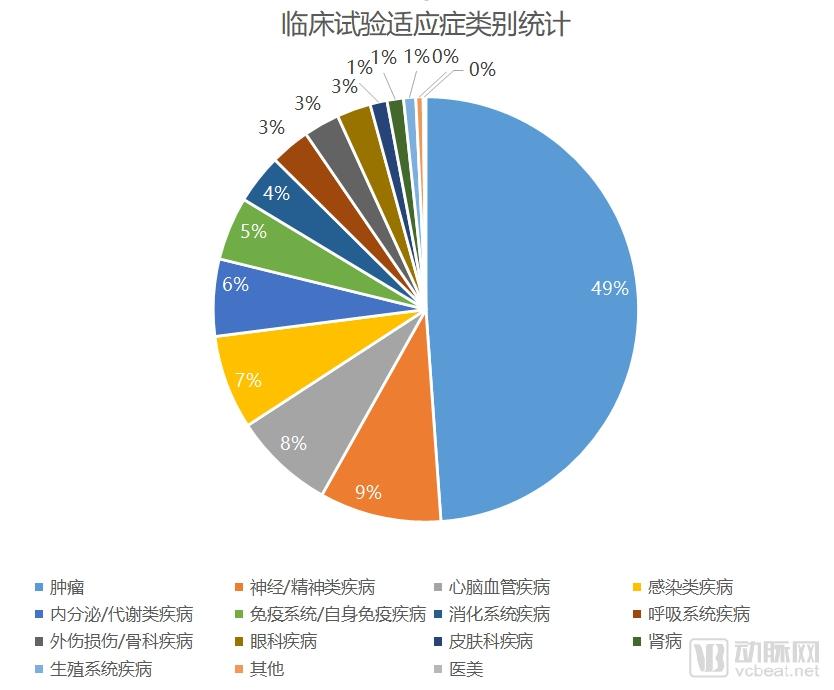
According to statistics from VCBeat, oncology-related clinical trials account for nearly half of all clinical trials. Neurological and psychiatric disorders are currently the second most studied disease category in clinical trials, trailing only oncology.
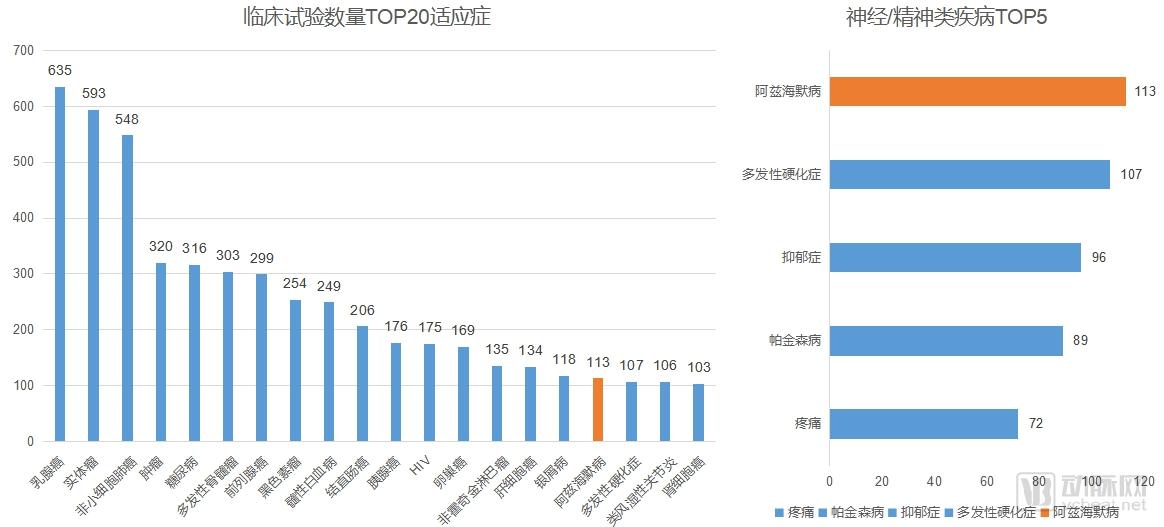
In May, there were 113 active clinical trials for Alzheimer’s disease; this number has decreased to 109 in the latest statistics. Despite this slight decline, Alzheimer’s disease remains among the top 20 indications. Furthermore, it continues to be the most closely monitored neurological/psychiatric disorder, surpassing other high-profile indications such as multiple sclerosis, depression, and Parkinson’s disease.
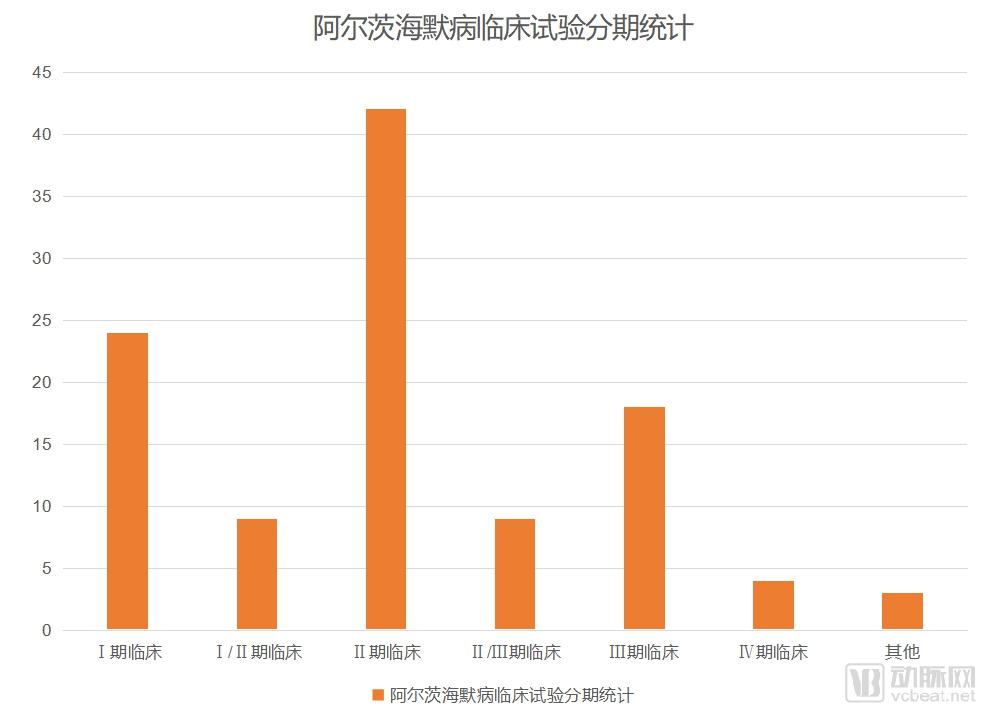
Currently, the 109 clinical studies on Alzheimer’s disease under investigation are mainly concentrated around Phase II. Following the successive failures of Phase III trials by Takeda, Eli Lilly, Roche, and Eisai, the number of Phase III clinical trials for Alzheimer’s disease has shrunk significantly. However, among the drugs currently in Phase III trials, several promising pipelines are expected to release their Phase III results from the second half of 2019 to 2020. Major pharmaceutical companies continue to increase their investments in this field. Therefore, there is no likelihood of a cooling-off trend in this area for the time being.
According to the World Alzheimer Report 2018 released by Alzheimer’s Disease International (ADI), there were 50 million people living with dementia worldwide in 2018, resulting in social costs of $1 trillion. Among individuals with dementia, those with Alzheimer’s disease constitute the largest group, accounting for 60–80% of all cases. Based on these figures, the global population of Alzheimer’s patients is approximately 30–40 million, incurring social costs of $600–800 billion. China has up to 6 million Alzheimer’s patients, ranking first globally.
The vast patient population with Alzheimer’s disease signifies an enormous market opportunity. Conservatively estimated, assuming a 10% market penetration rate and an annual treatment cost of RMB 50,000 per patient, the global market size for Alzheimer’s disease could reach RMB 150 billion. In other words, the field of Alzheimer’s disease represents a market worth hundreds of billions of yuan, which explains why major pharmaceutical companies are flocking to this space.
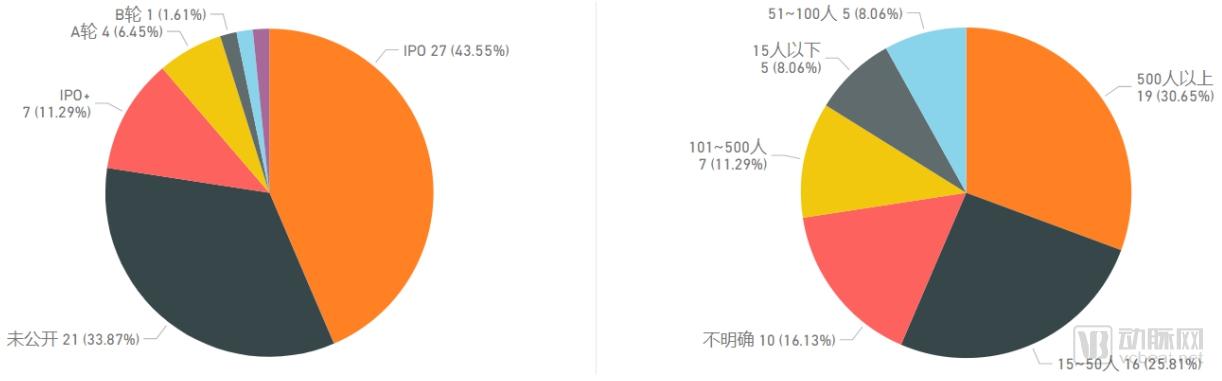
Companies involved in the Alzheimer’s disease sector exhibit a pronounced polarization trend. More than half of these companies have completed initial public offerings (IPOs), while the remainder largely consist of firms that have not disclosed their financing information. In terms of company size, large pharmaceutical companies with more than 500 employees and small pharmaceutical companies with fewer than 50 employees are nearly evenly distributed.
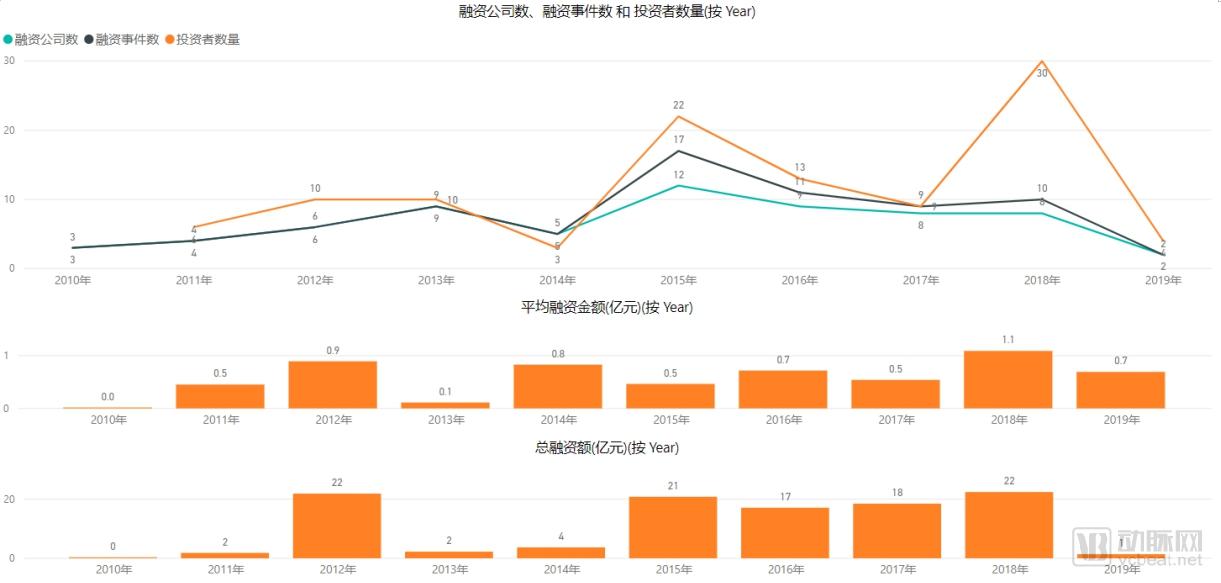
From 2015 to 2018, investment and financing in the Alzheimer’s disease sector experienced an unprecedented surge. However, as multiple drug candidates consecutively failed, the market witnessed a significant downturn in the first half of 2019. Absent any pivotal developments in the second half of the year, investment and financing activity in the Alzheimer’s field in 2019 could have retreated to 2014 levels. Nevertheless, this does not imply that the sector is no longer worthy of investment; on the contrary, amid the overall sluggish financing environment, it may present favorable opportunities for institutional investors.
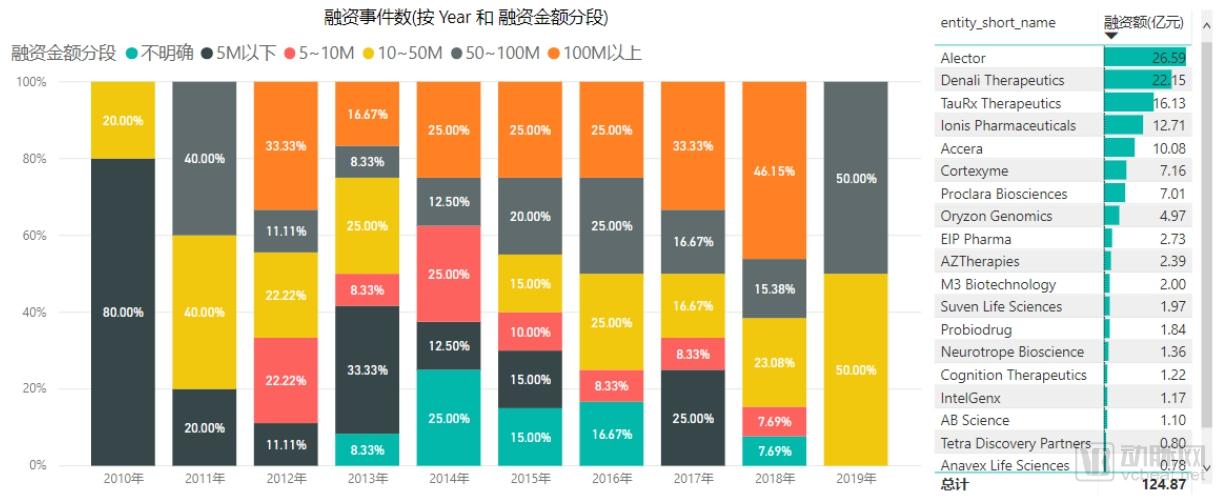
The proportion of financing deals exceeding RMB 100 million per transaction continued to rise between 2013 and 2018. After peaking at 46.15% in 2018, it appeared difficult for 2019 to replicate the previous year’s strong performance. Interestingly, the two companies that secured the most funding have relatively lagging R&D progress. Alector and Denali both have Alzheimer’s disease drug pipelines currently only in Phase I clinical trials. TauRx, ranked third, is currently conducting only Phase II/III clinical studies. In contrast, some lower-ranked companies, such as AB Science and AZTherapies, are making faster clinical progress.
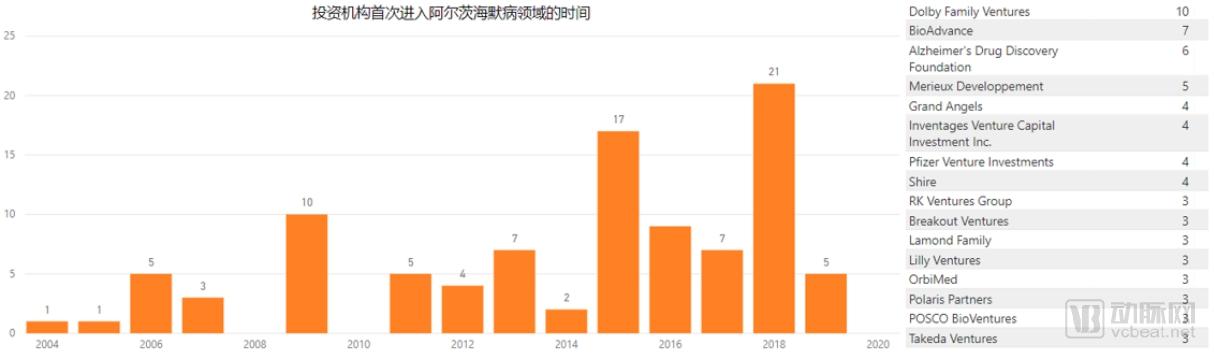
The chart above illustrates the timing of initial investments by financing institutions entering the Alzheimer’s disease sector. From 2006 to 2018, investment activity in this field largely followed a three-year cycle, with significant influxes of institutional investors occurring in 2006, 2009, 2015, and 2018. Moreover, the number of institutions entering the market simultaneously has been steadily increasing with each cycle. Consequently, although 2019–2020 is likely to represent a trough in Alzheimer’s-related investment, the level of activity is still expected to surpass that of 2016–2017 during the previous cycle.
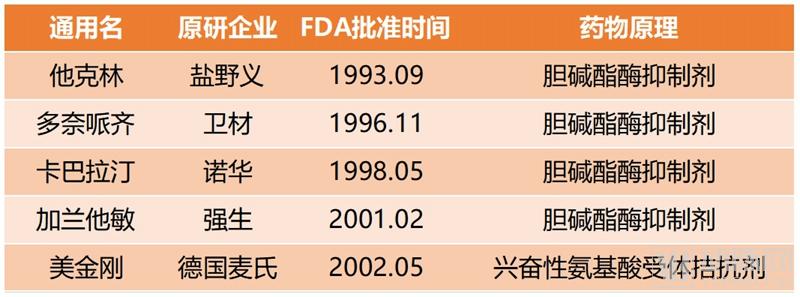
Alzheimer's Disease Drugs Approved by the U.S. FDA
To date, the U.S. FDA has approved only five drugs for the treatment of Alzheimer’s disease: four cholinesterase inhibitors and one excitatory amino acid receptor antagonist. It has been 17 years since the most recently approved monotherapy, memantine, entered the market. During this period, only one combination therapy—donepezil plus memantine—was approved in 2014. This means that no new drugs for Alzheimer’s disease have been approved in the United States for 17 years. Consequently, many pharmaceutical companies are eager to break the current stalemate and capture this gradually expanding market.
The situation in China differs somewhat from that in the United States. In addition to the five aforementioned drugs, China has also approved Huonaosu, Huperzine A, and Nicergoline. Among these, Huonaosu is a traditional Chinese medicine whose specific mechanism of action remains unknown; Huperzine A is another acetylcholinesterase inhibitor; and Nicergoline, which acts by dilating blood vessels and enhancing neurotransmission, is used only as an adjunctive therapy for Alzheimer’s disease.
Currently, no antibody drugs or small-molecule targeted therapies for the treatment of Alzheimer’s disease have been approved worldwide. Major pharmaceutical companies are primarily focusing their pipelines on antibody drugs and small-molecule targeted therapies.
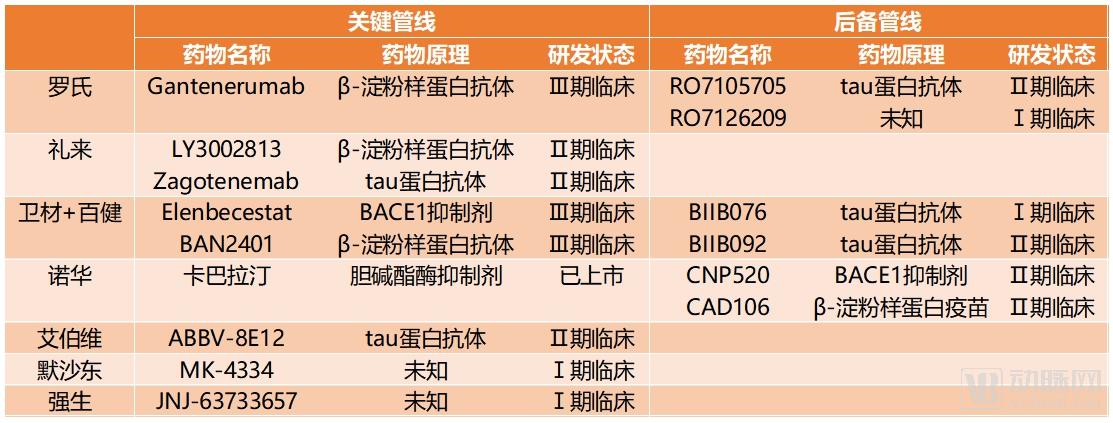
Strategic Layouts of Major Pharmaceutical Companies in Alzheimer’s Disease
In the competitive landscape of Alzheimer’s disease, Pfizer and AstraZeneca have completely withdrawn from the race; their names no longer appear on the list of clinical trial sponsors.
Pfizer was the first to announce its withdrawal from the Alzheimer’s disease field. In January 2018, Pfizer announced that it would halt the discovery and research of therapeutic drugs for Alzheimer’s disease and Parkinson’s disease. To date, Pfizer has indeed not continued to make any further strategic investments in the Alzheimer’s disease sector.
However, we discovered that in September 2018, Pfizer quietly initiated a Phase I clinical trial for PF-06412562, with Parkinson’s disease as the indication. This drug was one of the three candidates whose development Pfizer announced it would pause in its Q1 2017 financial report, after which there was no further news on this pipeline. Judging from the current situation, Pfizer may have revived this drug program and hopes to make significant strides in the field of Parkinson’s disease. We will provide more in-depth discussion and analysis of Parkinson’s disease in subsequent articles.
AstraZeneca has never devoted significant resources to the field of Alzheimer’s disease, merely announcing a collaboration with Eli Lilly in December 2016 to co-develop lanabecestat, an oral BACE inhibitor. In June 2018, Eli Lilly and AstraZeneca jointly announced the termination of Phase III clinical trials for lanabecestat, bringing AstraZeneca’s brief foray into Alzheimer’s disease to an abrupt end.
However, neither of these two pharmaceutical giants that have completely exited the Alzheimer’s disease field were key players in this therapeutic area. The true major players remain steadfastly engaged, continuing their efforts despite repeated setbacks; examples include Roche, Eli Lilly, Eisai, and Novartis.
1. Roche: Three Drugs in Development, Continued Investment in Alzheimer’s Disease
In January 2019, Roche announced the termination of two Phase III clinical trials of crenezumab for the treatment of patients with early Alzheimer’s disease. On the same day, the stock price of AC Immune, Roche’s partner in the Alzheimer’s field, plummeted from $10.73 to $3.65, a sharp decline of 66%.
Nevertheless, Roche has never indicated that it would abandon crenezumab. Current evidence suggests that Roche indeed remains committed to the drug. Within the clinical research programs of Roche and Genentech, there are still four ongoing clinical trials involving crenezumab. Although three of these trials have entered statuses such as “not yet recruiting” or “recruiting by invitation,” in June this year, Genentech partnered with the Banner Alzheimer’s Institute to launch a Phase II clinical study of crenezumab. This new trial indicates that while crenezumab may have slipped in priority within Roche’s R&D pipeline, it is far from being abandoned.
Roche’s primary drug in development is Gantenerumab, a beta-amyloid antibody. Roche and Genentech have a total of five clinical trials for Gantenerumab, four of which are in Phase III, with two currently in the “recruiting” status. The fifth clinical study is a Phase II/III trial initiated in 2012, which is currently in the “suspended recruitment” phase, with its specific status unknown.
Gantenerumab experienced a Phase III clinical trial failure in December 2014, after which Roche shelved the drug. In March 2017, Roche announced the resumption of late-stage clinical studies on Gantenerumab. The two clinical trials currently in the “recruiting” phase represent Roche’s increased investment in Gantenerumab.
The third drug in Roche’s Alzheimer’s disease portfolio is RO7105705, an antibody therapy targeting tau protein—a protein closely associated with Alzheimer’s disease—developed through a collaboration between Genentech and AC Immune. One of its Phase II clinical trials was initiated in October 2017, while another Phase II trial commenced on January 30, 2019, the same day Roche announced the termination of the Phase III clinical trial of crenezumab.
Roche’s ambitions in the Alzheimer’s disease field do not stop there. In 2019, Roche introduced another new drug candidate in this area. The investigational agent, codenamed RO7126209, is scheduled to initiate a Phase I clinical trial in August 2019. Roche has not yet issued any official statement regarding this mysterious compound.
2. Eli Lilly: Two Failures, Growing Stronger Through Adversity
Following the failure of lanabecestat, although Eli Lilly has not made any public statements in the field of Alzheimer’s disease for a long time, it has been quietly launching repeated challenges against the disease. Lanabecestat has been completely abandoned by Eli Lilly, with no ongoing clinical trials currently under investigation. However, Eli Lilly still has two drug candidates in its pipeline that continue to advance in the fight against Alzheimer’s disease.
Eli Lilly’s first drug in the Alzheimer’s disease space was Solanezumab. Similar in mechanism to Roche’s Gantenerumab, Solanezumab is also an antibody therapy targeting tau protein. In November 2016, Eli Lilly announced the results of its third Phase III clinical trial for Solanezumab: it failed to meet the primary clinical endpoints. This marked the third consecutive failure of Solanezumab in Phase III clinical trials.
Currently, in Eli Lilly’s clinical trials, one study on Solanezumab remains in a “suspended enrollment” status and is expected to conclude in 2022. Based on the current situation, although Eli Lilly has not yet announced the abandonment of Solanezumab, this drug may no longer be the company’s primary candidate in the field of Alzheimer’s disease.
Eli Lilly is currently prioritizing the development of LY3002813, an antibody drug targeting beta-amyloid. Enrollment in the Phase I clinical trial of LY3002813 has been closed, but the results have not yet been disclosed. Meanwhile, the Phase II clinical trial was initiated in December 2017 and is expected to conclude in September 2021.
Zagotenemab (code name: LY3303560) is the third drug Eli Lilly has developed in this field. Zagotenemab is also an antibody drug targeting tau protein, and its Phase II clinical trials were initiated in April 2018. The current progress of Zagotenemab also suggests that Eli Lilly has likely abandoned Solanezumab, which targets the same protein.
3. Biogen and Eisai: Fastest Progress, Ample Pipeline
Biogen and Eisai have been collaborating on the development of drugs for Alzheimer’s disease, but progress appears to have been challenging. The two Phase III clinical trials of Aducanumab, a heavily invested candidate, were both declared failures, causing Biogen’s stock price to plummet. Currently, all four clinical studies of Aducanumab are in a “suspended enrollment” status, and no new clinical trials have been initiated following Eisai’s announcement of withdrawal. Based on the current situation, Biogen and Eisai appear to have abandoned Aducanumab and shifted their focus to other candidates in their pipelines.
Biogen and Eisai are currently focusing their primary efforts on the development of elenbecestat. Elenbecestat is a BACE1 inhibitor designed to reduce the formation of beta-amyloid plaques by preventing the BACE1 enzyme from cleaving APP. In October and December 2016, Biogen and Eisai initiated two Phase III clinical trials of elenbecestat. Both trials fall under the MissionAD1 program, in which Biogen and Eisai will treat and follow up with 1,900 enrolled patients for up to 24 months. The substantial investment in these high-cost clinical trials underscores Biogen and Eisai’s confidence in this drug pipeline.
Biogen and Eisai have just initiated a Phase III clinical trial for their drug candidate, BAN2401. BAN2401 is an antibody therapy targeting beta-amyloid. In the Phase II clinical trial results disclosed in July 2018, BAN2401 demonstrated statistically significant reduction in amyloid levels. Based on these findings, Biogen and Eisai launched a Phase III clinical trial for BAN2401 in March 2019.
Biogen also has two other Alzheimer’s disease drug pipelines under its portfolio, namely BIIB076 and BIIB092. Both drugs are antibody therapies targeting the tau protein; the former was acquired from Neurimmune, while the latter was licensed from Eli Lilly. To date, each of these drugs has only one clinical trial for Alzheimer’s disease: BIIB076 is in Phase I clinical trials, and BIIB092 is in Phase II clinical trials. Based on the current pipeline allocation, Biogen appears determined to go all-in on combating Alzheimer’s disease.
4. Novartis: With Rivastigmine in Hand, Doubling Down
Novartis is already a well-established player in the Alzheimer’s disease field. Rivastigmine, approved in 2000, remains one of the most widely used cholinesterase inhibitors. Novartis has three clinical trials underway in its Alzheimer’s disease portfolio, each corresponding to a different drug. Rivastigmine is one of them, with a Phase IV clinical trial currently ongoing and expected to conclude in early 2020.
Novartis’s Alzheimer’s disease pipeline also includes one drug and one vaccine under development. CNP520 is a BACE1 inhibitor co-developed by Novartis and Amgen, while the other candidate, coded as CAD106, is a vaccine that works by stimulating the production of antibodies against beta-amyloid, while avoiding autoimmune reactions.
Novartis has currently initiated two Phase II/III clinical trials for these two drugs. In the trial design, Novartis used APOE4 as a biomarker and enrolled healthy individuals or patients carrying two copies of the APOE4 allele. One trial is investigating whether CAD106 and CNP520 can provide preventive benefits in healthy individuals aged 60–75 years who carry two copies of the APOE4 allele. The other trial is assessing whether CNP520 can exert therapeutic effects in Alzheimer’s disease patients who carry two copies of the APOE4 allele.
5. Other Major Pharmaceutical Companies: AbbVie, Johnson & Johnson, and Merck & Co. Have Also Entered the Market
AbbVie has another investigational antibody drug targeting tau protein, codenamed ABBV-8E12. The first Phase II clinical trial was initiated in October 2016. In March 2019, AbbVie launched another Phase II clinical trial for ABBV-8E12.
Janssen Pharmaceuticals, a subsidiary of Johnson & Johnson, has a drug with the code name JNJ-63733657 that entered Phase I clinical trials as early as December 2017, with an expected completion date of March 2020.
Following the discontinuation of verubecestat in February 2018, Merck & Co. finally made new moves in mid-2019. A drug candidate coded as MK-4334 entered Phase I clinical trials in May 2019, with an estimated completion date of October 2019. We may soon learn more details about this drug from Merck.
Multiple clinical trials are also underway for PET-CT contrast agents related to Alzheimer’s disease. Genentech, a subsidiary of Roche, has a contrast agent named [18F]GTP1 currently in Phase II clinical studies. Three contrast agents already approved by the FDA—GE Healthcare’s Flutemetamol, Eli Lilly’s Florbetapir, and Bayer’s Florbetaben—all have ongoing clinical research.
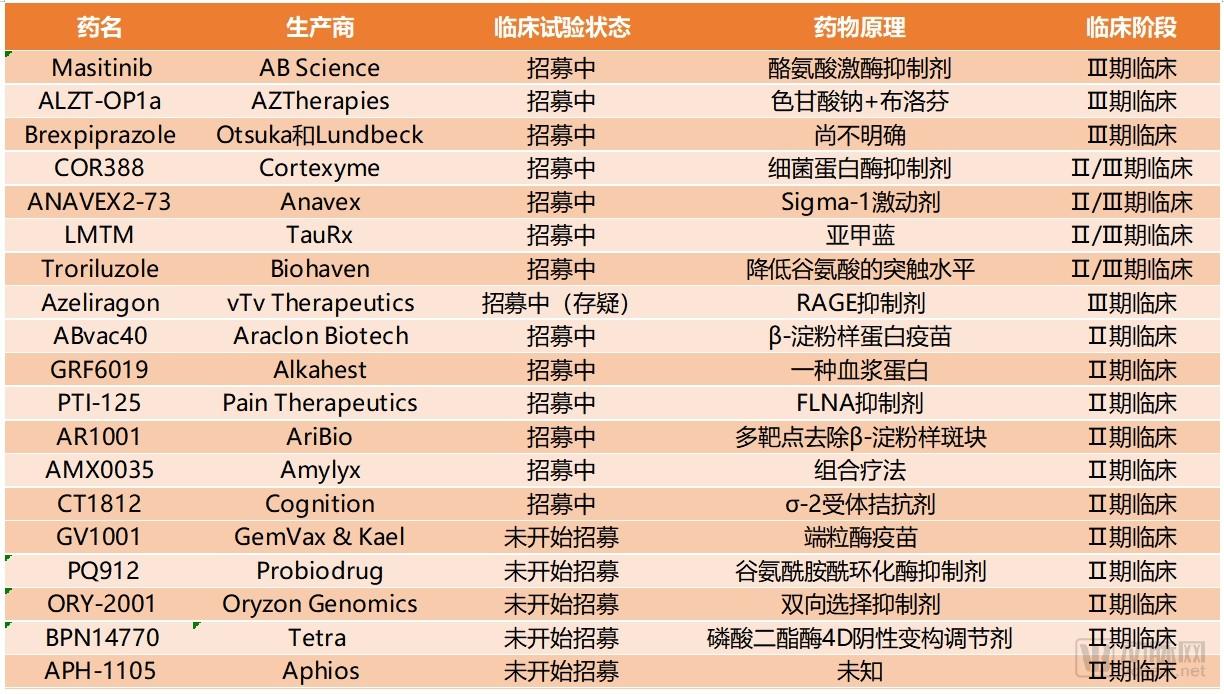
Small and Medium-Sized Pharmaceutical Companies Conducting Alzheimer’s Disease Clinical Trials
Based on the analysis above, it is evident that Alzheimer’s disease drug research currently being conducted by major pharmaceutical companies is primarily concentrated in three areas: tau protein antibodies, beta-amyloid antibodies, and BACE1 inhibitors. Other international companies appear to be deliberately avoiding these research directions.
Foreign pharmaceutical companies primarily focus on small-molecule targeted drugs in drug development, with a diverse array of drug targets; the current landscape remains uncertain. Due to the high R&D expenses and production costs associated with antibody drugs, no foreign startup pharmaceutical companies are currently engaged in the development of antibody-based therapies for Alzheimer’s disease.
Notable Foreign Pharmaceutical Companies
1.AB Science
AB Science’s masitinib, a tyrosine kinase inhibitor, has been undergoing Phase III clinical trials since January 2012. Although the status on ClinicalTrials.gov still lists the trial as “recruiting,” AB Science disclosed in October 2018 that enrollment of a total of 721 patients had been completed. The trial is scheduled to conclude in October 2019 and may emerge as a new therapeutic option for Alzheimer’s disease.
Additionally, AB Science previously applied in Europe for masitinib to be approved for the treatment of ALS (amyotrophic lateral sclerosis), but the application was rejected by the European Medicines Agency. As a result, AB Science’s stock price plummeted. The rejection was based on insufficient reliability of the clinical trials and did not involve concerns about drug safety.
2.AZTherapies
AZTherapies’ ALZT-OP1 is a combination therapy consisting of a cromolyn sodium dry powder inhaler (ALZT-OP1a) and oral ibuprofen tablets (ALZT-OP1b). Cromolyn sodium is a mast cell stabilizer primarily used for the treatment of asthma. Studies have shown that it can inhibit the formation of amyloid plaques and reduce the release of inflammatory factors. Ibuprofen can also attenuate the inflammatory processes associated with Alzheimer’s disease.
The Phase III clinical trial of this drug was initiated in September 2015 and is expected to conclude in November 2019.
3. Otsuka Pharmaceutical and Lundbeck
Brexpiprazole, co-developed by Otsuka Pharmaceutical and Lundbeck, has been approved for the treatment of schizophrenia and major depressive disorder. Although its exact mechanism of action remains unclear, current research suggests that it may exert its therapeutic effects by modulating the levels of neurotransmitters such as serotonin and dopamine.
Previous clinical studies have confirmed that brexpiprazole can effectively improve agitation symptoms in patients with Alzheimer’s disease. The ongoing Phase III clinical trial, which was initiated in October 2018, will continue to evaluate the efficacy of brexpiprazole in treating agitation associated with dementia.
4.Cortexyme
COR388, developed by Cortexyme, is a bacterial protease inhibitor that selectively targets and inhibits certain bacteria found in the brain tissue and cerebrospinal fluid of patients with Alzheimer’s disease. The founders of Cortexyme discovered during their research that the onset of Alzheimer’s disease may be associated with these microorganisms, which led to the establishment of the company.
COR388 has formally demonstrated a favorable safety and tolerability profile in patients with Alzheimer’s disease in Phase I clinical trials, and its Phase II/III clinical trial was initiated in March 2019, with an expected completion date of December 2022.
5.Anavex
ANAVEX2-73 is a Sigma-1 receptor agonist developed by Anavex that helps reduce neuroinflammation and prevents the accumulation of beta-amyloid and tau proteins. The Phase II/III clinical trial of this drug commenced in July 2018, and according to an official disclosure in March 2019, half of the patient recruitment for the trial had been completed.
6.TauRx
LMTM, also known as LMTX or TRx0237, is a methylene blue derivative developed by TauRx. Methylene blue has long been used in the research and treatment of malaria and other diseases, and recent studies have shown that it can reduce the formation of tau protein tangles in the brain associated with Alzheimer’s disease.
TauRx had previously conducted a Phase III clinical trial, in which patients receiving LMTM monotherapy at different doses showed varying outcomes. Based on these findings, TauRx designed a new Phase II/III clinical trial that commenced in January 2018 and was expected to conclude in December 2020.
7.Biohaven
Troriluzole is a third-generation prodrug and new chemical entity developed by Biohaven that reduces synaptic glutamate levels. Troriluzole is currently undergoing multiple clinical studies for neurodegenerative and neuropsychiatric disorders, with Alzheimer’s disease being one of its indications. Completed Phase I clinical trials have demonstrated good patient tolerability.
8.vTv Therapeutics
Azeliragon is a RAGE inhibitor developed by vTv Therapeutics that inhibits the transport of beta-amyloid into the brain by blocking the binding of RAGE to AGEs. In April 2018, vTv Therapeutics publicly announced that Azeliragon had failed to meet its primary endpoints in Phase III clinical trials and decided to discontinue development of the drug. However, a Phase II/III clinical trial for Azeliragon listed on ClinicalTrials.gov remains open for recruitment, casting uncertainty on the current status of the drug.
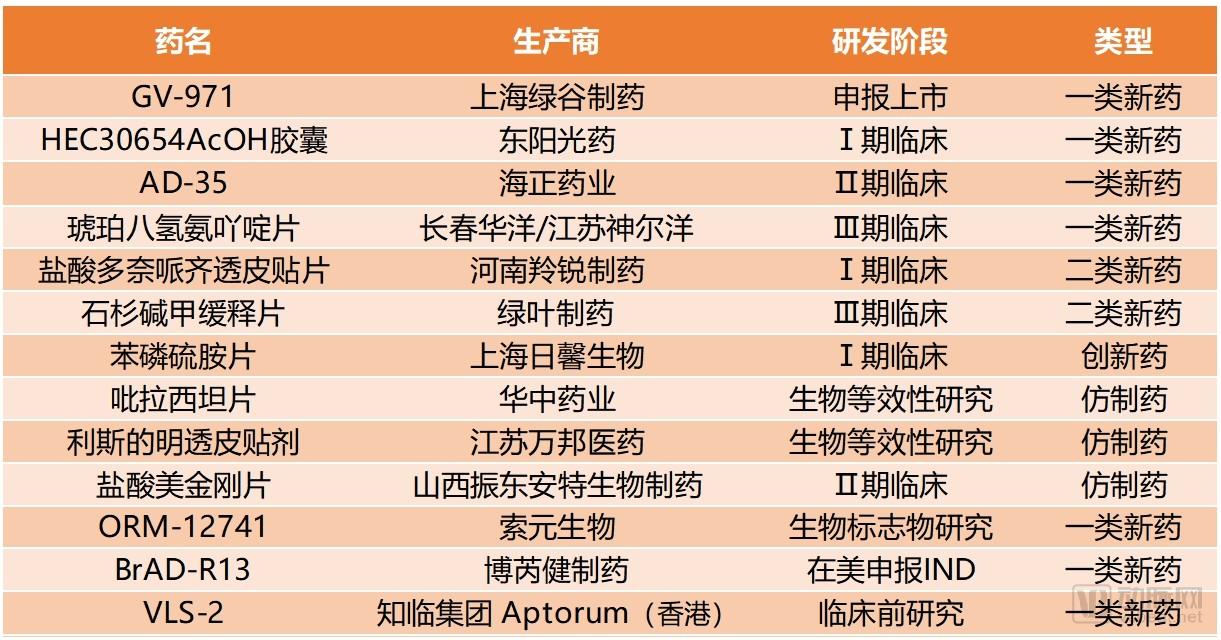
Alzheimer’s Disease Drugs Under Development in China
Based on the above analysis, it can be seen that Alzheimer’s disease drug research currently underway at major pharmaceutical companies is primarily focused on three directions: tau protein antibodies, beta-amyloid antibodies, and BACE1 inhibitors. In contrast, among domestic Chinese enterprises, drug pipelines that have entered clinical trials consist exclusively of non-targeted small-molecule chemical drugs. While those not yet in clinical development include targeted therapies, they have not pursued the same strategic directions as the major pharmaceutical companies.
The repeated failures in Alzheimer’s disease drug development may be the root cause of this situation. Tau protein antibodies, beta-amyloid antibodies, and BACE1 inhibitors have all previously experienced failures in Phase III clinical trials. Even for large pharmaceutical companies, the failure of a single drug pipeline can be severely damaging. Domestic pharmaceutical enterprises are even less able to bear the cost of such product development failures. Conducting drug R&D in fields that have previously seen failures may also significantly impact a company’s financing prospects.
Despite differing R&D directions from large pharmaceutical companies, there are still many Alzheimer’s disease drug development firms in China worth watching.
1. Shanghai Green Valley Pharmaceuticals
Green Valley Pharmaceuticals is an innovative drug company jointly invested and established by Green Valley Group and the Shanghai Institute of Materia Medica, Chinese Academy of Sciences. When it comes to noteworthy new drugs for Alzheimer’s disease in China, GV-971, which received extensive media coverage in late 2018, is undoubtedly the one that has attracted the most attention.
GV-971 (sodium oligomannate), jointly developed by Ocean University of China, Shanghai Institute of Materia Medica, and Green Valley Pharmaceutical, is a marine oligosaccharide molecule extracted from seaweed. According to official sources, GV-971 can capture beta-amyloid (Aβ) in a multi-site, multi-fragment, and multi-state manner, inhibiting Aβ fibril formation and depolymerizing existing fibrils into non-toxic monomers. Additionally, studies have shown that GV-971 can restore systemic immune homeostasis by modulating gut microbiota dysbiosis, thereby reducing neuroinflammation in the brain and halting the progression of Alzheimer’s disease.
The marketing application for this drug has been accepted by the CDE, with subsequent developments remaining unknown.
VCBeat has not detected any financing information for Lugu Pharmaceutical.
2. Sorrento Therapeutics
Sorrento Therapeutics is a Chinese innovative pharmaceutical company dedicated to the research and development of first-in-class drugs. In June 2019, Sorrento Therapeutics acquired global rights to ORM-12741, a novel drug for Alzheimer’s disease, from Finland’s Orion Corporation. The drug demonstrated certain efficacy in previously conducted Phase IIa clinical trials: patients treated with ORM-12741 showed a 4% improvement in memory scores at 12 weeks, whereas the placebo group experienced a 33% decline.
After acquiring the drug, Signum Biosciences will conduct corresponding biomarker development, aiming to identify biomarkers from patient data in previous clinical trials that can define the responsive population. Given that the drug has already undergone highly successful clinical trials, Signum Biosciences’ subsequent development process is likely to be relatively straightforward.
Suoyuan Biopharma completed an A-round financing of tens of millions of RMB in July 2015, with Yuexiu Industrial Fund and Goldstone Investment as the investors.
3. Luye Pharma
As a leading domestic developer of Class II innovative drugs, Luye Pharma is also seeking to establish a presence in the Alzheimer’s disease field. Huperzine A is a reversible acetylcholinesterase inhibitor that has already been approved in China, Australia, the Philippines, and other countries. Luye Pharma is currently developing a sustained-release tablet formulation of huperzine A; its Phase III clinical trial, which commenced in April 2014, has already completed patient enrollment. Given the relatively streamlined approval pathway for Class II new drugs, Luye Pharma’s huperzine A sustained-release tablets are expected to reach the market soon.
Luye Pharma was listed on the Hong Kong Stock Exchange in July 2014.
4. Boruijian Pharmaceuticals
Boruijian Pharmaceuticals is a high-tech enterprise dedicated to novel drug development, applying research innovation and technological advancement to pharmaceutical R&D. According to the company’s official website, it utilized a cell viability cross-screening method to discover 7,8-DHF (7,8-dihydroxyflavone), the world’s first small-molecule TrkB agonist. The company has secured comprehensive patent protection covering 7,8-DHF, its precursors, the screening methodology, and related indications.
Existing literature has demonstrated that BDNF expression is reduced in the brains of patients with Alzheimer’s disease (AD), and that BDNF exhibits an inhibitory effect on the pathogenesis of AD. To exert its biological functions, BDNF activates downstream signaling pathways through the TrkB receptor. 7,8-DHF compensates for BDNF deficiency by activating TrkB, thereby achieving a therapeutic effect in Alzheimer’s disease. Furthermore, according to disclosures on the official website of Boruijian, 7,8-DHF can also inhibit BACE1 expression and reduce the levels of β-amyloid 40 and 42.
Through further optimization of the compound structure, Boruijian Pharmaceuticals has identified the candidate drug BrAD-R13. The drug received implicit FDA clinical trial approval in May 2019 and is poised to initiate clinical trials in the United States.
VCBeat has not yet detected any financing information for Boruijian Pharmaceutical.
5. Aptorum Group
Zhilin Group is a preclinical-stage pharmaceutical company dedicated to advancing the research, development, and commercialization of a series of novel medical and diagnostic technologies to address unmet medical needs. In Zhilin Group’s pipeline, a drug candidate for Alzheimer’s disease, coded as VLS-2, is under development. This drug, named MITA, is an mTOR-independent transcription factor EB (TFEB) agonist.
The company completed a $1.6 million financing round in May 2018 and was listed on the NASDAQ in the United States in December 2018.
6. Shanghai Rixin Biotechnology
Shanghai Rixin Biotechnology Co., Ltd. is dedicated to the research, development, and production of drugs for neurodegenerative diseases and is currently developing a benfotiamine tablet product. Multiple scientific studies have indicated that benfotiamine has certain therapeutic effects on Alzheimer’s disease; however, no products have been approved domestically or internationally to date. Rixin Biotechnology’s benfotiamine tablets have already initiated Phase I clinical trials in China.
VCBeat has not yet detected any financing information for Shanghai Rixin Biotech.