

Domestic PD-1 Inhibitors Expand Indications: Who Will Lead the Race?
On July 22, 2019, Hengrui Medicine’s PD-1 inhibitor camrelizumab injection (brand name: Airuituo) from its facility in Suzhou Industrial ParkHengrui's wholly-owned subsidiary, SUZHOU SUNCADIA BIOPHARMACEUTICALS CO.,LTDFirst batch of shipments. The latter is the pilot and commercial production base for Hengrui's biopharmaceuticals, with its first marketed drug since establishment being Ailituo.
As the third domestically produced and fifth PD-1 monoclonal antibody drug launched in China, from its market launch to pricing, and then to the release of the patient assistance program,ErlitaIt has received far less attention than sintilimab and toripalimab.
With the market launch of domestically produced PD-1 monoclonal antibody drugs, industry enthusiasm for this star target has sharply declined, and some planned clinical trials have been shelved. According to queries from the Chinese Clinical Trial Registry, although the surge in PD-1 clinical trial registrations that began in 2016 continued until 2019, there are currently a total of 121 registered PD-1-related clinical trials in China. Among these, only 32 trials are actively ongoing, accounting for less than 30%, while more than 70% of the trials are stalled at the patient recruitment stage.
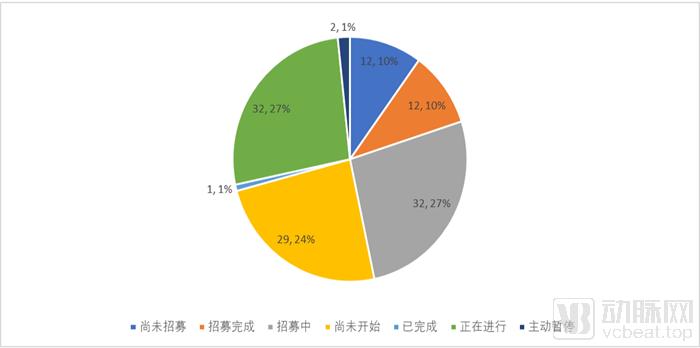
A simple observation of the administration routes and indication structures in the aforementioned PD-1 clinical trials reveals certain trends.
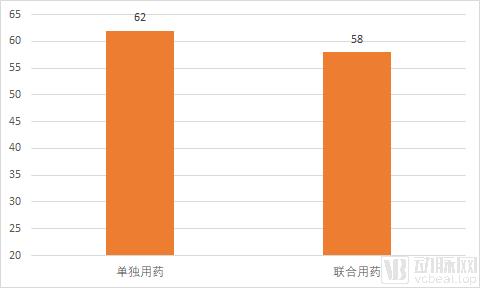
In terms of administration, combination therapy is gradually becoming the mainstream trend. While PD-1 monoclonal antibodies can achieve better efficacy than traditional drugs, their stringent requirements for patients' physical condition mean that only about 20% of patients can benefit from them. By combining PD-1 monoclonal antibodies with other treatments such as chemotherapy and radiotherapy, their scope of application will be expanded. Compared to finding an optimized path for PD-1 monoclonal antibodies, exploring more effective combination therapy regimens is undoubtedly the most cost-effective approach at present.
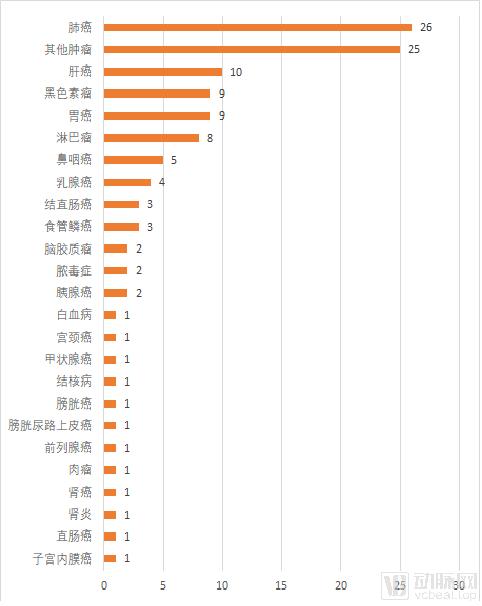
Based on the indications of registered clinical trials, the concentration of tumor types remains quite high. Lung cancer and liver cancer, two prevalent malignancies, are also popular directions for new indications of PD-1 monoclonal antibodies. For pharmaceutical companies still aiming to achieve success in the PD-1 field, competing in the speed of launching popular new indications and exploring diverse new indications are indeed two critical factors.
Whether attempting combination therapy regimens or expanding indications, both place higher demands on the clinical resource integration capabilities and financial strength of PD-1 monoclonal antibody developers. Similar to Junshi Biosciences relying on Suzhou Zhonghe to conduct clinical research on toripalimab, Hengrui Medicine has independently established Suncadia Biopharmaceuticals as the primary development base for its PD-1 monoclonal antibody.
Suncadia Biopharmaceuticals was registered and established in September 2015. Hengrui Medicine planned a total investment of RMB 1.5 billion to build this subsidiary, which would undertake its biopharmaceutical operations. At its inception, Suncadia Biopharmaceuticals received an initial capital injection of RMB 800 million from its parent company, introduced world-class equipment for purification, ultrafiltration, and analysis, as well as automated production lines for drug formulations, and established a manufacturing system compliant with the quality certifications of the U.S. FDA and the European EMA, aiming to build an internationally competitive R&D and production base for biopharmaceuticals.
In April 2017, Suncadia Biopharmaceuticals obtained a Drug Manufacturing License. By the end of 2018, Hengrui Medicine had cumulatively invested approximately RMB 850 million in Suncadia Biopharmaceuticals, completing the initial construction of a 60,000-square-meter Phase I facility. This facility includes a first antibody workshop equipped with two 2,000L monoclonal antibody production lines and a pilot-scale workshop for oncolytic viruses.
By the end of 2019, Suncadia plans to construct a second antibody workshop equipped with a total of eight 2,000L cell bioreactors. Upon reaching full production capacity, the total cell culture volume will reach 24,000L, with an estimated output value exceeding RMB 10 billion. Among these, four systems have already been put into normal operation in the first quarter of this year.
Suncadia Biopharmaceuticals played a significant role in the development and approval of camrelizumab.
From January 2015, when Hengrui Medicine submitted the clinical trial application for what was then named SHR-1210 for Injection (Ailituo), to June 2017, when patient enrollment was completed for the Phase II clinical study of SHR-1210 in the treatment of relapsed or refractory classical Hodgkin lymphoma, and further to April 2018, when the new drug application for Ailituo for Injection was submitted, followed by approval for production in June 2019, Suzhou Suncadia Biopharmaceuticals Co., Ltd. has consistently served as the leading entity.
In fact, while Elrexfio (elranatamab) was granted accelerated approval for Hodgkin lymphoma, Suzhou Suncadia Biopharmaceuticals also conducted a series of clinical trials evaluating monotherapy and combination therapies across a diverse range of tumor types.
In April 2015, enrollment was completed simultaneously for the Phase I clinical trials of SHR-1210 in patients with advanced melanoma and advanced solid tumors. Furthermore, in October of that year, Hengrui Medicine initiated an exploratory clinical trial evaluating SHR-1210 in combination with apatinib for the treatment of advanced gastric cancer and hepatocellular carcinoma. Also completed at the same time was enrollment for the Phase II/III clinical trial of SHR-1210 in patients with previously treated advanced hepatocellular carcinoma.
In March 2017, a Phase II study of PD-1 antibody combined with apatinib for the treatment of advanced non-small cell lung cancer (NSCLC) was initiated. The following month, a Phase II study of PD-1 antibody combined with either apatinib or chemotherapy for the treatment of advanced hepatocellular carcinoma was launched. In May, a Phase II clinical trial of SHR-1210 in patients with NSCLC was initiated; in the same month, patient enrollment was completed for two Phase III clinical trials: one comparing SHR-1210 with investigator-selected chemotherapy for advanced esophageal cancer, and the other evaluating SHR-1210 combined with chemotherapy as first-line treatment for patients with advanced NSCLC.
The following month, a single-arm exploratory study of SHR-1210 combined with radiotherapy for the treatment of locally advanced esophageal squamous cell carcinoma was initiated.
In March 2018, the Phase II clinical trial of SHR-1210 in combination with apatinib for the treatment of advanced hepatocellular carcinoma was initiated; the following month, patient enrollment was completed for the clinical study of the PD-1 antibody SHR-1210 in the treatment of gastric cancer or gastroesophageal junction cancer, as well as for the Phase II clinical trial of SHR-1210 in combination with Aitan (apatinib) for the treatment of small cell lung cancer. In August, a Phase II clinical trial was launched to evaluate the efficacy and safety of the PD-1 antibody in patients with nasopharyngeal carcinoma.
As a leader in innovative drugs in China, Hengrui Medicine has entered the biopharmaceutical sector leveraging its leading position in chemical formulations, thereby enjoying dual advantages. On one hand, Hengrui Medicine’s pipeline covers tumor immunotherapy, chemotherapy, and small-molecule drugs, focusing on high-incidence major oncology indications, including liver cancer, non-small cell lung cancer (NSCLC), esophageal cancer, Hodgkin lymphoma, gastric cancer, and lung cancer.
On the other hand, leveraging its inherent strengths in the research and development of chemical agents, Hengrui Medicine possesses a foundation in combination therapy that is unparalleled by other domestic giants. Coupled with its top-tier commercialization team, Hengrui Medicine is indeed the leader in China’s oncology immunotherapy sector; however, the side effects associated with combination therapies remain a weakness for the company.
Among the 15 clinical trials conducted on the PD-1 monoclonal antibody SHR-1210, as many as seven involved combination therapies (including combinations with chemotherapy, radiotherapy, apatinib, and MEK kinase inhibitors). Notably, hemangioma-related adverse events were observed in the joint clinical trial with Incyte; therefore, Hengrui Medicine still needs to further evaluate the clinical data.
According to business registration records, Suncadia’s production scope covers therapeutic biological products, including bevacizumab injection, camrelizumab for injection, and SHR-1316 injection. In addition to camrelizumab, the company is responsible for the research and development, pilot-scale scale-up, and commercial manufacturing of Hengrui’s major independently innovated biological drugs and biosimilars. Notably, the bevacizumab biosimilar developed by Suncadia Biologics has entered Phase III clinical trials and is expected to be launched on the market in 2020.
VCBeat found that Suncadia Biopharmaceuticals has carried out extensive R&D and innovation activities either independently or by leveraging the resources of Hengrui Medicine.
In September 2015, the company licensed the international rights to its independently developed PD-1 biologic innovative drug for cancer immunotherapy to Incyte Pharmaceuticals in the United States, marking the first time a Chinese enterprise shifted from importing U.S. biomedical technologies to exporting its own innovative technologies.
In 2016, the Company successfully licensed an oncolytic adenovirus product from Japan’s Oncolys BioPharma, thereby supplementing its oncology immunotherapy portfolio and strengthening its competitiveness in the anti-tumor field. Meanwhile, the Company has accelerated the overseas clinical development of its innovative drugs; its PD-L1 inhibitor is currently undergoing clinical trials in the United States and Australia, with the ultimate goal of achieving international commercialization.
In terms of diversifying its R&D pipeline, Suncadia Biopharmaceuticals has made various attempts.
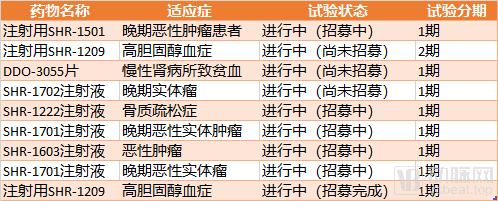
Leveraging the financial, technological, and talent support from Hengrui Medicine, the company has established and refined its commercial production and process R&D teams, recruiting professional technical personnel at all levels. High-caliber talents with advanced degrees—including PhDs, master’s degree holders, and overseas returnees—account for more than 80% of the workforce. Meanwhile, the company prioritizes R&D investment; in 2018, R&D spending increased by 300% compared to 2017. Through collaborative division of labor between Suzhou Suncadia Biopharmaceuticals Co., Ltd. and Shanghai Hengrui, the company has intensified R&D efforts, accelerated the pace of innovative development and industrialization, and cultivated unique competitive advantages in the latter stage of PD-1 market competition.