

Xiaodoumiao Releases '2019 Report on Chinese Parents’ Attitudes and Behaviors Toward Children's Health Services'
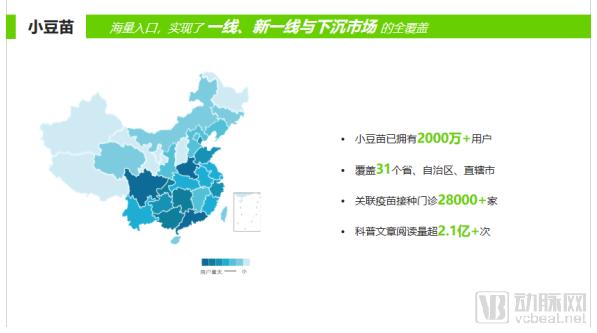
Recently, Xiaodoumiao held the “Mutual Empowerment: A New Perspective on Brand-Driven Public Welfare and Xiaodoumiao’s 5th Anniversary Launch Event” in Shanghai, officially releasing the Report on Chinese Parents’ Attitudes and Behaviors Toward Children’s Health Services in 2019. By analyzing behavioral data from over 20 million parent users of Xiaodoumiao and the results of 10,913 questionnaire surveys, the report provides a comprehensive overview of Chinese parents’ attitudes and needs across various subcategories of children’s health. It aims to offer valuable insights for companies in the children’s health sector to better address parents’ pain points and demands, thereby developing higher-quality products and services that are more closely aligned with their needs.
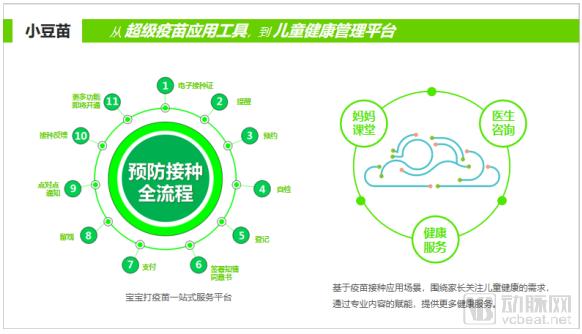
Xiao Dou Miao is a one-stop service platform for infant vaccination. Based on vaccination scenarios, it provides convenient internet-based services covering the entire vaccination process. Meanwhile, Xiao Dou Miao addresses users’ extended needs for children’s health, leverages its platform advantages, and continuously connects high-quality pediatric health services, having fully transformed and upgraded into a comprehensive children’s health management platform. Since its establishment in 2014, Xiao Dou Miao has conducted annual in-depth industry surveys targeting its precise user base of parents, producing and publishing industry white papers themed around children’s health to facilitate the better and faster development of the children’s health industry.
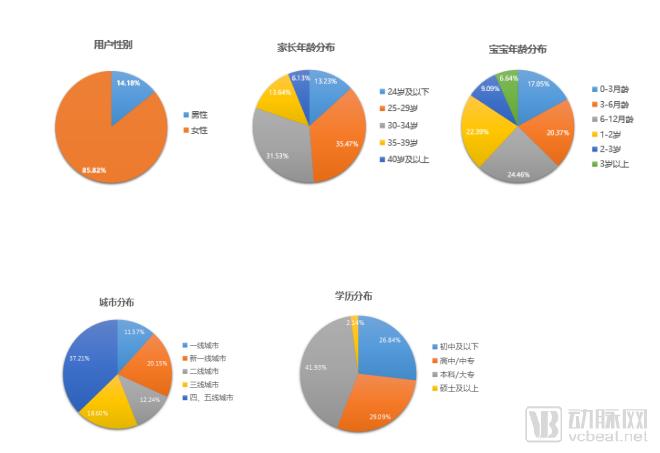
85.82% of users are female, while male users account for only 14.18%.
Parents born after 1985, 1990, and 1995 collectively account for more than 80%.
Parents of infants aged 0–1 year are relatively concentrated, accounting for 61.88%.
Users in first-tier and new first-tier cities accounted for 32%, while those in second-, third-, fourth-, and fifth-tier cities made up 68%;
44% of users hold a bachelor’s degree (including associate degrees) or higher;
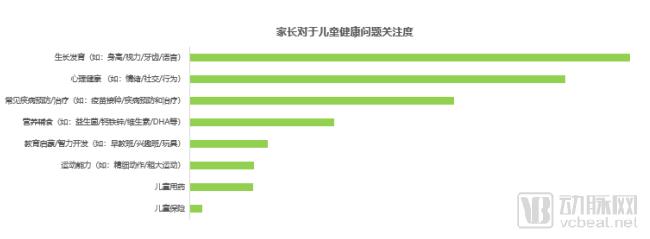
【Key Concerns for Parents】
In terms of children's health, parents are most concerned about growth and development, followed by mental health. Prevention and treatment of common diseases also receive significant attention.
[Vaccine Awareness]: Vaccine science popularization needs improvement, with nearly 20% of users still having doubts
Survey findings indicate that parents’ awareness of the protective role of vaccines in safeguarding children’s health has increased, with nearly 78% of parents ensuring their children receive vaccinations on schedule. Furthermore, the primary reasons for delayed vaccination are child illness or medication-related contraindications. Regarding the classification criteria for Category I and Category II vaccines, 18.20% of parents remain unclear about the distinctions, mistakenly perceiving them as “medically based classifications.”
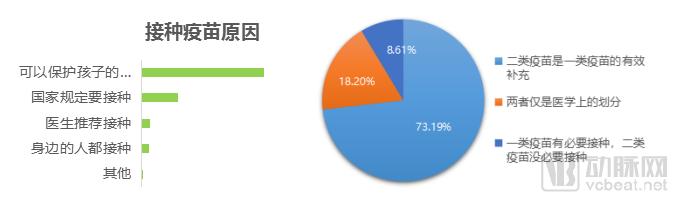
[Vaccine Selection]: Category I vaccines remain the first choice for most parents
The survey revealed that when children are vaccinated with vaccines of the same type and efficacy, 82.19% of parents prefer free vaccines, largely believing them to be safer and cost-free. Meanwhile, 17.81% of parents prefer self-paid vaccines, considering them to cover a broader range of preventable diseases and serve as an effective supplement to Category I vaccines.
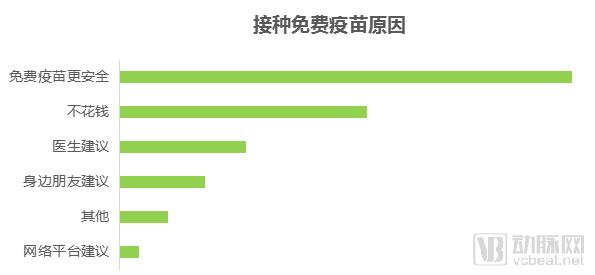
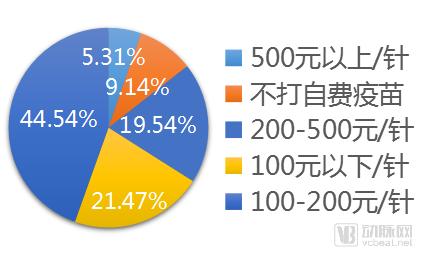
[Attitudes Toward Category II Vaccines]: Category II vaccines priced below 200 yuan are most accepted by parents
A survey on attitudes toward Category II vaccines found that 66% of parents were willing to have their children vaccinated with Category II vaccines priced below RMB 200.
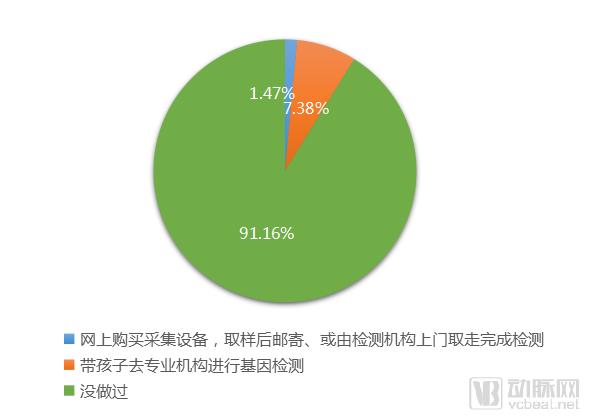
[Genetic Testing]: Nearly 10% of users have undergone genetic testing, with over 80% opting for professional institutions.
Genetic testing, as an effective means of modern technology for diagnosing and promptly preventing potential diseases, is gradually being accepted by parents. Among the parents participating in this survey, 8.85% had their children undergo genetic testing, with 7.38% having taken their children to professional institutions for such testing.
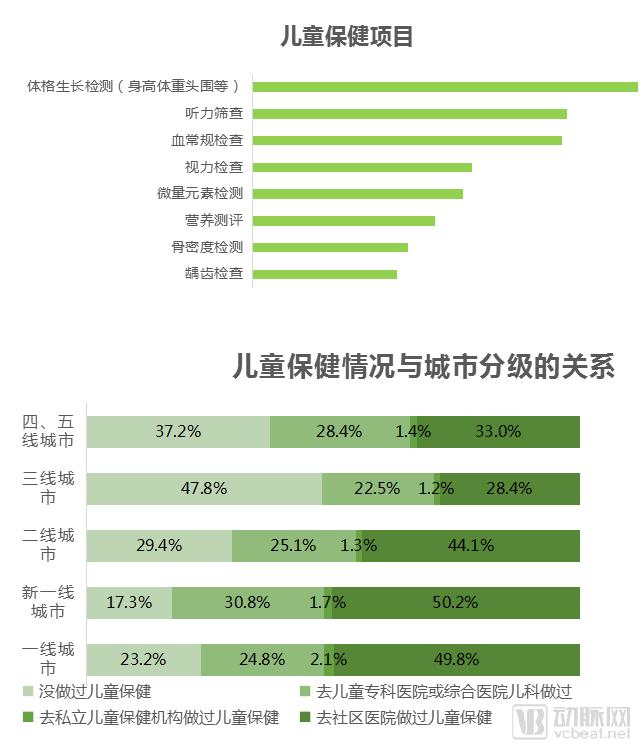
【Pediatric Healthcare】: Physical growth monitoring is the primary concern for parents, with the proportion of health checkups conducted at private pediatric healthcare institutions in third- to fifth-tier cities exceeding that in second-tier cities.
The survey revealed that over 65% of parents had taken their children for pediatric health check-ups. Among them, 57.86% visited community hospitals for these services, while only 2.23% opted for private pediatric healthcare institutions. Physical growth monitoring was the aspect of greatest concern to parents within pediatric health check-up programs.
The survey also revealed that a relatively high proportion of parents in third-, fourth-, and fifth-tier cities have never taken their children for pediatric health check-ups. However, the proportion of parents utilizing private pediatric healthcare institutions has gradually reached parity with that in second-tier cities, and in some cases, even surpassed it.
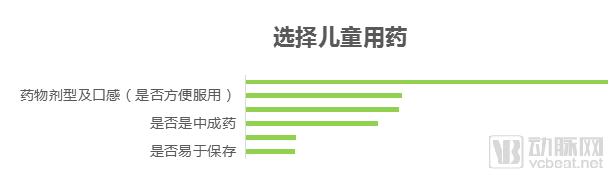
[Pediatric Medication]: 80% of users are most concerned about "adverse reactions and side effects"
A survey conducted in this questionnaire on how parents choose pediatric medications in daily life revealed that nearly 80% of parents are most concerned about “adverse reactions and side effects” of the drugs.
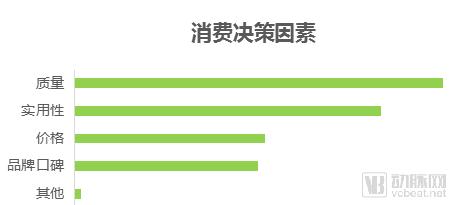
[Children's Health Consumption Attitudes and Behaviors]: Quality and Practicality Are Parents' Primary Considerations
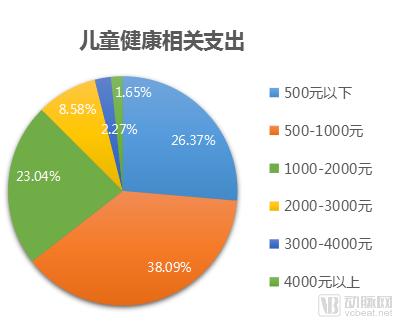
The survey revealed that 35.54% of families spent more than RMB 1,000 per month on child health-related parenting expenses, while 12.50% spent more than RMB 2,000. Meanwhile, when purchasing child health-related products and services for their children, parents were most concerned about product quality, followed by practicality.
[Channels for Accessing Children's Health Knowledge]: Parenting Knowledge Apps Have Become the Preferred Channel
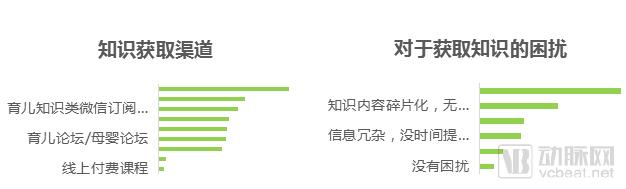
Parenting knowledge apps have become the primary channel for young parents to access children's health information, followed by consulting friends and family. Faced with an overwhelming amount of children's health information, parents are most concerned about their "inability to distinguish accurate from inaccurate content and reluctance to trust it readily," with only 8.2% of users reporting no such concerns.
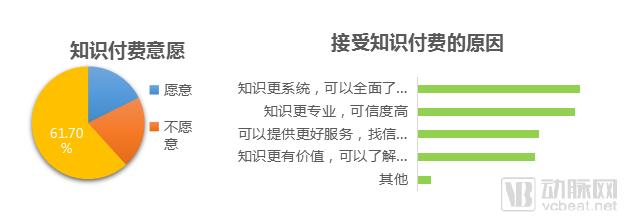
【Willingness to Pay for Knowledge】: Nearly 80% of Users Accept Paid Knowledge Services
The survey revealed that nearly 80% of users are willing to pay for knowledge-based content, primarily because it enables them to gain a more systematic and comprehensive understanding and mastery of relevant subjects. Furthermore, they believe that paid knowledge products should offer greater professionalism and higher credibility.
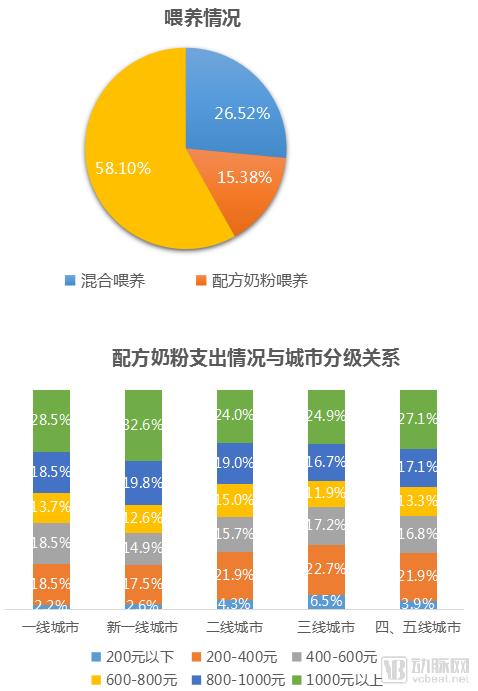
【Feeding Method】: The overall rate of exclusive breastfeeding in third-, fourth-, and fifth-tier cities exceeds 50%.
The survey investigated the feeding practices for infants aged 0–1 year. The results showed that over half of the parents practiced exclusive breastfeeding, accounting for more than 58%. The overall rate of exclusive breastfeeding in third-, fourth-, and fifth-tier cities exceeded 50%. Furthermore, in cities across all tiers, more than 50% of households spent over RMB 1,000 per month on infant formula.
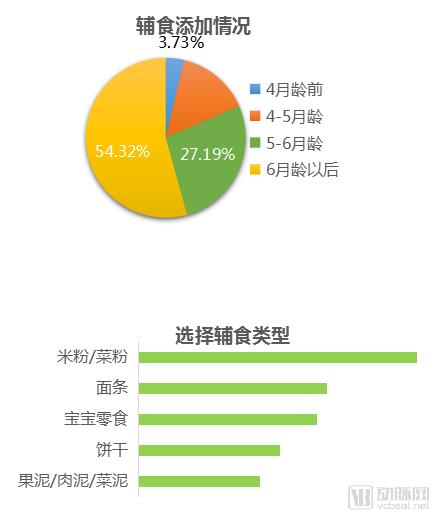
[Complementary Feeding Introduction]: The proportion of infants introduced to complementary foods after 5 months of age reached 81.51%, with rice cereal and vegetable powder being the preferred choices for infant complementary foods.
81.51% of parents introduce complementary foods to their infants after the age of 5 months, with over 54% doing so after 6 months. In terms of purchasing complementary foods, rice cereal and vegetable powder remain the top choices for most parents.
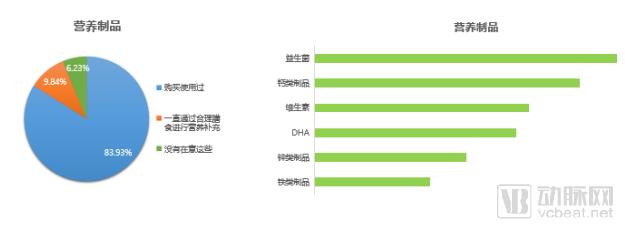
[Nutritional Products]: Nearly 84% of parents purchase nutritional products for their children, with probiotics being the most popular.
The survey revealed that nearly 84% of parents purchase various types of nutritional products for their children. Among these, probiotics are the most popular and frequently purchased. Due to parental concern for their children’s growth and development, calcium-based products are also widely favored by parents.
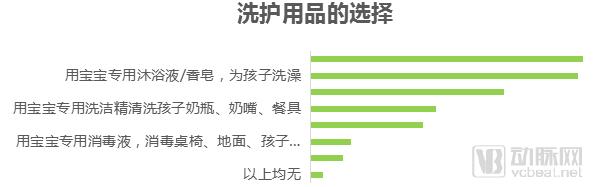
【Personal Care Products】: Baby-specific wet wipes and body wash/soap have become daily household essentials
Baby-specific wet wipes and baby-specific body wash/soap have become daily essentials for parents, with purchase and usage rates of 82% and 80%, respectively. The purchase and usage rate of baby-specific detergents/laundry soap also exceeded 58%.
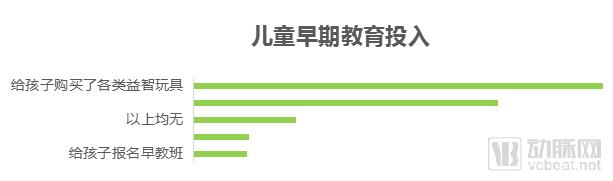
[Early Education]: Parents place high importance on educational enlightenment and intellectual development for their children
Over 73% of parents have purchased various educational toys for their children, and more than 54% have bought early childhood education books and audio-visual products. In addition, nearly 10% of parents have enrolled their children in early learning classes or interest-based courses.
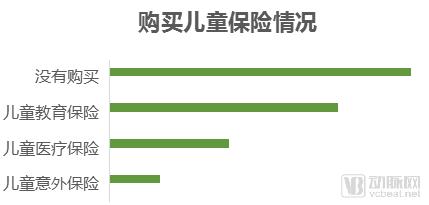
[Children's Insurance]: High insurance awareness, with nearly half of users purchasing insurance for their children
Survey data indicates that nearly 47% of parents have purchased insurance for their children. Among these policies, child education insurance accounts for 57.24%, while child medical insurance accounts for 29.94%. Of the families who have purchased insurance for their children, more than 60% expect to spend over RMB 1,000 annually on child insurance, and more than 16% expect to spend over RMB 5,000.
To access the detailed PDF source file, please reply with “Children's Health Report” in the backend of the VCBeat WeChat Official Account to obtain the download link.