

Novel Blood-Based 5-Hydroxymethylcytosine (5hmC) Biomarker Platform Demonstrates Breakthrough Performance in Early-Stage Hepatocellular Carcinoma Detection
As a country with a high incidence of liver cancer, China accounts for more than 50% of the global incidence rate. Currently, liver cancer is the fourth most common malignant tumor and the third leading cause of cancer-related deaths in China. Liver cancer patients in China have distinct characteristics, often with a background of hepatitis and cirrhosis. Approximately 80% of liver cancer cases are associated with chronic hepatitis B virus (HBV) infection, which is also closely related to the choice of treatment methods and prognosis for tumors.
For primary liver cancer, the current main treatment options include surgical resection, transcatheter arterial chemoembolization (TACE), radiofrequency ablation, targeted therapy, liver transplantation, radiation therapy, and chemotherapy. Among these, surgical treatment for liver cancer has made significant progress, with the 5-year postoperative survival rate increasing to 30%–40%. However, compared to other gastrointestinal malignancies, the outcomes of surgical treatment for liver cancer remain unsatisfactory, primarily due to tumor recurrence and metastasis. To address these issues, clinical research efforts are mainly focused on two aspects: early diagnosis and the selection of personalized comprehensive treatment strategies.
Academician Fan Jia from Zhongshan Hospital, Fudan University, and Academician Wang Hongyang from the National Center for Liver Cancer/Eastern Hepatobiliary Surgery Hospital, in collaboration with Professor Chuan He from the University of Chicago and Professor Wei Zhang from Northwestern University, have introduced peripheral blood 5-hydroxymethylcytosine (5hmC) technology into the field of liver cancer research. Led by these two academicians, a multi-center clinical study was jointly initiated to detect early-stage liver cancer using 5hmC biomarkers. This approach leverages changes in peripheral blood 5hmC signals and relies on high-throughput genomic sequencing technology for the early diagnosis of liver cancer. As leading figures in liver cancer research in China, Academicians Fan Jia and Wang Hongyang have joined forces with other prominent experts. Through large-scale clinical studies, this collaboration aims to provide a novel technical solution for the early diagnosis of liver cancer in China and accumulate highly valuable clinical experience.
Alpha-fetoprotein (AFP)
Serum AFP testing, first introduced for hepatocellular carcinoma (HCC) screening in 1971, is currently the most widely used tumor marker for HCC worldwide. Its sensitivity and specificity for diagnosing HCC range from 39% to 65% and from 76% to 94%, respectively. However, during the early stages of HCC characterized by small tumors, serum AFP levels are not significantly elevated in 80% of patients. The sensitivity of AFP detection is 25% and 52% in HCC patients with tumor diameters <3 cm and >3 cm, respectively. The primary limitation of using AFP for tumor screening is its low positive rate in early-stage disease. Notably, approximately 30% of liver disease patients in China are AFP-negative, meaning that reliance on AFP testing alone would miss this subset of patients. Therefore, ultrasound examination is typically combined with AFP testing to improve sensitivity.
Alpha-fetoprotein Lens Culinaris Agglutinin-Reactive Fraction 3 (AFP-L3)
AFP-L3 is a variant of alpha-fetoprotein (AFP) that is specific to hepatocellular carcinoma (HCC) cells. The ratio of AFP-L3 to total AFP is commonly used as a biomarker for the early diagnosis of HCC. AFP-L3 holds significant clinical value in assessing the malignancy grade of liver cancer, evaluating treatment efficacy, and determining prognosis.
Des-gamma-carboxy prothrombin (DCP)
Des-gamma-carboxy prothrombin (DCP) is an abnormal prothrombin protein caused by vitamin K deficiency, produced due to defective post-translational carboxylation of the prothrombin precursor in malignant tumor cells. DCP has been approved as an effective biomarker for hepatocellular carcinoma (HCC) in certain countries and regions, such as Japan, South Korea, and India.
Golgi Protein 73 (GP73)
GP73 expression is extremely low or absent in hepatocytes of healthy individuals, whereas it is significantly elevated in the serum of patients with liver cancer. Studies have shown that among patients with small hepatocellular carcinoma (HCC) and low alpha-fetoprotein (AFP) levels, the sensitivity and specificity of GP73 detection are 72.0% and 94.0%, respectively. This suggests that GP73 is a valuable auxiliary diagnostic biomarker for small HCC, although further clinical studies are needed to validate these findings.
Glypican-3 (GPC-3)
Glypican-3 (GPC-3) is a heparan sulfate proteoglycan located on the cell membrane surface. Some studies have shown that the sensitivity and specificity of GPC-3 range from 36% to 65% and 65% to 100%, respectively, and its sensitivity is superior to that of AFP in the detection of small hepatocellular carcinoma.
Serum miRNA
MicroRNAs (miRNAs) in peripheral blood are highly conserved, single-stranded, non-coding small RNAs, 20–25 nucleotides in length, that participate in a wide variety of regulatory pathways, including development, cell proliferation and apoptosis, and tumorigenesis. Extensive research has demonstrated that miRNAs can function as either oncogenes or tumor suppressor genes in cancer, simultaneously regulating multiple target genes and thereby contributing to tumor initiation and progression. In recent years, analysis of miRNAs with significantly differential expression in serum samples from patients with hepatocellular carcinoma (HCC) versus healthy individuals has enabled the identification of biomarkers with potential diagnostic and prognostic value for HCC. Multiple studies have shown that various miRNAs exhibit high specificity and sensitivity in the diagnosis of HCC. For example, after nine years of dedicated research, Academician Jia Fan’s team identified a panel of seven plasma miRNAs as a molecular biomarker for early-stage HCC, achieving both sensitivity and specificity exceeding 80%. When this assay is used in conjunction with imaging examinations, it significantly improves diagnostic performance across various clinical subtypes of HCC, including tumors smaller than 2 cm, thereby reducing rates of missed diagnosis and misdiagnosis. As a class of biomolecular markers, serum miRNAs have demonstrated promising application prospects, not only facilitating early diagnosis and prognostic assessment of HCC but also serving as potential markers for non-invasive early detection of the disease.
Circulating Tumor Cells (CTCs)
Circulating tumor cells (CTCs) are tumor cells that detach from primary or metastatic lesions and enter the peripheral circulatory system. Currently, research on CTCs in liver cancer is still in an exploratory stage, with major studies focusing on treatment efficacy evaluation and prognosis. Clinical research by Academician Fan Jia’s team has found that “circulating stem-like liver cancer cells” can serve as a novel indicator for predicting recurrence after hepatectomy. The team has independently developed various CTC sorting and detection technologies, and created the world’s first prototype of an “Automated Circulating Tumor Cell Sorting and Detection System” along with its corresponding test kits. This technology enables one-stop, fully automated sample processing from whole blood specimens to CTCs (including steps such as blood centrifugation, liquid handling, CTC capture, and cell staining). The sensitivity of CTC capture exceeds 90%, and it supports downstream single-cell sequencing analysis to reveal gene mutations and expression profiles of individual CTCs. This will establish a robust platform for early diagnosis and treatment of liver cancer, effective prediction of recurrence, monitoring of treatment efficacy, and stem cell research.
DNA methylation is one of the most extensively studied epigenetic mechanisms. As it does not involve alterations in the DNA sequence and often precedes genetic changes associated with tumorigenesis, it holds particular value for the early diagnosis of cancer. In 2017, Professor Kang Zhang from the University of California conducted an in-depth study on circulating tumor DNA (ctDNA) in patients with hepatocellular carcinoma using methylation technology. By analyzing clinical data from 715 hepatocellular carcinoma patients’ ctDNA samples and 560 normal controls, the model achieved a specificity of 94.3% and a sensitivity of 85.7% in the training cohort (AUC=0.966), and a specificity of 90.5% and a sensitivity of 83.2% in the validation cohort (AUC=0.944).
3.1 Study Overview
This study is a multicenter clinical trial conducted simultaneously at Zhongshan Hospital, Eastern Hepatobiliary Surgery Hospital, and other centers. The 5hmC-Seal technology was employed to capture 5-hydroxymethylcytosine (5hmC) sequences from cell-free DNA (cfDNA) in peripheral blood. After measuring and analyzing 5hmC levels and normalizing the 5hmC modification levels, bioinformatics tools were used to identify 5hmC gene loci with significantly different modification levels between the pre-hepatocellular carcinoma group and the healthy control group. Subsequently, regression models were applied to further screen and optimize these differential loci, thereby deriving a panel of 5hmC biomarkers with high sensitivity and specificity. Furthermore, the identified biomarkers were validated in an independent cohort.
3.2 Study Design
A total of 2,554 subjects were enrolled in this study, including 1,204 patients with hepatocellular carcinoma (HCC), 392 patients with chronic hepatitis B (CHB) or liver cirrhosis, and 958 healthy controls. Plasma samples were collected from the subjects, and cell-free DNA (cfDNA) was isolated. The 5hmC-Seal technology was employed for 5-hydroxymethylcytosine (5hmC) capture, followed by next-generation sequencing (NGS) analysis. The training cohort comprised 1,120 samples, including 335 cases of early-stage HCC, 263 cases of CHB or liver cirrhosis, and 522 controls. Features of 5hmC expression were screened by comparing early-stage HCC versus healthy controls and early-stage HCC versus CHB or liver cirrhosis groups for model construction. The established model was validated in two validation cohorts. Validation cohort 1 (n=1,194) included 220 cases of early-stage HCC, 167 patients with CHB or a history of liver cirrhosis, 442 cases of advanced-stage HCC, 147 cases of unstaged HCC, 129 patients with CHB or liver cirrhosis, and 256 healthy controls. Validation cohort 2 (n=240) included 24 cases of early-stage HCC, 13 cases of advanced-stage HCC, 23 cases of unstaged HCC, and 180 healthy controls.
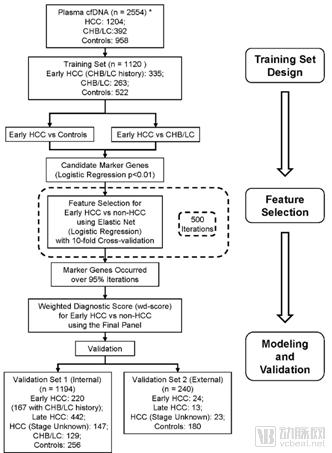
Figure 1. Study Protocol Flowchart
4.1 Analysis of 5hmC Signal Characteristics
The 5hmC-Seal data demonstrated high correlation among samples from the same source, indicating technical reliability, and showed that 5hmC signals were comparable across clinical samples from different sources (Pearson’s r > 0.99; Figure 2A). Analysis of 50 randomly selected hepatocellular carcinoma samples and 50 healthy control samples revealed that the 5hmC profiles were primarily enriched in the regions between the transcription start site (TSS) and the transcription end site (TES) (Figure 2B).
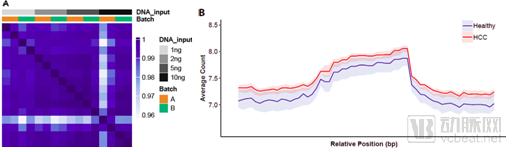
Figure 2. Distribution of 5hmC sequencing profiles.
4.2 Model Construction and Diagnostic Performance
The researchers first selected 917 candidate marker genes from the training cohort, which exhibited significant differential 5hmC modification levels between the hepatocellular carcinoma (HCC) group and the healthy control group, as well as between the HCC group and patients with chronic hepatitis B or a history of liver cirrhosis. An elastic net regularization method combined with logistic regression modeling was employed to screen for a combination of 32 markers (Figures 3A-B). A weighted diagnostic score based on these 32 markers could distinguish early-stage HCC from the non-HCC group, as well as early-stage HCC from the healthy control group (Figures 3C-D). The predictive performance of the 5hmC model was significantly superior to that of alpha-fetoprotein (AFP), achieving area under the curve (AUC) values of 71.4–81.4% in distinguishing early-stage HCC from non-HCC individuals in both the training cohort and validation cohort 1 (Figures 3C-D). More importantly, the 5hmC model could identify individuals misclassified as negative by AFP (cutoff = 20 ng/mL); for instance, among 160 early-stage HCC patients in the training cohort who were misclassified by AFP, the 5hmC model achieved an AUC of 92.4%.
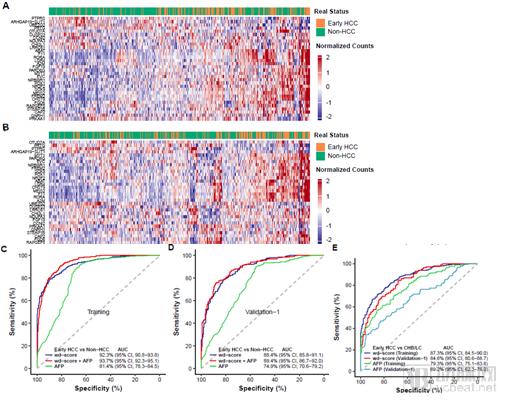
Figure 3. Screening of 5hmC sites and construction of a diagnostic model.
Furthermore, combining 5hmC markers with AFP further improves AUC performance (Figures 3C–D). The differential diagnosis of early-stage hepatocellular carcinoma (HCC) from patients with chronic hepatitis B or liver cirrhosis remains the most challenging clinical diagnostic issue. In both the training cohort and Validation Cohort 1, 5hmC outperformed AFP, achieving AUCs of 87.3% and 84.6%, respectively (Figure 3E). This diagnostic model can accurately distinguish early-stage HCC from chronic hepatitis B or liver cirrhosis.
4.3 5hmC markers are associated with clinical staging and exhibit liver tissue specificity
Through analysis of the training and validation cohorts, the 5hmC discriminative score was higher in the hepatocellular carcinoma (HCC) group than in the healthy control group, while the early-stage HCC score was also significantly higher than that in patients with chronic hepatitis B or liver cirrhosis (Figure 4). The discriminative score increased with advancing Barcelona Clinic Liver Cancer (BCLC) stage. The 5hmC model demonstrated excellent discriminatory ability in distinguishing patients with stage 0 HCC from non-HCC individuals, achieving an area under the curve (AUC) of 90.4% in the training cohort and 87.1% in the validation cohort. Notably, the 5hmC score could differentiate patients with small HCC tumors (≤2.0 cm) from non-HCC individuals, with an AUC of 85.1%.
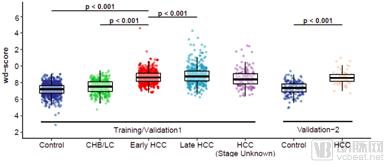
Figure 4. Distribution of 5hmC model scores across different groups.
4.4 Biology of Biomarker Target Genes in Diagnostic Models
The 5hmC profiles of the major diagnostic marker target genes showed significant correlation with liver-derived H3K4me1 or H3K27ac peak regions and the 5hmC profiles of predicted enhancers. Figure 5 presents representative data from a randomly selected hepatocellular carcinoma (HCC) patient and a healthy control, using ESRRG and SOX9 as examples. The results indicate that 5hmC-Seal fragment reads overlap with H3K4me1 or H3K27ac peaks documented in the Roadmap Epigenomics Project and the Encyclopedia of DNA Elements (ENCODE) Project databases. Among the 917 candidate genes, KEGG annotation primarily highlighted involvement in metabolic processes (such as carbon and amino acid metabolism), including "glyoxylate and dicarboxylate metabolism" and "glycine, serine, and threonine metabolism," as well as liver functions such as "bile secretion" and "complement and coagulation cascades." Many candidate genes within these pathways are associated with the physiological pathogenesis of HCC, hepatitis B virus infection, or fibrosis; examples include A2M and KNG1 in the "complement and coagulation cascades," and ALDH3A1 in tyrosine and phenylalanine metabolism.
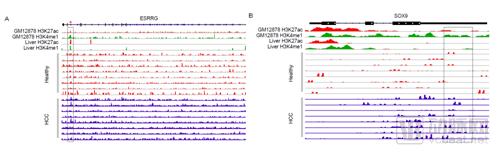
Figure 5. Distribution of 5hmC in the candidate genes ESRRG and SOX9.
Furthermore, by leveraging gene data from The Cancer Genome Atlas (TCGA), we explored the correlation between 5hmC markers in cell-free DNA (cfDNA) and gene expression. Genes with top-ranked differential 5hmC modifications between early-stage hepatocellular carcinoma patients and healthy controls were also enriched among the top-ranked differentially expressed genes in TCGA, suggesting that 5hmC markers in patient-derived cfDNA are correlated with gene expression.
Clinical studies with a large sample size (2,554 cases) in this research demonstrate that the 5hmC model not only accurately distinguishes patients with early-stage hepatocellular carcinoma (HCC) from healthy controls but also differentiates them from patients with chronic hepatitis B or liver cirrhosis. Furthermore, this 5hmC diagnostic model exhibits tissue-specific characteristics for HCC. Functional analysis reveals the potential underlying mechanisms of 5hmC as a biomarker, thereby enhancing the understanding of HCC pathogenesis. It is anticipated that future studies, including both retrospective and prospective clinical trials, will further validate the performance of the 5hmC model and ultimately establish a non-invasive clinical diagnostic model for HCC based on 5hmC. The findings regarding highly sensitive 5hmC detection technology in early-stage HCC research lay a solid foundation for the development of pan-cancer, non-invasive blood-based diagnostic and screening tools.
Researcher Introduction
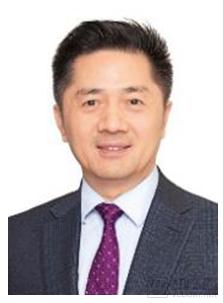
Fan Jia, Academician of the Chinese Academy of Sciences, is the Director of Zhongshan Hospital Affiliated to Fudan University, Director of the Shanghai Institute of Liver Diseases, and Executive Deputy Director of the Fudan University Liver Cancer Institute. He currently serves as the Chairman of the Committee on Hepatic Surgeons under the Surgical Branch of the Chinese Medical Doctor Association and is a Fellow of the American College of Surgeons (FACS), among other roles. He previously served as Chairman of the Liver Cancer Professional Committee of the China Anti-Cancer Association and Chairman of the Oncology Branch of the Chinese Medical Association. Professor Fan has long been dedicated to clinical diagnosis and treatment, basic research, and teaching in hepatic surgical oncology. He pioneered a multimodal comprehensive treatment technique for hepatocellular carcinoma with portal vein tumor thrombus, transforming late-stage liver cancer accompanied by portal vein tumor thrombus from untreatable to partially treatable. He has received numerous awards, including the First Prize of the Ministry of Education’s Natural Science Award, the Second Prize of the National Science and Technology Progress Award, the “2016 Tan Jiazhen Award,” the “2016 Ho Leung Ho Lee Award,” and the Wu Jieping–Paul Janssen Award for Medical Research.
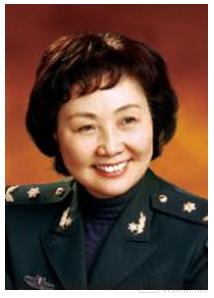
Wang Hongyang, an academician of the Chinese Academy of Engineering, currently serves as Director of the National Center for Liver Cancer Science, Deputy Director of the Eastern Hepatobiliary Surgery Institute, and Director of the Second Department of Comprehensive Treatment at the Eastern Hepatobiliary Surgery Hospital. She also holds concurrent positions as Director of the Medical Sciences Division of the National Natural Science Foundation of China and as an expert in the National “863” Program and the field of modern medical technology. Her accolades include the State Scientific and Technological Progress Award (Innovation Team Award), the Second Prize of the State Natural Science Award, and the Ho Leung Ho Lee Foundation Prize for Progress in Science and Technology, among others. With a long-standing commitment to basic and clinical research on tumor signal transduction, she has made significant contributions to the field of oncology.

He Chuan is a tenured Professor in the Department of Chemistry and the John T. Wilson Distinguished Service Professor at the University of Chicago. He serves as the Director of the Institute for Biophysical Dynamics at the University of Chicago, is a member of the University of Chicago Comprehensive Cancer Center, an Investigator of the Howard Hughes Medical Institute (HHMI), and a Chang Jiang Visiting Professor at Peking University. He established and directs the Center for Synthetic and Functional Biomolecules at Peking University and participated in the founding of the Beijing Advanced Innovation Center for Genomics at Peking University. To date, he has published 300 SCI-indexed academic papers, including more than 20 research articles in the main editions of top-tier international journals such as Nature, Science, and Cell. On February 22, 2017, Nature News featured an extensive article on Professor He’s rediscovery of the epigenetic functions of DNA and RNA through chemical labeling techniques, as well as the development of this field, fully affirming his pioneering contributions to epigenetics research.
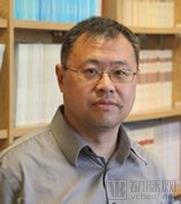
Wei Zhang, Professor in the Department of Preventive Medicine, the Lurie Cancer Center, and the Center for Genetic Medicine at Northwestern University Feinberg School of Medicine, with a joint appointment as Professor in the Department of Pharmacology at the University of Illinois College of Medicine. An expert in bioinformatics and big data analytics, Dr. Zhang has long been engaged in research on cancer biomarkers, human genetics, and cancer pharmacogenomics. He has published more than 140 SCI-indexed papers and three monographs, with his work cited over 5,000 times. Dr. Zhang is a recipient of the American Association for Cancer Research–Merck Co. Scholar Award, serves on the editorial boards and as a reviewer for multiple academic journals, and has served as a panelist for the U.S. National Institutes of Health/National Cancer Institute (NIH/NCI) Specialized Program of Research Excellence in Cancer Analytical Technologies.
Introduction to 5hmC
5-Methylcytosine (5mC) is formed by the methylation of the fifth carbon in the cytosine ring of DNA, catalyzed by DNA methyltransferases (DNMTs). It plays a crucial role in mammalian embryonic development as well as in the onset and progression of diseases. 5mC is oxidized by Ten-eleven translocation (TET) enzymes to form 5-hydroxymethylcytosine (5hmC). Studies have shown that hydroxymethylation levels are relatively stable in the normal genome, indicating that hydroxymethylation has unique epigenetic regulatory functions and is not merely an intermediate product of 5mC metabolism. 5hmC is associated with various diseases, including cancer, and reduced levels of 5hmC have been confirmed in multiple tumor tissues. The level of 5hmC is closely correlated with tumor type and clinical stage; for instance, in lung cancer, 5hmC levels progressively decline with advancing pathological stages. Clinical studies on colorectal, gastric, and esophageal cancers have also demonstrated that 5hmC can accurately distinguish cancer patients from healthy controls. In clinical data for gastric cancer, both sensitivity and specificity can exceed 90%, highlighting its significant potential for clinical application. Chemical capture-based 5hmC detection is a novel liquid biopsy technology that utilizes high-throughput sequencing and comparative analysis to generate more precise 5hmC genomic maps. This technology holds promise for overcoming the limitations of current liquid biopsy methods—such as circulating tumor cells (CTCs) and circulating tumor DNA (ctDNA)—which suffer from insufficient sensitivity and specificity, thereby making early diagnosis of liver cancer a reality.
Dr. Jiabin Cai and Dr. Xinyu Zhang from Zhongshan Hospital, Fudan University; Researcher Lei Chen from the Eastern Hepatobiliary Surgery Hospital; and Dr. Zhou Zhang from Northwestern University in the United States served as co-first authors of this article.