2019 Medical Aesthetics Industry White Paper by SoYoung: 'Million-Dollar Doctors' Earn an Average of RMB 2.03 Million, Making Aesthetic Medicine a Hot Career
VCBeat (WeChat ID: vcbeat) has learned that the "SoYoung 2019 Medical Aesthetics Industry White Paper" was released in Beijing on August 7, 2019.
Over the past five years, the SoYoung Big Data Research Institute has released its annual “SoYoung Medical Aesthetics Industry White Paper” based on platform consumption data, continuously documenting the profound transformations in China’s medical aesthetics industry following its digitalization. The white paper aims to provide reference and strategic direction for industry development, with VCBeat providing ongoing coverage and analysis.
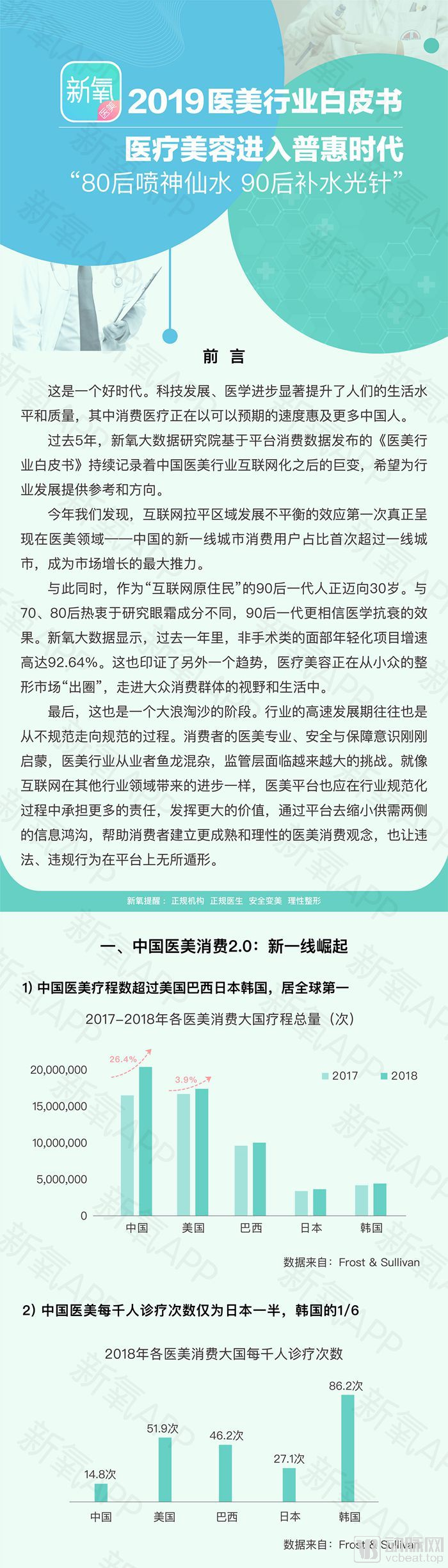
This year’s white paper indicates that China’s medical aesthetics market continues to experience rapid growth. According to a Frost & Sullivan survey conducted in April 2019, the number of medical aesthetic procedures consumed in China reached 16.29 million in 2017, second only to the United States’ 16.34 million. Moreover, China’s annual growth rate stood at 26.4%, far exceeding the 3.9% recorded in the United States. Based on these trends, it is projected that in 2019, the volume of medical aesthetic procedures in China will surpass that of major consumer markets such as the United States, Brazil, Japan, and South Korea, ranking first globally.
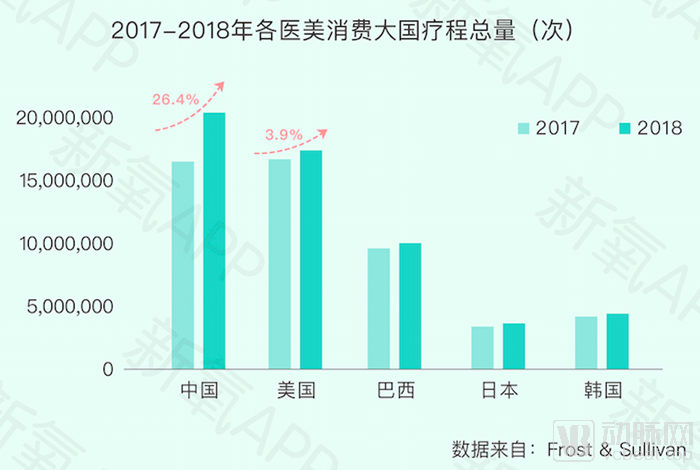
Meanwhile, in 2018, the number of medical aesthetic procedures per 1,000 people was 14.8 in China, 51.9 in the United States, 27.1 in Japan, and 86.2 in South Korea, indicating substantial room for growth in market penetration.
The growth of China's medical aesthetics market is primarily driven by an increase in penetration rate, including the entry of a new generation of consumers, market expansion into lower-tier cities, and the mainstreaming of medical anti-aging treatments as mass consumer services.
For the first time, the internet’s effect of leveling regional development disparities has become truly evident in the medical aesthetics sector: the proportion of consumers from China’s “new first-tier” cities has surpassed that of first-tier cities for the first time, becoming the primary driver of market growth.
The post-90s generation, as “digital natives,” is approaching the age of 30. Unlike the post-70s and post-80s generations, who were keen on scrutinizing the ingredients in eye creams, the post-90s cohort places greater trust in the efficacy of medically backed anti-aging treatments. This trend underscores how medical aesthetics is breaking out of its niche within the plastic surgery market and entering the mainstream consumer landscape.
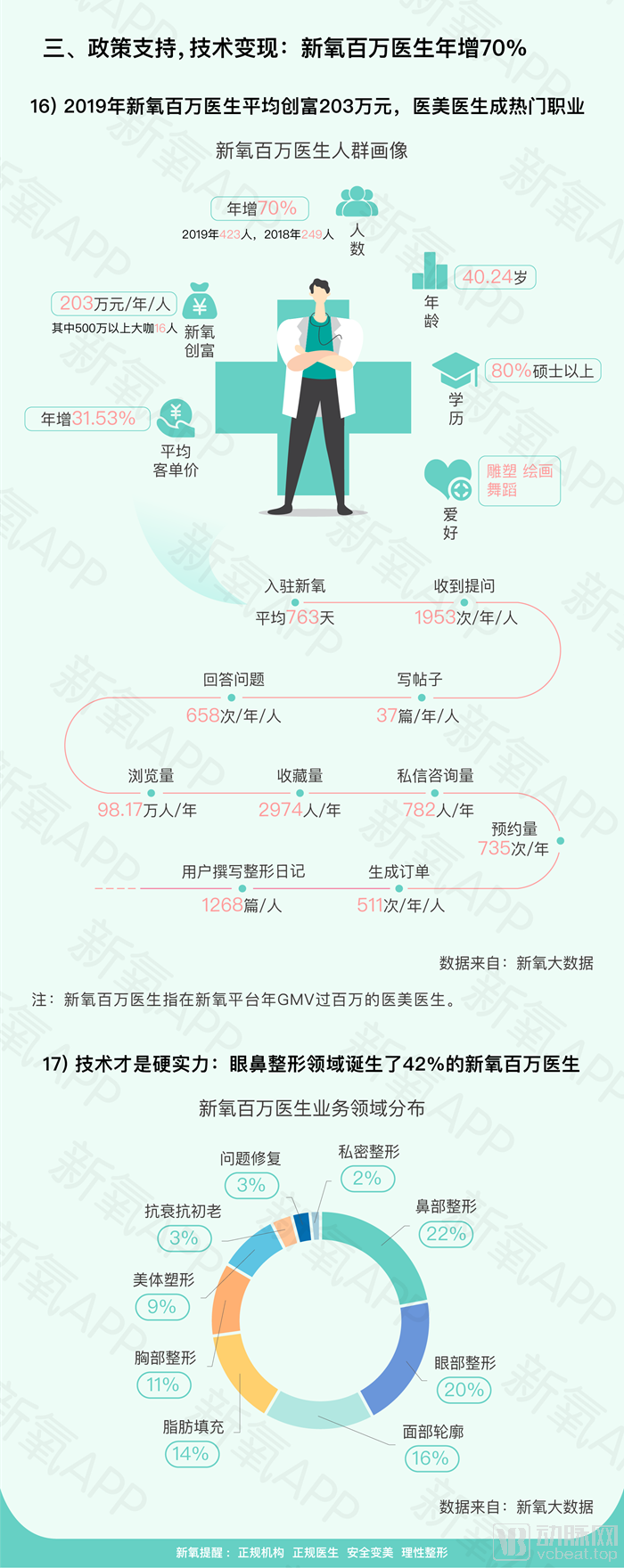
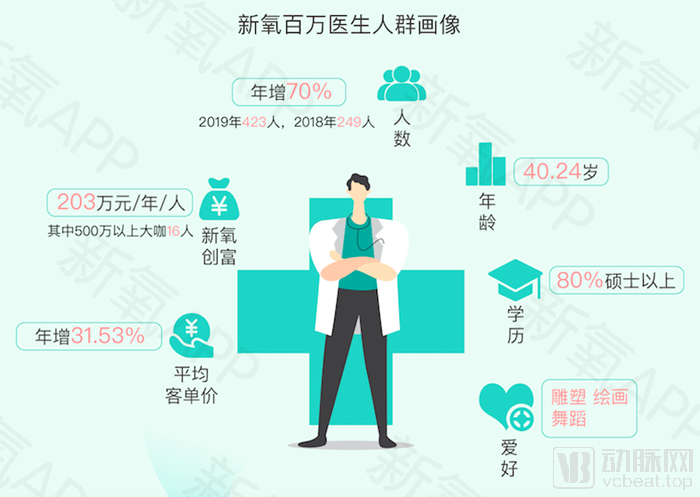
Under the broader policy framework encouraging private healthcare investment, the medical aesthetics industry is rapidly moving toward standardization, ushering in a golden era for physicians with proper qualifications and technical expertise. The White Paper shows that the number of doctors on the SoYoung platform with annual gross merchandise volume (GMV) exceeding RMB 1 million saw a net increase of 70% this year, reaching 423, with an average revenue generation of RMB 2.03 million per doctor.
The Rise of New First-Tier Cities: Medical Anti-Aging Enters the Mass Market
There is still significant room for market growth in China’s lower-tier cities. Compared with last year’s data (SoYoung Releases 2018 White Paper on the Medical Aesthetics Industry: Intimate Plastic Surgery Ranks First in Growth Rate, with Nearly Sixfold Growth Potential in a Market Exceeding RMB 220 Billion), there have been many changes this year.
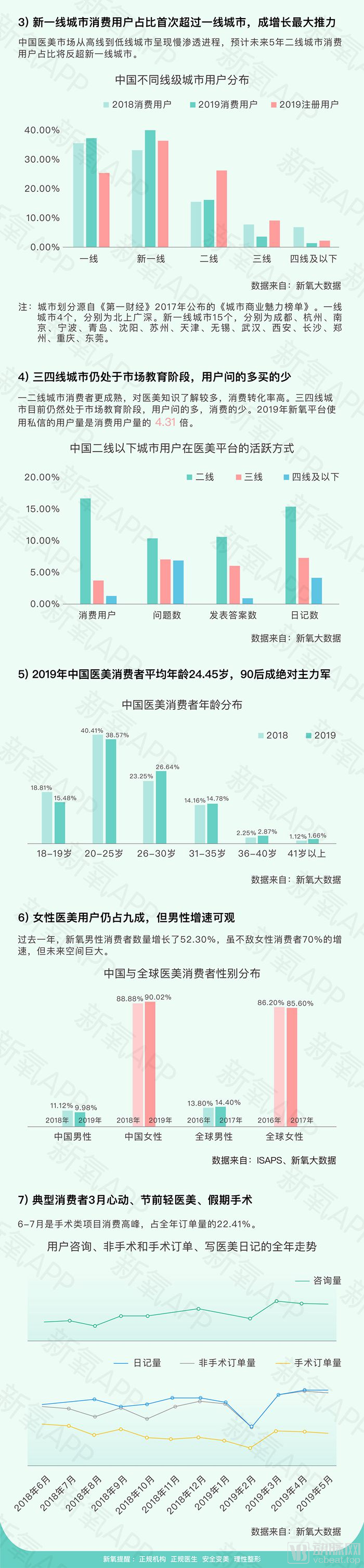
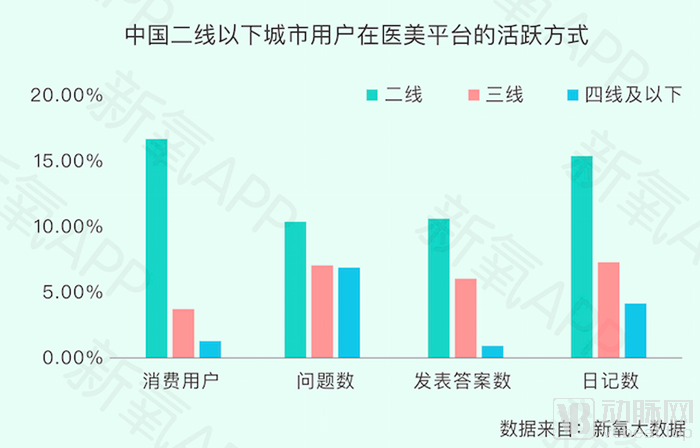
The White Paper indicates that consumers in first- and second-tier cities are more mature, possess greater knowledge of medical aesthetics, and exhibit higher conversion rates. In contrast, third- and fourth-tier cities remain in the market education phase, characterized by high inquiry volumes but low purchase activity; in 2019, the number of users sending private messages on the SoYoung platform was 4.31 times the number of users who placed orders.
The typical profile of a medical aesthetics consumer on the SoYoung platform is as follows: average age of 24.45 years, with women accounting for 90%; peak interest emerges in March, minor non-surgical procedures are sought before holidays, and surgical interventions are scheduled during vacation periods.
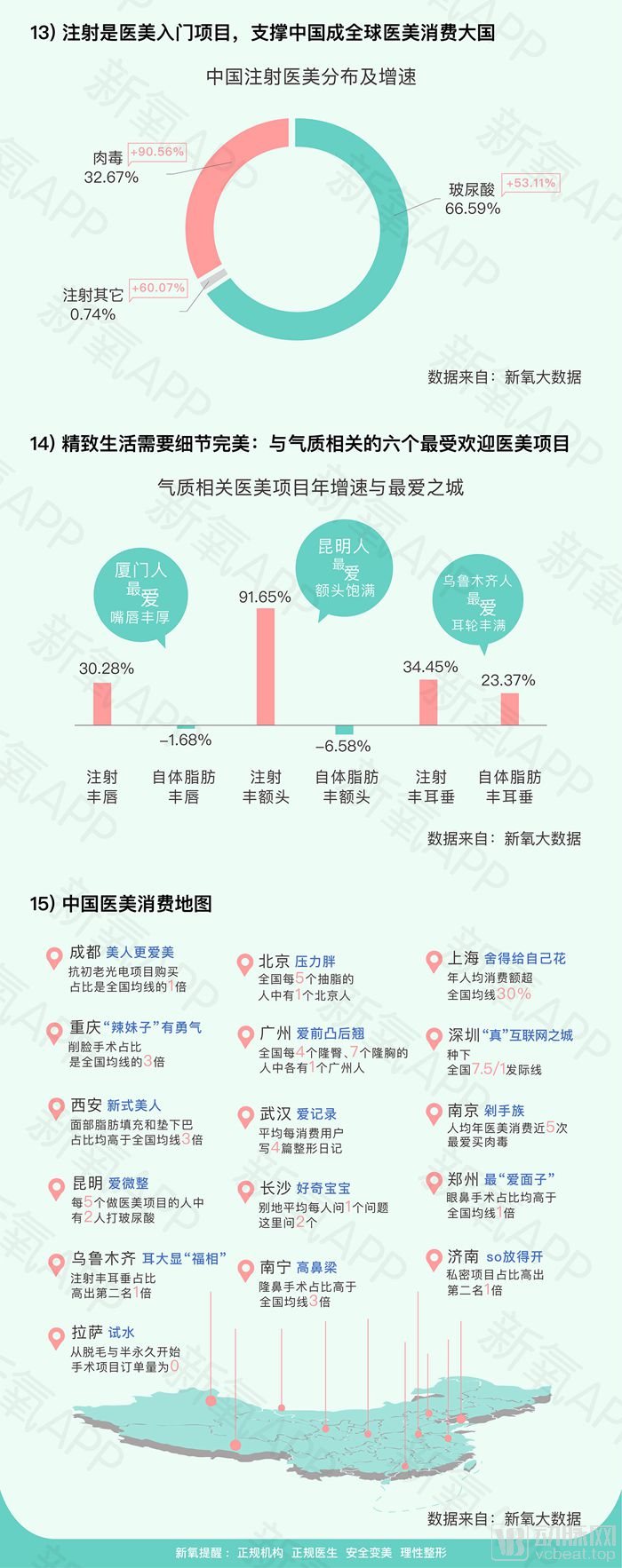
Differences in medical aesthetics markets across cities are also reflected in the varying consumption patterns. According to the “China Medical Aesthetics Consumption Map” featured in the White Paper, first-tier cities focus more on addressing stress-related concerns, such as weight gain, hair loss, and early signs of aging. In contrast, new first-tier and second-tier cities prioritize beauty enhancement and sexual well-being; for instance, Nanjing has the highest number of avid consumers, while Jinan’s spending on intimate care procedures is twice that of the second-ranked city.
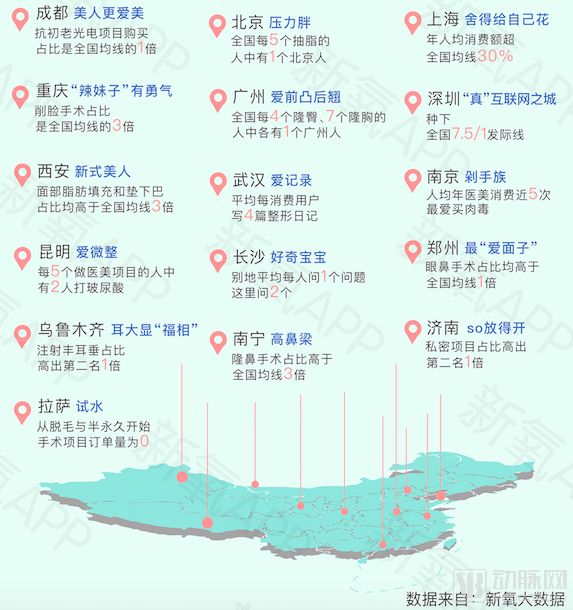
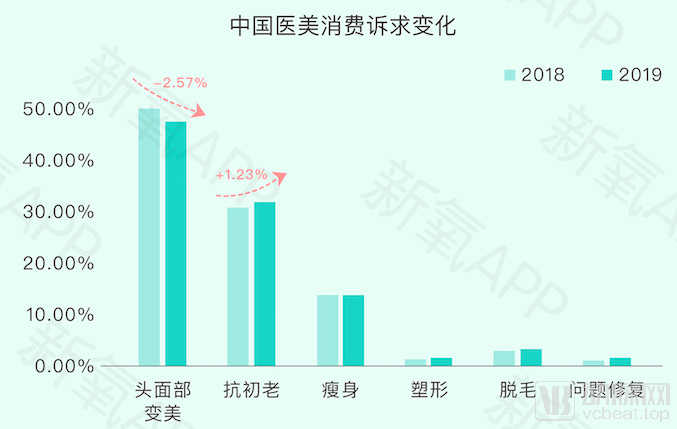
Additionally, big data from So-Young indicates that non-surgical facial rejuvenation procedures saw a growth rate of 92.64% over the past year, making it the fastest-growing sector.
SoYoung predicts that over the next decade, as the entire post-90s generation enters their 30s, China’s medical aesthetics consumption will follow a trend similar to Japan’s, with medical anti-aging becoming a routine method of self-improvement for the mass consumer base, thereby replacing a portion of the high-end cosmetics and lifestyle beauty markets.
Furthermore, from the perspective of aesthetic preferences in medical aesthetics, Chinese people “value facial appearance” and “favor slenderness.”
According to SoYoung’s big data, the volume of head and facial surgical procedures in China’s online market is projected to exceed 738,800 cases in 2019, compared with the latest disclosed figure of 420,400 cases in the United States. The most commonly performed aesthetic procedures among Chinese patients, in descending order, are facial fat grafting, rhinoplasty, blepharoplasty, facelift, and chin augmentation.
Among surgical procedures, liposuction is the most popular in China, with its share of total medical aesthetic spending surpassing that in the United States. The liposuction rate in China’s higher-tier cities is significantly higher than in lower-tier cities, with Beijing being the largest market for the procedure—one in every five liposuction patients nationwide is from Beijing.
Surprisingly, breast augmentation procedures are not as popular in China as one might expect. The White Paper shows that breast surgeries account for less than 1% of total spending, which may be related to East Asian culture and aesthetics. However, with the rising demand for anti-aging treatments, breast lift procedures may experience a surge in rapid growth.
Regarding entry-level injectable procedures in medical aesthetics, they continued to account for the largest share of consumption over the past year. Currently, injectable medical aesthetics constitute 57.04% of total consumption in China, significantly higher than the 44.17% in the United States and 42.08% in Japan. If supporting China’s status as a global powerhouse in medical aesthetics consumption were akin to holding up a structure with 100 pillars, 57 of those pillars would be injectable medical aesthetics.
Injectable medical aesthetics mainly consist of two major product categories: the first is hyaluronic acid, and the second is botulinum toxin. Among them, hyaluronic acid is the most popular; for every 100 individuals undergoing injectable medical aesthetic procedures, 67 receive hyaluronic acid injections.
Hyaluronic acid primarily serves two major functions: first, as a filler for procedures such as chin augmentation, rhinoplasty, and smoothing of nasolabial folds; second, for improving skin condition, as hyaluronic acid is the main component of skin boosters. According to SoYoung’s big data, chin augmentation is the most popular application among hyaluronic acid-related products, with over 100,000 users on the SoYoung platform placing orders for this product in the past year, representing a 21.5% year-on-year increase. Among hyaluronic acid-related products, full-face filling and facial fine line reduction have seen the fastest growth, with growth rates of 88.61% and 209%, respectively.
SoYoung’s “Million Doctors” Program: Average Wealth Creation of RMB 2.03 Million per Doctor, Making Aesthetic Medicine Physicians a Hot Career Choice
In 2009, the former Ministry of Health launched pilot programs for physicians’ multi-site practice in selected regions; by 2019, a full decade had passed. Medical aesthetics has become the most market-driven segment of consumer healthcare, and medical aesthetics physicians were the first to benefit from the liberalization of relevant policies.
Data from SoYoung reveals that in 2019, the number of medical aesthetic practitioners on the SoYoung platform with an annual gross merchandise value (GMV) exceeding RMB 1 million increased by 174 compared to 2018, reaching a total of 423. These practitioners generated an average annual revenue of RMB 2.03 million each on the platform, and their average transaction value per customer rose by 31.53% over the past year. The average age of these highly successful and well-compensated medical aesthetic professionals is 40.24 years, with more than 80% holding a master’s degree or higher.
Data shows that plastic surgeons spend 70% of their time on communication, covering the entire patient journey from pre-operative to intra-operative and post-operative stages. The pressure of communication stems from the large volume of daily consultations. Since joining the SoYoung platform, Juntai Ligge Hospital, where Xue Zhiqiang—a typical representative on SoYoung—practices, receives 400 to 500 consultations per day, with nearly one-third of these coming from the SoYoung platform, surpassing any other single channel.
Strong professional expertise and proficiency in leveraging internet tools to communicate with aesthetic medicine consumers are common traits among SoYoung’s “Million Doctors.” Data shows that these doctors have been on the SoYoung platform for an average of 763 days. Over the past year, each doctor received an average of 1,953 inquiries, answered 658 questions, posted 37 articles, and generated content viewed by 981,700 users. Their posts were deemed helpful by 2,974 users, prompted 782 private consultation requests, led to 735 appointment bookings, and resulted in 511 orders. In addition to face-to-face consultations, online communication has become a significant component of plastic surgeons’ professional practice. Consumers have collectively published 1,268 procedure diaries, which serve as endorsements of the doctors’ capabilities.
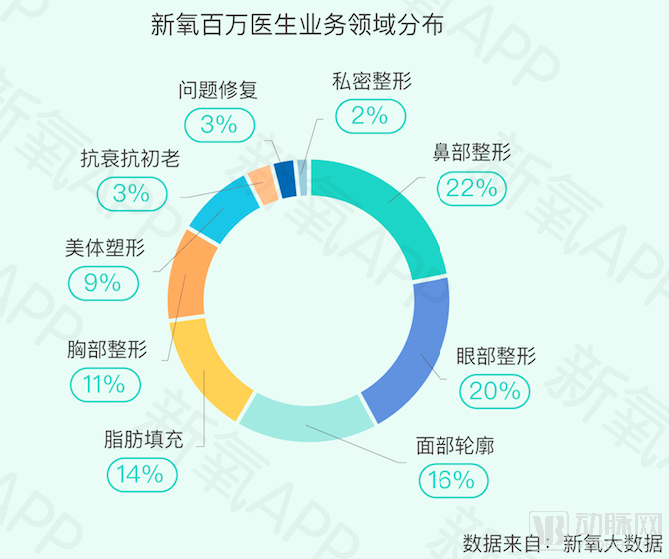
The nasal region has produced the largest number of So-Young’s “million-revenue” doctors, followed by the ocular region. So-Young predicts that the eye and nose will remain the primary fields for cultivating “star” physicians. Other areas with promising growth include anti-aging and early-age prevention, corrective procedures, and intimate plastic surgery. These three sectors are favored either due to anticipated demand growth or high technical barriers.
Multiple reports on emerging professions indicate that as medical aesthetics enters the era of mass consumption, aesthetic medicine physicians have gradually become a sought-after career, even gaining popularity in the dating market.
The Internet’s Further Penetration into Medical Aesthetics Drives Rapid Industry Standardization
According to SoYoung’s big data, the five procedures with the highest average prices in 2019 were facial contouring surgery (RMB 22,268), breast augmentation (RMB 15,101), buttock augmentation (RMB 14,324), mastopexy (RMB 13,473), and rhinoplasty (RMB 10,536). Beyond basic necessities such as clothing, food, housing, and transportation, medical aesthetic procedures costing over RMB 10,000 can now also be purchased online.
On the one hand, the internet enables consumers across China to access medical resources more equitably; on the other hand, it should be noted that medical aesthetics is inherently a medical practice. Medicine carries inherent risks, distinguishing it from basic necessities such as clothing, food, housing, and transportation.
For instance, there is an urgent need to enhance safety awareness among medical aesthetics consumers in China. Over the past year, So-Young provided 730,000 complimentary medical malpractice insurance policies for aesthetic procedures to its platform users; however, only 13.74% of users completed the enrollment information and secured this coverage, while 86.26% failed to complete the enrollment process. This indicates that many consumers do not regard medical aesthetics as a medical procedure with inherent risks.
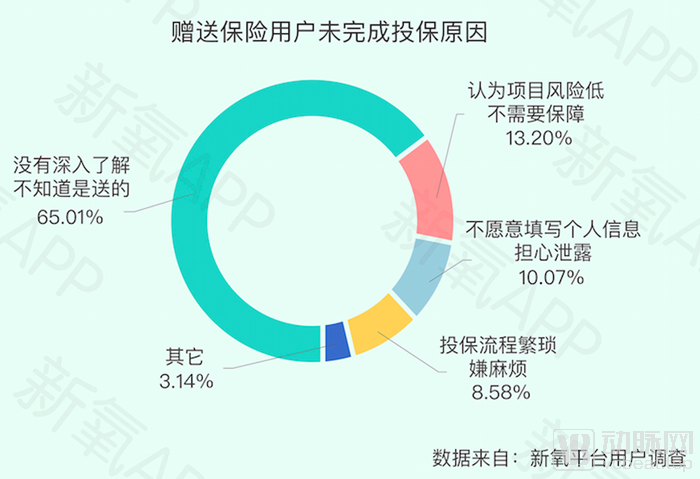
According to a survey of SoYoung users, the reasons for the failure to complete enrollment in complimentary insurance were as follows: 65.01% of consumers did not enroll because they lacked a thorough understanding and were unaware that the insurance was provided free of charge; 13.20% of users believed that the procedural risks were low and thus did not require coverage; 10.07% of users were reluctant to provide personal information due to concerns about data leakage; and 8.58% of users found the enrollment process overly cumbersome and troublesome.
In contrast, medical aesthetics insurance systems abroad are relatively well-established. Taking the United States as an example, nearly all clinics purchase commercial insurance to mitigate risks. This insurance covers physicians; it takes effect when a patient’s procedure fails and requires revision. As a result, risks are minimized to the greatest extent possible, allowing plastic surgeons to perform procedures with confidence and patients to pursue aesthetic enhancements with peace of mind.
SoYoung has never ceased its efforts in the field of medical aesthetics insurance. “Yangqi Bao” was launched on the SoYoung platform in August 2016. In early 2019, SoYoung established a dedicated insurance division, staffed entirely by professionals from major insurance companies and specialized insurance platforms, and designated comprehensive coverage for consumer healthcare services as a strategic priority for the platform.
SoYoung also stated that in 2019, it would make comprehensive protection for its platform users’ consumer healthcare expenditures a strategic priority. Taking insurance as an example, SoYoung will provide users with complimentary basic coverage policies for a certain period. Additionally, it will offer end-to-end consumer healthcare insurance for selected procedures, providing coverage throughout the entire process—from purchase and participation in medical services to management of medical risks.
Periods of rapid industry growth are often characterized by a transition from irregularity to standardization. Consumers’ awareness of professionalism, safety, and protection in medical aesthetics is still in its nascent stage, while practitioners in the field vary widely in quality, posing increasingly significant challenges for regulators.
Just as the internet has driven progress in other industries, medical aesthetics platforms should assume greater responsibility and deliver enhanced value during the industry’s standardization process. By leveraging their platforms to bridge the information gap between supply and demand, they can help consumers develop more mature and rational perspectives on medical aesthetics consumption, while ensuring that illegal and non-compliant practices have no place to hide.
Below is the full version of the white paper: