

Ancare Medical Expands Its Mental Health Chain Across China with 1,200 Beds in Over Ten Cities
According to the 2017 White Paper on Mental Health of Urban Residents in China, 73.6% of the population in China is currently in a state of suboptimal psychological health, 16.1% suffer from varying degrees of psychological problems, and only 10.3% are mentally healthy, with depression and anxiety being the predominant conditions. The Healthy China Action (2019–2030) reports that the prevalence of depression in China has reached 2.1%, while the prevalence of anxiety disorders stands at 4.98%. Common mental and psychological disorders affect a large population base with strong demand for diagnosis and treatment; however, the actual treatment rate remains generally low.
Yang Yi, founder of Anken Medical, previously worked in the Department of Psychiatry at the Second Xiangya Hospital. There, the majority of psychiatric patients he encountered were not those with severe psychotic disorders, but rather individuals suffering from various anxiety and depressive disorders. In public hospitals, where a large volume of psychiatric patients seek consultations daily, physicians typically determine the diagnosis within 3–5 minutes and prescribe corresponding pharmacological treatment plans, thereby ensuring efficient patient throughput.
Yang Yi told VCBeat, “The diagnosis of other diseases (such as the common cold) can follow the aforementioned model, but mental disorders differ from other conditions. Psychiatry is a specialty centered on individualized, introspective communication. During clinical consultations, physicians need to devote more time to listening and communicating with patients, clearly explaining the etiology of the disorder and the proposed treatment plan. Combining pharmacological therapy with non-pharmacological interventions yields greater efficacy; however, public hospitals are unable to provide these comprehensive services.”
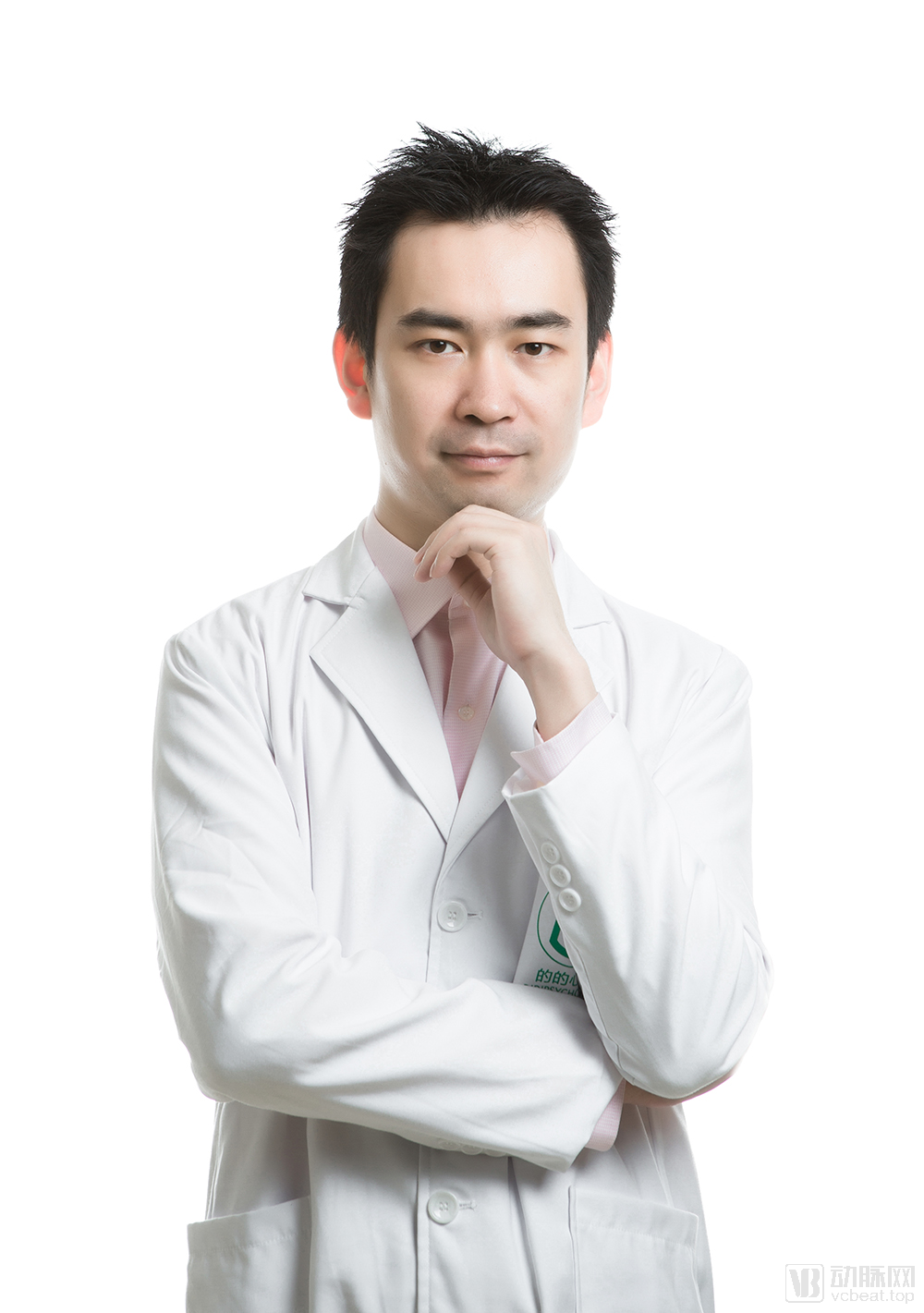
Yang Yi, Founder of Anken Medical
Yang Yi holds a Doctor of Medicine in Clinical Medicine from Xiangya School of Medicine, Central South University. After working for several years at the Second Xiangya Hospital, he recognized that the needs of genuine psychiatric patients were difficult to meet within this setting. Consequently, he conceived the idea of launching his own venture dedicated to specialized treatment institutions for mental and psychological disorders.
At that time, foreign institutions adopted a comprehensive diagnostic and treatment model for patients with psychiatric and psychological disorders. This model featured a systematic workflow encompassing pharmacotherapy, psychotherapy, physical therapy, and rehabilitative care. Led by specialized psychiatrists, the multidisciplinary treatment team developed individualized treatment plans tailored to each patient’s clinical condition.
This model is already well-established abroad. Yang Yi initially aimed to adopt this international approach to provide comprehensive treatment for psychiatric and psychological disorders. In 2015, Anken Medical was founded. At its inception, the company attempted to establish an online interconnected “physician + counselor” model, delivering a therapeutic approach that integrates medication, psychological counseling, and physical therapies.
Anken Medical’s initial concept was to source patients with mental disorders from both physicians and counselors. Physicians were responsible for disease diagnosis and pharmacological treatment, while counselors provided psychotherapy. Physicians referred patients to counselors, and counselors directed patients to physicians, creating a mutually beneficial closed-loop system of collaborative care.
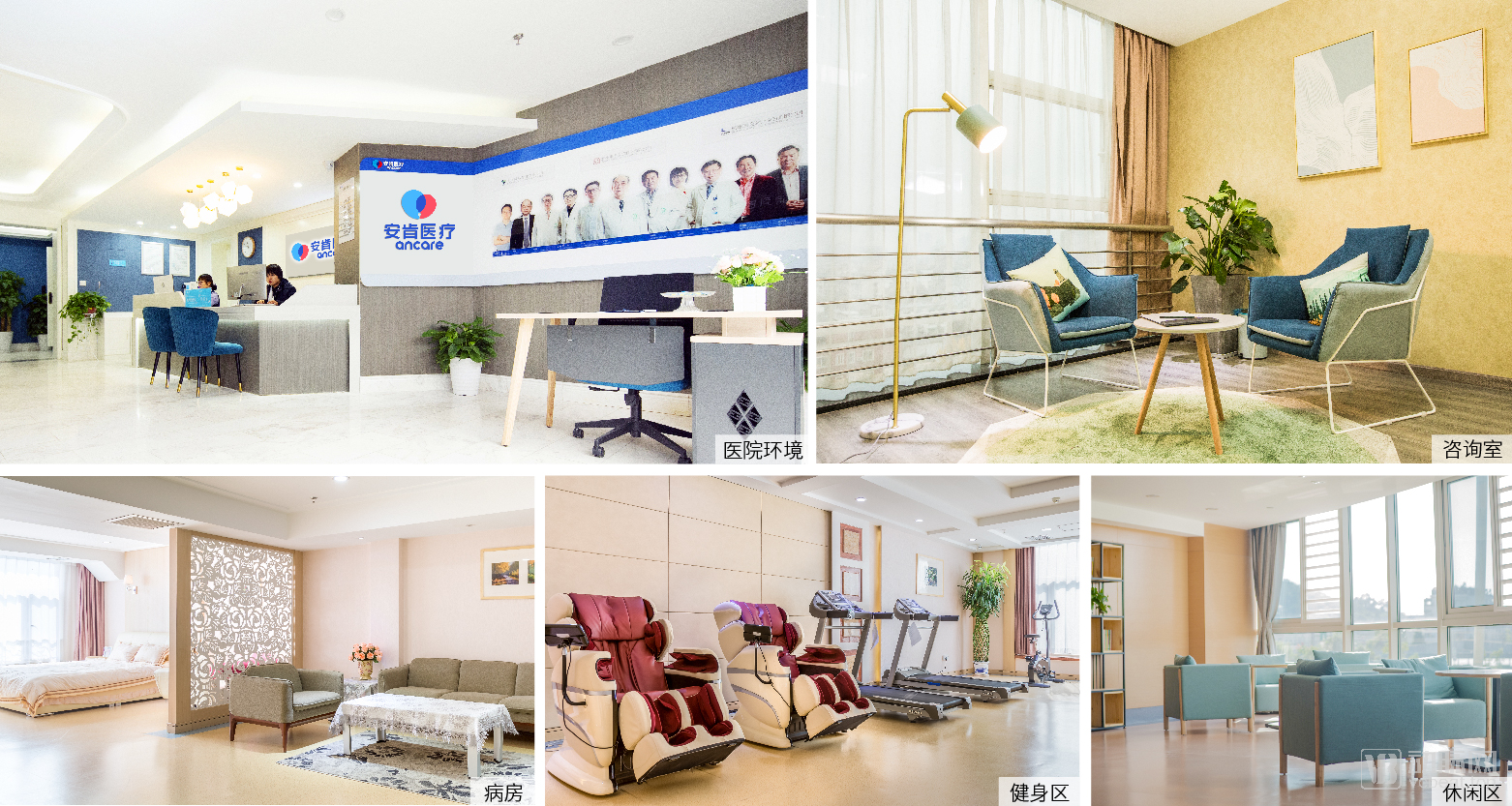
A Glimpse Inside Anken Medical
However, when Anken Medical actually launched its online “Physician + Counselor” joint service platform, the company discovered that this model was difficult to sustain. The root cause lay in the mutual distrust between physicians and counselors. Yang Yi stated, “The reason this model has succeeded abroad is that both physicians and counselors there undergo a standardized training system lasting three to five years. They share a consistent framework for understanding symptoms, diagnosis, and treatment plans, fostering mutual understanding and trust. In China, however, physicians and counselors have vastly different interpretations of symptoms, diagnoses, and therapeutic approaches, making coordinated care challenging. As a result, the ‘Physician + Counselor’ model cannot be widely implemented or replicated in China.”
This failed exploration was the biggest setback in Anken Medical’s development. Yang Yi told VCBeat that after identifying the flaws in this model, they decided to address the issue by fully implementing and integrating the model across China. Their solution was “brute-force” and “direct”: building an offline team of “doctors + counselors.” Since they were unable to establish an online interconnected platform, they opted to set up offline clinics and recruit doctors and counselors directly.
Anken Medical: Professional Doctor Team, Customized Treatment Plans
Currently, Anken Medical has over 200 full-time and part-time physicians and counselors, with more than 50% holding the title of attending physician or above. Renowned domestic psychiatric experts serve as consultants, including Professor Zhang Mingyuan from the Shanghai Mental Health Center, Professors Zhao Jingping and Chen Jindong from the Second Xiangya Hospital of Central South University, and Professor Yu Xin from Peking University Sixth Hospital, among others.
When patients visit Anken Medical’s offline facilities, physicians first diagnose their symptoms to identify the underlying causes and specific conditions. Subsequently, professional doctors propose personalized treatment plans that reasonably combine three approaches: physical therapy (such as biofeedback and transcranial magnetic stimulation), psychotherapy (including individual hypnosis, individual psychotherapy, attention training, and group meditation), and pharmacotherapy. Physicians and patients collaboratively select the most suitable and mutually agreed-upon plan from these combined options. Yang Yi stated, “The recovery rate for patients receiving a single modality of treatment is approximately 60% to 80%, whereas the recovery rate for those undergoing combined treatment exceeds 90%.”
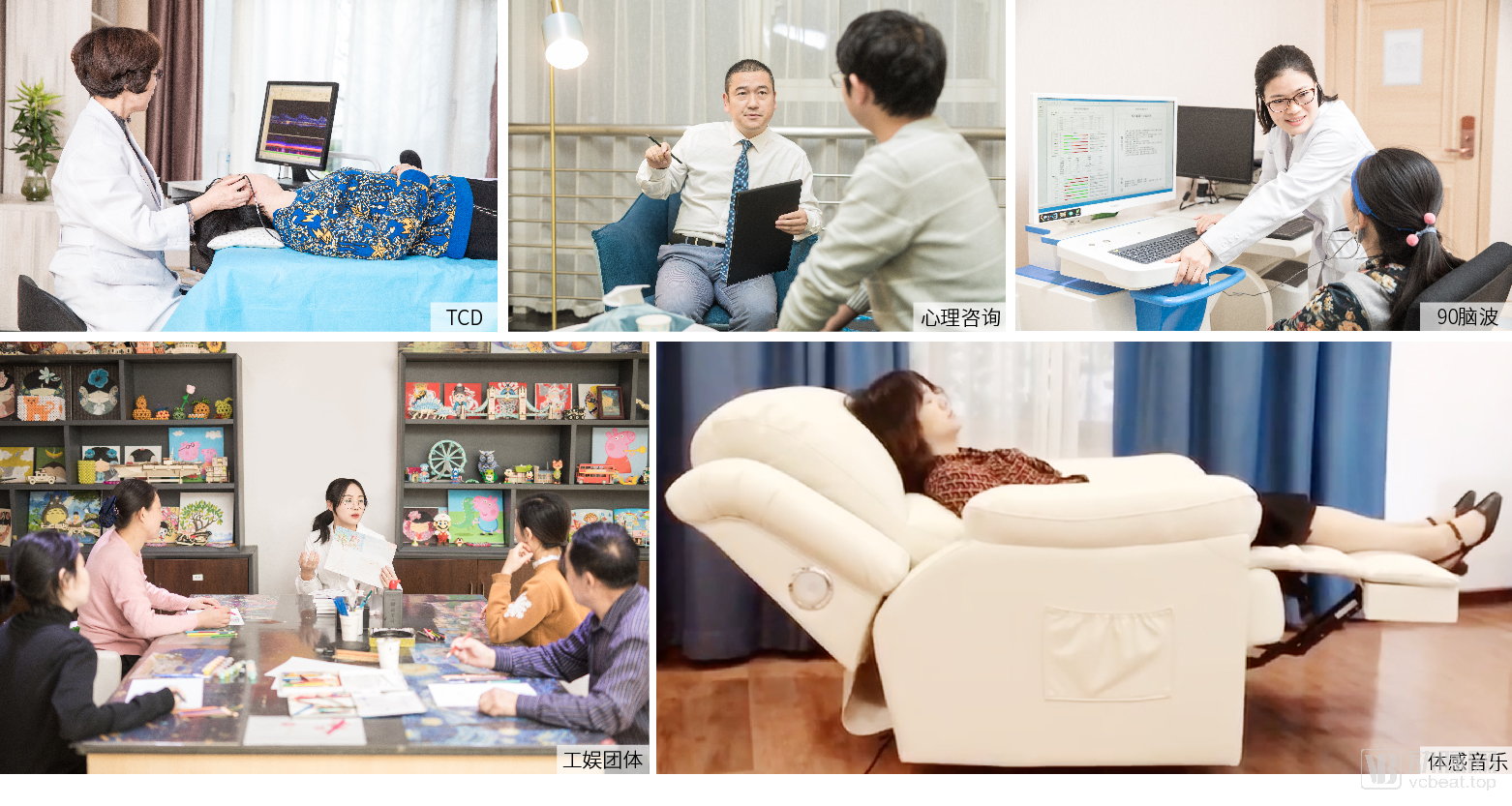
Selected Treatment Modalities of Anken Medical
Anken Medical features five specialized disciplines: “Child and Adolescent Mental Health,” “Psychosomatic Health,” “Eating Disorders,” “Sleep Health,” and “Complex and Refractory Conditions.” It provides patients with full-cycle medical services covering pre-diagnosis, during-diagnosis, and post-diagnosis stages: pre-diagnosis services are delivered through online psychological counseling; during-diagnosis care is provided via offline outpatient consultations and inpatient treatment; and post-diagnosis support is achieved through online patient follow-up and management. Notably, 65% of Anken Medical’s patients are acquired through online channels, while word-of-mouth referrals account for 20%.
Currently, Anken Medical operates hospitals or clinics in more than ten cities across China, with a total of approximately 1,200 open beds. Centered on its self-built flagship hospitals, Anken Medical is expanding into surrounding cities and plans to operate over 30 hospitals and clinics by 2020.
In the future, Anken Medical will vigorously expand its remote diagnosis and treatment services and introduce follow-up consultation options for patients, thereby delivering more efficient and convenient care. Notably, last year, Anken Medical completed a pre-A financing round of tens of millions of RMB, invested by Sinopharm Capital. The company has now launched its Series A financing plan, aiming to raise approximately RMB 40 million, which will be allocated toward acquiring investment targets, data infrastructure development, and brand building.