

Livongo's IPO: Key Insights and Inspirations for Digital Chronic Care Management

Livongo
Chronic Disease Management Service Provider
Author: Zhang Xunjie, an internet healthcare practitioner and former Operations Director at WeiTang Yuan; Weibo: Mobile Medical Chat. VCBeat first connected with Xunjie in 2014. In this article, he draws on his years of practical experience in mobile healthcare to offer readers some insights. The full text exceeds 5,000 characters and takes approximately 12 minutes to read.
Livongo is a technology company specializing in the digital management of chronic diseases, having started with diabetes solutions. Its recent initial public offering has attracted widespread attention. Currently, many startups in China are also operating in this same field. So, what exactly is Livongo’s business model, and what insights can it offer us?
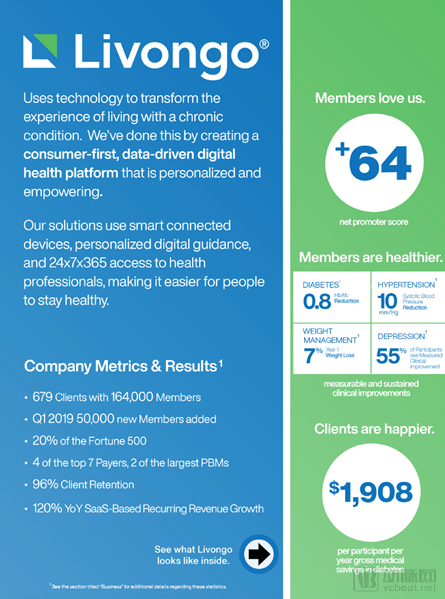
Figure 1: Two Sets of Data
The first page of Livongo’s prospectus features the image above, presenting a set of key metrics. The data displayed against the blue background on the left indicates that, as of March 31, 2019, Livongo had secured 679 clients and 164,000 members, with over 50,000 new members added in the first quarter of 2019. Twenty percent of its clients were from the Fortune 500, and its partners included four of the seven largest U.S. health insurance providers and two of the largest pharmacy benefit managers (PBMs). The company also reported a 96% client retention rate and a 120% year-over-year revenue growth rate. These figures demonstrate that Livongo has gained recognition from both channel partners and clients, and that its revenue is currently entering a phase of rapid growth.
The data on the green background to the right presents another set of metrics across three dimensions: user satisfaction, clinical outcomes, and economic costs.
First, user satisfaction, measured by NPS (Net Promoter Score), reached 64. It must be said that this figure is already very high; large internet companies in the United States can achieve an NPS above 60, and it is generally believed that a score exceeding 50 can generate positive word-of-mouth. In contrast, the average NPS for the U.S. healthcare industry is only 12.
Second, clinical outcomes: changes in the statistical values of a series of physiological indicators improved after using Livongo. HbA1c decreased by 0.8%, blood pressure decreased by 10 mmHg, body weight decreased by 7%, and the depression index decreased by 55%.
Third, economic costs: Using Livongo helped each participant save $1,908 in diabetes-related medical expenses.
The data across these three dimensions are extremely precise, yet they are by no means fabricated. A series of research studies supporting these data have been published on the official website, including the results of a large-scale retrospective cohort study presented at the American Diabetes Association (ADA) Scientific Sessions the year before last. Furthermore, the website features a return on investment (ROI) calculator; by simply entering the number of participants in the Livongo diabetes management program, users can estimate the potential financial benefits over a three-year period.
Based on the two sets of data above, we can gain a clear understanding of Livongo’s business model. It operates on a B2B2C model, where the clients are enterprises that purchase health insurance for their employees. Insurance companies and Pharmacy Benefit Managers (PBMs) serve as channel partners that help refer clients, while the corporate employees who actually benefit from Livongo’s innovative services are referred to as members.
In the U.S. health insurance system, employers purchase commercial insurance for their employees, typically covering 80% of the premium costs. The exact proportion depends on the company’s benefits package. From the insurer’s perspective, minimizing medical expenditures among corporate employees is a clear priority. Compared with healthy employees, those with chronic conditions account for the majority of insurers’ payouts. Insurers must cover not only the costs of ongoing treatment but also the substantially higher expenses associated with hospitalizations if these conditions are poorly managed. Therefore, insurers cannot afford to neglect the management of employees with chronic diseases.
Livongo addresses this demand from insurers by offering viable solutions to control expenditures on chronic diseases. Insurers and employers (the policyholders) share aligned interests; when insurers are confident that expenditures are reduced and controllable, they will inevitably return a portion of the savings to employers in some form. Furthermore, improved employee health helps employers reduce absenteeism and other work-related losses. Therefore, when Livongo demonstrates its return on investment with robust evidence, both insurers and employers become willing to recommend Livongo’s services to employees. The three key metrics mentioned above—user satisfaction, clinical outcomes, and economic costs—are precisely what payers care about most.
In short, Livongo’s business model is to serve individual consumers well while helping businesses save money.
Livongo’s solution is a combination of hardware, software, and human services, encompassing connected devices, system feedback, and personalized coaching. The company has currently launched four solutions: Livongo for Diabetes, Livongo for Hypertension, Livongo for Prediabetes and Weight Management, and Livongo for Behavioral Health by myStrength. Among these, the diabetes business accounts for more than 90% of total revenue. The behavioral health and stress management solution was acquired through the purchase of myStrength in February this year.
Taking the diabetes solution as an example, this program includes a touchscreen interactive blood glucose meter with automatic data transmission capabilities, unlimited access to blood glucose test strips, and behavioral monitoring and education delivered via internet-based channels such as websites, mobile apps, and email. Furthermore, when the system receives data indicating a risk of hypoglycemia or hyperglycemia, members will receive a phone call from a certified diabetes educator within minutes to provide guidance on appropriate responses. The CEO of Livongo stated, “We are confident that our blood glucose meter has no standalone value; the device is not sold separately, and it is ineffective without the accompanying services.”
Unlike its hardware, services are Livongo’s distinguishing feature. To support this, the company has hired a full-time team of Certified Diabetes Educators (CDEs). This team comprises registered nurses, registered dietitians, social workers, and behavioral psychologists who have received specialized training. Referred to as “coaches” by members, they engage with members via phone, video calls, or email to help them make behavioral changes for long-term health. They also handle urgent but non-complex issues and communicate with physicians at clinics and hospitals when clinical treatment adjustments are needed. Although the team works full-time, its members work remotely from various cities. Livongo currently has 471 employees, with an estimated 80–100 coaches, resulting in a coach-to-member ratio of approximately 1:2,000.
Livongo positioned its solution as pioneering a new medical domain, introducing the concept of Applied Health Signals and building an AI+AI system to support its offerings. Here, AI does not refer to the artificial intelligence trending in China; rather, AI+AI stands for Aggregate, Interpret, Apply, and Iterate.
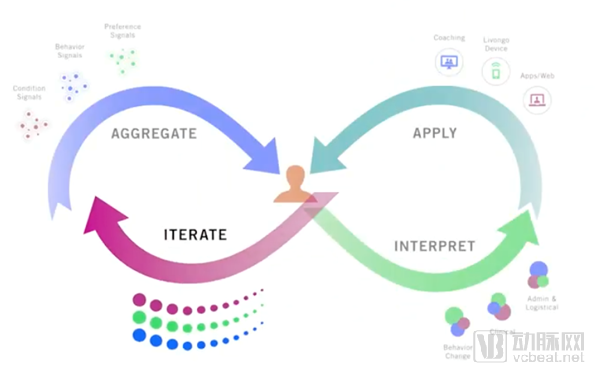
Figure 2: AI+AI Model
As illustrated in the figure above, this is a continuous iterative process. By leveraging hardware devices and human physiological data acquired through various channels, along with received feedback signals, Livongo provides targeted guidance and recommendations to patients with chronic diseases. This approach is continuously updated and refined during implementation. Through the integration and analysis of these data, Livongo helps members gain a deeper understanding of their conditions. Each member’s actions not only receive real-time feedback but also generate reports known as “Health Nudges,” which offer long-term health recommendations.
"Nudge" is a term in behavioral economics. We know that in the fight against chronic diseases, patients are battling human nature, which is a difficult task for individuals. Therefore, external assistance is needed to help combat this, and such external influence is referred to as a "Nudge" in behavioral economics.
We can imagine that if the continuous, real-time physiological data collected by Livongo were combined with insurers’ hospital clinical data, would it not provide a deeper understanding of your health status than you yourself possess? Would this not hold immense appeal for employers and insurance companies?
Compared to Livongo’s clear business model and product solutions, its operational landscape is significantly more complex. This innovative healthcare model requires a talent structure that spans multiple diverse fields, posing a substantial test for management. The product R&D team must encompass hardware development, software interaction design, medical education curricula, and service workflows for the coaching team. The marketing team must engage with large-scale channel partners such as insurance companies and Pharmacy Benefit Managers (PBMs), while also directly interacting with clients to persuade them to purchase its product solutions. After contracts are signed, the team must recruit potential members, convincing them to abandon their existing methods and switch to Livongo’s solution. Meanwhile, the operations team must monitor each member’s usage, focus on optimizing the service quality of the coaching team, and ensure timely connectivity with partner medical institutions.
Any error in any step of the above process would affect member experience, thereby impacting NPS. We believe that Livongo must have a robust mechanism in place to ensure the smooth execution of this process. Much like an AI+AI system, it is also undergoing continuous iteration. Let us take a look at some publicly disclosed figures.
The customer acquisition cycle is long.
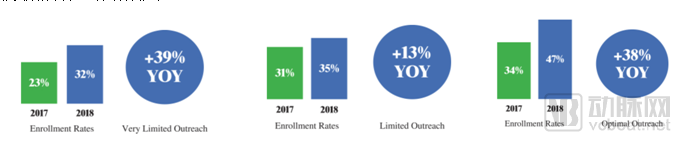
Figure 3: Annual Growth Rate of Recruitment Success Rate
In the first quarter of 2019, the top five channel partners accounted for 59% of revenue. The top ten clients represented 18.5% of total members and 16% of revenue. The sales cycle for large clients is protracted, with evaluation periods ranging from one month to one year; it typically takes 11 weeks from contract signing to the commencement of member enrollment. As shown in the chart above, the enrollment success rate in 2017 was only 23%. Prior to 2018, the proportion of successful member enrollments after agreement execution stood at 34%; following improvements to the enrollment process implemented in 2018, this rate increased to 47%. Despite these extensive efforts, more than half of patients remained unwilling to use Livongo’s services, even though membership is entirely free. Enrollment strategies included posting posters in workplaces and sending company-wide emails, among other methods. The poster headline is shown below: New Diabetes Health Benefit at No Cost to You.
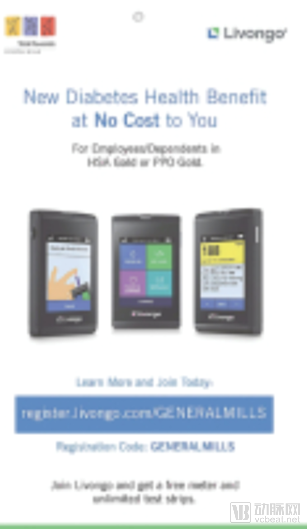
Figure 4: Poster for member recruitment (image sourced from the prospectus; relatively blurry)
Revenue Performance

Figure 5: Revenue Performance
Livongo’s reported revenue figures date back to 2017, with the preceding period primarily dedicated to product research, development, and validation. Annual revenue amounted to $30.9 million in 2017 and $68.4 million in 2018, representing a year-over-year growth rate of 122%. Revenue in the first quarter of 2018 was $12.5 million, rising to $32.1 million in the first quarter of 2019, a year-over-year increase of 157%. As previously analyzed, the company has maintained exceptionally high growth rates since its solutions gained acceptance among payers. Given the aforementioned lengthy sales cycles, numerous potential payers and customers are likely to have placed Livongo’s solutions on their watchlists, and this IPO serves as a significant boost to brand visibility. We believe that at least its diabetes management solution will continue to sustain strong revenue growth over the next two to three years.
Member Activity
Blood glucose meters with data transmission capabilities and touchscreens are hardly novel devices, even in China. How exactly does Livongo’s membership service perform? The company’s IPO prospectus does not provide a comprehensive overview, as payers are ultimately more concerned with member satisfaction than with the intricacies of member usage. We attempt to gain some insights from other available metrics.
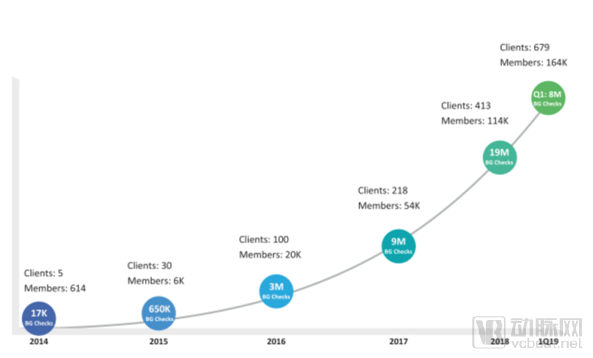
Figure 6: Growth in the Number of Blood Glucose Measurements by Members
In 2018, glucose meters recorded over 19 million readings, with an average of 250 interactions per member annually. Based on a membership base of 100,000 in 2018, this translates to 190 blood glucose measurements per member per year, or 15.8 times per month. This figure is indeed low. I consulted a friend with type 2 diabetes; according to his physician’s prescription, he receives 60 test strips per month, indicating that both his doctor and insurance provider expect him to monitor his blood glucose an average of twice daily.
The monthly interaction frequency was 20.8 times. In the first quarter of 2019, Livongo collected a total of 31 million data points. Based on 160,000 members, this equates to 65 interactions per member per month.
The above two sets of data can, to a certain extent, reflect member engagement. The baseline activity includes 15 blood glucose measurements per month and 20 interactions with coaches. Here, “interactions” refer not only to one-on-one coaching but also, more commonly, to participation in Livongo’s online courses. Livongo assesses each member’s condition and customizes dedicated online courses accordingly, enabling members to improve their health through guided adjustments in diet, exercise, and other lifestyle factors. The remaining 30 data points are collected from other hardware devices and partners, such as when members attend outpatient visits, pick up prescriptions, or undergo routine check-ups.
The average age of Livongo members is 53, with the vast majority being patients with type 2 diabetes. Regardless of the treatment modality, the pricing remains the same, with diabetes management services costing $75 per month. In reality, the number of test strips used and the frequency of interactions are significantly correlated with the patient’s treatment regimen and disease progression. Patients on oral hypoglycemic agents have a much lower demand for coaching compared to those on insulin injections. These patients typically have a shorter disease duration and preserved residual pancreatic beta-cell function. They usually require only precise medication management, resulting in minimal blood glucose fluctuations. Over time, they tend to reduce the frequency of glucose monitoring. Without regular measurements, there is less need for communication with health coaches, and emergencies requiring physician intervention are rare. In contrast, the condition of patients on insulin therapy is far more complex. Since insulin dosing requires fine-tuning based on blood glucose readings, regular monitoring is essential. Consequently, these users consume several times more test strips and coaching resources than patients taking oral medications.
User comments on social media platforms also corroborate this hypothesis. Users predominantly discuss the usability and accuracy of the glucose meters themselves, with little perception or feedback regarding the accompanying services. This supports my conjecture that user engagement is low, or more specifically, adherence is suboptimal. Nevertheless, Livongo’s corporate clients still view the solution favorably, as it provides greater visibility into employees’ health conditions compared to the previous state of complete unawareness, thereby shifting risk management from an unpredictable domain to a predictable one.
Livongo has not disclosed these figures because they are irrelevant to payers’ purchasing decisions. Even if some members check their blood glucose only a few times a month and do not attend coaching sessions as scheduled, they remain satisfied with the service as long as they receive timely assistance when issues arise, prompting payers to purchase the service. There is no need to demand that members be highly active every day or strictly adhere to dietary monitoring and control guidelines, as few people can sustain such rigor. Of course, within this model, patients who might otherwise fall through the cracks inevitably receive substantially more care. On the other hand, if engagement metrics were made public, employers would observe that the small subset of users on insulin therapy utilizes both hardware and services far more extensively than those on oral medications. In such a scenario, payers might pressure Livongo to reprice its offerings based on different patient segments.
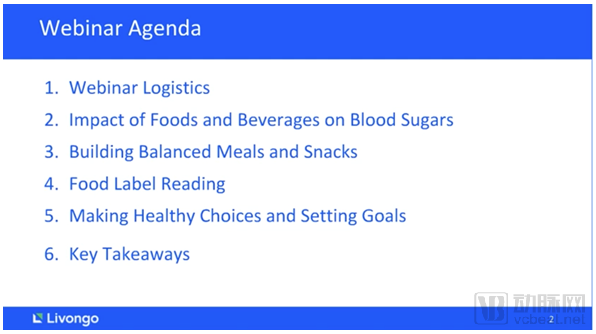
Figure 7: Coach's Online Course Catalog
Member Churn Rate
Finally, let us examine member churn. Given Livongo’s current reliance on a single revenue stream, the loss of each member directly translates into reduced revenue. In 2018, the average monthly member churn rate was 2%. Of this churn, 74% was attributable to job changes, where members left their former employers; 20% resulted from voluntary discontinuation of service use; and 6% occurred because clients ceased using the service. These figures indicate that once members are successfully enrolled, the churn rate remains relatively low. The primary driver of churn is members leaving their original employers, thereby losing access to Livongo’s services. In this regard, if Livongo can continue to expand its client coverage in the future, enabling members to retain service access when transitioning from one employer-client to another, such attrition would be mitigated.
Market Size
There are 30 million diabetic patients in the United States. According to Livongo’s projections, the market size for diabetes management among employers offering self-insured plans and those offering traditional insured plans is approximately $12.3 billion. The market size for diabetes management within Medicare (covering individuals aged 65 and older) and Medicaid (covering low-income populations) is $15.9 billion. Hypertension affects 76.6 million Americans. Excluding patients with comorbid diabetes and hypertension, and considering the potential population size and solution pricing, the market size for hypertension management demand is $18.5 billion. In the United States, 147 million adults suffer from chronic diseases, with over 40% having two or more chronic conditions.
The forecast for the market size of diabetes management is based on such prevalence data. There are 42 million Medicare beneficiaries, with a diabetes prevalence rate of 30% in this population; employers purchasing commercial insurance cover approximately 58 million employees and dependents, with a diabetes prevalence rate of 9%; around 99 million employees and dependents purchase insurance individually, with a diabetes prevalence rate of 9%; and there are 64 million Medicaid beneficiaries, with a diabetes prevalence rate of 8%.
Expanded Products
As previously discussed, Livongo’s current channel partnership model is characterized by long sales cycles and high customer acquisition costs. Therefore, expanding its product portfolio is an inevitable strategic choice. Developing additional digital chronic disease management packages can drive revenue growth in two ways: first, by expanding the member base, and second, by increasing the average revenue per user (ARPU). Since many patients with diabetes also suffer from hypertension, a member purchasing both packages would naturally result in a higher transaction value. Moreover, company employees often have various chronic conditions to varying degrees. Even extending solutions to stress management—a need shared by many—can generate additional revenue, provided that Livongo can similarly demonstrate value to payers by delivering cost savings. Indeed, Livongo’s management has been pursuing this strategy, continuously enriching its chronic disease management offerings through acquisitions.
In September 2014, the first solution for diabetes was launched.
In April 2018, it acquired Retrofit Inc. and launched its second solution, now known as Prediabetes and Weight Management.
In August 2018, the third solution, hypertension, was launched.
In February 2019, we acquired myStrength, Inc. and launched our fourth solution, now known as Cognitive Behavioral and Stress Management.
The Challenges of Sustained Service Delivery
As mentioned above, Livongo’s monthly churn rate is 2%, with the majority of attrition attributed to employees leaving their jobs and switching insurance providers. Since most members joined after 2018, delivering continuous services to patients with chronic diseases poses a significant challenge. A review of Livongo’s website reveals that its chronic disease management curriculum spans 52 weeks—a structure that clearly reflects the extensive efforts of its R&D team. However, education alone is difficult to sustain over several years, as chronic disease management is inherently a process of self-care. If users can acquire 80% of the knowledge provided by health coaches, they are likely well-equipped to manage their daily lives throughout the year. For users on oral medications or those with prediabetes, achieving this level of understanding is not particularly difficult, especially if they have a certain educational background. Therefore, to ensure users continuously perceive the service and recognize its value, ongoing exploration is necessary. The “AI + AI” loop may be designed precisely to address this concern.
Competitors
Although Livongo operates in the innovative field of digital health solutions, a market still considered to be in its early stages, it is rapidly developing, with an increasing number of competitors emerging. Potential rivals include Virta Health, Omada Health, Glooko, and Onduo in diabetes management; Hello Heart in hypertension management; and Lyra Health and Ginger.io in mental health management. These companies have already invested years in research and development and are now at the stage of seeking commercialization. Once Livongo’s business model is proven viable, these competitors are bound to adopt similar marketing strategies.
In this process, competitors may offer solutions at lower prices or continue to develop more complex and effective products based on Livongo’s solution. Such competition could depress overall market prices, posing a threat to Livongo’s sales, profitability, and market share.
In the pharmaceutical industry, patents are a critical means for companies to establish competitive barriers. Livongo’s IPO prospectus disclosed that it held 21 granted patents and one pending patent application in the United States. However, a search on the website of the United States Patent and Trademark Office reveals that the majority of these patents relate to hardware design for blood glucose meters. Innovations in software systems and service workflows cannot easily be protected by patents to fend off competitors, as is common among traditional pharmaceutical companies. Consequently, Livongo must move rapidly, leveraging its marketing capabilities, market share, and scale to build its own defensive moat.
The success of Livongo’s business model is closely tied to its operating environment and the founders’ backgrounds. Key factors include the U.S. health insurance system, prevailing business models, and Pharmacy Benefit Managers’ (PBMs) demand for chronic disease management solutions. Founded in 2008 as EosHealth, the company had already accumulated years of experience in software and hardware development; thus, Livongo did not start from scratch but instead built upon an existing product foundation at its inception. With over two decades of experience in the U.S. healthcare informatics sector, founder Glen Tullman recognized the commercial potential of digital chronic disease management. He assembled a team and steadily advanced the company, ultimately leading to its public listing.
In China, it is currently difficult to find a business model where insurance covers the costs, as is common in the United States. What would happen if Livongo’s product solutions were marketed directly to individuals? Under a B2C model, users would need to pay for their own disease management.
First, users’ motivation to purchase typically arises when they encounter health issues. This leads to adverse selection, wherein users who purchase the service exhibit intense short-term demand. I once encountered a user who exchanged over 10,000 messages within a single month—more than 300 per day—placing considerable strain on the medical team, yet their Net Promoter Score (NPS) was only 8.
Secondly, pricing should be differentiated based on treatment modalities and patient populations. A user with type 2 diabetes taking oral medications averages only 100 conversations per month, whereas a pediatric patient with type 1 diabetes using an insulin pump averages over 2,000 conversations. Applying a uniform pricing structure would pose significant challenges to sales.
Finally, users find it difficult to ascertain the exact value delivered by the service, making it challenging to persuade them to repurchase. Once the initial health concern that prompted the purchase is resolved, asking users to pay hundreds of yuan per month becomes a hard sell. Consider Livongo’s average of 20 interactions per member per month—equivalent to exchanging just five WeChat messages per week. Would you be willing to pay for such limited engagement? In reality, this frequency of interaction is actually sufficient, as few people wish to discuss their medical conditions unnecessarily. Therefore, from the perspectives of customer acquisition, product design, and retention, the B2C business model is difficult to scale.
Livongo’s initial public offering marked a significant milestone in the digital management of chronic diseases, demonstrating market recognition of this direction. While entrepreneurs in China share a consensus on the value of digital chronic disease management, as analyzed earlier, the payer determines Livongo’s business model, which in turn shapes its product and service offerings. The differences in payers stem from the substantial disparities between the healthcare systems of the two countries; therefore, simply replicating Livongo’s model in China is unlikely to succeed. Practitioners in China must continue to explore viable models suited to their local context, paving the way for a promising future.
The above presents key insights from the Livongo case study, supplemented by personal reflections. All figures and images are sourced from the company’s prospectus and official website.