

Inaugural Conference of the Big Data and Real-World Research Committee of China Anti-Cancer Association Successfully Held in Chongqing
VCBeat (WeChat ID: vcbeat) has learned that the Inaugural Meeting of the Professional Committee on Oncology Big Data and Real-World Research of the China Anti-Cancer Association, along with its First Academic Conference, was successfully held at the Chongqing International Convention and Exhibition Center on August 16, 2019.
Vice Chairman Zhang Qifan and Secretary-General Sun Jinjin of the China Anti-Cancer Association attended the inaugural meeting of the special committee on behalf of the Association. The entire session was moderated by Professor Zheng Tongseng, Secretary-General of the special committee.
First, Secretary Sun Jinjin read aloud the “Decision of the China Anti-Cancer Association on Establishing the Professional Committee on Tumor Big Data and Real-World Studies,” and introduced the nature, responsibilities, and democratic election procedures of the Professional Committee. Through the democratic election process, Professor Zhang Yanqiao, Vice President of Harbin Medical University Cancer Hospital, was unanimously elected as the inaugural Chairperson. Six experts were elected as inaugural Vice-Chairpersons: Professor Wu Kaichun from Xijing Hospital of Air Force Medical University, Professor Fu Li from Tianjin Medical University Cancer Institute and Hospital, Professor Xu Jianming from the Fifth Medical Center of Chinese PLA General Hospital, Professor Xu Jianmin from Zhongshan Hospital Fudan University, Professor Sun Ying from Sun Yat-sen University Cancer Center, and Professor Huizhou Guang from National Cancer Center/National Clinical Research Center for Cancer/Cancer Hospital, Chinese Academy of Medical Sciences.
Professor Liu Tianshu from Zhongshan Hospital, Fudan University; Professor Wang Liming from the Second Affiliated Hospital of Dalian Medical University; and Professor Ren He from the Affiliated Hospital of Qingdao University, along with 21 other professors, were elected as the inaugural standing committee members. Professor Tang Jiebing from the Affiliated Tumor Hospital of Harbin Medical University, Professor Lu Yuanyuan from Xijing Hospital, Air Force Medical University, and Gong Mengchun, Chief Medical Information Officer at Shenzhou Medical Company, were elected as committee members.
Following the election, Vice Chairman Zhang Qifan delivered a speech on behalf of the China Anti-Cancer Association (CACA) and extended congratulations on the establishment of the Special Committee. Professor Zhang Yanqiao, the inaugural Chairman of the Special Committee, addressed the assembly, stating that the preparation and establishment of the Special Committee were made possible by the strong support from CACA leaders, including Academician Fan Daiming, and the guidance from hospital administrators at various levels, such as President Qu Guofan. It is also the result of the collective efforts of all Special Committee members. Therefore, we must further strengthen our adherence to the leadership of the Anti-Cancer Association, unite and guide scientific and technological professionals in the field to inherit and innovate, and work diligently to promote the development of domestic oncology big data and real-world research, thereby making new and greater contributions to disciplinary advancement and the cause of cancer control. Professor Zhang Yanqiao also pointed out that the power of youth is formidable; one of the important tasks for the future is to establish a Youth Committee and academic groups, vigorously carry out academic activities, and invite participants to witness our growth.
In his address on behalf of the host institution of the Special Committee, the Harbin Medical University Cancer Hospital, President Qu Guofan extended heartfelt congratulations on the establishment of the Special Committee and to the newly elected Chairman, Vice-Chairmen, Standing Committee Members, and Committee Members. He further stated, on behalf of the Harbin Medical University Cancer Hospital, that the hospital would fully align with the overall strategic layout and spirit of the Anti-Cancer Association, mobilize all institutional resources to support the work of the Special Committee, and pioneer a new era in big data and real-world research for oncology treatment in China.
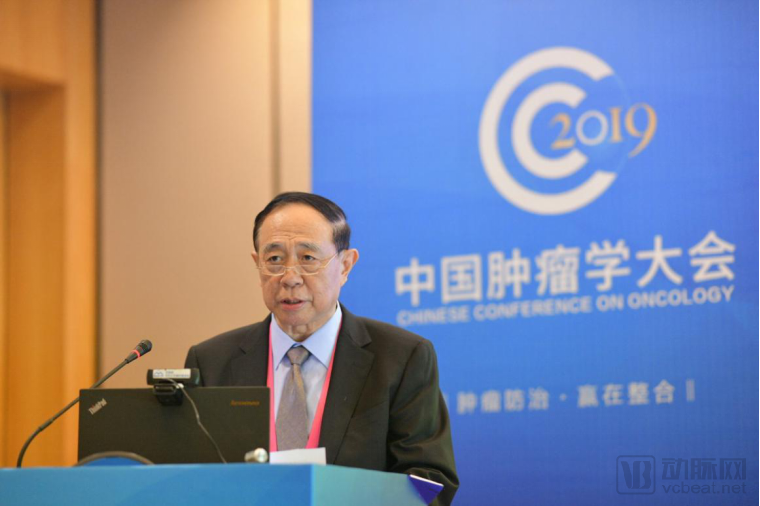
Address by Mr. Zhang Qifan, Vice Chairman of the China Anti-Cancer Association
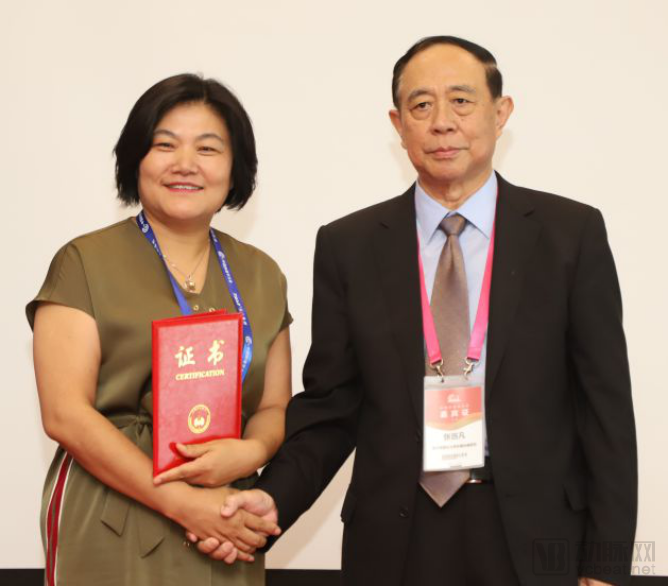
Vice Chairman Zhang Qifan of the China Anti-Cancer Association Presents the Certificate of Chairperson
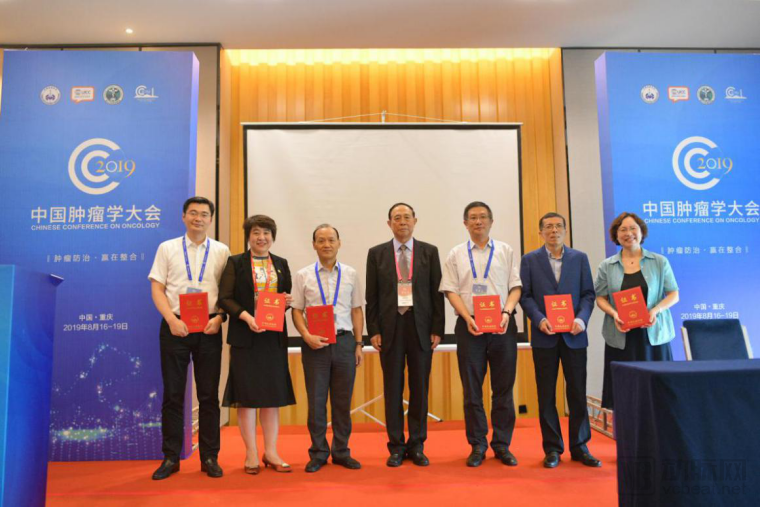
Deputy Director Zhang Qifan presents certificates to the six standing committee members.
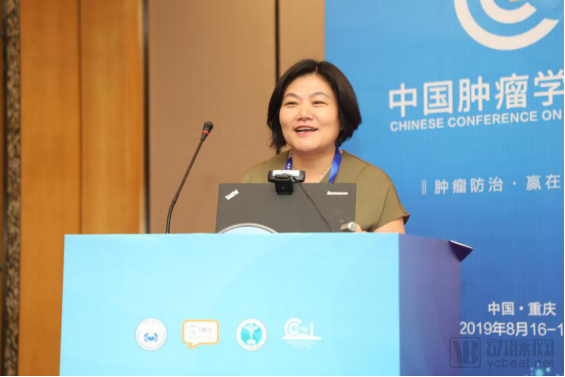
Address by Professor Zhang Yanqiao, the First Chairman
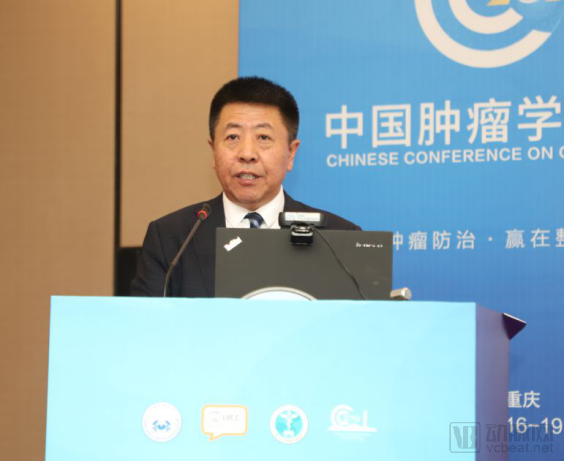
Address by Professor Qu Guofan, President of the Harbin Medical University Cancer Hospital
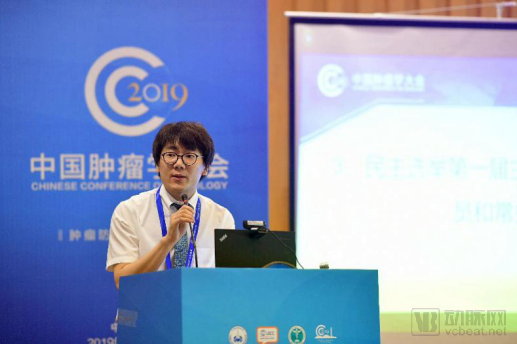
Professor Zheng Tongsen, Secretary-General of the Special Committee, presided over the entire conference.
Following the inaugural meeting, the 1st Academic Conference on Oncology Big Data and Real-World Research was held under the theme “The Future Is Here,” featuring insightful lectures by numerous experts.
Professor Zhang Yanqiao delivered a keynote address on the current status and future of oncology big data and real-world research. The report systematically and comprehensively discussed the present landscape of oncology big data and real-world research from two major perspectives: the background of oncology big data and real-world research, and the development of oncology within real-world research. Drawing on the establishment journey of the Special Committee on Oncology Big Data and Real-World Research, Professor Zhang pointed out that the future of real-world research presents both opportunities and challenges. High-quality real-world evidence is becoming the optimal clinical evidence in the field of oncology, helping to address the current shortage of clinical evidence in China and enhancing our international academic standing. However, significant challenges remain, including difficulties in multi-center collaboration, the lack of collaborative platforms and standards, and the absence of industry standards and guidelines for real-world research.
The establishment of the Special Committee aligns with national priorities and the demands of the times. In his concluding remarks, Professor Zhang Yanqiao expressed the hope that this platform would bring together domestic experts and scholars dedicated to big data and real-world studies, healthcare professionals with an interest in these fields, relevant enterprises, and government regulatory authorities. By working collaboratively, they aim to further advance oncology big data and real-world research in China, thereby bringing new hope to cancer patients. Professor Zhang’s presentation resonated deeply with all attendees. He provided a clear and accessible explanation of the definition of real-world studies, as well as their significance and importance, helping us recognize the responsibilities and mission we bear.
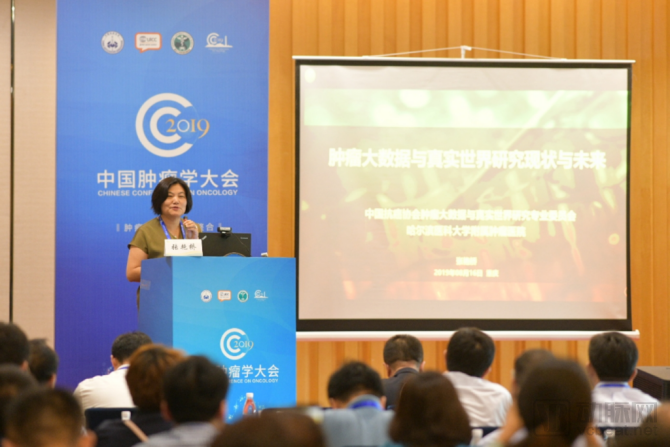
Professor Zhang Yanqiao Delivers Keynote Address on “Current Status and Future of Oncology Big Data and Real-World Research”
Professor Wu Kaichun from Xijing Hospital of Digestive Diseases, Air Force Medical University, shared case studies from his clinical practice. For its digestive system tumor biobank, Xijing Hospital strictly adheres to the standards of the International Society for Biological and Environmental Repositories (ISBER). Supported by key special projects under China’s 13th Five-Year Plan through large-scale clinical research cohorts, the hospital conducts high-level clinical studies. It has published more than 60 clinical research papers in prestigious international journals such as The Lancet and Gut, and has pioneered novel clinical technologies including small bowel transplantation, CAR-T immunotherapy, and fecal microbiota transplantation.
Professor Wu also presented the achievements of the National Clinical Research Center for Digestive Diseases, which include leading 24 international multicenter clinical studies, participating in 5 international multicenter studies, and conducting 2 single-center clinical studies, with 5 of these being adopted by international or domestic guidelines or consensus statements.
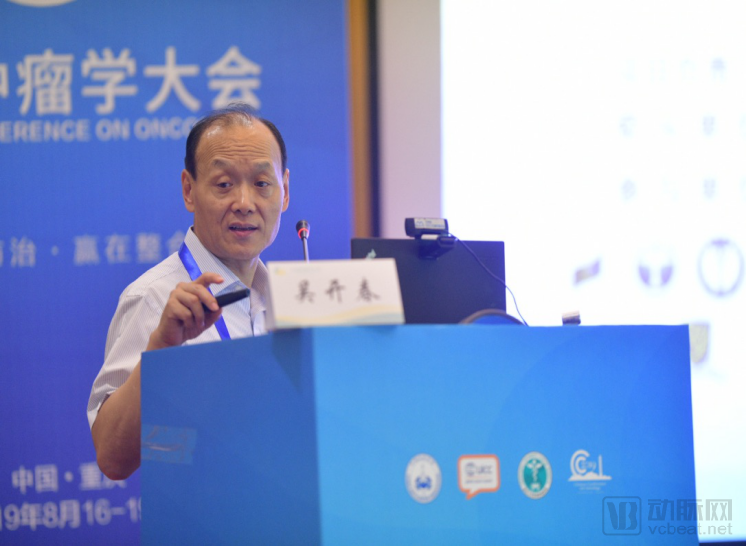
Professor Wu Kaichun Delivers a Report
Professor Fu Li from Tianjin Medical University Cancer Institute and Hospital interpreted the clinical diagnosis and treatment of breast cancer from the perspective of precision medicine, as well as the construction of databases based on precise diagnosis and treatment. The breast cancer biobank can be used for prospective studies, prognosis follow-up, and treatment guidance, including stereotactic localization, whole-mount slide preparation and observation, pathological diagnosis, etc.
The comprehensive information database for breast cancer surgical patients has been incorporated into the National Population and Health Science Data Sharing Platform. Applications of this database include the discovery of novel gene clusters, clinical evaluation of new diagnostic technologies, clinical assessment of biomarkers, and clinical evaluation of biological materials.
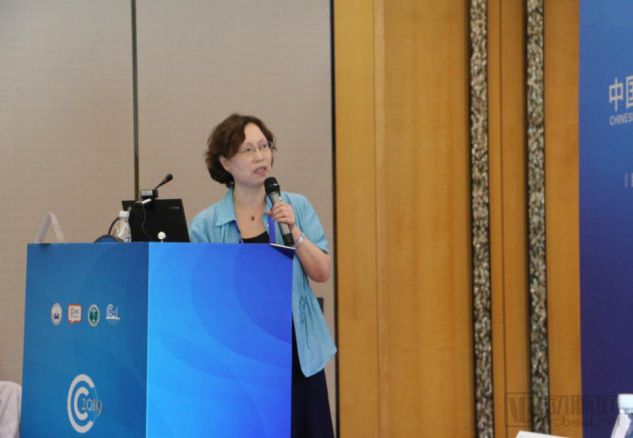
Professor Fu Li Delivers a Report
Professor Sun Ying from the Sun Yat-sen University Cancer Center first shared three research cases on concurrent chemoradiotherapy for locally advanced nasopharyngeal carcinoma from the perspective of evidence-based medicine. The studies respectively demonstrated that concurrent chemoradiotherapy combined with adjuvant chemotherapy, TPF induction chemotherapy, and GP induction chemotherapy all yielded higher survival rates than concurrent chemoradiotherapy alone.
Professor Sun also stated that the prerequisite for real-world studies on nasopharyngeal carcinoma is a data platform capable of comprehensive data collection and real-time updates, as only such a platform can support the generation of scientific research outcomes.
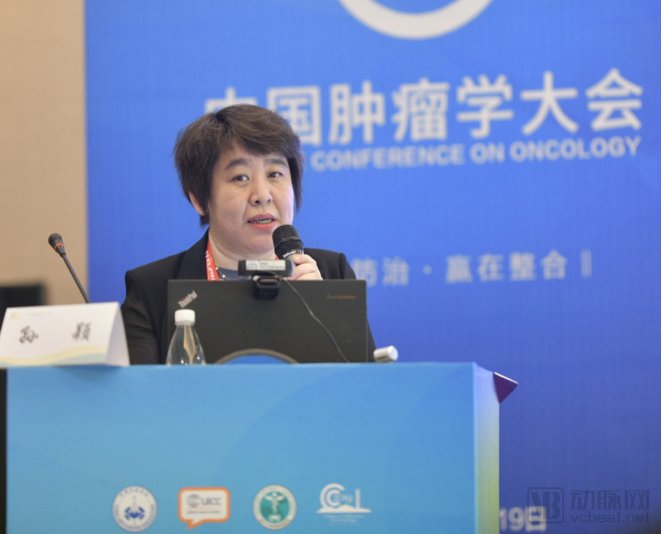
Prof. Sun Ying Delivers a Report
Professor Lei Jianbo from the Center for Medical Informatics at Peking University delivered a report on big data in healthcare. The report pointed out that healthcare has entered the era of big data, providing a detailed introduction to the concept and content of big data. It also elaborated on China's plans and background for healthcare big data, highlighting the political and economic significance of the national big data strategy. The report emphasized that the big data strategy will become an important marker of national competitiveness.
It was also pointed out that the primary challenges currently facing the development of China’s big data strategy are a shortage of specialized big data talent and a lack of relevant research institutions. Professor Lei believes that the value of medical big data lies in its applications in clinical and scientific research, public health management, new drug development and promotion, and personal health management. Finally, Professor Lei illustrated the translation of big data from theory to real-world practice by citing his team’s research on big data-enabled precision medicine.
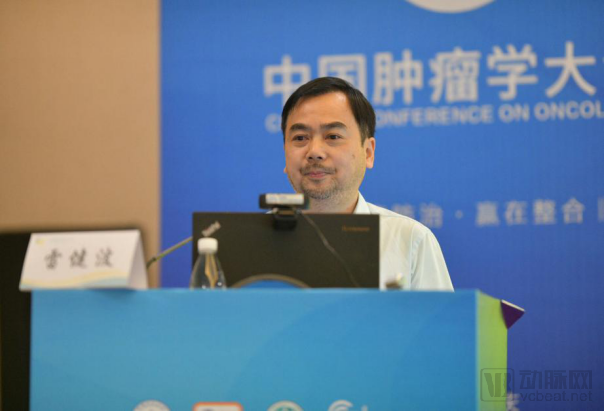
Professor Lei Jianbo Delivers a Report
Professor Liu Xiaoqing from the Department of Infectious Diseases at Peking Union Medical College Hospital delivered a report on real-world studies. The report elaborated on the concept of real-world studies and explained the relationships among real-world studies, real-world data, and real-world evidence. Professor Liu also addressed the challenge of transforming real-world study data into real-world evidence. In conclusion, Professor Liu pointed out that there are misconceptions regarding real-world evidence in China, including a shortage of methodological experts and the absence of data quality standards. However, Professor Liu believes that the establishment of the Real-World Study Special Committee has provided a significant boost to real-world studies in China, expressing confidence that under the committee’s leadership, China’s real-world research will align with international standards.
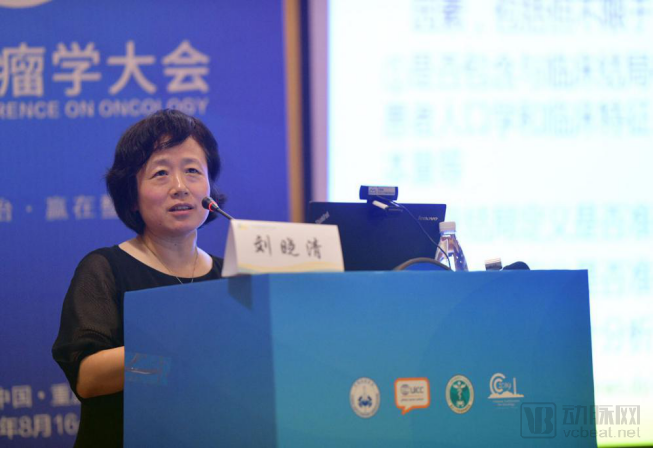
Prof. Liu Xiaoqing Delivers a Report
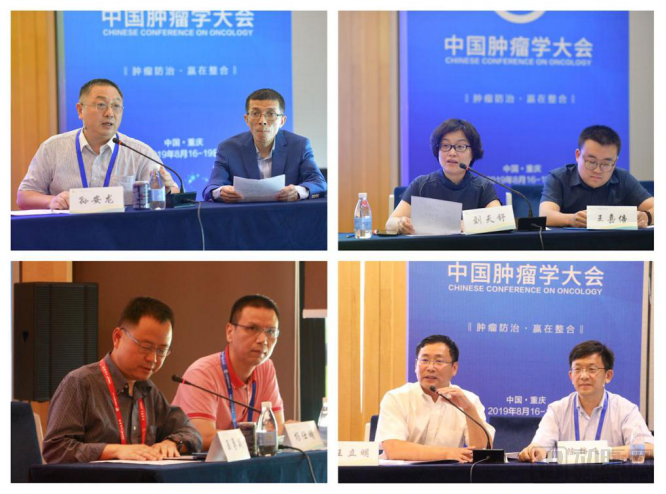
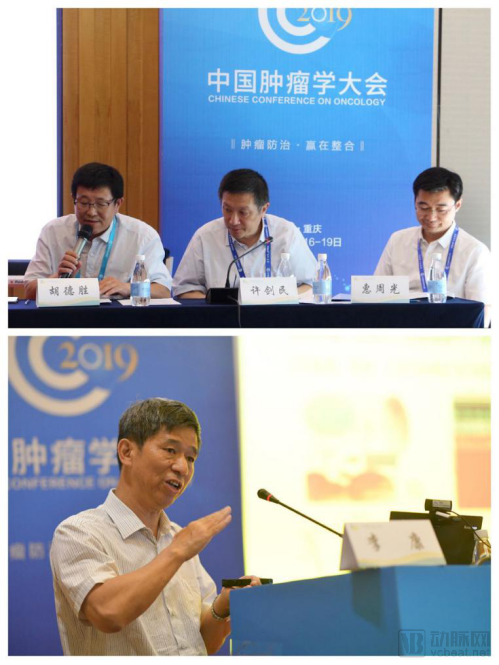
Moderator and Invited Guests
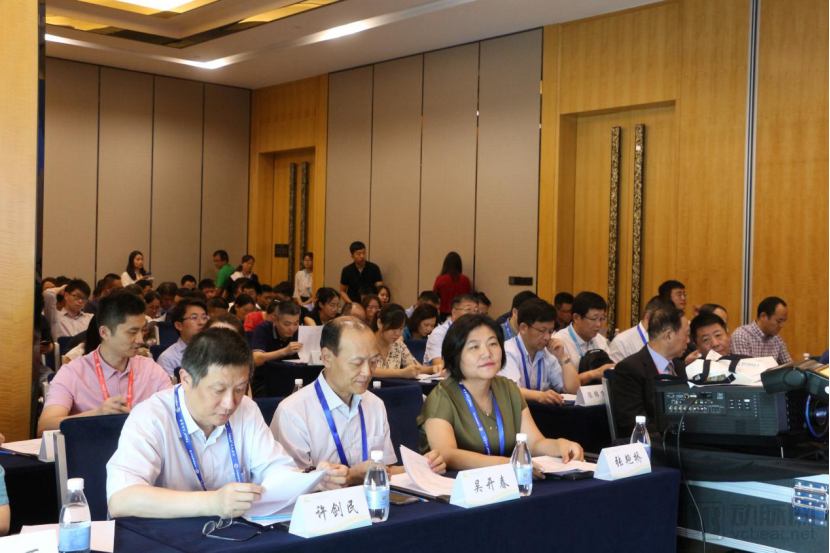
Lively Discussion Among On-Site Experts
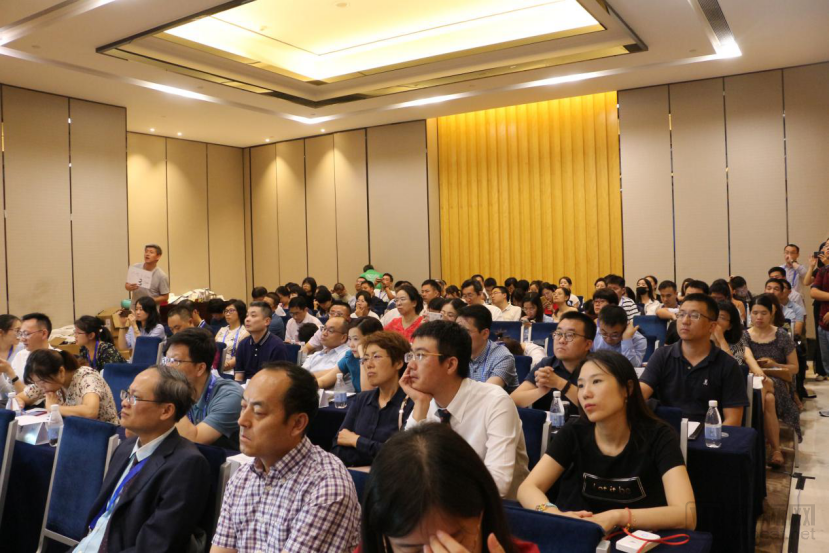
Conference Venue
Big health and medical data have become a key component of national development strategy. Real-world research based on big data has gradually emerged as a focal point in the healthcare industry. How to leverage big data and real-world evidence (RWE) for the prevention and treatment of malignant tumors is an urgent challenge we must address and a historical mission we are bound to undertake. With significant responsibilities ahead, we hope that healthcare professionals will join hands to promote the further development of oncology big data and real-world research in China, thereby bringing new hope to cancer patients.