

State Council Press Conference: Measures to Strengthen Supply Guarantee and Price Stabilization of Commonly Used Medicines
On August 22, the State Council Information Office held a regular policy briefing of the State Council, inviting Zeng Yixin, Deputy Director of the National Health Commission, and Chen Jinfu, Deputy Director of the National Healthcare Security Administration, to introduce measures for strengthening the supply guarantee and price stability of commonly used medicines, and to answer questions from reporters. VCBeat (WeChat ID: vcbeat) has summarized and republished the content of the meeting.
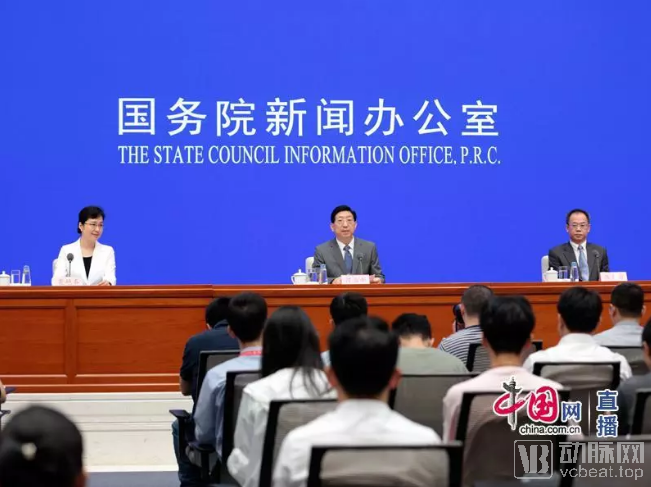
>>>>
Deputy Director of the News Bureau, State Council Information Office: Xi Yanchun
Good morning, ladies and gentlemen. Welcome to the regular policy briefing of the State Council. Recently, the Executive Meeting of the State Council studied and determined measures to strengthen the supply guarantee and price stability of commonly used medicines, so as to ensure public access to necessary medications and alleviate their financial burden. To help you better understand the relevant situation, we are pleased to have with us today Mr. Zeng Yixin, Deputy Director of the National Health Commission, and Mr. Chen Jinfu, Deputy Director of the National Healthcare Security Administration. They will introduce the relevant information and answer questions from members of the press. Now, let us first invite Mr. Zeng Yixin to make an introduction.
Deputy Director of the National Health Commission, Zeng Yixin
Dear friends from the news media, thank you very much for your attention and concern regarding the health sector, particularly the supply guarantee of commonly used medicines. Establishing and improving a long-term mechanism to ensure stable supply and prices for essential medicines, emergency (rescue) drugs, shortage medicines, and active pharmaceutical ingredients (APIs) is crucial to the health and safety of the public and represents a significant livelihood issue. Central leadership has provided important instructions and directives on multiple occasions; the State Council Executive Meeting has conducted specialized studies and made deployments. The National Health Commission, in collaboration with relevant departments, has earnestly implemented the decisions and arrangements of the CPC Central Committee and the State Council, adopting a series of policy measures since April this year to effectively carry out related work.
First, we have strengthened the monitoring and tiered response to drug shortages. The "Notice on Promoting the Direct Reporting of Drug Shortage Information" and the "Technical Guidelines for Classification, Grading, and Alternative Use of Shortage Drugs in Medical Institutions" were issued to serve as references for local health administrative departments and medical institutions in addressing drug shortages. Since the beginning of this year, departments at all levels have taken the lead in responding to and handling over 20,000 reports of drug shortages submitted by medical institutions.
Second, we organized efforts to ensure the supply of key medicines. We actively facilitated the resumption of clofazimine production and market distribution by relevant parties on July 10; this medication is essential for the treatment of multidrug-resistant tuberculosis. We also actively coordinated with domestic enterprises to expand the production capacity of cytarabine to address shortages caused by overseas production halts, and guided local authorities in resolving production challenges associated with nitroglycerin. Furthermore, we formulated the third batch of the List of Pediatric Drugs Encouraged for Research, Development, and Application, as well as the first batch of the Catalogue of Generic Drugs Encouraged for Development.
Third, we have promoted the implementation of policies regarding the procurement and use of essential medicines. Twenty-four provinces have specified target ratios for the procurement and use of essential medicines. The proportion of essential medicines used in medical institutions, particularly tertiary hospitals, has increased significantly. We have also encouraged medical institutions to procure and use anticancer drugs included in the National Reimbursement Drug List (NRDL) through price negotiations. Last year, the National Healthcare Security Administration (NHSA) conducted price negotiations for 17 anticancer drugs, ultimately achieving favorable procurement prices. For 15 of these drugs, the procurement volume in the first half of this year exceeded the total annual volume of the previous year. Among them, nine drugs saw procurement volumes more than five times their full-year totals in 2018, with ibrutinib reaching 18 times its 2018 annual procurement volume.
Fourth, investigate and deal with illegal and irregular monopolistic practices in the market for active pharmaceutical ingredients (APIs), and initiate formal investigations into four types of APIs.
Fifth, the National Medical Products Administration issued the “Announcement on Further Improving Matters Related to the Linked Review, Approval, and Supervision of Drugs,” streamlining the market launch process for active pharmaceutical ingredients.
Sixth, refine task measures for all departments and study how to ensure the supply and stabilize prices of scarce drugs.
Currently, as the supply guarantee system for drug shortages is gradually improved and strengthened, the contradiction of drug shortages in China has been alleviated to some extent. Large-scale and long-term shortages are rare, with most being temporary and localized. This year, more than 10 varieties have been suggested by various regions for national response and handling, each limited to specific provinces and not universal. Next, the National Health Commission will work with relevant departments to carry out the following tasks:
First, research and formulate policy measures to further improve the supply guarantee and price stabilization of essential medicines in short supply.
Second, improve the monitoring, early warning, and response mechanisms for drug shortages; implement a reporting system for drug production discontinuation; promote the establishment of inventory alert thresholds for emergency and rescue medications in medical institutions; and establish and improve a routine reserve mechanism for shortage-prone drugs.
Third, accelerate the formulation of regulatory documents on medication management in medical institutions to strengthen oversight of drug use. Promote the establishment of a medication model dominated by essential medicines across medical institutions at all levels, and increase the proportion of essential medicine varieties stocked in government-run public hospitals.
Fourth, improve drug procurement policies. For varieties listed in the national and provincial lists of essential medicines in short supply, enterprises are permitted to set reasonable prices and conduct direct online procurement. For scarce drugs with poor substitutability and unstable market supply, measures such as centralized procurement will be adopted to ensure supply. Research will be conducted to strengthen policy measures for importing urgently needed drugs.
Fifth, strengthen law enforcement and strictly investigate and punish illegal and non-compliant activities such as monopolization of active pharmaceutical ingredients (APIs) and market manipulation.
Sixth, coordinate and carry out tasks such as organizational implementation and publicity guidance.
Chen Jinfu, Deputy Director of the National Healthcare Security Administration
Good morning, friends from the news media. Ensuring the supply and price stability of pharmaceuticals is crucial to the health and safety of the public and has drawn significant societal attention. The Central Committee of the Communist Party of China and the State Council attach great importance to this issue. In response to the rising prices of commonly used medicines, and in accordance with the deployment by the State Council, the National Healthcare Security Administration, in conjunction with the National Development and Reform Commission, the Ministry of Finance, the National Health Commission, the State Administration for Market Regulation, and other departments, has implemented a series of measures, including:
Improve the monitoring and early-warning mechanism for drug prices and supply; conduct special investigations into the prices and costs of key varieties, and carry out inspections of the quality of accounting information in the pharmaceutical industry; promote consistency quality evaluations, advance pilot programs for national centralized volume-based procurement and use of drugs, and conduct negotiations on anticancer drugs; expand the National Reimbursement Drug List and advance reforms in healthcare insurance payment methods; strengthen price supervision and inspection in the pharmaceutical sector and enforce antitrust laws against active pharmaceutical ingredients (APIs), strictly investigate and punish the monopoly cases involving glacial acetic acid and chlorpheniramine APIs, and initiate investigations into suspected monopolistic practices concerning certain APIs.
Through the aforementioned measures, overall drug prices have remained stable. In particular, the prices of drugs with significant clinical value have decreased substantially through volume-based procurement and medical insurance access negotiations. These efforts have played a positive role in safeguarding the public’s basic medication needs and reducing the financial burden of drug use.
Monitoring data show that since 2015, the prices of 70% of commonly used drugs have decreased or remained stable, with the average price reduction for high-cost medications such as anticancer drugs reaching 18%. The prices of approximately 30% of commonly used drugs have increased, with significant price hikes observed for certain specific products. An analysis of the reasons behind drug price increases reveals:
First, the market adjustment mechanism is inadequate. Most drugs experiencing price increases are characterized by small market size and insufficient competition. They are often clinically essential with limited alternatives, making them prone to a trend of “price hikes driven by shortages.”
Second, monopoly-driven price hikes in upstream active pharmaceutical ingredients (APIs). The production of certain drugs or APIs is highly concentrated, and API distribution channels are easily controlled, enabling illegal profit-making through monopolistic sales control.
Third, there are objective cost factors. Increased labor costs, improved product quality, and greater environmental protection investments have all led to reasonable increases in production costs, which significantly impact drugs with historically low prices.
In response to the current prominent issues, and in accordance with the State Council’s arrangements, the National Healthcare Security Administration will work closely with relevant departments to earnestly implement the requirements of the 60th Executive Meeting of the State Council, stabilize drug prices, and strive to ensure a stable supply and reasonable pricing of clinically essential medicines.
First, actively address the current rapid rise in drug prices. For unreasonable price hikes, regulatory authorities will conduct interviews and urge enterprises to voluntarily rectify their practices. Measures such as public exposure, suspension of online listing, and penalties for breach of trust will be implemented, up to and including administrative penalties in accordance with laws and regulations.
Second, establish and improve long-term regulatory mechanisms, comprehensively employing measures such as monitoring and early warning, cost investigations, written inquiries and interviews, credit evaluations, information disclosure, suspension from online procurement platforms, and penalties for violations, to guide enterprises in setting reasonable prices and consciously standardizing their business conduct.
Third, deepen reforms with a focus on addressing root causes. This includes deepening the reform of the centralized drug procurement mechanism, accelerating the national pilot program for centralized volume-based procurement and use of drugs, establishing a credit evaluation system along with incentive and disciplinary measures for pricing and tendering procurement, and promoting the formation of a fair, healthy, and orderly competitive market order.
Q: What issues still exist in China’s drug supply assurance sector? What further measures will the relevant authorities take to address these issues in the next steps? Thank you.
Zeng Yixin: Based on the findings from multi-departmental surveys, the tensions surrounding drug shortages have been alleviated as the supply guarantee system for scarce medicines is gradually being established. As Director Chen just mentioned, widespread and long-term shortages are not the norm; rather, the primary manifestations are short-term and localized shortages. This issue is reflected in several aspects. Regarding the causes of these shortages, we believe that problems in several areas are particularly prominent.
First, the timeliness and sensitivity of drug shortage monitoring and early warning systems need to be enhanced. We must detect drug shortages in a timely manner, with improvements in both sensitivity and responsiveness. Although we have established a direct reporting system for shortage drug information covering public medical institutions, information across various stages—including production, procurement, and usage of raw materials and formulations—has not yet been interconnected or shared. Furthermore, the system for reporting drug production halts has failed to provide timely data collection. For instance, if a pharmaceutical manufacturer suspends production for any reason, it will inevitably lead to downstream drug shortages. Therefore, collecting information on such production suspensions is crucial for enhancing our capacity for timely monitoring, early warning, and early detection of potential shortages. These issues require further improvement and strengthening.
Second, policies for the procurement and reserve of shortage drugs also need improvement. In some regions, excessive emphasis is placed on price factors during procurement, with purchase prices capped based on historical prices or the lowest prices in neighboring areas. This prevents enterprises from securing reasonable profits, leading to their reluctance to supply. In remote areas, low consumption volumes, long distribution distances, and high costs discourage enterprises from delivering supplies. These factors all contribute to drug shortages. Moreover, most shortage drugs are those used in small quantities, such as emergency and rescue medications. While the economic cost of ensuring their supply is not high, the social benefits are substantial. Therefore, when market mechanisms fail, the government’s reserve role must be leveraged, and routine reserve efforts should be further strengthened.
Third, greater efforts are needed to address the issue of market monopolies in the active pharmaceutical ingredient (API) and finished dosage form (FDF) sectors for certain shortage drugs. Current observations indicate significant capital infiltration into the shortage drug market, with an increasing prevalence of distributor monopolies that are spreading from APIs to FDFs and other areas, thereby becoming a major driver of drug shortages or unreasonable price hikes.
At present, antitrust fines have yet to serve as an effective deterrent or punitive measure. Some unscrupulous actors operate with impunity, while investigations and evidence collection remain challenging. Given the relatively lenient nature of current penalties, their deterrent effect is insufficient. These factors contribute to short-term or localized drug shortages. The key measures for the next phase are as follows:
First, improve the monitoring, early warning, and response mechanisms for drug shortages, and promote the resolution of issues related to insufficient timeliness and sensitivity in monitoring and response. We have already identified this problem; for instance, information such as manufacturing halts by pharmaceutical companies should be collected in a timely manner.
Second, improve procurement policies for scarce medicines to address issues such as manufacturers’ reluctance to supply, ensure distribution by enterprises at reasonable prices—particularly to remote areas—and allow companies to earn reasonable profits.
Third, strengthen law enforcement and strictly investigate and punish illegal activities such as monopolization of active pharmaceutical ingredients (APIs) and market manipulation. Fourth, establish and improve a routine reserve mechanism for drugs in short supply. These four measures adhere to a problem-oriented approach, targeting current issues. If implemented promptly and effectively, they should help address the problem of drug shortages.
Q: Recently, there have been frequent news reports about skyrocketing drug prices, with some increases being quite staggering. You just mentioned that the overall situation of drug prices is stable. How should we understand the discrepancy between these two perspectives? Thank you.
Chen Jinfu: It is true that drug prices exhibit such a pattern. On the one hand, overall drug prices have remained stable with a downward trend; on the other hand, there has indeed been a price increase for certain scarce emergency and rescue medications. We investigated more than 3,200 commonly used drugs, and only about 200 showed significant price increases. These were concentrated among some scarce drugs, emergency and rescue medications, and a small number of over-the-counter (OTC) drugs. These 200-plus products share several characteristics:
First, these are medicines sold in pharmacies and over-the-counter (OTC) drugs; second, they are medicines with relatively low average daily treatment costs, with 65% of the price-increased medicines having an average daily treatment cost of less than 3 yuan. Based on China’s medication characteristics, the primary demand for medicines lies in clinical settings and hospitals. These categories have seen stable or declining prices, so the public’s perception of such stability or decline is not profound, as many purchases in hospitals are reimbursed by insurance funds, resulting in lower out-of-pocket expenses for individuals. In contrast, price increases have mainly occurred in pharmacies and among OTC drugs, which are paid for directly by consumers, leading to a stronger public perception of price hikes. We will take comprehensive and resolute measures to crack down on unreasonable price increases. Therefore, we remain fully confident in the overall situation of drug supply and pricing.
Q: Director Zeng, we understand that medical institutions are the primary venues where patients obtain medications. To ensure more rational use and allocation of medicines in these institutions and to meet patients’ basic medication needs, what specific policy measures will the national health authorities implement? Could you please provide an overview? Thank you.
Zeng Yixin: Medical institutions are indeed the primary settings for medication use, while pharmacies account for a certain proportion. However, in China, patients primarily receive medications through medical institutions. Therefore, policies governing drug use in medical institutions have a significant impact on the overall pharmaceutical landscape. To further implement the requirements of the State Council, we are accelerating the research and formulation of policy documents, with a focus on strengthening the availability and use of essential medicines. Regarding the management of drug availability in medical institutions, our approach is to promote the priority availability and use of essential medicines, increase their usage proportion, and guide and supervise medical institutions in optimizing their medication formularies and prescription sets through enhanced supervision and assessment of medication practices. We will also make timely adjustments to the National Essential Medicines List, encouraging medical institutions at all levels to gradually establish a medication model dominated by essential medicines, thereby optimizing and standardizing medication structures. Furthermore, we aim to improve drug procurement processes in medical institutions, enhance supply capabilities, and meet patients’ medication needs.
Strengthen the rational use of medicines, improve physicians’ clinical competence in rational drug therapy, and adhere to the principles of rational medication: prefer oral administration over intramuscular injection, and intramuscular injection over intravenous infusion. Prescriptions should be issued in accordance with disease diagnosis and treatment standards, clinical practice guidelines, and clinical pathways, with priority given to National Essential Medicines. Enhance pharmacists’ prescription review and evaluation, focusing on the legality, standardization, and appropriateness of prescriptions, to ensure safe, effective, economical, and appropriate medication use. This will be a key aspect of future medication management in healthcare institutions, namely standardizing rational drug use and avoiding the indiscriminate issuance of large-volume or excessive prescriptions. Every prescription must withstand scrutiny and critical appraisal, ensuring it is reasonable, appropriate, and scientifically sound.
Strengthen the management of rational drug use and performance evaluation. By enhancing drug-use supervision and assessment, we aim to improve the level of clinical rational drug use, promote the priority procurement and utilization of essential medicines, and gradually increase the variety and quantity of essential medicines stocked by medical institutions. We intend to strengthen the management, guidance, and standardization of medication practices in medical institutions through these measures. Thank you.
Q: You just mentioned that there are many reasons for the current rise in drug prices, including an insufficient market adjustment mechanism. Could you please elaborate on this point? Thank you.
Chen Jinfu: Since the state liberalized drug pricing in 2015, prices for anesthetics and psychotropic substances, which are critical to public safety, remain government-regulated, while prices for other drugs are determined by market forces. The development of China’s pharmaceutical market has been a gradual process of maturation, and the market mechanism requires continuous improvement. Many may have keenly felt that the previous pharmaceutical market was characterized by a large number of small, scattered, and poorly managed enterprises, leading to intense cutthroat competition. The distribution chain was also lengthy, with complex利益 structures and markups at each stage, creating significant barriers to entry. These issues manifested in certain anomalies in pricing: for instance, manufacturers had little incentive to produce and supply low-priced drugs, resulting in shortages, whereas high-priced drugs sold very well.
In recent years, the state has promoted reforms of systems and mechanisms, abolished drug markups in public hospitals, and implemented zero-markup sales. By providing fiscal subsidies and adjusting medical service prices—a strategy known as “vacating the cage to change the bird”—the government has addressed issues such as ensuring reasonable hospital revenue, which has had a positive impact on upstream pharmaceutical production. However, for specific drugs, market regulation remains inadequate. The high concentration of production or reliance on single supply channels for certain drugs can easily lead to monopolies. The production of some niche drugs has unique characteristics, such as strict requirements for efficacy and safety, specialized technical thresholds, and specific manufacturing processes. These factors make it difficult for other enterprises to enter the market in the short term or to promptly increase supply by expanding production. Additionally, some niche drugs face unstable and uneven market demand. For instance, cases such as pesticide poisoning are relatively few nationwide each year, and their occurrence at specific hospitals is unpredictable, making stable supply challenging. Such shortages inevitably translate into price fluctuations.
The State Council has established a mechanism to ensure the supply of scarce drugs, which involves comprehensive measures across production, distribution, usage, and market regulation. This approach adheres to market-oriented principles while preventing market failures, striving to guarantee stable supply and prices. Thank you.
Q: China has previously established requirements for pharmaceutical stockpiling. Could you briefly introduce the current status of pharmaceutical stockpiling in China? In the future, what aspects will be improved to establish and enhance a routine reserve mechanism for shortage medicines? Thank you.
Zeng Yixin: Thank you for your question and your concern regarding the pharmaceutical reserve system. China established its pharmaceutical reserve system at an early stage, but this system requires continuous development and improvement. Regarding the current status of China’s pharmaceutical reserves, the State Council issued the Notice on Reforming and Strengthening the Management of Pharmaceutical Reserves in 1997, which serves as an early policy basis. Additionally, the former State Economic and Trade Commission issued the Measures for the Administration of National Pharmaceutical Reserves in 1999. These two documents stipulate that national pharmaceutical reserves shall be implemented through a tiered system involving central and local governments, with dynamic management and compensated deployment. These were the basic requirements for the pharmaceutical reserve system outlined in those documents at the time. The central government’s routine reserves primarily consist of essential medicines and medical devices needed to respond to natural disasters, epidemics, and other emergencies. Specialized reserves mainly include vaccines and specialized drugs required for epidemic prevention and control, as well as emergency response. With the exception of Xinjiang, Tibet, and Hainan, the remaining 28 provinces have established local pharmaceutical reserves. A notable characteristic of this reserve system is that the national pharmaceutical reserve has not yet fully played its role in addressing clinical drug shortages. This summarizes the current state of our pharmaceutical reserve system.
Regarding the reserve of essential medicines in short supply, in accordance with the "Implementation Opinions on Reforming and Improving the Supply Guarantee Mechanism for Essential Medicines in Short Supply" issued in 2017, provinces such as Jiangsu have explored the establishment of a routine reserve mechanism for these medicines. The Jiangsu Provincial Finance Department allocated RMB 20 million in special funds as working capital for the storage and turnover of essential medicines in short supply. The health authorities took the lead in formulating a list of such medicines, implementing designated reserve, procurement, and supply for 19 types of medicines prone to shortages. Information on reserves was published on the provincial platform, enabling real-time online procurement by medical institutions. This approach effectively aligned the reserve system with the temporary demands for essential medicines in short supply and emergency (rescue) medicines, thereby bridging the gap between the medicine reserve system and the management of shortages. This represents a notable best practice in Jiangsu Province.The Guangdong Provincial Finance Department annually allocates RMB 30 million for reserve scale, providing a 10% interest subsidy to compensate enterprises undertaking the reserves, thereby achieving routine reserves for 162 types of medicines prone to shortages. The Inner Mongolia Autonomous Region Finance Department annually arranges RMB 2 million from the newly added pharmaceutical reserve fund specifically for the routine reserve of essential medicines in short supply. Gansu Province has designated 163 varieties for pharmaceutical reserves, including 41 types of clinically essential medicines in short supply. Shaanxi Province selected 11 pharmaceutical wholesale enterprises through bidding to serve as reserve bases for essential medicines in short supply or emergency (rescue) medicines. These enterprises determine the reserved varieties and quantities based on the provincial list of essential medicines in short supply, with reserve information published on the provincial procurement platform for online procurement by medical institutions.
We have just cited several examples demonstrating how local governments at all levels have played a significant role in exploring the integration of drug reserves with the supply guarantee for shortage drugs, within both central and local reserve frameworks. Regarding the reserve of shortage drugs, we plan to carry out the following tasks in the next step: establish and improve a normalized reserve mechanism for shortage drugs; optimize the structure of central and local pharmaceutical reserves; increase the scale of reserves for shortage drugs; and clarify the procedures for the utilization of reserved shortage drugs to facilitate procurement and use by medical institutions. In addition to the central and local levels mentioned above, we will also guide and promote medical institutions to reasonably set inventory warning thresholds for specific drugs, such as emergency (and crash cart) medications. A minimum inventory level must be maintained for these emergency drugs in hospitals; replenishment should be initiated immediately when stocks fall below this threshold, thereby ensuring that emergency medications do not become unavailable when needed. We will support and encourage county-level central hospitals to strengthen their drug storage capabilities. Through these measures, we aim to further develop and refine the existing reserve system, thereby enhancing the supply guarantee for shortage drugs. Thank you.
Q: Deputy Director Chen Jinfu, regarding the issue of rapidly rising drug prices that is currently drawing public attention, what measures have the National Healthcare Security Administration and relevant departments taken? What further steps are planned? Thank you.
Chen Jinfu: Drug pricing is a significant issue concerning public welfare and has received high-level attention from the central government. Relevant departments are fulfilling their responsibilities, collaborating closely, and implementing comprehensive governance. In accordance with the unified deployment of the State Council, we address drug pricing, drug quality, and drug supply and utilization as an integrated whole. Prices should remain stable, with an overall downward trend, while allowing for both decreases and increases where appropriate. Regarding quality assurance, efforts include promoting innovative drugs, advancing consistency evaluations of generic drug quality, and expanding the use of major clinical medications in China. For instance, during negotiations for anticancer drugs, the goal is not simply to achieve the lowest possible price; rather, quality must be ensured so that medications are effective for patients and do not delay treatment. Therefore, I believe that drug pricing issues should be approached through a coordinated consideration of quality, supply and utilization, and price.
Regarding pricing, we have implemented a series of measures in collaboration with relevant authorities, which can be summarized into three levels and 14 specific initiatives. The first level involves price control. In response to instances of excessive price hikes, such as the sharp increase in the price of chlorpheniramine maleate and the shortage of nitroglycerin, we have adopted several approaches. First, we conduct regulatory interviews with enterprises to clarify the situation and demand corrective actions to bring their practices back on track. This also serves, in a sense, to reinforce corporate values, encouraging the proper use of market mechanisms and reasonable pricing. Second, for those that refuse to make corrections, we impose penalties through the social credit system by publicly disclosing their non-compliance, thereby leveraging market mechanisms to address market failures. Entities with significant influence over drug supply cannot simply halt production; they are subject to information disclosure requirements and penalties for breach of trust. Third, we take legal action. The State Administration for Market Regulation has already implemented a series of measures against unfair competition practices, such as monopolies on active pharmaceutical ingredients (APIs), and continues to investigate additional cases, serving as a deterrent and corrective force. A coordinated inter-departmental mechanism has been established to respond promptly to price hike incidents. We also rely on multiple information sources: first, provincial-level drug procurement platforms; second, information sharing among various regions and departments; and third, public feedback, including media reports.
At the second level, an early warning and monitoring mechanism for drug information should be established, primarily encompassing seven aspects:
1. Early Warning and Monitoring. By leveraging drug information networks—including inter-departmental data-sharing platforms, terminal procurement networks, and drug information systems operated by pharmacies and industry associations—we aim to establish a comprehensive monitoring system for drug pricing to ensure full coverage and timely identification of issues.
Second, cost investigations. To ensure high-quality corporate development and prevent the abuse of monopolistic practices and unreasonable pricing mechanisms, cost investigations must be conducted, with analytical oversight from the National Medical Products Administration (NMPA) to be introduced in the future.
3. Inquiry and Interview. If pricing practices are unreasonable, exceed warning thresholds, or deviate from normal patterns, enterprises will be requested to provide explanations.
Fourth is credit evaluation. By conducting credit assessments of corporate products and pricing, and leveraging complaints from the public and society as well as feedback from hospitals, we aim to foster brand awareness among enterprises and facilitate social oversight.
5. Information Disclosure: Empowering the Public to Supervise Enterprises.
6. Suspension of Online Listing. Under the premise of ensuring supply, suspension of online listing means that the product can no longer be procured by hospitals.
Seventh, penalties for violations. Comprehensively utilize various control measures, such as medical insurance payment and market regulation, to establish a rigorous, effective, and timely early warning mechanism.
The third level involves addressing, through deepened reforms, a series of systemic and institutional issues that profoundly affect drug pricing, quality, supply, and utilization. High distribution costs and numerous intermediaries in the pharmaceutical supply chain are not merely corporate issues; they pertain to the entire benefit mechanism governing distribution and hospital usage, including market access for drugs and inclusion in medical insurance catalogs. Excluding high-quality drugs from the medical insurance catalog increases the financial burden on the public, hinders enterprise development, and stifles innovation capacity—all of which are systemic problems. To address these issues, major institutional and mechanistic reforms are being advanced, primarily focusing on three aspects:
First, drug centralized volume-based procurement. Centralized tendering and procurement address the issue of direct hospital access for pharmaceutical companies’ products, eliminate the root causes of high costs in the distribution sector, curb unethical practices in the pharmaceutical industry, purify the market ecosystem, reduce costs, and steer enterprises back toward quality-driven development. In accordance with the State Council’s deployment, centralized tendering and procurement will be expanded, with volume-based procurement and the integration of tendering and procurement becoming a normalized, foundational mechanism.
Second, establish a full-process credit evaluation system and incentive mechanism for drug pricing and centralized procurement. Leverage market mechanisms to incorporate incentives, evaluations, and disciplinary measures, thereby establishing a normalized framework for credit assessment, incentives, and penalties.
Third, improve supporting measures to advance health insurance payment reform. This includes leveraging health insurance payment standards to constrain and influence drug prices, such as by specifying that the winning bid price in centralized drug procurement serves as the basis for establishing health insurance payment standards. The inclusion of drugs in the health insurance catalog, along with payment standards and payment management, can effectively promote drug price control, quality improvement, enhanced efficiency of health insurance funds, and reduced financial burden on the public.
Source: Official Website of the National Health Commission