

AI-Powered Cardiac Rehabilitation: AILF Medical Launches 'Elephant Heart Health' Smart Home Platform
Cardiovascular disease is the leading cause of death and a major threat to human health. In China, the high incidence of heart disease has become a trend, with 500,000 new cases and 2 million prevalent cases annually. According to World Health Organization statistics, the number of deaths from cardiovascular diseases in China could reach 4 million per year by 2020.
“Does surgery mean a heart disease patient is cured? And how should cardiac rehabilitation be carried out once the patient is no longer under direct medical supervision?” In fact, many patients have limited awareness of cardiac rehabilitation; some even miss the optimal window for recovery due to a lack of understanding of its significance and importance.

(Gu Yihui, Co-founder of Ailefu Medical)
Recently, VCBeat (WeChat ID: vcbeat) conducted an exclusive interview with iLife Medical, a company dedicated to heart health. Gu Yihui, co-founder of iLife Medical, provided detailed insights into a series of issues in the field of cardiac rehabilitation, including the company’s innovative AI product technologies in this area.
In 2009, Gu Yihui, a cardiologist with 15 years of experience, chose to launch a startup in the mobile health sector.
In Gu Yihui’s view, his recent “cross-industry” move has brought changes to his professional label but not to the nature of his work. “As a physician, I addressed patients’ treatment needs within the hospital setting; now, having stepped outside the hospital, I lead a team in developing cardiac rehabilitation products, still working to address patients’ treatment needs,” said Gu Yihui.
He stated that the career transition was both a passive choice and one dictated by the times.
Gu Yihui told VCBeat that, as a cardiologist, he faces many patients every day. After spending long hours performing interventional procedures, his body has gradually become unable to tolerate the radiation environment in the operating room.
“My blood cell counts dropped significantly at that time. Although I was deeply passionate about my job, I had to start exploring other career paths for the sake of my health,” said Gu Yihui.
At that time, China’s mobile health and telemedicine sectors were in their infancy, holding immense potential. “Even then, some elites from the IT sector were making attempts to commercialize the latest international technologies, which were highly regarded,” said Gu Yihui.
“Furthermore, I have found that for many heart disease patients presenting for consultation, hospital-based diagnostic methods alone, such as standard electrocardiograms (ECG) or Holter monitoring, fail to provide timely assessment during the onset of symptoms. How can we effectively monitor the occurrence of clinical events and intervene promptly? I believe mobile health may offer a solution to this problem,” said Gu Yihui.
Based on observations of the mobile health industry and combined with his own clinical experience, Gu Yihui decided to focus his entrepreneurial efforts after resignation on the research, development, and manufacturing of mobile health products in the field of cardiac health.
“At the outset, I developed remote ECG monitoring devices for mobile health products,” said Gu Yihui. He noted that remote ECG monitoring was a relatively advanced technology at the time, capable of compensating for the limitations of hospital diagnostic methods and enhancing the quality of medical services in remote areas.
“However, with the continuous advancement of technology, traditional remote ECG monitoring devices have struggled to meet patient needs. Furthermore, our initial foray into remote ECG monitoring provided me with deep insights into the market gaps in the field of out-of-hospital cardiac rehabilitation. This has served as a historical opportunity for the founding of Ailefu Medical,” said Gu Yihui.
Cardiac rehabilitation refers to systematic treatment aimed at improving cardiac and systemic functional impairments caused by heart disease, preventing recurrence, and enhancing quality of life. It comprises five components: “medication prescription, exercise prescription, nutritional prescription, psychological prescription, and smoking cessation prescription.”
According to the latest "Report on Cardiovascular Diseases in China," both the prevalence and mortality rates of cardiovascular diseases in China remain on the rise. The current number of patients with cardiovascular diseases has reached 290 million, with a mortality rate higher than that of cancer and other diseases, accounting for more than 40% of all disease-related deaths among residents.
Cardiac rehabilitation has become relatively mature in developed countries and regions such as Europe, the United States, and Japan. In China, however, cardiac rehabilitation has only gradually gained clinical attention in recent years, driven by the advocacy and calls of experts.
Gu Yihui pointed out, “The core of cardiac rehabilitation is to have patients adhere to the exercise prescriptions provided by their physicians. This enables patients to improve their health levels in a scientific and safe manner during exercise training, while gradually transforming their previous unhealthy lifestyle habits, thereby helping them return to a state of true health.”
Complete cardiac rehabilitation is divided into three phases, with in-hospital cardiac rehabilitation constituting only the first phase; out-of-hospital rehabilitation is the key component. However, for physicians, out-of-hospital rehabilitation is difficult to implement in practice due to challenges in management and a lack of suitable equipment to monitor cardiac status and exercise intensity during physical activity.
“Even though some hospitals have implemented cardiac rehabilitation, most remain at Phase I. The out-of-hospital component of cardiac rehabilitation lacks the necessary equipment and management platforms, preventing patients from completing their full course of treatment,” said Gu Yihui.
He believes that to address the pain points of out-of-hospital cardiac rehabilitation, the required adjunctive therapeutic devices and management platforms include remote ECG monitoring, exercise intensity monitoring, and remote communication technologies.
“At that time, the Tianjin Branch of the Institute of Computing Technology, Chinese Academy of Sciences, had a technological achievement with precisely these technical characteristics, making it suitable for conversion into mobile devices required for cardiac rehabilitation. Thus, I embarked on my entrepreneurial journey at Tianjin Zhongke Ailefu Medical Technology Co., Ltd.,” said Gu Yihui.
“Elephant Carefree” is the second-generation AI-enabled ECG monitor, meticulously developed by iLoveFit Medical over three years as the successor to Hellofit. The device accurately screens for atrial fibrillation. Its adaptive ECG filtering algorithm, based on wavelet transform, effectively eliminates signal interference, enhances the detection rate of ECG artifacts, and supports all-day user wearability.
The founding team of iLoveMed Medical comprises elite professionals with many years of experience in the Internet of Things (IoT), healthcare, IT, and artificial intelligence (AI) sectors, along with extensive management expertise in these fields. Its core technical talent possesses senior professional backgrounds in IT and AI.
“My team and I have developed and integrated the latest artificial intelligence technologies into our hardware devices and management platform. ‘Elephant Suixinbao’ and the Intelligent Cloud Service Platform for Cardiac Rehabilitation can effectively assist doctors and hospitals in delivering out-of-hospital cardiac rehabilitation, thereby improving patient adherence and therapeutic outcomes,” said Gu Yihui.
He emphasized that the functions and technologies of the two devices are leading both domestically and internationally.
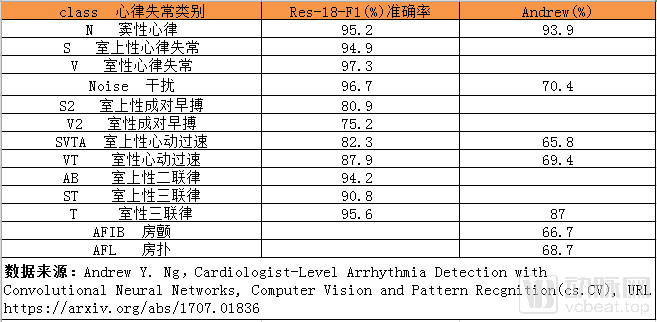
Technically, Elephant Suixinbao has independently developed a deep learning algorithm (CNN) for atrial fibrillation screening, achieving a sensitivity (SEN) of 96.2%, which is significantly superior to other products on the market.

(Image courtesy of Ailefu Medical)
In terms of functional applications, Daxiang Suixinbao supports continuous monitoring for up to 48 hours, with data synchronously uploaded to the mobile application “Daxiang Heart Health APP.” It provides real-time alerts for abnormalities and features comprehensive analysis reports issued by a robust team of professional physicians, making monitoring results clear at a glance.
In addition, the Daxiang Xinjiankang App also provides cardiopulmonary exercise health and exercise rehabilitation functions to help patients manage their weight and enhance cardiopulmonary function.
“Currently, our AI achieves a diagnostic accuracy of over 95% for certain types of arrhythmias, approaching the level of human interpretation. Furthermore, by leveraging our devices and cardiac rehabilitation and service platform, we can significantly reduce treatment costs for patients.”
“For example, the current cost per session of in-hospital cardiac rehabilitation exceeds RMB 100, with some hospitals charging several hundred yuan. In contrast, using our device reduces the cost to under RMB 10 per session, making it fully affordable for the general public,” said Gu Yihui.
Currently, Daxiang Suixinbao enjoys an outstanding reputation in the industry. Leveraging its robust R&D capabilities, Ailefu Medical has established strong collaborative partnerships with more than 50 hospitals across China, including China-Japan Friendship Hospital, Tianjin General Hospital, Tianjin Chest Hospital, and Shanghai Tongji Hospital.
Regarding the future development of Ailefu Medical, Gu Yihui stated that efforts will focus on two aspects: first, intensifying marketing initiatives; and second, increasing investment in the development of artificial intelligence technologies.
“In fact, at Ailefu Medical, R&D personnel account for 70% of the company’s workforce, with substantial capital and effort invested in research and development. Currently, we have achieved certain results in our development efforts. Therefore, our short-term goal is to devote more energy to marketing, promoting our products and services to a broader base of physicians and patients,” said Gu Yihui.
Regarding the development of artificial intelligence technologies, Gu Yihui pointed out that in the future, the service platform will be further refined to accommodate the personalized needs of different hospitals and patients. Furthermore, through continuous innovation, iLoveMed Healthcare aims to maintain its technological edge within the industry and strive to become a leading enterprise in the mobile health sector.