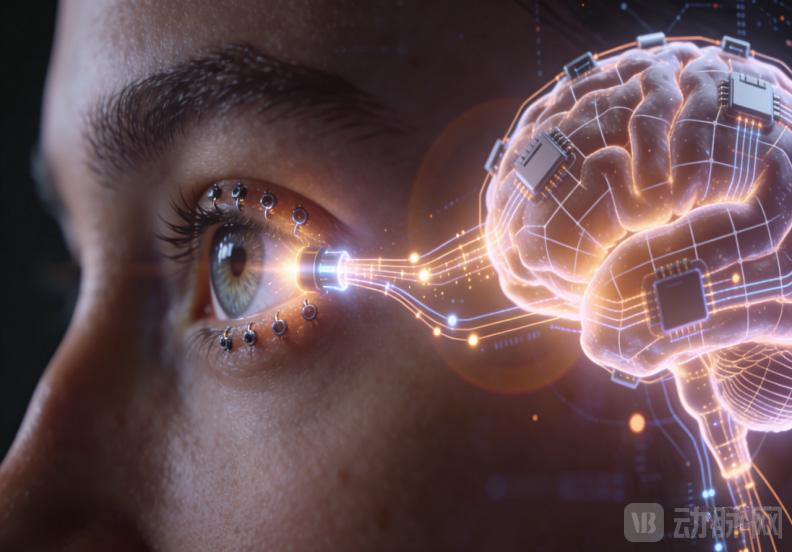
China's First Wireless 100-Channel Visual Cortical Implant Surgery: Rebuilding Vision from Eye to Brain

CAS-Envision
High-Tech Medical Device R&D Manufacturer
When the voice of a blind person eagerly inquiring about the progress of CAS-Envision's visual reconstruction project comes through on the phone, and when the visually impaired community looks forward with anticipation to the early commercialization of a product that can restore sight, waves of emotion always ripple through the hearts of the CAS-Envision team. Ten years ago, China’s brain-computer interface ecosystem was nearly non-existent, lacking both a mature and stable supply chain and deep technological expertise. Since 2013, the CAS-Envision team resolutely chose one of the most challenging paths in the brain-computer interface field—visual reconstruction. Thanks to strong support from the government and the Chinese Academy of Sciences, an investment of hundreds of millions of yuan has injected powerful momentum into artificial retina research, allowing the team to steadily advance even as a lone boat navigating the deep ocean of technological exploration. For over a decade, from the eyes to the brain, we have been tirelessly working on visual reconstruction. At this stage, breakthrough developments in brain science are accelerating, bringing us closer to CAS-Envision's steadfast mission—"Let the blind see again."

Intraocular Vision Reconstruction: The World's First Surgery with Over a Thousand Channels for Intraocular Retinal Implant Successfully Completed
In the field of intraocular vision reconstruction, CAS-Envision has achieved full-chain autonomy and controllability. From core chip design and high-density flexible electrode development to fundamental technologies such as dual-frequency wireless transmission and long-term implantable encapsulation, all have been independently tackled by the team. After eight years, the team completed multiple rounds of experimental iterations across various animal models including rats, rabbits, Bama pigs, domestic pigs, dogs, and monkeys. They comprehensively validated surgical safety, biocompatibility, and electrical stimulation functionality, establishing a complete closed loop from "basic research - technology development - animal experiments - clinical translation," ultimately achieving a 100% breakthrough in domestically produced core technology. To date, the company has accumulated over a hundred patents, including those in the United States.PCTPatent authorization, also won the gold award of the National Invention Exhibition and other major honors.
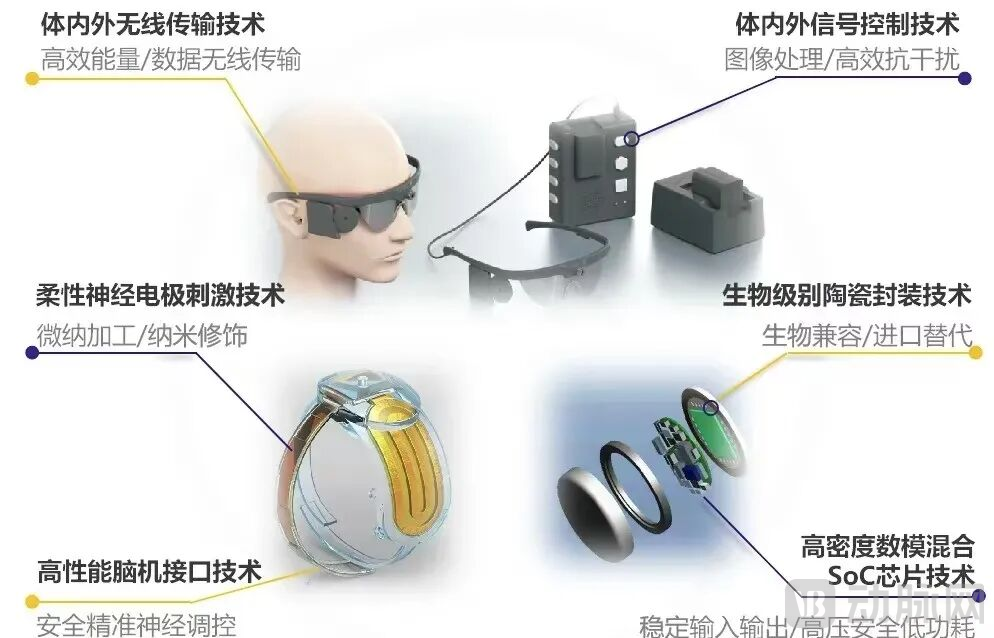
Artificial Retina Technology Atlas
The company's "Chongming®" artificial retina platform has set multiple industry benchmarks:As the world's first 126-channel full-function visual prosthesis,Its dual-coil solution successfully overcomes the challenge of interference-free transmission of energy signals and has obtained the registration inspection report from a national authoritative testing institution.The world's first 1500-pixel intraocular implant prototype,Even with long-term retinal attachment, it maintains stable biocompatibility. These technologies, refined through thousands and tens of thousands of experiments, cannot be achieved through short-term clinical sprints, laying a solid foundation for the safety and efficacy of the product.
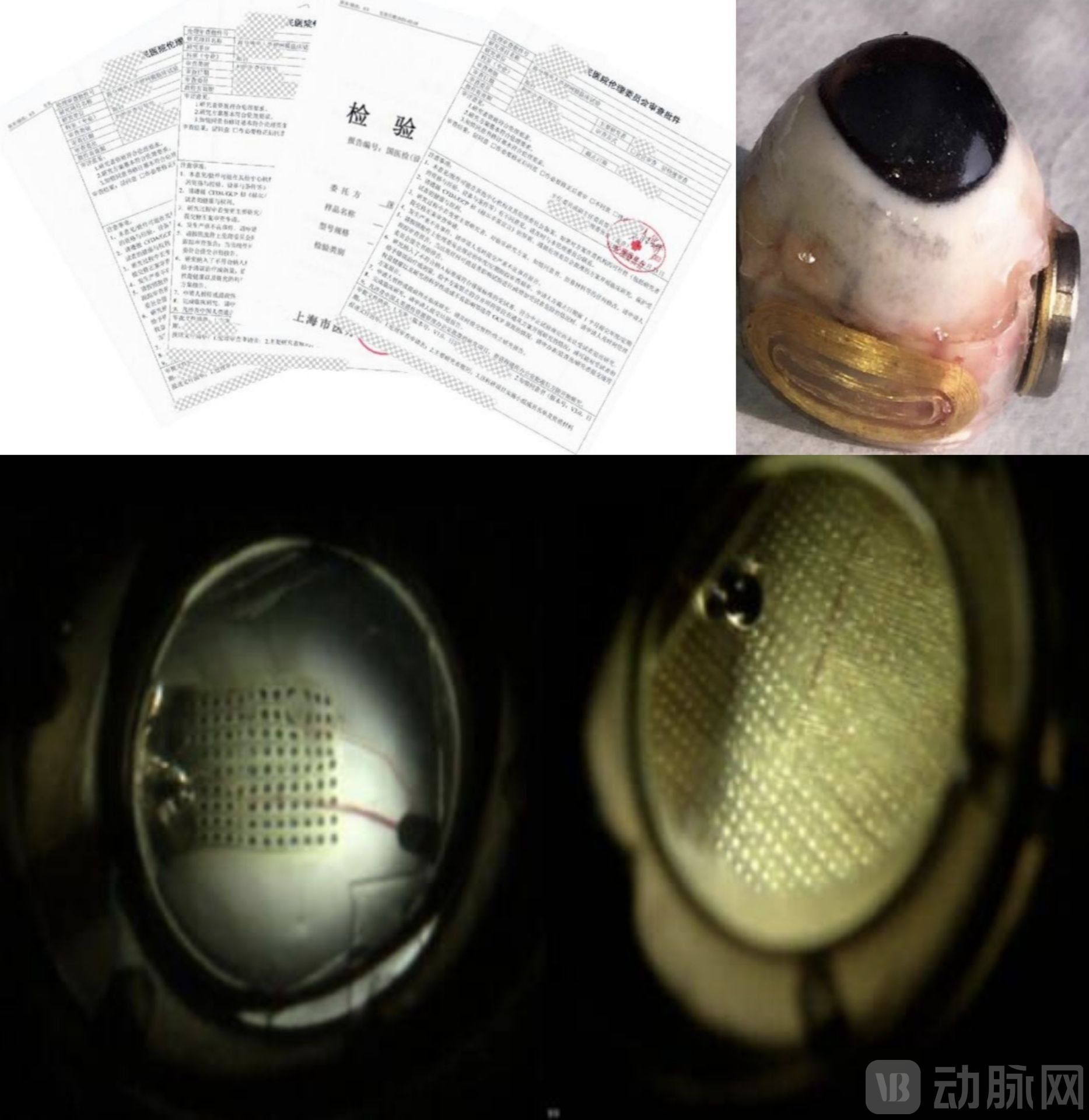
Figure: The upper left figure shows the test report from an authoritative institution, the upper right figure shows the morphology of the implant after 9 months of long-term implantation, and the lower left and lower right figures show the retinal surgery implant images of the 126-pixel and 1000+ pixel prototypes, respectively.
Cortical Visual Reconstruction: China's First Wireless 100-Channel Visual Cortex Implant Surgery Successfully Performed
In the field of visual cortex prosthetics, CAS-Envision's long-term technical accumulation demonstrates key advantages. Since 2018, the team has been deeply engaged in this area.ECoGCortical electrode technology, relying on more than a decade of continuous innovation by the Chinese Academy of Sciences (CAS), has formed a complete technical system from underlying algorithms to engineering implementation. Recently, CAS-Envision, in collaboration with Shenzhen Eye Hospital, unveiled the first wireless 100-channel visual cortex implant developed in China at the Shenzhen Brain Expo. The product features an ultra-smooth, flexible adhesion design and incorporates exclusive nanotechnology-level modifications, enabling non-invasive cortical implantation. Compared to Elon Musk'sNeuralinkThe invasive puncture solution has more advantages in terms of safety and scalability. Validated through non-human primate experiments, the system has successfully completed a full-chain wireless visual stimulation, with clear neuronal firing responses in the visual cortex following electrical stimulation. These achievements are the result of the team's continuous efforts over the years in fields such as neuromodulation mechanisms, wireless transmission technology, and biocompatible materials—progressing step by step rather than relying on short-term concentrated efforts for a "single-point breakthrough."
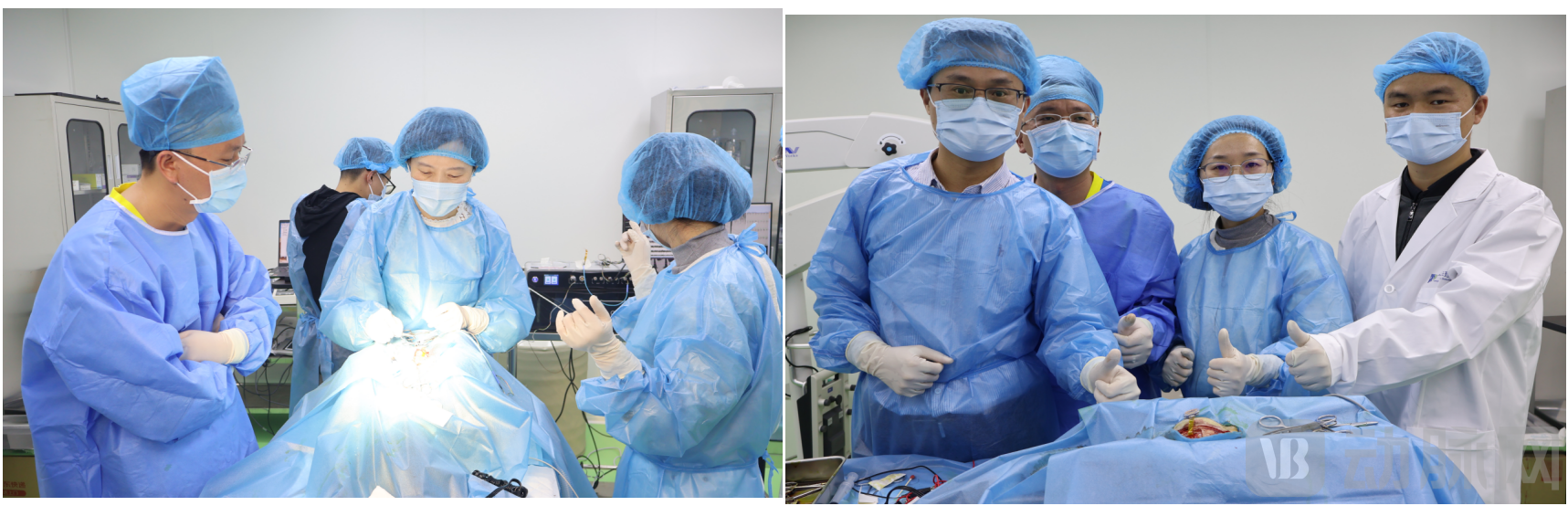
CAS-Envision and Shenzhen Eye Hospital Joint Surgical Implantation
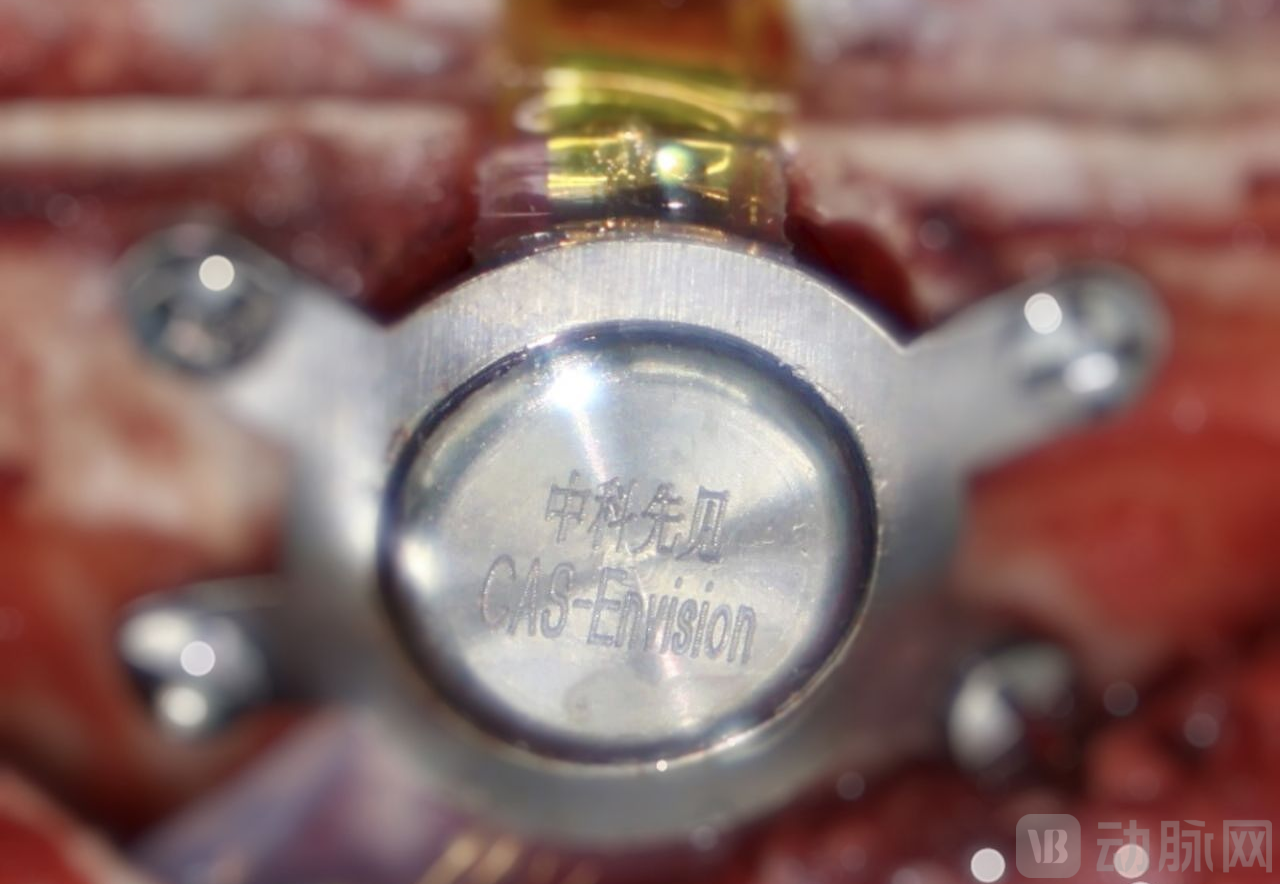
Cortical Stimulation Product Surgical Implant
A Decade of Refinement: Illuminating the Path to Rebuilding Vision for the Visually Impaired
Visual reconstruction has been gradually explored since the 1950s, experiencing periods of infancy, enlightenment, peak, and decline, progressing with ups and downs. Today, with MuskNeuralinkAmid the global craze it has sparked, brain-computer interface (BCI) technology has gained significant attention. Coupled with BCI being elevated to one of China's six key future industries during the "15th Five-Year Plan" period, continuous policy incentives are being released. The empowerment of new technologies, represented by AI, has further created major development opportunities for visual reconstruction based on novel BCI concepts and technologies.
It is worth noting that, this yearBlindsight(NeuralinkThe industry dynamics represented by its products clearly indicate a profound shift in the track’s direction: from the previous "brain-control" to the current "mind-control," and from simple signal detection to a focus on treating neurological diseases. This transformation means a significant increase in technical difficulty, but it also brings broader value—stronger medical necessity, wider audience coverage, and an increasingly urgent demand for advanced engineering platforms with mass production capabilities. With over a decade of technical accumulation and full-chain layout, CAS-Envision possesses this rare value, becoming a core force driving industry development.
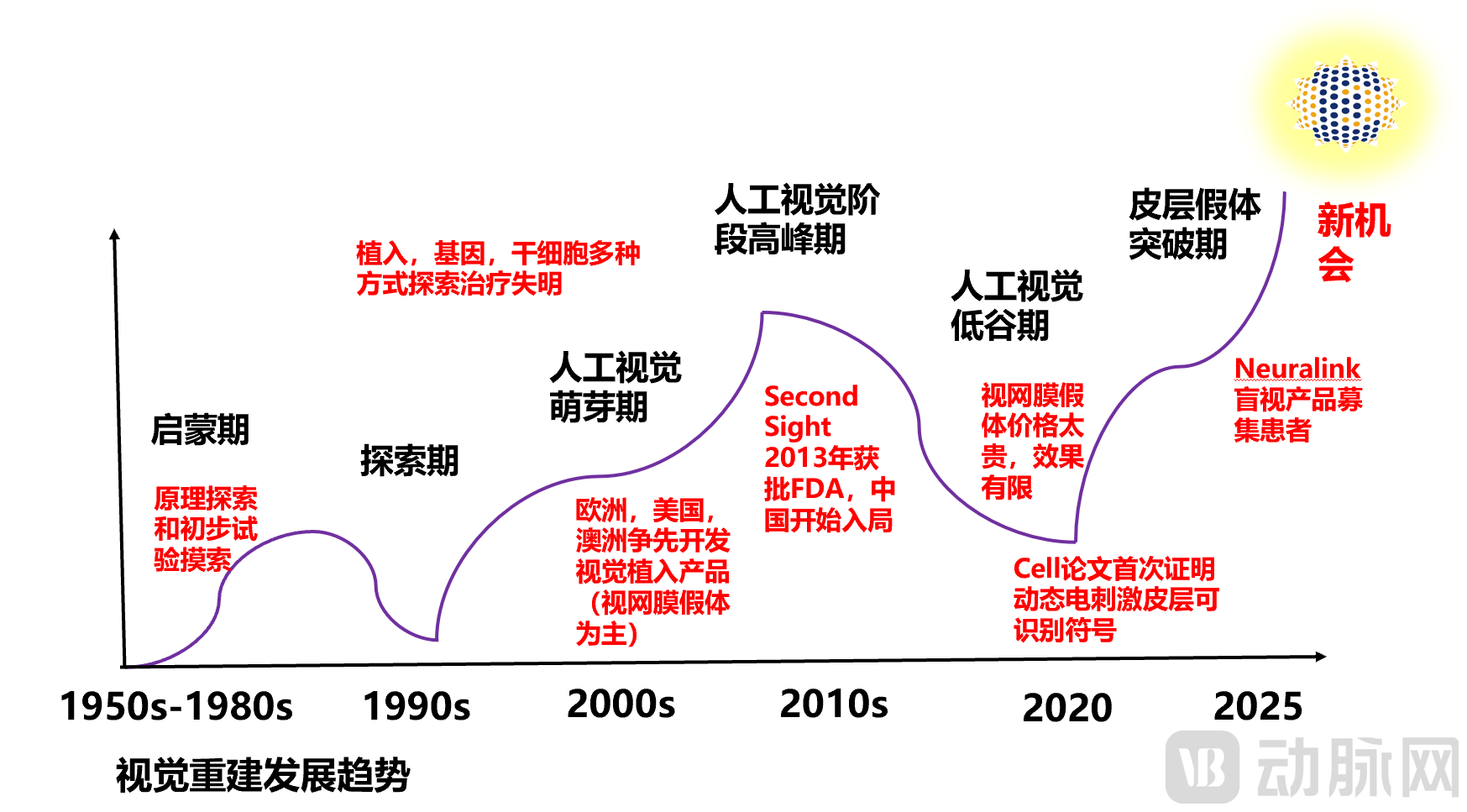
Reviewing the Development Course of Visual Reconstruction for More Than Half a Century: CAS-Envision’s Decade of Dedication to Visual Reconstruction is a decade of adhering to its original aspiration and deep cultivation of technology, as well as a decade of rejecting impetuousness and pursuing perfection. As the most people's livelihood-valued track in the brain-computer interface field, visual reconstruction is now embracing dual dividends from policies and the market. Facing the development trend of fierce competition in the industry, the company always adheres to long-termism, interpreting the true meaning of "technology for good" with solid technical accumulation. Looking back on the ten-year journey, there is no shortcut to follow; only by accumulating strength can we light up the hope for thousands of visually impaired people to regain their sight.
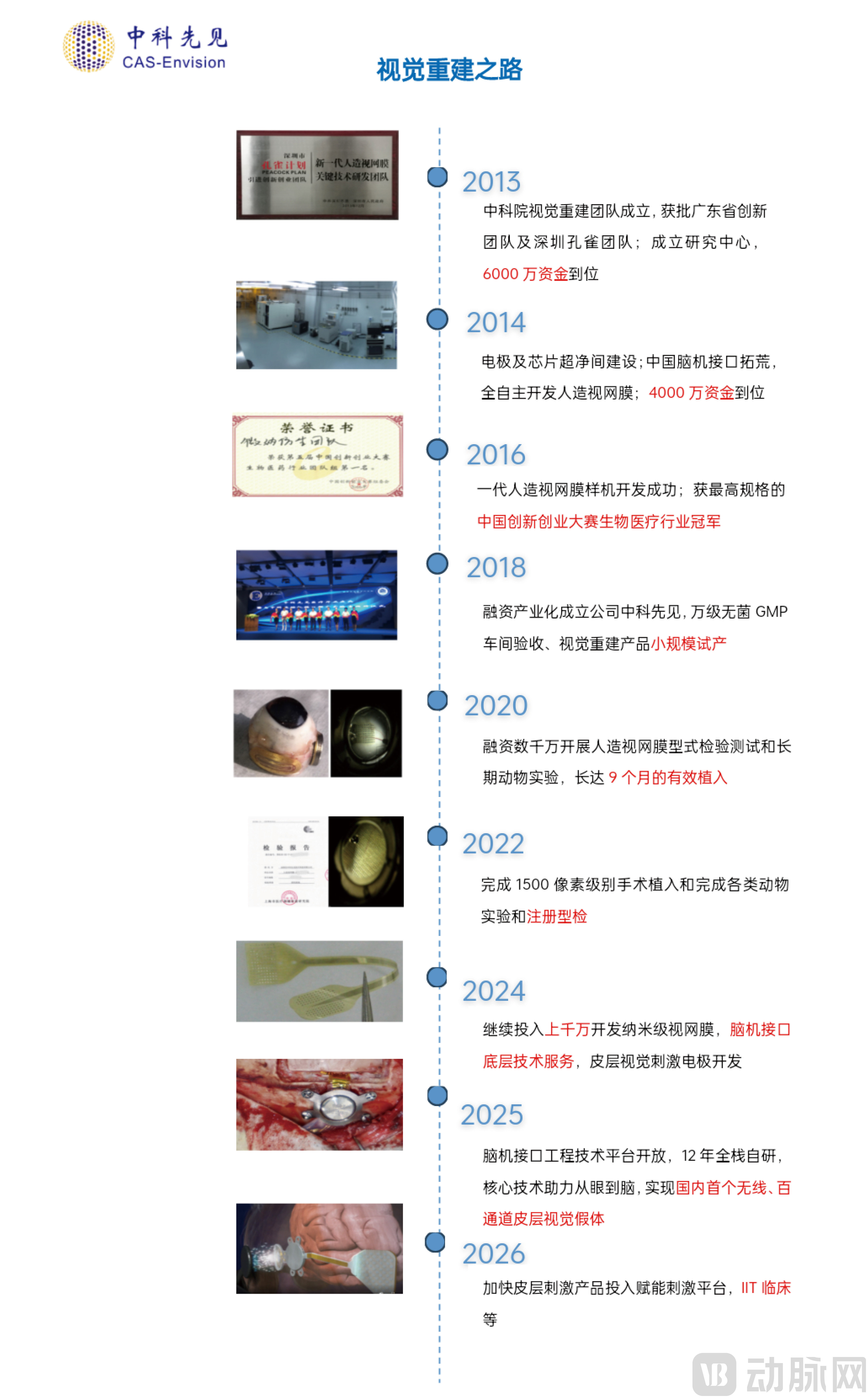
CAS-Envision's Path to Visual Reconstruction
Open Cooperation for Win-Win Results, Building a Diverse Application Ecosystem for Brain-Computer Interfaces
CAS-Envision's Brain-Computer Interface Platform Features Strong Expandability: It not only meets the needs of visual reconstruction but also extends to the intervention of neurological disorders such as epilepsy, depression, and insomnia. The platform provides fundamental brain-computer interface technology while enabling the detection of changes in protein cell levels after neuromodulation, offering a closed-loop solution for brain science research.
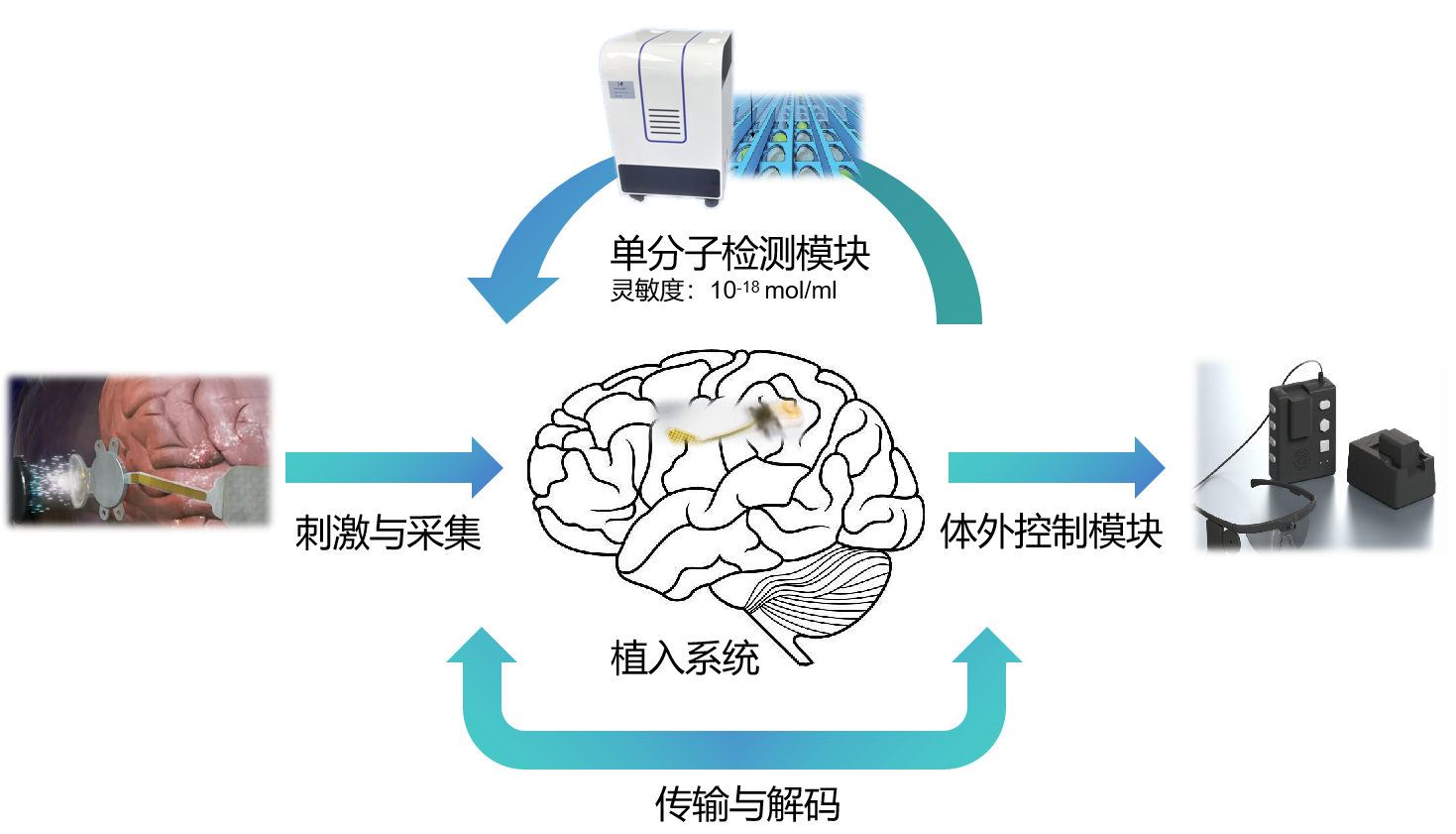
Dual-Modal Brain-Computer Interface
The development and industrialization of brain-computer interface technology cannot be achieved without the collaborative innovation of global research, industry, and capital. While continuously strengthening its core technologies, CAS-Envision adheres to the concept of openness and sharing, aiming to build an open and compatible brain-computer interface platform. We sincerely invite global partners to explore the vast prospects of technological applications together. With long-term commitment and the philosophy of openness and mutual benefit, we firmly believe that we will elevate brain-computer interface technology to new heights, illuminating the path for more people!