From ASCO Highlights to GSK's $10.6B Acquisition: A Pipeline Review of Breakthrough NSCLC Therapies

GSK
Pharmaceutical R&D Manufacturer

Nuvalent
Targeted Therapy Drug Developer

On June 9, GSK announced its proposal to acquire Nuvalent for $124 per share in cash, valuing the total equity at approximately $10.6 billion. Nuvalent’s portfolio includes zidesamtinib, neladalkib, and NVL-330, which target ROS1, ALK, and HER2 pathways in precision oncology for lung cancer, respectively. The first two candidates have already entered pivotal stages nearing commercialization.
This deal serves as another reminder to the market: in NSCLC, the most fiercely competitive arena that truly tests the real value of innovative drugs, multinational pharmaceutical companies are willing to pay high premiums for three types of assets—those with validated targets, those capable of addressing efficacy or tolerability bottlenecks of existing standard-of-care treatments, and those with best-in-class or global registration potential.
Reviewing recent top-tier international oncology conferences, the research and development focus in non-small cell lung cancer (NSCLC) is gradually shifting from the “1.0 era,” dominated by single-target TKI monotherapies or PD-1/PD-L1 monoclonal antibodies, to the “2.0 era,” centered on “precision targeting plus immune microenvironment modulation.” The limitations of single-mechanism approaches are becoming increasingly evident, and overcoming acquired resistance and extending survival through multi-mechanistic synergy has become the mainstream direction in new drug development.
Reviewing the data presented at this year’s ASCO Annual Meeting, advances in the field of non-small cell lung cancer (NSCLC) are primarily reflected in the following four major trends:
The Role of Bispecific Antibodies (BsAbs) in Immunotherapy Continues to Rise. Leveraging multi-pathway synergistic mechanisms, these drugs are expanding from later-line resistant populations to first-line head-to-head comparisons against historical standard of care (SoC). Targeted Therapy Exhibits a Bipolar Trend of “Front-Loading” and “Tackling Hard Challenges”On one hand, it extends into adjuvant/neoadjuvant therapy for early-stage resectable patients; on the other hand, it challenges first-line treatment for previously refractory cases or those with rare driver gene alterations (such as RET fusions and specific EGFR mutations), aiming to reshape the standard of care (SoC). Combination Strategies for KRAS G12C Inhibitors Accelerate Toward Maturity. This target has shifted from single-agent validation to multi-target combinations (e.g., in combination with PD-1 inhibitors) or combinations with other mechanisms, aiming to further prolong progression-free survival (PFS) on the basis of improving the objective response rate (ORR). AThe Potential of Combining DC with Immunotherapy (IO) Emerges. The combination of antibody-drug conjugates (ADCs) and immunotherapy is challenging the traditional first-line regimen of “immunotherapy plus chemotherapy.”

I. Bispecific Antibody Storm—The "Dimensional Reduction Strike" of Immunotherapy and the Breakthrough in Drug Resistance

As tumor immunotherapy (IO) enters the 2.0 era, strategies relying solely on PD-(L)1 monoclonal antibodies to break through survival bottlenecks are showing signs of fatigue. In this context, bispecific antibodies (BsAbs) are leveraging their mechanistic advantages in target synergy to launch a "dimensional strike" against existing standard of care (SoC). At this conference, BsAbs targeting PD-1/VEGF and PD-1/IL-2Rα not only decisively outperformed the current dominant SoC in major first-line indications, but also demonstrated highly promising clinical signals in the challenging realm of IO-resistant "cold tumors."
1.Peak Showdown: How Ivonescimab (LBA4) Is Reshaping the First-Line Standard for Advanced Squamous NSCLC (sq-NSCLC)
Advanced squamous non-small cell lung cancer (sq-NSCLC) has long been constrained by the efficacy ceiling of “PD-1 monoclonal antibody plus chemotherapy,” due to a highly immunosuppressive tumor microenvironment and a lack of available targeted therapies. Akeso Biologics’ PD-1/VEGF bispecific antibody, ivonescimab (Ivonescimab, AK112), was featured in a major oral presentation as LBA4, selected for the prestigious Plenary Session at this conference, and was simultaneously published in The Lancet, officially marking the establishment of a new benchmark for first-line treatment of squamous cell carcinoma.
Data Interpretation:Breakthrough OS Ceiling's Absolute Advantage
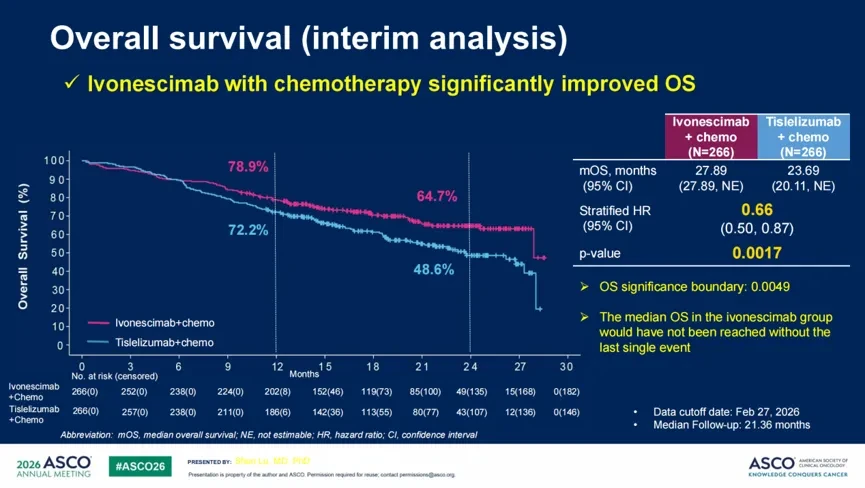
HARMONi-6 (NCT05840016) is the first global Phase III study in first-line squamous non-small cell lung cancer (1L sq-NSCLC) to demonstrate superior overall survival (OS) in a head-to-head comparison against the current standard active PD-1 inhibitor combination regimen (tislelizumab plus chemotherapy). In the prespecified interim OS analysis, the ivonescimab plus chemotherapy armMedian OS reached 27.89 months, significantly superior to the 23.69 months observed in the control group (HR=0.66, P=0.0017). It is particularly noteworthy that tislelizumab in the control arm demonstrated exceptionally robust performance (with an mOS of 23.69 months, already at the optimal level of current global standard of care [SoC]). The achievement of a 34% reduction in mortality risk against such a high-standard control further substantiates the substantial clinical value of its efficacy. Furthermore, the benefit exhibitedHigh Consistency Across the Entire Population: Regardless of PD-L1 expression status, whether negative (TPS <1% group, HR=0.64) or positive (TPS ≥1% group, HR=0.68), patients consistently achieved prolonged survival, with a significant long-term tail effect (24-month OS rate of 64.7% vs. 48.6%). In terms of safety, the incidence of grade ≥3 treatment-related adverse events (TRAEs) in the ivonescimab group was 69.2% (58.9% in the control group). Traditional concerns regarding anti-angiogenic therapy-associated bleeding were not significantly amplified in patients with squamous cell carcinoma (grade ≥3 bleeding events were rare), and the overall safety profile was manageable.
Clinical and Commercial Value: Accelerating Globalization
This extends beyond PFS to include dual positive outcomes in OS, directly establishing the scientific basis for replacing traditional “monoclonal antibody plus chemotherapy” with “bispecific antibody plus chemotherapy.” It has not only significantly boosted the valuation and business development (BD) expectations of Akeso, Inc. and its partner Summit Therapeutics in international markets, but will also strongly accelerate the progress of global multicenter Phase III studies (such as HARMONi-3). With potential updates to clinical guidelines, ivonescimab holds the potential to become the new global standard of care (SoC) for this indication.
2.First-line Update: Exploration of SSGJ-707 (Abstract 8514) in the Driver Gene-Negative Population
As Ivonescimab actively explores the “bispecific antibody + chemotherapy” pathway, PF-08634404 (SSGJ-707), a PD-1/VEGF bispecific antibody developed by 3SBio and licensed in through a significant deal by Pfizer, has delivered compelling results in first-line “chemotherapy-free” exploration with a monotherapy strategy.
Data Interpretation: Early Signs of “Chemo-Free” Potential
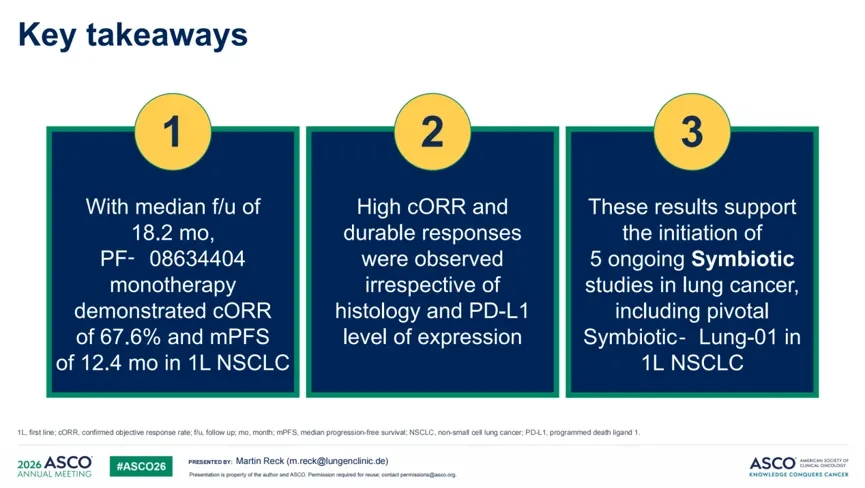
In the Phase II study SSGJ-707-NSCLC-II-01, among patients with first-line NSCLC and PD-L1 TPS ≥1%, the 10 mg/kg dose group (n=34)Confirmed Overall Response Rate (cORR) reached 67.6%, with a median PFS of up to 12.4 months. Deep and durable responses were observed across subgroups with different histological types (squamous/non-squamous) and PD-L1 expression levels (1–49% and ≥50%).
Horizontal Comparison and Objective Evaluation
3.Late-Line Breakthrough: IBI363 (Abstract 2618) Takes on the “Hard Nut” of IO-Refractory NSCLC
If first-line therapy is akin to staking out territory, then the treatment of advanced squamous cell carcinoma in patients who have previously developed dual resistance to both immunotherapy and chemotherapy is veritably a “battleground.” Multiple novel agents, including TROP2-targeting antibody-drug conjugates (ADCs), have previously failed in this setting. Inceptus Biologics’ first-in-class PD-1/IL-2Rα bispecific antibody IBI363 (TAK-928) has taken on this “hard nut to crack,” as presented in Abstract 2618.
Data Interpretation: Significant Long-Tail Effect
Mechanism Exploration and Business Expansion
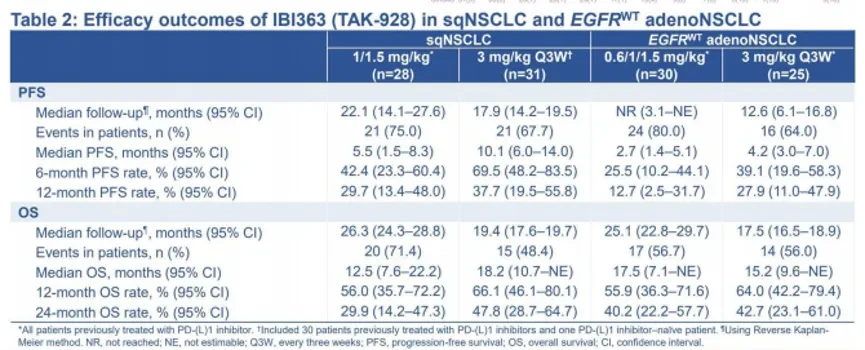
To facilitate intuitive comparison, we have summarized and organized the key data of the core bispecific antibodies mentioned in this section alongside the current standard of care (SoC). (Note: As the studies are at different stages and not head-to-head designs, the data are for cross-reference only.)
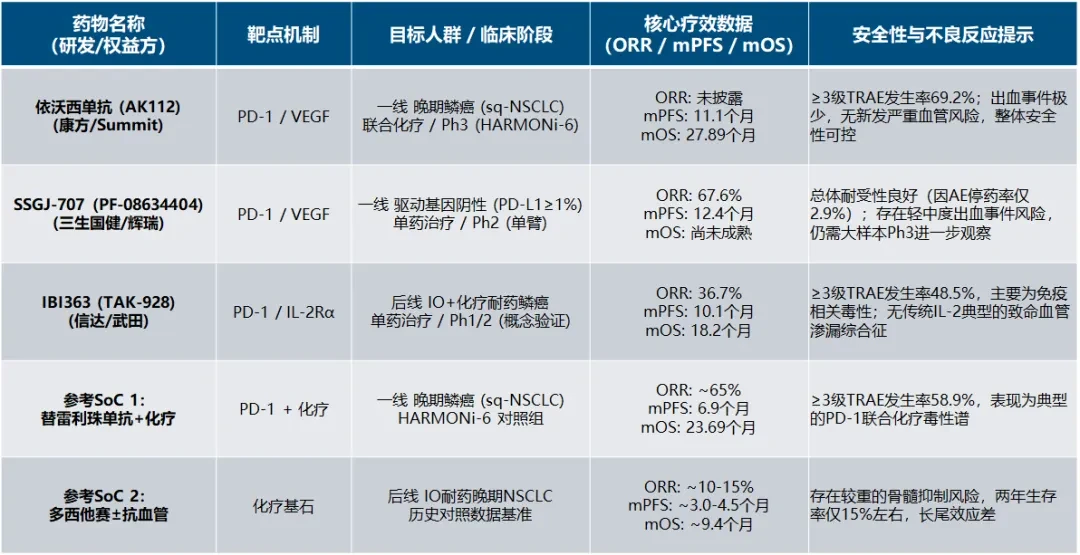
Table: Overview of Core Bispecific Antibody Pipeline and Comparison with SoC
II.Precision Targeting: Frontloading Early Adjuvant Therapy and Reshaping First-Line Treatment for Refractory Mutations

In the therapeutic landscape of driver gene-positive non-small cell lung cancer (NSCLC), the evolution of targeted therapy exhibits two core trends: first, the "front-loading" of highly selective inhibitors into the early-stage adjuvant setting; and second, the comprehensive reshaping of the standard of care (SoC) for traditionally refractory mutations, such as EGFR exon 20 insertions. At this year’s ASCO Annual Meeting, the latest clinical data on RET fusions and EGFR exon 20 insertion mutations demonstrated highly promising clinical signals, poised to profoundly reshape future clinical practice guidelines and the competitive market landscape.
To facilitate an intuitive understanding of the clinical performance of core drugs in this section, the following chart provides a horizontal summary and comparison of the efficacy and safety profiles of these key targeted therapies:
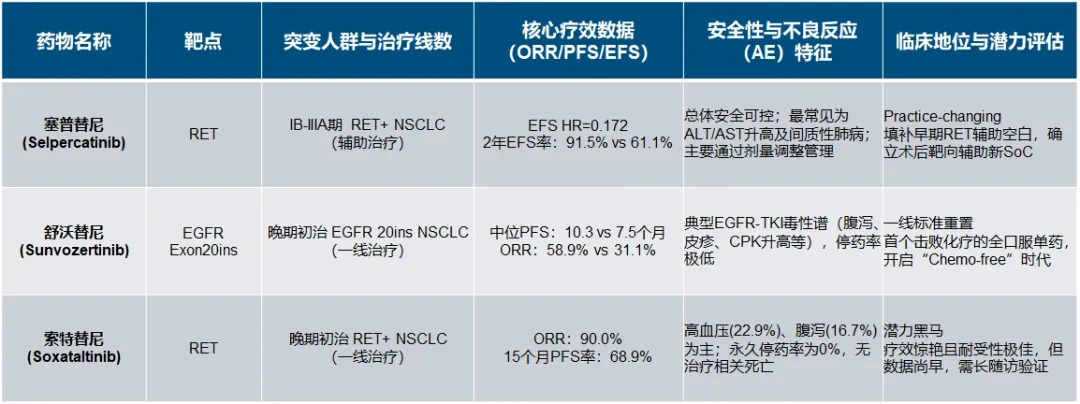
Table: Horizontal Comparison of Core Clinical Data for Key Targeted Therapies (RET/EGFR ex20ins) at ASCO 2026
1.A New Benchmark in Adjuvant Therapy: Selpercatinib (LBA3) Propels RET-Positive Early-Stage NSCLC into the Era of Targeted Adjuvant Treatment
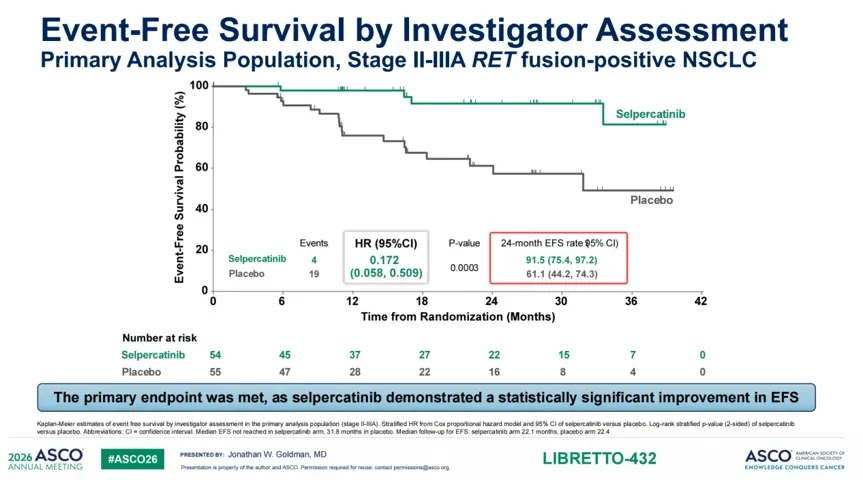
For a long time, patients with early-stage RET fusion-positive NSCLC could only rely on traditional adjuvant chemotherapy or observation after curative surgery, lacking dedicated targeted intervention options. The LIBRETTO-432 study, presented as a major Late-Breaking Abstract (LBA 3) at this year’s ASCO and simultaneously published in the NEJM, has completely filled this “gap.”
Data Interpretation:In the study targeting patients with stage IB–IIIA RET+ disease, the selpercatinib arm demonstrated an improvement in event-free survival (EFS) that exceeded historical expectations for standard of care (SoC) in the primary analysis population (stages II–IIIA): the risk of disease recurrence or death was reduced by an unprecedented approximately 83% (HR=0.172, p=0.0003). The 2-year EFS rate reached 91.5%, significantly surpassing the 61.1% observed in the placebo group. Consistent benefits were also observed in the overall population (stages IB–IIIA; HR=0.165). Regarding safety, selpercatinib maintained its known safety profile, with 66.7% of patients experiencing grade ≥3 treatment-emergent adverse events (TEAEs), primarily elevated ALT/AST levels, which were mostly manageable through dose interruption or reduction.
2.First-Line Standard Reset: Sunvozertinib (LBA8500) Versus Chemotherapy in Overcoming the Challenge of EGFR exon20ins
Due to its unique spatial conformation, EGFR exon 20 insertion mutations (exon20ins) were long considered a “therapeutic desert” for targeted therapy. Although bispecific antibodies combined with chemotherapy (e.g., amivantamab plus chemotherapy) are currently recommended as the preferred first-line treatment in the NCCN Guidelines, the intensive intravenous infusion regimen coupled with the dual toxicity of chemotherapy imposes a substantial burden on patients’ quality of life.
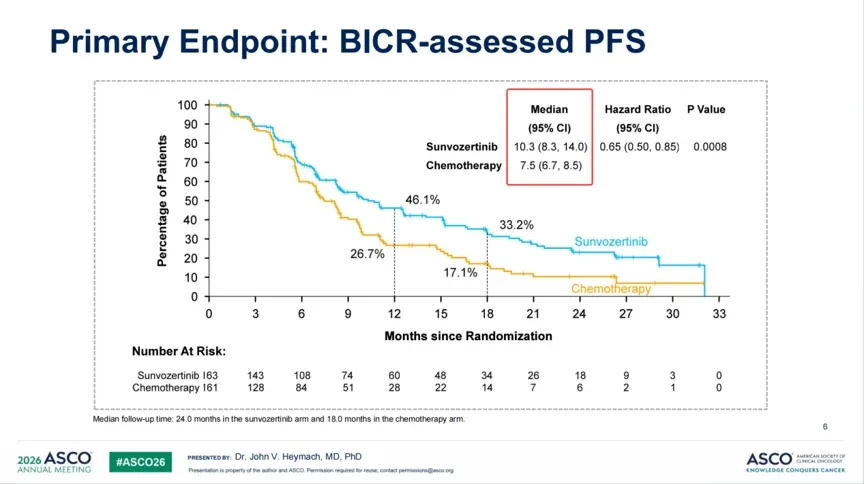
Data Interpretation:Sunvozertinib, independently developed by Dizal Pharma, delivered impressive results in the head-to-head WU-KONG28 study (LBA8500). Among 324 patients with previously untreated advanced-stage disease, sunvozertinib monotherapy significantly extended median progression-free survival (PFS) to 10.3 months compared to 7.5 months for platinum-based chemotherapy (HR 0.65). Moreover, it demonstrated a substantially superior objective response rate (ORR) of 58.9% versus 31.1%. Additionally, its oral administration route exhibited excellent patient compliance.
Industry Landscape:This is the first and currently only EGFR-TKI to defeat chemotherapy in a head-to-head, all-oral, monotherapy first-line setting globally. The confirmatory success of sunvozertinib not only provides a robust “Chemo-free” option for patients with these rare mutations but also signals a shift in the competitive focus within the EGFR exon 20 insertion field. Compared with bispecific antibody plus chemotherapy regimens, sunvozertinib offers irreplaceable advantages in terms of administration convenience, avoidance of myelosuppression, and prevention of infusion-related reactions. It has the potential to become a new benchmark and is poised to rapidly reshape clinical practice in both China and the United States.
3.Potential Dark Horse: Sotretinib (Abstract 8639) in First-Line Treatment of Advanced RET Fusion
In the RET inhibitor landscape, with first-generation agents (selpercatinib and pralsetinib) reaching maturity, latecomers must identify differentiated niches in terms of depth of efficacy or safety. Shouyao Holdings’ sotretinib (SY-5007) has emerged as a notable contender at this conference.
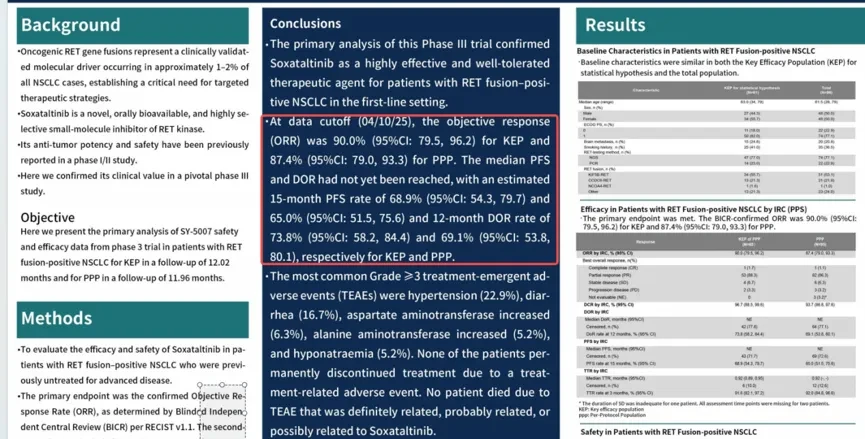
Data Interpretation: Based on the analysis of the Phase III clinical trial in the key efficacy population (KEP), sotorasib in first-line advanced RET+ NSCLCAchieved a confirmed ORR of up to 90.0%. Follow-up data showed a 15-month PFS rate of 68.9%, demonstrating robust and durable tumor control. Even more commendable is its favorable safety profile: although Grade ≥3 TEAEs included hypertension (22.9%) and diarrhea (16.7%),No cases of permanent discontinuation due to treatment-related adverse events occurred (discontinuation rate: 0%).。
Race Condition Analysis: In advanced-stage targeted therapy requiring long-term medication, a "0% discontinuation rate" signifies a high feasibility for long-term management, representing a core competitive differentiator of Sotretinib compared to existing RET inhibitors. However, adhering to an objective and rational medical perspective, it must be pointed out that:The current sample size of this study is small, and the PFS/OS data are immature; long-term follow-up results from Phase III prospective randomized controlled trials are still needed for further confirmation.If it can demonstrate non-inferiority or superiority to the current standard of care (SoC) in independently blinded progression-free survival (PFS) assessments while maintaining an excellent tolerability profile, this domestic “dark horse” will undoubtedly secure a place in the fiercely competitive landscape of RET inhibitors.
III.The Breakthrough Battle of KRAS G12C: From the Bottleneck of Monotherapy to the Encirclement of “Combination Therapy”

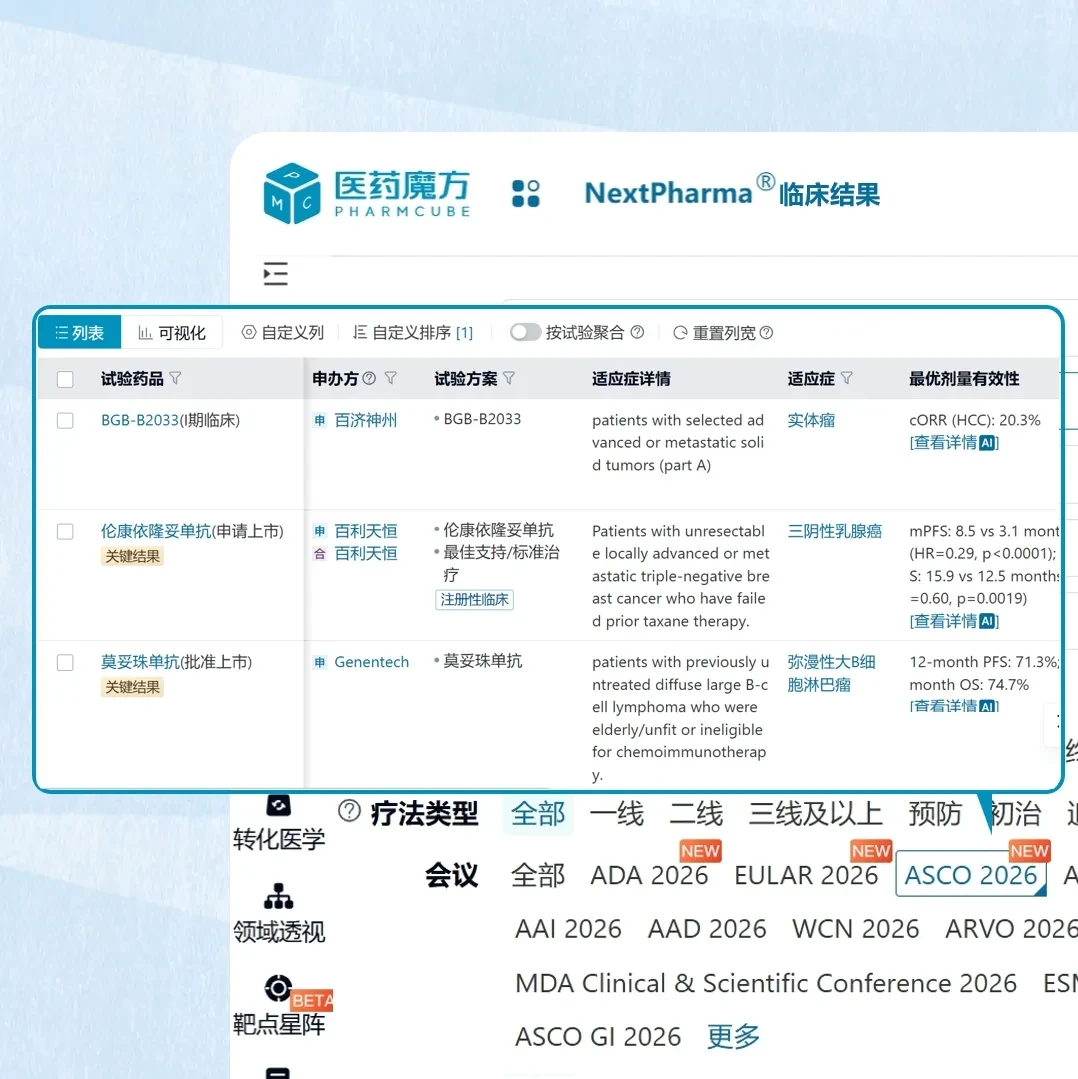
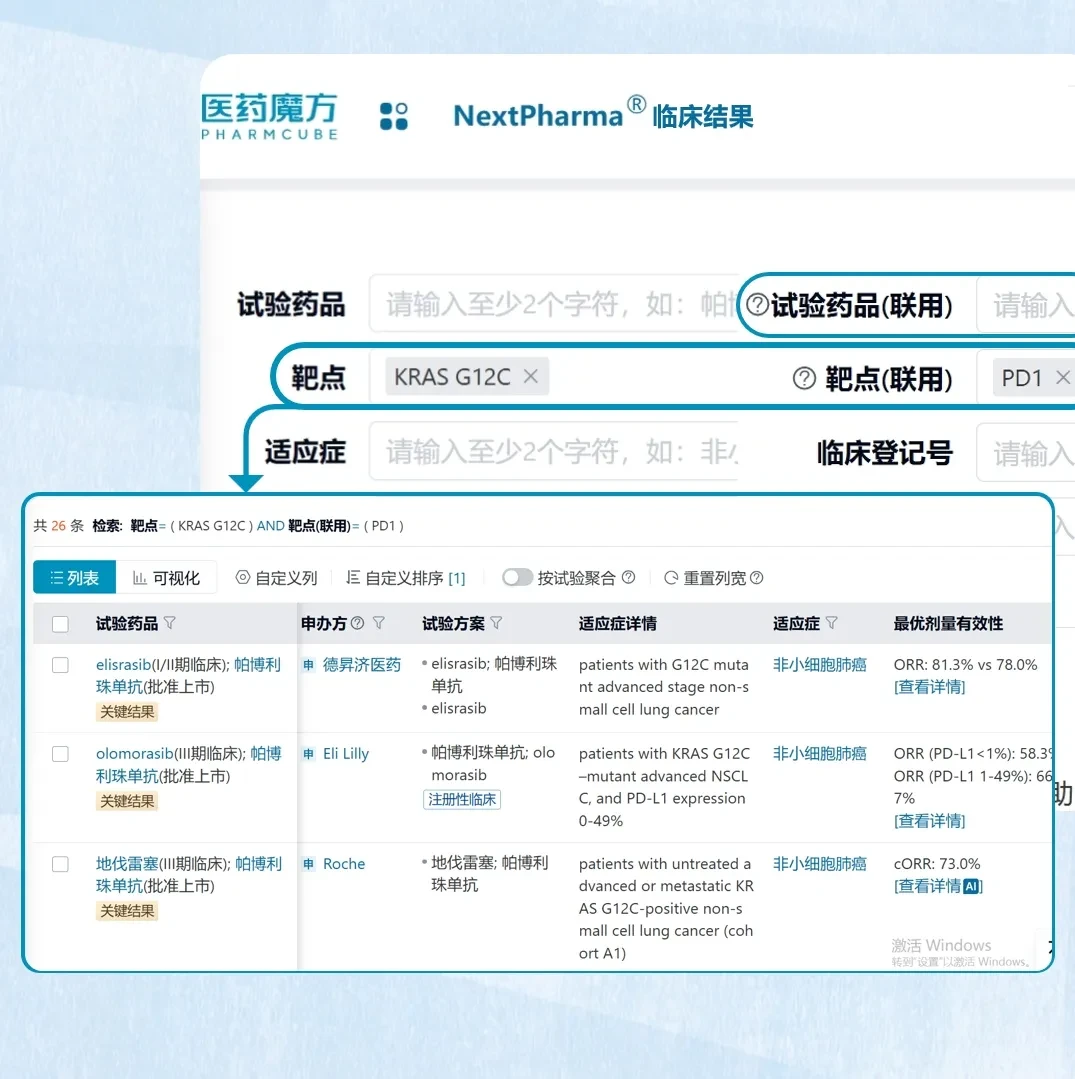
Targeting KRAS G12C, a target once deemed “undruggable” and highly prone to resistance, this year’s ASCO conference unveiled significant data on multiple combination therapies. The focus of exploration in the field has shifted comprehensively from early-stage monotherapy validation to“Combination Strategy”encirclement.The [Clinical Outcomes] section of the PharmaCube NextPharma database supports multi-dimensional searches for combination therapy regimens by drug, target, and other criteria., rapidly identify the efficacy advantages of different KRAS G12C combination regimens, systematically reconstruct the competitive landscape and clinical strategies for this target. Scan the QR code to request a trial of this feature.

Currently, by blocking bypass compensatory mechanisms or through cross-disciplinary collaboration with immunotherapy, next-generation KRAS inhibitors are demonstrating highly promising clinical signals, holding the potential to truly disrupt the current treatment paradigm reliant on chemotherapy. Below is a comparative analysis of three highly anticipated combination strategies:
1.Synergistic Pathway Blockade: Ibrutinib + Garsorasib (Abstract 3113)
Among the “chemo-free, all-oral” dual-targeted strategies, data from Ascentage Therapeutics’ FAK inhibitor ifebemtinib in combination with Innovent Biologics’ KRAS G12C inhibitor garsorasib emerged as one of the focal points of this year’s conference.
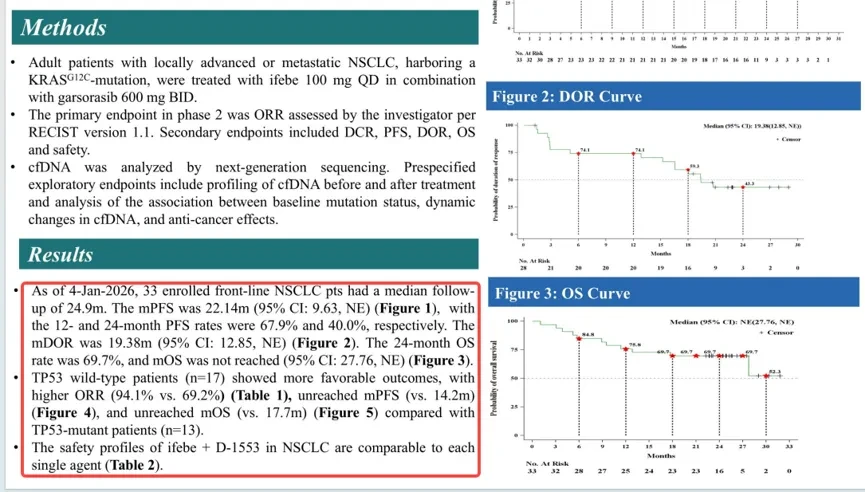
Data Interpretation: In previously untreated KRAS G12C-mutant NSCLC patients (n=33), the combination regimen achieved an objective response rate (ORR) of 90.3% and a median progression-free survival (PFS) of up to 22.14 months, with a median duration of response (mDOR) reaching 19.38 months. Notably, it demonstrated exceptional efficacy in the TP53 wild-type (wt) subgroup, with an ORR of 94.1% and both median PFS and median overall survival (OS) not yet reached (median PFS was 14.2 months in the mutant subgroup).
Mechanism AnalysisWhy introduce FAK inhibitors? During monotherapy with KRAS inhibitors, tumor cells are highly prone to developing adaptive resistance through feedback activation of RTK and adhesion pathways. As a core node mediating the extracellular matrix (ECM) and matrix stiffness, FAK (focal adhesion kinase) inhibitors not only block this bypass compensation but also suppress the activity of cancer-associated fibroblasts (CAFs), thereby remodeling the originally “cold” tumor microenvironment. This precisely compensates for the disadvantages of TP53 wild-type tumors, which typically exhibit low tumor mutational burden (TMB) and poor immune infiltration, transforming these “cold tumors” that are insensitive to conventional immunotherapy into “super responders” to this dual-target regimen.
2.Immuno-Combination Strategy: The “Breakthrough” Attempt of Divarasib and Elisrasib
Previously, the combination of first-generation KRAS G12C inhibitors with PD-1 monoclonal antibodies was often limited by severe hepatotoxicity (particularly with concurrent administration), hindering their advancement into first-line therapy. At this year’s ASCO, two next-generation agents are attempting to bridge this gap through optimized molecular structures.
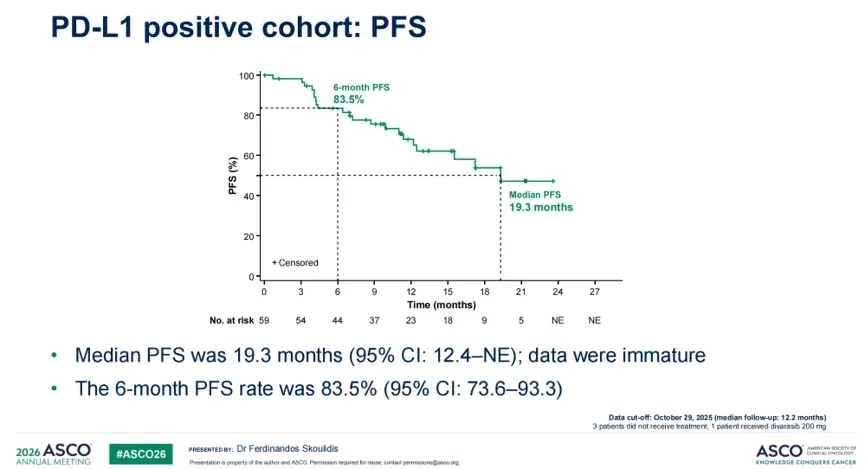
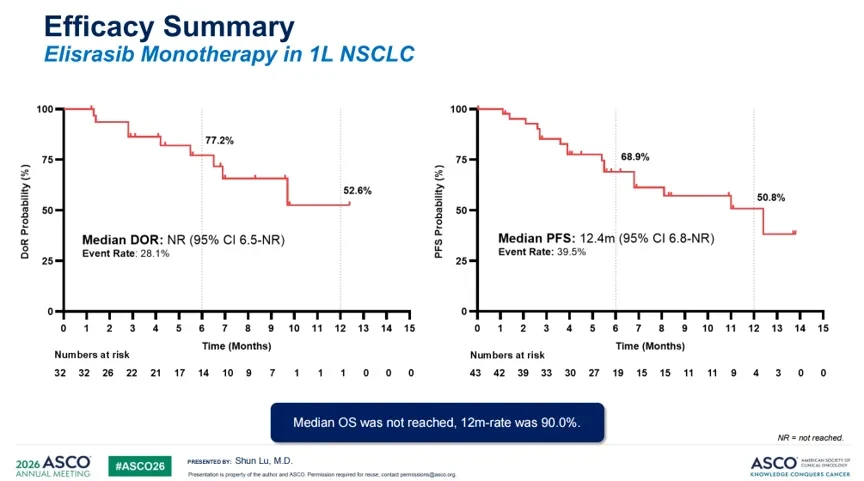
Roche Divarasib + Pembrolizumab (Abstract 8510): In the Krascendo 170 study, Divarasib demonstrated efficacy that exceeded expectations based on historical standard of care (SoC). The confirmed objective response rate (ORR) reached 73% in the PD-L1-positive (≥1%) cohort, with a median progression-free survival (PFS) of 19.3 months; notably, an ORR of approximately 70% was also achieved in the PD-L1-negative cohort. Safety trade-offs: Despite the impressive efficacy, the incidence of grade 3/4 treatment-related adverse events (TRAEs) was as high as 65%, with grade 3/4 elevations in ALT and AST reaching 20% and 18%, respectively. Although investigators noted that these events were manageable through dose adjustments and no grade 5 hepatotoxicity was observed, this safety concern poses challenges to patient adherence in future large-scale applications, warranting objective and prudent attention. Deshengji Medicine Elisrasib (D3S-001) ± Pembrolizumab (Abstract 8511)Elisrasib, as a next-generation GDP-bound (OFF) inhibitor, leverages unique rapid binding kinetics to more thoroughly block the nucleotide cycle. As monotherapy in the first-line setting, it achieved a high objective response rate (ORR) of 78.0% and a median progression-free survival (mPFS) of 12.4 months; in combination with pembrolizumab, the ORR further increased to 81.3% (reaching up to 95% in the PD-L1 ≥50% subgroup). Molecular Response and Tolerability: This regimen demonstrated an exceptionally high ctDNA molecular clearance rate (with a 100% molecular response rate in the combination group). Regarding safety, grade ≥3 treatment-related adverse events (TRAEs) occurred in only 7% of patients receiving monotherapy, compared to 32.7% in the combination group (mostly attributed to the immunotherapy agent, with grade 3/4 hepatic enzyme elevations occurring in approximately 5–7%), indicating a wider safety window and excellent tolerability.
3.Industry Insights: The Inevitable Path to Becoming a Top-Tier SoC
Data on divarasib and elisrasib strongly indicate that “next-generation highly selective/high-affinity KRAS inhibitors” have initially paved the way for concurrent combination with immunotherapy, significantly reducing the risk of cumulative hepatotoxicity associated with traditional regimens. Meanwhile, the combination of ibritinib and garsocerseb takes a different approach, demonstrating that a chemotherapy-free, immunotherapy-free strategy based on “targeted therapy + microenvironment modulation” also holds the potential to become a new benchmark.
However, it must be rationally noted that the aforementioned data are largely derived from Phase Ib/II studies with limited sample sizes. Whether referring to the long-tail progression-free survival (PFS) exceeding 22 months or immune combination therapies overcoming hepatotoxicity, there is an urgent need for ongoing or upcoming Phase III prospective randomized controlled trials (such as Krascendo 2) to provide definitive evidence-based medical validation.
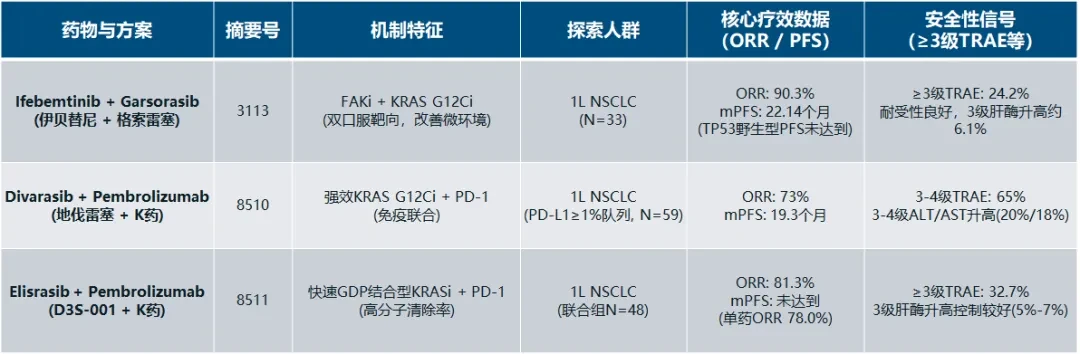 Note: Baseline characteristics, follow-up durations, and assessment criteria varied across studies; these are not head-to-head comparisons and are provided for academic reference only.
IV.ADC + IO Frontline Convergence: Unlocking the New Normal of “Chemo-Free/Reduced Toxicity and Enhanced Efficacy”

As tumor immunotherapy enters a more advanced and complex phase, the potential of combining TROP2 ADCs with PD-1 monoclonal antibodies to become the “crown jewel” of first-line treatment for lung cancer has become a core focus of industry attention. Although the traditional “chemotherapy + immunotherapy (IO)” regimen remains the current standard of care (SoC), it is inevitably associated with systemic toxicity and efficacy bottlenecks. Currently, “chemo-free” combination strategies that replace conventional chemotherapy with ADCs are demonstrating highly promising clinical signals.
1.Sacituzumab Govitecan (Sac-TMT) + Pembrolizumab (Abstract 8506) First-Line Milestone Readout
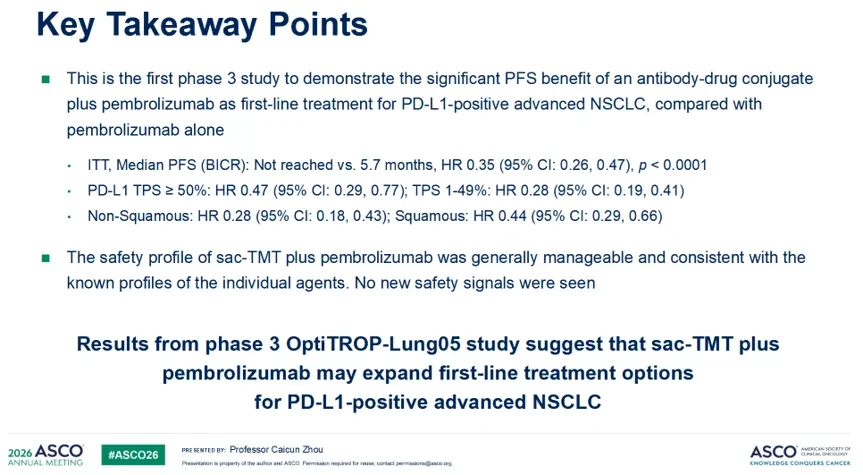
At the 2026 ASCO Annual Meeting, the interim analysis data from the OptiTROP-Lung05 study (NCT06448312) were officially presented. This represents the first global randomized, open-label, Phase III clinical trial to demonstrate that the combination of an antibody-drug conjugate (ADC) and a PD-1 inhibitor yields significantly superior efficacy compared with PD-1 inhibitor monotherapy in the first-line treatment of advanced non-small cell lung cancer (NSCLC).
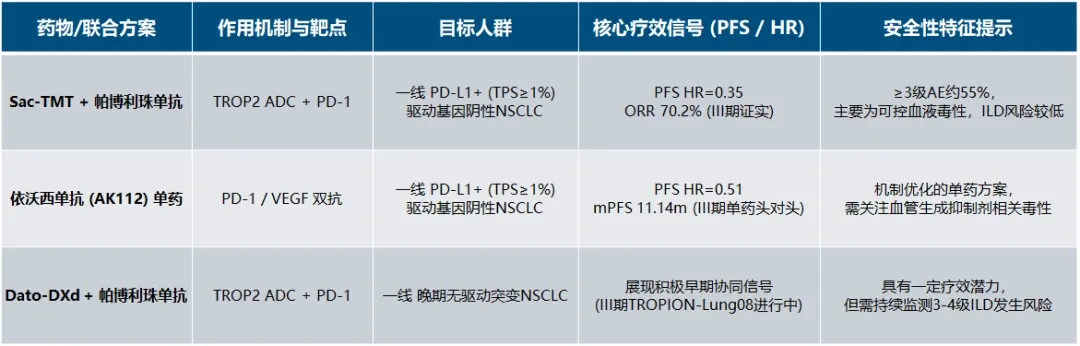
Data Interpretation: This study enrolled 413 patients with advanced non-small cell lung cancer (NSCLC) who were PD-L1 positive (TPS ≥1%) and lacked EGFR/ALK mutations. Patients were randomized in a 1:1 ratio to receive either sacituzumab govitecan (Sac-TMT) in combination with pembrolizumab (Keytruda) or pembrolizumab monotherapy. Efficacy data assessed by blinded independent central review (BICR) demonstrated that the combination arm achieved a depth of benefit exceeding historical expectations for the standard of care (SoC):
PFS (Progression-Free Survival): The median PFS in the combination group was “not reached” (NR), compared with 5.7 months in the monotherapy group. The risk of disease progression or death was substantially reduced by 65% (HR=0.35, 95% CI 0.26–0.47, p<0.0001). The 12-month PFS rate was as high as 62.4% (versus only 29.0% in the monotherapy group). Subgroup Penetration: The benefit was not only observed in the population with high PD-L1 expression (TPS ≥50%, HR=0.47), but was even more pronounced in the population with low PD-L1 expression (TPS 1-49%), where the efficacy of traditional IO monotherapy is limited (HR=0.28). Meanwhile, a consistent trend of benefit was demonstrated regardless of squamous cell carcinoma (HR=0.44) or non-squamous cell carcinoma (HR=0.28). ORR and OS: The combination group achieved an ORR of 70.2% (vs. 42.0%), with a deep response rate (tumor reduction ≥50%) as high as 49.0%. An early favorable trend was observed for the key secondary endpoint of OS (overall survival) (HR=0.55), although the data are not yet fully mature. Objective Safety Assessment: The incidence of grade ≥3 treatment-emergent adverse events (TEAEs) in the combination group was 55.3% (31.4% in the monotherapy group), primarily driven by hematologic toxicities expected with ADCs, such as neutropenia and anemia. Notably, the rates of pembrolizumab discontinuation due to adverse reactions were comparable between the two groups, and no Sac-TMT-related deaths occurred. Owing to its unique linker design, the risk of overlapping toxicities, such as interstitial lung disease (ILD), remained manageable, demonstrating high feasibility for overall safety in real-world clinical practice at primary care institutions.
2.Industrial Significance: Validation of Platform Value and a New Benchmark in the “Chemotherapy-Free” Era
The success of the OptiTROP-Lung05 study represents not only a breakthrough in clinical data but also holds profound implications for reshaping the industry. First, it robustly validates the underlying platform value of Kelun Biotech’s Sac-TMT (SKB264). Its ingenious design—featuring a moderate toxicity payload, a high drug-to-antibody ratio (DAR) of 7.4, and a pH-sensitive cleavable linker—has successfully broken the longstanding curse of “overlapping toxicities preventing adequate dosing” often encountered when combining ADCs with immunotherapy (IO). This achievement truly realizes mechanistic complementarity, where the ADC’s precise cytotoxicity and bystander effect synergize with PD-1 inhibition to relieve immune suppression.
Furthermore, against the backdrop of Keytruda facing the patent cliff, this combination regimen is undoubtedly Merck & Co.’s strongest trump card in building a global “ADC + PD-1 defensive counterattack” pipeline. Unlike the “single-agent mechanism optimization” approach via bispecific antibodies (such as ivonescimab), the combination of Sac-TMT and PD-1 inhibitors aims to further “raise the efficacy ceiling.” It signals that in the future first-line treatment of lung cancer, toxicity-manageable “ADC + IO” combinations have the potential to become the new benchmark, and are highly likely to gradually erode or even completely replace the traditional “chemotherapy + IO” regimens, ushering NSCLC treatment into a new normal characterized by precise toxicity reduction and profound efficacy enhancement.
V.Conclusion: Clinical Practice and Business Development Insights in the New Landscape

Reshaping Clinical Practice: Expanding Survival Boundaries and Rationally Evaluating Data
From the precise targeted application of “early screening/early detection” to the gradual adoption of first-line immune bispecific antibodies and ADC drugs, clinical practice is undergoing a profound transformation. Novel therapies represented by ivonescimab, Sac-TMT, and others are continuously breaking through the limitations of traditional standard treatments, pushing the ceilings of patients’ progression-free survival (PFS) and overall survival (OS) to new heights.
Business & BD Perspectives: The Qualitative Leap in the Globalization of China’s Innovative Drugs
Live Streaming Recommendations
June 25, 2026, 18:30, the second issue of PharmCube's ASCO special series will focus onEarly-Stage Research Opportunities to Watch at ASCO 2026, welcome to scan the QR code to register for the live broadcast.