

GRS-HS Jianrui Shi Files IPO Prospectus: Bringing America's Leading Rehabilitation and Senior Care Model to China
The rehabilitation industry presents a striking data contrast: including long-term care costs, the per capita rehabilitation expenditure in the United States is approximately $800, whereas in China, the per capita rehabilitation expenditure in 2018 was only about 32 yuan.
Behind the vast gap lies the inherent underdevelopment of China’s rehabilitation industry, which also signifies substantial market growth potential. As China strives to catch up, will its rehabilitation sector achieve gradual growth through steady, incremental progress, or accelerate rapidly by leveraging disruptive innovation to overtake competitors?
With this question in mind, VCBeat (WeChat ID: vcbeat) spoke with Ding Liwei, President of the Qinhuangdao Taisheng Jianruishi International Rehabilitation Center. In his view, China’s rehabilitation industry is poised for explosive growth in the future.
This assessment stems from President Ding Liwei’s insights into industry development trends. He stated, “China’s rehabilitation medical market has maintained a rapid annual growth rate of 30%. In 2007, there were only 40,000 rehabilitation beds in China, whereas by 2017, the number had reached approximately 200,000. The past two years have witnessed significant momentum in the rehabilitation industry, although supply still falls far short of demand.”
Furthermore, Genesis Healthcare, the parent company of GRS, as the largest provider of rehabilitation and subacute care services in the United States, has firsthand experience with the expansion and growth of the U.S. rehabilitation market and possesses a comprehensive and in-depth understanding of its development trajectory.
Since entering the Chinese market in 2014, Genesis Healthcare Group has established partnerships with 13 institutions across China for operational support or technology transfer. In China’s rehabilitation sector—a nascent field characterized by a late start, small scale, and a shortage of talent—GRS is attempting to localize and transplant the comprehensive U.S. rehabilitation system.
How can the specialized rehabilitation medical system and operational management originating from the United States take root and flourish in China? How can a localized operational system be explored? Dean Ding Liwei provides his answers.
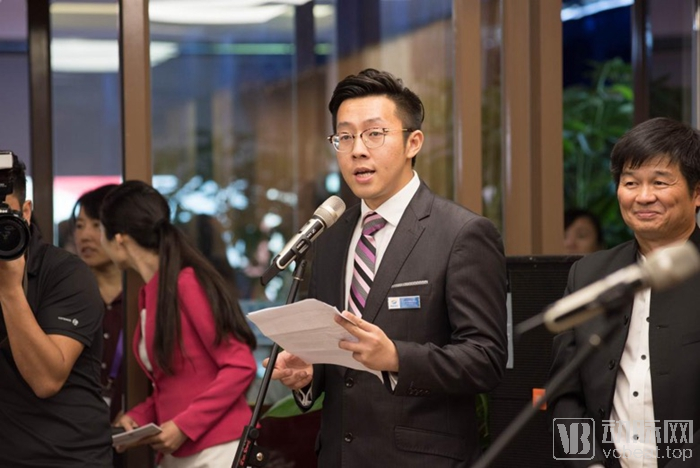
Ding Liwei, Dean of Qinhuangdao Taisheng Jianruishi International Rehabilitation Center
Genesis Healthcare Group, established in 1985, currently operates 450 skilled nursing and assisted living facilities across 29 states in the U.S., along with more than 1,200 diverse health and wellness care service centers. Over its 30-plus years of development, the company has pioneered more than 10 distinct models of rehabilitative and elderly care.
In this regard, President Ding Li expressed considerable pride: “Genesis Healthcare provides treatment to 250,000 patients daily in the United States and serves over one million elderly individuals and patients annually, holding the largest market share in the U.S.”
But even after decades of operations in the U.S., Genesis Healthcare’s wholly-owned subsidiary in China, GRS, experienced a period of adjustment upon its initial entry into the Chinese market, constrained by the vast disparities between the rehabilitation care environments in China and the United States.
In 2014, when GRS entered China, concepts such as “Healthy China 2030” and the “health and elderly care industry” had not yet been proposed.
When GRS entered the Chinese market, relevant ministries even debated whether rehabilitation should fall under the jurisdiction of the Ministry of Civil Affairs or the National Health Commission. As the dust settled, the National Health Commission became the regulatory authority for rehabilitation medical institutions, prompting specialized rehabilitation hospitals to pursue formal medical qualifications.
With qualifications in hand, everything has only just begun.In an interview, President Ding Li stated that public awareness, talent, and payment mechanisms are the three major obstacles hindering the development of the rehabilitation industry.。
Public awareness of rehabilitation in China remains generally weak. The healthcare system primarily focuses on acute-phase medical care, often viewing surgery as the endpoint of disease treatment and equating rehabilitation with mere rest and recuperation. Rehabilitation medicine emerged abroad after World War II, while in China, it only gained significant attention following the Wenchuan Earthquake.
“Due to the scarcity of medical resources, everyone is focused on acute-phase care. Most people do not realize that undergoing surgery does not equate to functional recovery, nor do they recognize the importance of rehabilitation medicine,” pointed out President Ding Liwei.
The general public’s weak awareness of rehabilitation and superficial understanding of the rehabilitation industry have directly led to difficulties in patient acquisition for rehabilitation medical institutions.
On the demand side, market potential has yet to be fully tapped; on the supply side, a shortage of rehabilitation professionals remains a major bottleneck in the development of the rehabilitation industry.
In China, there is only one rehabilitation therapist per 100,000 people, whereas most developed countries have 60 therapists per 100,000 people. President Ding Liwei estimates that the domestic shortage of rehabilitation professionals ranges from 300,000 to 500,000.
In addition to the quantitative shortfall, the existing structure of rehabilitation professionals is also highly imbalanced. Domestic training of rehabilitation professionals primarily focuses on sports rehabilitation specialists. Most “rehabilitation physicians” currently working in the fields of neurological and cardiac rehabilitation are former clinical or traditional Chinese medicine (TCM) practitioners who transitioned to rehabilitation departments after obtaining attending physician credentials.
China has yet to establish a comprehensive talent development system for the rehabilitation sector.
On the demand side, awareness is weak; on the supply side, there is a shortage of talent. In terms of the payment sector that connects the two, China’s medical insurance payment system has not provided sufficient support to the rehabilitation industry.
In the history of rehabilitation medicine development in the United States, insurance payment capacity has been the core factor driving the rapid expansion of the rehabilitation medical market.
“In the United States, health insurance covers more than 90% of medical, rehabilitation, and elderly care expenses. Of the remaining 10%, the majority is paid through commercial insurance, so that at a rehabilitation facility like ours, patients’ out-of-pocket costs amount to only 5%, or a few hundred dollars per month. In 1982, U.S. health insurance adopted a prospective payment system based on Diagnosis-Related Groups (DRGs) for acute-phase rehabilitation. For patients with clear diagnoses, standardized treatment protocols, and shorter hospital stays, hospitals actually have considerable profit margins, which in turn encourages them to expand departmental infrastructure.”
Data show that the number of rehabilitation beds in the United States doubled between 1985 and 1995, with rehabilitation costs growing at a compound annual growth rate (CAGR) of 20%. The primary driver of this growth was the prospective payment system based on Diagnosis-Related Groups (DRGs), established in 1982, which capped total treatment costs for acute care and shortened hospital stays. This policy spurred a surge in demand for post-acute rehabilitation services, leading to rapid expansion of specialized rehabilitation hospitals.
In China's rehabilitation medical payment system, currently only 32 rehabilitation items are covered by medical insurance, with limited coverage of rehabilitation service categories and low single-item reimbursement rates.
Indeed, talent shortages, payment issues, and low public awareness are all weaknesses in China’s rehabilitation industry, and no rehabilitation practitioner can remain unaffected. However, opportunities coexist with challenges. With the continuous promotion and efforts from various stakeholders in the industry, these three major barriers are gradually being broken down, and the sector as a whole is showing an upward trend.
“Although the rehabilitation industry faces bottlenecks in its development, we can observe many positive changes within the sector,” said Ding Liwei. “More rehabilitation services are gradually being included in medical insurance coverage, DRG-based payment systems are being implemented, and long-term care insurance is progressively taking effect... Under these constrained conditions, GRS has also made numerous attempts to break through development bottlenecks.”
In terms of payment, GRS has established the Qinhuangdao Taisheng GRS International Rehabilitation Center, a leading wellness and elderly care demonstration center in China. Jointly developed by the Qinhuangdao Economic and Technological Development Zone Government and GRS, the center integrates physical wellness services with its payment system. It has obtained local medical insurance accreditation in Qinhuangdao, allowing its services to be covered by medical insurance, and has been included among the first batch of pilot institutions for long-term care insurance in Qinhuangdao City.
To address the challenge of patient acquisition, GRS has attempted to integrate multiple channels to drive patient traffic.First, GRS has partnered with general hospitals; it is reported that the company has established collaborations with a number of leading domestic orthopedic and neurosurgical hospitals in the Beijing-Tianjin-Hebei region. Second, GRS is also exploring partnerships with commercial insurance institutions to acquire customers from the commercial insurance sector. Furthermore, GRS has engaged deeply with local communities to promote rehabilitation and elderly care services, aiming to raise public awareness about rehabilitation and gradually guide the public to recognize, understand, and benefit from rehabilitative care.
To address the shortage of talent, GRS leverages its U.S.-based evidence-based clinical rehabilitation system to cultivate professionals for the entire industry.
At present, China graduates only 7,000 to 8,000 rehabilitation professionals annually, 70% of whom hold associate degrees. There is a substantial shortage of rehabilitation talent.
To strengthen the cultivation of rehabilitation professionals, GRS Training Academy, under GRS, has developed a series of training courses based on the evidence-based medicine system. It is reported that GRS Training Academy has developed multiple professional training courses, targeting rehabilitation physicians, physical therapists, occupational therapists, speech-language pathologists, respiratory therapists, rehabilitation nurses, nurse assistants, health coaches, and more.
Dean Ding Li introduced, “GRS boasts a robust rating system. In the United States, we maintain strategic partnerships with prestigious institutions such as Johns Hopkins University and the University of Pennsylvania, as well as organizations like the National Board of Medical Examiners. In China, we are actively advancing school-enterprise collaborations and the integration of industry, academia, and research. Our partner institutions include Tsinghua University and Peking Union Medical College. We aim to incorporate GRS’s clinical medicine framework into the degree education system for rehabilitation medicine.”
Talent development requires a long-term commitment, and GRS has formulated strategies to attract and retain talent.
First, GRS offers competitive compensation packages to attract top-tier talent. Second, GRS has implemented extensive training programs and established collaborations with numerous Grade A tertiary hospitals, providing continuing education opportunities for rehabilitation physicians, therapists, and nurses. Third, GRS has established a scholarship mechanism that regularly sends professional clinical and managerial staff specializing in rehabilitation to Genesis Healthcare’s various facilities in the United States for on-site visits, study, and advanced training. Fourth, from a long-term development perspective, GRS provides distinct career progression pathways for both managerial and clinical personnel, complemented by tailored training curricula.
Over the past five years of deepening its presence in China, GRS has done more than just attempt to break through industry-wide challenges such as payment, talent acquisition, and customer acquisition; its primary focus has been on transplanting the specialized rehabilitation healthcare system and operational management model from the United States to China, while continuously adapting it to the local context.
Issues related to payment, talent, and awareness constitute the external environmental challenges facing the development of the rehabilitation industry. The lack of an independent operational management system and a comprehensive rehabilitation medicine framework can be described as the critical pain points for domestic rehabilitation institutions.
From practical cases, it is evident that the payback period for rehabilitation hospitals is relatively short, and the barriers to establishing rehabilitation medical service institutions are comparatively low. Moreover, the rehabilitation departments in public hospitals are relatively underdeveloped and less competitive. As a result, many institutions have begun to enter the rehabilitation sector through investment, mergers and acquisitions, and self-built facilities, making the rehabilitation field highly favored by listed companies.
However, most institutions have found in their operations that the core issue is the lack of independent operational management, rehabilitation medicine, and service systems as support. Rehabilitation institutions have weak monetization capabilities and are difficult to replicate and chain. After investing a large amount of funds, these institutions also had to embark on the path of learning from abroad.
Ding Liwei pointed out that in China’s rehabilitation landscape, what is lacking is not funding, but rather rehabilitation-specific operational and clinical management systems tailored to the Chinese market.
What they lack is precisely GRS’s unique advantage. GRS’s rehabilitation medicine system differs from domestic rehabilitation medical systems in China; it advocates for patients to shift from passive recipients of treatment to active participants, establishing a full-cycle management concept that integrates prevention, treatment, rehabilitation, chronic disease management, and long-term care. This approach transforms rehabilitation centers from mere hospitals into transitional zones bridging hospitals, homes, and communities.
Guided by this philosophy, GRS provides one-stop solutions within the clinical framework, offering services that distinguish it from existing public rehabilitation hospitals and rehabilitation departments in general hospitals. These services include planning and design of rehabilitation centers, equipment configuration, staffing ratios for medical and nursing personnel, development of rehabilitation protocols, integration of payment systems, and ongoing operational support.
GRS develops personalized rehabilitation plans for each patient, covering rehabilitation screening, assessment, and treatment planning. Patients undergo phased screenings and comprehensive evaluations both before and during treatment. Detailed rehabilitation plans are formulated based on their clinical conditions and expected recovery outcomes, with regular follow-ups, feedback, and adjustments.
Taking the Qinhuangdao Taisheng Jianruishi International Rehabilitation Center as an example, the center has introduced the concept of a Multi-Disciplinary Team (MDT). The patient’s comprehensive care team is jointly composed of physicians, rehabilitation therapists, nurses, nursing assistants, health coaches, dietitians, and recreational activity specialists. This team works in conjunction with basic departments such as radiology, the laboratory, and the pharmacy, while also providing a green channel for expedited access to tertiary hospitals.
Qinhuangdao Taisheng GRS International Rehabilitation Center adopts a community-oriented design, featuring integrated hospital beds and auxiliary equipment imported as standard from GRS in the United States. This setup enables patients to undergo rehabilitation with peace of mind in a relaxed, comfortable, and serene environment. Additionally, the center is equipped with basic functional areas such as a physical rehabilitation zone and a specialized hydrotherapy zone, as well as lifestyle and leisure areas including a café, hair salon, and mini cinema.
Currently, GRS is gradually localizing and standardizing its U.S.-derived concepts and operational management systems. It has established collaborations with 13 rehabilitation and elderly care institutions in China, extending its reach to the Beijing-Tianjin-Hebei region, the Yangtze River Delta, the Pearl River Delta, and other areas.
GRS’s own rehabilitation facilities are not the sole destination for the two major systems it has implemented. GRS also empowers other institutions with this core capability, fostering an open ecosystem that promotes multi-format, multi-dimensional development of China’s rehabilitation industry.
In the view of GRS, the foundation of China’s rehabilitation industry is relatively weak. It is essential to explore diversified development systems suited to the domestic context and establish its own inherent logic. GRS aims to comprehensively implement relevant concepts, processes, and clinical pathways in China through an evidence-based framework during practical implementation.
Currently, Dean Ding Li stated that GRS has six implementation models.
I. Rehabilitation Clinics. GRS has explored the multi-disciplinary outpatient business model in China. In Shanghai, GRS provides consulting services to the rehabilitation departments of international clinics, which primarily serve patients covered by social medical insurance.
Dean Ding Li stated, “In a comprehensive rehabilitation ecosystem, small clinics and large rehabilitation hospitals should maintain a complementary and symbiotic relationship, as they address different needs. Patients transitioning from the acute phase to the post-acute or subacute phases must be admitted to rehabilitation hospitals equipped with medical security capabilities. In contrast, outpatient rehabilitation services primarily cater to individuals who can live independently at home but still require certain rehabilitation interventions to restore full function, as well as those suffering from sports injuries or seeking sports rehabilitation. Different business models play distinct roles in the rehabilitation process, each holding its own value, and we are strategically positioning ourselves across all these sectors.”
II. PowerBack Rehabilitation Hospital by GRS. The first GRS PowerBack Rehabilitation Hospital introduced to China by GRS was established in Qinhuangdao. The Qinhuangdao Taisheng GRS International Rehabilitation Center was founded by a state-owned enterprise in the Qinhuangdao Economic and Technological Development Zone, with GRS providing operational management consulting services. By introducing the U.S. GRS PowerBack model (a short-term post-acute rehabilitation hospital model), the facility has fully implemented GRS’s U.S.-based rehabilitation healthcare system. With 174 beds, it provides subacute rehabilitation services for patients with neurological disorders, orthopedic conditions, and musculoskeletal injuries, while also offering specialized medical care integrated with community-based living support and personalized nursing services. It is a specialized rehabilitation healthcare institution that integrates medical treatment, rehabilitation, elderly care, and nursing into a cohesive “small general, large specialty” model.
III. Forge a deep strategic partnership with Boner Medical. Boner Medical is committed to building China’s leading orthopedic hospital chain brand, investing in and operating 12 hospitals with a total bed capacity exceeding 3,300.
GRS provides a post-acute rehabilitation service system for multiple orthopedic specialty hospitals under the Boner Medical Group, ensuring that surgery is not the end goal, but functional recovery is.
IV. Collaboration with Elderly Care Institutions and Nursing Homes. GRS collaborates with elderly care institutions and nursing homes in first-tier cities such as Beijing, Shanghai, and Guangzhou to provide geriatric rehabilitation services tailored to specific diseases for long-term care residents.
V. GRS Training Academy. China faces a scarcity of rehabilitation professionals, who often lack a sense of professional belonging. There is a shortage of specialized technical personnel and insufficient talent development. To address this, GRS offers systematic training programs delivered by dozens of clinical experts proficient in Western evidence-based medicine and possessing extensive local experience. The curriculum aligns with internationally recognized nursing standards.
VI. Provision of Strategic Consulting. As a key growth area within the broader health and wellness industry, the health and elderly care sector has received significant attention from the government, which has frequently issued policies to encourage its development. Particularly since the end of the 13th Five-Year Plan period, the elderly care industry has officially entered a fast-track development phase. GRS provides strategic consulting, technology transfer, and operational management services to real estate developers, insurance companies, state-owned enterprises, and other entities seeking industrial upgrading or resource reallocation.
The elderly care industry operates on a real estate model characterized by long-term investment and sustained operations, yet most market entrants lack professional operational systems. The elderly population frequently suffers from chronic diseases and multimorbidity, necessitating an integrated medical and care approach to delay functional decline and improve their living conditions and quality of life. Due to the absence of standardized rehabilitation systems, elderly care institutions are unable to effectively provide integrated medical, nursing, and rehabilitative services, focusing primarily on daily care. In China, only one out of every 60 individuals in need of rehabilitation actually receives such services.
GRS’s pilot model in China demonstrates that the company has opted against a strategy of large-scale, self-owned store construction and rapid expansion. Instead, it is gradually exploring a localized path for sustainable rehabilitation development within the Chinese context. This approach enables more rehabilitation institutions, investors, and practitioners to genuinely benefit patients and their families through the provision of rehabilitation services, while allowing institutions and rehabilitation professionals to realize their own value along the way.
By adopting an asset-light strategy, GRS aims to localize the U.S. IP framework and establish clinical and operational management systems suited to the Chinese market. Additionally, intellectual property offers greater liquidity and stronger counter-cyclical resilience, providing enhanced flexibility. This approach enables GRS to collaborate with asset-heavy institutions—such as insurance companies, real estate firms, and state-owned enterprises—to maximize value creation.
Choosing to embrace the Chinese market with an open and inclusive mindset aligns with GRS’s original mission and vision for entering China.
Dean Ding Li stated, “As Genesis Healthcare enters China, we aim to introduce the most advanced clinical rehabilitation medicine system from the United States, explore localized operational and management models, and then replicate and implement them in physical rehabilitation institutions. Our ultimate goal is to comprehensively drive the overall development of rehabilitation medicine in China, while our final mission is to ignite vitality and improve the lives of every patient we serve.”
About Genesis HealthCare (Genesis) Group
GRS-HS’s parent company, Genesis HealthCare (Genesis), is a publicly traded company on the New York Stock Exchange and one of the largest providers of post-acute care services in the United States, operating 450 skilled nursing and assisted living facilities across 29 states. Its subsidiary, Genesis Rehab Services (GRS), is a leader in the rehabilitation industry, offering services that include physical therapy, speech-language pathology, occupational therapy, respiratory therapy, and health management. GRS operates more than 1,200 rehabilitation service centers across 46 states, with over 14,000 therapists and therapy assistants, delivering high-quality, professional care to millions of patients annually.
About GRS-HS Jianruishi
GRS-HS (Jianruishi) is a wholly-owned subsidiary established by Genesis in China in 2014. Since its inception, the company has been dedicated to introducing over three decades of valuable U.S. experience in rehabilitation and elderly care into the Chinese market. Currently, it provides operational guidance and consulting services to partners across various rehabilitation sectors in China’s core cities, including Liliangquan Rehabilitation Hospital, rehabilitation departments of specialized hospitals, nursing homes, international clinics, and outpatient rehabilitation centers.