

National Forum on Maternal and Child Health Technology Innovation Held in Shenzhen
On September 1, 2019, the National Summit on Technological Innovation in Maternal and Child Health, themed “Innovating Technological Standards to Lead Healthy Medicine,” was successfully held in Shenzhen. The forum was guided by the China Association of Maternal and Child Health Care, the Branch of Research and Application of Women’s and Children’s Biological Samples and Bioinformatics Data, and the Shenzhen Maternity and Child Healthcare Hospital. It was co-hosted by the Shenzhen Comprehensive Cell Bank and the National-Local Joint Engineering Laboratory for Individualized Cell Therapy Technology, and organized by Shenzhen Beike Biotechnology Co., Ltd. The event attracted more than 100 experts, scholars, and corporate representatives from the industry.
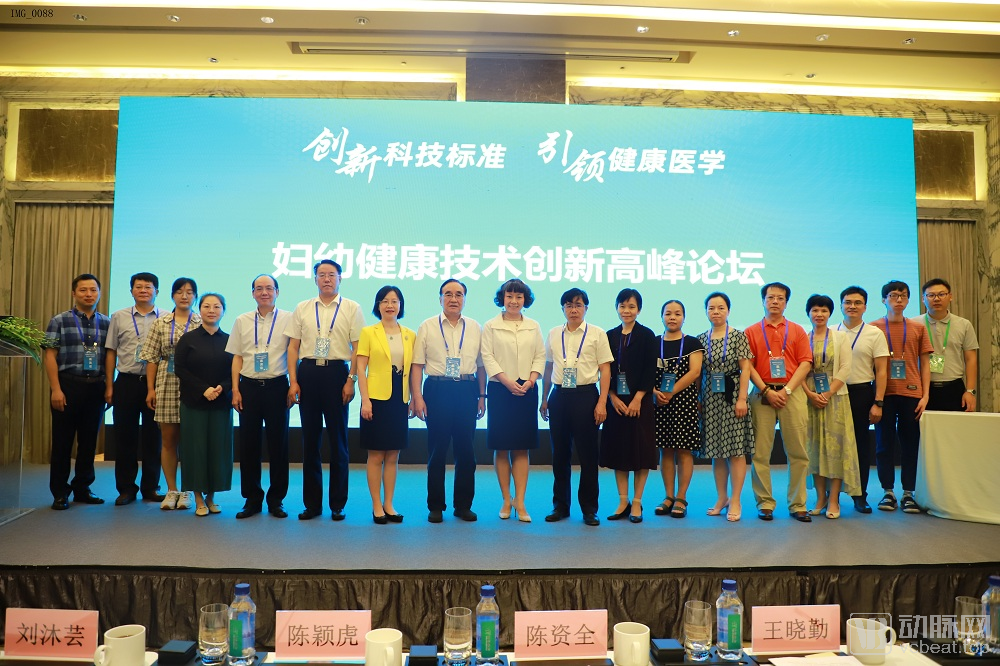
Honorary Chair: Yao Jilong, President of Shenzhen Maternity and Child Healthcare Hospital; Executive Chairs: Wu Bo, Vice President of Shenzhen Maternity and Child Healthcare Hospital, and Zhao Weihua, Director of the Department of Obstetrics at Shenzhen Second People’s Hospital. Chen Ziquan, President of the China Maternal and Child Health Association; Cao Hua, Party Secretary and Vice President of Fujian Provincial Maternity and Child Healthcare Hospital; and Liu Muyun, Director of the National-Local Joint Engineering Laboratory for Personalized Cell Therapy Technologies, attended the conference and delivered opening remarks.
In July this year, the State Council issued the “Opinions on Implementing the Healthy China Initiative,” elevating the advancement of the “Outline of the ‘Healthy China 2030’ Planning Program” to a position of strategic importance and placing it firmly on the national agenda. The document emphasizes that people’s health must be prioritized in national development strategies, shifting the focus from disease treatment to promoting overall public health, and fostering the concept of “comprehensive health.” Among these initiatives, the “Maternal and Child Health Promotion Action” is of paramount importance. A healthy China is built upon the foundation of maternal and child health; without comprehensive health, there can be no comprehensive well-being society. Achieving a moderately prosperous society in all respects hinges fundamentally on safeguarding maternal and child health.The objectives of the “Healthy China 2030” initiative center primarily on “disease prevention” and “health promotion,” aiming to achieve health coverage across the entire lifespan. In this new era, how to better advance maternal and child health services and ensure lifelong health for women and optimal health for children poses a significant challenge to every professional engaged in maternal and child healthcare.
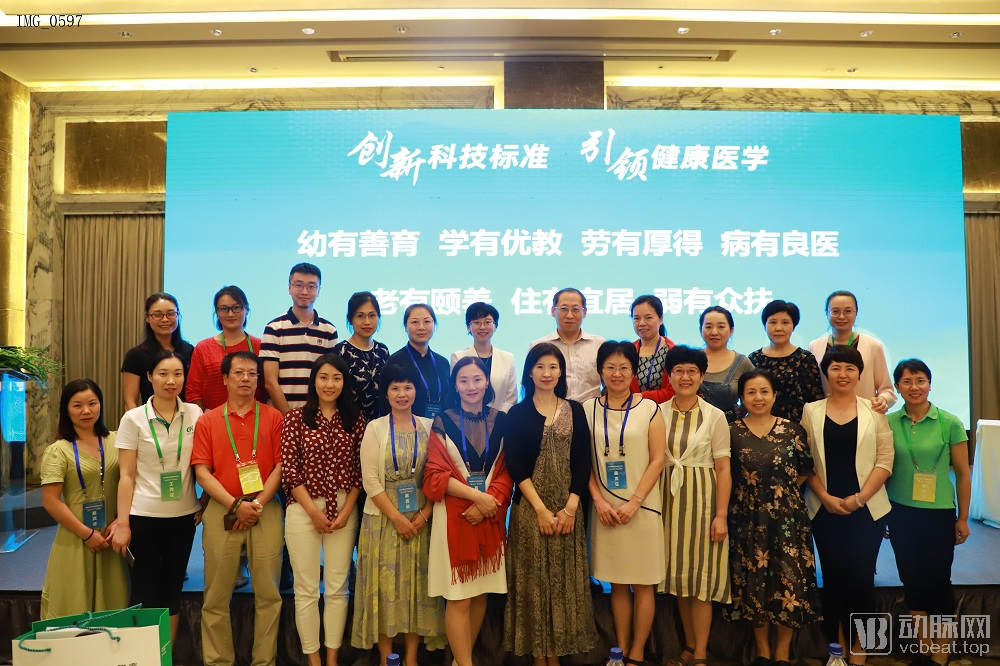
In recent years, with the rapid advancement of technological tools such as artificial intelligence and the growing demand for the clinical translation of scientific and technological innovations, the value and significance of collecting, aggregating, and analyzing biospecimens and their associated bioinformation data—emerging as rapidly developing innovative technologies in the field of maternal and child health—have gained increasing recognition and attention. To better leverage the role of biospecimens and bioinformation data in promoting innovative technological development within the maternal and child health industry, the China Maternal and Child Health Association, together with the National-Local Joint Engineering Laboratory for Individualized Cell Therapy Technology, has jointly initiated the establishment of the “Branch of Research and Application of Women’s and Children’s Biospecimens and Bioinformation Data under the China Maternal and Child Health Association.” The preparatory meeting for its establishment was held this afternoon.
On the occasion of the preparatory establishment of the Branch for Research and Application of Biological Samples and Bioinformatics Data in Women and Children, the "National Summit Forum on Technological Innovation in Maternal and Child Health," held in Shenzhen—the "Pilot Demonstration Area of Socialism with Chinese Characteristics"—focused on the "Maternal and Child Health Promotion Action" outlined in the "Healthy China 2030" Planning Outline. Under the theme "Innovating Technological Standards, Leading Medical Health," the forum addressed issues such as the current application and future prospects of biological samples and diagnostic and therapeutic technologies in the field of maternal and child health. Distinguished experts, including Cao Hua, Party Secretary of Fujian Provincial Maternity and Child Health Hospital; Zhang Zhiwei, Deputy Director of the Cardiovascular Disease Research Institute at Guangdong Provincial People's Hospital; Zhao Sheng, Director of the Ultrasound Diagnosis Department at Hubei Provincial Maternity and Child Health Hospital; and Huang Ke, Deputy Director of the Pediatric Hematology Specialty at Sun Yat-sen Memorial Hospital of Sun Yat-sen University, delivered insightful presentations. The speakers shared new trends, technologies, and developments in the maternal and child health industry from diverse perspectives.
The convening of this high-level summit has established an open and inclusive platform for collaboration and exchange among experts, scholars, and practitioners in the maternal and child health sector. Leveraging Shenzhen’s policy advantages as a “Pilot Demonstration Area of Socialism with Chinese Characteristics,” the summit aims to strengthen communication and cooperation, jointly advance the standardization of maternal and child biobanks and the translation of innovative achievements, promote the development of maternal and child health and the clinical application of biobanking in China, and strive to achieve the objectives of the Healthy China Action Plan.