Digital Intelligence Guangxi: Policy-Driven Innovation in Four Key Medical AI Application Scenarios
The “1st China-ASEAN Artificial Intelligence Summit” will be held in Nanning, Guangxi this September. During the summit, the People’s Government of Guangxi Zhuang Autonomous Region hosted, and the Big Data Development Bureau of Guangxi Zhuang Autonomous Region organized, the Tianchi Competition—Digital Intelligence Guangxi · Global Data Intelligence Challenge (2019). The competition adopted a dual-drive model of “online promotion + targeted invitations” to attract renowned global enterprises and laboratories to participate. By leveraging global resources, it aimed to tackle pressing medical challenges worldwide, promote the openness and standardization of medical data, and benefit the development of primary healthcare infrastructure in Guangxi.
This competition attracted 1,635 teams from 12 countries and regions around the world, representing more than 100 enterprises and institutions both in China and abroad. These included prominent domestic medical AI companies and research organizations such as Huiying Medical Technology, United Imaging Intelligence, Yitu Healthcare, Deepwise Medical, Shenzhen Digital Life Research Institute, and ZJU Ruiyi Medical.
Tianchi Competition — Digital Intelligence Guangxi · Global Data Intelligence Challenge (2019), originating from “data competitions,” specializing in “industry-academia collaboration,” and excelling in “medical implementation,” building“1+1+6”New Formats: Release of the World’s First Public Comprehensive Lung Dataset, Publication of the Guangxi Medical Artificial Intelligence White Paper, and Promotion of Industry-Academia-Research Integration through Six Seminars, Surveys, and Demonstrations.
During the competition, the Chinese Society for Health Informatics and Medical Big Data and the Big Data Development Bureau of Guangxi Zhuang Autonomous Region jointly hosted a seminar themed “Digital Intelligence in Guangxi, Leading the Future Together” to promote the application of artificial intelligence in healthcare settings. At the seminar, the Healthcare AI Lab of Alibaba DAMO Academy and VCBeat jointly released the report *Sharing Applications of Artificial Intelligence in Healthcare Scenarios*.
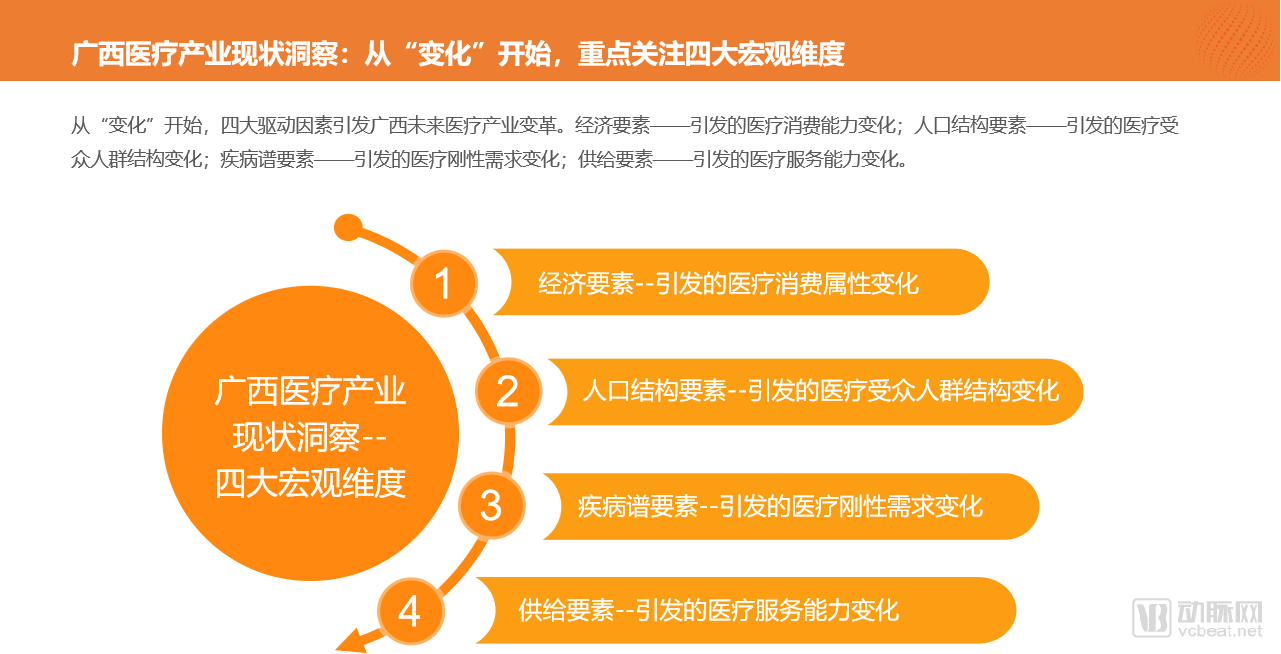
Starting with “Change”: Four Major Drivers Sparking Transformation in Guangxi’s Future Healthcare IndustryEconomic Factors — Driving Changes in Healthcare Consumption Capacity;Demographic Structure Factors — Driving Changes in the Composition of the Healthcare Recipient Population;Disease Spectrum Factors — Driving Changes in Rigid Demand for Healthcare;Supply-Side Factors — Driving Changes in Healthcare Service Delivery Capacity.
Data from 2015 to 2017 show that the healthcare consumption capacity of Guangxi residents has improved, with their preferences shifting toward obtaining high-quality medical services, a high-quality healthcare environment, and convenient access to care; healthcare expectations are transitioning from “basic medical care” to “high-quality medical care.” Meanwhile, per capita healthcare expenditure in Guangxi has increased year by year, placing a growing burden on government healthcare spending.
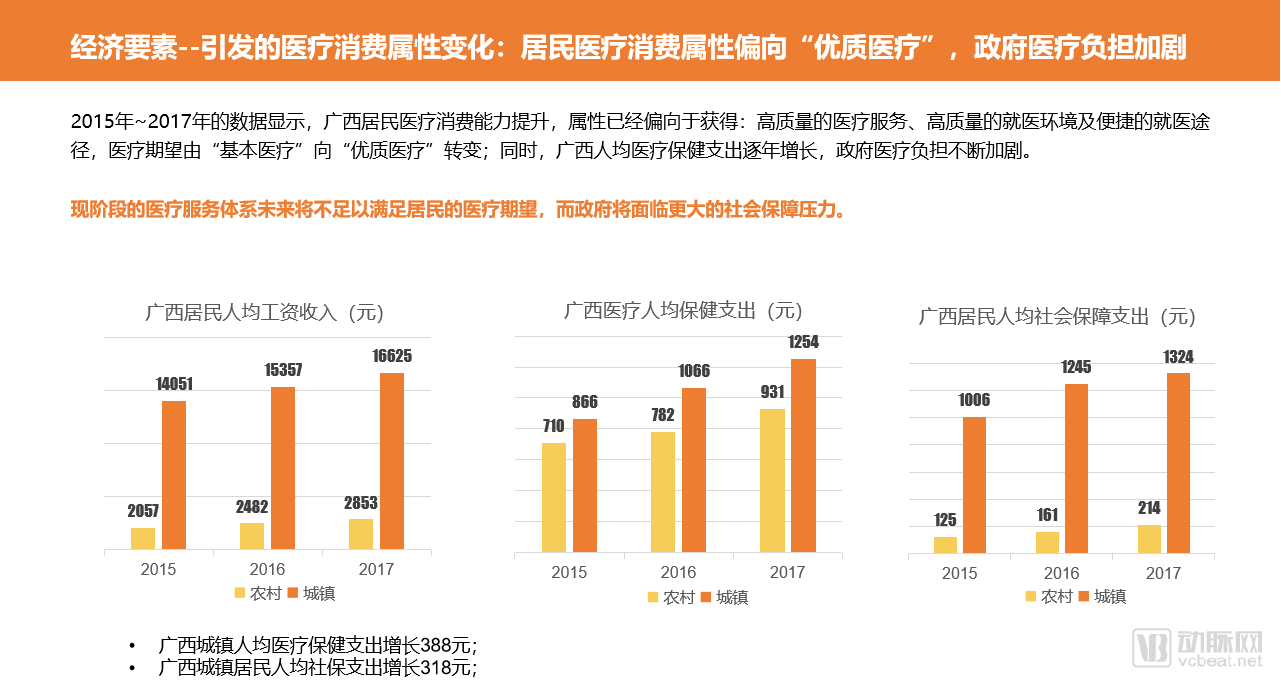
The current healthcare service system will be insufficient to meet residents' medical expectations in the future, and the government will face greater pressure on social security.
Data show that the demographic structure of Guangxi residents is characterized by a pronounced aging trend, with the middle-aged and young population, accounting for 68%, rapidly aging. Urbanization among Guangxi residents is accelerating, with the urban population increasing by approximately 700,000 people annually.
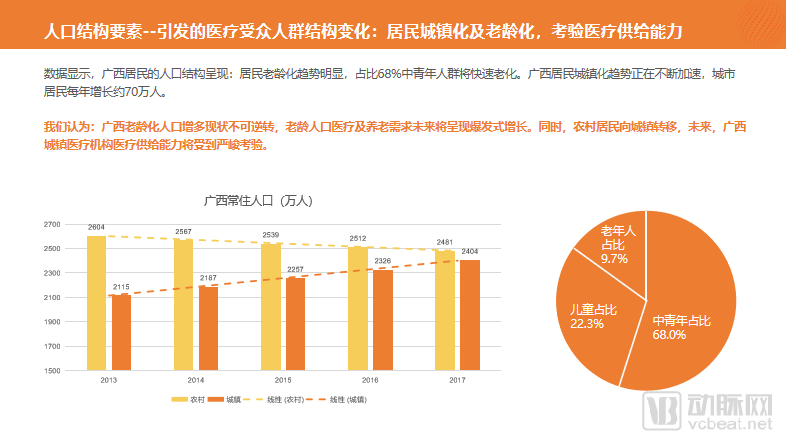
We believe that the increasing aging population in Guangxi is an irreversible trend, and the medical and elderly care demands of the elderly will experience explosive growth in the future. Meanwhile, as rural residents migrate to urban areas, the medical supply capacity of urban healthcare institutions in Guangxi will face severe challenges in the future.
Data show that diseases of the circulatory system (hypertension, coronary heart disease, acute cerebrovascular disease, and heart failure), cancer, and respiratory diseases have the highest mortality rates. Meanwhile, in recent years, mortality rates from circulatory system diseases and cancer have risen sharply among both urban and rural residents.
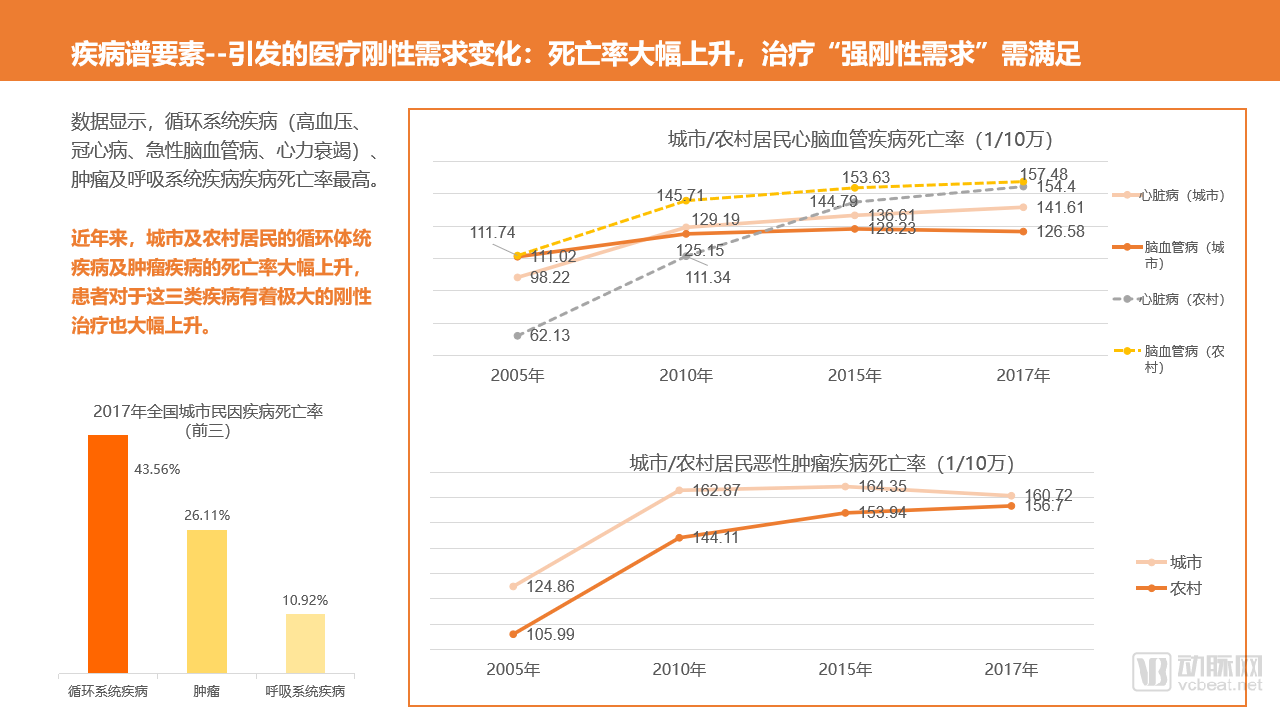
We believe that patients’ rigid demand for treatment of these three types of diseases has risen significantly.
Data show that Guangxi’s healthcare service capacity (supply side) has maintained steady long-term growth. In 2017, the number of hospitals and township health centers, as well as the number of health technical personnel, increased by 2.4% and 5.3%, respectively; however, the growth rate in the number of health technical personnel per 10,000 residents approached zero.
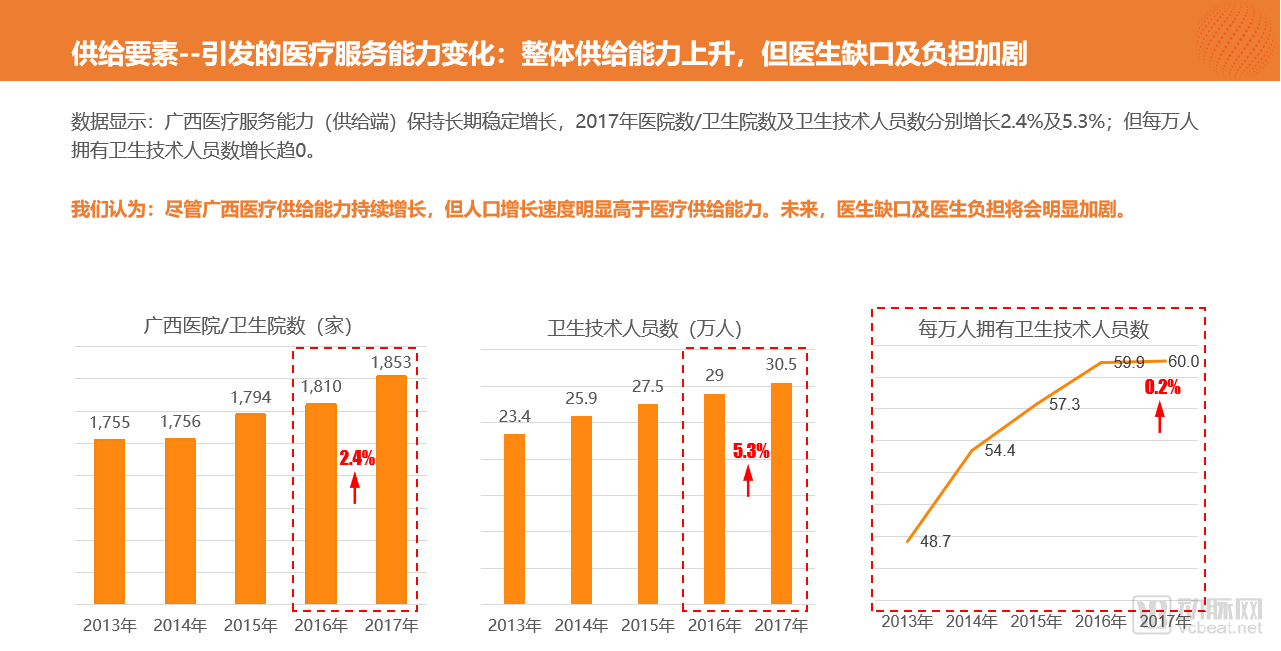
We believe that although Guangxi's healthcare supply capacity continues to grow, its population growth rate is significantly higher than the expansion of healthcare supply. In the future, the shortage of physicians and their workload will intensify markedly.
Four Major “Change” Factors Have Led to Six Key Phenomena: Rising Healthcare Expectations Among Residents, Increased Government Payment Burdens, Growing Healthcare Needs of the Elderly, Heightened Pressure on Urban Medical Institutions, Increased Inelastic Demand for High-Mortality Diseases, and a Significantly Exacerbated Shortage and Workload of Physicians. In the Face of Opportunities and Challenges, We Believe That Policy-Driven Implementation of “New Technologies” Can Help Address the Supply-Demand Imbalance in Guangxi’s Healthcare Sector.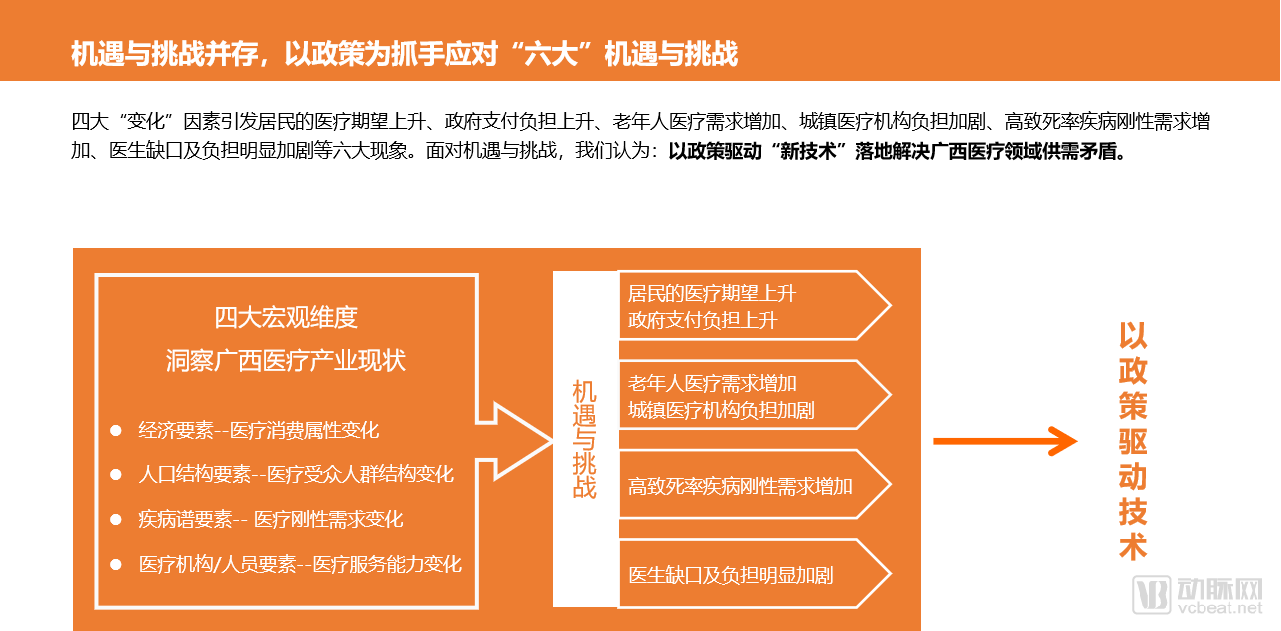
Policy-driven adoption of “new technologies” has already commenced in multiple regions across China. Using a regional benchmarking approach, we examined Guizhou Province, which pioneered the industrialization of artificial intelligence (AI) technology. Overall, the application of AI across the entire industry chain in Guizhou can be divided into four stages:
Phase I: Established four comprehensive and robust foundational healthcare databases;
Phase II: Establish a province-wide health information exchange service network that enables efficient sharing and seamless interconnectivity;
Phase III: Implement demonstration projects for the industrialization of intelligent medical healthcare;
Phase IV: Develop intelligent drug discovery to support the intelligent transformation of pharmaceutical companies;
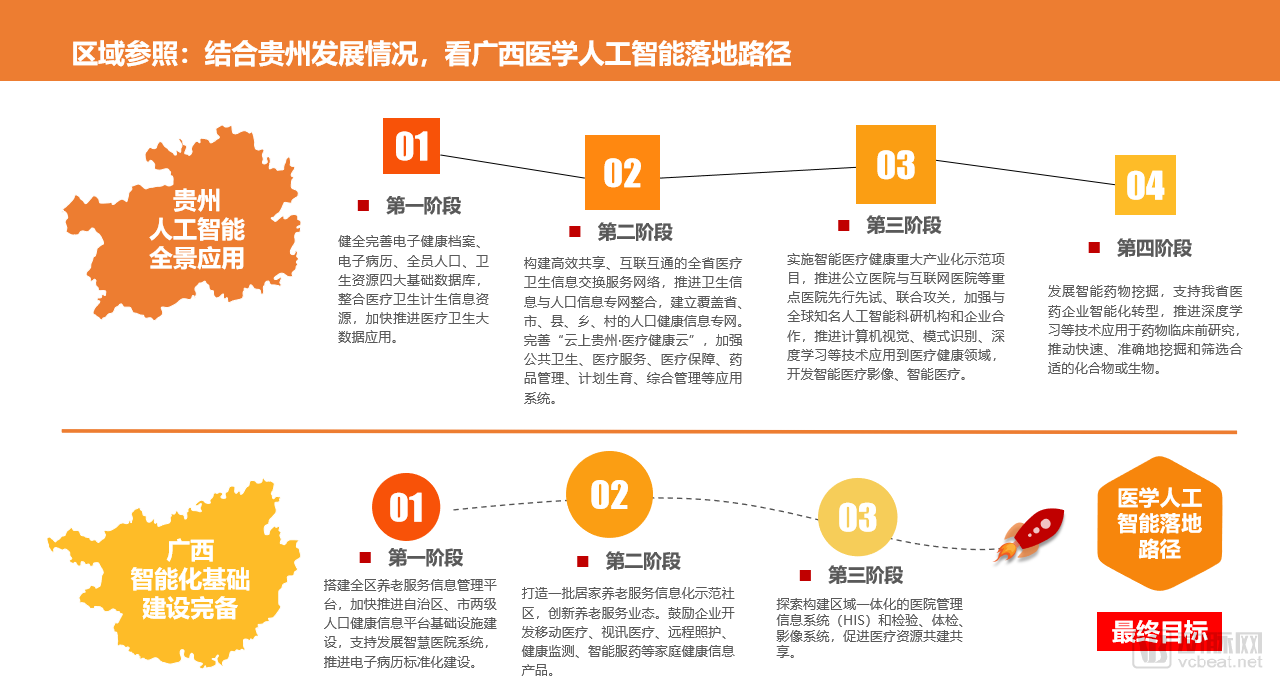
Based on our compilation of AI policies across multiple regions, we believe that, driven by policy, Guangxi’s approach to implementing medical AI should follow these principles: 1. Encourage pilot programs; 2. Summarize experience; 3. Establish regulations.
Driven by policies promoting “new technologies” and in light of the current state of Guangxi’s healthcare industry, we believe that focus should be placed on four major AI application scenarios:
1. AI + Medical Imaging;
2. AI + Hospital Management;
3. AI + Disease Diagnosis and Prediction;
4. Artificial Intelligence + Medical Research;
Application Scenario 1: AI + Medical Imaging
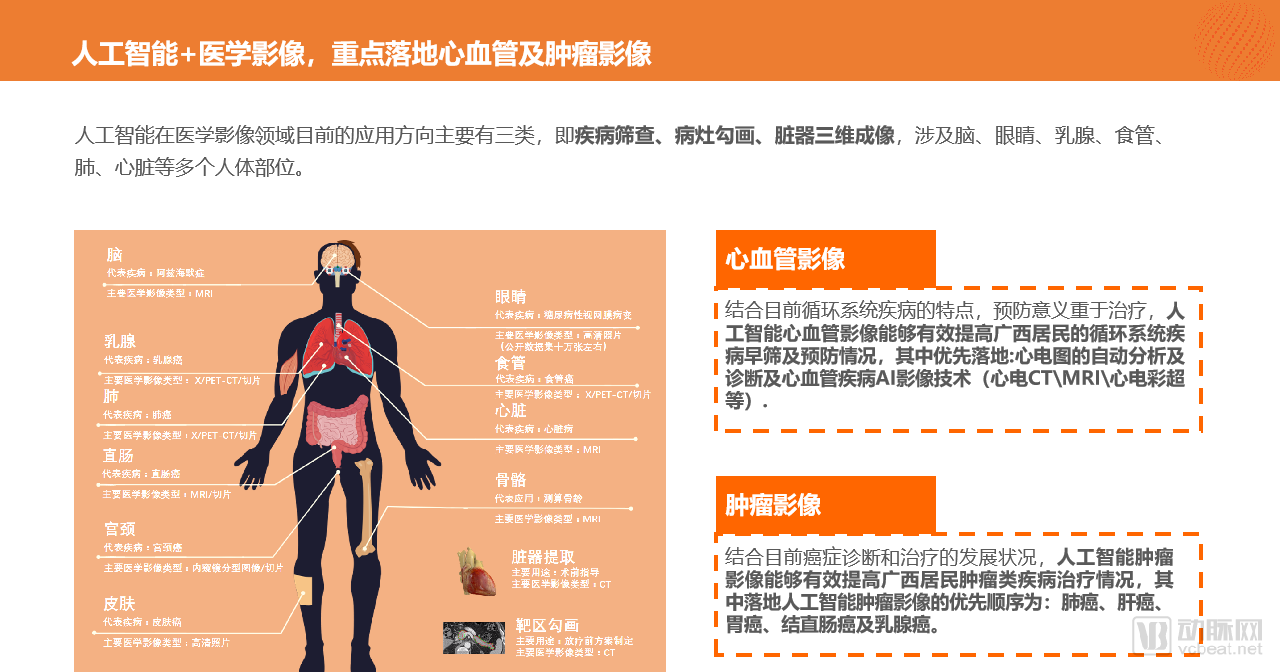
Current applications of artificial intelligence in medical imaging primarily fall into three categories: disease screening, lesion segmentation, and three-dimensional organ imaging, covering multiple anatomical regions including the brain, eyes, breasts, esophagus, lungs, and heart.
Given the current characteristics of circulatory system diseases, prevention holds greater significance than treatment. AI-powered cardiovascular imaging can effectively enhance early screening and prevention of circulatory system diseases among residents in Guangxi, with priority given to the following implementations:Automated ECG Analysis and Diagnosis, and AI Imaging Technologies for Cardiovascular Diseases (ECG-CT, MRI, Echocardiography, etc.)
In light of current advancements in cancer diagnosis and treatment, AI-based oncologic imaging can effectively improve the management of oncological diseases among residents in Guangxi. The priority order for implementing AI-based oncologic imaging is as follows:High-incidence cancers, including lung cancer, liver cancer, gastric cancer, colorectal cancer, and breast cancer.
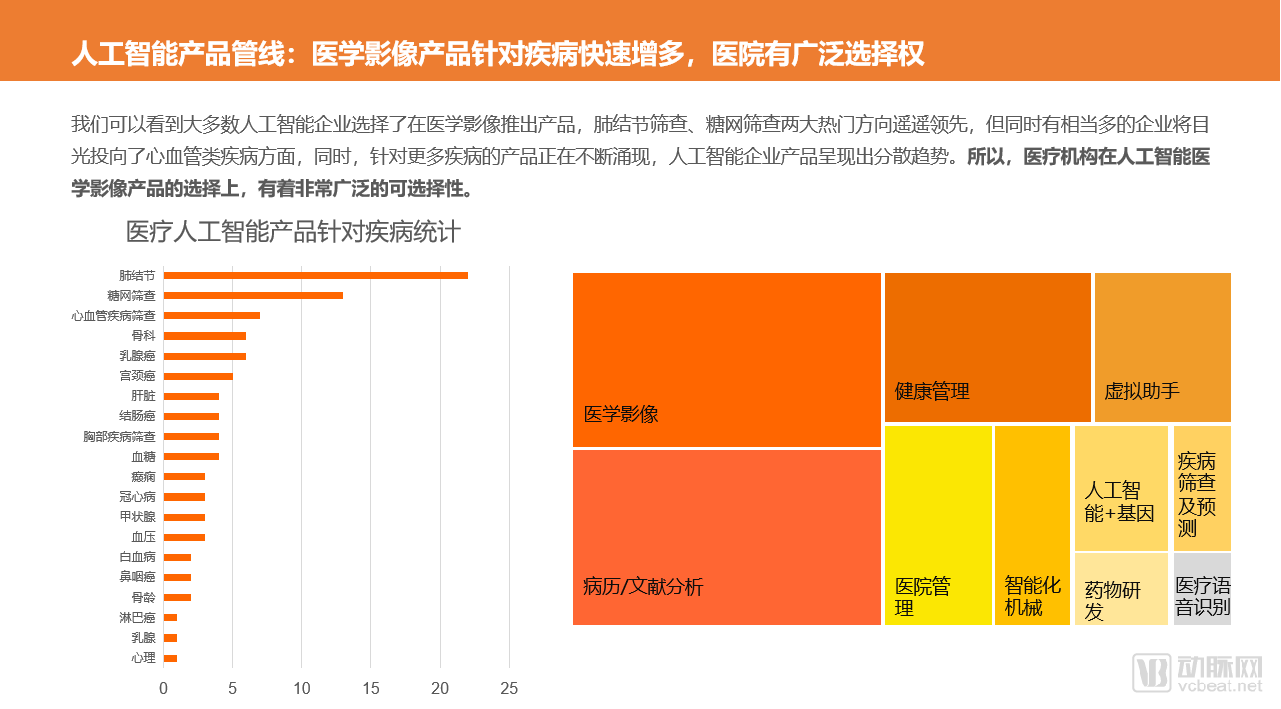
We can observe that the majority of AI companies have chosen to launch their products in the field of medical imaging, with lung nodule screening and diabetic retinopathy screening emerging as the two leading areas. Meanwhile, a significant number of companies are focusing on cardiovascular diseases, and products targeting a broader range of conditions are continuously emerging, resulting in a diversification trend among AI enterprise offerings. Consequently, healthcare institutions have a wide array of options when selecting AI-based medical imaging products.
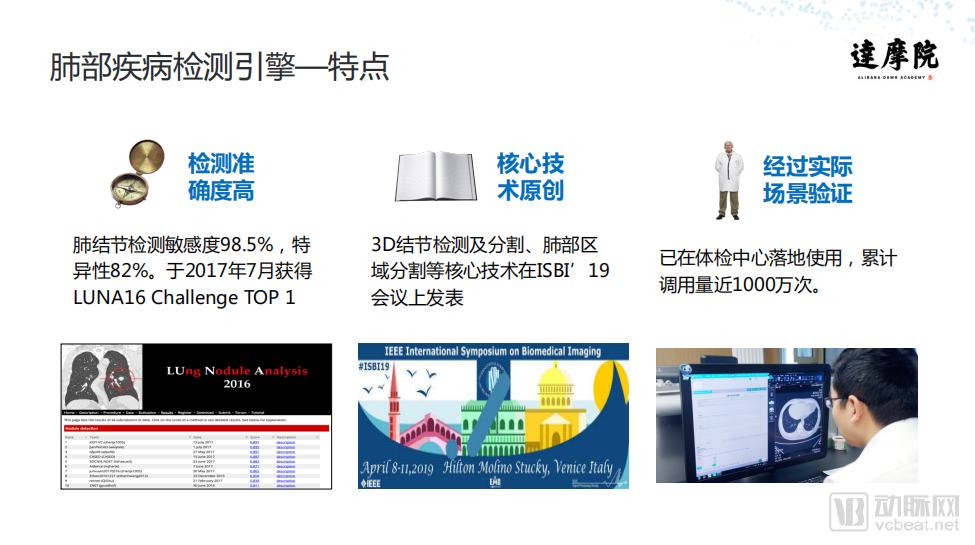
Pulmonary Disease Detection Engine:It can automatically, rapidly, and accurately identify suspected lesion locations from patients’ chest CT scan sequences, reducing the cost of early lung cancer screening, improving detection speed and accuracy, alleviating the strain on medical resources, and saving more patients’ lives. The pulmonary disease detection engine developed by the Medical Health Laboratory of Alibaba DAMO Academy’s AI Center featuresHigh detection accuracy, proprietary core technologies, and validation in real-world scenariosThese Three Key Features:
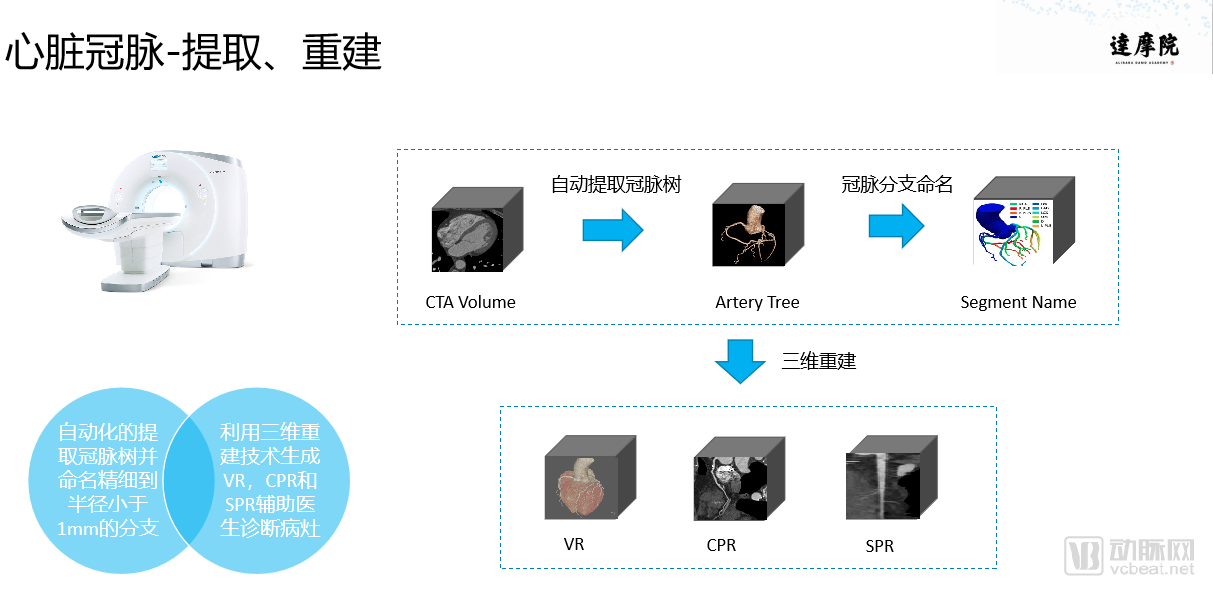
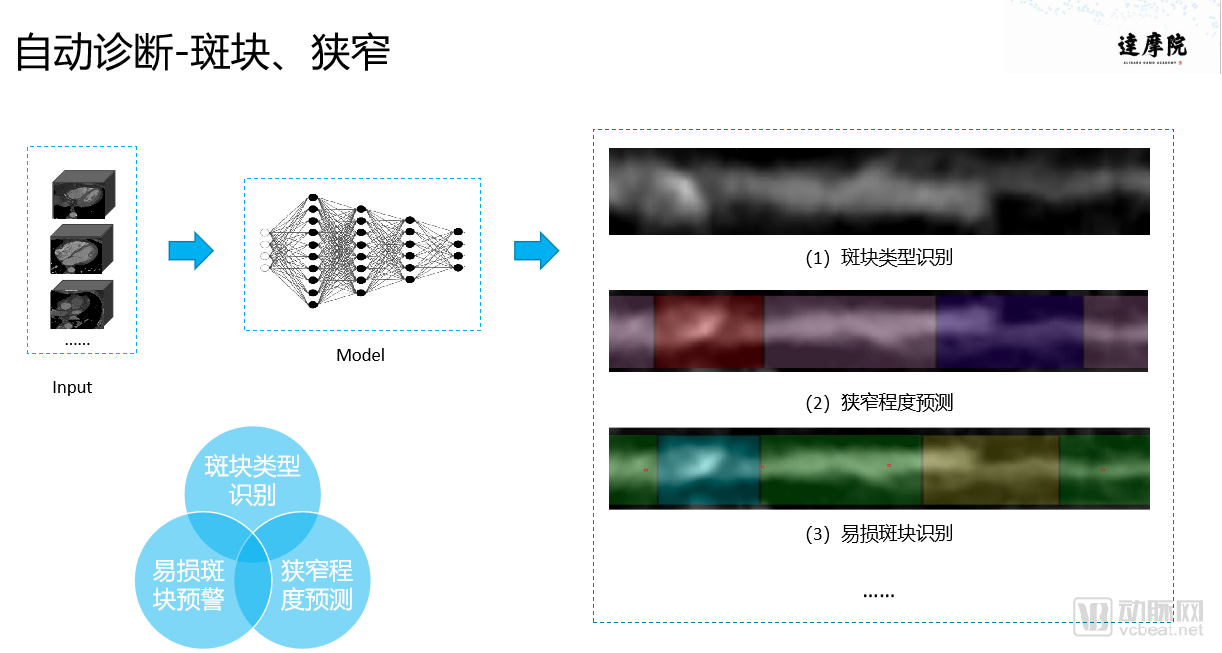
Cardiovascular Disease Diagnostic Engine:To further reduce the workload of physician interactions,AI-based diagnosis of cardiovascular diseases enables extraction and reconstruction of coronary arteries, automatically extracting the coronary tree and labeling branches with a radius of less than 1 mm. Meanwhile, it utilizes 3D reconstruction technology to generate VR, CPR, and SPR images to assist physicians in diagnosing lesions.It implements multiple functions, including plaque classification, vulnerable plaque warning, and stenosis severity prediction.
Intelligent Orthopedic Engine:Leveraging core technologies in localization, segmentation, and measurement, this solution assists in evaluating pathogenic factors and determining diagnosis and treatment plans. It covers multiple conditions affecting the knee joints and spine. Validated in real-world hospital settings, data from the Medical Health Laboratory of Alibaba DAMO Academy’s AI Center shows that its orthopedic AI product achieves greater accuracy than 70% of orthopedic surgeons, with a processing time of under 200 ms per case.
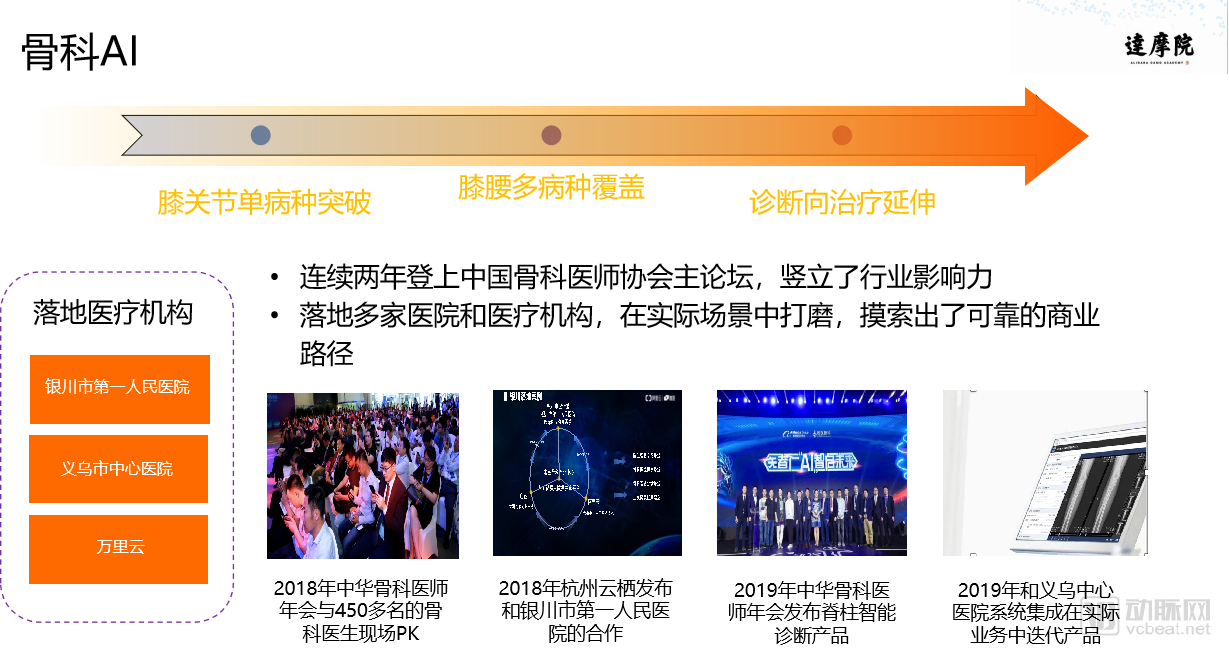
For multiple detection engines, including those for the liver, lungs, cardiovascular system, and spine, the embedded intelligent annotation function can be utilized.Perform automated annotation:
1. Automatic Lung and Liver Annotation:Embedded with internationally leading lung and liver segmentation algorithms, it automatically generates pre-segmented organs, assisting in more accurate and efficient annotation;
2. Automated Cardiovascular Annotation:Industry-leading fully automated coronary artery extraction algorithm: the coronary tree is generated with a single click, and vessel annotation is simple and clearly visible;
3. Automatic Spinal Annotation:Proprietary high-precision spinal segmentation algorithm: simultaneous segmental segmentation eliminates cumbersome spinal annotation;
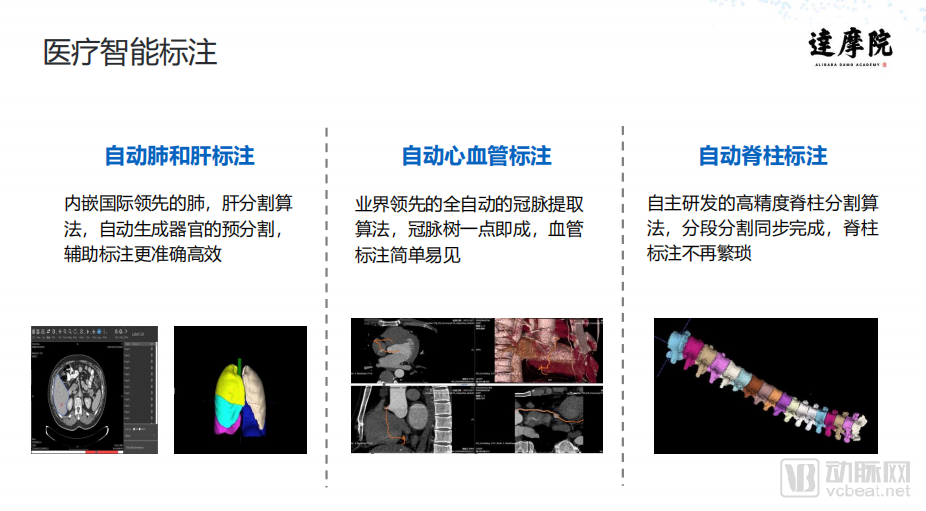
In the actual implementation process, intelligent annotation must possess five key features: cross-platform cloud-based annotation, support for diverse data types, flexible and varied annotation types, intelligent user interaction, and efficient 3D annotation.
AI technology enables real-time automated analysis of radiographic image quality, providing immediate feedback on whether a retake is necessary before the patient leaves, thereby avoiding unnecessary time waste. By integrating with imaging equipment, the AI quality control platform allows the entire workflow—from image acquisition to review—to be completed directly on the device, with the platform indicating whether the images meet diagnostic standards. The AI-based quality control platform for medical imaging has already achieved industrial-scale application, particularly for screening standard posteroanterior chest radiographs, where its accuracy has exceeded 95%.
Two Inevitable Problems with Traditional Manual Quality Control:Low efficiency, poor consistency, and retrospective quality control make it difficult for patients to undergo repeat imaging, resulting in significant time loss.AI-Based Quality Control for Medical Imaging leverages artificial intelligence image recognition technology to enable automated evaluation and scoring of medical imaging quality, thereby achieving automation, network integration, standardization, and real-time monitoring of quality control. This ultimately enhances physicians’ image interpretation capabilities and improves diagnostic accuracy.
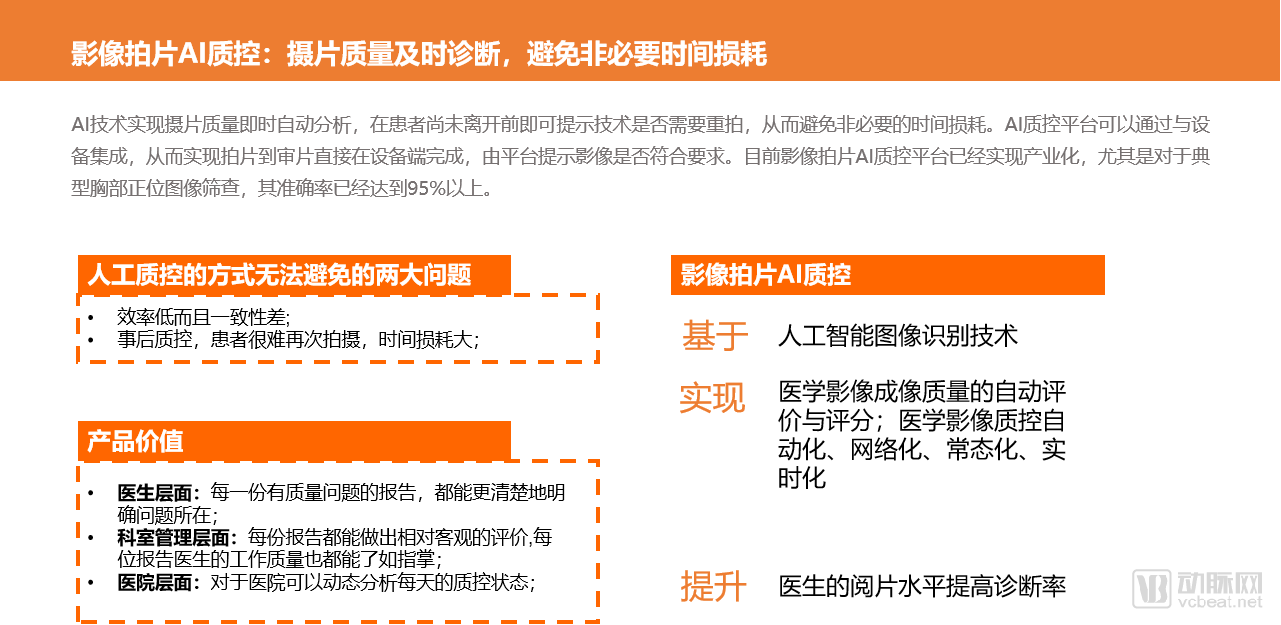
The product value of AI-based quality control for medical imaging can be divided into three levels:
1. Physician Level:Each report with quality issues can more clearly identify the problems;
2. Departmental Management Level:Each report provides a relatively objective evaluation, and the work quality of every reporting physician is clearly understood.
3. Hospital Level:Hospitals can dynamically analyze daily quality control status;
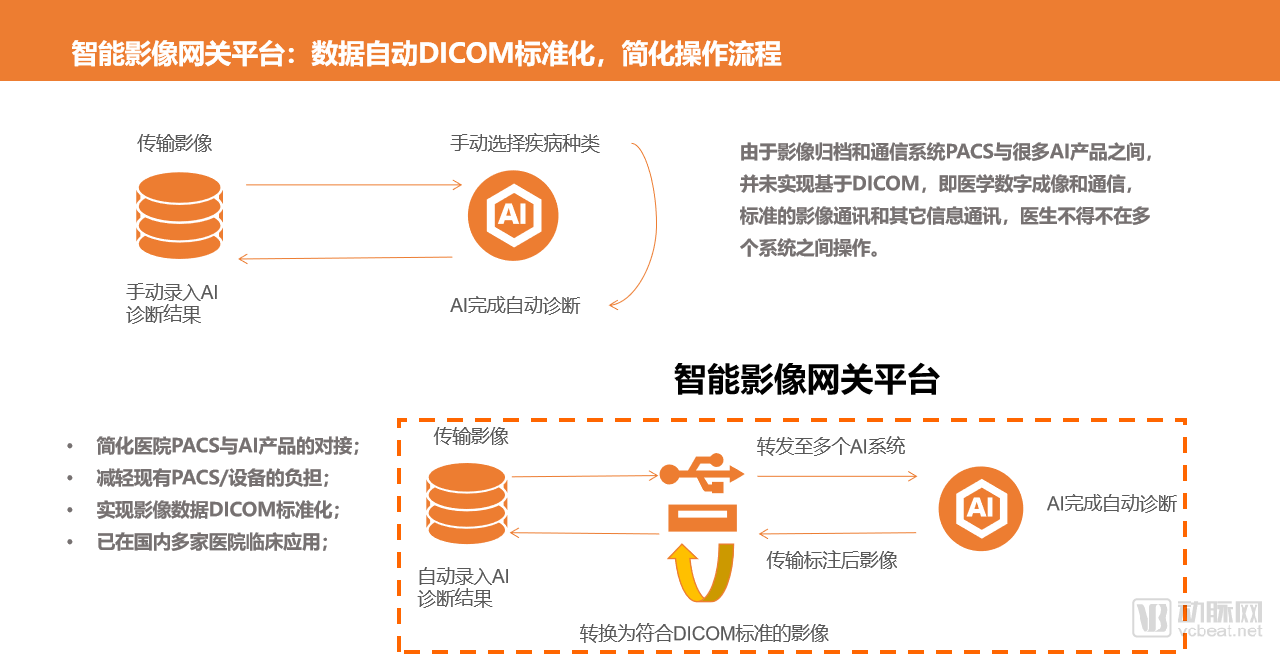
Because Picture Archiving and Communication Systems (PACS) and many AI products have not implemented image communication and other information exchange based on the DICOM (Digital Imaging and Communications in Medicine) standard, physicians are forced to operate across multiple systems. The intelligent imaging gateway platform serves as a converter between PACS and AI products, capable of:
1. Simplify the integration between hospital PACS and AI products;
2. Reduce the burden on existing PACS/equipment;
3. Achieve DICOM standardization of imaging data;
Intelligent Imaging Gateway Platform, currently in clinical use at multiple hospitals across China;
Application Scenario 2: AI + Hospital Management
Given the heavy workload of medical affairs, the high complexity of clinical and hospital management, and the high acceptance of new technologies, we believe that after completing the first phase of artificial intelligence (AI) system construction, hospitals—particularly large tertiary hospitals—should vigorously develop AI-driven hospital management. The application of AI in hospital management primarily focuses on two directions:Optimize the allocation of medical resources and address gaps in hospital management.
AI-Optimized Allocation of Medical Resources:Leverage big data to coordinate the effective allocation of resources at a macro level. It can analyze which patients are in most urgent need of treatment based on information such as electronic medical records and medical history, prioritize the provision of medical resources to them, and optimize the sequence of medical services.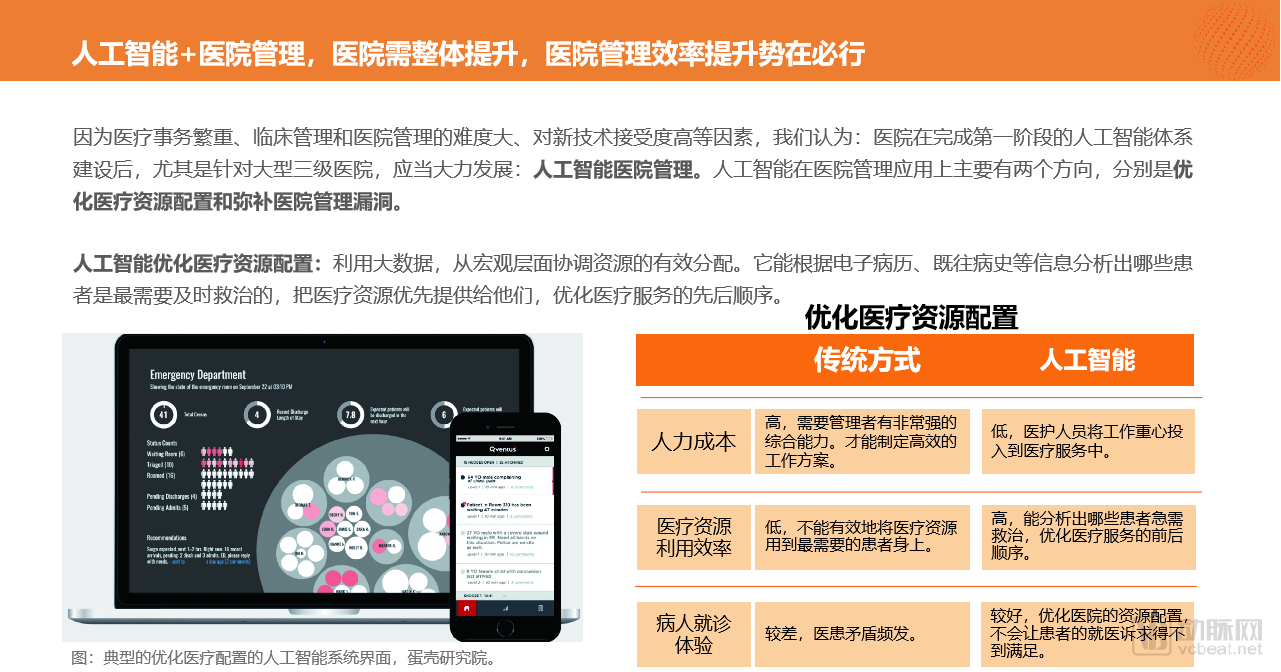
Compared with traditional methods:Artificial intelligence can significantly reduce labor costs, allowing medical staff to focus their efforts on delivering healthcare services. It can substantially improve the utilization of medical resources by identifying patients in urgent need of treatment and optimizing the prioritization of care. Furthermore, it enhances the patient experience by optimizing hospital resource allocation to better meet patient needs.
Addressing Loopholes in Hospital Management:Customer reviews of hospitals are collected from channels such as review websites, social media platforms, and news media. Natural language processing techniques are employed to transform unstructured data into structured data recognizable by the system. Leveraging pre-established models, the system organizes and analyzes the underlying meanings behind various reviews.
Investigation findings:Patients discussed the following topics most frequently regarding a certain hospital: waiting time, service attitude, consultation time, medical costs, and post-discharge follow-up.
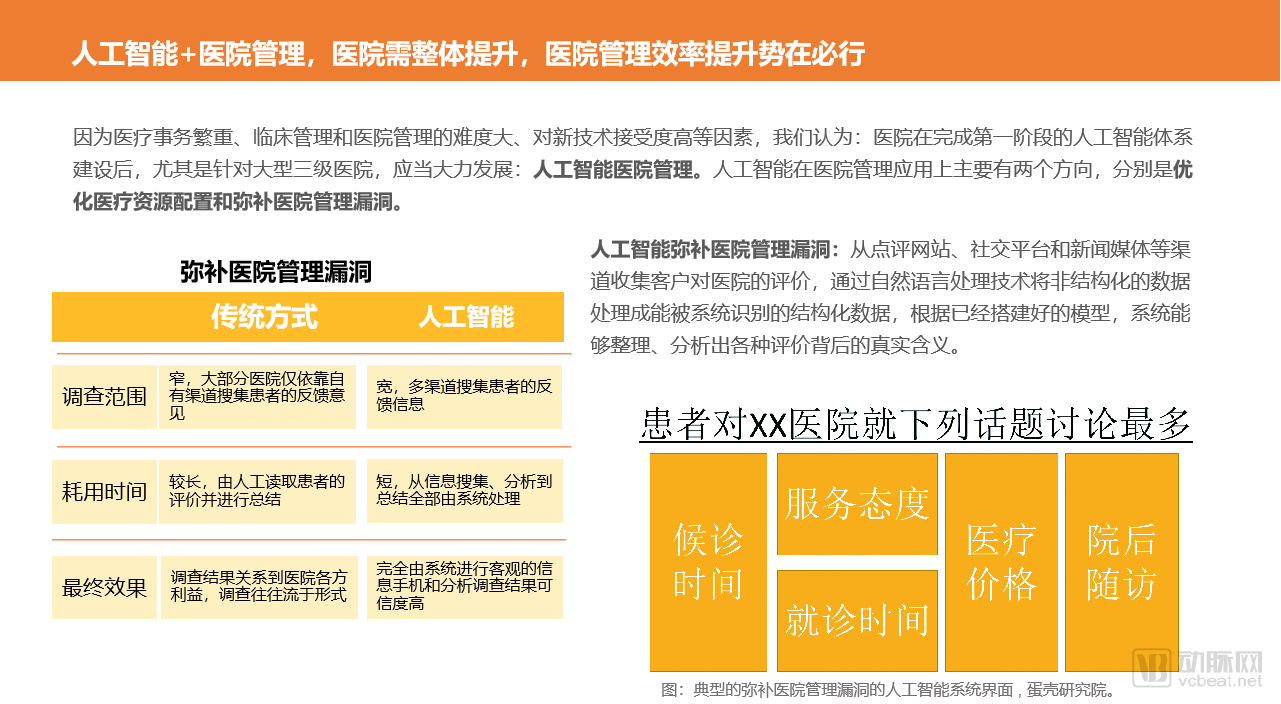
Compared to traditional methods:Artificial intelligence can significantly broaden the channels for collecting patient feedback, substantially reduce the time required for information collection, analysis, and summarization, and minimize human bias to ensure the objectivity and validity of survey results.
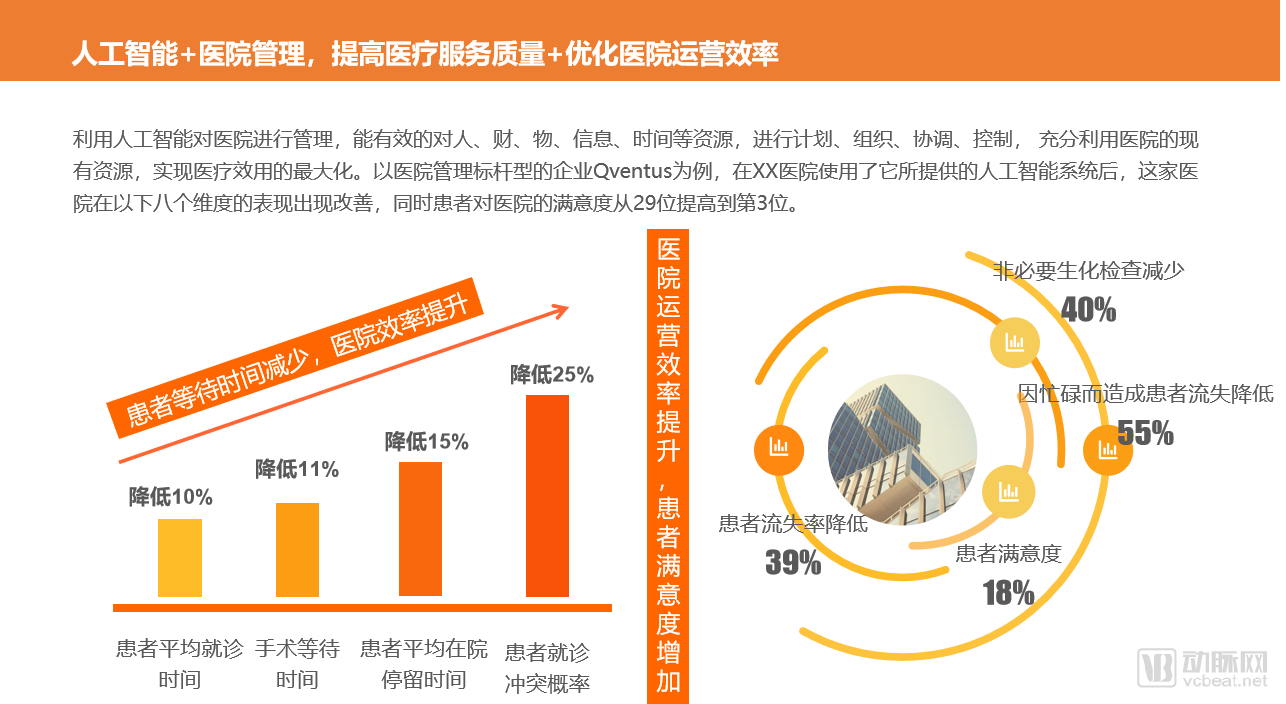
Leveraging artificial intelligence for hospital management enables effective planning, organizing, coordinating, and controlling of resources—including personnel, finances, materials, information, and time—thereby fully utilizing existing hospital resources to maximize healthcare utility. Taking Qventus, a benchmark enterprise in hospital management, as an example, after XX Hospital implemented its AI-powered system, performance improved across eight key dimensions, and patient satisfaction rankings rose from 29th to 3rd place.
Application Scenario 3: AI + Disease Diagnosis and Prediction
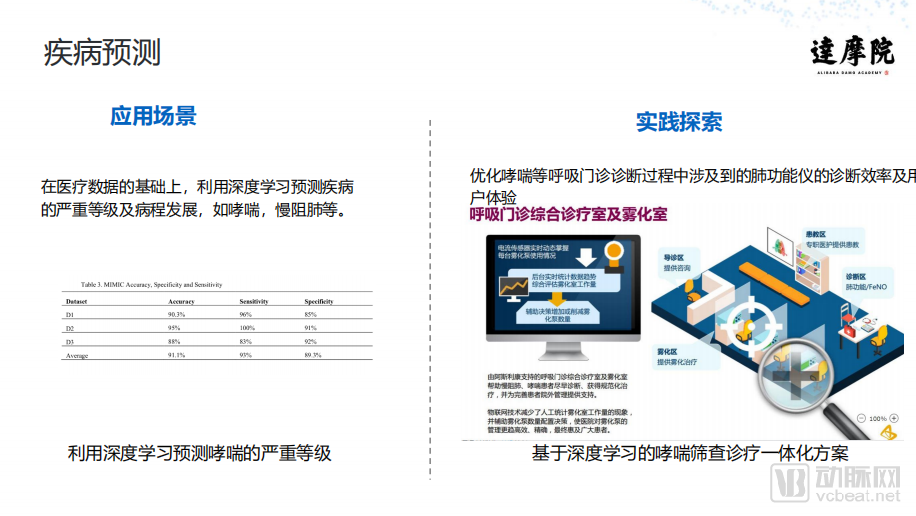
Modern medicine diagnoses diseases based on various biochemical and imaging test results. However, it often falls short when it comes to predicting the future progression of diseases. Artificial intelligence can participate in disease screening and prediction by analyzing behavioral, imaging, and biochemical data. In addition, people’s language and written text can also serve as measurable indicators of mental and physical health.
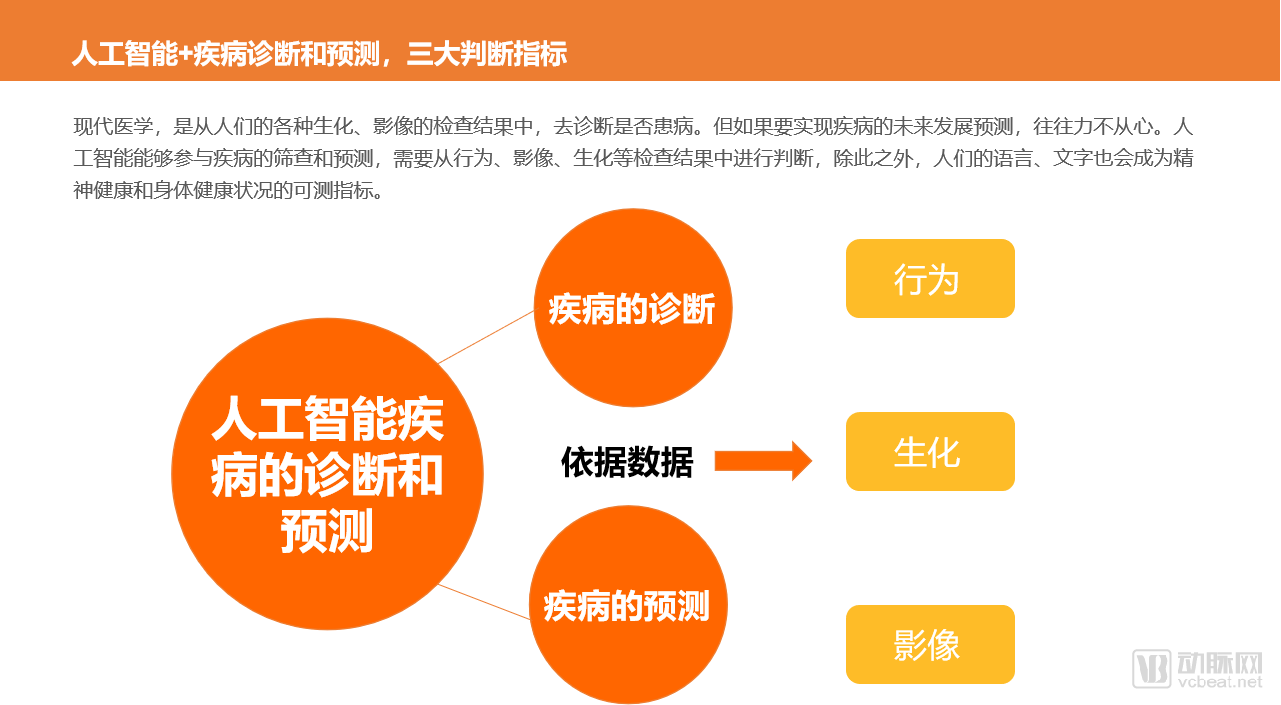
Disease prediction functions primarily work by automatically analyzing textual data such as EMR/EHR records and imaging examination reports, extracting relevant information, and leveraging deep learning to predict disease onset and progression.
Application Scenario 4: AI + Medical Research
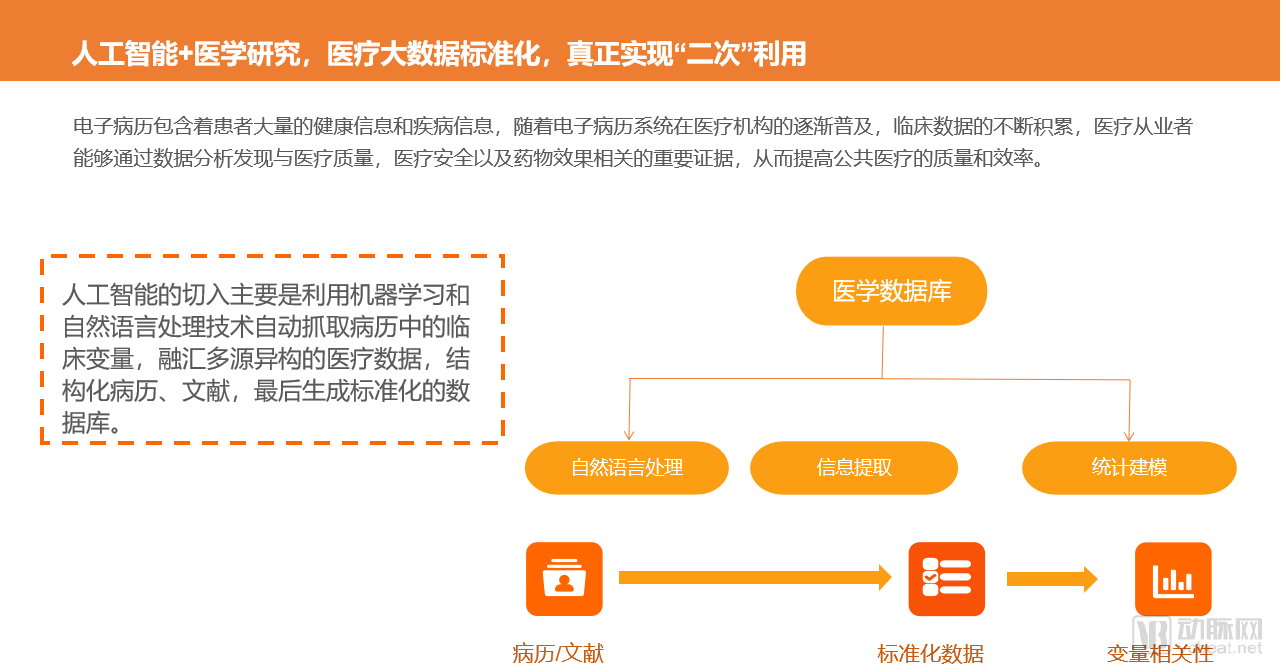
The primary entry point for artificial intelligence is to leverage machine learning and natural language processing technologies to automatically extract clinical variables from medical records, integrate multi-source heterogeneous healthcare data, structure medical records and literature, and ultimately generate standardized databases. In the specific product pipelines of AI-enabled medical research applications, we focus onMedical Translation and Medical Knowledge Graphs。
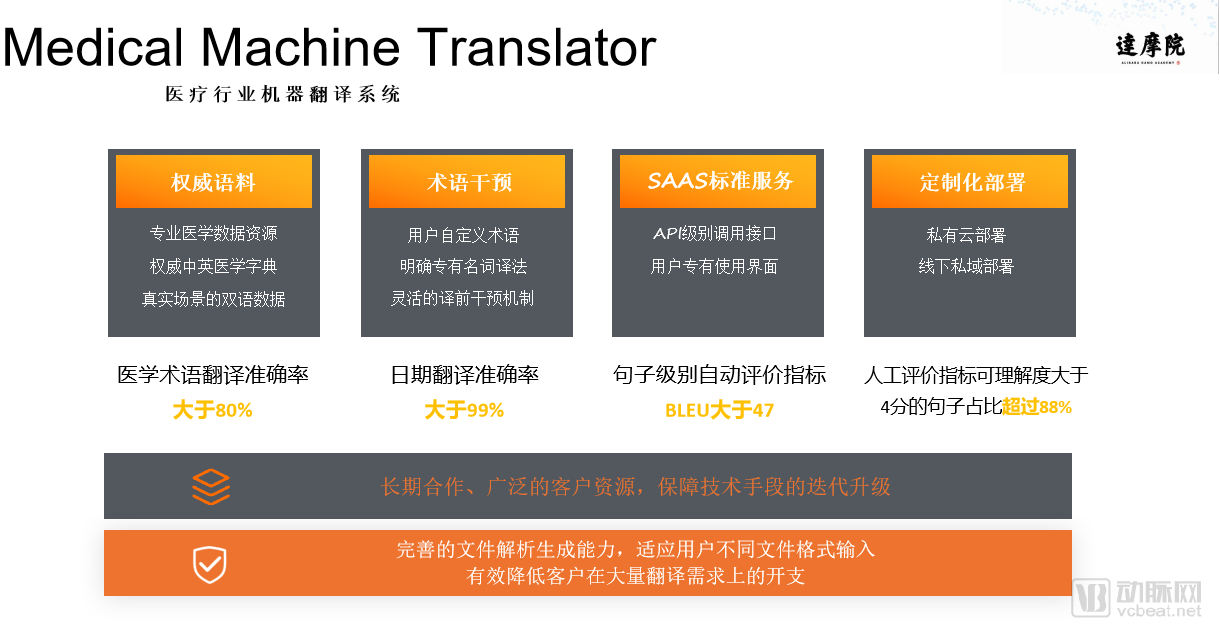
Medical Machine Translation:There is a substantial demand for translation services within the healthcare industry. AI-powered automatic translation, with its robust document parsing and generation capabilities, accommodates various input file formats, effectively reducing clients’ costs associated with high-volume translation needs. The medical machine translation system developed by the Healthcare Laboratory of Alibaba DAMO Academy’s AI Center offers authoritative corpus-based translation, terminology intervention, SaaS-standard services, and customized deployment. It achieves a medical terminology translation accuracy rate of over 80% and a date translation accuracy rate of over 99%.
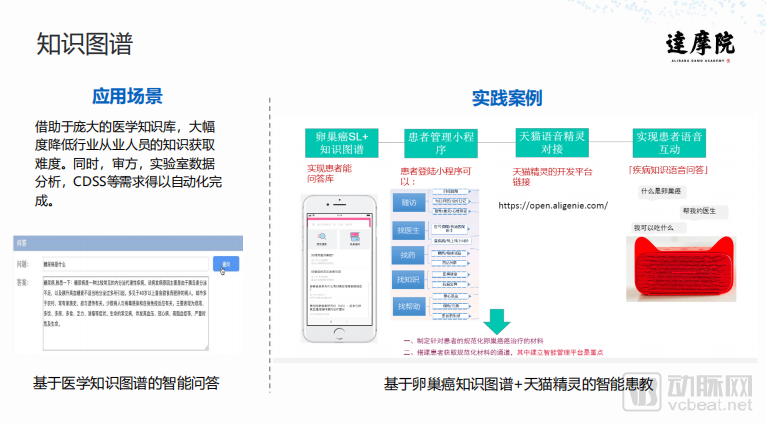
The construction of the medical knowledge base adopts:
1. The latest information extraction technologies extract disease-related knowledge from various sources, including the most recent industry papers and internet-based knowledge.
2. The extracted information undergoes professional review, and data that passes the review is stored in a database; the entire process utilizes the latest graph database technology for data storage and visualization.
In the field of medical AI products, the Medical Health Laboratory of Alibaba DAMO Academy’s AI Center has entered the healthcare artificial intelligence sector through three major platforms: the vision engine, knowledge engine, and search engine. Its key focus areas include ten core capabilities: multi-organ diagnosis, small-sample training, high precision, automatic annotation, medical translation, information extraction, knowledge graph modeling, medical feature extraction, multimodal retrieval, and clinical decision support.
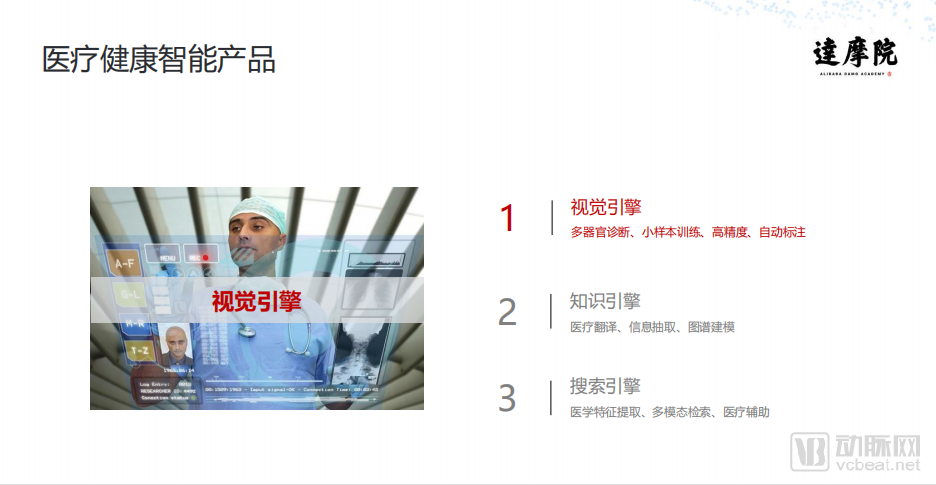
In the complete"Sharing the Application of Artificial Intelligence in Medical Scenarios", we will continue to share with you how artificial intelligence is being applied inIntelligent Disease Diagnosis and Predictionand its applications in medical research; meanwhile, we will provide a comprehensive analysis of how the Healthcare Laboratory at Alibaba DAMO Academy’s AI Center hasVisual Engine, Knowledge Engine, and Search EngineThree Major Platforms Enter the Field of Medical Artificial Intelligence.
For more details, please see:
"Sharing the Application of Artificial Intelligence in Healthcare Scenarios," scan the QR code below to obtain the full report.