

National Health Commission Reports Nearly 70% of Nurses in China Hold Associate Degrees or Higher
VCBeat (WeChat ID: vcbeat) has learned that the National Health Commission held a special press conference on the morning of September 6 to introduce the development of China’s nursing industry over the 70 years since the founding of the People’s Republic of China. Attendees included Jiao Yahui, Deputy Director of the Bureau of Medical Administration and Hospital Management under the National Health Commission; Li Xiaolin, Party Branch Secretary of the Hudong Elderly Nursing Home in Yangpu District, Shanghai; Li Hong, Chief Nurse at Fujian Provincial Hospital and recipient of the 47th Florence Nightingale Medal; and Wang Kerong, Head Nurse of the Red Ribbon Home at Beijing Ditan Hospital and recipient of the 44th Florence Nightingale Medal.
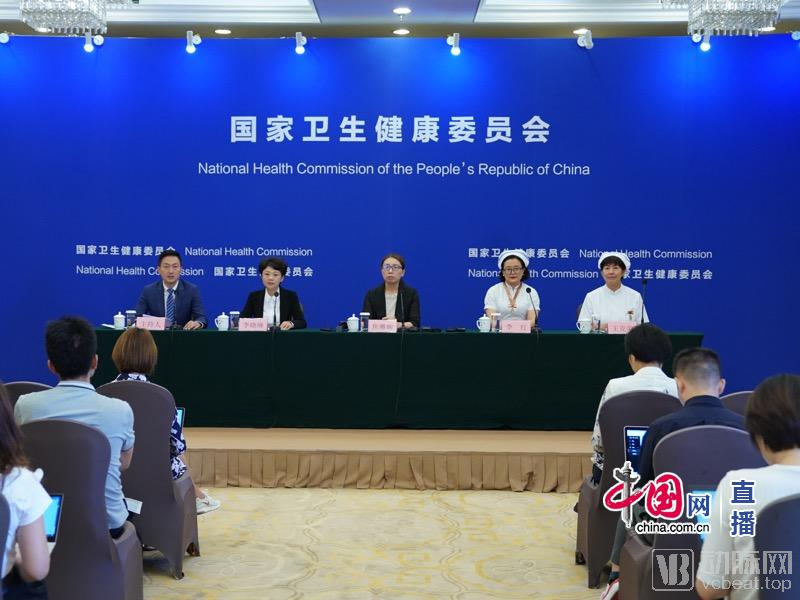
At this press conference, the National Health Commission presented the achievements of China’s nursing work over the 70 years since the founding of the People’s Republic of China, along with the exemplary deeds of individuals who have made outstanding contributions to the nursing profession.
Nursing is a noble and sacred profession, serving as a vital component in implementing the Healthy China strategy and proactively addressing population aging. Throughout the course of China’s economic and social development, nursing has played an irreplaceable role in disease prevention and treatment, life-saving interventions, health promotion, alleviation of suffering, and improvement of quality of life. Nursing professionals across the country have actively implemented the decisions and plans of the Central Committee of the Communist Party of China and the State Council, making significant contributions to safeguarding and promoting public health, advancing China’s healthcare sector, and supporting socialist modernization.
Since 2005, nursing care in China has entered a fast track of development, with concerted efforts and multiple measures taken to accelerate the rapid growth of both the nursing profession and the nursing industry.
First, legislative standardization. In 2008, the State Council promulgated and implemented the Regulations on Nurses, safeguarding the legitimate rights and interests of nurses at the regulatory level and clarifying their rights, obligations, and practice requirements. Subsequently, measures such as the Administrative Measures for Nurse Practice Registration, the Administrative Measures for the Nurse Licensing Examination, and the Clinical Nursing Practice Guidelines were successively issued.
Second, planning-led development. In 2005, 2010, and 2015, the “11th Five-Year,” “12th Five-Year,” and “13th Five-Year” Development Plans for Nursing were respectively issued and implemented, clarifying the direction of development and key tasks for nursing work.
Third, capacity building and enhancement. National nursing skills competitions for healthcare workers were held twice, in 2007 and 2012, to improve the professional competencies and service capabilities of the nursing workforce. Since 2010, China has been developing national key clinical specialties in nursing to strengthen the discipline’s overall capacity.
Fourth, reform-driven initiatives. Since 2010, China has launched a nationwide campaign for high-quality nursing services, implementing patient-centered, responsibility-based holistic nursing to provide the public with comprehensive, end-to-end high-quality care. Meanwhile, pilot programs for nursing position management have been carried out to motivate nurses and enhance their work enthusiasm.
Fifth, enriching and expanding services. Since the 18th National Congress of the Communist Party of China, nursing work has continuously aligned with the increasingly diverse needs of the public and society, enriching the connotation of nursing care and extending the scope of services. In 2018, multi-sectoral collaboration was promoted to advance the reform and development of the nursing service industry. In 2019, efforts were accelerated to develop geriatric nursing, establishing China’s system for assessing geriatric nursing needs and a training system for medical care assistants.
Through the aforementioned efforts, nursing care in China has achieved rapid development.
Jiao Yahui, Deputy Director of the Bureau of Medical Administration and Hospital Management under the National Health Commission, stated that the professional competence and service capabilities of nurses in China have been continuously improving. By the end of 2018, the total number of registered nurses exceeded 4 million, accounting for nearly 50% of all health professionals with technical titles. Nearly 70% of these nurses held an associate degree or higher, marking a significant shift from the past when the nursing workforce was predominantly composed of graduates from secondary vocational schools.
At the conference commemorating the 110th anniversary of the founding of the Chinese Nursing Association, the President of the International Council of Nurses noted that nurses account for 55% of health technical personnel globally, while in China, this figure is close to 50%, with three nurses per 1,000 population. The long-standing situation in China, where doctors outnumbered nurses, has been fundamentally reversed. In developed countries, the number of doctors is lower than that of nurses; in most hospitals, doctors primarily focus on medical treatment tasks, while patient care and condition monitoring are increasingly handled by nurses. For a long time, China had more doctors than nurses. In recent years, this ratio has been inverted, and the professional competence and service capabilities of nurses have continuously improved. One indicative metric is that nearly 70% of nurses now hold an associate degree or higher.
Historically, nursing care was primarily delivered within healthcare institutions to serve patients. In accordance with regulatory requirements, nursing practice must adhere to the “Three Closenesses” principle: being close to patients, close to clinical practice, and close to society. In recent years, the focus of nursing work has centered on closeness to patients and clinical practice. However, as China enters an aging society, the emphasis of nursing services is now shifting toward greater integration with society.
Nursing services are increasingly being extended from institutions to communities and households, providing care for the entire population, including the elderly, pregnant and postpartum women, newborns, and individuals requiring maternal and child health services. Additionally, rehabilitative nursing is provided for persons with disabilities, while professional care, health management, psychological nursing, rehabilitation promotion, and palliative care services are offered to the general population. Notably, the recently released assessment standards for elderly care needs evaluate not only the physical functioning of older adults but also their psychological status.
“China has a high incidence of cancer, with a significant gap in mortality rates compared to international standards. There are substantial shortcomings in the care provided to elderly and terminally ill patients in our country. Therefore, in recent years, we have been developing the hospice and palliative care system, issuing corresponding institutional standards and service specifications, while also extending nursing services in this direction,” said Jiao Yahui.
Furthermore, the academic standing of nursing has continuously improved. In 2011, nursing was designated as a first-level discipline in China, which also promoted the development of nursing education. Nursing education has played a significant role in cultivating professional nursing talent for the country. A large number of core clinical nursing staff and outstanding nursing management professionals have been gradually trained and developed, playing a pivotal role in leading the advancement of the nursing discipline.