

IoT Meets Healthcare: 5G-Powered Innovations Take Center Stage at 2019 World Internet of Things Expo in Wuxi

ten3T healthcare
Clinical Data Monitoring Service Provider

Tricog Health
Emergency Cardiac Equipment Developer

Cyrcadia Health
--
On September 7, 2019, the 2019 World Internet of Things Expo (hereinafter referred to as the Wuxi IoT Expo) opened in Wuxi, on the shores of Lake Taihu. Ten years earlier, in 2009, Wuxi was approved by the State Council to establish the “National Sensor Network Innovation Demonstration Zone,” becoming the only national-level innovation demonstration zone in China focused on the Internet of Things at that time.
To date, more than 2,000 IoT-related companies have clustered in the demonstration zone, establishing a complete industrial chain for the Internet of Things. Meanwhile, Wuxi is widely recognized as a major hub for biopharmaceuticals and medical device manufacturing. Following its recent coverage of the China International Smart Industry Expo held in Chongqing, VCBeat (WeChat ID: Vcbeat) has traveled to Wuxi to bring readers first-hand reporting. What sparks will fly at the intersection of IoT and healthcare, as revealed by these two major events?
Home-Field Advantage: Pharma Giant AstraZeneca Shows Significant Results in Transformation
One of the most significant reasons why Wuxi has emerged as a major healthcare hub is the support from AstraZeneca. This globally renowned pharmaceutical company entered the Chinese market as early as 1993 and invested $134 million to establish a production base in Wuxi in April 2001.
To date, AstraZeneca has invested a cumulative total of $340 million in Wuxi. After years of deep commitment, China has become AstraZeneca’s second-largest market globally. In 2018, AstraZeneca achieved sales of nearly $3.8 billion in China, accounting for 17% of its global sales of $22.1 billion.
In the ongoing process of bringing innovative medicines to patients in China, AstraZeneca has gradually come to recognize that health needs in China today have undergone profound changes. Consequently, AstraZeneca is transcending the boundaries of traditional business models and actively building a diversified innovation platform, striving to transform itself from a conventional pharmaceutical company into an innovative healthcare platform enterprise.
In 2017, AstraZeneca China’s Commercial Innovation Center and Health Internet of Things (IoT) Innovation Center were inaugurated in Wuxi. To date, eight solutions have been successfully implemented, comprehensively showcasing the innovative achievements of cross-sector collaboration in health IoT and whole-disease-management solutions, thereby earning widespread recognition. Given this prominence, AstraZeneca, as a local leader, placed significant emphasis on the Wuxi IoT Expo, presenting multiple innovative healthcare projects.
Early Screening and Diagnosis of Diseases
The prognosis for curing any type of mid-to-late stage cancer is poor, and the treatment process is often excruciating. Early screening and diagnosis have been proven to be the most effective strategies for combating tumors. Regrettably, performance in this area remains inadequate. Meanwhile, non-standardized diagnostic and treatment procedures frequently lead to missed or misdiagnoses, causing a large number of patients to miss the optimal window for cancer treatment. Taking prostate cancer and gastric cancer as examples, more than 50% of prostate cancer patients in China are already at an advanced stage at the time of diagnosis (compared to only 16% in the United States); furthermore, the early diagnosis rate for gastric cancer in China is merely 10%.
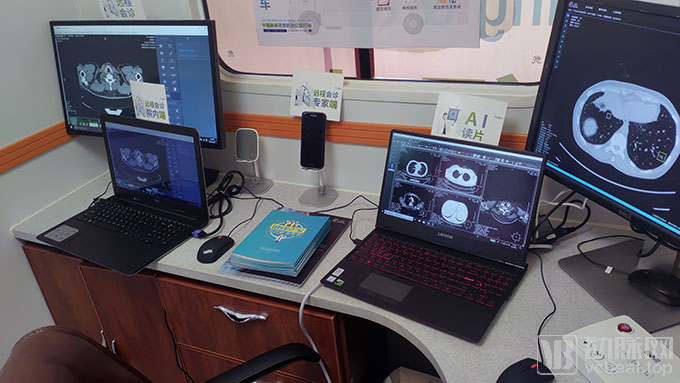
For early screening and diagnosis in oncology, AstraZeneca has established Integrated Diagnosis and Treatment Centers for Lung Cancer and Prostate Cancer, as well as a Center for the Prevention and Treatment of Gastrointestinal Tumors. At the Integrated Diagnosis and Treatment Center for Lung Cancer, patients can complete a full range of specialized services in a one-stop manner, including disease-specific registration, chest CT scans, AI-assisted image interpretation, biopsies, pathological examinations, and genetic testing. The Lung Cancer Diagnosis and Treatment Center also offers genetic testing capabilities, providing evidence to guide targeted therapy.
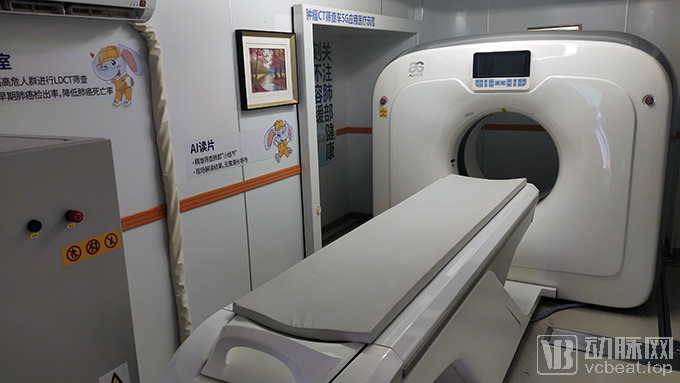
Taking into account the actual conditions in remote areas, AstraZeneca also showcased a mobile lung cancer screening vehicle developed in partnership with collaborators at the exhibition. Small in size but fully equipped, this compact truck houses an onboard low-dose spiral CT scanner and intelligent AI-based image interpretation capabilities, enabling real-time image transmission via 5G technology. As a result, regions that previously lacked basic diagnostic infrastructure can now access early lung cancer screening and diagnosis services comparable to those available to residents of major cities.
Serological testing and Helicobacter pylori breath tests are key to early screening and diagnosis of gastric cancer. In 2018, China established the Center for Prevention and Treatment of Gastrointestinal Tumors. By August 2019, early gastrointestinal cancer screening programs had been launched in 30 provinces, municipalities, and autonomous regions across China; 347 hospitals had been approved to provide screening services, gradually exploring a province-wide or city-wide medical consortium-based screening model.
By conducting serological tests and Helicobacter pylori breath tests at community hospitals, and incorporating gender and age data, the novel gastric cancer screening score system developed by AstraZeneca can initially assess the risk of developing gastric cancer. Subsequently, high-risk patients identified through this screening can be promptly referred to higher-level medical institutions for further examination. Meanwhile, this system can also facilitate postoperative follow-up for patients who have undergone surgery, thereby improving prognostic control in gastric cancer.
Similar to the case of gastric cancer, the Prostate Cancer Diagnosis and Treatment Integration Centers, led by the China Prostate Cancer Alliance, supported by AstraZeneca, and developed in collaboration with numerous partners, have now been established in the urology departments of 216 Grade A tertiary hospitals. By promoting PSA (prostate-specific antigen) screening in community hospitals in accordance with national clinical guidelines, patients with abnormal screening results are referred to these Prostate Cancer Diagnosis and Treatment Integration Centers for further diagnosis and treatment.
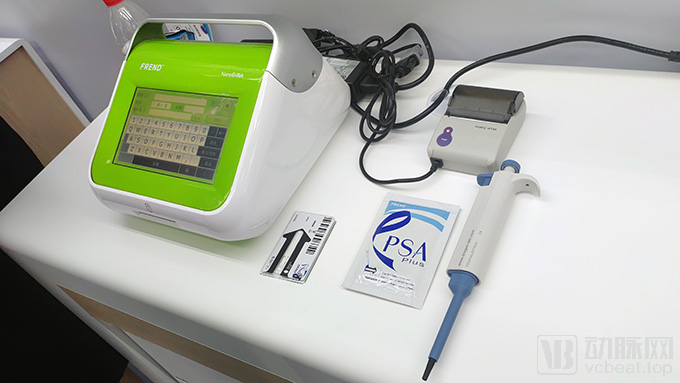
The Integrated Diagnosis and Treatment Center for Prostate Cancer is equipped with an independent biopsy suite. MRI-ultrasound fusion-targeted biopsy technology enables the computer-processed superimposition of MRI and ultrasound images, allowing operators to perform biopsies under real-time ultrasound guidance while referencing lesion locations identified on MRI, thereby improving biopsy accuracy. Coupled with ongoing training in biopsy techniques, more hospitals will be capable of independently conducting standardized prostate biopsies, thus enhancing the prevention and treatment of prostate cancer.
Certainly, AstraZeneca’s initiatives in the field of early disease screening and diagnosis extend beyond these three areas. Its efforts in breast cancer prevention and control, kidney disease prevention through self-testing for hypertensive renal damage, early screening for cardiovascular and cerebrovascular diseases in diabetic patients based on the Renin Metabolic Index, and early screening for chronic obstructive pulmonary disease (COPD) all demonstrate AstraZeneca’s emphasis on early disease screening and the support provided by interdisciplinary technologies for early screening and diagnosis.
Disease Treatment
During the peak seasons for respiratory diseases in spring and autumn, hospitals are always overcrowded with children waiting for nebulizer treatments. This is a painful process for parents, children, and hospitals alike. Meanwhile, due to environmental factors, the impact of chronic respiratory diseases, represented by asthma, on children's health is becoming increasingly severe. Statistics show that the overall prevalence of asthma among children aged 0–14 in China exceeds 3%, and it has been on an upward trend over the past decade.
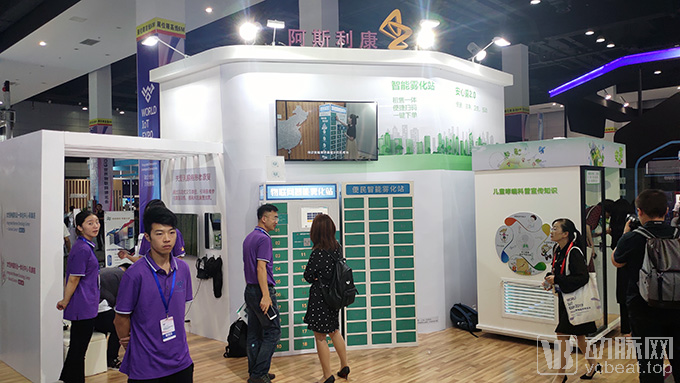
At the Wuxi Internet of Things Expo, AstraZeneca showcased its Smart Nebulization Center. This innovative solution, powered by IoT technology, provides one-stop diagnostic and treatment services, featuring four dedicated zones: a pediatric nebulization area, a pharmacy dispensing room, a nursing care area, and a self-service home nebulization zone. Leveraging smart IoT connectivity, the nurse station at the Smart Nebulization Center can monitor the usage of each nebulization device in real time.
To alleviate pediatric patients' fear of nebulization therapy and improve treatment adherence, each nebulization station is equipped with a small screen that plays specially produced animated videos for disease education. All smart nebulization centers are connected online, allowing parents to conveniently check real-time availability via mobile devices and choose the nearest center for treatment.
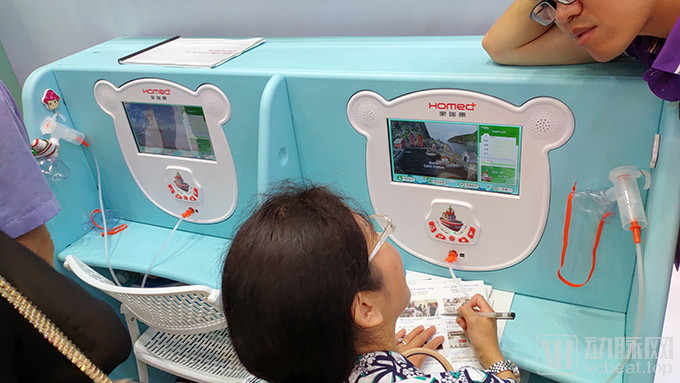
Since its launch, the smart nebulization center has been widely promoted. As of June 2019, 4,700 of the 15,000 pediatric nebulization centers established nationwide had completed basic upgrades to smart nebulization systems. Additionally, 150 smart nebulization centers in Zhongshan City and Shanghai have achieved nebulization data sharing through Internet of Things (IoT) technology.
In addition to receiving nebulization therapy at medical institutions, patients who are proficient in nebulizer operation can now perform self-administered nebulization treatments conveniently at home. IoT-enabled smart nebulization stations, offering integrated rental and sales services, allow users to easily place orders by scanning a QR code with their mobile phones and rent nebulization equipment for home-based therapy.
Chest pain is a common clinical sign of cardiovascular disease, and acute chest pain can rapidly progress to myocardial infarction. According to statistics, there were 2.6 million new cases of myocardial infarction in China in 2017; it is projected that the number of patients with acute myocardial infarction in China will reach 22.6 million by 2030. However, the average door-to-balloon time for acute chest pain in China far exceeds the international standard of 90 minutes.
It is precisely for this reason that, under the guidance of the National Health Commission of China, and with support from AstraZeneca as well as multiple in vitro diagnostic medical device companies and healthcare information technology firms, the Chest Pain Center in China aims to build an integrated acute chest pain treatment system that ensures seamless connectivity across pre-hospital, in-hospital, and post-discharge phases. In cities where the Chest Pain Center model has been implemented, such as Wuxi, patients experiencing sudden chest pain can dial the emergency number 120; supported by intelligent transportation systems, ambulances will analyze real-time data to transport patients to hospitals with appropriate reception capabilities at the fastest possible speed. The Chest Pain Center is also equipped with a remote interactive system that enables connection with high-level domestic experts, facilitating remote communication and consultation.
Currently, 1,063 medical institutions across China have completed Chest Pain Center accreditation. With the support of AstraZeneca, city-wide model construction has been basically completed in 13 cities/regions nationwide, forming a chest pain treatment network that provides basic coverage.
Introducing Overseas Innovative Forces
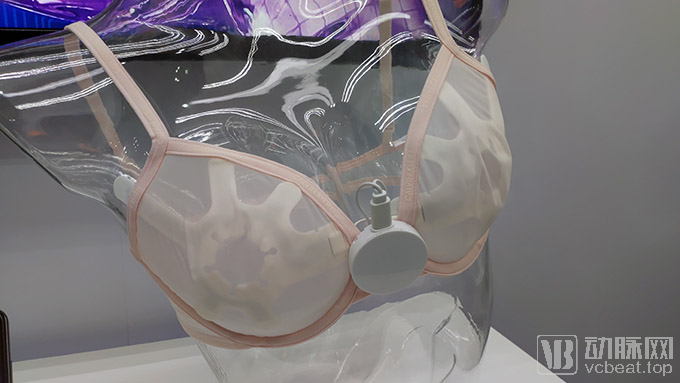
In addition to its in-house R&D projects, AstraZeneca has also introduced medical projects from international partners within its global network. Cyrcadia Health’s wearable devices enable early breast cancer screening by detecting temperature differences. Combo’s non-invasive blood glucose monitor can measure blood sugar levels simply by scanning fingerprints. ten3T healthcare’s ECG patch is capable of recording 6-lead electrocardiograms. Tricog AI leverages artificial intelligence to interpret electrocardiograms in a timely manner, while Botkin.AI primarily assesses cancer risk by analyzing X-rays, CT scans, MRIs, and ultrasounds. The Fast smart medication tracker automatically records patients’ medication timing and dosage, thereby improving medication adherence, and synchronizes this information with insurance companies to enhance the accuracy and timeliness of claims processing.
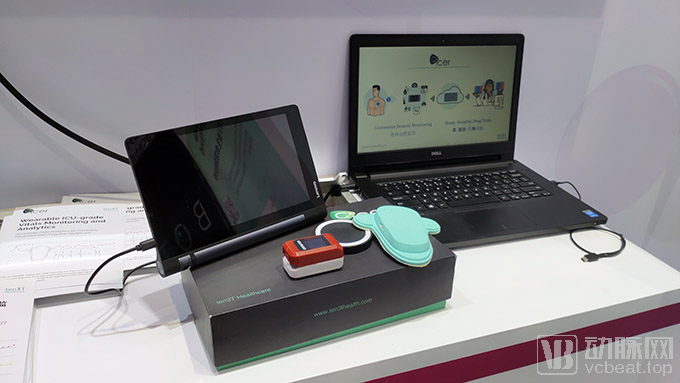
ten3T's Wearable ECG Patch
In fact, some of these overseas innovative healthcare companies have already moved into the Wuxi International Life Science Innovation Park, jointly established by AstraZeneca, the Wuxi Municipal Government, and the Wuxi High-Tech Industrial Development Zone. This initiative further underscores AstraZeneca’s strategic shift toward becoming an innovation-driven pharmaceutical platform enterprise. Meanwhile, the project has garnered enthusiastic responses from innovative healthcare companies around the world. It is expected to attract more than 50 innovative healthcare companies over the next three years, thereby fostering an international life science industry cluster.
Health Management and 5G Are Also Hot Topics
In addition to AstraZeneca, the Wuxi Internet of Things Expo also featured a variety of other medical projects. IoT-based health management and the integration of 5G with healthcare emerged as key highlights. China Mobile, China Unicom, and China Telecom all showcased their 5G-enabled telemedicine and smart healthcare solutions. Chison, a well-known player in ultrasound medical imaging, also launched its 5G remote diagnosis and treatment solution. Furthermore, various imaging devices equipped with AI assistance attracted significant interest from attendees.
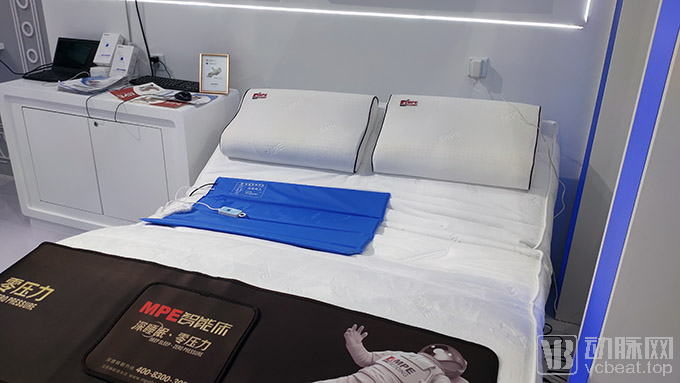
Suzhou Newdao Intelligence showcased an IoT-based smart mattress specifically designed for the rapidly growing elderly care industry. This customizable-sized mattress can monitor seniors’ electrocardiogram (ECG) and movements, and detect potential falls by analyzing changes in nighttime bathroom visit patterns, triggering alerts to caregivers. Equipped with monitoring platform software, it enables elderly care facilities or community centers to remotely and continuously monitor the nighttime health status of elderly individuals living alone.
Guangdong Hulubao’s neonatal capsule is designed specifically for the diametrically opposite demographic of newborns. It not only enables remote monitoring and vital signs tracking via a mobile app, but also plays music or provides intelligent rocking to help newborns relax and settle, while additionally purifying the air inside the capsule. Meanwhile, several other manufacturers showcased health management solutions tailored for primary care settings or home use. Overall, however, the depth and breadth of innovative healthcare exhibits from other companies fell significantly short compared with AstraZeneca’s, clearly demonstrating the driving influence of industry leaders on the sector.
# Final Remarks
Whether at the recent Chongqing Smart China Expo or the Wuxi Internet of Things (IoT) Expo, smart healthcare did not showcase disruptive “black-tech” breakthroughs, yet its steady progress remains highly encouraging. Remote medical care, remote surgery, health management, and even smart elderly care, all underpinned by 5G and IoT technologies, are gradually becoming a reality. Meanwhile, at the Wuxi IoT Expo, we also observed traditional pharmaceutical giants such as AstraZeneca leveraging continuous advancements in IoT technology to drive digital innovation and rapidly complete their transformation.
The Internet of Things and healthcare have sparked a passionate synergy, at least in Wuxi. Indeed, Wuxi is a city worthy of admiration. Whether it is the nation’s first Chest Pain Center, the Early Diagnosis and Prevention Center for Gastrointestinal Cancer, the Standardized Metabolic Disease Management Center (MMC), or the disease follow-up system, these innovative healthcare initiatives were all first implemented in Wuxi. We hope that these advanced models will be rapidly promoted across China, enabling more people to benefit from them.