Home Breakthrough Achieved: Xinling Med Completes China's First Anti-coagulation-Free Mechanical Heart Valve Animal Trial, Redefining Valvular Therapy Paradigm

Breakthrough Achieved: Xinling Med Completes China's First Anti-coagulation-Free Mechanical Heart Valve Animal Trial, Redefining Valvular Therapy Paradigm

Jan 18, 2026 07:59 CST Updated 08:00

HearHill

Cardiovascular Innovation Product Developer

Image
Image

PART.01

The "Billion-Dollar Dilemma" of Heart Valve Disease and the Patients' "Difficult Choice"


1.1 The Severe Current Situation of Valvular Heart Disease Patients in China
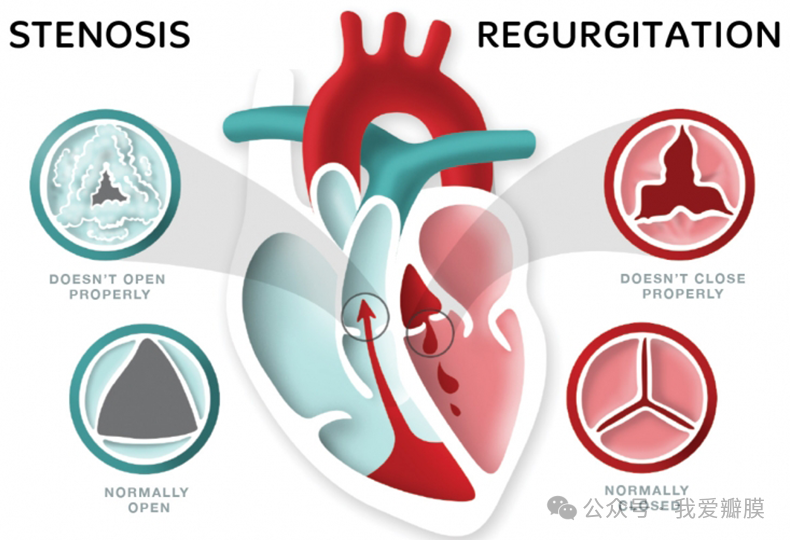
China has a large base of patients with valvular heart disease, with reports indicating that the affected population is approximately 25 million. As the aging of the population accelerates, the incidence of this disease continues to rise, making it the third-largest cardiovascular disease after coronary heart disease and hypertension. In people over 65 years old, the prevalence of valvular heart disease significantly increases, not only severely affecting the quality of life of patients but also being one of the important causes of heart failure and sudden cardiac death.
【瓣膜类疾病】心脏瓣膜病的发病原因及危害
Artificial valve replacement is the core treatment for severe valvular disease, but both mechanical and bioprosthetic valves currently used in clinical practice have significant limitations. Mechanical valves exhibit excellent durability but require lifelong anticoagulation therapy post-surgery, which not only increases the patient's medical burden but also significantly raises the risk of bleeding, thrombosis, and embolic events. Bioprosthetic valves do not require long-term anticoagulation and offer better biocompatibility; however, they suffer from structural degeneration, with most patients experiencing valve calcification and functional failure 5-10 years after surgery, making it difficult to meet the long-term efficacy needs of younger patients and creating a clinical treatment dilemma.
1.2 Major Announcement: China's First Anticoagulation-Free Mechanical Heart Valve Animal Experiment Successfully Conducted
HearHill Successfully Completes China's First Anticoagulation-Free Mechanical Heart Valve Implantation Animal Experiment, Marking a Breakthrough That Offers New Technological Directions for the Treatment of Valvular Heart Disease and Aims to Overcome Clinical Limitations of Traditional Valves.
This novel anticoagulant-free mechanical heart valve overcomes the core limitation of lifelong anticoagulation required by traditional mechanical valves, while integrating the superior hemodynamic characteristics of biological valves, offering an improved treatment option for patients with valvular disease. Its technological innovations and clinical application potential have garnered significant attention within the industry. The following sections will provide a detailed analysis of the technical principles, experimental validation, and clinical value of this valve.

PART.02

A Long-standing Dilemma: The "Can't Have Your Cake and Eat It Too" of Traditional Artificial Valves


After years of clinical application of artificial heart valves, the core challenge of performance balance has always persisted. The inherent advantages and disadvantages of mechanical valves and biological valves oppose each other, making it difficult to simultaneously meet patients' comprehensive needs for durability, safety, and quality of life.
2.1 Mechanical Valve: The "Cost" of Durability —— The Risk of Lifelong Anticoagulation
Mechanical valves, as the pioneering product of artificial valve replacement surgery, have been clinically applied for more than 70 years, undergoing structural iterations from caged-ball valves, tilting-disc valves to bileaflet valves. With a theoretical service life of over 30 years, they have become the preferred treatment option for younger patients with longer life expectancy, playing a significant role in clinical treatment.
However, mechanical valves have inherent defects. Their core material is pyrolytic carbon, which ensures durability but suffers from insufficient biocompatibility, making them prone to thrombosis. To reduce the risk of thrombosis, patients need lifelong anticoagulant medication after surgery. Long-term anticoagulation therapy not only increases the burden of patient compliance but also may lead to serious adverse events such as bleeding, stroke, and embolism, significantly affecting the long-term quality of life and prognosis of patients.
2.2 Bioprosthetic Valves: The "Regret" of Being Anticoagulation-Free —— The Limitation of Short-Term Degeneration
Biological valves are made from biologically treated porcine or bovine valves or pericardial tissue, offering excellent biocompatibility. Patients do not require long-term anticoagulation therapy after surgery, which can significantly reduce the risk of anticoagulation-related adverse events and enhance the convenience of patients' lives.
However, its structural degradation problem is prominent. Affected by material properties, postoperative valve calcification and fibrosis are prone to occur. Most patients experience valve dysfunction within 5-10 years after implantation, necessitating another replacement surgery. With the trend of younger patients with valvular disease becoming apparent, the short-term durability shortcomings of bioprosthetic valves fail to meet the long-term treatment needs of this group.
The core contradiction in the performance limitations of traditional valves lies in the imbalance between "durability and anticoagulation requirements." HearHill's new anticoagulation-free mechanical heart valve was developed based on this clinical pain point. Through material and structural innovation, it achieves a breakthrough optimization of traditional valve performance.

PART.03

Hardcore Breakthrough: The Innovation Code of HearHill's New Anti-Coagulation-Free Mechanical Heart Valve


HearHill's Breakthrough in New Anti-Coagulation-Free Mechanical Heart Valve: Multi-Dimensional Innovation in Fluid Dynamics Design, Material Selection, and Structural Optimization Builds a Valve Technology System with Both Durability and Bio-Safety.
3.1 Fluid Mechanics Design: Aerospace-Inspired "Bionic Valve"
The fluid mechanics design of this valve draws on fluid dynamics simulation technology from the aerospace field. Relying on its mature fluid mechanics experience accumulated in the development of left ventricular assist pumps and polymer valves, HearHill has applied aerospace-grade fluid simulation technology to optimize the valve structure, achieving a biomimetic design of valve function.
Its working mode is highly biomimetic of the natural heart valve: during the forward blood flow phase, the ventricular pressure drives the valve leaflets to open smoothly, ensuring efficient blood perfusion; during the blood flow deceleration phase, the valve leaflets close steadily, effectively reducing regurgitation and mechanical damage to blood cells, and lowering the risk of hemolysis.
Through computational fluid dynamics (CFD) simulations and in vitro hydrodynamic testing, the research and development team repeatedly optimized the leaflet morphology and motion trajectory, enabling the valve to achieve smooth closure in early diastole, closely resembling the physiological motion pattern of a natural valve. Meanwhile, the optimized hinge area of the valve has no stagnant blood flow or high shear stress zones, fundamentally eliminating key factors that trigger thrombosis from a structural design perspective, providing core technical support for achieving freedom from long-term anticoagulation therapy.
3.2 Materials and Structure: Balancing Durability and Biocompatibility
This valve adopts a composite structure design of "metallic frame + rigid polymer leaflets + polyester sewing ring," achieving a balance between durability and biocompatibility through the complementary performance of each component.
The metallic stent provides stable structural support, ensuring the mechanical stability of the valve under long-term blood flow impact, and maintaining the core advantage of durability characteristic of mechanical valves. The rigid polymer leaflets offer both excellent flexibility and biocompatibility, simulating the opening and closing motion of natural valves, reducing blood flow resistance and blood cell damage. The polyester suture ring ensures firm attachment between the valve and cardiac tissue, minimizing the risk of displacement post-implantation and guaranteeing stable valve function.
The synergistic optimization of materials and structure enables the valve to not only possess excellent hemodynamic performance, meeting the physiological perfusion requirements of the heart, but also enhance biocompatibility, reducing immune rejection responses. This successfully resolves the core contradiction of "durability versus anticoagulation demand" in traditional mechanical valves, providing a more ideal valve replacement solution for clinical use.
3.3 Silent Black Technology: Say Goodbye to "Clicking Sounds" and Improve Quality of Life
The "click" sound produced by traditional mechanical valves during operation, which originates from the mechanical collision of the valve leaflets opening and closing, can easily affect patients' sleep quality and reduce postoperative comfort due to the persistent noise, becoming a secondary pain point in the clinical application of mechanical valves.
HearHill has completely eliminated the opening and closing noise of mechanical valves through special material modification and optimization of the leaflet motion structure. Postoperative auscultation makes it difficult to identify valve motion sounds, significantly improving patients' postoperative quality of life.
This silent design is particularly important for young patients, effectively avoiding psychological distress and life disturbances caused by noise, further optimizing the postoperative rehabilitation experience, and aligning with the clinical development trend of valvular treatment that emphasizes "both efficacy and quality of life."

PART.04

Direct Experiment: Hard-Core Data Evidence from the First Animal Experiment in China


Animal experiments are a key step in verifying the safety and effectiveness of new medical devices. The first mechanical heart valve implantation animal experiment in China without anticoagulation, conducted by HearHill, utilized a standardized experimental process, providing reliable preclinical data support for valve performance evaluation.
图片图片
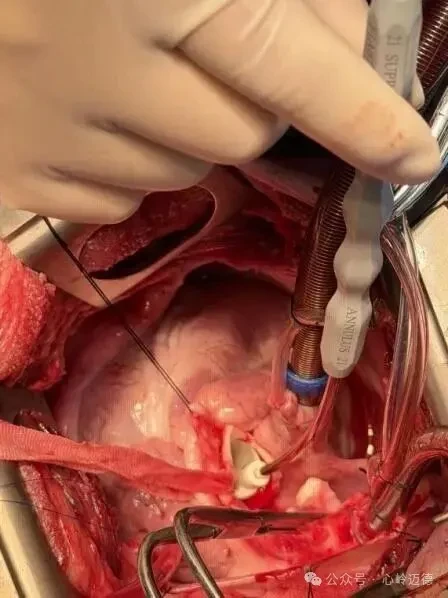
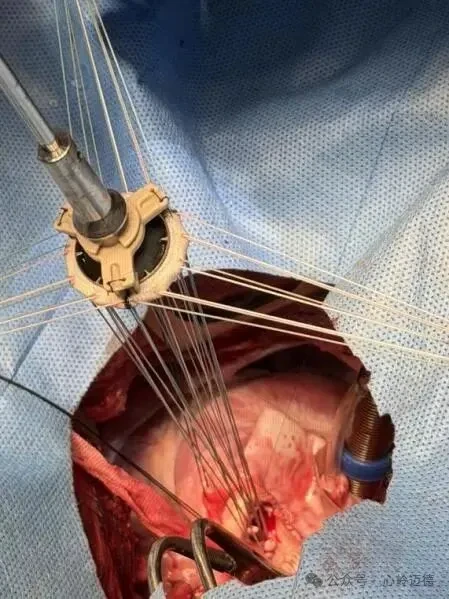
New Mechanical Valve Implantation
4.1 Experimental Protocol: Standardized Operations Ensure Result Reliability
The experiment selected healthy large white pigs as model animals, whose cardiac anatomical structure and physiological functions are highly similar to those of humans, effectively simulating the pathophysiological responses after human valve replacement surgery, providing reference value for the clinical translation of experimental results.
The experimental operation strictly followed the standardized surgical procedure: the experimental animal was placed in the right lateral position, underwent a left thoracotomy, and after the fourth rib was removed, the aortic valve was isolated and exposed. Cardiopulmonary bypass was established to maintain systemic blood flow perfusion, providing safety assurance for the surgical procedure.
During the surgery, the native aortic valve leaflets were completely removed, and the SAV21 new mechanical aortic valve was implanted. The valve was sutured and fixed layer by layer. The surgical procedure went smoothly, and the vital signs of the experimental animal remained stable throughout, laying a foundation for postoperative observation and performance evaluation.
4.2 Postoperative Testing: Multiple Indicators Highlight Excellent Valve Performance
Postoperative comprehensive detection is performed using imaging techniques such as echocardiography to systematically evaluate the structural stability, opening and closing function, and hemodynamic performance after valve implantation, providing quantitative data support for the safety and effectiveness of the valve.


图片图片
图片
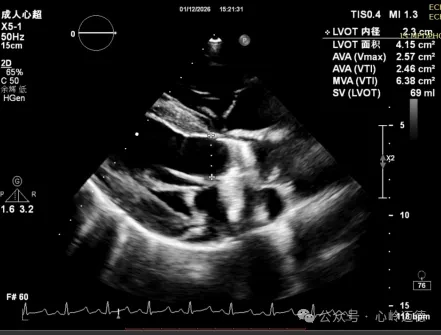
Postoperative Echocardiography

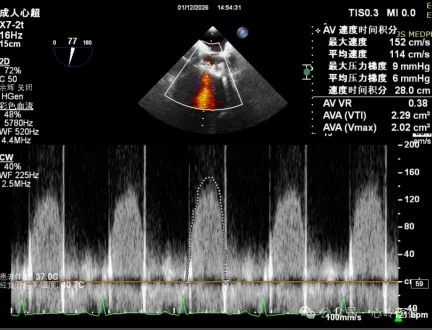
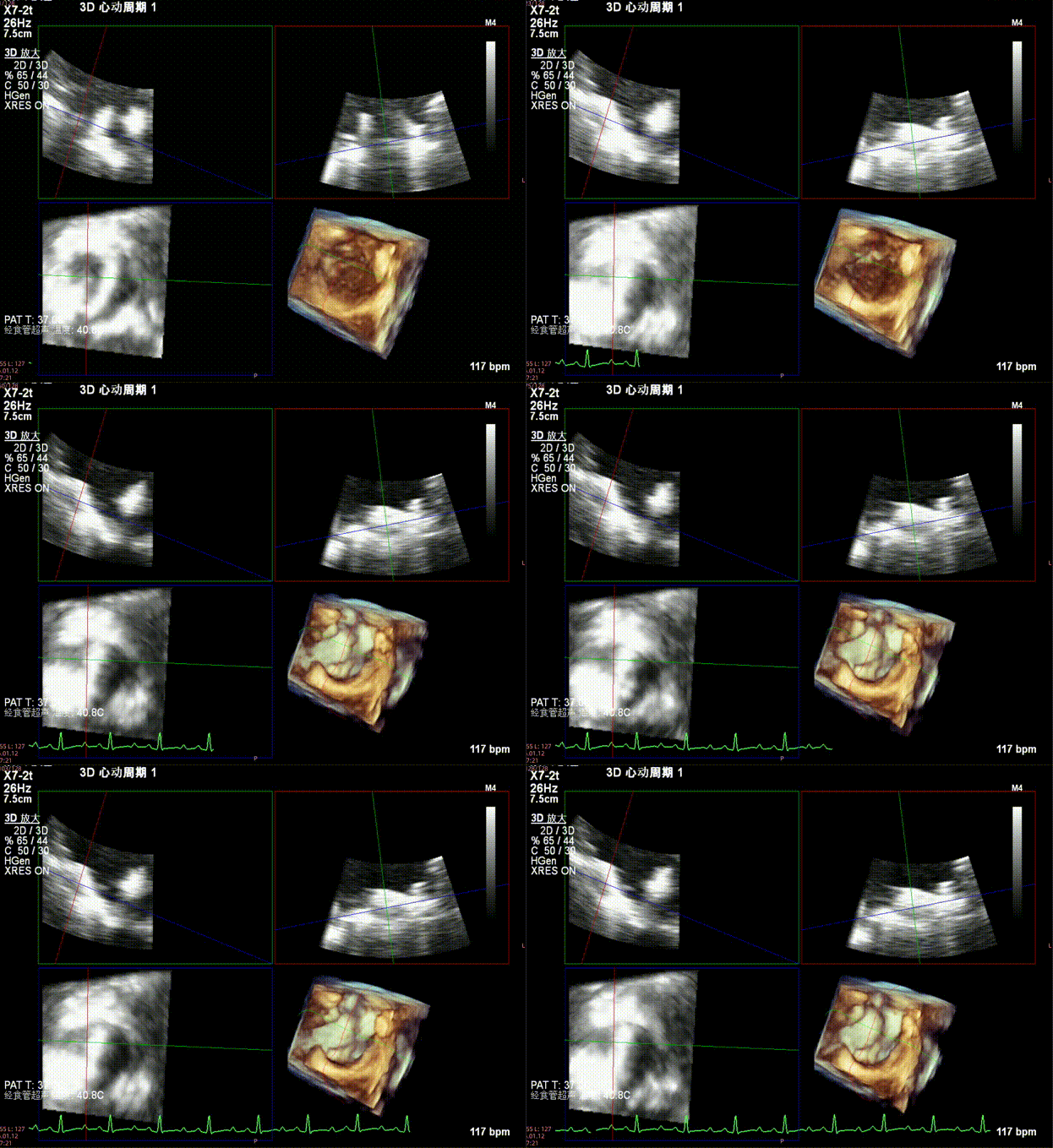
The ultrasound results showed that the implanted new mechanical valve stent was firmly fixed and had good coordination with the movement of the surrounding myocardial tissue. The valve structure was intact, opening and closing freely, with no abnormal blood flow signals in the aortic valve area, indicating that the valve could effectively maintain normal blood flow direction control function.
Spectral Doppler detection showed that the aortic valve blood flow velocity and spectral morphology met physiological standards, with a peak velocity of 1.52 m/s, mean transvalvular pressure gradient of 6 mmHg, effective orifice area (EOA) of 2.46 cm², and VTI of 28.0 cm. All hemodynamic indicators were within the ideal range, indicating low valvular flow resistance and high perfusion efficiency, which can meet the physiological functional requirements of the heart.
The experimental animals recovered well after the surgery, with stable vital signs, further verifying the rationality of the valve's structural design, biocompatibility, and surgical safety, providing solid experimental evidence for subsequent clinical translation.

PART.05

Expert Commentary: Why Can This Valve Disrupt Traditional Treatment Patterns?


5.1 Wei Xufeng: Easy Implantation + Performance Upgrade, Greatly Enhanced Postoperative Experience
Mr. Wei Xufeng, founder of Jiangsu Meifengli Medical Technology Co., Ltd., spoke highly of this valve after conducting clinical operations and performance evaluations. He pointed out that the suturing method of this valve aligns well with internationally mainstream mechanical valves, offering a smooth suturing feel, compatibility with existing clinical surgical procedures, and no need for additional adjustments to surgical operation standards. This helps reduce the difficulty of clinical promotion, shorten operation time, and decrease surgery-related risks.
Intraoperative testing showed that the valve leaflets opened and closed flexibly, responded promptly, and exhibited good motion coordination, enabling immediate blood flow regulation to ensure stable cardiac hemodynamics during and in the early postoperative period.
Postoperative performance evaluation shows that the valve has significant advantages: low transvalvular pressure gradient can reduce cardiac afterload and lower the risk of heart failure; the leaflets close tightly with no central regurgitation, ensuring unidirectional blood flow efficiency; excellent acoustic performance with noise significantly lower than traditional mechanical valves, effectively improving patients' postoperative quality of life and addressing the clinical pain point of noise associated with traditional mechanical valves.
5.2 Yan Xiaoshen: Solving the "Choice Dilemma" for Valve Replacement in Patients Aged 18-75
Mr. Yan Xiaoshen, founder of HearHill, stated that the core inspiration for the valve's fluid mechanics design comes from fluid simulation technology in the aerospace field. Through extensive in vitro fluid simulation experiments, the research and development team reconstructed the hemodynamic model of the mechanical valve, effectively reducing the high shear force and vortex phenomena commonly associated with traditional mechanical valves—both of which are significant contributors to blood cell damage and thrombosis. The optimized valve achieves continuous blood flow over the device surface, preventing blood cell aggregation and adhesion, thereby reducing the risk of thrombosis at the mechanism level.
Combining the durability advantage of mechanical valves for lifelong use, if subsequent extended animal studies and clinical trials are successful, this valve is expected to completely resolve the treatment choice dilemma for valve disease patients aged 18-75, addressing the dual needs of long-term efficacy and quality of life, and filling the gap in clinical treatment.
Mr. Yan Xiaoshen emphasized that this mechanical valve is expected to become another significant product in the field of structural heart disease for HearHill, following its polymer valve. The technological breakthrough not only optimizes treatment options for valvular heart disease but also will promote the technical upgrade and industrial breakthrough of China-produced artificial mechanical valves, enhancing China's core competitiveness in this field.

PART.06

Strength Endorsement: HearHill's R&D and Industry Layout


6.1 R&D Accumulation: Multi-platform Innovative Products Lead the Industry
HearHill was founded in October 2020, with its headquarters located in Suzhou Industrial Park, and an innovation research and development center established in Shanghai, forming an integrated layout of "research-development-production-transformation." The R&D center brings together top talents from multiple fields such as structural heart devices, medical equipment, and aerospace fluid mechanics, creating a cross-disciplinary R&D team that provides core support for technological innovation.
Relying on three core technology platforms—fluid mechanics, software algorithms, and biological evaluation—HearHill focuses on two major research and development directions: interventional ventricular assist devices and polymer heart valves. Its core products all have independent intellectual property rights and have been granted recognition through China's National Medical Device Innovation Green Channel, accelerating the clinical transformation process of its products. Among these, the polymer heart valve project has successfully been shortlisted for the National Ministry of Industry and Information Technology’s biotechnology materials list, highlighting HearHill’s R&D strength and leading position in the field of polymer heart valves.
6.2 Intelligent Manufacturing and Qualification Certification: Strengthening the Foundation of Industrial Transformation
The company has built a 1,000-square-meter GMP production base, equipped with complete production equipment and a quality control system. It is the first company in China to adopt industrial robot automation for producing heart valves. By precisely using robots to complete key processes such as dipping and molding of valve materials, drying, and thickness measurement, the company achieves standardized, high-precision, and large-scale product manufacturing. This effectively ensures consistent product quality, reduces human errors from manual production, controls production costs, and lays the foundation for product accessibility.
With a sound R&D system and intelligent manufacturing capability, the company has successively obtained qualifications such as science and technology SME, innovative SME, Jiangsu Province's potential unicorn enterprise, Suzhou City's unicorn cultivation enterprise, and Suzhou City's strong IP enterprise. These multiple qualifications not only recognize the company’s innovation ability and development potential but also provide strong support for the transformation of technical achievements and the scaled development of the industry.

PART.07

A Promising Future: Upgrades in China-Made Valve Technology and Clinical Prospects


7.1 Clinical Timeline: Human Trials to Begin in 2026
Currently, the new type of non-anticoagulant mechanical heart valve has entered the type inspection stage. Type inspection, as a key step before the medical device is marketed, will comprehensively test the safety, effectiveness, and stability of the valve to ensure that the product meets national medical device standards.
According to the R&D plan, clinical trials for the aortic and mitral valve models will commence as early as the end of 2026, progressively advancing the product's clinical validation process. The clinical trials will further evaluate the safety and efficacy of the valves in humans, providing core evidence for product approval and accelerating the transformation of technological achievements into clinical applications to benefit patients sooner.
7.2 Market Value: Filling the Gap, Driving the Upgrade of China-produced Valve Industry
The successful development of this novel valve holds significant market value and clinical importance, as it combines the durability of mechanical valves with the anti-coagulation-free advantages of biological valves, filling the performance gap of traditional valves and providing a new option for clinical treatment.
For pediatric and young patients with valvular disease, this valve balances long-term durability with the need for no anticoagulation, avoiding the risks and burdens associated with reoperation for bioprosthetic valve replacement. It also eliminates anticoagulation-related adverse events and noise disturbances common with traditional mechanical valves, significantly improving patients' long-term quality of life and prognosis.
From an industrial perspective, the technological breakthrough of this valve has driven a leapfrog development in domestically produced artificial mechanical heart valves in China, breaking the monopoly of overseas brands in the high-end mechanical valve sector and helping the artificial valve industry achieve self-reliance and controllability in China. Meanwhile, its innovative technology pathway provides new ideas for industry development, leading domestically produced medical devices to upgrade towards high-end and intelligent directions, and enhancing China's competitiveness in the global structural heart disease device field.

PART.08

Conclusion: Innovation-driven, safeguarding heart health


The successful first animal experiment of HearHill's non-anticoagulant mechanical heart valve marks an important milestone in the treatment of valvular heart disease in China. It represents a major breakthrough in material innovation, structural design, and fluid mechanics optimization for domestically produced artificial mechanical heart valves, offering new hope for tens of millions of valvular disease patients. The dual innovations in materials and structure of this valve have the potential to reshape the treatment system for valvular diseases. With the steady progress of clinical trials, we look forward to its early clinical validation, approval, and market launch, providing higher-quality treatment options for valvular disease patients while driving the high-quality development of China’s medical device industry and reinforcing the protection of national heart health.