

Visee Medical Files IPO Prospectus: China's First FDA-Approved Domestic Coil for Stroke Treatment Gains Traction in U.S. Market

Wallaby Medical
Developer and Producer of Therapeutic Products in the Neurointervention Field
“The incidence of intracranial aneurysms in East Asian populations is significantly higher than that in Europe and the United States. For instance, despite its relatively small population, Japan performs a number of intracranial aneurysm surgeries comparable to that of the United States. Given that China’s population is ten times that of Japan, does this imply that China’s market for intracranial aneurysms is ten times the size of the U.S. market?”
In 2013, Amuke learned from the head of a U.S. company responsible for global neurointerventional device business that China’s stroke market would experience rapid growth in the coming years. Government support for domestically produced products, combined with China’s position as the world’s largest market for stroke care needs, enabled Amuke to recognize this exceptional opportunity.
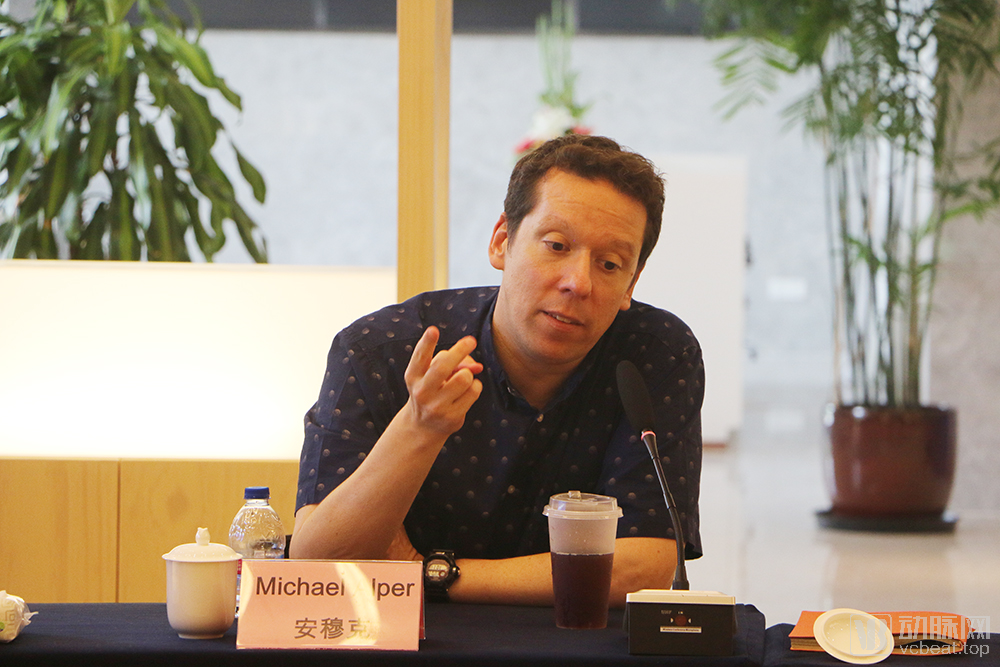
Michael Alper, Founder and General Manager of Wallaby Medical
Anmuke is the Chinese name of Michael Alper. This American boy, who grew up in New York’s Chinatown, was introduced to Chinese culture while learning Chinese martial arts, so much so that he felt a sense of having found a second hometown when he first visited Beijing in 1997.
After graduating from Harvard University, An Muke went on to study at the Wharton School. To secure an opportunity to work in China, he deliberately chose a department with overseas assignments while working at Medtronic. He was first assigned to Japan for three years before eventually making his way to China, his long-cherished destination. This experience laid a crucial cultural foundation for his entrepreneurial ventures in China—his fluent Chinese impressed many Chinese experts upon their first meeting, and thanks to his efforts, the first bridge of communication between him and Chinese experts was successfully established.
In China, the cardiac intervention sector has undergone more than a decade of development, with domestically produced products capturing over 80% of the market share. In contrast, despite nearly ten years of growth in the neurointerventional field, domestically produced products still hold less than 10% of the market. Amuke attributes this disparity to the higher technical requirements for products in the neurointerventional sector.
Neurointervention is a field with high technical barriers. Clinicians need to accumulate extensive experience to achieve a high level of proficiency, while the research, development, and production of neurointerventional devices equally demand craftsmanship and scientific management.
In late 2015, Shanghai Wallaby Medical Technology Co., Ltd. (hereinafter referred to as “Wallaby Medical”) was established. An Muke stated, “At that time, and even now, the market share of domestically produced neurointerventional devices in China is very low, with the majority still being imported from abroad. Neurointerventional procedures are highly complex and demand advanced clinical expertise from physicians. To mitigate surgical risks, doctors tend to prefer imported devices that meet international standards. Wallaby Medical is committed to independently developing domestically produced neurointerventional devices that reach international standards, thereby increasing the market share of relevant domestic products.”
As disclosed in a report published this March by the prestigious medical journal The Lancet: In 2016, there were 13.7 million new stroke cases worldwide, with China accounting for the highest number at 5.51 million; meanwhile, 5.5 million people died from stroke globally, of whom 1.79 million were in China, representing one-third of the total. This means that nearly four out of every ten stroke patients worldwide are from China.
Stroke, medically known as "cerebral apoplexy," is an acute cerebrovascular disease characterized by brain tissue damage resulting from impaired blood flow to the brain. It can be classified into ischemic and hemorrhagic stroke. Ischemic stroke occurs when cerebral blood vessels are blocked, preventing blood from reaching the brain, while hemorrhagic stroke results from the sudden rupture of cerebral blood vessels, which also disrupts normal cerebral perfusion. For both ischemic and hemorrhagic strokes, traditional treatment methods require interventional surgery; however, such procedures involve high technical barriers and are difficult to perform.
The current rate of interventional therapy in China is approximately 50%, which could rise to around 80%–90% in mature markets. According to Wallaby Medical, the potential market size for interventional treatment of ischemic and hemorrhagic stroke in China is RMB 55 billion. Conservatively estimated, the usage volume of intracranial coils will maintain a market growth rate of 15% to 20% over the next five years.
During interventional treatment for patients with hemorrhagic stroke (specifically intracranial aneurysms), intracranial coils are essential implantable devices used in the procedure and are classified as Class III medical devices, the highest regulatory category in China. Although domestic companies began engaging in the research and development of intracranial coils several years ago, the current localization rate remains below 10%. The significant gap between domestically produced and imported devices is the primary reason why physicians do not prioritize domestic options.
Identifying a critical gap in the market, Wallaby Medical embarked on the independent research and development of intracranial coils from its inception. The company recruited Earl, an industry veteran with over three decades of R&D experience, as its R&D Director. With his expertise, Wallaby Medical rapidly developed its inaugural product—the Intracranial Aneurysm Embolization Coil System—which was launched with a comprehensive portfolio of 110 specifications.
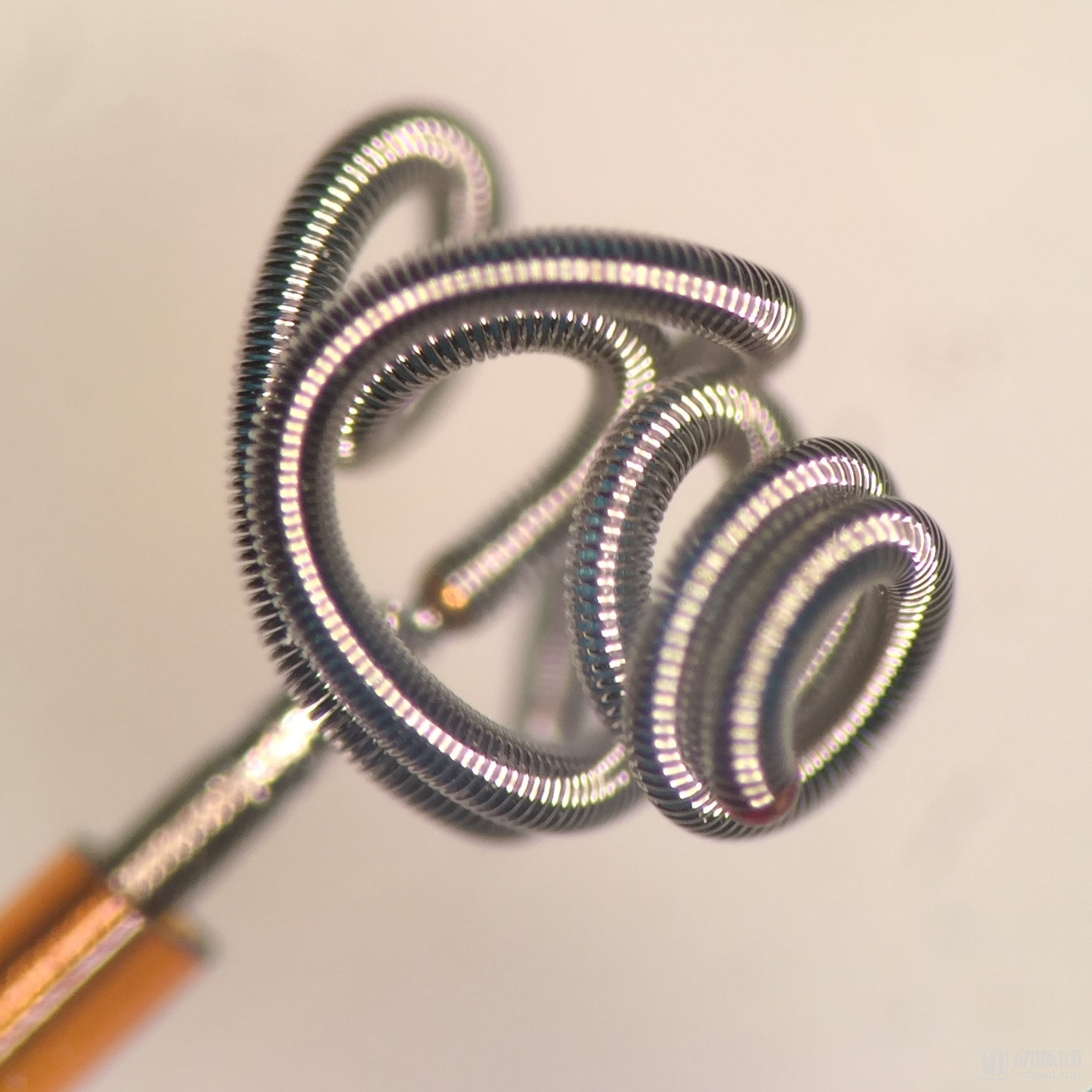
Schematic Diagram of Wallaby Medical’s Intracranial Aneurysm Embolization Coils (Image provided by the company)
Wallaby Medical places particular emphasis on key technologies such as delivery, packing, and finishing, striving to ensure its product performance surpasses that of comparable foreign products. Traditional intracranial coils require an external detachment device, whereas Wallaby Medical’s coils can be released with a simple folding motion. Furthermore, the finishing loop of Wallaby Medical’s intracranial coils is wound with the thinnest platinum wire available in the industry, earning them recognition as the softest coils on the market.
In its early startup phase, Wallaby Medical faced tight funding constraints while simultaneously needing to achieve rapid growth. Although the company’s U.S.-based R&D center possessed internationally competitive product development capabilities, its primary target market was China. Given the significant differences in regulatory registration requirements for coil systems between the United States and China, there was an opportunity for Wallaby Medical to obtain FDA clearance for its coil system in the U.S. first. This presented a highly challenging decision for a completely new startup, sparking intense debate among the founders. Ultimately, pursuing an internationalization strategy became a core strategic direction that Wallaby Medical remained committed to.
After a series of efforts, Wallaby Medical successfully obtained U.S. FDA marketing clearance in May 2018 and officially launched its products for sale in the United States in August 2019. American physicians have highly recognized the performance of Wallaby Medical’s products after using them. Anmuke stated, “We are very pleased to use coils manufactured in China to treat patients in the United States, which imbues Wallaby Medical with a new dimension of value.”
Regarding the principles of product quality control, Amuk adheres to international standards. This commitment extends beyond mere textual requirements in system documentation to encompass a rigorous mindset and ideological adherence. Wallaby Medical boasts strong R&D capabilities and has been actively engaging in communication with Chinese clinicians to seek more opportunities for collaborative product development. Recognizing that many high-incidence diseases in Asia are relatively less common among Europeans and Americans, Wallaby Medical is keen on strengthening cooperation with Chinese doctors to research, develop, and manufacture more medical products tailored to the needs of the Asian population. Following certification in the United States, Wallaby Medical will strive to obtain NMPA approval in China as soon as possible and rapidly enter the Chinese market.
In addition to its coil products for hemorrhagic stroke, Amuke revealed to reporters that Wallaby Medical is developing a new product line of devices for ischemic stroke, with one product already completed and currently undergoing various registration processes.
Regarding its business model, Wallaby Medical will adopt a collaborative sales approach that better aligns with market trends in China. In terms of financing, the company has completed its Series A and Series B funding rounds and has currently initiated its Series C funding round.