

Huiying Medical's AI-Powered Lung Cancer Screening Platform Achieves 50% Cost Reduction, Enters Scalable Deployment Phase

HY Medical
Provider of Medical Imaging and Oncology Radiotherapy Platforms
Lung cancer is the most common malignant tumor in the world, and also ranks# Firstof tumor-related causes of death.
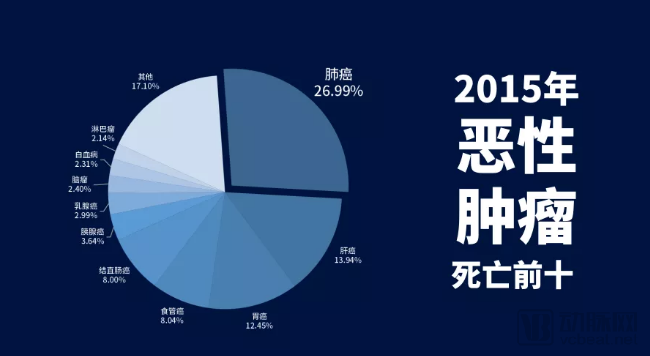
According to data from the National Cancer Registry Center, in 2015, China had 4.3 million new cancer cases and 2.81 million cancer deaths annually, with an average dailyOver 10,000 peopleDiagnosed with cancer, on average per dayOver 7,500 peopleDeath from cancer. Annual medical expenditures caused by malignant tumorsOver 220 billion, the prevention and control situation is severe.
Among all malignant tumors,Lung cancer has the highest incidence rate.
Ranked by number of deaths, lung cancer is the leading malignant tumor in China.Leading Cause of Death.
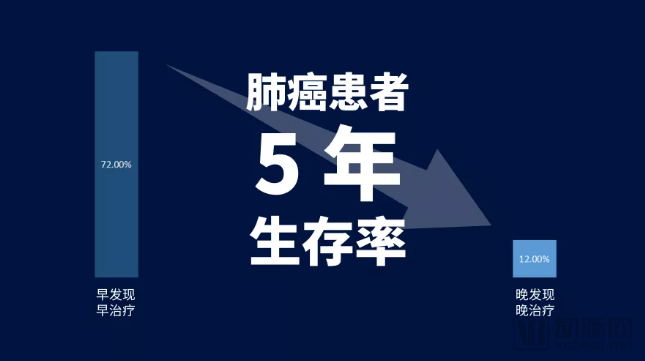
In the treatment of lung cancer, although medical technology is advancing rapidly,The 5-year survival rate for patients with advanced-stage disease has only increased from 4% to 12%., existing anti-tumor drugs can only serve to control the disease. However, forFor patients with stage I disease, the 5-year postoperative survival rate is as high as 60–72%.
The vast majority of patients with early-stage lung cancer are asymptomatic or present with only mild symptoms, which delays early detection after disease onset, causes them to miss the optimal window for treatment, and results in persistently high mortality rates.Early Detection and Early Surgery for Lung Cancer Are the Most Effective Methods to Reduce Lung Cancer Mortality.
Tens of millions of families in China are affected by cancer. It is essential to implement a national cancer prevention and control initiative, advance preventive screening, early diagnosis and treatment, and key scientific research breakthroughs, with a focused effort on alleviating critical public livelihood concerns.
——2019 Report on the Work of the Government
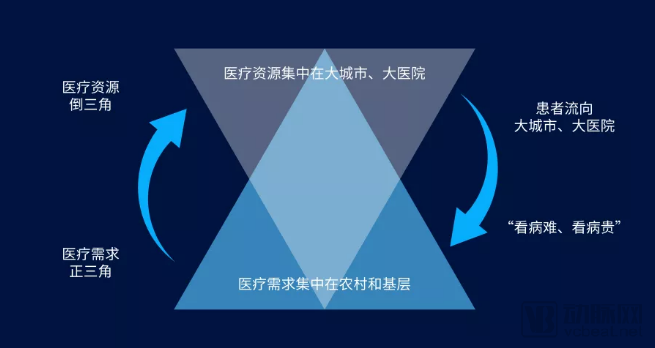
The widespread adoption of early cancer screening faces the practical challenge of scarce medical resources,The development, integration, and maturation of artificial intelligence and related technologies have provided a significant impetus for the promotion of early lung cancer screening.

“Observing the development of AI, we can divide it into two stages. The first is AI 1.0 (the research and teaching stage), which focuses on R&D optimization and product refinement. Due to factors such as insufficient product quality and poor practical applicability, user acceptance was relatively low. As a result, AI in the 1.0 stage was rarely used in real-world applications and generated almost no purchases.”
Following preliminary education, user acceptance of AI has increased. With the emergence of true product-grade applications that help users solve practical problems, technological integration is breaking down implementation barriers to enable rapid commercialization and replication. This marks the arrival of AI Implementation 2.0 (the Product Application Phase).”
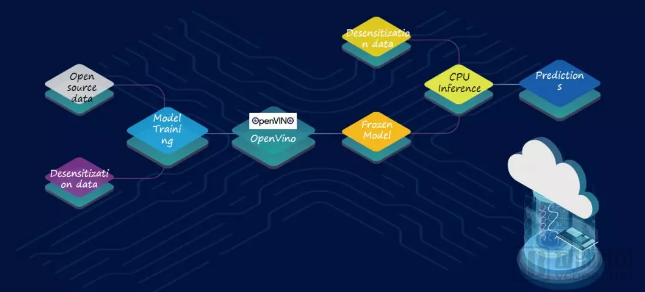
HY Medical’s new-generation “Dr. Turing CT Lung Cancer Intelligent Edge-Cloud Collaborative Solution” pioneers the integration of edge-cloud computing technology, reducing costs by 50% while enabling faster and more accurate assisted diagnosis. It breaks down barriers to AI adoption and implementation, bringing AI to its true users and those in need, addressing the fundamental shortage of diagnostic capabilities at the primary care level, and becomingThe first lung cancer screening product to enter the AI Implementation 2.0 phase.
Pulmonary nodules are minute in size and can be easily confused with other tissues on imaging, thereby affecting clinical judgment. Enhancing the coverage and efficiency of early lung cancer screening is crucial for prolonging patient survival. The principle of “early detection, early diagnosis, and early treatment” not only improves cure and survival rates but also enhances patients’ quality of life. Early diagnosis and treatment alleviate the substantial financial burden on families by avoiding the high medical costs associated with advanced-stage lung cancer care.

Looking ahead, HY Medical aims to deliver inclusive and universally applicable AI solutions deeper into grassroots healthcare settings through its comprehensive smart imaging solutions. By connecting hospitals at all levels and bridging clinical practice with scientific research, the company seeks to address real-world challenges in medical imaging on a broader scale. On the path of fighting diseases, HY Medical remains committed to relentless progress and perseverance.