Home Chinese MedTech Giant Takes on Global Valve Leader: A Decade-Long Patent Battle Comes to a Head

Chinese MedTech Giant Takes on Global Valve Leader: A Decade-Long Patent Battle Comes to a Head

Jan 19, 2026 08:00 CST Updated 08:00

Cardiovalve

Transfemoral Mitral Valve Replacement System Developer

Image
On January 14, 2026, U.S. time, Cardiovalve, a subsidiary of Hangzhou Qiming Medical, together with MTH IP, L.P., filed a patent infringement lawsuit against Edwards, a global leader in heart valves, at the U.S. District Court for the District of Delaware. This case did not erupt by chance but represents an industry contest that has undergone more than a decade of technological layout and five years of legal battles. It is also a milestone event in the globalization process of China's medical device enterprises, where intellectual property serves as a spear in international competition.
Cardiovalve、Edwards,及器械创新的一些思考

01
Timeline Review: The Complete Game from Technical Foundation to Active Counterattack

At the core of this offensive and defensive battle lies a hard-core patent that has withstood rigorous tests, with a timeline clearly outlining the strategic confrontation trajectory of both parties.
2011: Technology Layout, Patent Foundation
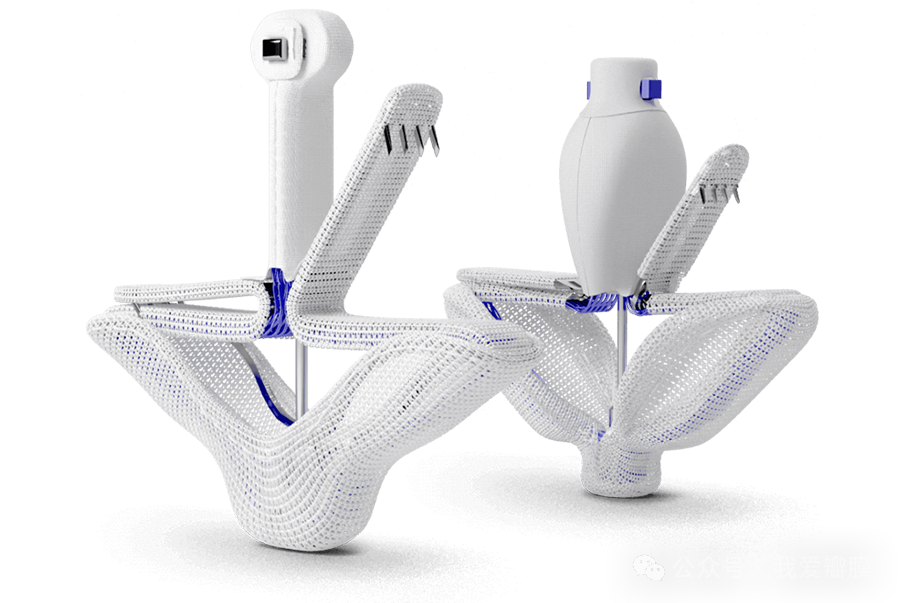
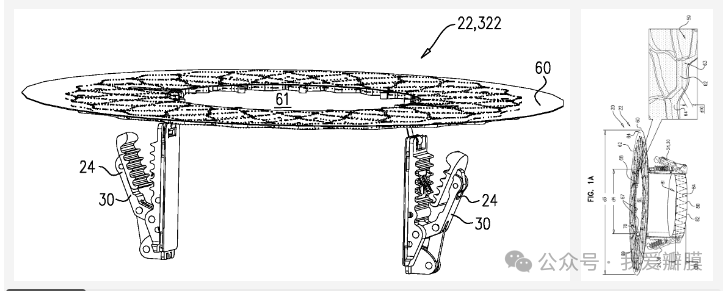
The core US’385 patent (U.S. Patent No. 10,702,385, titled "Cardiac Valve Implant") in this case traces its earliest priority application back to 2011. The patent covers innovative technologies for transcatheter artificial heart valve clipping and support structures. With a unique dual-clip independent control system, it enables minimally invasive and precise repair of mitral and tricuspid valves, laying a solid technical foundation for subsequent intellectual property competition.
Image
At that time, Cardiovalve (later fully acquired by Venus Medtech) had already initiated a forward-looking patent layout. This patent family eventually resulted in dozens of authorized U.S. patents, showcasing its technical foresight and continuous innovation capability in the transcatheter valve field. After the acquisition, Cardiovalve also completed Venus Medtech's "four-leaflet integration" strategy by filling the product matrix in the mitral and tricuspid valve areas, becoming the core of the company’s second growth curve.
Remarks:Forward-looking Patent LayoutIs based on the enterprise'sTechnology development trends, market demand changes, and the evolution of the competitive landscapeThe prediction, strategic behavior of applying for patents and making arrangements in advance in technology fields and market areas that may become core in the future, with the core idea being "Plan for what is needed in the future, starting now."`, aiming to build long-term competitive advantages, form technical barriers, and grasp the industry discourse power.
June 2021 - 2025: Giant Provocation, Passive Defense
With the rise of Edwards' PASCAL product, its conflict with Cardiovalve's patented technology has become increasingly prominent. To clear market obstacles, Edwards took the initiative to launch a legal challenge, sparking a four-year battle over patent validity.
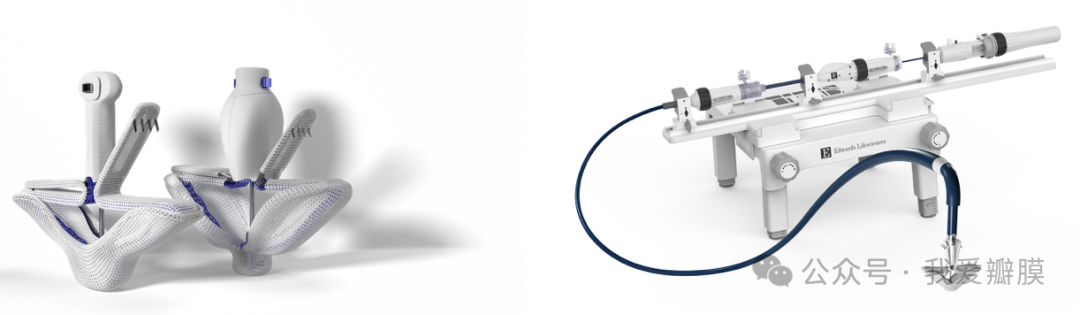
The PASCAL Precision system | Edwards Lifesciences

In 2021: Edwards initiated an Inter Partes Review (IPR) proceeding before the Patent Trial and Appeal Board (PTAB) of the United States Patent and Trademark Office, attempting to invalidate the US’385 patent and fundamentally negate legal protection for the technology.
Image
December 2022: After a rigorous review, the PTAB made a final decision upholding the validity of the amended claims of US’385 patent. Edwards' first challenge declared failure, and Cardiovalve passively gained an initial victory in defense.
June 2025: Edwards appealed the decision to the United States Court of Appeals for the Federal Circuit (CAFC), still attempting to overturn the conclusion, but was ultimately rejected by the CAFC. At this point, the rights foundation of US’385 patent was completely stabilized, clearing legal obstacles for subsequent proactive counterattacks.
The Focus of This Patent War is CardiovalveValve Anchoring and Delivery SystemInnovative design. This technology addresses the industry pain points of "difficult positioning, difficult fixation, and difficult reflux control" in mitral and tricuspid valve replacement, and is considered a "disruptive breakthrough" in the treatment of structural heart disease.
Edward Attempts to Block Qiming's Entry into the Global Mitral and Tricuspid Valve Market Through Patent Invalidation — A Market Exceeding$10 billionAnd a rapidly growing blue ocean track, which is also a field where Edwards has not yet formed an absolute monopoly.
Image

July 2025 - January 2026: Strategic Transformation, Taking the Initiative
After winning the patent validity lawsuit, Venus Medtech and Cardiovalve have shifted their strategic posture from passive defense to active offense, with their own business progress adding confidence to the protection of rights.
July 2025: Venus Medtech officially announced a complete victory in all legal challenges, solidifying its patent rights foundation. During the same period, Cardiovalve completed the pivotal clinical enrollment of 150 patients for CE registration and submitted the registration application, transitioning from a "potential project" to a "revenue-generating project," further highlighting the commercial value of intellectual property protection.
January 14, 2026 (U.S. time): Cardiovalve and MTH IP, L.P. jointly filed a patent infringement lawsuit (Case No. 1:26-cv-00037), accusing Edwards' PASCAL Precision Transcatheter Valve Repair System (including PASCAL and PASCAL Ace implants) of infringing on US’385 patent, officially launching the proactive rights protection battle of China-produced innovations against international giants.
爱德华PASCAL Precision经导管瓣膜修复系统登陆香港

02
Focus Analysis: The "Blockbuster Product" in the Spotlight and Strategic Intent

Product Involved in the Lawsuit: Edwards' Growth Engine
PASCAL has become the core of litigation due to its strong market performance and strategic position. Over the past three years, the global sales revenue of PASCAL’s TMTT (Transcatheter Mitral and Tricuspid Therapies) division has maintained a year-over-year (YOY) growth rate exceeding 50%. Currently, its annual sales have reached hundreds of millions of dollars, and it is projected that by 2025, the division's sales will reach $550 million. PASCAL is expected to surpass $1 billion in sales, becoming the core driver of Edwards' revenue growth and a strategic cornerstone for maintaining its leadership in the structural heart disease field. This is precisely why Edwards was eager to invalidate the US’385 patent years ago.
From Defense to Offense: The Maturity and Upgrade of Intellectual Property Strategy
The core strategic significance of this lawsuit lies in the shift of Qiming Medical's intellectual property utilization from "defense" to "offense." Daring to confront international leaders head-on demonstrates both its technical confidence in the transcatheter valve field and its determination to use international rules to protect its achievements.
Based on industry precedents, in 2019 Abbott sued Edwards' PASCAL system over a patent related to TEER technology. The two parties eventually reached a settlement in 2020, with Edwards paying a substantial licensing fee for market access, forming a duopoly-dominated landscape. Approximately 95% of U.S. patent litigations end in settlement, and the essence of this lawsuit is also a critical part of commercial competition, laying the groundwork for subsequent licensing, cooperation, and other business negotiations. It represents an important step in Venus MedTech's global intellectual property strategy.

03
Future Trends and Industry Insights: A New Paradigm for Chinese Medical Devices "Going Global"

Potential Impact of Litigation: Reshaping the Market Competition Landscape
This case is likely to have two subsequent outcomes, both of which will have a profound impact: one is that if the court determines Edwards intentionally infringed, it may face substantial compensation based on enormous sales, while Qiming Medical establishes patent authority in the TEER field; the other, more probable outcome is reaching a global settlement and patent licensing agreement, where Qiming Medical secures a stable cash flow, gains international recognition for its technological value, drives the transformation of domestically produced technology from "challenger" to "rule participant," and reshapes the global TEER market landscape.
Three Insights from the "Going Overseas" of Chinese Medical Devices
This multi-year game has provided core guidance for the globalization of China's medical device enterprises:
Innovation is fundamental: The confidence in patent litigation stems from original core technologies. Continuous investment in R&D and the construction of a solid patent barrier are the foundation of a company's internationalization.
Intellectual Property is a Weapon: In global competition, intellectual property is a comprehensive weapon that spans law, technology, and commerce. It requires establishing a forward-looking global layout and proactively using litigation tools to protect rights.
Strategy is the blueprint: Intellectual property work needs to be deeply integrated into research and development, commerce, and market expansion, forming a full-chain strategic layout from mining, application to operation and rights protection.
The lawsuit filed by Venus Medtech against Edwards has long surpassed the scope of a single legal dispute, serving as a clear signal of the rise of China's high-end medical device innovation capabilities. It signifies that domestically produced devices are steadily advancing from being technology followers and market participants to becoming global rule users and value definers. We will continue to monitor the progress of the case, looking forward to Venus Medtech writing a more significant chapter in the globalization journey of China’s high-end medical device industry.