

Wuxi International Life Science Innovation Park: A Differentiated Strategy with Over Half Overseas Med-Tech Startups

AstraZeneca Investment China
Pharmaceutical Manufacturer

Semantic Hub
Medical Data Analysis Company

Tricog Health
Emergency Cardiac Equipment Developer

ClearSky Medical Diagnostics
Developer and Manufacturer of Medical Devices for the Diagnosis and Monitoring of Neurodegenerative Diseases

Tigermed
Biopharmaceutical R&D Service Provider
At the Boao Forum for Asia Annual Conference 2019, held nearly six months ago, Wuxi High-Tech Zone signed a strategic cooperation memorandum with AstraZeneca, the multinational pharmaceutical giant, officially announcing that AstraZeneca would collaborate with the Wuxi Municipal Government and Wuxi High-Tech Zone to jointly establish the Wuxi International Life Science Innovation Park (i·Campus).
The park’s primary mission is to “build an incubation and innovation platform for startups at home and abroad, integrating early-stage R&D in the life sciences, innovative incubation, achievement commercialization, intelligent showcases, and professional services.” However, there remains considerable room for effort between the memorandum stage and actual implementation.
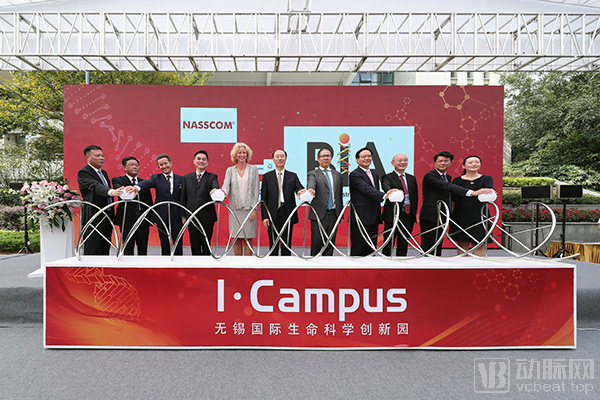
In just six months, Wuxi and AstraZeneca turned a vision on paper into reality—though this is only the beginning. On September 7, 2019, during the 2019 World Internet of Things Exposition in Wuxi, the Wuxi International Life Science Innovation Park held its opening ceremony and officially signed agreements with the first batch of 10 enterprises.
Interestingly, unlike the domestic life science parks we have seen in the past, the enterprises settled in the Innovation Park indeed embody both “international” and “innovation” elements—more than half of them are overseas medical innovation companies. VCBeat (WeChat ID: vcbeat) believes that the Wuxi International Life Science Innovation Park has indeed set a precedent in China and may lead a future direction.
Innovation Is the Future of Wuxi’s Healthcare Industry
Since its inception, the life sciences-driven health industry has been regarded as “humanity’s perennial sunrise industry.” To date, it has become one of the largest industries globally and one of the fastest-growing sectors worldwide.
According to the "Analysis Report on the Development Status of China's Biopharmaceutical Industrial Parks in 2018" released by the China National Center for Biotechnology Development, the total output value of China's biopharmaceutical industry in 2017 was approximately RMB 3.8 trillion, accounting for 4.6% of the national GDP of RMB 82.7 trillion for that year. Even if the output value of health-related industries not included in the statistics were added, it would by no means exceed 10% of the GDP for that year. In contrast, in developed countries, the proportion of the health industry's output value to GDP even exceeds 15%. Therefore, the health industry holds immense potential in China. In October 2016, the "Outline of the 'Healthy China 2030' Plan" explicitly stated that the total scale of the health service industry should exceed RMB 8 trillion by 2020 and RMB 16 trillion by 2030. It is an undisputed fact that "Healthy China" has become a key driver for the development of China's medical and health industry.
For this reason, regions with the necessary conditions have prioritized the development of life science parks as a key focus of future industrial restructuring. Statistics show that by the end of 2017, the number of biomedical industrial parks in China had reached 450, primarily concentrated in the Yangtze River Delta, the Bohai Rim, and the Pearl River Delta. Among these, the Yangtze River Delta region, where Wuxi is located, accounted for 33% of the national total, representing the largest share.
However, the high degree of homogeneity among life science parks in China is a widespread phenomenon. Whether in terms of park planning or policies for industrial development and investment attraction, there are no substantial differences among parks across various regions. The distinctions between them are primarily reflected in the magnitude of preferential incentives, leading to a “price competition” in policies. In the long run, such homogeneous development will result in overcapacity, low-level competition, and diminished regional competitiveness, thereby undermining the sustainable and healthy growth of these parks.
In the first half of 2019, Wuxi’s GDP ranked 13th nationwide, while its per capita GDP ranked second in China, trailing only Shenzhen. The development of the pharmaceutical industry has made a significant contribution to this achievement. Currently, there are four biotechnology parks in Wuxi: Mashan Life Science Park, Xinwu District Life Science Park, Huishan Life Science Park, and Jiangyin Biopharmaceutical Industrial Park. In 2018, Wuxi’s biopharmaceutical industry achieved an output value of RMB 68 billion, with an average annual growth rate of 13%. Given Wuxi’s extremely limited land resources and restrictions imposed by environmental protection policies around Taihu Lake, attaining such results is particularly remarkable.
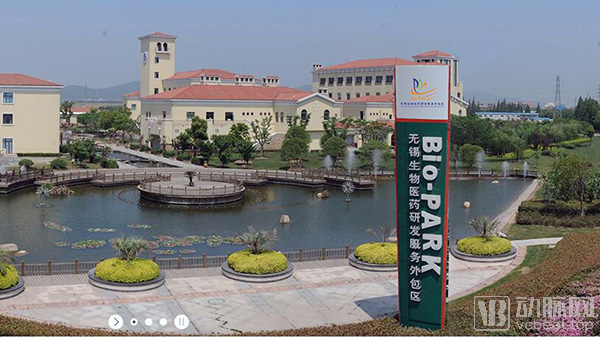
However, Wuxi is surrounded by formidable competitors, making the competitive landscape exceptionally fierce. Public data indicates that Jiangsu Province has eight major pharmaceutical clusters located in Taizhou, Xuzhou, Lianyungang, Nanjing, Nantong, Suzhou, Changzhou, and Wuxi. These clusters concentrate over 80% of the province's biopharmaceutical enterprises and account for more than 95% of its total output value. Notably, the Suzhou BioBAY, adjacent to Wuxi, achieved an output value of RMB 78 billion in 2018, placing it in the first tier of China's biotechnology industry. The nearby Taizhou Medical High-Tech Zone, as China's first national-level high-tech zone dedicated to pharmaceuticals and the only one jointly established by a national ministry and a provincial government, closely follows the first tier among biomedical parks nationwide.
Like sailing against the current, failing to advance means falling behind. Homogenized competition is not the way forward for Wuxi’s future. To stand out in this competitive landscape, it has become imperative for Wuxi to build distinctive industrial parks through innovation.
Why AstraZeneca?
When it comes to innovation, no one in the pharmaceutical industry has more authority to speak than AstraZeneca. This globally renowned pharmaceutical company entered the Chinese market as early as 1993, earning its reputation as “an old friend of the Chinese people.” In 2014, Wang Lei, who had joined AstraZeneca just one year prior, was promoted from Vice President of the Gastrointestinal, Respiratory, and Anesthesia Business Unit in China to President of AstraZeneca China. Under his leadership, AstraZeneca China experienced rapid growth, swiftly becoming AstraZeneca’s second-largest market globally. AstraZeneca China also emerged as the second-largest multinational pharmaceutical company in China’s prescription drug market and the fastest-growing multinational pharmaceutical company in the country. Thanks to these outstanding achievements, Wang Lei was promoted in January 2017 to Executive Vice President of AstraZeneca globally, as well as President of the Asia-Pacific region and China. Just a few months later, he was further promoted to Executive Vice President of AstraZeneca globally, with responsibility for International Operations and China, setting a new record for the highest position attained by a local manager within the management hierarchy of a multinational pharmaceutical company. In 2018, AstraZeneca China achieved sales revenue of $3.8 billion, accounting for 17% of the company’s total global revenue of $22.1 billion.
Wuxi is a key component of AstraZeneca’s global footprint. As early as April 2001, AstraZeneca invested $134 million to establish its Wuxi Supply Base. Over the past two decades, AstraZeneca’s operations in the Wuxi High-Tech Zone have continuously expanded: it established its China Sales Headquarters, and successively set up institutions such as the China Logistics Center, the China Health IoT Innovation Center, and the New Drug Development and Supply Building. In 2017, it formed a joint venture with SDIC Innovation Investment Management Co., Ltd. to establish Dizal (Jiangsu) Pharmaceutical Co., Ltd. In 2018, AstraZeneca paid RMB 2.896 billion in taxes in Wuxi, topping the city’s Top 100 Taxpayers list for the first time. By comparison, although another multinational pharmaceutical giant, Pfizer, also has a presence in Wuxi, it merely uses the city as a production base for anti-tumor drugs, which is not comparable to AstraZeneca’s extensive strategic layout in Wuxi.
AstraZeneca’s exceptionally high growth rate in recent years is attributable not only to the strong performance of its oncology and respiratory products but also significantly to innovations in its business model. AstraZeneca continues to push the boundaries of its business model, actively building a diversified innovation platform with the aim of transforming from a traditional pharmaceutical company into an innovative healthcare platform enterprise.
Leveraging Wuxi’s robust foundation as a pioneer in the Internet of Things (IoT) sector, AstraZeneca began exploring the integration of IoT to build systemic engineering solutions for whole-disease management in 2014. In 2017, the AstraZeneca China Health IoT Innovation Center was launched in Wuxi. To date, AstraZeneca has developed 14 innovative integrated diagnosis and treatment solutions for whole-disease management, including the Chest Pain Center, National Standardized Metabolic Disease Management Center, Integrated Lung Cancer Diagnosis and Treatment Center, Smart Nebulization Center, Integrated Prostate Cancer Diagnosis and Treatment Center, Department of Respiratory and Critical Care Medicine, Gastrointestinal Tumor Prevention and Treatment Center, and Smart Community Chronic Disease Management Center, covering multiple key therapeutic areas. These commercial innovations comprehensively demonstrate the achievements of cross-sector collaboration in health IoT and whole-disease management solutions, perfectly embodying AstraZeneca’s principle of breaking down broad strategic directions into specific diseases, scaling up individual disease-focused initiatives, specializing and refining approaches for single diseases, and implementing solutions on a disease-by-disease basis.
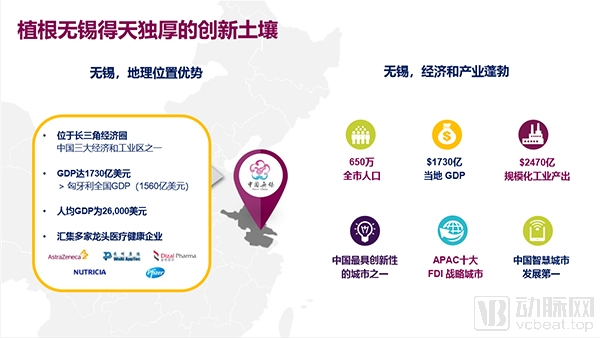
AstraZeneca’s outstanding performance in innovation, its years of deep-rooted presence in Wuxi, and its “patient-centric” philosophy have made it the undisputed choice for Wuxi as the city builds a future-oriented life sciences park with distinctive features.
For AstraZeneca, Wuxi is also the most suitable partner. Ms. Xu Jing, Vice President of AstraZeneca China and Head of Digitalization and Business Innovation, mentioned four key reasons for collaborating with Wuxi in an interview: First, AstraZeneca has been deeply rooted in Wuxi for many years, fostering a strong mutual bond; second, Wuxi is geographically advantaged as it lies at the center of the Yangtze River Delta; third, from an economic perspective, Wuxi’s per capita GDP ranks second nationwide, just behind Shenzhen; and finally, Wuxi is a leading hub for China’s Internet of Things (IoT) industry, which helps drive cross-industry innovation.
From both an emotional and rational perspective, the handshake between Wuxi and AstraZeneca is a natural progression.
The “Wuxi Model” of Life Science Park
Unlike other life science parks that strive to compete through scale, the Wuxi International Life Science Innovation Park aims to build an integrated incubation and innovation platform for domestic and foreign innovative companies, covering early-stage R&D, innovation incubation, achievement transformation, intelligent demonstration, and professional services in the life sciences sector. With a planned core R&D area of 300,000 square meters, the park embodies a “small but beautiful” philosophy. A distinctive feature of the park is its ability to attract start-ups in the global life sciences sector by leveraging AstraZeneca’s worldwide innovation network.
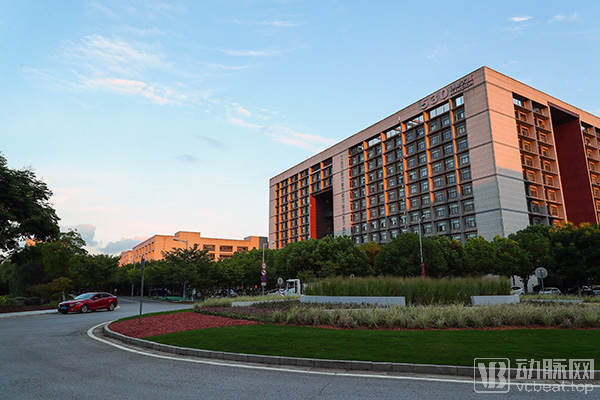
Among the first ten companies to settle in the Wuxi International Life Science Innovation Park, apart from the well-known Japanese medical device giant Omron, Shanghai-based Duoning Biologics, and two service providers for park enterprises, the other six are innovative firms from various countries and regions around the world. According to reports, more foreign innovative enterprises have expressed interest in settling in the park but were unable to join the initial cohort due to timing constraints. They also visited Wuxi during the 2019 World Internet of Things Expo recently held in the city to prepare for their subsequent relocation.
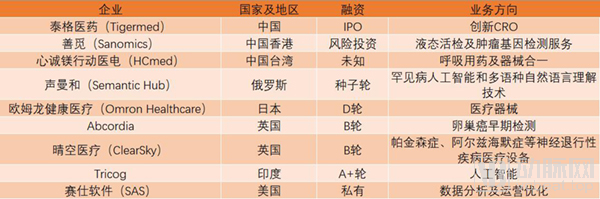
Based on the park vision shared by Ms. Xu Jing, the Innovation Park plans to introduce 50 startups from various countries and regions by 2022 and attract 300 top-tier industry talents. Wuxi City also aims to further develop the Innovation Park into an influential international innovation industrial park at the intersection of the “Belt and Road” Initiative, attracting high-caliber scientific and technological talent and project resources from both domestic and overseas markets to jointly build an international life sciences industry cluster.
So, why does the Wuxi International Life Science Innovation Park focus its primary objectives on foreign medical innovation enterprises? Ms. Xu Jing elaborated from the perspective of innovation. She stated that AstraZeneca is a global company that hopes to attract more enterprises from around the world to enter China through this incubation platform, thereby truly realizing the vision of leveraging global wisdom to serve Chinese patients. “Innovation knows no geographical boundaries; technological and conceptual innovations can transcend such borders. We hope to seize this opportunity to help these global startups launch and succeed in China, enabling Chinese patients to share in the benefits brought by innovation,” she said.
Zhu Xiaohong, Deputy Director of the Wuxi High-Tech Zone Administrative Committee and Deputy District Mayor of Xinwu District, noted that China still lags behind Europe and North America in both clinical diagnosis and treatment capabilities and pharmaceutical standards. However, due to challenges related to clinical trials, regulatory approval, and market promotion, it is extremely difficult for high-quality small and medium-sized foreign enterprises to enter the Chinese market. The industrial park aims to leverage the collaboration between AstraZeneca and the government to provide convenient services and a favorable business environment for these startups.
To facilitate the onboarding of overseas innovative enterprises, the Wuxi International Life Science Innovation Park has introduced Hangzhou Tigermed Consulting Co., Ltd., a renowned industry leader acclaimed as an “innovative clinical CRO.” As a contract research organization (CRO) specializing in providing comprehensive professional services for clinical trials throughout the pharmaceutical product development process, Tigermed has successfully delivered over 1,000 clinical trial services to more than 600 clients worldwide, including more than 150 clinical trials for innovative drugs in China. The presence of Tigermed enables the park’s enterprises to access clinical services, thereby reducing R&D risks, cutting R&D costs, and accelerating the marketization of their products.
Subsequently, once these companies’ products have obtained clinical certification and regulatory approval, they can be promoted and implemented in healthcare institutions to serve patients through the integration capabilities of the AstraZeneca Business Innovation Center. Furthermore, solutions such as commercial collaboration platforms, capital introduction, and initial public offerings are provided, thereby covering the entire process from early-stage R&D, innovation incubation, and technology transfer to commercial operations. This constitutes the architectural design of the Wuxi Life Science Innovation Park. “From Shanghai to Nanjing, every city has its own life science park. We aim for Wuxi to establish a distinctive Life Science Innovation Park dedicated to serving patients across China,” stated Zhu Xiaohong, Deputy District Mayor, expressing strong confidence in creating the “Wuxi Model” for the life science park.
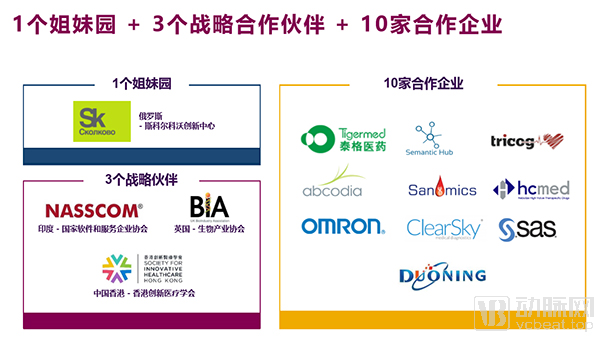
Meanwhile, AstraZeneca has also contributed its global innovation network to facilitate exchanges and collaboration between the park and other international innovation platforms, fostering joint progress. Currently, the park has signed a sister-park cooperation agreement with the Skolkovo Innovation Center in Russia and established strategic partnerships with industry associations such as the UK BioIndustry Association, the Hong Kong Society for Innovative Medicine, and India’s National Association of Software and Service Companies (NASSCOM).
# Final Thoughts
Unlike other government-led life science parks, the Wuxi International Life Science Innovation Park is the first to be co-developed by leading multinational life sciences enterprises and the government, featuring distinct internationalization and innovation characteristics. Seizing the strategic opportunities presented by the rapid growth of China’s health industry, this park has the potential to break the current mold of homogenized life science parks and establish an innovative ecosystem for the healthcare industry with significant sector-wide influence. In the future, the vision of “harnessing global wisdom to advance health in China” will be more than just a slogan.
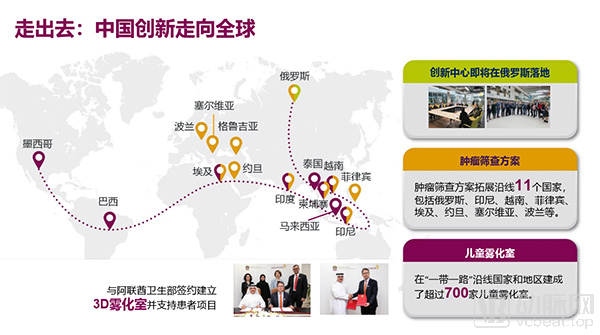
Moreover, the future vision for this international innovation park extends far beyond its current scope. Both Wuxi City and AstraZeneca have expressed their hope that, through the exploration of this model, they can achieve a transition from “bringing in” to “going global.” This will begin with the establishment of innovation centers in countries and regions along the Belt and Road Initiative, followed by the replication of the “Wuxi Model” life science parks, ultimately creating a vast ecosystem. This effort will further advance the globalization of China’s healthcare sector and unlock greater industry potential. VCBeat will continue to closely monitor these developments.
References
Firestone Creation: Insight | Analysis of the Current Development Status of Jiangsu Province's Biopharmaceutical Industry
Wuxi Daily: Top 100 Tax-Paying Enterprises in Wuxi for 2018 Announced, with Strong Momentum from Headquarters Economy