Rendion Medicine's Satellite Symposium at CSCO 2019 Concludes Successfully with Launch of Largest Cohort Studies and Latest Precision Oncology Findings
Gloriousmed
Provider of Comprehensive Genetic Testing Solutions
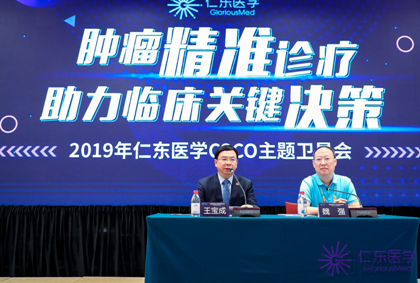
The arrival of golden September ushered in the annual CSCO Academic Conference. From September 18 to 22, 2019, the 22nd National Clinical Oncology Conference and the 2019 CSCO Academic Conference were held as scheduled in the beautiful city of Xiamen. On the evening of September 19, from 19:30 to 21:00, Gloriousmed hosted a satellite symposium themed “Precision Diagnosis and Treatment of Tumors: Supporting Key Clinical Decisions,” which attracted widespread attention from experts and scholars across industry, academia, and research.
This satellite symposium specially invited President Wang Baocheng of the 960th Hospital of the People's Liberation Army and Professor Wei Qiang of West China Hospital, Sichuan University, to serve as chairpersons. At the opening, President Wang stated in his address that immunotherapy is a core theme of this year’s CSCO Annual Meeting, while targeted therapy and genetic testing have also become hot topics. From 2018 to 2019, Gloriousmed expanded its focus from precision immuno-oncology to precision diagnosis and treatment for specific cancer subtypes, and from facilitating clinical translation to supporting clinical decision-making. Over the past year, Gloriousmed has made significant efforts. Today’s satellite symposium has also invited authoritative experts from various fields to deliver four thematic presentations, sharing findings from the largest cohorts and the latest research.
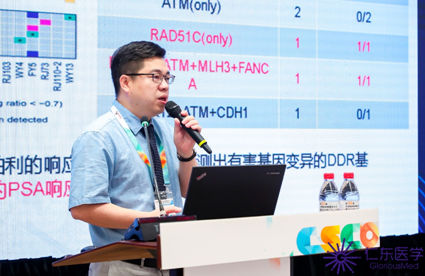
First, Professor Dong Bojun from the team of Professor Xue Wei at Renji Hospital, Shanghai Jiao Tong University School of Medicine, shared insights on “The Application of Precision Therapy in Urologic Oncology.” Professor Dong pointed out that the core of precision therapy is to provide the right treatment to the right patient at the right time, based on each patient’s individual molecular and clinical characteristics.
Subsequently, Professor Dong shared insights on the current status of precision diagnosis and treatment for prostate cancer, urothelial carcinoma, and renal cell carcinoma. He stated that the ongoing research project on precision diagnosis and treatment of prostate cancer, conducted in collaboration between Renji Hospital and Gloriousmed, has essentially achieved comprehensive coverage of the entire prostate cancer treatment continuum. Future directions in precision therapy will inevitably rely on targeted therapy and immunotherapy. We should actively seek molecular biomarkers capable of effectively predicting the efficacy of immunotherapy, explore immunotherapeutic strategies with higher specificity and fewer adverse reactions, and leverage more combination regimens integrating immunotherapy with other modalities to bring about new breakthroughs in the management of urologic oncology.
Next, Professor Xing Baocai from Peking University Cancer Hospital shared his insights on “Research Progress of ctDNA in the Diagnosis and Treatment of Colorectal Cancer Liver Metastases.” Professor Xing first introduced the significance of ctDNA testing and the current research landscape in the field of colorectal cancer liver metastases. He then presented preliminary findings from retrospective and prospective studies conducted at Peking University Cancer Hospital, along with a typical case study applying ctDNA testing. Professor Xing pointed out that colorectal cancer liver metastases require individualized precision treatment, and dynamic genetic testing facilitates the selection of personalized therapeutic strategies. ctDNA testing demonstrates high concordance with tumor tissue testing. Baseline ctDNA levels may predict prognosis in patients with liver metastases, changes in ctDNA may predict patient response to chemotherapy, and postoperative ctDNA levels may serve as a predictor of disease recurrence. Further follow-up of large-cohort data on colorectal cancer liver metastases remains a key priority for future work, with anticipation of more new discoveries.
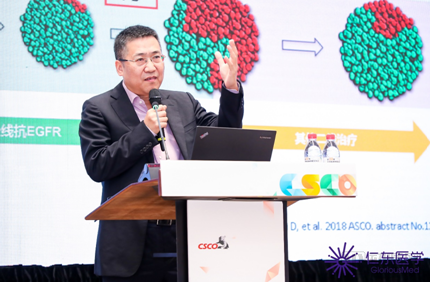
Subsequently, Professor Zhu Bo from Xinqiao Hospital of Army Medical University delivered a presentation titled “The Era of Immunotherapy: Current Status and Future of Neoantigen-Based Precision Prediction.” Professor Zhu presented clinical research data to illustrate the current role of PD-L1 expression and tumor mutational burden (TMB) as biomarkers. He further proposed that, in the era of immunotherapy, neoantigen-based precision prediction holds greater promise for future development. However, neoantigens face inherent challenges; factors such as the discrepancy between mutation count and neoantigen formation, neoantigen quality, loss of heterozygosity in MHC molecules, and the influence of the tumor microenvironment on T-cell responses are all critical considerations when using tumor neoantigen burden (TNB) to predict immunotherapeutic efficacy. Finally, Professor Zhu emphasized that neoantigens constitute the prerequisite and foundation of anti-tumor immunity. He also highlighted that his team has conducted a series of studies and explorations on new targets and neoantigen analysis, yielding preliminary data that are highly promising.
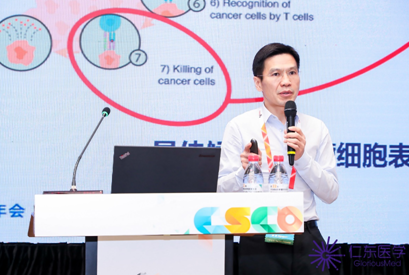
Finally, Dr. Zhao Guodong, CTO of Gloriousmed, delivered a special report titled “Multilayer Biomarkers Predict Responsiveness to ICIs——a stage report on ARK Project.” Dr. Zhao shared the latest research findings from Gloriousmed’s Ten-Thousand-Patient Tumor Immune Ark Project (ARK Project). He explored the correlation between multi-dimensional biomarkers and immunotherapy efficacy, covering aspects such as tumor heterogeneity, tumor microenvironment expression, DNA damage response (DDR), and mutations in related signaling pathways, while presenting relevant data. The study revealed that a combined prediction model based on multi-dimensional indicators—TMB + PD-L1 + MATH + pathway—achieved superior performance in predicting immunotherapy efficacy, with a positive predictive value (PPV) reaching 0.85. The Ark Project also showcased significant achievements in dynamic immune monitoring and neoantigen research. In conclusion, Dr. Zhao emphasized that Gloriousmed is an integrated diagnostic and therapeutic company centered on clinical needs. The company’s development has always been grounded in supporting key clinical decisions, and Gloriousmed remains committed to extensive collaboration with clinical practitioners to explore solutions for practical challenges encountered in clinical applications.
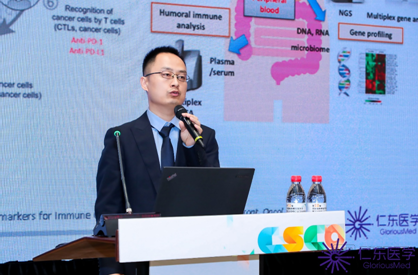
At the conclusion of the conference, President Wang Baocheng delivered the closing remarks. President Wang fully affirmed Gloriousmed’s work in precision diagnosis and treatment of tumors, stating, “By approaching from broader relevant perspectives, employing multi-omics analytical methods, and establishing multidimensional models, we can indeed achieve more effective prognostic stratification for patients. We also look forward to seeing Gloriousmed’s growing body of research and clinical achievements assist more experts and clinicians, thereby benefiting a greater number of cancer patients.”
With this, the Gloriousmed-themed satellite symposium, “Precision Oncology Diagnosis and Treatment: Empowering Key Clinical Decisions,” at the 2019 CSCO Annual Academic Conference has come to a successful conclusion. We thank you for your continued attention and support of Gloriousmed. We look forward to reuniting in 2020 for another autumn feast!
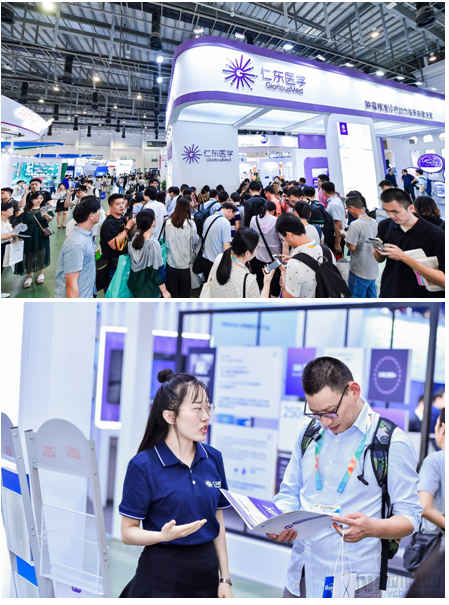
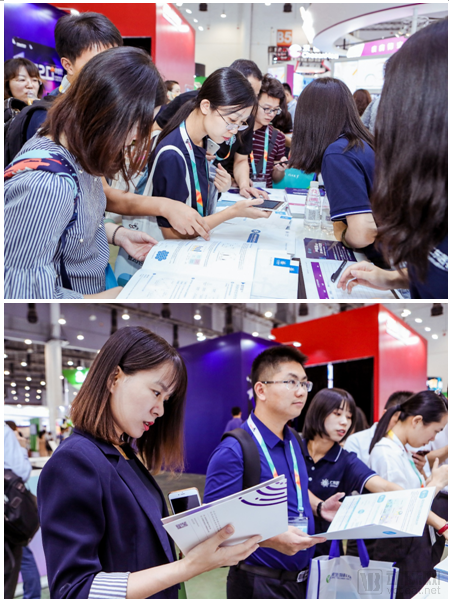
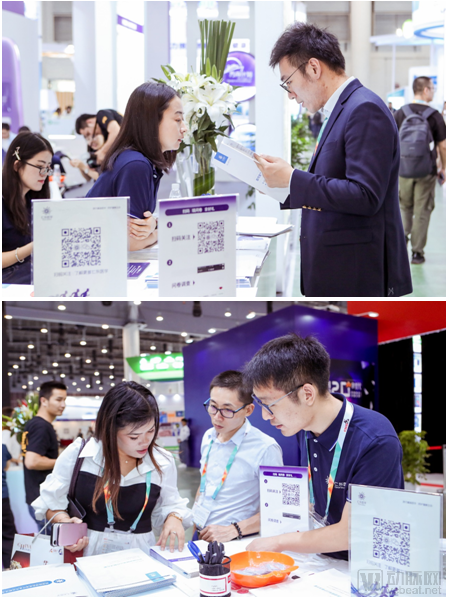
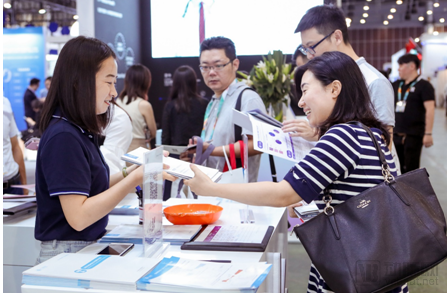
Finally, we present highlights from the Gloriousmed special exhibition. This year, we are showcasing our three flagship urologic oncology products—ProstateCare™, RenalCare™, and UroCare™—along with our immune-oncology series, ImmunoCare™. The exhibit also features a collection of achievements from the Ark Project and classic prostate cancer case studies. Visit the Gloriousmed booth at Hall B5, Booth T22. We look forward to seeing you there!
For more exciting content, please click: