

HeRui Genomics Announces Breakthrough Results from PreCar Prospective Clinical Study on Early-Stage Liver Cancer Screening at 2019 CSCO Satellite Symposium
As the largest academic conference in the field of oncology treatment in China, the CSCO Annual Meeting brings together leading oncology experts from home and abroad each year to engage in academic exchanges, share the latest research findings in oncology, and discuss optimized strategies for cancer diagnosis and treatment.
On September 19, 2019, Berry Oncology held the 2019 CSCO “Dreams Come True” thematic satellite symposium in Xiamen, where the project team unveiled the research findings of the PreCar ultra-early warning biomarker screening program for liver cancer and clinical studies based on large-panel testing.
The satellite symposium featured Academician Wang Hongyang from the National Center for Liver Cancer, Academician Yu Jinming from Shandong Cancer Hospital, and Professor Lu Shun from Shanghai Chest Hospital as co-chairs. Presentations were delivered by Professor Hou Jinlin from Nanfang Hospital of Southern Medical University, Dr. Niu Xiaomin from Shanghai Chest Hospital, Dr. Zhou Daixing, Board Director of Berry Oncology and CEO of Berry Genomics, and Mr. Zhou Jun, CEO of Berry Oncology. Additionally, Professor Chen Lei from Academician Wang Hongyang’s research group at the National Center for Liver Cancer, Mr. Gao Yang, Chairman of Berry Genomics, Ms. Wu Shuxiang, CFO of Berry Oncology, and Ms. Wu Lin, CTO of Berry Oncology, also participated in the meeting.
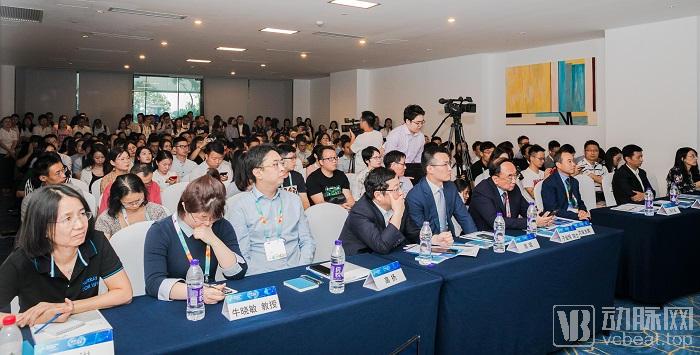
Highlights from the Satellite Symposium
At the opening of the conference, Academician Wang Hongyang, Co-Chair of the Congress, delivered a video address. She highlighted the original intent behind launching the PreCar project, fully affirmed the significance of the PreCar prospective clinical study on early screening for liver cancer to the prevention and control of liver disease in China, and expressed strong confidence in the future development of the PreCar project.
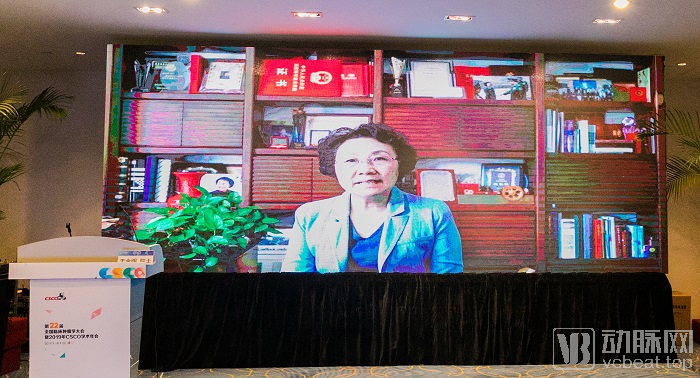
Academician Wang Hongyang, National Center for Liver Cancer
Subsequently, Academician Yu Jinming introduced the severe trends in liver cancer prevention and control in China and reviewed the development and achievements of the PreCar early liver cancer screening project since its inception. “China bears a disproportionate burden of liver cancer, accounting for more than half of global cases. The diagnosis and treatment of liver cancer must be led and driven by our own efforts,” stated Academician Yu Jinming.
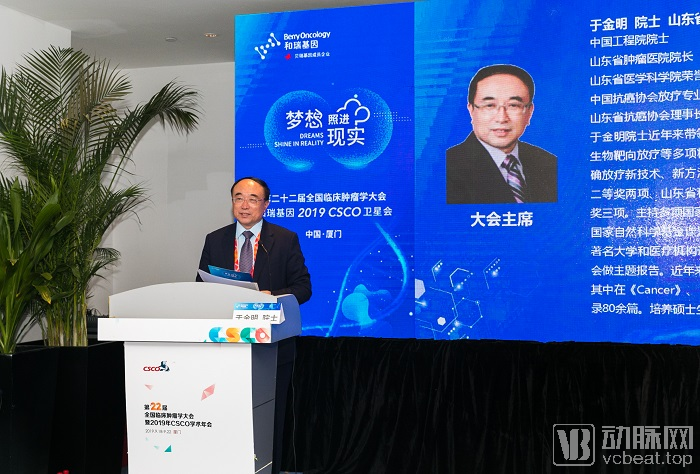
Academician Yu Jinming, Shandong Cancer Hospital
Subsequently, Professor Hou Jinlin, on behalf of the project team, presented the interim results of the PreCar prospective clinical study on early screening for hepatocellular carcinoma.
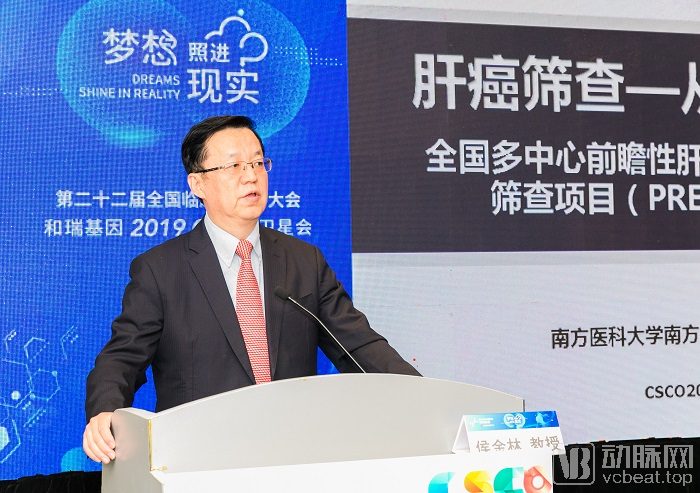
Professor Hou Jinlin, Nanfang Hospital, Southern Medical University
Professor Hou Jinlin, under the theme “Liver Cancer Screening: From Dream to Reality,” first introduced the construction of the PreCar project cohort and elaborated on the development and performance analysis of liver cancer classification models. Compared with traditional methods, the PreCar project achieved a 13-fold increase in the positive predictive enrichment for liver cancer diagnosis by accurately distinguishing between tumor patients and high-risk individuals. The project team identified patients with very early-stage liver cancer 6–12 months earlier than the current diagnostic gold standard, potentially increasing their five-year survival rate by more than fivefold and offering them a greater chance of cure.
This result marks another milestone achievement for the PreCar liver cancer early screening project, preliminarily realizing true tumor early screening that precedes the gold standard. Meanwhile, the PreCar project is ahead of similar studies worldwide, becoming the only clinical research project on liver cancer early screening to have released prospective trial data to date.
“Detecting one case through early screening saves a life and brings happiness to a family. We strongly advocate for cancer screening to become an integral part of public health services as soon as possible,” said Professor Hou Jinlin. Professor Hou aims to leverage multi-omics and epigenetic technologies to develop novel cancer models and establish effective clinical pathways for early cancer screening.
In addition to the major release of the interim results from the PreCar prospective clinical study on early hepatocellular carcinoma screening, Dr. Niu Xiaomin from Professor Lu Shun’s team at Shanghai Chest Hospital delivered a keynote presentation titled “Clinical Study on Precision Treatment of Lung Cancer Based on Large-Panel Next-Generation Sequencing,” which also garnered significant attention.
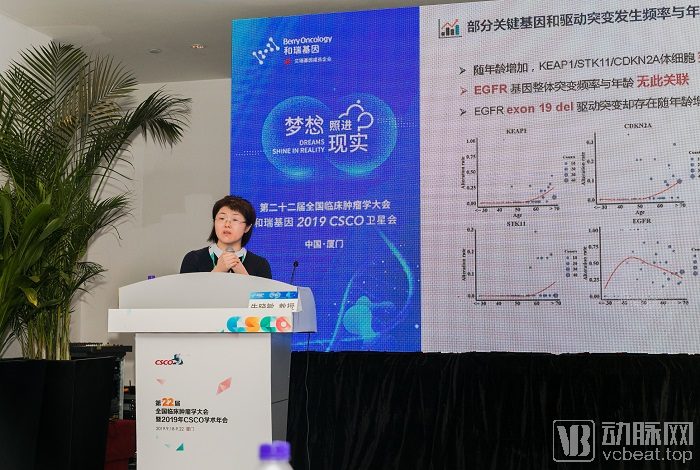
Dr. Niu Xiaomin, Shanghai Chest Hospital
Integrating real-world evidence studies and data on large-panel testing guiding targeted and immunotherapy for lung cancer, Dr. Niu Xiaomin compared the importance of sequencing depth versus breadth in next-generation sequencing (NGS)-based clinical tumor testing. She provided a detailed overview of trial design and current patient enrollment status. Dr. Niu emphasized that tumor mutation burden (TMB) has been incorporated into the NCCN guidelines for non-small cell lung cancer (NSCLC) as a key biomarker for immunotherapy, underscoring the growing importance of large-panel testing in future oncology diagnostics.
“Large-panel testing tailored to the characteristics of the Chinese population is highly necessary. Through our collaboration with Berry Oncology, we are confident in delivering more valuable diagnostic and therapeutic solutions to cancer patients in the future,” stated Dr. Niu Xiaomin. In addition to the PreCar prospective clinical study focused on early screening and diagnosis of liver cancer, Berry Oncology has jointly established the Center for Precision Medicine with Shanghai Chest Hospital, which is the first large-scale precision research center for thoracic tumors in China.
As a participating organization in the PreCar project, Mr. Zhou Jun, representing Berry Oncology, delivered a keynote address on the company’s current practices in precision oncology testing. Drawing on the current landscape and future directions of tumor genetic testing, Mr. Zhou introduced Berry Oncology’s key research focuses and major R&D breakthroughs in the field of cancer detection.
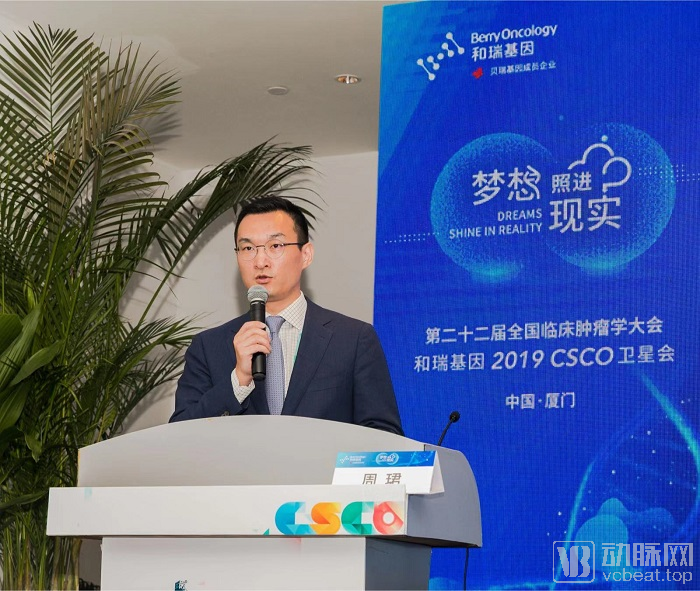
Mr. Zhou Jun, CEO of Berry Oncology
Mr. Zhou Jun stated, “In the field of tumor detection, single-point competition is gradually fading; the current stage is characterized by scenario-based competition. In addition to robust scientific research capabilities, an integrated platform is essential.” Beyond its liquid biopsy products, Berry Oncology has also developed a range of novel tumor genetic testing products, including those for structural variations, epigenetics, and RNA detection.
“Early diagnosis and treatment for all cancers, and precision therapy for every patient—this is the original mission behind the founding of Berry Oncology,” said Zhou Jun. “As more people join us, I believe we are getting closer to realizing this dream.”
As a company possessing China’s largest supercomputing center and a baseline genetic testing database encompassing one million Chinese individuals, Berry Oncology has developed a comprehensive portfolio of genetic testing products based on its proprietary, globally patented cSMART technology. These products cover areas such as pharmacogenomic testing, recurrence and drug resistance monitoring, and genetic susceptibility testing. Meanwhile, the National Medical Products Administration (NMPA) has approved changes to the intended use of the NextSeq CN500 genetic sequencer, signifying that this equipment platform now achieves full lifecycle coverage. It is capable of providing comprehensive solutions for precision treatment of conditions such as genetic disorders and cancers, thereby contributing to the establishment of a fully compliant precision medicine platform.
Professor Lu Shun from Shanghai Chest Hospital attended the conference as co-chair and summarized the keynote address: “We are now advocating for comprehensive cancer treatment, which encompasses not only surgical intervention, targeted therapy, and immunotherapy, but also early screening and diagnosis, postoperative medication, and full-course management of follow-up care for patients at high risk of recurrence.”
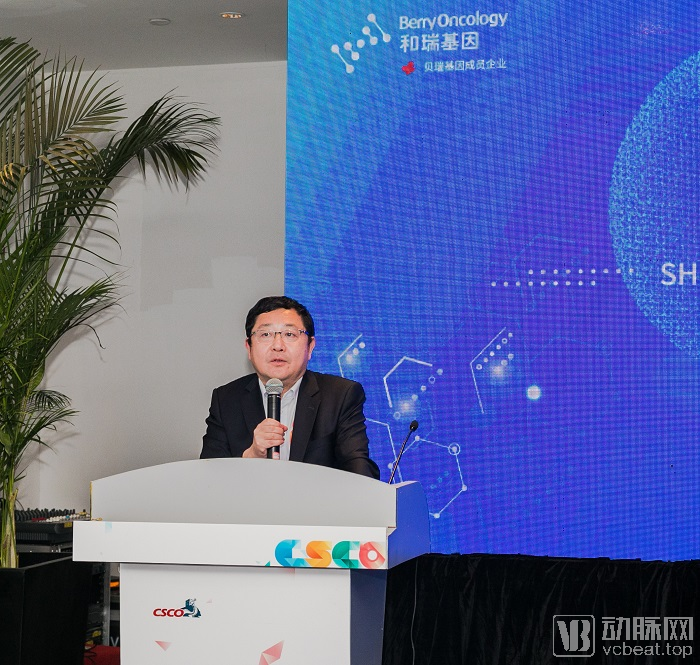
Professor Lu Shun, Shanghai Chest Hospital
Professor Lu Shun believes that it is increasingly necessary to employ precise, genomics-based screening techniques in current cancer treatment, which can significantly enhance the efficiency of early tumor detection. “We believe that multi-level collaboration will drive the advancement of oncology research, ultimately benefiting a greater number of cancer patients.”
Finally, Dr. Zhou Daixing, CEO of Berry Genomics and Director of Berry Oncology, delivered the closing remarks for this satellite symposium.
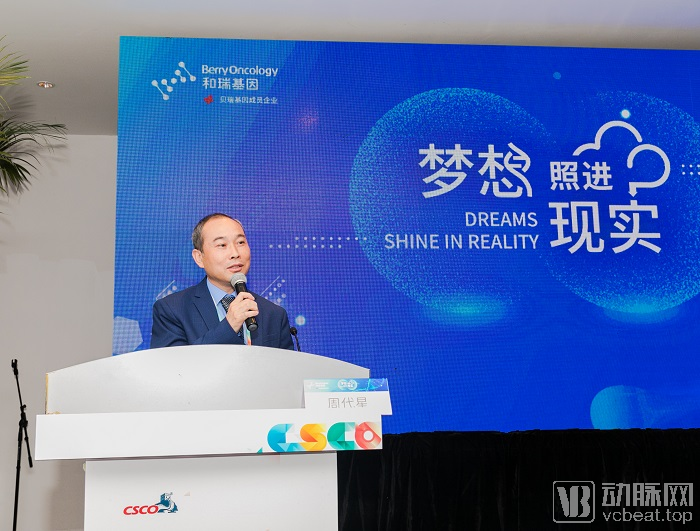
Dr. Zhou Daixing, CEO of Berry Genomics and Director of Berry Oncology
“Berry Genomics was founded with the original intention of using genetic technology to address clinical health issues across the entire life cycle, from birth to death. We have made some achievements in the realm of ‘birth,’ but tumors are far more complex,” summarized Dr. Zhou Daixing, quoting Martin Luther King Jr. “Conquering cancer is our dream. With so many brilliant minds around the world working on solutions, I believe that one day this dream will illuminate reality.”
On the PreCar Prospective Clinical Study Project
The PreCar project, fully named the Prospective suRveillance for very Early hepatoCellular cARcinoma project, is a nationwide, multicenter, prospective cohort study involving 10,000 participants to screen for ultra-early warning biomarkers of hepatocellular carcinoma. Led by Academician Wang Hongyang, Director of the National Center for Liver Cancer Science, and Professor Hou Jinlin from Nanfang Hospital, Southern Medical University, the project was jointly initiated by Berry Oncology. It has received strong support from multiple centers, hospitals, and platforms across China. This is the first and currently the only large-scale prospective cohort study in China focused on early screening for liver cancer based on next-generation sequencing (NGS) technology. The project serves as a model collaboration between authoritative institutions in clinical basic research on liver cancer in China and leading enterprises in tumor genetic testing. The total investment in the project exceeds RMB 100 million, with the majority funded by Berry Oncology.
About Berry Oncology
As a member enterprise of Berry Genomics, Berry Oncology has fully inherited Berry Genomics’ oncology business.
In August 2017, Berry Genomics successfully listed on the Chinese stock market, becoming the first technology company in the sequencing sector to be listed on the main board. In December of the same year, leveraging its strong market performance and continuous technological advancements, it further gained the trust of the capital market and established Fujian Berry Oncology Technology Co., Ltd. (Berry Oncology) with the support of the Fuzhou National Big Data Center.
Berry Oncology focuses on the field of tumor genetic diagnosis, which holds significant clinical promise and strong commercial potential. The company owns the internationally patented cSMART technology and has successfully developed cSMART 2.0. This advancement has ushered in a new paradigm spanning from conventional tumor testing to non-invasive detection, encompassing various modalities such as tumor tissue sample analysis and liquid biopsy, thereby facilitating precision oncology and personalized cancer treatment. Additionally, Berry Oncology has pioneered strategic initiatives in early cancer screening and diagnosis. On April 22, 2018, Berry Oncology, in collaboration with the National Center for Liver Cancer and Nanfang Hospital, launched a nationwide, multicenter, prospective project for ultra-early warning and screening of liver cancer. The preliminary experimental data have achieved world-class standards, marking a solid step forward toward the early screening and diagnosis of liver cancer and other malignancies.
Berry Oncology’s current product portfolio encompasses comprehensive testing services, including targeted therapy selection, treatment efficacy monitoring, medication monitoring, cancer susceptibility testing, and personalized oncology care, thereby achieving full coverage of tumor molecular diagnostics.