

CSCO 2019: Release of China's First Large-Scale Survey on Clinical NGS Practice in Oncology – Burning Rock Witnesses the Era of NGS in Action

Burning Rock
Genetic Sequencing Product Provider
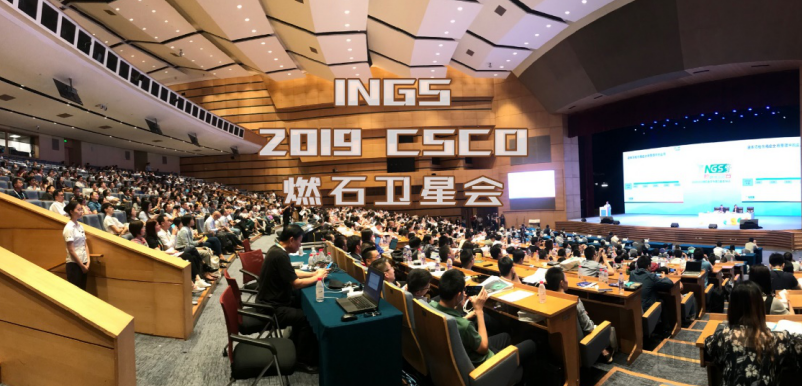
On September 19, 2019, as the 22nd Chinese Society of Clinical Oncology (CSCO) Annual Congress convened in Xiamen, Burning Rock Biotech held a themed satellite symposium, “INGS – Precision Ignites, Response Solid as Rock,” at the Haixia Hall of the Xiamen International Conference Center. The event was attended by thousands of clinical experts who explored the evolution of early cancer screening and delved into big data and real-world research. Together, they witnessed the ongoing advancement of tumor next-generation sequencing (NGS) in clinical practice—INGS—marked by the release of China’s first large-scale survey report on NGS clinical practices in oncology.
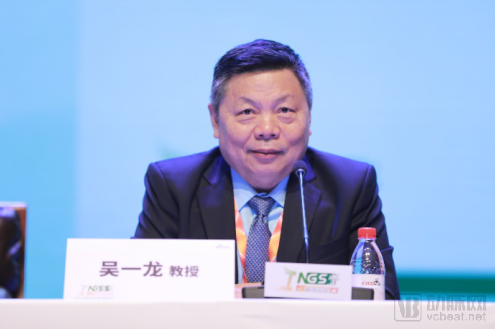
Opening Remarks by Professor Wu Yilong: As a trusted NGS testing company, Burning Rock Biotech has not only gained recognition under Chinese regulations (with NMPA-approved NGS kits, among others), but also obtained international laboratory accreditations such as CAP and CLIA, ensuring the quality of precise testing. As a long-term partner maintaining friendly cooperation with Burning Rock Biotech, we look forward to the release of China’s first large-scale survey report on clinical practice of tumor NGS, and wish this satellite symposium a complete success!
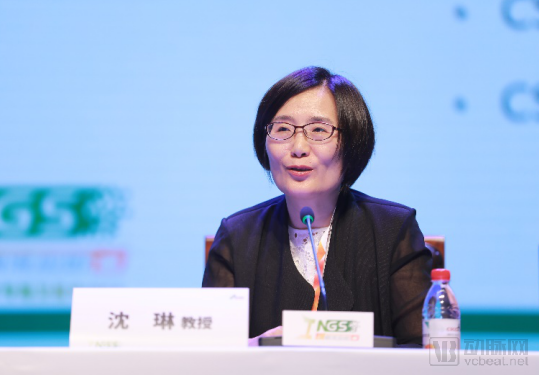
Opening Remarks by Professor Shen Lin: Precision therapy has spurred the development of precision diagnostics, which have advanced rapidly. Burning Rock Biotech has played a pioneering role in precision testing for various cancer types, including lung cancer. Currently, the many unknowns surrounding precision medicine for gastrointestinal tumors offer vast opportunities for further exploration. We look forward to NGS testing delivering greater value in this field in the future, supporting clinicians and patients throughout all stages of clinical diagnosis and treatment.
Dr. Zhihong Zhang
A Glimpse into the Global Progress of Early Screening Technology Development
In the comprehensive management of cancer, liquid biopsy spans from companion diagnostics for first-line therapy in advanced-stage patients, dynamic monitoring and exploration of resistance mechanisms in advanced disease, perioperative minimal residual disease (MRD) detection and monitoring in Stage II/III and Stage I cancers, to early diagnosis and screening. Throughout this continuum, the technical requirements for detecting the abundance of circulating tumor DNA (ctDNA) in blood have escalated from 0.5% to <0.01%. However, given that ctDNA typically constitutes only 0.1%–1% of cell-free plasma DNA (cfDNA), capturing tumor-derived signals within plasma cfDNA remains a significant challenge.
A 2017 study published in Nature related to TRACERx (TRAcking Cancer Evolution through therapy [Rx]) indicated that the ctDNA abundance in early-stage patients with a 1 cm³ tumor is generally around 0.006%, whereas the detection limit of methods based on deep sequencing for detecting gene mutations typically ranges from 0.1% to 0.5%. This explains why many liquid biopsy methods based on deep sequencing are widely used in companion diagnostics for advanced lung cancer and even in predicting postoperative recurrence in resectable patients, but prove ineffective when applied to early-stage tumor screening.
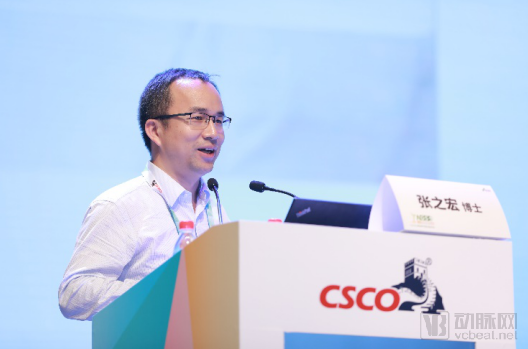
When deep sequencing-based ctDNA mutation detection can no longer meet the clinical needs of early cancer screening, multi-omics approaches provide a richer array of variant events. Leading international early-screening companies have tackled the technical challenges associated with ultra-low ctDNA levels in blood from multiple dimensions. Dr. Zhihong Zhang reviewed the characteristics and development progress of global early-screening technologies, elaborating on them with examples such as CancerSEEK, Grail, and DELFI.
Among the biological behavioral changes that occur in tumors during the early stages of carcinogenesis, DNA methylation is the most representative. Compared with DNA mutations, methylation not only involves a greater number of modifiable sites but also exhibits tissue- and cancer-type specificity, thereby offering substantial potential for exploration as a biomarker for early tumor screening. Taking Grail as an example, three methodological approaches it evaluated were presented at ASCO 2019: targeted mutation detection based on ultra-deep sequencing, whole-genome methylation detection, and copy number variation (CNV) detection. Among these, methylation demonstrated the optimal experimental results. Furthermore, by narrowing the scope to methylation detection of target genes, this approach also outperformed the other two methodologies in terms of tissue-of-origin identification.
Finally, Dr. Zhang Zhihong summarized the existing technical routes across multiple dimensions:
These technological pathways are advancing from the stage of technical validation to that of clinical validation.
However, pan-cancer early screening remains far from widespread clinical application.
All stages of certain cancer types, and stage II and beyond for most cancer types, are already within the reach of existing methodologies.
Based on currently available data, DNA methylation demonstrates significant advantages in both detection sensitivity and organ-of-origin tracing.
Multidimensional approaches offer room for further improving sensitivity, but controlling specificity will be more challenging.
Burning Rock Biotech’s R&D and medical teams are also developing DNA methylation-based products for early cancer screening and conducting large-cohort clinical validation. It is hoped that, in the near future, advanced detection technologies will usher in a new era of early cancer diagnosis and screening.
Professor Liang Naixin
LAVA Big Data Real-World Practice
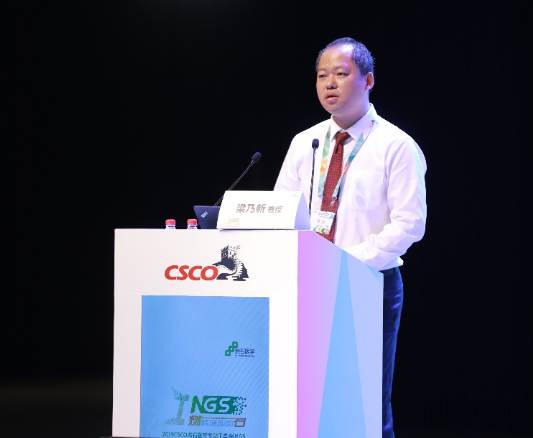
Professor Liang Naixin first pointed out that molecular diagnostic technologies have driven advances in the diagnosis and treatment of lung cancer, with an increasing number of genetic targets and immunotherapy biomarkers being incorporated into the NCCN Guidelines, making next-generation sequencing (NGS) testing a clinical necessity. As market competition weeds out weaker players, “real-world” precision diagnostics providers have evolved from the initial phase of “riding the wave, with everyone eager to take off” to the current model exemplified by Burning Rock Biotech, characterized by “technological innovation plus bioinformatics service innovation, and clinical application plus research-driven selection.”
However, real-world clinical practice faces the challenge of being easier said than done: difficulties in patient identification, disease status assessment, integration of precision medicine testing information, follow-up under the outpatient-inpatient model, biases inherent in patient-initiated visit patterns, and challenges in implementing physician-led monitoring and appointment scheduling. The LAVA Precision Diagnosis and Treatment Community APP, launched by Burning Rock Biotech, can assist clinicians in addressing these real-world diagnostic and therapeutic challenges.
Step 1: One-click query for gene interpretation and drug information, full-process management of multi-line treatment NGS data, and panoramic standardized management of every case!
Step 2: A comprehensive follow-up management system to ensure no loss to follow-up after referral, significantly improving the effective patient follow-up rate!
Step 3: A Real-World Research Collaboration Platform for Rare Cases in China, Enabling Physician-Authorized Medical Record Sharing and Exchange to Benefit More Patients in the Future!
Professor Liang Naixin drew on his experience with LAVA to provide a detailed, step-by-step demonstration for the attending experts, expressing his hope that, driven by real-world clinical applications of LAVA, stakeholders will join forces and harness data to illuminate the light of life.
Prof. Zhang Xuchao
Survey Report on the Application of NGS in Clinical Oncology Practice in China
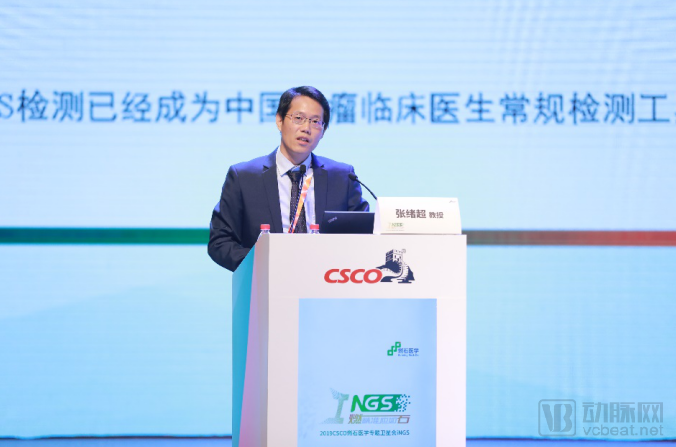
Professor Zhang Xuchao unveiled on-site the results of China’s first large-scale survey on tumor NGS, which analyzed the real-world NGS clinical practices of over 1,000 oncologists. The survey was jointly initiated by the CSCO Tumor Biomarker Committee and Burning Rock Biotech, with the support of President Wu Yilong.
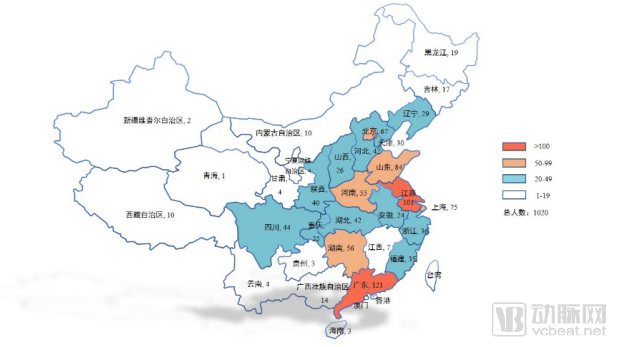
Survey Participation: 30 provinces and municipalities, 1,020 questionnaires; primarily targeting attending physicians and above at tertiary hospitals. Physician Background: The spectrum of cancer types treated aligns with China’s cancer epidemiology data (GLOBOCAN 2018).
The findings of this survey reveal:
Among physicians who recommend NGS testing for patients, over 30% of clinicians order more than five NGS tests per month; NGS has become a commonly used diagnostic tool among clinical oncologists in China.
Although different physicians have slightly varying perspectives on the purposes and clinical application scenarios of next-generation sequencing (NGS) testing, their views are highly aligned with the current status of diagnosis and treatment for each cancer type.
The number of genes is a primary parameter considered in the clinical selection of next-generation sequencing (NGS) panels. When economic factors are not taken into account, large panels covering more than 300 genes have become the trend in clinical practice.
Immune biomarkers such as PD-L1 and TMB have become the most clinically significant molecular markers following their establishment as common therapeutic targets;
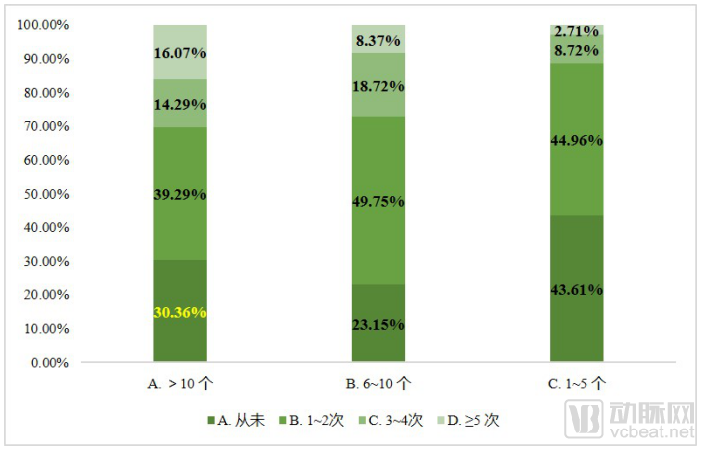
Among physicians who order NGS testing for more than 10 patients per month on average, 30.36% have never received alerts regarding ineligible samples or poor sample quality!
Standardization and Education of NGS Testing in China Still Have a Long Way to Go: 23% of Clinicians Are Completely Unfamiliar with the NGS Laboratory Accreditation System; Over 30% of Clinicians Who Frequently Use NGS Have Never Received Any Failure or Warning Alerts; More Than 90% of Clinicians Require Assistance in Interpreting NGS Reports—Burning Rock Biotech’s Ongoing NGS Masterclass Aims to Enhance Physicians’ Ability to Interpret NGS Reports, Assist Them in Safeguarding Patient Diagnosis and Treatment, and Jointly Optimize the “Post-Reporting Phase”!