ChosenMed Highlights Clinical Translation of Tumor Gene Testing at CSCO 2019 Satellite Symposium
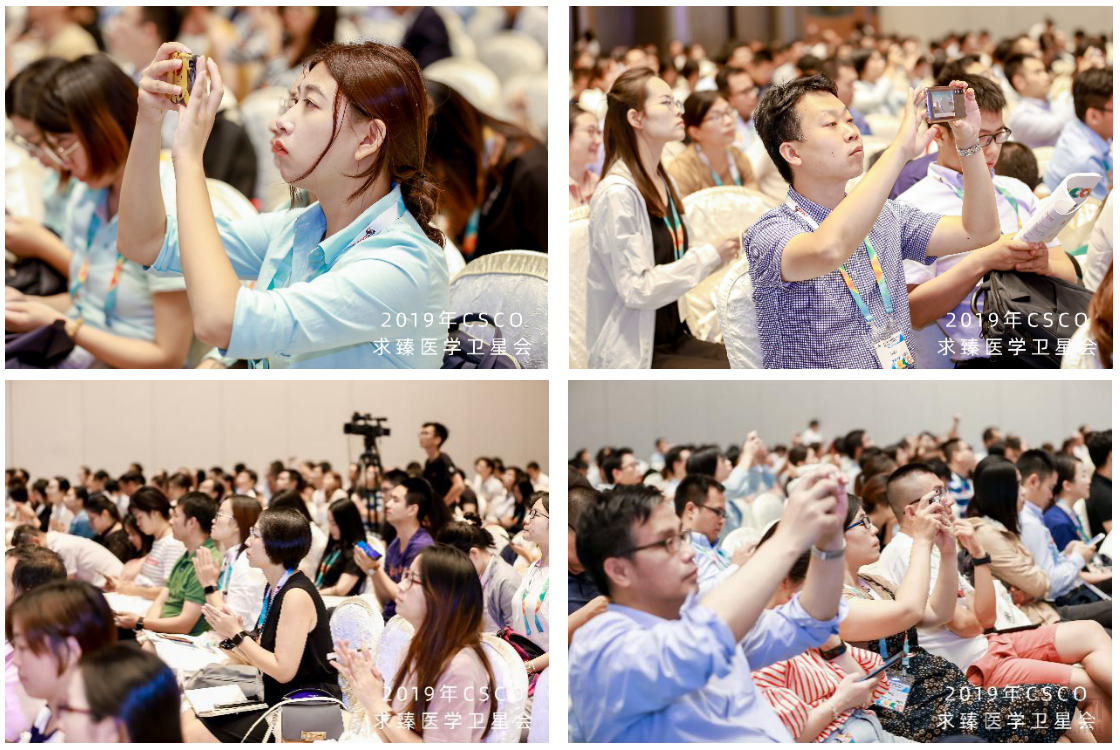
From September 18 to 22, 2019, the 22nd National Clinical Oncology Conference and the 2019 Academic Annual Meeting of the Chinese Society of Clinical Oncology (CSCO) were held as scheduled in the beautiful city of Xiamen. Qiuzhen Medical was invited to exhibit and hosted a special satellite symposium titled “Endless Pursuit, Precise Practice” on September 19 during the conference. The session featured engaging discussions on the clinical translation of genetic testing in oncology, drawing significant attention and widespread acclaim from numerous experts and scholars.
Satellite Symposium Address
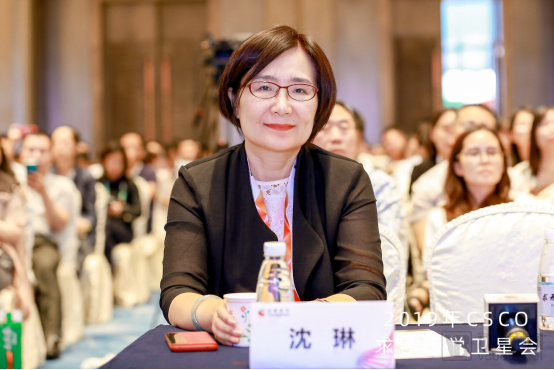
Professor Shen Lin from Peking University Cancer Hospital Delivers the Conference Address
This satellite symposium specially invited Professor Shen Lin from Peking University Cancer Hospital and Professor Liang Jun from Peking University International Hospital to serve as conference chairs. In his opening remarks, Professor Shen Lin stated that this satellite symposium is unique. Rooted in technological innovation and committed to addressing clinical applications, Qiuzhen Medical has implemented several innovative arrangements. The session not only invited clinicians to share clinical research data but also brought together top international bioinformatics scientists and pioneers in the sequencing industry to jointly discuss topics of clinical significance, such as the application of tumor genetic testing in early screening and large-panel algorithms.
As the organizer of this satellite symposium, Qiuzhen Medical is also the entity responsible for undertaking the “China Cancer Gene Atlas Project.” We believe that in the near future, the accumulation of project data will enable the presentation of the China Cancer Gene Atlas, thereby enhancing the precision of analytical approaches in cancer precision diagnosis and treatment in China and ultimately benefiting a greater number of cancer patients.
Satellite Symposium Report
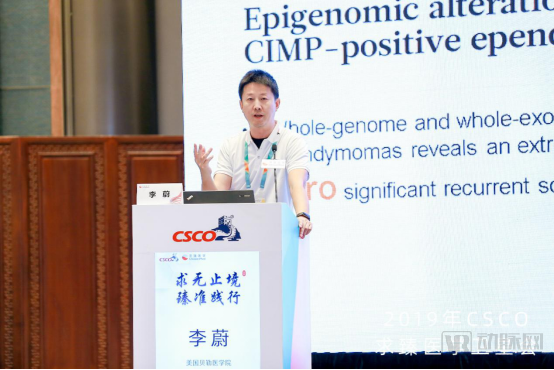
Professor Wei Li from Baylor College of Medicine in the United States delivered a special report titled “Advancing Early Cancer Screening Based on the ‘Methylation Grand Canyon’ Strategy”
Professor Li Wei pointed out that early detection of tumor lesions in the body can significantly improve the cure rate and survival rate of tumors. Previous studies have shown that DNA methylation markers are indicators closely related to tumor progression that can be detected at an early stage of tumorigenesis.
In recent years, research on the early diagnosis of cancer based on methylation has gained increasing attention. However, most studies have focused on CpG islands in DNA methylation as specific detection markers. In 2014, Professor Li Wei’s team proposed the concept of “Methylation Canyons,” revealing that conserved, large-scale hypomethylated regions exist in the human genome. These pan-cancer hypermethylated canyon regions are significantly associated with gene activation and are highly enriched in Homeobox genes and oncogenes. The findings were published in the prestigious international journal *Nature Genetics*, suggesting that DNA methylation canyons could serve as biomarkers for early cancer screening.
Professor Li Wei finally emphasized that Qiuzhen Medical has developed a tumor early screening kit based on the Canyon algorithm for methylation detection, further advancing the field of early cancer screening.
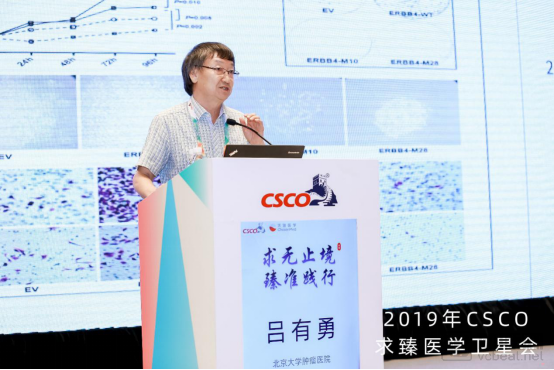
Professor Lu Youyong of Peking University Cancer Hospital delivered a keynote address titled “Breaking Through the Bottleneck to Achieve the Final Leap in Genomic Technologies: From 99 to 100”
In his report, Professor Lu Youyong pointed out that, in light of the challenges facing basic cancer research and clinical practice, and given the high heterogeneity at the genomic level and the complexity of clinical biological behavior in cancer, it is necessary to reevaluate certain prevailing concepts in oncology and develop new research approaches and strategies. Our team has constructed gene variation maps of regional targets, whole exomes, and whole genomes in gastric cancer, providing foundational data for an in-depth elucidation of the clinicopathological features and prognosis of intestinal-type and diffuse-type gastric cancer. The gene mutation profiles established for these two subtypes of gastric cancer have value in predicting clinical outcomes. Furthermore, we have optimized a combination of molecular markers for predicting gastric cancer invasion, metastasis, and prognosis, and have identified the significance of genomic tandem repeats and novel markers in gastric cancer, thereby providing essential material for multicenter, large-sample clinical validation. Our current genomic data and experimental findings lay the foundation and offer new insights for the further development of molecular subtyping and targeted therapy for gastric cancer.
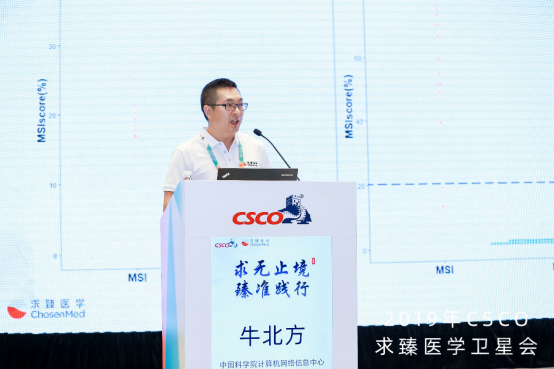
Niu Beifang from the Computer Network Information Center of the Chinese Academy of Sciences delivered a special report titled “Data Mining Algorithms for Populations with High MSI and TMB Expression”
Professor Niu Beifang pointed out that current computational methods and metrics for tumor mutational burden (TMB) lack standardization. To better characterize the mutational basis underlying this association, we compared indel mutation burden with genomic MSIsensor scores in this cohort and found a significant and strong correlation between these two metrics. Furthermore, patients with higher tumor indel burden demonstrated a greater probability of clinical benefit. Combined with our animal experimental data, these findings suggest that exon indel burden resulting from microsatellite instability (MSI) may play a pivotal role in determining the efficacy of anti-PD-1 therapy in MSI-H tumors. Our team has developed MSIsensor2, a tumor-only algorithm that offers improved accuracy, reduced memory footprint, and faster computation speed, while remaining applicable to a wide range of data types. In the spirit of open collaboration, we provide this software free of charge, hoping to join forces with industry peers to advance precision oncology in China. We also invite colleagues and partners to collaborate extensively with us, share data, co-develop new NGS data mining tools, and jointly explore more precise immune biomarkers.
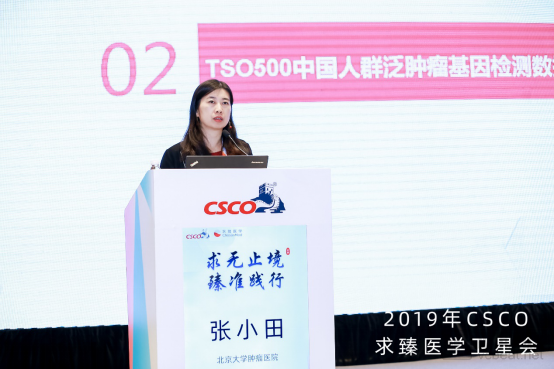
Professor Zhang Xiaotian from Peking University Cancer Hospital delivered a special report titled “Trusight™ Oncology 500 Large Panel: Enabling ‘Precision’ Clinical Decision-Making in Oncology Practice”
Professor Zhang Xiaotian stated that Trusight™ Oncology 500 (hereinafter referred to as “TSO500”) is a clinical testing product developed by Illumina over many years, supported by extensive clinical validation data. It has received FDA Breakthrough Device designation and will benefit from priority review resources. Leveraging standardized sequencing workflows, dual-end UMI design, and rigorous development and validation data, TSO500 offers an optimized solution for clinical challenges in oncology, as well demonstrated by the current data from the Chinese population. The TSO500 validation study in the Chinese population has, for the first time, preliminarily mapped the genomic mutation profile of Chinese patients with dMMR gastric cancer. In this validation trial involving the Chinese population, immunohistochemistry (IHC)-identified dMMR gastric cancer cases were further verified by TSO500, revealing that only 58.2% were microsatellite instability (MSI)-high. This finding suggests that IHC is suitable only for initial screening and not for directly guiding clinical decision-making. TSO500 has demonstrated strong clinical performance in Chinese cancer patients, and further research findings are anticipated. In the future, with the advancement of the “China Cancer Genome Atlas Project,” a gastric cancer atlas specific to the Chinese population will be established, thereby creating a TCGA-like database tailored to the characteristics of the Chinese population.
Summary
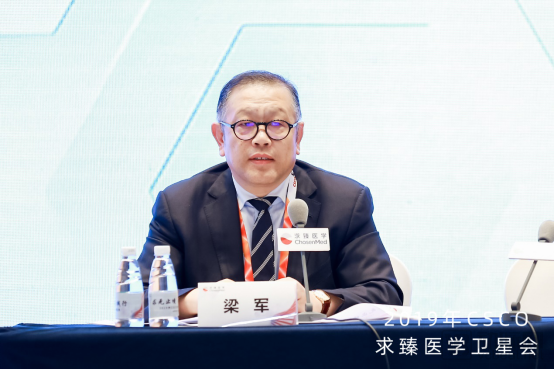
Professor Liang Jun, Peking University International Hospital
Professor Liang Jun delivered the closing remarks for the conference. At this year’s CSCO meeting, we observed that many innovations originated from domestic genetic testing companies. These enterprises have a clearer understanding of the current status of precision oncology diagnosis and treatment in China, particularly regarding clinicians’ needs in the clinical management of cancer patients. However, on one hand, there is an abundance of experimental products, while few have been validated through large-scale data. On the other hand, due to the lack of bioinformatic analysis based on Chinese cancer databases, bioinformatics pipelines require further optimization to be effectively implemented and truly benefit patients. The national project “China Cancer Gene Atlas Program” will effectively address these two challenges. Under the leadership of the National Center for Human Genetic Resources, and by leveraging multi-sector collaboration and working closely with clinicians, we are confident that this initiative will contribute to advancing precision oncology in China and promoting the healthy, orderly, and sustainable development of the industry. It will also promote the clinical standardization of large-panel testing, thereby enabling the customization of optimal diagnostic and therapeutic regimens for cancer patients.
Qiuzhen Medical Booth
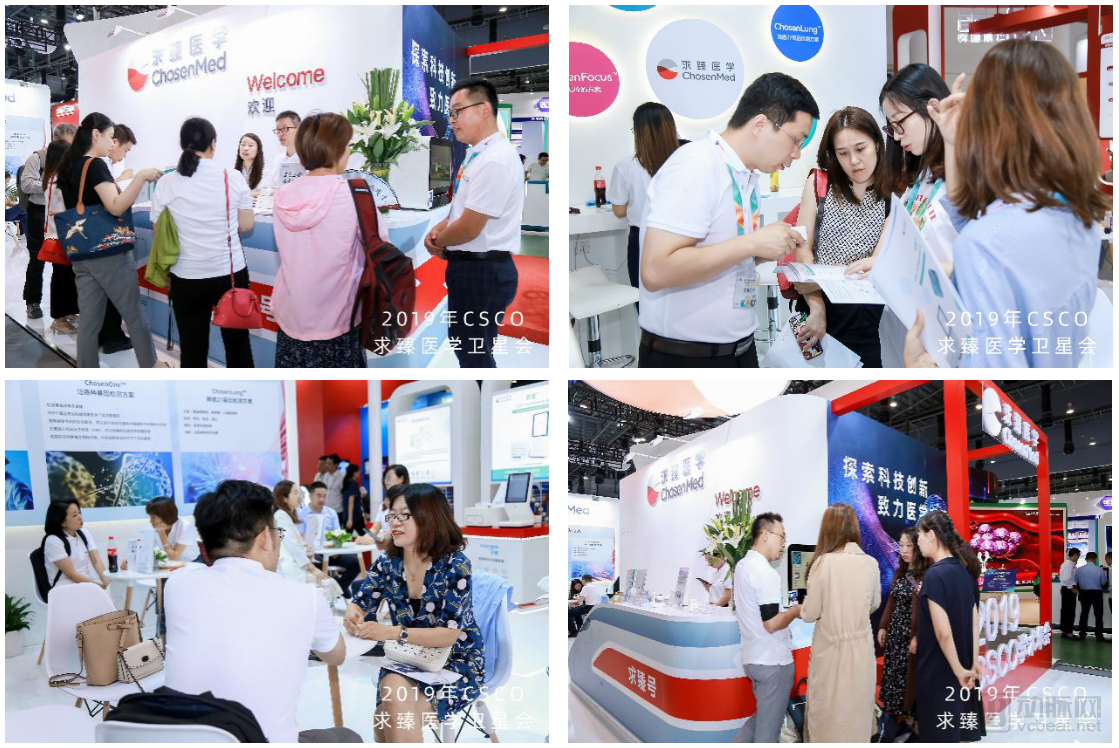
As a national high-tech enterprise with state-owned capital background, Qiuzhen Medical, leveraging bioinformatics and high-throughput sequencing technologies, has comprehensively established its presence in the field of tumor liquid biopsy. At the 2019 CSCO Conference, Qiuzhen Medical’s detection products for solid tumors and hematologic malignancies—such as the pan-cancer genetic test ChosenOne™, Trusight™ Oncology 500, and the hematologic oncology product ChosenHeme™—attracted numerous attendees to its booth.