

Data is King: Origin Healthcare's CSCO 2019 Precision Oncology International Symposium Concludes Successfully
In September, Xiamen basked in bright sunshine, yet retained its elegant charm with sea breezes and coconut palms. The largest and most influential academic gathering in Chinese oncology kicked off at the Xiamen International Conference Center. Nearly 30,000 experts and scholars in the field of oncology, corporate representatives, and media journalists convened here to jointly discuss the latest academic achievements and future development directions in oncology.
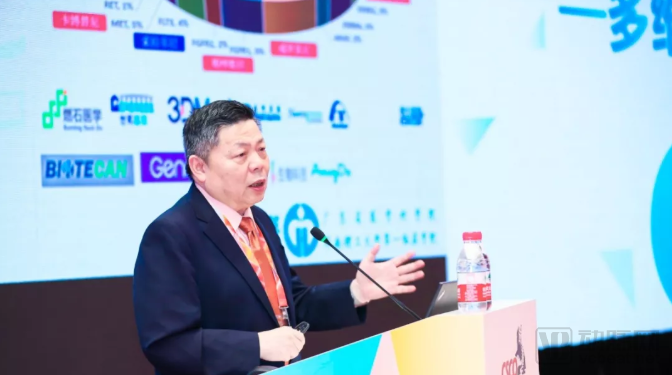
On the afternoon of September 20, OrigiMed INC, a leader in next-generation sequencing (NGS) for precision oncology, exclusively hosted the only international special session organized by an NGS company. Themed “Multidimensional Definition, Data is King,” the conference focused on data characteristics of Chinese populations across various cancer types, explored differences between China and the West, and investigated diagnostic and therapeutic strategies with Chinese characteristics.

▲ A packed venue
The conference invited Professor Xu Ruihua from Sun Yat-sen University Cancer Center and Professor Wu Yilong from Guangdong Provincial People’s Hospital to serve as Conference Chairs. It also invited Professor Cheng Ying from Jilin Province Cancer Hospital, Professor Huang Cheng from Fujian Provincial Cancer Hospital, Prof. Lei Zheng from Johns Hopkins Hospital (USA), Professor Liu Tianshu from Zhongshan Hospital Affiliated to Fudan University, Professor Zhang Guojun from Xiang’an Hospital Affiliated to Xiamen University, Professor Zhao Haitao from Peking Union Medical College Hospital, Professor Chen Gong from Sun Yat-sen University Cancer Center, Prof. Charles Balch from MD Anderson Cancer Center, and Professor Liao Ning from Guangdong Provincial People’s Hospital to serve as session chairs and speakers (listed in order of appearance). The event gathered a distinguished assembly of leading experts and renowned authorities.
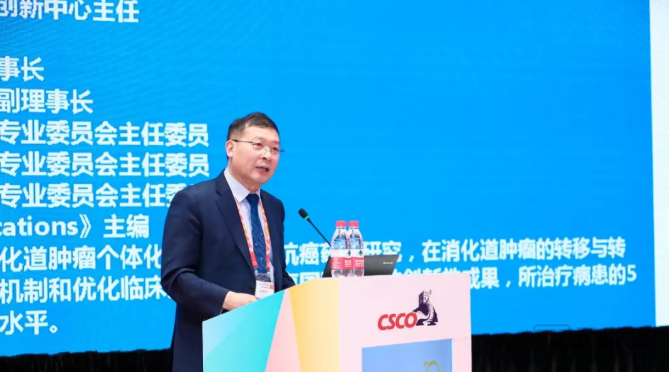
In his opening remarks, Conference Chair Professor Xu Ruihua spoke with great enthusiasm and passion: “I strongly endorse the theme ‘Data is King.’ In today’s world, having data means having everything. Today, leading experts from various fields of oncology have gathered here to discuss how to integrate data—from clinical practice to genetic testing—and establish a comprehensive treatment system. This is a rare and valuable topic, reflecting the inheritance, innovation, and development of our field. The venue is packed to capacity; I even see people standing outside the doors. It is heartening to witness such a strong thirst for knowledge and deep concern for the field of oncology diagnosis and treatment. Welcome, everyone! The conference is now officially open!”
Moderator: Professor Huang Cheng
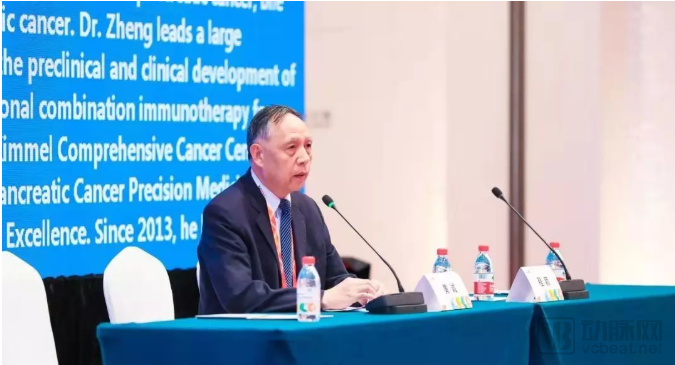
As is well known, pancreatic cancer is referred to as the “king of cancers” due to its extremely poor prognosis. Professor Lei Zheng from Johns Hopkins Hospital shared his unique insights on precision treatment for pancreatic cancer based on his clinical practice. Professor Zheng stated that only about 7.7% of pancreatic cancer patients can be cured through surgery, while chemotherapy contributes to curing an additional 4.5%. A significant majority, up to 87.8%, cannot be cured by either surgery or chemotherapy. By identifying more “distinctive” patients, we can potentially cure a greater number of individuals. It is the biological characteristics of patients that make them “distinctive,” which underscores the significance of precision medicine. Furthermore, Professor Zheng introduced the gene database established at Johns Hopkins Hospital and ongoing research efforts, leading us into the forefront of precision treatment research for pancreatic cancer.
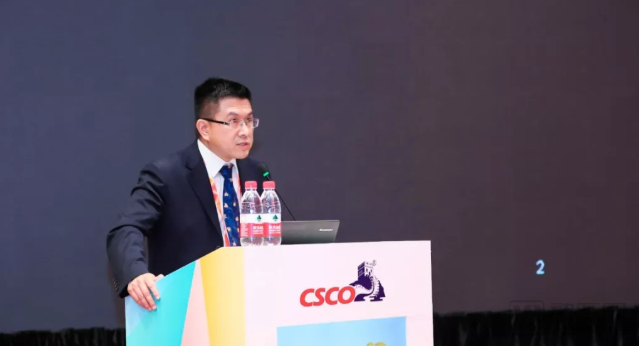
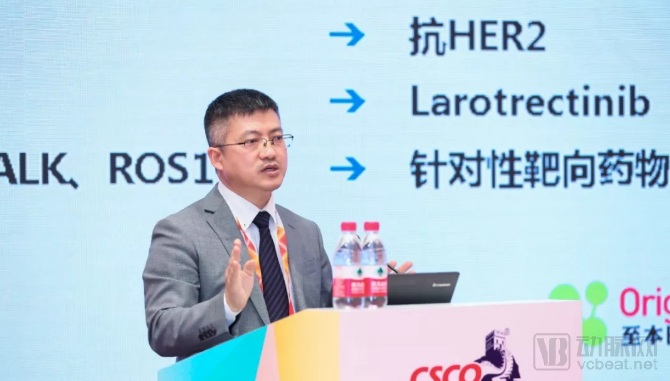
As a source of pride for Chinese scholars in the field of lung cancer, Professor Wu Yilong from Guangdong Provincial People’s Hospital has brought many research achievements from China to the international stage, exerting significant influence. So, what are Professor Wu Yilong’s insights and expectations regarding the precision treatment pathway for lung cancer in China? Professor Wu Yilong stated that tumor molecular subtyping and targeted therapy represent the current and future frontier of the discipline over the next decade. He discussed findings from both Chinese and Western research across four areas: discovery of new targets, development of drugs for precise targets, determination of outcomes through clinical trials, and clinical practice research. He pointed out that the discovery of new targets remains China’s greatest weakness at present, with most innovative drugs in China being imitative. In the future, lung cancer treatment in China needs to adopt a molecular monitoring-based treatment model and conduct standardized real-world studies to gradually build international influence.
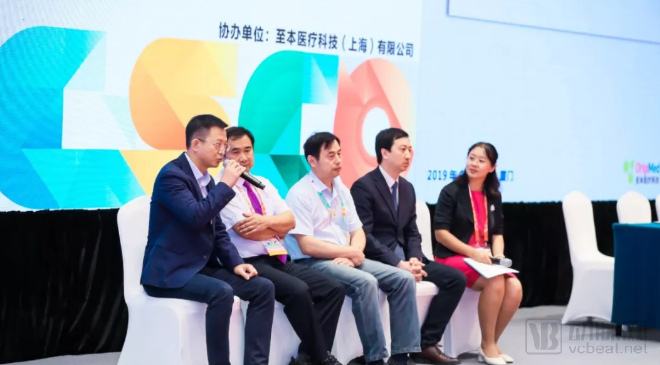
At this year’s ASCO Annual Meeting, numerous novel targeted therapies for lung cancer were unveiled, demonstrating highly encouraging efficacy rates and continuously reshaping the landscape of targeted treatment for non-small cell lung cancer (NSCLC). In contrast, regarding immunotherapy, there remains no consensus on the complex immune biomarkers. To address these two areas, Professor Qing Zhou from Guangdong Provincial People’s Hospital, Professor Xiaohua Hu from the First Affiliated Hospital of Guangxi Medical University, Professor Yong He from Daping Hospital of Army Medical University, Professor Kaihua Tian from the Affiliated Hospital of Qingdao University, and Professor Wenzhao Zhong from the Guangdong Lung Cancer Institute engaged in a discussion.
What is particularly remarkable is the high degree of consensus among experts: targeted therapy has comprehensively evolved from single-gene precision medicine to multi-gene precision medicine. In immunotherapy, biomarkers such as PD-L1 and tumor mutational burden (TMB), along with positively and negatively regulatory genes and genes associated with immune hyperprogression, are all closely correlated with therapeutic efficacy. Therefore, without comprehensive genomic profiling data, it is difficult to fully optimize treatment strategies for patients, making large-panel next-generation sequencing (NGS) testing an inevitable trend.
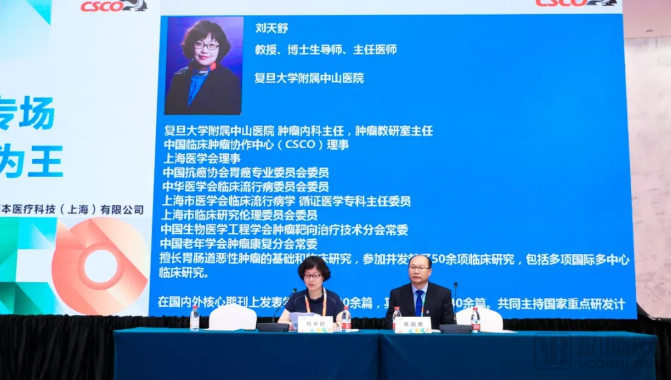
Moderators: Professor Liu Tianshu, Professor Zhang Guojun
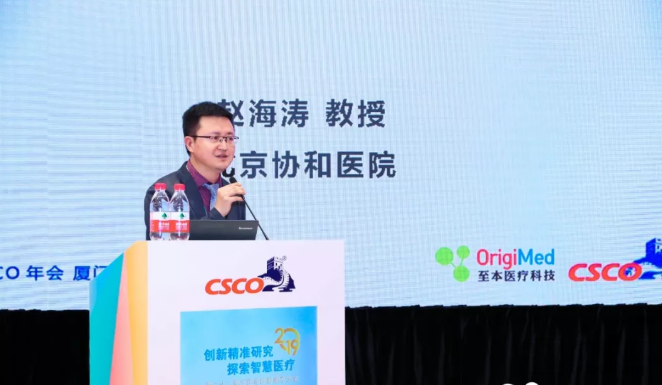
China is widely recognized as a country with a high burden of liver cancer, drawing significant attention to the precision treatment of hepatobiliary tumors. Professor Zhao Haitao from Peking Union Medical College Hospital presented comprehensive data on hepatobiliary tumors in the Chinese population, progressing systematically from gene mutation profiles to various real-world study results, offering rich and specific insights. A study conducted in collaboration with OrigiMed, published in Clinical Cancer Research, showed that liver cancer patients with DDR (DNA damage repair) mutations had significantly higher tumor mutational burden (TMB) than those with wild-type DDR, and nearly 20% of hepatobiliary tumors harbored DDR gene mutations. Professor Zhao Haitao stated that more clinical treatment data on targets such as DDR need to be accumulated. In addition, he introduced some research findings scheduled to be presented at the ESMO Congress, which are highly anticipated.
Subsequently, Professor Chen Gong from Sun Yat-sen University Cancer Center presented data on the exploration of biomarkers for targeted therapy and immunotherapy in colorectal cancer. Known for his humor, Professor Chen remarked that when discussing the challenges of immunotherapy in colorectal cancer—likened to the poetic line “the spring breeze does not pass Yumen Pass”—patients can only truly “thrive” if both MSI and TMB levels are “high.” Additionally, Professor Chen highlighted a pivotal clinical study on gastric cancer immunotherapy supported by OrigiMed’s TMB testing. This study first identified TMB as a potential predictive biomarker for efficacy in advanced gastric cancer patients receiving PD-1 monoclonal antibody therapy. Patients with high TMB demonstrated significantly better objective response rates (33.3% vs. 7.1%) and overall survival (14.6 vs. 4.0 months) compared to those with low TMB. Led by Professor Xu Ruihua and published in Annals of Oncology, this study was the first internationally to propose the predictive value of TMB for survival benefits in advanced gastric cancer patients treated with PD-1 antibody monotherapy.
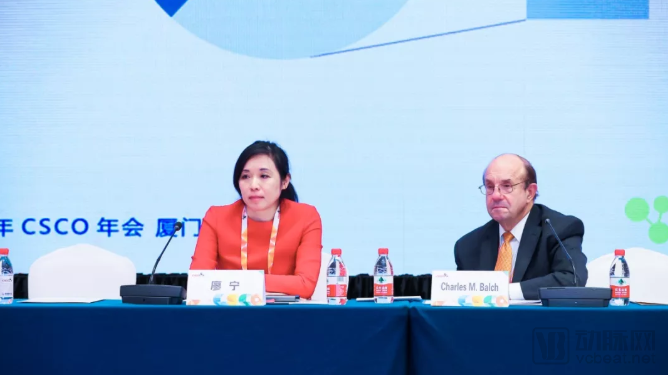
Moderators: Prof. Charles M. Balch, Prof. Ning Liao
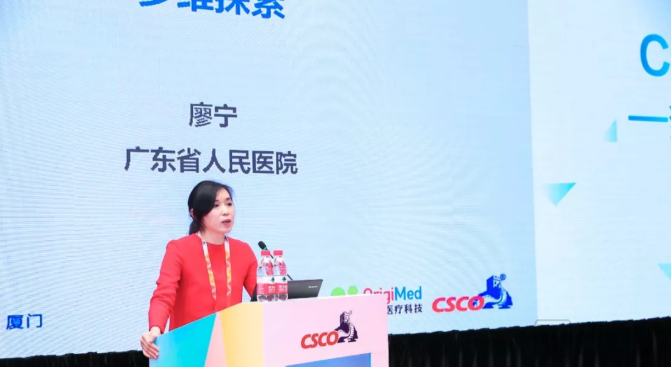
Professor Liao Ning from Guangdong Provincial People’s Hospital is one of the renowned pioneers in the field of precision therapy for breast cancer. She attended this conference to share the latest academic advances in breast cancer. Professor Liao highly recognizes OrigiMed’s NGS large-panel testing products and data, which have yielded substantial research achievements. Among these, she presented data characteristics of BRCA1/2 mutations, HRD genes, PIK3CA mutations, HER2 mutations, and FGFR alterations in the Chinese breast cancer population, based on OrigiMed’s “YuanSu” product. In the context of immunotherapy research data, she also introduced conclusions derived from OrigiMed’s “YuanSu” product:
PD-L1 and TILs are currently the immune biomarkers with the most substantial evidence in breast cancer;
TMB is a highly promising biomarker, but clinical evidence and cutoff values urgently need to be accumulated and explored;
Gene mutation status, such as KMT2C, may influence the efficacy of immunotherapy.
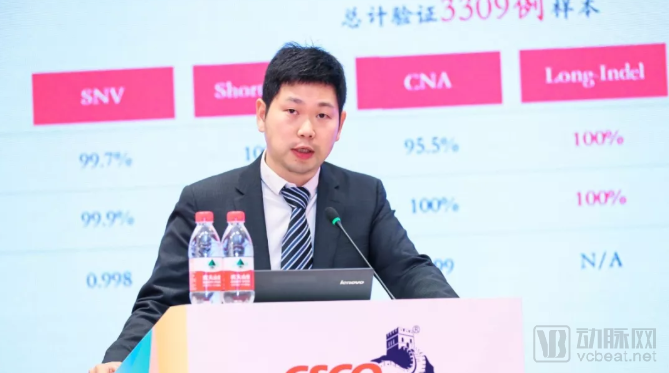
OrigiMed has never forgotten its original commitment to benefiting every patient and has been dedicated to the accumulation and research of data from the Chinese population. Thanks to years of focused efforts, we have established a robust genomic database specific to the Chinese population. Dr. Ming Yao from OrigiMed delivered a presentation titled “OrigiMed Data Release: Enhancing Our Understanding of Chinese Patients,” unveiling the latest large-scale real-world study data from OrigiMed, with the aim of providing reference and inspiration for researchers across various cancer types. Dr. Yao emphasized that systematic validation is a prerequisite for NGS-based clinical testing. OrigiMed’s product validation study was published in *The Oncologist*, comprehensively validating the detection of single-nucleotide variants, long/short insertions and deletions, copy number variations, and rearrangements, thereby fully covering biomarker testing for both targeted therapy and immunotherapy. The results demonstrated that OrigiMed’s testing products exhibit high sensitivity, high specificity, and strong reproducibility.
In the current landscape of oncology treatment, the concept of “treating different diseases with the same therapy” is prevalent. Different tumor types may respond to the same targeted or immunotherapy regimen due to shared biological characteristics, such as identical genetic mutations. In this context, how can pan-cancer precision targeted therapies learn from each other’s experiences? How should the cut-off value for tumor mutational burden (TMB) testing in immunotherapy be defined? Professor Chen Gong from Sun Yat-sen University Cancer Center, Professor Chen Zhiyu from Fudan University Shanghai Cancer Center, Professor Shen Peng from The First Affiliated Hospital, Zhejiang University School of Medicine, Professor Wang Xiaojia from Cancer Hospital of the University of Chinese Academy of Sciences, and Professor Wang Yusheng from Shanxi Provincial Cancer Hospital discussed these issues. The experts emphasized that in the era of “treating different diseases with the same therapy,” it is crucial to select rigorously validated genetic testing products. Regarding the selection of TMB cut-off values, different scenarios require different thresholds, but ultimately, patient efficacy remains the paramount consideration.
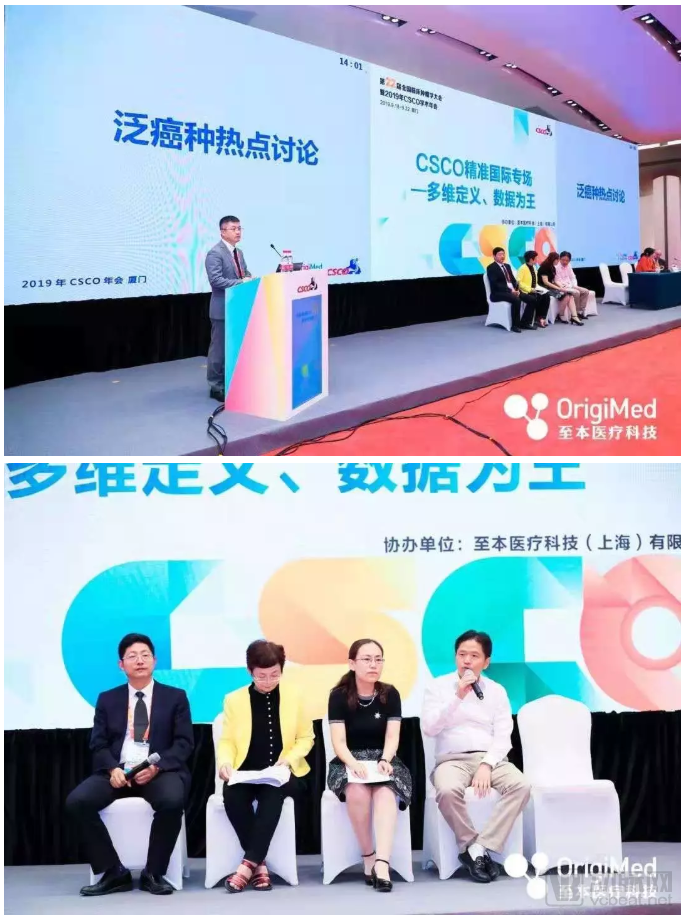
In conclusion, Professor Wu Yilong, the conference chair, summarized: “The development of precision medicine to its current stage has placed greater demands on us. We must not only identify results but also delve deeply into the significance behind these findings. We need to make more prudent choices and seek more robust clinical evidence. Finally, I would like to thank OrigiMed for presenting such a high-caliber conference. Thank you all!” With this, the “Multidimensional Definition, Data is King” OrigiMed·CSCO International Session on Precision Therapy came to a successful close.
Letting data speak has always been our stance, and holding ourselves to high standards has always been our practice. This conference was packed with valuable insights and intellectual stimulation, presenting robust data that earned unanimous acclaim from all attendees and the CSCO official team. Data is king; who can compete? We will continue our efforts to deliver more and better data. Stay tuned!