

BGISEQ-Based Multi-Gene NGS Panel for Lung Cancer Launched at CSCO 2019

BGI
Scientific and Technological Service Provider and Precision Medical Service Operator
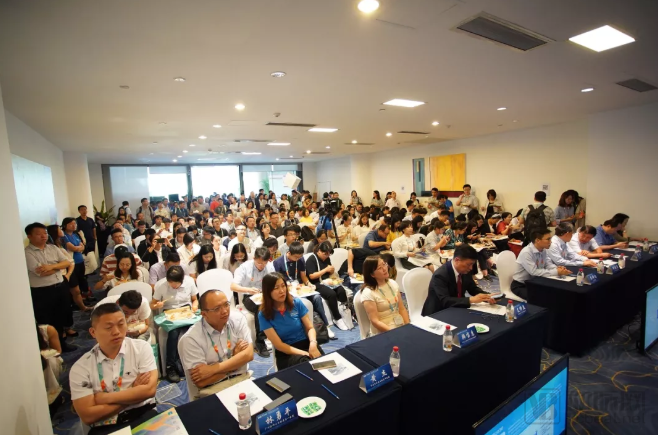
On September 19, 2019, the launch symposium for BGI’s multi-gene detection kit for lung cancer was grandly held in Conference Room 2 of the Xiamen International Conference Center. Themed “Leading with Core Technology, Crafting Premium Products with Artisan Spirit,” the event marked the official market launch of BGI’s lung cancer multi-gene detection kit based on its proprietary domestic high-throughput sequencing platform. The venue was packed with attendees who arrived early and took their seats in eager anticipation, keen to witness the highlight moment of China’s independently developed high-throughput sequencing technology.
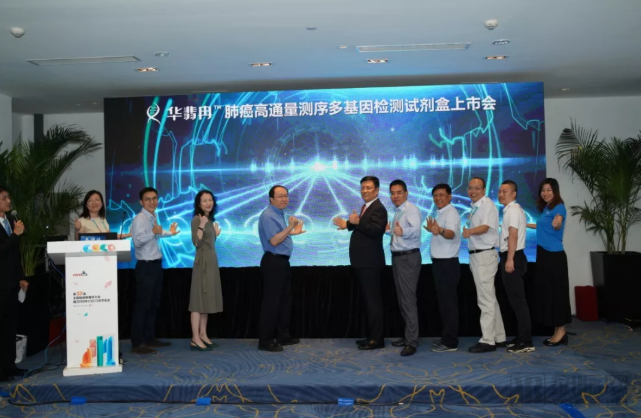
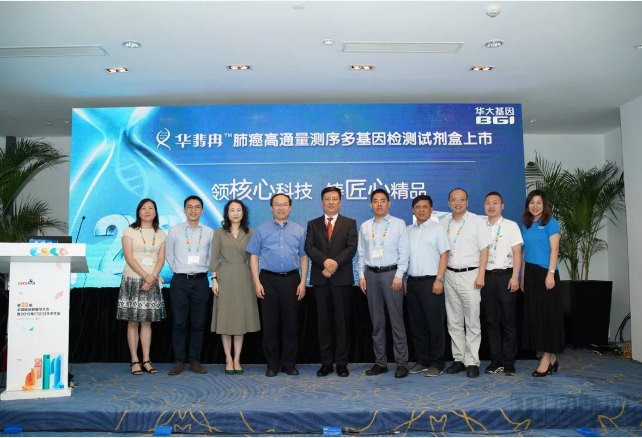
At the conference, BGI’s “Huafeiran™ EGFR/KRAS/ALK Gene Mutation Combined Detection Kit” was officially unveiled. Professor Zhi Xiuyi, Chairman of the Chinese Thoracic Surgery Lung Cancer Alliance and from Xuanwu Hospital of Capital Medical University; Professor Shao Jianyong from Sun Yat-sen University Cancer Center; Professor Lin Yongping from the First Affiliated Hospital of Guangzhou Medical University; Professor Chu Tianqing from Shanghai Chest Hospital affiliated with Shanghai Jiao Tong University; Professor Zhang Xin from Zhongshan Hospital affiliated with Fudan University; Professor Ma Jie from Henan Cancer Hospital; Professor Qiu Yuan from the First Affiliated Hospital of Guangzhou Medical University; together with Dr. Zhu Shida, an expert in BGI’s oncology business, and Dr. Liu Na, Vice President of BGI, jointly pressed their handprints at the venue, ushering in a new chapter for the launch of multi-gene detection kits for lung cancer in China.
Opening Remarks
Dr. Shida Zhu
BGI Oncology Business Expert
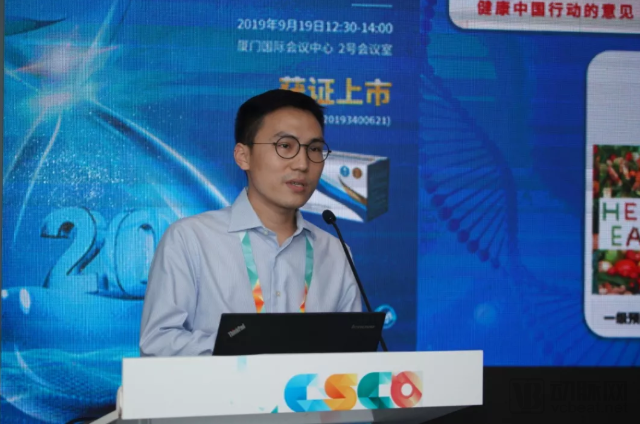
At the launch ceremony, Dr. Zhu Shida, an expert in BGI’s oncology business, delivered a speech highlighting BGI’s comprehensive, multi-level strategic layout in precision prevention and control of cancer, aligned with the “Healthy China 2030” initiative. The newly launched multi-gene detection kit for lung cancer represents a significant achievement in its clinical application segment.

Professor Zhi Xiuyi
Chairman of the China Thoracic Surgery Lung Cancer Alliance
Director, Lung Cancer Diagnosis and Treatment Center, Capital Medical University
Subsequently, experts from various fields discussed the standardized application of high-throughput sequencing technology in the clinical management of lung cancer. In his opening remarks, Conference Chair Professor Zhi Xiuyi highly affirmed the importance of standardized genetic testing for the clinical diagnosis and treatment of lung cancer. He expressed high expectations for BGI and called upon clinicians, regulatory review authorities, and testing institutions to join forces. By working together to ensure compliance and quality, they can promote precision medicine for lung cancer in China, thereby benefiting more patients and advancing toward the "Healthy China 2030" goal.
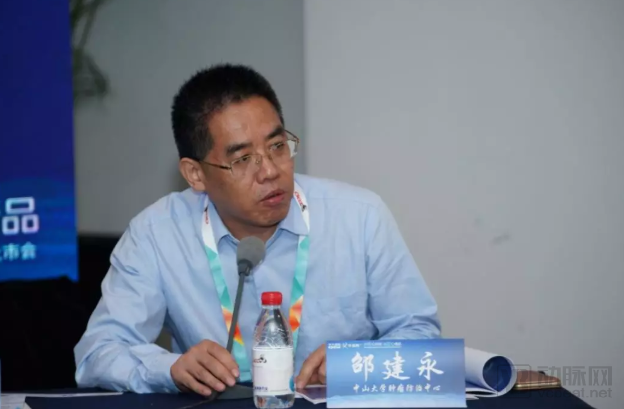
Professor Jianyong Shao
Sun Yat-sen University Cancer Center
Conference Chair Professor Shao Jianyong co-chaired the conference, provided a concise overview to introduce the distinguished speakers’ presentations, and offered in-depth commentary.
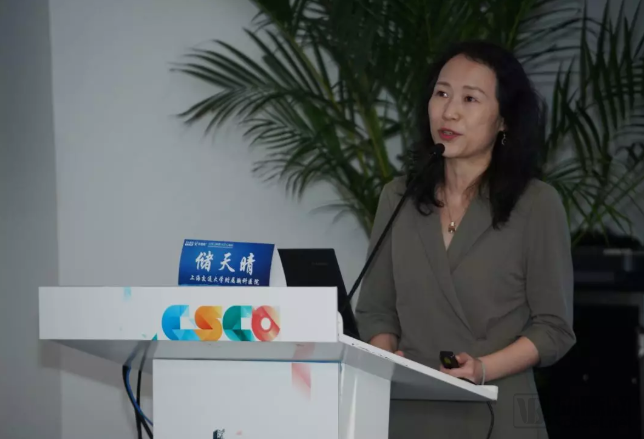
Frontiers in Lung Cancer Detection and a Summary of Big Data from Clinical Trials
Professor Chu Tianqing
Shanghai Chest Hospital, Shanghai Jiao Tong University School of Medicine
Professor Chu Tianqing from Shanghai Chest Hospital, affiliated with Shanghai Jiao Tong University, shared cutting-edge insights into the clinical treatment and testing of lung cancer and presented experimental data for BGI’s multi-gene detection kit for lung cancer. Comprehensive comparisons with conventional clinical techniques—including Sanger sequencing, ARMS, quantitative fluorescent PCR, FISH, and IHC—demonstrated that BGI’s kit exhibited high concordance and superior sensitivity. Furthermore, data comparison with other high-throughput sequencing platforms achieved 100% concordance, drawing significant attention from the audience and receiving full affirmation and high praise from the experts and guests present.
Clinical Applications and Challenges of High-Throughput Testing in the Diagnosis and Treatment of Lung Cancer
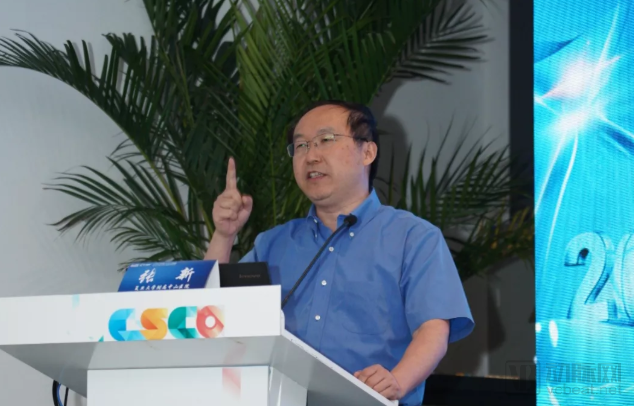
Prof. Zhang Xin
Zhongshan Hospital, Fudan University
Professor Zhang Xin from Zhongshan Hospital, Fudan University, demonstrated the clinical applications of high-throughput sequencing (HTS)-based genetic testing from a practical perspective, including fusion gene detection, identification of rare mutations, resistance monitoring, and tumor mutational burden (TMB) assessment. By presenting a series of common clinical challenges, he employed a critical analytical approach to systematically explore corresponding solutions, such as comprehensive interpretation of test reports, differentiating the correlation between mutant allele frequency and drug efficacy, and defining the appropriate indications and sample types for liquid biopsy. Genetic testing is an emerging and increasingly vital tool in clinical practice; however, there remains substantial room for further exploration to assist clinicians in addressing additional practical issues.
Comprehensive Clinical Testing Solutions Based on High-Throughput Sequencing Platforms
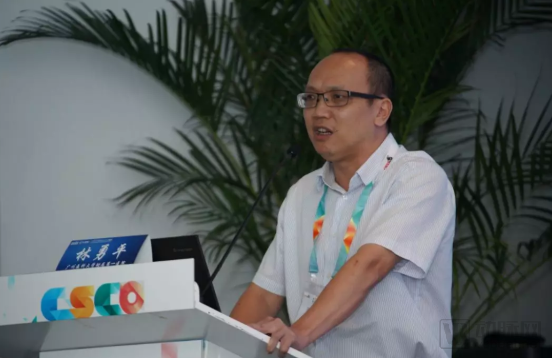
Professor Lin Yongping
The First Affiliated Hospital of Guangzhou Medical University
Professor Lin Yongping from the First Affiliated Hospital of Guangzhou Medical University shared insights on quality and process management in the hospital’s localized high-throughput testing laboratory, as well as large-scale data from the joint laboratory established with BGI. Professor Lin also stated that, looking toward the future of clinical oncology genetic testing, in-house testing and regional central laboratories are inevitable trends, which will require multidisciplinary collaboration among pathology, laboratory medicine, and clinical departments.
Applications of a personalized ctDNA test for detecting molecular residual disease and recurrence in solid tumors
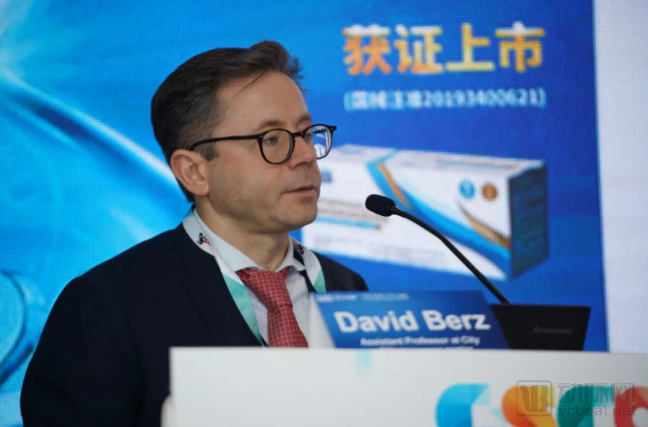
Professor David Berz
Oncology Specialist at City of Hope National Medical Center
Professor David Berz, an oncology expert from the City of Hope National Medical Center in the United States, presented cutting-edge advancements in the use of ctDNA testing for monitoring recurrence in solid tumors such as lung cancer, including applications in minimal residual disease (MRD) detection, recurrence monitoring, and treatment efficacy assessment. He shared some of Natera’s research findings and technical methodologies in these areas. The collaboration with Natera represents one of BGI’s strategic initiatives in the frontier field of liquid biopsy.
Discussion: Standardized Application of High-Throughput Testing Technologies in the Clinical Detection of Lung Cancer
The session concluded with a discussion panel moderated by Professor Han Baohui from Shanghai Chest Hospital, Shanghai Jiao Tong University School of Medicine. Professor Ma Jie from the Department of Pathology at Henan Cancer Hospital, Professor Qiu Yuan from the Department of Thoracic Surgery at the First Affiliated Hospital of Guangzhou Medical University, and Researcher Huang Jie from the National Institutes for Food and Drug Control participated in the discussion. They engaged in a lively exchange on the standardized clinical application of next-generation sequencing (NGS) technology in lung cancer, offering perspectives from pathologists, clinicians, and regulatory reviewers, respectively.
Professor Qiu Yuan strongly affirmed the clinical value of high-throughput sequencing in lung cancer, briefly outlining its application across the entire disease course—from early to late stages—including pre- and post-operative monitoring, and various treatment modalities such as targeted therapy and immunotherapy. Professor Ma Jie compared different detection technologies, concluding that high-throughput sequencing is the preferred technique due to its broad detection range and high sensitivity. Researcher Huang Jie, from the perspective of industry standards and regulation, pointed out that all products should have specific and clearly defined clinical application scenarios, and that technical and clinical validation should be conducted in accordance with regulatory norms and standards under this premise.
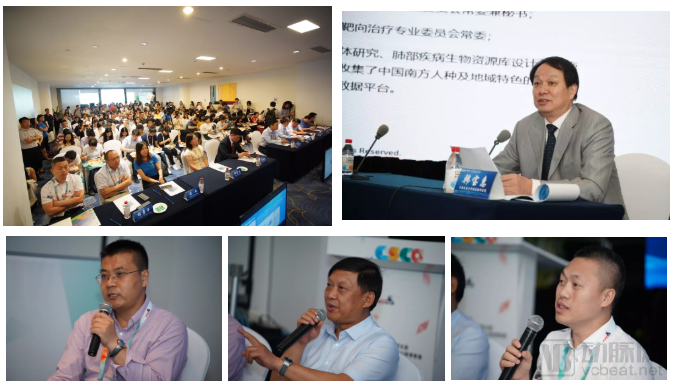
There is a consensus that the standardized clinical application of tumor genetic testing requires the joint efforts of three parties: reliable molecular pathology technical support, standardized management by regulatory authorities, and evidence-based application by clinicians. Meanwhile, testing institutions should adhere to the philosophy that “technology serves products, and products serve clinical practice,” ensure rigorous quality control, develop accurate and reliable tumor genetic testing technologies and products, and collaborate with hospitals for mutual benefit, thereby advancing the progress of precision medicine for lung cancer in China.
Booth Exchange Mini-Class
At BGI’s booth (No. B5-T24) in the exhibition area, the newly launched multi-gene testing kit for lung cancer and other products were showcased. On the afternoon of the 19th, BGI’s product manager conducted a demonstration and detailed explanation of the testing kits at the booth, drawing keen interest from attendees.
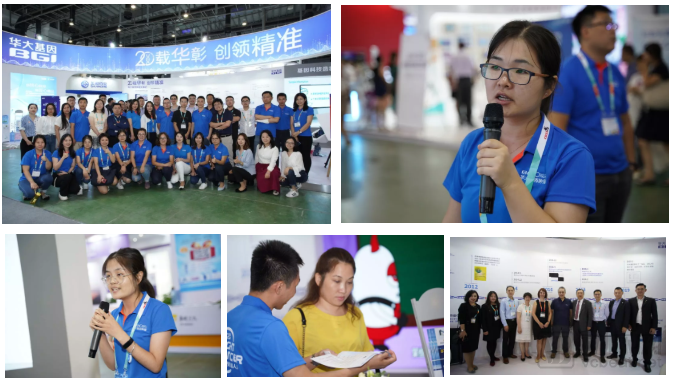
In this golden autumn of September, a season of harvest, BGI celebrates its 20th anniversary and presents to CSCO the fruitful outcomes of its multi-gene testing kit for lung cancer. BGI will continue to leverage its proprietary core technologies to serve oncologists and patients, promoting the widespread adoption of precision medicine for lung cancer in China and contributing new chapters to the “Healthy China 2030” initiative.