

PuraCen Launches Gynecologic Oncology Satellite Symposium at CSCO 2019, Showcasing Precision Medicine Innovations and Multi-Omics-Driven Diagnostic Portfolio
The 22nd National Clinical Oncology Conference and the 2019 CSCO Annual Academic Meeting were grandly held in Xiamen from September 18 to 22. The CSCO Conference is China’s most prestigious and authoritative academic gathering for clinical oncology. Purui Benchmark Technology has made significant strides and achieved remarkable results in the field of precision oncology. In recent years, it has gained high recognition from top experts and leading pharmaceutical companies, particularly in precision medicine for gynecologic cancers, emerging as a de facto leading brand. On September 20, Purui Benchmark hosted a CSCO-themed satellite symposium titled “New ‘Rui’ Breakthroughs Based on Precision: A New Era of Precision Medicine for Gynecologic Cancers,” aiming to share the latest advances in precision medicine for gynecologic cancers, showcase the company’s achievements in precision oncology with a focus on gynecologic cancers, and discuss innovations in translational medicine for these diseases.
Co-chaired by Professor Wu Lingying from the Cancer Hospital, Chinese Academy of Medical Sciences, and Professor Pan Lingya from Peking Union Medical College Hospital, this conference featured distinguished speakers including Professor Yin Rutie from the Second West China Hospital of Sichuan University, Professor Wu Ming from Peking Union Medical College Hospital, Professor Li Jundong from Sun Yat-sen University Cancer Center, and Professor Liang Han, co-founder of Berry Oncology. The attendees engaged in in-depth discussions on hot topics such as precision diagnosis and treatment of gynecologic tumors and big data mining. The event attracted significant attention from numerous experts, scholars, and clinicians, fostering a vibrant atmosphere throughout, with the experts’ presentations repeatedly earning warm applause from their peers.
Professor Wu Lingying delivered the opening remarks for this satellite symposium: “Gynecologic oncology has entered a new era of precision medicine, with breakthrough advances achieved in research on precision therapeutics—represented by PARP inhibitors—in gynecologic tumors, particularly ovarian cancer. With the maturation of genetic testing technologies, the advent of the omics big data era, and continuous breakthroughs in drug research such as PARP inhibitors and immune checkpoint inhibitors, precision therapy has flourished across gynecologic malignancies including ovarian, endometrial, and cervical cancers.” Leveraging its leading capabilities in bioinformatics and biostatistics, Purui Benchmark possesses substantial strength in multi-omics data mining for cancer. Professor Wu Lingying stated, “In the past, we tended to focus more on clinical practice; however, in the era of precision medicine, we are more inclined to collaborate with high-caliber technical teams like Purui Benchmark to enhance the quality of care for gynecologic tumors.”
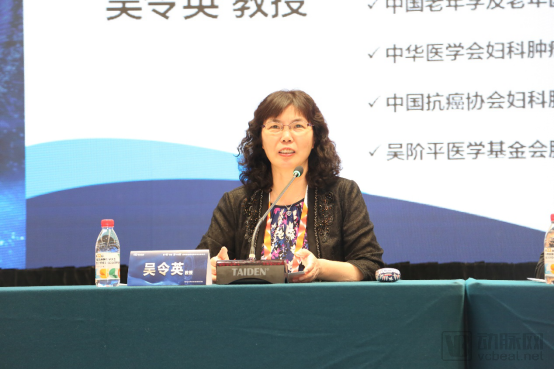
Professor Wu Lingying, National Cancer Center/Cancer Hospital, Chinese Academy of Medical Sciences
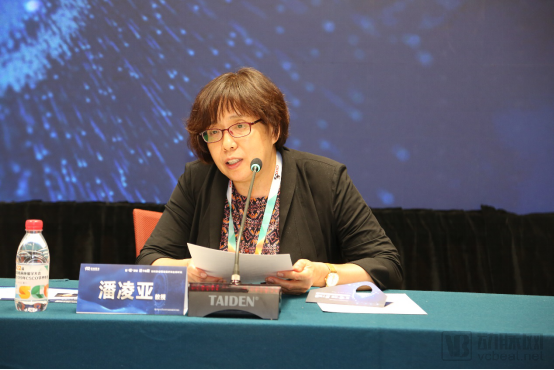
Professor Pan Lingya, Peking Union Medical College Hospital
Professor Yin Rutie shared insights on “Genetic Testing and Risk Management for Hereditary Gynecologic Tumor-Related Syndromes.” Professor Yin first introduced the application of different genetic testing methods in four common hereditary syndromes associated with gynecologic tumors, including Hereditary Breast and Ovarian Cancer (HBOC) syndrome, Lynch syndrome, Cowden syndrome, and Peutz-Jeghers syndrome.
Professor Yin emphasized, “For the detection of Lynch syndrome, both immunohistochemistry (IHC) for mismatch repair (MMR) deficiency and PCR-based microsatellite instability (MSI) testing have a false-negative rate of 5–10%. Taking all factors into account, next-generation sequencing (NGS) panels are the optimal testing method for Lynch syndrome screening in both patients and healthy individuals.” Professor Yin further pointed out, “Hereditary Breast and Ovarian Cancer (HBOC) is associated not only with BRCA1/2 mutations but also with many other genes. Compared with BRCA1/2 mutation testing alone, multi-gene panel testing can better identify the genetic causes of hereditary tumors. However, more genes are not necessarily better; cost-effectiveness must be evaluated comprehensively based on levels of evidence and database support.” OncoDiag® 36-Gene Test, launched by Purui Benchmark, is grounded in authoritative guidelines such as those from the NCCN, SGO, and ASCO, and is supported by robust and comprehensive databases. It accurately assesses the hereditary risk of various gynecological tumors and provides precise recommendations for subsequent treatment.
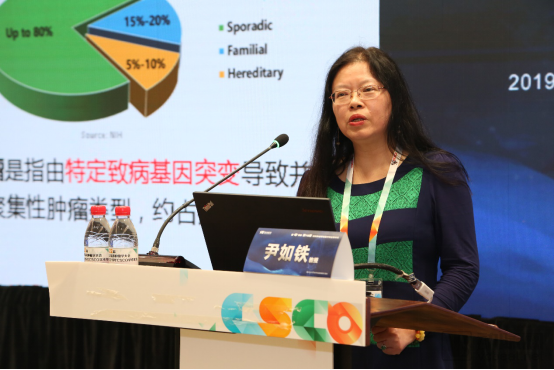
Professor Yin Rutie, West China Second University Hospital, Sichuan University
Professor Liang Han, co-founder of Purui Benchmark, delivered a keynote address titled “Big Data Mining Drives the Development of Translational Oncology in China.” As one of the core scientists of The Cancer Genome Atlas (TCGA) project, Professor Liang began by introducing his work on multi-omics data mining in oncology, starting with TCGA.
The Cancer Genome Atlas (TCGA) is a landmark multi-omics cancer research project that has elevated human understanding of oncology to new heights through comprehensive data collection and panoramic omics profiling encompassing 33 cancer types and over 11,000 patients.
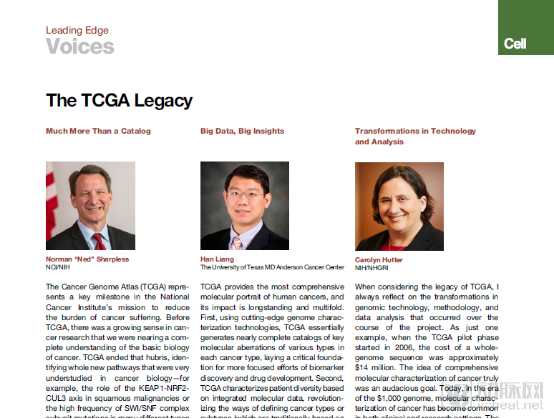
In 2018, Professor Han Liang accepted an invitation from *Cell* magazine to provide a concluding commentary on the 13-year work of the TCGA project. Professor Liang stated, “Bioinformatics is no longer merely a supportive endeavor; in the future, the integration of bioinformatics with clinical medicine will play a more leading role in deepening cancer research and treatment, yielding fruitful results.”
Drawing on his published work from the past two years, Professor Liang Han elucidated, from multiple perspectives, how omics research and the mining of massive omics datasets can advance the development of clinical precision medicine. First, at the DNA level, different mutations in specific genes exert distinct functional effects. The clinical significance of many mutations remains unclear, introducing substantial uncertainty into clinical treatment. Even for well-studied genes such as EGFR and BRAF, the implications of a large number of mutations remain unknown.
In response, Professor Liang Han established a functional experimental system. Based on this platform, he completed functional annotations for over 1,000 somatic mutations and conducted comprehensive annotations of more than 100 mutations each in key genes such as EGFR and BRAF. These findings hold significant implications for the precise clinical application of related targeted therapies.
Furthermore, Professor Liang emphasized the importance of proteomics, advocating to “go beyond DNA and RNA, and leverage protein information for precise modeling and optimized clinical decision-making.” Based on high-throughput protein microarray and bioinformatics technologies, Professor Liang has established multiple precision models, such as a survival prediction model for early-stage endometrial cancer. This model effectively stratifies patients with endometrial cancer and holds significant clinical implications.
Leveraging these studies, TCGA established a mature data modeling system that enables the integrated analysis of multi-omics data to generate robust models. Building on this foundation, Professor Liang posed the question: “Can we transcend the level of gene expression and develop novel therapeutic strategies based on gene regulatory information?” Guided by this concept, Professor Liang mined massive datasets and identified an enhancer of the PD-L1 gene that regulates PD-L1 expression.
This result has made new immunotherapy strategies possible. Finally, Professor Liang posed a more intriguing and challenging question: “Can we go beyond the genetic level and use holistic cellular properties as novel biomarkers?” Professor Han Liang discovered the pattern of amino acid energy consumption in cells and proposed a new concept, amino acid energy consumption per gene or cell (ECPA), which was found to serve as a predictive biomarker for immunotherapy efficacy.
From the continuous expansion of genomics to “multi-omics,” from gene expression to gene regulation, and finally to the exploration of holistic cellular properties, Professor Liang Han believes that the future of precision medicine lies in constantly breaking through conventional thinking, uncovering critical information embedded in massive omics datasets, and pioneering new concepts and practices.
Professor Liang Han stated that, leveraging its strengths in bioinformatics and data mining, Purui Benchmark integrates and analyzes multi-omics data to transform it into clinically valuable information, ultimately benefiting patients. To this end, Purui Benchmark has established AIBERT, a knowledge mining platform capable of integrating massive, multi-dimensional, heterogeneous data. Through in-depth data mining, AIBERT facilitates research on drug targets, biomarkers, and resistance mechanisms, as well as the exploration of combination therapy regimens. By combining these innovative translational medicine approaches with novel clinical trial designs, the platform strongly advances clinical care and drug development, working collaboratively to promote progress in precision oncology and ultimately benefit patients.
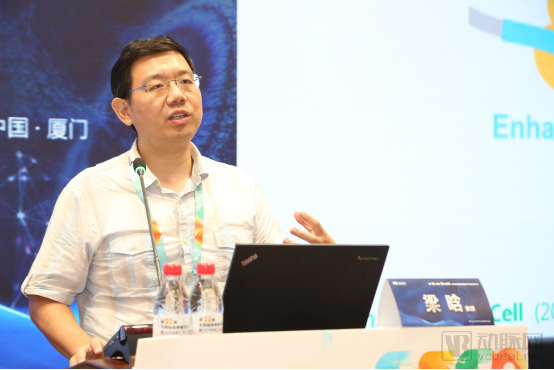
Professor Liang Han, Co-founder of Purui Benchmark
Professor Wu Ming introduced “Prospects for the Application of PARP Inhibitors in Ovarian Cancer and the Exploration of Predictive Biomarkers.” “PARP inhibitors have transformed the treatment paradigm for ovarian cancer; however, not all platinum-sensitive patients respond to PARP inhibitors. Maximizing patient benefit is a critical issue requiring attention.” Professor Wu proposed three strategies and emphasized the importance of predictive biomarkers: “In addition to BRCA1/2 mutations, mutations in other homologous recombination repair (HRR) genes or homologous recombination deficiency (HRD) caused by unknown factors can also influence sensitivity to PARP inhibitors. Taking ovarian cancer as an example, multiple clinical trials of PARP inhibitors have demonstrated that assessing HRR gene mutation status via multi-gene panel testing, or using ‘genomic scarring’ as a biomarker to evaluate the HRD phenotype, shows that HRD-positive patients derive significantly greater benefit than HRD-negative patients.” As one of the earliest teams in China to conduct in-depth research on HRD, Purui Benchmark has launched its corresponding OncoD® series of testing products. These products not only assess hereditary risk and recurrence risk in patients with gynecologic tumors but also provide recommendations for precision medication in gynecologic oncology, including the use of PARP inhibitors and immune checkpoint inhibitors (such as anti-PD-1/PD-L1 monoclonal antibodies). Building on this foundation, Purui Benchmark has further developed an HRD Score model to evaluate HRD, enabling the identification of patients most likely to benefit from PARP inhibitors. Theoretically, this approach can expand the population eligible for therapeutic benefit by threefold compared to relying solely on BRCA testing.
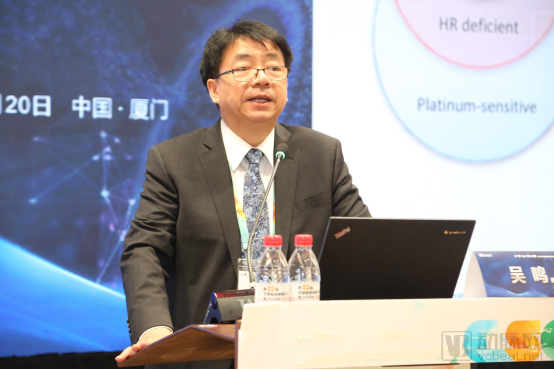
Professor Wu Ming, Peking Union Medical College Hospital
Professor Li Jundong shared insights on “Precision Medicine in Gynecologic Oncology Targeting the DNA Damage Response (DDR) Pathway.” “Abnormalities in the DDR system are closely associated with tumorigenesis. Defects in homologous recombination repair (HRR) and mismatch repair (MMR) are relatively common in gynecologic malignancies such as ovarian cancer and endometrial cancer. Corresponding targeted therapies, including PARP inhibitors and immune checkpoint inhibitors, are now widely used in clinical practice.”
Professor Li pointed out, “The efficacy of immunotherapy is very limited in unselected patients with gynecologic tumors; appropriate biomarkers are required for prediction. Taking endometrial cancer treated with PD-1 monoclonal antibodies as an example, the objective response rate (ORR) is 13% in PD-L1-positive patients, whereas it reaches as high as 56% in patients with mismatch repair deficiency (dMMR).” Professor Li Jundong also listed various immunotherapy biomarkers, including efficacy-related indicators such as tumor mutational burden (TMB), POLE mutations, TP53/KRAS mutations, HLA-I typing, and PD-L1 protein expression, as well as indicators related to drug resistance and risk. Since some biomarkers are independent of one another, a combination of multiple biomarkers is necessary to more accurately assess patient suitability for immune checkpoint inhibitors. Based on a leading multi-omics platform, PreciseDx’s products, such as OncoStar® and OncoClear®, can detect multiple biomarkers associated with immunotherapy, targeted therapy, and chemotherapy, thereby providing a comprehensive assessment of patient suitability for various treatment regimens.
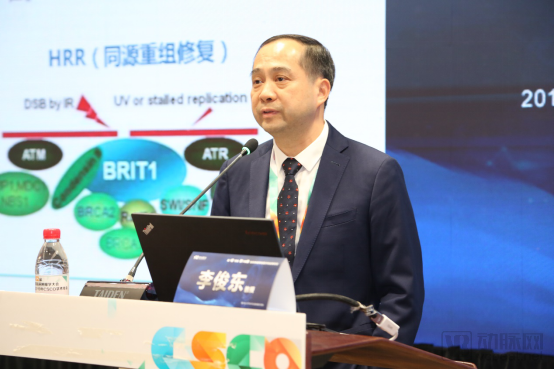
Professor Li Jundong, Sun Yat-sen University Cancer Center
In her concluding remarks, Professor Wu Lingying stated that previously, clinical drug administration relied solely on traditional pathological findings and clinical staging, which proved effective only in a subset of patients. Therefore, identifying biomarkers to screen for the patient population likely to benefit holds significant importance.
Therefore, collaborating with the Purui Zhun team to integrate clinical data with multi-omics big data will serve as a cornerstone and our hope in the fight against cancer. Professor Wu Lingying called on everyone to break through conventional thinking, embrace future challenges, and jointly combat gynecologic tumors. In his concluding remarks, Professor Pan Lingya emphasized that the use of new drugs for gynecologic cancers, such as PARP inhibitors, should fully consider biomarkers to identify patients likely to benefit. He stated that establishing efficacy prediction models based on data from Chinese populations will be a key direction for the future development of precision medicine in gynecologic oncology.
It was past 9 p.m., yet the 400-seat auditorium was packed to capacity. The dedication of medical professionals to acquiring new knowledge and striving for excellence was truly admirable. As a leading company in translational oncology medicine in China, Purui Benchmark possesses unique advantages in bioinformatics, biostatistics, machine learning, and omics data mining. The company has achieved highly positive results in multi-omics analysis, data mining, biomarker exploration, and the development of survival prediction models.
It is believed that with deeper and more extensive collaboration among physicians, pharmaceutical companies, and translational medicine firms such as PuriDiag, more novel drugs and predictive models will be applied in gynecologic oncology. This will accelerate China’s entry into a new era of precision medicine in gynecologic oncology, ultimately benefiting cancer patients.
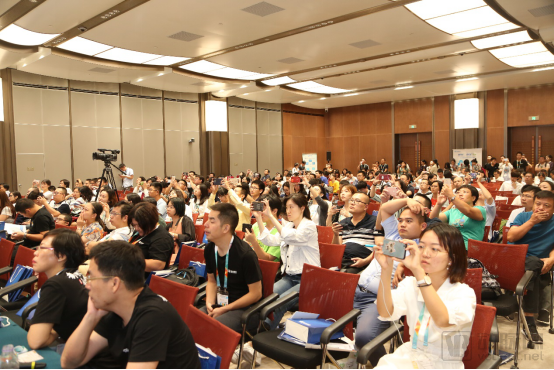
Conference Venue
About PuriGene
Prism Precision Medicine (Beijing) Co., Ltd. is a cancer translational medicine company characterized by its “data-driven” approach. The company possesses unique and leading technologies in multi-omics, bioinformatics, and biostatistics/machine learning. By leveraging the mining and interpretation of biological data, particularly large-scale omics data, it provides services to pharmaceutical companies, hospitals, and physicians.
Leveraging multi-omics technologies, bioinformatics, data mining, and biostatistical capabilities, the company provides “data-driven translational medicine” services to pharmaceutical enterprises. These services support key decision-making in the R&D of novel oncology drugs, including target selection, biomarker research, indication selection, and exploration of combination therapies. Additionally, the company offers advanced and precise clinical testing services to facilitate the practice of precision medicine. Currently, the company has established long-term collaborations with multiple leading R&D-focused pharmaceutical companies, providing translational medicine services that have been highly recognized. Its clinical testing business has also expanded to cover over one hundred Grade 3A hospitals across China, earning affirmation from clinical experts.