

Electronic Medical Records Drive Billion-Yuan Market Growth: Surge in Multi-Million Orders and the Rise of Turnkey Solutions in Healthcare IT

Neusoft
Provider of Connectivity and Software Products and Services
Since August, the secondary market for healthcare IT has been exceptionally buoyant. Riding the tailwinds of a broader market recovery, “upward momentum” has become the dominant theme in the healthcare informatics sector recently, regardless of companies’ past profit or loss performance.
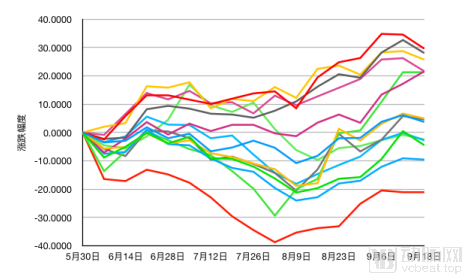
Statistics on the Stock Price Fluctuations of 13 Healthcare IT Companies
This trend is closely linked to long-standing policy support. Over the past two years, China has undertaken sweeping, state-led reforms in healthcare informatization, squarely targeting the domain centered on electronic medical records (EMRs). In October 2018, the Bureau of Medical Administration and Healthcare Reform issued the “Notice on Further Advancing the Construction of Information Systems in Medical Institutions with EMRs at the Core,” ushering in a new phase of EMR system upgrades in hospitals.
Policy requirements stipulate that by 2019, all tertiary hospitals within their jurisdictions must achieve Level 3 or above in the Graded Evaluation of Electronic Medical Record (EMR) Application, thereby enabling data exchange among different departments within the hospital. By 2020, they must reach Level 4 or above, achieving hospital-wide information sharing and incorporating clinical decision support capabilities. Analysts have roughly estimated that this policy will generate an incremental market of at least RMB 10 billion for the healthcare informatization sector.
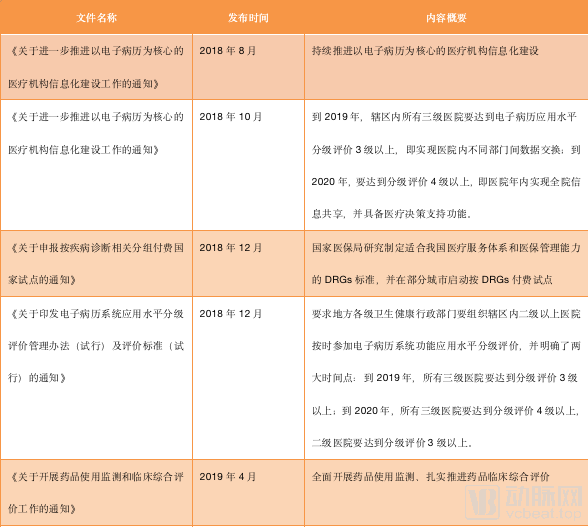
Under the policy, IT enterprises have enjoyed a bumper harvest over the past six months.
The semi-annual reports reveal that Winning Health secured nearly 20 new orders worth over RMB 10 million each, while B-Soft Co., Ltd. added more than 10 such orders, including a RMB 147 million contract for the big data-based smart hospital project at Fujian Medical University Union Hospital. Today, healthcare IT companies are no longer limited to securing “small deals” worth only a few million yuan; amid the current wave of development, individual contract values can reach hundreds of millions. Long undervalued, healthcare IT firms appear to have an opportunity for a turnaround.
Recently, VCBeat analyzed the annual reports of 13 healthcare IT companies and drew the following conclusions:
1. Policy remains the core driver for growth in healthcare IT enterprises; however, judging from stock price trends, policy changes do not have an immediate impact on stock prices. Investors tend to wait for a period of market reaction before making concentrated investments.
2. Policies related to the Smart Hospital Rating system have significantly expanded the scale of the medical IT industry. In 2019, rating-related businesses will occupy an important position in corporate revenue, with single-project quotations substantially higher than those of traditional HIS projects;
3. As large hospitals entrust the construction of various information systems to healthcare IT enterprises under a general contracting model, the market will continue to consolidate among leading players. Many small and medium-sized healthcare IT firms lacking robust, comprehensive solutions and implementation capabilities are likely to see their market share eroded by larger enterprises.
4. Following this series of policy initiatives, policies related to 5G and Diagnosis-Related Groups (DRGs) are highly likely to drive the next wave of growth for healthcare IT enterprises, bringing new incremental expansion to the market size of the healthcare IT sector;
5. Derivative businesses in medical informatics, such as the Internet of Things (IoT), mobile operating rooms, and internet hospitals, are still in the investment phase. The increased capital expenditure on infrastructure has raised corporate costs, with these figures appearing as liabilities on the balance sheet and thereby reducing gross profit margins, while the timing of future growth inflection points remains uncertain.
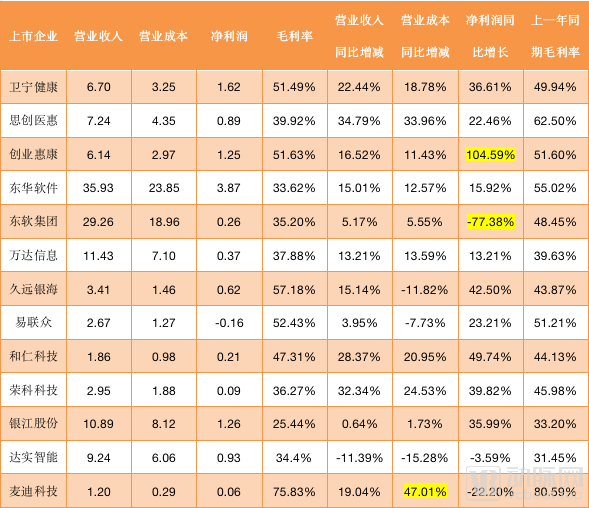
According to the semi-annual reports, data from three companies are particularly noteworthy.
Based on the financial reports of healthcare IT companies, B-Soft Co., Ltd. undoubtedly stands out with the most impressive performance. In the first half of 2019, B-Soft achieved operating revenue of RMB 613.8459 million, a year-on-year increase of 16.52%. Among this, revenue from the medical and health sector reached RMB 425.6937 million, up by 31.36% year-on-year, accounting for 69.35% of the company's total operating revenue. The net profit attributable to shareholders of the listed company was RMB 125.1326 million, representing a year-on-year growth of 104.59%.
B-Soft’s surge has benefited from the impetus of new national policies on electronic medical records (EMR). Amid this wave of EMR system construction, B-Soft facilitated multiple clients to separately pass the 2018 Graded Evaluation of Functional Application Levels of EMR Systems and the National Health and Medical Information Interconnectivity Maturity Assessment in the first half of the year. Among them, two clients achieved Level 6 EMR rating, eight clients were involved in Level 5 EMR rating, and several other hospitals passed the Level 4 Grade A assessment for standardization maturity of interconnectivity.
Insiders revealed that the price for comprehensive electronic medical record (EMR) solutions rated at Level 4 or above in the hierarchical evaluation system exceeds RMB 10 million, while those rated at Level 3 or above are around RMB 10 million. Even the construction of ordinary Level 2 EMR systems requires an expenditure of RMB 3–5 million. These rating-related projects have significantly driven up the per-project pricing levels for healthcare IT enterprises and have become a key driver behind the rapid development of B-Soft Co., Ltd.
Another driving force stems from policy-driven healthcare big data management. On December 26, 2018, B-Soft Co., Ltd. won the bid for the big data-based smart hospital construction project at Fujian Medical University Union Hospital, with a total contract value of RMB 147 million, including RMB 42 million for hardware and RMB 105 million for software. The scope specifically includes:
(1) The Fujian Union Hospital project is an integrated hardware and software solution based on digital hospital and Internet of Things (IoT) services, which has comprehensively upgraded the hospital's internal systems;
(2) The software component accounts for RMB 105 million, representing 71.4% of the total. This includes four multidisciplinary consultation modules valued at RMB 16.09 million; two internet healthcare modules valued at RMB 9.62 million; an overall upgrade to support Level 6 compliance in both electronic medical record system functionality and application maturity, costing RMB 3.8 million; and three construction modules related to cloud platforms for medical consortiums, valued at RMB 13.7 million.
(3) Hardware equipment includes clinically relevant surgical devices, network communication devices, and security devices.
Compared with the quotation for standalone projects, B-Soft’s “bundled solution” offers a significantly lower unit price while encompassing items such as hardware infrastructure construction, thereby generating more substantial revenue streams.
Regarding this model, He Bingyu, an analyst at Zhongtai Securities, summarized: “The adoption of the general contracting model to expand business will inevitably lead to increased industry concentration. We are currently in the first phase of this consolidation, with further increases expected in the future. In this context, large enterprises will have greater advantages when bidding for major contracts worth tens of millions.”
According to the annual report, Neusoft’s profitability declined rapidly in the first half of 2019. The group’s total revenue amounted to RMB 3.593 billion, while net profit stood at only RMB 26 million, representing a year-on-year decrease of 77.38%.
However, Neusoft’s performance in the healthcare and social security sectors remains noteworthy. Data shows that in the first half of the year, Neusoft’s healthcare-related business generated revenue of RMB 716 million, with operating costs of RMB 381 million, resulting in a gross profit margin of 46.74%, which remained flat compared to the same period last year.
Neusoft’s rising costs are primarily driven by the advancement of its intelligent connected vehicle and smart city businesses, while its medical informatization business has provided substantial support to its overall operational performance. According to an IDC industry report, Neusoft’s integrated solutions for smart healthcare informatization continue to hold the top position in the industry.
Regarding growth in specific business segments, Neusoft’s active bank-hospital and insurance projects continued to gain momentum in 2018. Currently, Neusoft has participated in the construction of medical insurance systems in more than 200 provincial and municipal pooling areas, including Liaoning, Gansu, Inner Mongolia, Hainan, Nanning, Chongqing, and Hangzhou, providing medical insurance informatization services to 190,000 designated medical and pharmaceutical institutions. In the bank-hospital sector, Neusoft Ubione’s smart connectivity products, in collaboration with Bank of Shanghai, officially launched the first “Smart e-Care” service demonstration zone in Shanghai at Huashan Hospital Affiliated to Fudan University. The informatization network construction project for bank-hospital cooperation in smart hospitals went live at the People’s Hospital of Tibet Autonomous Region, and collaborations with clients such as Fudan University Shanghai Cancer Center, Xi’an Gaoxin Hospital, and Nanchang Third Hospital are progressing smoothly.
In the field of healthcare informatization, Neusoft has directed more of its efforts toward clinical expert systems.
Taking Neusoft’s next-generation hospital core business platform, RealOne Suite, as an example, this system not only provides one-stop solutions for numerous medical institutions in terms of technical architecture, functional implementation, and specialty-specific specialization, but has also helped more than ten medical institutions pass national assessments and evaluations related to electronic medical records (EMR) and interoperability.
The focus on clinical expert systems was not a spur-of-the-moment decision; undercurrents have long been stirring beneath the surface.
On May 31 this year, Neusoft and Baidu announced the joint establishment of an “AI-based CDSS Special Task Force.” Baidu AI Cloud will collaborate with Neusoft to upgrade cloud-based Hospital Information Systems (HIS). Baidu AI will be fully integrated into the HIS product suite, actively exploring hospital intelligence and promoting the in-depth application of medical big data in the pharmaceutical and insurance industries.
Less than a month after the release of its semi-annual report, Baidu made a strategic investment of RMB 1.443 billion in Neusoft Holdings. Coupled with both parties’ respective layouts in smart cities, this round of investment will integrate smart healthcare with other components of smart cities, making healthcare an even more indispensable part of urban life.
As a leading provider of comprehensive clinical informatics solutions, Medical System continues to maintain its dominant position in this niche sector. However, with business expansion, the implicit value of its investments in the first half of the year remains to be validated over time.
In terms of figures, MediTech reported operating revenue of RMB 120 million and operating costs of RMB 29 million, with a gross profit margin of 75.83%, yet its profit amounted to only RMB 6.17 million. Compared with the same period last year, its operating costs increased by 47.01% year-on-year, while net profit decreased by 22.20% year-on-year.
In terms of core business, MediTech’s performance did not disappoint investors. During the reporting period, the number of projects eligible for implementation of its integrated digital operating room solutions increased, with revenue rising by 280.15% year over year; operation and maintenance revenue grew by 23.52% compared to the same period last year.
To unlock the potential of “Smart Clinical Care,” Medical System increased its costs for products in the category of overall digital operating room solutions by RMB 8.8019 million year-on-year.
Medical System’s high gross profit margin is underpinned by its clinical information systems (CIS) business. Compared with other healthcare IT solutions, CIS requires lower hardware investment during deployment and offers a higher degree of standardization. “It is akin to installing Microsoft Office; hospitals can standardize such systems as much as possible, reducing the cost of secondary development and enabling rapid rollout at lower cost and higher speed,” commented He Bingyu.
In contrast, the deployment of digital operating rooms requires substantial hardware investment, which is a major driver of their rapidly increasing operating costs.
Of course, the core factors driving changes in profit still stem from variations in operating and investing activities. The semi-annual report indicates that a significant amount of wealth management products purchased with surplus idle raised funds were redeemed in the same period last year; cash flow decreased by approximately RMB 27 million due to a reduction in the purchase of wealth management products using proprietary funds compared to the previous period, as well as the payment of an equity purchase intention deposit for Haikou Marie Hospital Co., Ltd. in the current period. Additionally, cash flow decreased by approximately RMB 30 million due to a decline in tax refunds received, coupled with increases in cash paid for purchasing goods and receiving services, cash paid to and on behalf of employees, and various taxes paid.
Based on this data, MediTech’s business expansion appears to be proceeding without significant issues. With the recovery of more accounts receivable in the second half of the year, MediTech’s market performance may change accordingly.
In addition to the three typical companies mentioned above, other enterprises have also developed in a steady and orderly manner with the advancement of policies.
In 2019, Enjoyor Technology reported operating revenue of RMB 1.089 billion and net profit of RMB 126 million, representing a year-on-year increase of 35.99%. This revenue growth is closely linked to Enjoyor Health’s gradual transition from project-based and platform-based models to a data-operation-oriented model. Currently, in terms of projects, Enjoyor Health has collaborated with over 1,000 hospitals. Regarding platforms, the Shenyang Regional Population Health Information Platform built by Enjoyor Health has established an interconnected health information service system covering all 13 districts (counties) of Shenyang and a permanent population of 8 million, making it the first ultra-large-scale regional health platform in a sub-provincial capital city nationwide. In the area of data operations, the four business segments under Enjoyor Health—Smart Hospitals, Medical Internet of Things (IoT), Regional Healthcare, and “Internet + Healthcare”—jointly constitute the data-integrated “Health Brain.”
YLZ Information Technology Co., Ltd has also demonstrated strong performance, with its healthcare insurance-related solutions already implemented in multiple provinces and cities across China. After winning the bid for the National Healthcare Security Administration project in June 2019, YLZ introduced the concept of “middle-end” to the field of government informatization for the first time, building business and data middle-ends to lay the foundation for a new round of healthcare security informatization.
Wonders Information is building cloud services for cities that cover health, medical care, pharmaceuticals, and medical insurance, centered on the “three-medical linkage” model. In the future, based on its established expertise in developing high-quality solutions for key urban systems—including healthcare, public welfare, safe city initiatives, smart government services, market regulation, technology-driven environmental protection, and education—Wonders Information will further advance the construction and operation of integrated smart-city platforms such as the Citizen Cloud, Enterprise Cloud, Government Cloud, and Urban Big Data Centers.
As the concept of smart healthcare continues to expand, the market for medical IT is also growing. According to IDC’s “China Healthcare Industry IT Market Forecast, 2019–2023,” China’s healthcare industry spent RMB 49.18 billion on IT in 2018. The market size is projected to reach RMB 79.16 billion by 2023, representing a compound annual growth rate (CAGR) of 10% from 2018 to 2023.
To capitalize on this wave of policy dividends, relying solely on traditional healthcare IT services is unlikely to deliver sustainable growth for enterprises. In fact, many companies had already laid their groundwork before the policies were officially released. So, where does the next wave of opportunities lie? We may find clues about the future by examining the strategic moves made by these aforementioned enterprises.
From Digitalization to Holistic Health: Medical IT Moves Toward Out-of-Hospital Connectivity
The characteristics of the new generation of the healthcare IT industry are evident: building hospital cloud platforms based on in-hospital informatization and extending to broader applications. However, this path is broad with numerous players, meaning competitors are encountered at every turn. Therefore, formulating a proprietary development model is crucial. This article examines B-Soft Co., Ltd. and Winning Health Technology Group Co., Ltd. as case studies, both of which have carved out their own paths of expansion.
The “Zhongshan Model” created by B-Soft, with the Medical and Health Internet Business Group as its expansion direction, started from the regional level and gradually replicated and extended nationwide. The year 2019 marked the first year of the franchise operation for B-Soft’s “Zhongshan City Regional Health Information Platform Construction and Operation Project.”
The core of the Zhongshan Model is to build a cloud-based health industry platform that connects the entire medical ecosystem—including patients, physicians, healthcare institutions, insurance companies, and medical device manufacturers. This platform aims to provide patients with convenient medical services, establish information networks for hospitals, create a software ecosystem for third-party organizations, and serve as a carrier for e-commerce, insurance, elderly care, and other services.
In brief, B-Soft Co., Ltd. has established four cloud platforms: the Health Record Service Cloud Platform, the Healthy Zhongshan Service Cloud Platform, the Zhongshan Family Doctor Service Cloud Platform, and the Commercial Operation Service Cloud Platform, with each platform performing distinct functions.
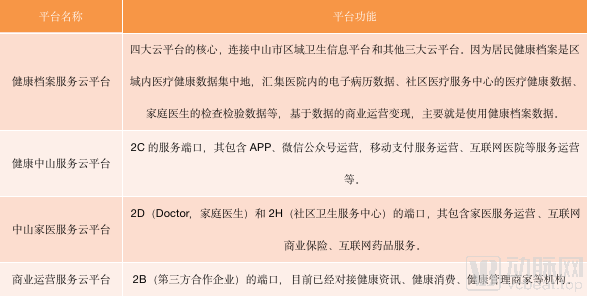
Cloud platforms do not simply migrate healthcare institutions and regional health information systems to the cloud; rather, they represent an architectural layer above existing IT systems. By acquiring data from hospital information systems (HIS), community hospital information systems, and regional health information systems, these platforms enable internet-based services. The overall health cloud platform can integrate with internet hospitals, health management companies, wearable device manufacturers, physical examination centers, insurance companies, pharmaceutical distributors, private physicians, medical research entities, medical consortia, and physician groups.
During the reporting period, leveraging the Company’s “City-level Smart Healthcare Operation Service Platform” (which comprises multiple cloud platforms, including Health City Cloud, Internet Hospital Cloud, Maternal and Child Smart Care Cloud, E-commerce Cloud, Nursing Care Cloud, Aggregated Payment Cloud, and Commercial Insurance Services) and integrating functionalities such as aggregated payment, 29 public hospitals in Zhongshan City have adopted offline QR code scanning payment, and 26 public hospitals have implemented online point-of-care payment. To date, the cumulative number of transactions has reached approximately 6.918 million, with a total transaction value of around RMB 1.143 billion.
Furthermore, the online commercial insurance claims platform, through collaborations with multiple insurers including Ping An Insurance, China Life Insurance, ZhongAn Insurance, and Taikang Insurance, provides rapid online medical insurance claims services. To date, it has been integrated with 15 district and township hospitals.
Winning Health’s “Internet+” model also encompasses four clouds, implementing a “4+1” development strategy that includes Cloud Medicine, Cloud Pharmacy, Cloud Insurance, and Cloud Wellness, plus an Innovation Service Platform.
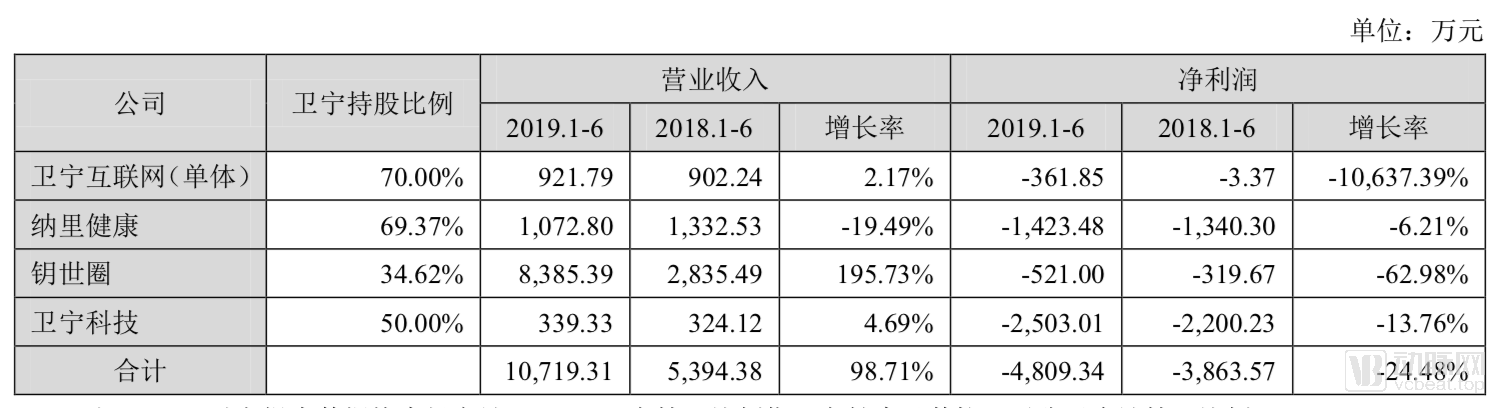
Data source: Winning Health’s 2019 Semi-Annual Report
According to the annual report, the “Yao Lian Ti” (Pharmaceutical Consortium) ecosystem of Keyshi Circle, centered on “Cloud Pharmacy” and integrating “prescription circulation, insurance-pharmacy linkage, B2B empowerment, and health services,” has experienced rapid growth, with its revenue accounting for nearly one-quarter of Winning Health’s total revenue.
In contrast, although Nali Health’s new “Internet + Healthcare Services” model has cumulatively signed contracts for over 300 medical projects, facilitated more than 2 million remote medical consultations, and served over 200 million patient visits, its losses continue to widen. Following a trajectory similar to that of Ping An Good Doctor and WeDoctor, this cash-burning phase is likely to persist for an extended period.
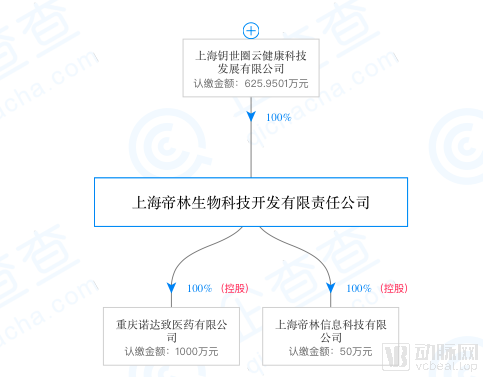
The rapid growth of Yaoshiquan is closely tied to Winning Health’s own pharmaceutical sales. Relevant sources indicate that Winning Health has obtained qualifications to sell drugs to small and medium-sized pharmacies. Taking Shanghai Yaoshiquan Cloud Health Technology Development Co., Ltd. as an example, it acquired drug wholesale and retail qualifications through its indirect controlling stake in Chongqing Nuodazhi Pharmaceutical Co., Ltd. Coupled with its inherent advantage in patient referral from hospital information systems, Yaoshiquan’s B2B business has become the core contributor to its revenue.
Certainly, Cloud Healthcare and Cloud Insurance have also made significant contributions to connectivity. In the first half of 2019, Cloud Insurance expanded its coverage to more than 100 additional medical institutions, with a newly added transaction volume exceeding RMB 8 billion and over 54 million new transactions. Meanwhile, it has enabled multiple payment channels for numerous hospitals.
The Rise of 5G, AI, and the Internet of Things: Opportunities and New Competitors
According to HIMSS’s 2019 forecast, 35% of hospitals will deploy AI applications within the next two years, and the scale of this incremental market is significant.
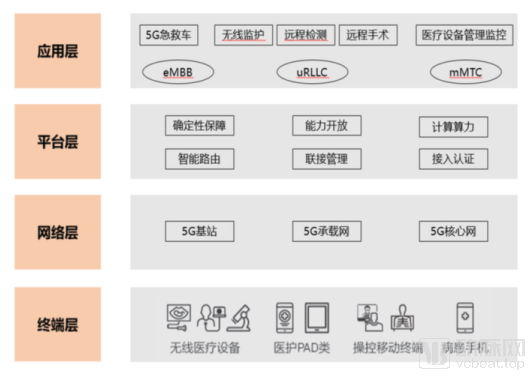
The icons are sourced from the “White Paper on Smart Healthcare in the 5G Era” released by the Internet Medical and Health Industry Alliance.
A considerable number of healthcare IT companies are engaged in the Internet of Things (IoT) sector. Representative firms specializing in label-based products, such as Hangzhou Century Co., Ltd. and B-Soft Co., Ltd., have already reaped substantial profits. However, with the advent of 5G, a new landscape of smart IoT is poised to emerge. Although these enterprises have secured an early-mover advantage, they must remain vigilant regarding the disruptive effects brought about by policy changes.
Data shows that B-Soft IoT, a subsidiary of B-Soft Co., Ltd., won a multi-million-yuan IoT hospital contract from Jiangyin People's Hospital. In the first half of the year, B-Soft IoT generated revenue of RMB 171 million, a year-on-year increase of 3.64%, with a net profit of RMB 41.74 million, a year-on-year decrease of 12.77%. One-third of B-Soft IoT’s performance in the first half of the year came from the healthcare sector.
Moreover, it is not only these medical IT enterprises that are targeting the hospital-based Internet of Things (IoT); the three major telecommunications carriers and equipment manufacturers also seek to capture a share of this market. This situation mirrors the development of the “Internet Plus” model. While safeguarding their existing business systems, medical IT companies should also consider how to develop next-generation healthcare solutions encompassing the Internet of Everything, thereby building an IoT ecosystem for the healthcare industry based on the new “Future Healthcare” model.
DRGs
The establishment of the National Healthcare Security Administration in 2018 centralized relevant authorities in the field of medical management, significantly accelerating the promotion and implementation of policies and creating new development opportunities for the entire healthcare informatics market. However, to implement DRG-based payment systems, hospitals’ information technology infrastructure must meet certain requirements.
First, the hospital has a unified medical data dictionary across multiple departments; second, it possesses the hardware, network infrastructure, and operational maintenance capabilities required to install DRG grouper software, supporting interoperability with healthcare institution information systems and DRG groupers; third, the hospital can provide nearly complete, standardized, and normalized health insurance settlement and clinical treatment data. Therefore, it is expected that future informatization initiatives based on DRGs will create new market opportunities for the healthcare informatics industry.
From the current perspective, the market size for DRGs is not substantial. Insiders within the industry indicate that the unit price for building such a system for the National Healthcare Security Administration ranges from several million to around ten million RMB. However, given the limited number of such administrative bodies, generating subsequent revenue proves challenging.
On the hospital side, the model has reverted to that of traditional healthcare IT enterprises. The average transaction value for groupers in secondary hospitals is approximately RMB 1 million, indicating considerable market potential. Based on a count of 10,000 secondary and tertiary hospitals, the total addressable market will exceed RMB 10 billion.
In this regard, B-Soft Co., Ltd. has secured an early advantage by winning the bid in May for Package 8 of the “Procurement Project for Business Application Software in the Construction of the National Healthcare Security Administration’s Healthcare Security Information Platform.” Overall, there remains room for competition in the market, and other health IT enterprises still have the potential to catch up and surpass their competitors.
“If the industry does not undergo significant changes, HIS is doomed.” Among the aforementioned 14 companies, a chairman expressed a somewhat pessimistic view on the medical informatics industry in early 2018. However, following the issuance of national-level guidelines on the development of “Internet + Healthcare” in 2018, the medical informatics industry has undergone earth-shaking transformations.
“Fortunately, builders of smart hospitals are also continuously evolving.” He Bingyu, an analyst at Zhongtai Securities, stated, “In this era driven by technology, every competitor is striving to seize the transformative opportunities presented by artificial intelligence, the Internet of Things, and cloud platforms; consequently, our entire system is undergoing continuous upgrades as a result.”
Therefore, healthcare IT companies have not yet reached the peak of their valuation; “midway up the mountain” may be a more accurate description of their current position. However, as they climb higher, competition will become more intense and rivals more formidable. Should they continue to refine their existing products? Or open up new fronts? Or perhaps pursue both strategies simultaneously? Traditional healthcare IT enterprises now stand at an internet-era crossroads...