

ADC Therapeutics Withdraws IPO Amid Market Volatility as Three Biotechs Debut on Nasdaq

Aprea Therapeutics
Cancer Drug Developer
Viela Bio
Innovative Drug Developer for Autoimmune Diseases

ADC Therapeutics
Clinical Oncology Drug Developer
Frequency Therapeutics
Small Molecule Drug Developer
As October arrived, the Nasdaq market welcomed a new wave of biotechnology company listings. Last night, three biotech firms went public on the same day, with Viela Bio completing its IPO just one and a half years after its establishment. Both Viela Bio and Aprea Therapeutics saw their market capitalizations exceed $100 million on their listing day. According to the original plan, the Swiss innovator ADC Therapeutics was also scheduled to list on the same day, but the company unexpectedly withdrew its application on the eve of the offering due to unfavorable market conditions.


Viela Bio is the successor to MedImmune, AstraZeneca’s global biologics R&D division. In February 2018, AstraZeneca announced the spin-off of six early-stage inflammation and autoimmune programs into an independent biotechnology company, Viela Bio. The new company is dedicated to researching treatments for autoimmune diseases and severe inflammatory disorders. Its core strategy aims to redefine the treatment of autoimmune diseases by focusing on key biological pathways shared across multiple indications, thereby identifying additional therapeutic indications for each drug candidate.
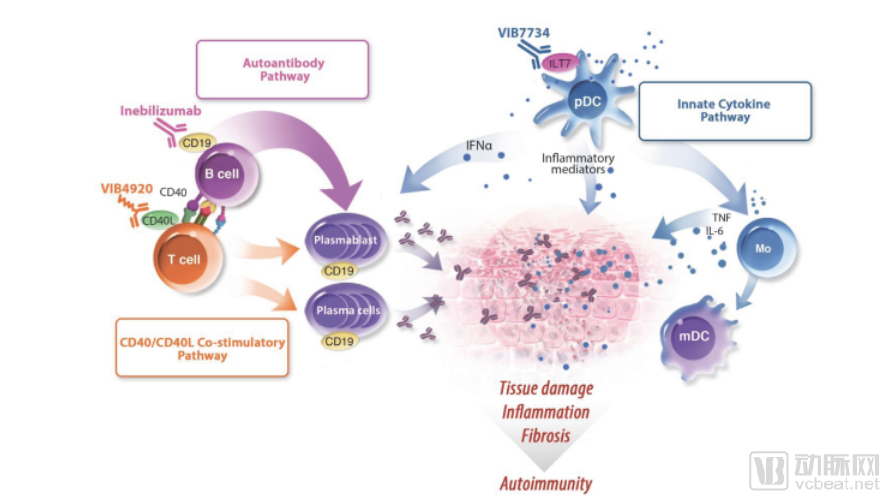
Image from the prospectus
Viela Bio’s lead candidate, inebilizumab, is a humanized monoclonal antibody (mAb) targeting CD19. The company is currently developing inebilizumab as a first-line monotherapy for neuromyelitis optica spectrum disorder (NMOSD). NMOSD is a rare and severe autoimmune disease that attacks the central nervous system without warning, causing progressive and irreversible damage to the brain, optic nerves, and spinal cord, which may result in long-term disability.
Based on inebilizumab, Viela Bio launched the largest-ever study targeting neuromyelitis optica spectrum disorder (NMOSD). The product has already received orphan drug designation from both the U.S. Food and Drug Administration (FDA) and the European Medicines Agency (EMA). In August 2019, the FDA accepted Viela Bio’s Biologics License Application (BLA) for inebilizumab. Additionally, Viela Bio plans to pursue other indications for inebilizumab. Reportedly, the company intends to conduct a Phase 2 trial of inebilizumab for desensitization in kidney transplantation and a pivotal trial for myasthenia gravis in the second half of 2019. Furthermore, a Phase 2b trial for IgG4-related disease is scheduled to begin in 2020.
In addition, Viela Bio has two clinical-stage and two preclinical-stage candidate products, which are mainly focused on research into other autoimmune diseases with unmet medical needs.
The candidate product VIB4920 is a fusion protein designed to bind to CD40 ligand (CD40L) on activated T cells, thereby blocking its interaction with CD40 on B cells and potentially other binding partners. To date, Viela Bio has completed two Phase 1 clinical trials of VIB4920 and plans to submit an Investigational New Drug (IND) application in the second half of 2019, while simultaneously initiating a Phase 2 trial in Sjögren’s syndrome. It was disclosed that clinical studies for other indications related to the CD40/CD40L pathway may commence in 2020. VIB7734 is a humanized monoclonal antibody intended as a novel therapeutic approach for autoimmune diseases. Viela Bio has completed a single-ascending-dose Phase 1a clinical trial in patients with any one of six autoimmune diseases (excluding lupus erythematosus and cutaneous lupus erythematosus [CLE]). VIB7734 is currently undergoing a Phase 1b trial.
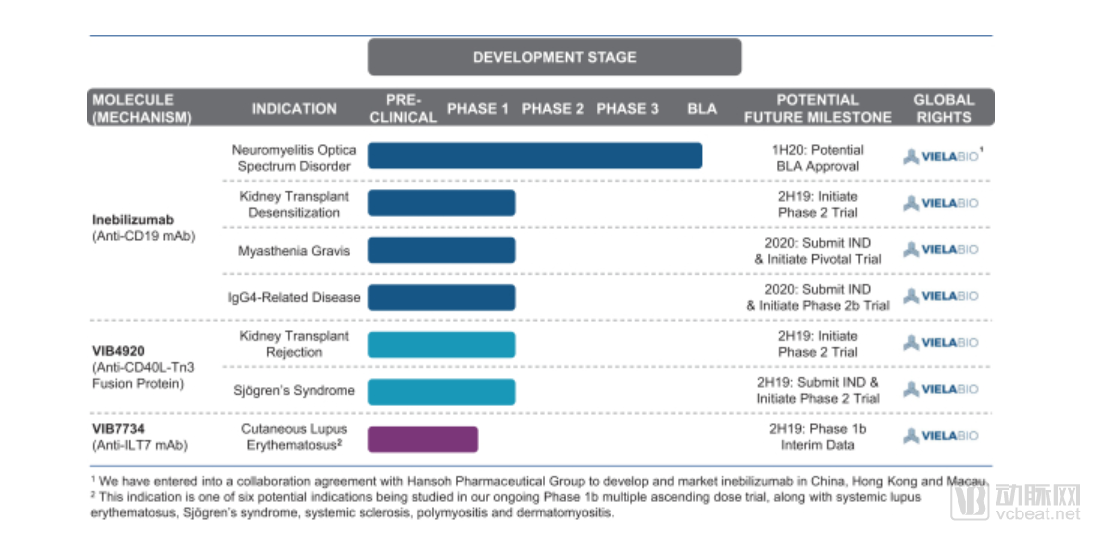
Image from the prospectus
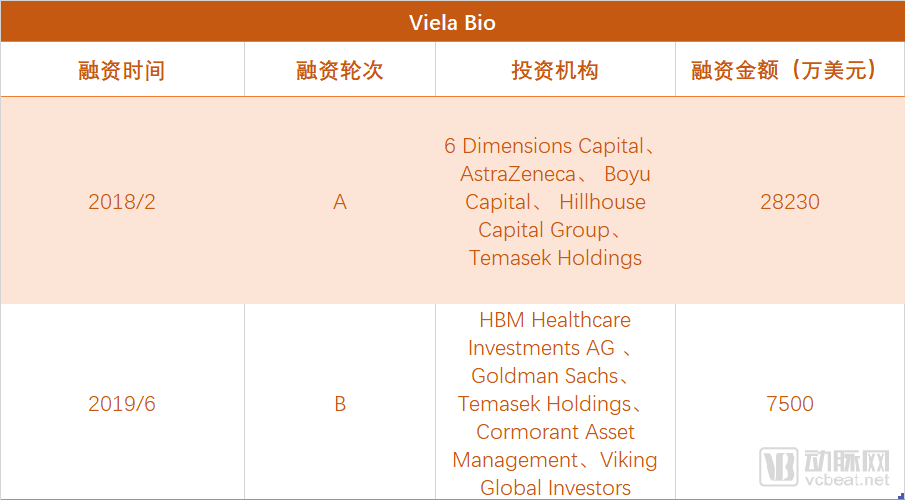
Viela Bio filed for an initial public offering on the Nasdaq in August 2019, having previously attracted significant interest from a broad base of investors. In February 2018, Viela Bio completed a $250 million Series A financing round. Its board of directors included representatives from leading venture capital firms such as All-China Healthcare Holdings (Tonghe Yucheng), Boyu Capital, Hillhouse Capital, Temasek, and Sirona Capital, with AstraZeneca currently being the company’s largest shareholder.
Data sourced from Meigu Zhijia
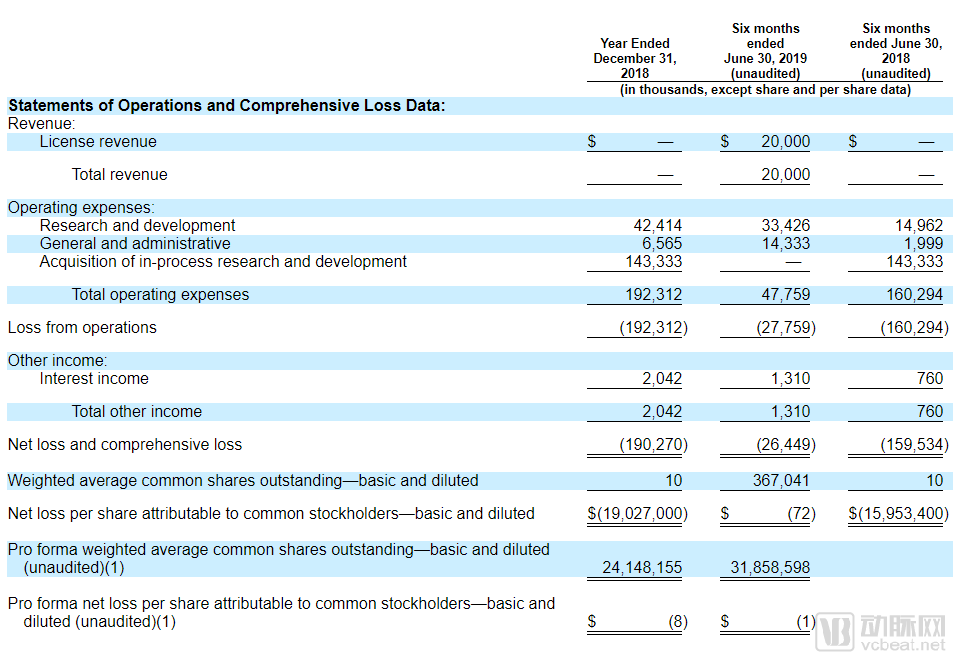
Image from the prospectus
The prospectus revealed that for the year ended December 31, 2018, Viela Bio’s total research and development (R&D) expenses amounted to $42.4 million, primarily comprising direct program costs and external expenses. Of this amount, $34.2 million was paid to R&D contractors for activities related to the development of candidate products, mainly clinical trials for inebilizumab, VIB4920, and VIB7734. Another significant portion of expenditures stemmed from acquisitions; Viela Bio spent a total of $143.3 million to acquire in-process research and development (IPR&D) assets from MedImmune and AstraZeneca.
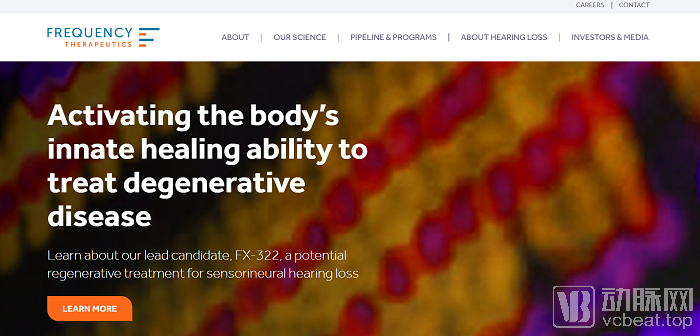
Image from the official website of Frequency Therapeutics
Frequency Therapeutics, founded in 2014, is a biotechnology company focused on the development of small-molecule drugs. The company has pioneered a novel small-molecule therapy known as Progenitor Cell Activation (PCA), which stimulates dormant stem cells in vivo. Through the transient activation of these progenitor cells, the company can treat diseases without the need for complex genetic engineering. The primary objective of this program is to regenerate sensory cells in the inner ear to treat chronic hearing loss caused by noise exposure.
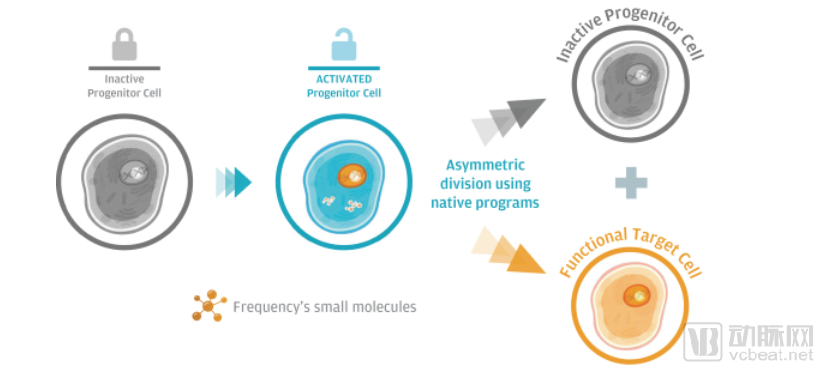
Image from the prospectus
According to statistics, more than 30 million people in the United States alone are affected by noise-induced hearing loss; therefore, the advent of this therapeutic technology undoubtedly brings a ray of hope to numerous patients.
Sensorineural hearing loss (SNHL) is the most common type of hearing loss, typically resulting from the permanent loss of sensory hair cells in the cochlea of the inner ear. FX-322 is a candidate product under development by Frequency Therapeutics, with its primary research focus on providing a curative treatment for SNHL. It is understood that the U.S. Food and Drug Administration (FDA) has not yet approved any medication for the treatment of SNHL. Frequency Therapeutics believes that FX-322 has the potential to significantly improve overall hearing function by activating progenitor cells already present in the cochlea to regenerate hair cells. According to statistics from the World Health Organization, more than 800 million adults worldwide suffer from hearing loss, while data from the U.S. National Institutes of Health indicate that over 90% of individuals with hearing loss have SNHL.
Frequency Therapeutics is currently conducting a Phase 1/2 clinical trial of FX-322 for sensorineural hearing loss (SNHL), in which 23 patients achieved favorable outcomes. The company plans to initiate a Phase 2a clinical trial involving 96 SNHL patients in the fourth quarter of 2019, with the expectation of reporting primary data from this trial in the second half of 2020. It is reported that Frequency Therapeutics has submitted a Fast Track designation request for FX-322 for the treatment of adult SNHL.

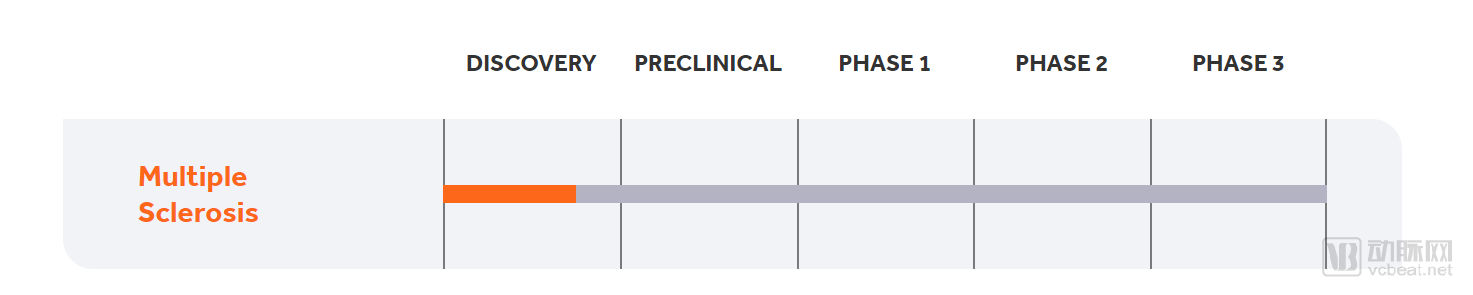
Image from the Frequency Therapeutics official website
In addition, Frequency Therapeutics also uses its proprietary PCA platform to explore potential drug candidates for the treatment of muscular, gastrointestinal, dermatological, and skeletal disorders.
On September 6, 2019, Frequency Therapeutics filed its prospectus with the securities regulators, planning to raise $100 million through an initial public offering (IPO) under the stock ticker “FREQ”.
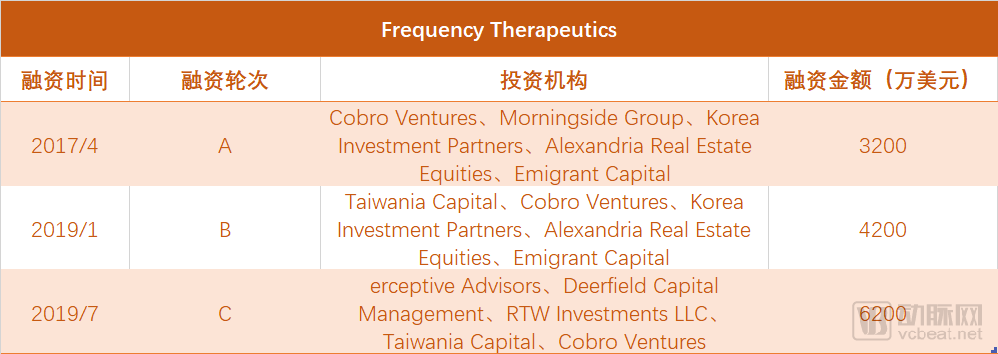
Data from Moomoo
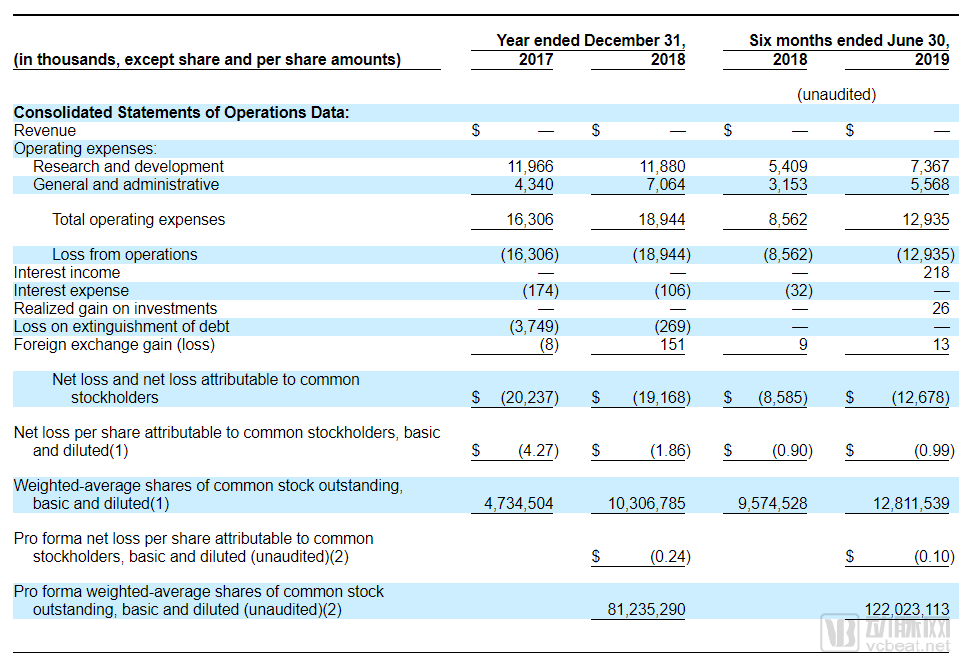
Image from the prospectus
The prospectus reveals that Frequency Therapeutics is currently in a state of sustained net losses. In 2017, 2018, and the first half of 2019, the company’s net losses amounted to $20.237 million, $19.168 million, and $12.678 million, respectively. This is primarily attributable to substantial R&D expenditures and the absence of commercialized products. During the same periods, the company’s R&D spending was $11.966 million, $11.88 million, and $7.367 million, respectively. As its product candidates advance into clinical trials, Frequency Therapeutics’ future R&D investments are likely to increase further.
On the other hand, Frequency Therapeutics is also a platform company. Given the potential of its PCA platform in drug discovery, the company may also find business opportunities in collaborative R&D. For instance, in July 2019, Frequency Therapeutics entered into a license and collaboration agreement with Astellas. Under this agreement, Astellas is responsible for the development and commercialization of FX-322 outside the United States. Astellas has agreed to pay Frequency Therapeutics an upfront payment of $80 million. Additionally, Frequency Therapeutics may receive up to $545 million in further payments based on development and commercial milestones, as well as royalties on future product sales.
Image from the official website of Aprea Therapeutics
Aprea Therapeutics, founded in 2003 and headquartered in Stockholm, Sweden, is a clinical-stage biotechnology company led by President and Chief Executive Officer Christian S. Schade. Aprea Therapeutics focuses on developing novel anticancer therapies aimed at reactivating the tumor suppressor protein p53 in patients through innovative treatments.
Tumorigenesis and tumor progression result from dysregulation of normal cellular growth control mechanisms. Approximately 50% of tumors exhibit inhibition of the P53 gene, leading to a deficiency in P53 protein and thereby disrupting critical apoptotic pathways. This disruption promotes tumor cell survival and tumor growth. APR-246 can restore the normal function of the P53 protein, effectively inducing tumor cell death and overcoming resistance to other antineoplastic agents.
Aprea Therapeutics’ APR-246 is a first-in-class small-molecule anticancer drug that reactivates mutant p53 tumor suppressor protein. It has demonstrated preclinical antitumor activity in various solid and hematologic tumors and is currently under clinical development for the treatment of myelodysplastic syndromes (MDS), acute myeloid leukemia (AML), and ovarian cancer.
On December 2, 2018, Aprea presented the results of a Phase Ib/II clinical study evaluating APR-246 in combination with azacitidine (AZA) in patients with TP53-mutant myelodysplastic syndromes (MDS) at the 2018 American Society of Hematology (ASH) Annual Meeting held in San Diego. The study aimed to assess the safety and efficacy of APR-246 when used in combination with azacitidine (AZA) for the treatment of TP53-mutant MDS.
Phase II clinical study results showed that the overall response rate was 95% among the 20 evaluable patients, with 70% (14 patients) achieving complete remission (CR) at the end of the statistical analysis period. Compared with baseline, P53 immunohistochemistry positivity, mutant TP53 variant allele frequency (VAF), and TP53 minimal residual disease (MRD) were all significantly reduced at the time of disease assessment. As of December 2018, no dose-limiting toxicities had been observed with APR-246, nor was there any observed worsening of safety profiles expected to be associated with AZA.
Aprea Therapeutics has initiated Phase 3 clinical studies in myelodysplastic syndromes (MDS) and completed the Phase Ib/II clinical trial of APR-246 in combination with azacitidine (AZA) for the treatment of TP53-mutant MDS and acute myeloid leukemia (AML). In April 2019, the U.S. Food and Drug Administration (FDA) granted Fast Track designation and Orphan Drug status to APR-246 for the treatment of patients with TP53-mutant MDS. Aprea Therapeutics is also developing second-generation p53 reactivators.
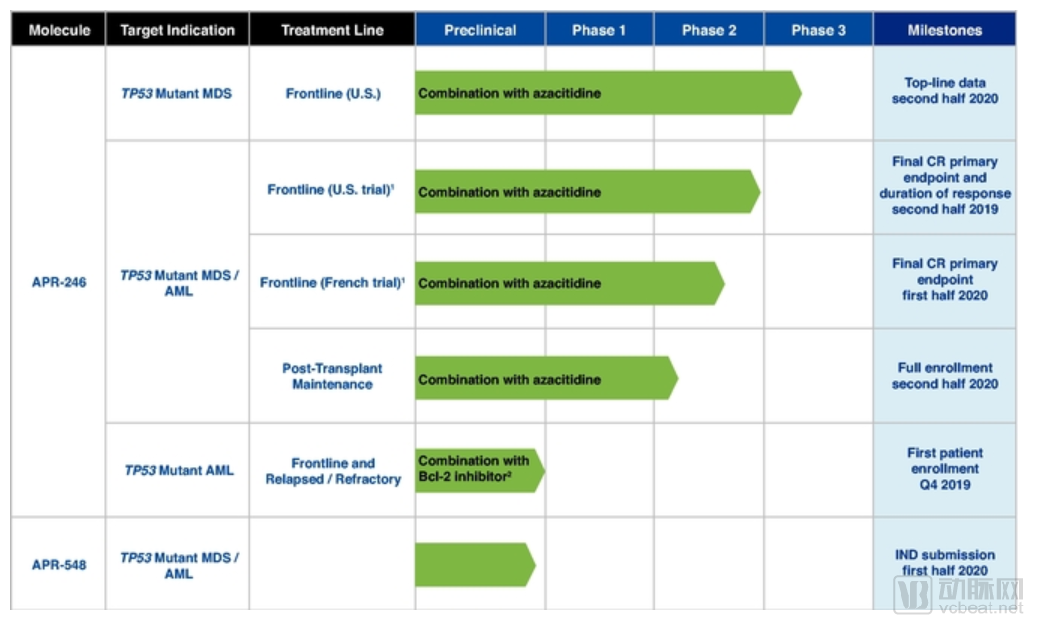
In addition to APR-246, Aprea Therapeutics’ pipeline includes a preclinical candidate, APR-548. The prospectus reveals that Aprea Therapeutics currently retains global development and commercialization rights for all its preclinical and clinical candidates.
In September 2019, Aprea Therapeutics filed an application for an initial public offering (IPO) on the Nasdaq with the U.S. Securities and Exchange Commission (SEC), proposing an offering price of $14.00–$16.00 per share, issuing 5 million shares, and raising $75 million. The company stated that the proceeds from the IPO would be used to advance the clinical development of APR-246. Prior to this, Aprea Therapeutics had completed four rounds of financing.
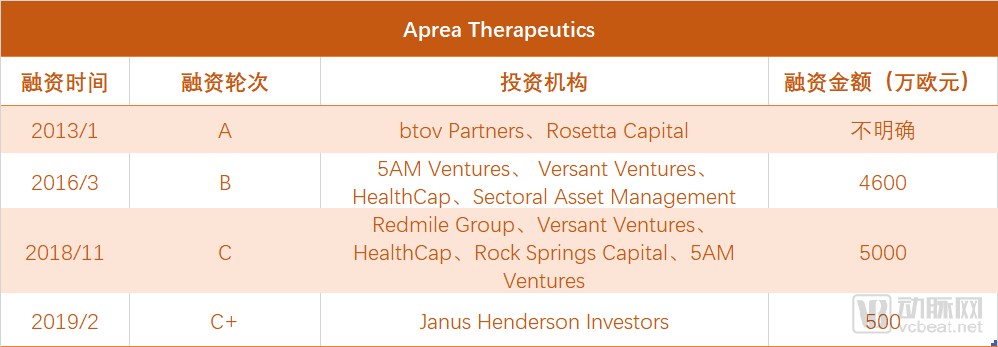
Data sourced from Moomoo
The prospectus revealed that Aprea Therapeutics’ R&D expenditures in 2017, 2018, and 2019 were $13.39 million, $14.19 million, and $8.00 million, respectively; its net losses for the same three-year period (with 2019 covering only the first half) were $15.19 million, $15.52 million, and $8.74 million, respectively.
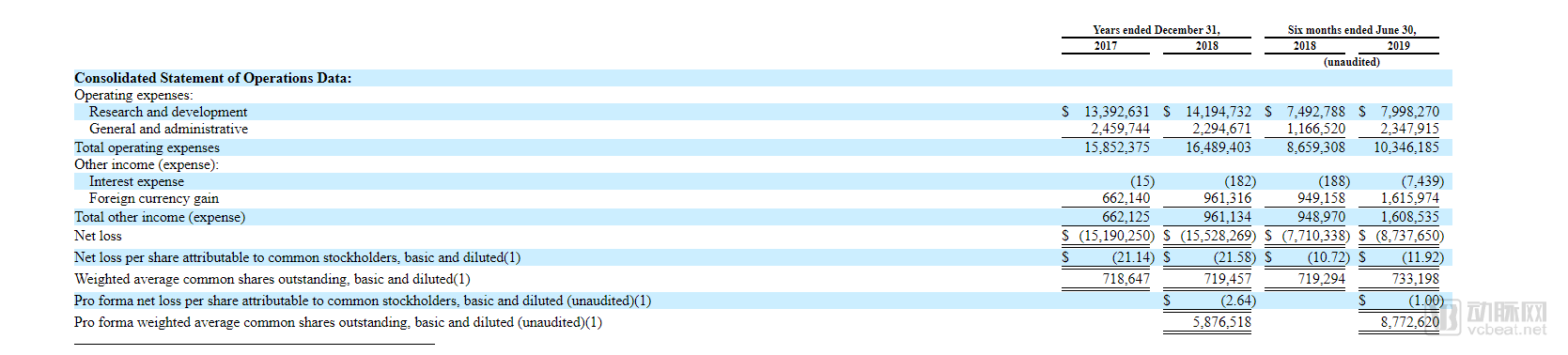
Image from the prospectus
Image from the official website of ADC Therapeutics
As originally planned, ADC Therapeutics was scheduled to go public on the same day as the three aforementioned companies. However, on the afternoon before its planned listing, ADC Therapeutics suddenly announced the withdrawal of its IPO, citing unfavorable market conditions.
ADC Therapeutics is a biotechnology company based in Switzerland. Co-founder Chris Martin was previously the co-founder of Spirogen, which was sold to AstraZeneca in 2013. He subsequently joined AstraZeneca as an executive and became a member of the MedImmune management team. Prior to the acquisition, Martin led numerous partnership deals for Spirogen, including agreements with Genentech and Seattle Genetics.
In 2011, Martin founded ADC Therapeutics, dedicated to the development of antibody-drug conjugate (ADC) therapies. The company links monoclonal antibodies to antitumor drugs via chemical linkers for the treatment of various hematologic cancers and solid tumors. ADC Therapeutics utilizes next-generation pyrrolobenzodiazepine (PBD) dimer technology. Compared with first-generation PBD ADCs in preclinical studies, next-generation PBD ADCs exhibit a higher therapeutic index, can actively kill cancer cells, and feature a distinct mechanism of action compared with other ADCs.
ADC Therapeutics’ pipeline includes products such as ADCT-402, ADCT-301, ADCT-602, and ADCT-601, with multiple clinical trials underway for indications in hematologic malignancies and solid tumors. Among these, ADCT-402 and ADCT-301 are the two most advanced candidates.
ADCT-402 (loncastuximab tesirine) is an antibody-drug conjugate (ADC) comprising a humanized monoclonal antibody targeting CD19. Upon binding to CD19-expressing cells, ADCT-402 is internalized into the cell, where enzymatic cleavage releases the pyrrolobenzodiazepine (PBD)-based payload. The PBD-based payload is capable of forming highly cytotoxic DNA interstrand cross-links, which block cell division and lead to cell death. CD19 is highly expressed in a range of B-cell hematologic malignancies, including certain types of lymphoma and leukemia, while its expression in healthy tissues is limited, making it an ideal target for ADC therapy.
Currently, ADCT-402 is undergoing a pivotal Phase II clinical trial for patients with relapsed or refractory (R/R) diffuse large B-cell lymphoma (DLBCL) (ClinicalTrials.gov identifier: NCT03589469). Concurrently, Phase I trials are being conducted evaluating its combination with ibrutinib in patients with R/R DLBCL or mantle cell lymphoma (MCL) (NCT03684694), as well as its combination with durvalumab for the treatment of R/R DLBCL, MCL, or follicular lymphoma (NCT03685344). ADCT-402 continues to demonstrate an acceptable safety profile and robust single-agent antitumor activity in the treatment of patients with relapsed or refractory diffuse large B-cell lymphoma. It is reported that the U.S. Food and Drug Administration (FDA) has granted orphan drug designation to ADCT-402 for the treatment of diffuse large B-cell lymphoma (DLBCL) and mantle cell lymphoma (MCL).
ADCT-301 targets CD25, and its mechanism of action is similar to that of the aforementioned agent; thus, it will not be elaborated further here. Notably, ADCT-301 can also deplete CD25-positive regulatory T cells (Tregs) within the local tumor microenvironment, thereby enhancing the immune response against tumor cells and inducing immunogenic cell death.
It is understood that the Phase I clinical trial of ADCT-301 in patients with relapsed and refractory Hodgkin lymphoma and non-Hodgkin lymphoma is currently underway (ClinicalTrials.gov identifier: NCT02432235), and the Phase Ib trial evaluating ADCT-301 in various advanced solid tumors (NCT03621982) is also ongoing.
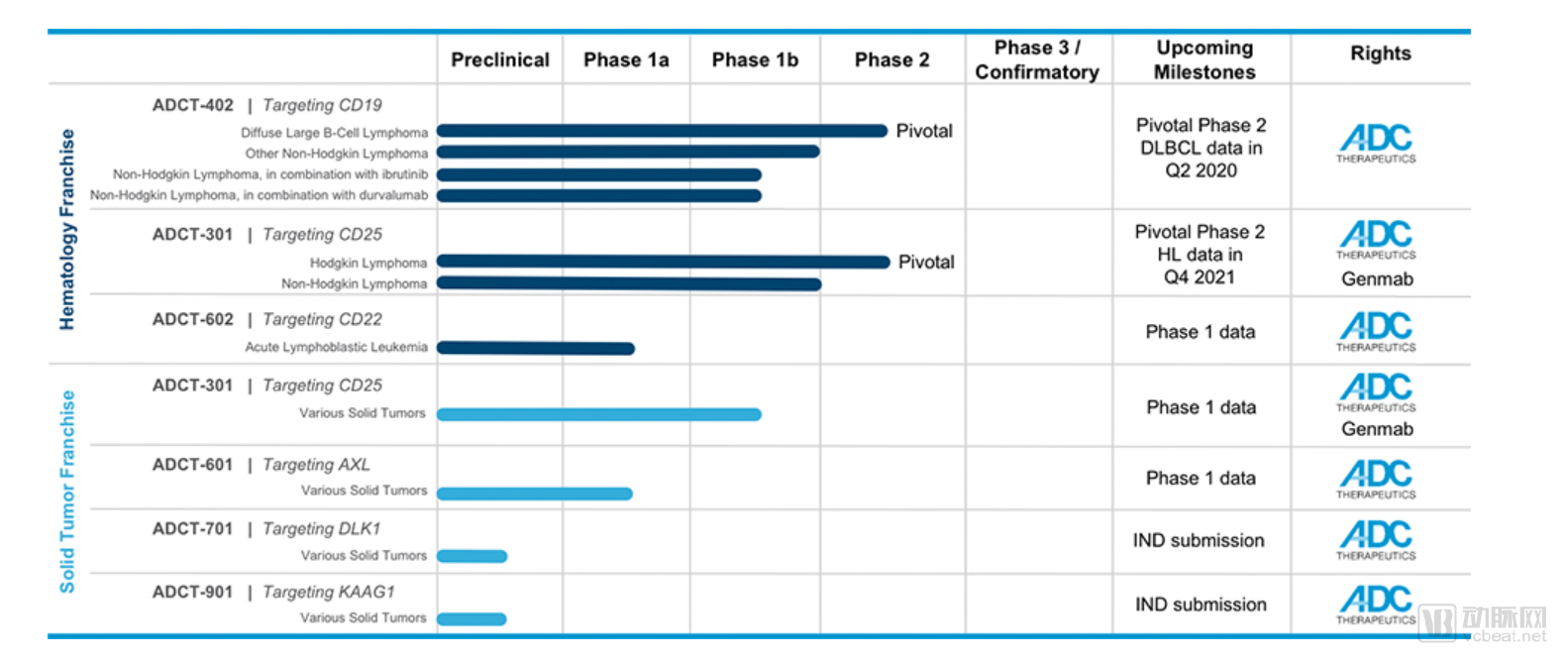
Image from the official website of ADC Therapeutics
Furthermore, the company has numerous preclinical ADCs advancing toward clinical trials.
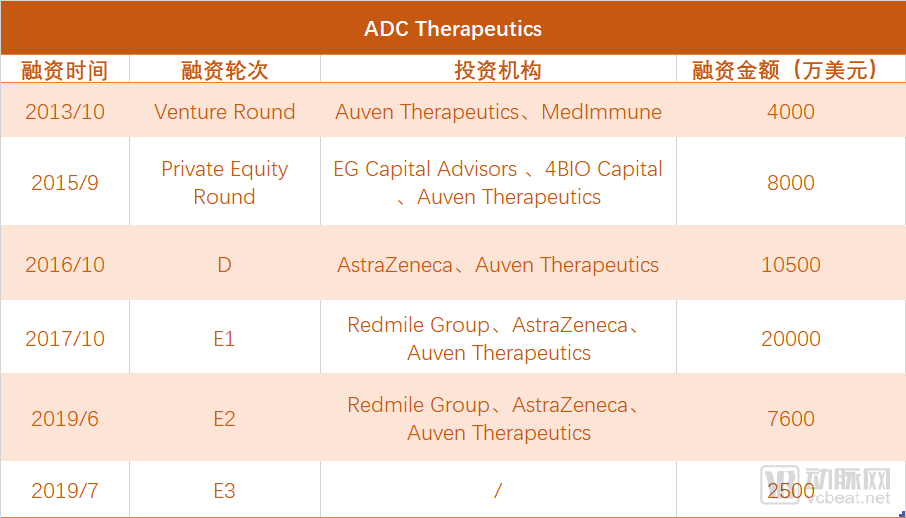
Data sourced from Mugu Zhijia
On September 9, 2019, ADC Therapeutics announced its application for an initial public offering on the New York Stock Exchange, aiming to raise $150 million to advance pivotal Phase II clinical trials of ADCT-402 (for the treatment of relapsed or refractory diffuse large B-cell lymphoma [R/R DLBCL]) and ADCT-301 (for the treatment of relapsed or refractory Hodgkin lymphoma [R/R HL]). Two months prior, ADC Therapeutics had just completed a $103 million Series E extension financing, bringing the total amount raised in this round to $303 million. Investors in this round included Auven Therapeutics and AstraZeneca.
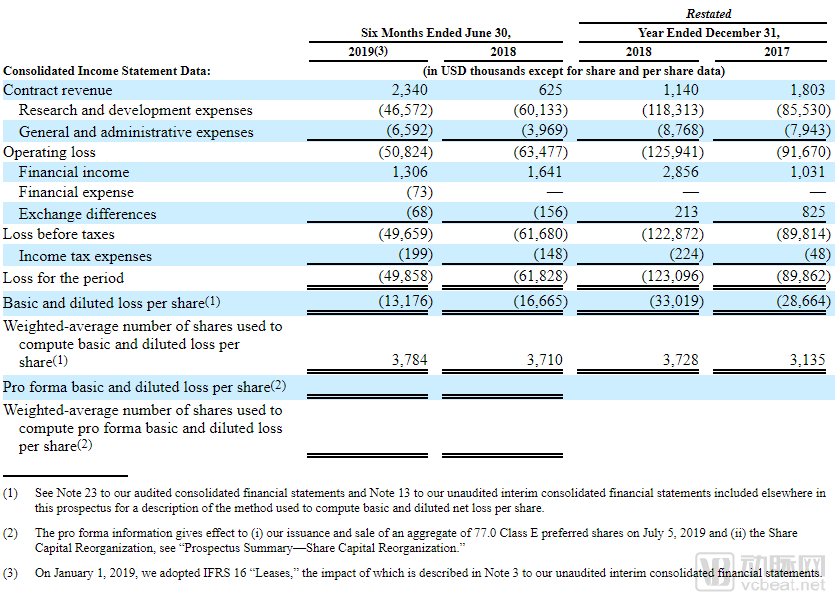
Image from the prospectus
As no products have been approved for commercial launch or achieved commercialization, ADC Therapeutics has incurred net losses since its inception. In 2017 and 2018, ADC Therapeutics reported net losses of $89.9 million and $123.1 million, respectively, primarily attributable to research and development (R&D) expenditures and personnel costs. According to the prospectus, the company’s R&D spending amounted to $85.83 million in 2017 and $118.3 million in 2018. As of June 30, 2019, ADC Therapeutics had accumulated a net loss of $381.9 million. With its product pipeline advancing into clinical trials and regulatory approval stages, ADC Therapeutics anticipates that its investments in R&D and commercialization will continue to increase.
Furthermore, BioNTech, Germany’s largest biotech unicorn, is on the verge of going public. Hailed as one of the three global leaders in mRNA therapeutics—alongside CureVac and Moderna—the company operates world-leading cGMP manufacturing facilities for gene and cell therapies, as well as RNA-based therapeutic and diagnostic products.
BioNTech is set to go public on the Nasdaq on the 10th, with an offering price of $18.00–$20.00 per share. The company will issue 13.2 million shares, raising $251 million. The underwriters are J.P. Morgan, BofA Merrill Lynch, UBS Investment Bank, and SVB Leerink.